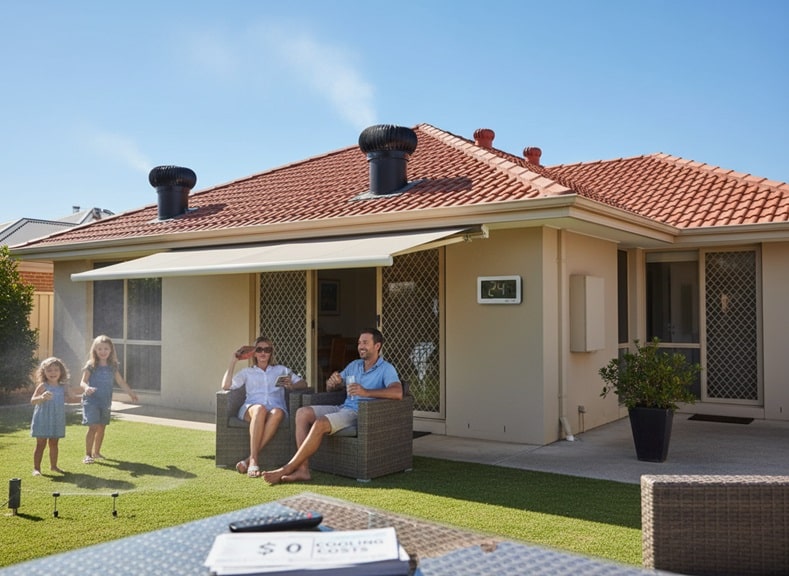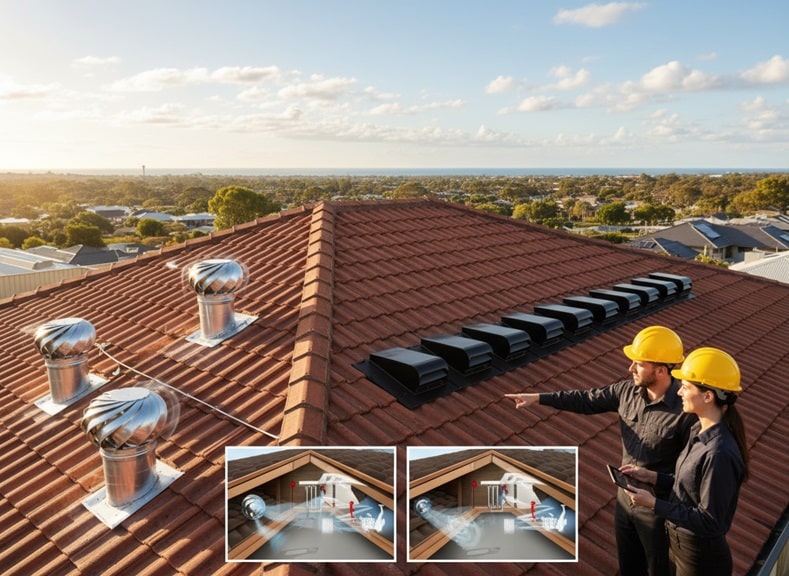
Permacoat understands that beneath Perth’s tile roofs lies a critical waterproofing component many property owners never see but absolutely depends upon for roof system performance. Tile roof underlayment Perth, commonly called sarking or roof membrane, forms the primary water barrier protecting buildings from infiltration. While tiles shed most rainfall, underlayment intercepts water penetrating tile coverage, directing it safely away from building interiors. Understanding when underlayment requires replacement, recognising deterioration symptoms, and appreciating modern material advantages helps property owners make informed decisions about this essential roof component.
Traditional sarking consisted of reinforced building paper offering limited durability and weather resistance. Modern breathable roof membranes deliver dramatically improved performance, with advanced materials resisting UV degradation, accommodating structural movement, and managing moisture vapour effectively. Property owners replacing deteriorated underlayment benefit from upgrading to contemporary products providing superior protection throughout extended service lives.
Understanding Tile Roof Underlayment Function
Underlayment serves multiple critical functions within complete tile roof assemblies, making it far more than simple backup waterproofing.
The primary function involves intercepting water that penetrates the tile covering. Despite tiles’ effectiveness in shedding rainfall, wind-driven rain, and condensation, tile overlap imperfections allow moisture beneath tiles. Quality underlayment intercepts this water, directing it toward eaves and away from roof cavities. Without functional underlayment, this water infiltrates insulation, structural timber, and eventually building interiors.
Moisture vapour management represents another critical underlayment function. Building interiors generate substantial moisture vapour through cooking, bathing, and occupant respiration. This vapour migrates upward into roof cavities. Temperature differentials between conditioned interior spaces and hot roof cavities create condensation potential. Breathable underlayment permits vapour passage while blocking liquid water, preventing condensation accumulation that would saturate insulation and promote mould growth.
Wind uplift resistance depends partially on proper underlayment installation. Uplift forces during wind events create negative pressure beneath tiles. Well-installed underlayment helps maintain roof assembly integrity by preventing wind infiltration that exacerbates uplift forces on tiles themselves.
Secondary weatherproofing during re-roofing projects protects buildings when tile removal exposes the underlayment. Quality underlayment maintains weather resistance during construction, preventing damage to interiors if rain occurs during work. This protection proves particularly valuable given Perth’s unpredictable weather patterns.
Underlayment also contributes to fire resistance, thermal performance, and acoustic insulation, though these represent secondary rather than primary functions. Modern high-performance products optimise multiple characteristics simultaneously.
Signs Your Underlayment Needs Replacement
Recognising underlayment deterioration symptoms enables property owners to address problems before extensive damage occurs.
Interior water damage represents the most obvious indication of underlayment failure. Ceiling staining, particularly after rainfall, suggests water penetrating beyond tile coverage and through compromised underlayment. The staining may appear isolated or widespread, depending on the extent of failure. Property owners observing such symptoms should arrange immediate professional inspection to determine whether underlayment failure, tile problems, or other issues cause water entry.
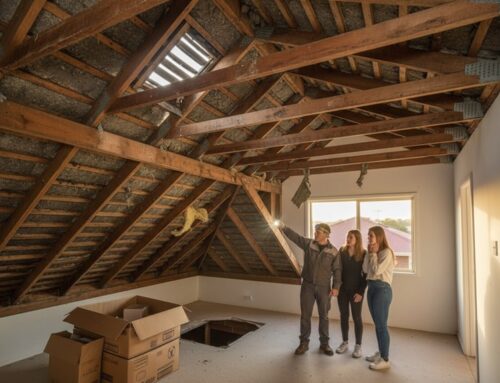
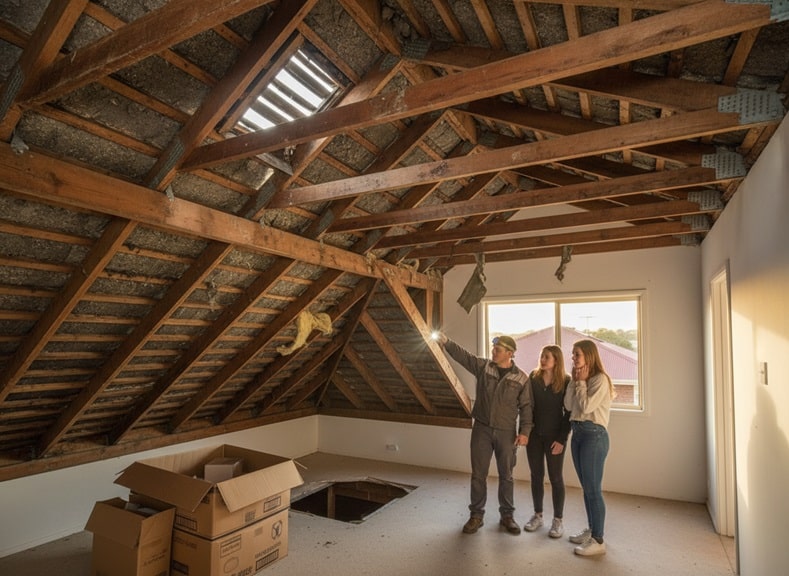
Visible underlayment deterioration during roof cavity inspection provides direct evidence of replacement needs. Accessing roof cavities through maintenance holes allows limited underlayment observation. Signs of deterioration include material brittleness with tearing when touched, visible holes or gaps in underlayment, discolouration indicating UV degradation, and water staining on underlayment surfaces suggesting current or recent leaking.
Age alone indicates potential replacement needs. Traditional sarking typically deteriorates after 20-30 years in Perth conditions. Properties with roofs approaching or exceeding these ages warrant professional assessment even without apparent symptoms. Proactive underlayment replacement before complete failure prevents interior damage that emergency repairs cannotcontrolt.
Insulation condition provides indirect evidence. Wet or deteriorated roof cavity insulation often results from underlayment failure, allowing water infiltration. During roof cavity inspections, observing insulation condition helps identify whether underlayment problems exist.
Mould growth in roof cavities suggests moisture management problems potentially related to underlayment failure or inadequate vapour permeability. While various factors can cause roof cavity mould, underlayment deficiencies rank among the common culprits requiring investigation.
Modern Underlayment Materials and Advantages
Contemporary underlayment products deliver substantial performance improvements compared to traditional materials, justifying investment in quality replacements.
Breathable sarking membranes represent the current standard for tile roof applications. These sophisticated materials combine waterproof surfaces, preventing liquid water infiltration, with vapour permeability, allowing moisture vapour passage. The dual functionality addresses Perth’s climate challenges effectively. During hot days, vapour generated within buildings can escape through breathable membranes rather than condensing in roof cavities. During rainfall, the waterproof surface intercepts any water penetrating the tile coverage.
UV resistance proves critical for Perth applications. Underlayment receives substantial UV exposure during tile installation and any subsequent tile maintenance requiring tile removal. Traditional sarking degrades rapidly under UV exposure, losing strength and waterproof properties. Modern UV-resistant underlayment maintains integrity through extended exposure periods, providing reliable protection throughout installation and subsequent decades of service.
High tensile strength resists damage during installation and from structural movement. Strong underlayment withstands rough handling during installation without tearing. It accommodates building settling and thermal expansion without developing gaps or tears that compromise waterproofing. This durability proves particularly valuable given Perth’s significant temperature variations, creating substantial thermal movement.
Reflective underlayment reduces heat transfer into roof cavities. Some modern products incorporate reflective surfaces,s reducing radiant heat gain. This characteristic helps moderate roof cavity temperatures, potentially reducing cooling costs and improving building comfort. While insulation provides greater thermal resistance, every contribution helps in Perth’s hot climate.
Extended warranties accompany premium underlayment products. Manufacturers confident in their products’ longevity offer warranties extending 10-20 years or longer. These warranties provide property owners with confidence that investments in quality materials will deliver expected performance throughout service lives.
Underlayment Replacement Process
Professional sarking replacement services follow systematic processes ensuring quality outcomes and lasting performance.
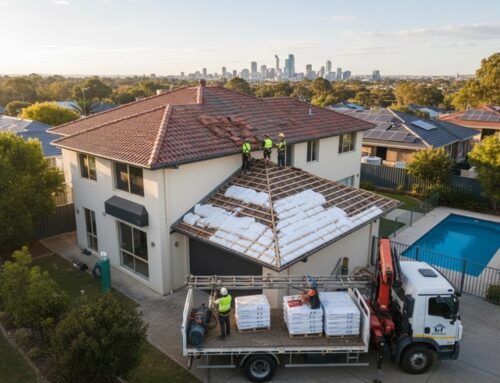
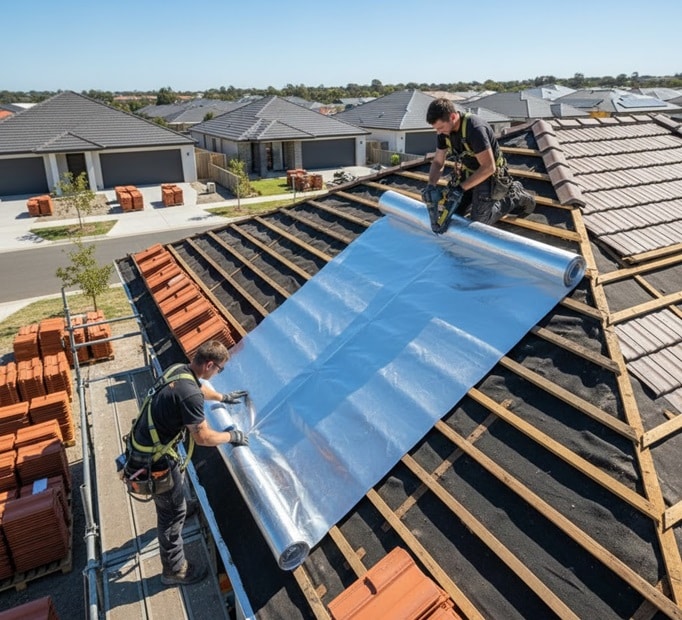
Complete tile removal becomes necessary for full underlayment replacement. Tiles must be carefully removed and stacked for reinstallation, requiring adequate site space and proper handling to prevent breakage. Professional contractors employ systematic tile removal processes, minimising damage while maintaining organisation for efficient reinstallation.
Existing underlayment removal and disposal follow tile removal. Old sarking may be badly deteriorated, tearing during removal. Complete removal proves necessary, as leaving fragments compromises new underlayment installation. Proper disposal addresses waste management requirements.
Roof deck inspection occurs once the underlayment removal exposes timber framing and decking. This inspection opportunity identifies structural problems requiring attention before new underlayment installation. Damaged or deteriorated timber receives repair or replacement. This inspection proves one of the few opportunities for examining these normally hidden components.
New underlayment installation requires the correct technique, ensuring optimal performance. Proper overlap sequencing creates a shingled effect, directing water downward and outward. Adequate overlap dimensions prevent water infiltration at seams. Appropriate fastening secures underlayment without creating excessive penetrations, compromising waterproofing. Professional installation follows manufacturer specifications and building code requirements.
Penetration flashing and detail work address locations where pipes, vents, or other elements penetratethe roofing. Proper integration between the underlayment and these penetrations proves critical for complete waterproofing. Professional installers use compatible flashings and sealants, creating reliable weather-resistant transitions.
Tile reinstallation completes roof membrane upgrade projects. Tiles receive careful handling during reinstallation, maintaining proper overlap and alignment. Any damaged tiles identified during removal receive replacement. Professional contractors match new tiles to existing profiles and colours as closely as possible when replacements prove necessary.
Final inspection verifies complete quality work. Professional contractors examine completed installations systematically, ensuring all areas receive proper attention and meet quality standards.
Timing and Planning Underlayment Replacement
Strategic timing and planning optimise underlayment replacement outcomes while managing costs and disruption.
Coordination with re-roofing projects proves most cost-effective. When comprehensive roof restoration or complete tile replacement becomes necessary, concurrent underlayment replacement adds marginal cost compared to standalone projects. The tile removal required for underlayment replacement representsa substantial expense that re-roofing projects already incur.
Proactive replacement before complete failure prevents interior damage. Property owners aware of deteriorating underlayment should schedule replacement before the rainy season rather than risking damage during winter storms. The inconvenience and expense of proactive replacement prove far less than emergency repairs addressing water damage.
Weather considerations affect project timing. Underlayment replacement exposes buildings to the weather during work. Scheduling projects during Perth’s dry season (November through April) minimises weather disruption risk. While professional contractors can work during other periods, dry weather provides optimal conditions.
Project duration affects planning requirements. Complete underlayment replacement typically requires several days, depending on roof size and complexity. Property owners should plan for this disruption, considering noise, site access, and occupant convenience. Professional contractors provide realistic timeline estimates supporting appropriate planning.
Cost Factors for Underlayment Replacement
Understanding cost components helps property owners budget appropriately and evaluate contractor proposals.
Roof size directly affects costs through material quantities and labour requirements. Larger roofs require more underlayment material and more labour hours for tile removal, underlayment installation, and tile replacement. Complex roof configurations with multiple planes, valleys, and penetrations cost more per square metre than simple roof geometries.
Material selection significantly impacts costs. Premium breathable underlayment with enhanced features costs more than basic products. However, the performance and longevity advantages typically justify premium material investment. Property owners should balance initial cost against lifecycle value when selecting materials.
Tile handling and potential replacement add costs. Some tile breakage typically occurs during careful removal and reinstallation. The breakage percentage varies with tile age, brittleness, and installer care. Property owners should expect some tile replacement needs, with costs depending on tile type and availability. Discontinued tile profiles may require sourcing from speciality suppliers at premium prices.
Structural repairs discovered during underlayment replacement create additional costs. Timber damage from water infiltration, inadequate roof framing, or deteriorated decking may require attention. Reputable contractors discuss these possibilities before commencing work, establishing clear communication about potential additional costs if problems emerge.
Access difficulty affects labour costs. Single-story simple roofs cost less per square metre than multi-story complex configurations requiring extensive access equipment and safety systems.
Integration with Complete Roof Care
Underlayment replacement integrates most effectively within comprehensive roof maintenance and restoration strategies.
Roof restoration projects provide optimal timing for underlayment assessment and replacement. Comprehensive restoration addressing tiles, flashings, ridge capping, and protective coatings creates opportunities for underlayment renewal when tile removal occurs for other work. This integrated approach delivers better value than sequential separate projects.
Tile replacement or re-roofing necessitates underlayment attention. When tile deterioration requires comprehensive replacement, the underlayment condition warrants evaluation. Property owners should not reinstall tiles over questionable underlayment, as this defers inevitable problems while forgoing opportunities for cost-effective concurrent work.
Documentation of underlayment condition and replacement supports property management. Professional assessment reports detailing underlayment condition inform decisions about timing replacement. Records of completed work document materials used and provide valuable property history for future reference, property transactions, and insurance purposes.
Professional Assessment and Services
Professional evaluation determines the underlayment condition and appropriate action timing.
A comprehensive roof inspection includes an underlayment assessment where accessible. Experienced inspectors examine visible underlayment from roof cavity access points, noting deterioration symptoms. They combine this limited direct observation with indirect indicators like age, interior water damage history, and insulation condition, forming complete assessments.
Moisture detection technology assists assessment. Moisture meters identify elevated moisture levels in roof structures, suggesting possible underlayment failure, allowing water infiltration. Thermal imaging sometimes reveals moisture patterns or temperature anomalies, es indicating problems. These technologies supplement visual inspection, providing a more complete assessment.
Professional contractors experienced with underlayment replacement understand Perth’s specific challenges. They specify appropriate materials for local conditions, employ proper installation techniques ensuring optimal performance, and coordinate underlayment work effectively with other roof activities. This expertise proves particularly valuable given the underlayment’s hidden location, making DIY assessment and repair impractical.
Modern Underlayment Performance in Perth Climate
Understanding how contemporary underlayment materials perform specifically in Perth’s conditions helps property owners appreciate the upgrade benefits.
Intense UV radiation challenges many materials. Modern UV-resistant underlayment maintains integrity despite Perth’s high UV index. This resistance proves critical during installation and any subsequent tile removal for maintenance, preventing rapid deterioration that traditional sarking experienced.
Temperature extremes test material durability. Perth’s temperature range from cool winter nights to extremely hot summer days creates substantial thermal cycling. Quality underlayment accommodates this movement without developing tears or losing adhesion at fastening points. The flexibility proves essential for long-term performance.
Moisture management requirements suit breathable membranes particularly well. Perth’s climate creates significant potential for roof cavity condensation, with temperature differentials between air-conditioned interiors and solar-heated roof spaces promoting moisture accumulation. Breathable underlayment addresses this challenge effectively, preventing condensation problems that traditional impermeable sarking cannot manage.
Wind-driven rain penetration beneath tiles occurs more frequently in Perth’s winter storms. Quality underlayment intercepts this water reliably, protecting buildings from infiltration. The combination of waterproof surfaces and proper installation technique ensures effective protection even under challenging conditions.
Taking Action for Underlayment Protection
Property owners concerned about underlayment condition or planning roof projects should seek a professional assessment to determine appropriate actions.
Schedule a professional roof inspection, including underlayment evaluation. Comprehensive assessment identifies current conditions and remaining service life, supporting informed decisions about replacement timing.
Act promptly on assessment findings indicating deterioration or approaching the end of service life. Proactive replacement before complete failure prevents interior damage exceeding replacement costs substantially.
Select quality breathable sarking installation when undertaking replacement. The performance advantages and extended service life justify premium material investment compared to economy alternatives.
Coordinate underlayment work with other roof projects when possible. This integrated approach delivers cost efficiencies while ensuring complete roof system attention.
Engage experienced professional contractors with relevant Perth experience. Quality installation proves critical for realising material benefits and achieving expected performance.
Perth property owners requiring sarking replacement services or underlayment deterioration assessment benefit from qualified contractors who understand local conditions and appropriate materials. Professional evaluation identifies specific needs, while expert installation ensures quality outcomes, protecting properties for decades.
Contact us on (08) 9249 5955 for comprehensive underlayment assessment and professional sarking replacement services. With extensive experience across Perth’s diverse roof types and comprehensive warranties backing all work, Permacoat delivers breathable sarking installation, maintaining optimal roof performance through challenging climate conditions. Quality materials, expert installation, and attention to critical details ensure underlayment systems protect properties reliably throughout their service lives.