Managing the upkeep of a single home is one thing. Managing the roof of a strata property is another challenge altogether. With multiple owners, differing opinions, and shared financial responsibility, keeping a roof in good order under a strata title can feel more like project management than routine maintenance. Add Perth’s unpredictable climate into the mix, and it’s easy to see why strata roofing becomes complicated.
This guide breaks down the challenges of strata roof maintenance Perth property owners and managers face, from budgeting to communication, and offers practical steps to keep strata roofs safe, compliant, and well-maintained. Whether managing a small complex or an extensive multi-unit development, understanding these challenges is the first step toward effective property management.
What Makes Strata Roof Maintenance Different?
The complexity lies in shared ownership. Unlike a single residence where one person makes the call, strata properties require group decisions that can slow down even urgent repairs.
Shared decision-making – repairs, replacements, and upgrades often need consensus from multiple parties with varying priorities and financial circumstances.
Budget constraints – funds come from collective contributions through quarterly or annual levies, which means negotiating priorities and justifying expenditure to owners who may not see immediate value in preventative work.
Formal approvals – strata legislation requires documented processes, AGM approvals for major works, and committee oversight rather than quick fixes that might be appropriate for private homes.
More stakeholders – multiple owners, tenants, property managers, and strata committees all have input, creating layers of communication that must be managed effectively.
Legal compliance – strata properties must meet specific regulatory requirements under Western Australian strata legislation, including proper documentation of maintenance work and adherence to building codes that apply to multi-unit developments.
In practice, this can mean delays if consensus isn’t reached quickly. Preventative work may be put off until urgent repairs are unavoidable, which usually costs far more than scheduled maintenance. A minor leak ignored for six months can become structural damage affecting multiple units, turning a $2,000 repair into a $20,000 emergency project. This is where a structured strata maintenance plan in Perth becomes invaluable, providing a roadmap that reduces disputes and keeps costs predictable.
The challenge intensifies when owners have different financial situations. Some may struggle with special levies for urgent roof repairs, while others want premium materials and comprehensive restoration. Balancing these competing interests requires diplomacy, transparency, and precise long-term planning.
Key Takeaway: Strata roofing projects demand coordination, consensus, and formal planning – a much bigger task than looking after an individual home.
Common Strata Roofing Issues in Perth
Perth’s weather can be unforgiving. Scorching summer sun, salty coastal breezes, and sudden winter storms all take a toll on roofing materials. Understanding these common issues helps strata committees anticipate problems and budget accordingly.
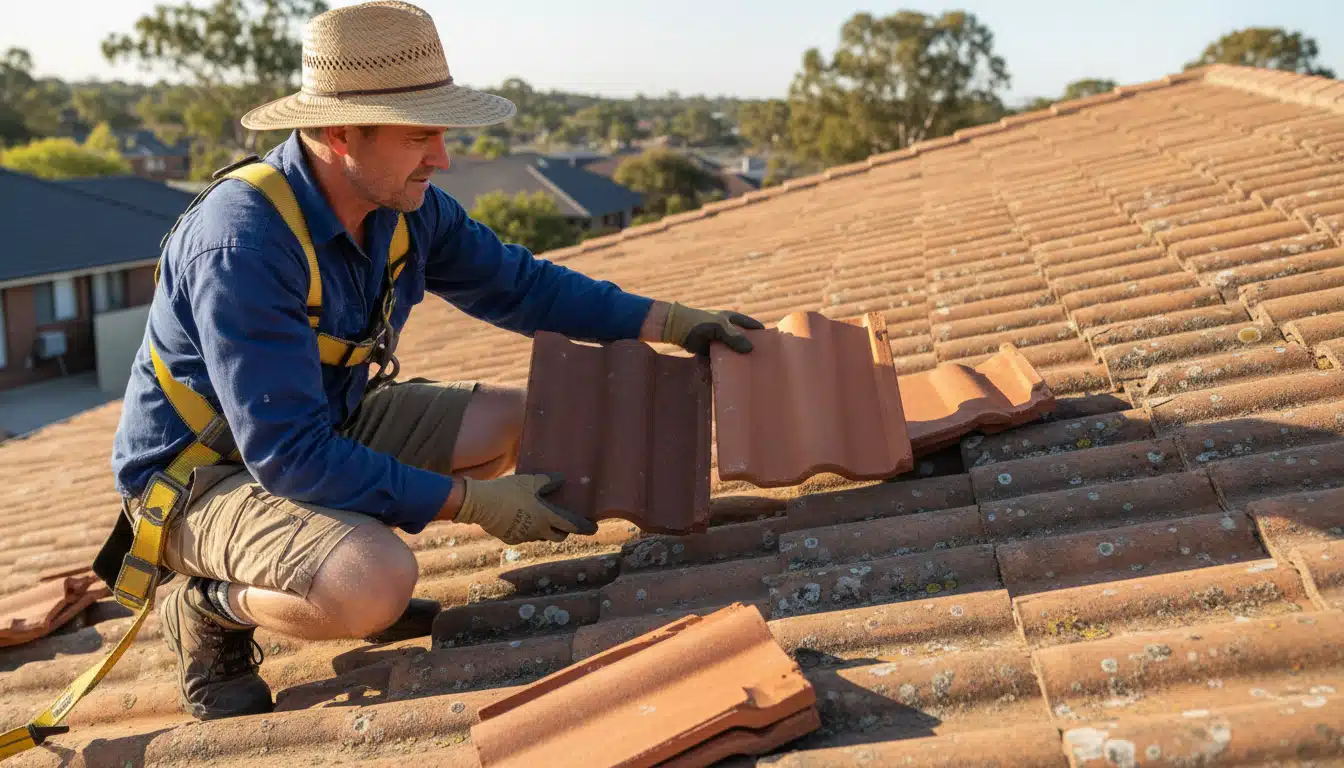
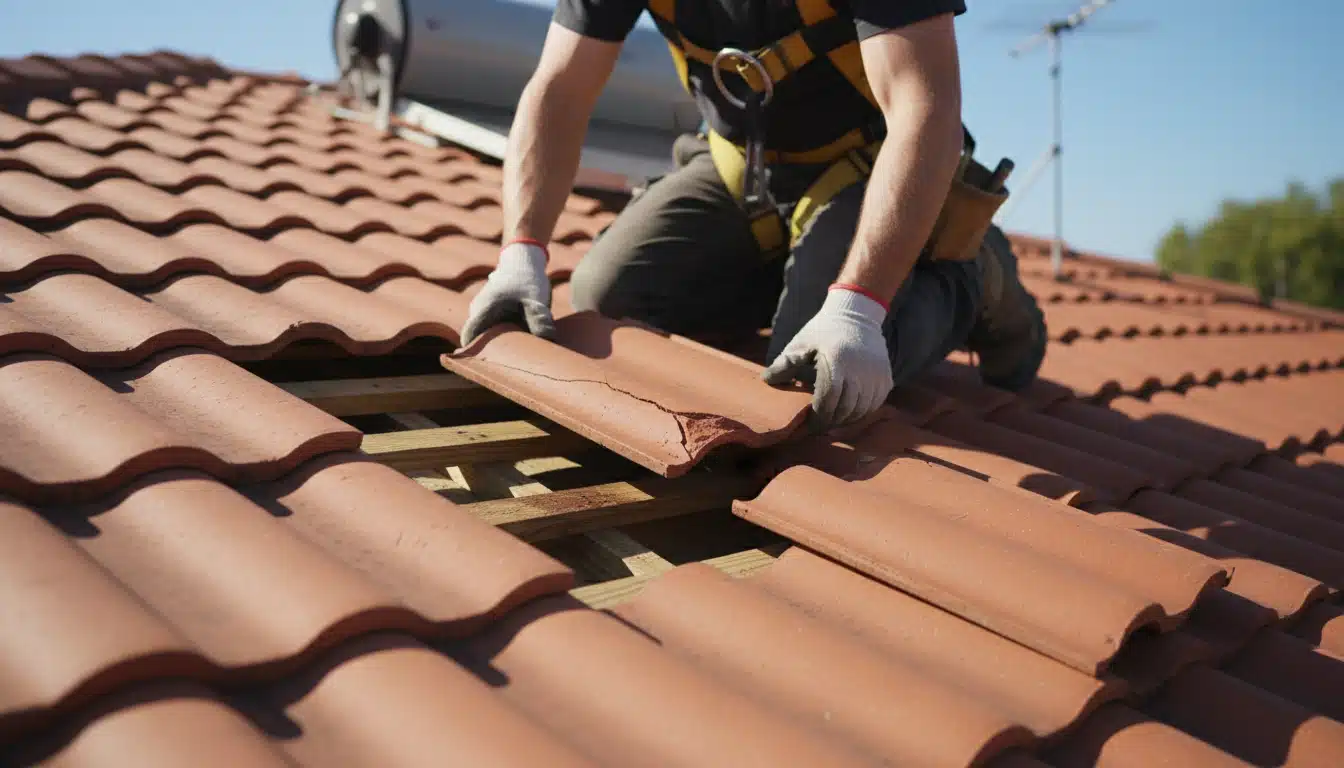
Cracked or broken tiles – particularly in older complexes with terracotta or concrete tile roofs. Perth’s extreme temperature fluctuations cause tiles to expand and contract, leading to micro-cracks that worsen over time. In strata properties, one damaged tile can channel water into shared roof cavities, affecting multiple units below.
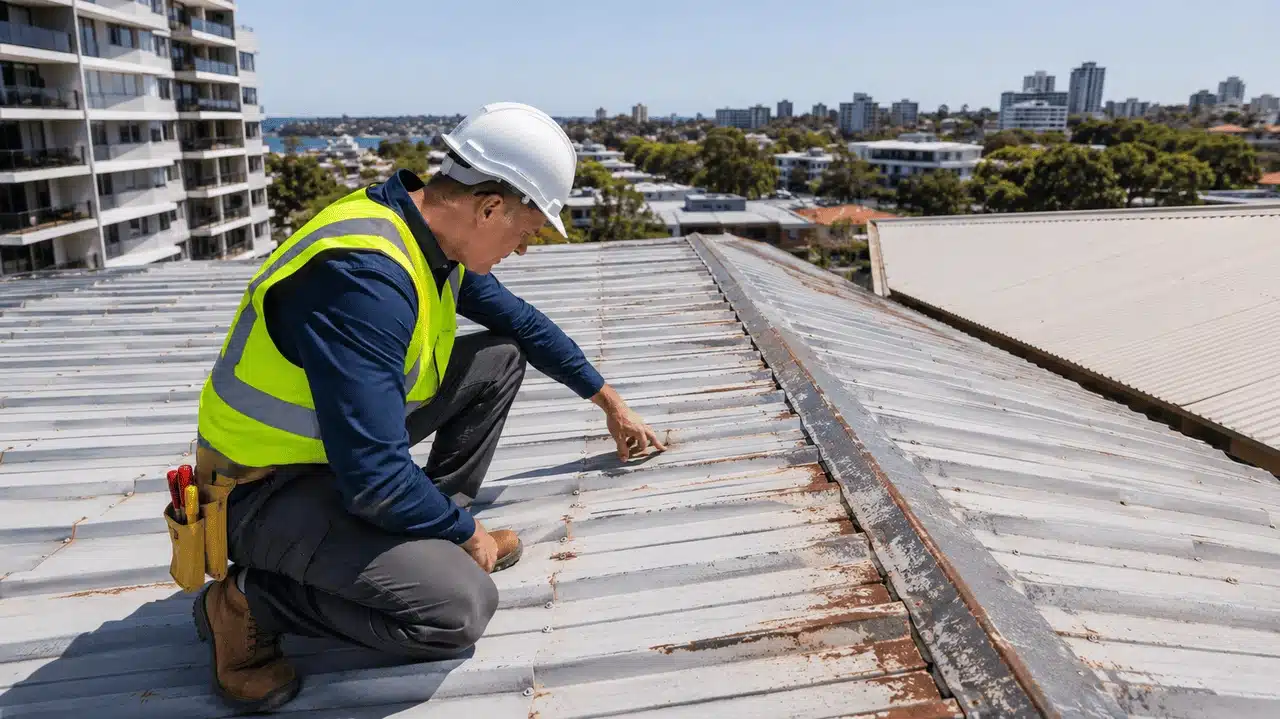
Corrosion on metal roofs – accelerated in coastal suburbs where salt spray combines with moisture. Colorbond roofs, while durable, still require regular inspection for rust spots, particularly around fasteners and cut edges, where protective coating may be compromised. Left unchecked, corrosion spreads rapidly and can perforate sheeting within months.
Leaks – the number one strata roofing problem, often affecting multiple units simultaneously. Shared roof valleys, damaged flashing around chimneys or vents, and deteriorated sealants around roof penetrations create entry points for water. In strata settings, determining which unit is responsible for repairs can complicate response times.
Sagging structures – caused by aged timber framing, water damage to roof battens, or inadequate support during original construction. This is particularly concerning in older Perth complexes built before modern building codes. Sagging indicates structural compromise that requires immediate professional assessment through strata-managed properties specialists.
Blocked gutters and downpipes – common in shared roof spaces with ample tree coverage or poor drainage design. When gutters overflow, water can penetrate fascia boards, soffit areas, and external walls, causing damage to multiple units. Regular maintenance of gutters and downpipes prevents these cascading failures.
Ponding water – flat or low-pitched roofs standard in modern strata developments can accumulate water if drainage is inadequate. Standing water accelerates material breakdown and creates perfect conditions for leak development.
Weathered roof coatings – protective coatings applied during previous restoration work eventually break down under Perth’s intense UV exposure. When coatings fail, underlying materials become vulnerable to rapid deterioration.
A single issue in one section of a strata roof can impact multiple apartments or units, increasing repair urgency and complicating cost allocation. Early intervention through regular inspections and preventative maintenance saves thousands of dollars and prevents disputes among owners.
The Importance of Regular Roof Inspections
Routine inspections are the foundation of effective strata roof maintenance Perth strategies. Think of them as a regular health check for the property – identifying minor problems before they become expensive emergencies.
Benefits of Regular Inspections
Early detection – spotting cracked tiles, minor corrosion, lifted flashing, or deteriorated sealants before leaks start affecting interior spaces. Early intervention typically costs 10-20% of emergency repair expenses.
Preventative maintenance – addressing issues quickly extends the roof lifespan significantly. A roof maintained adequately through regular inspections and minor repairs can last 50-100% longer than one left to deteriorate.
Accurate budgeting – inspections highlight upcoming costs with reliable timelines, helping strata committees allocate funds appropriately and avoid surprise special levies that frustrate owners.
Compliance – documented inspections demonstrate due diligence under strata legislation, protecting committees from liability if damage occurs. Regular inspection records also satisfy insurance requirements.
Warranty protection – many roof restoration and coating warranties require documented annual inspections. Missing these inspections can void coverage when problems arise.
Asset valuation – properties with documented maintenance histories and well-maintained roofs achieve higher valuations and attract quality tenants more easily.
What Professional Inspections Should Cover
Professional inspections should thoroughly assess tiles or sheeting, flashing around penetrations, roof valleys where water concentrates, gutters and downpipes, ridge capping, mortar pointing on tiled roofs, and any protective coatings. For large complexes, inspectors should also check roof access points, skylights, ventilation systems, and shared chimney structures.
For large complexes, scheduling bi-annual inspections ensures no issues are missed between seasons. Spring inspections catch winter storm damage, while autumn inspections prepare roofs for the wet season ahead. Permacoat provides comprehensive inspection services designed explicitly for strata properties, with detailed reports that support committee decision-making.
Key Takeaway: Inspections catch problems before they escalate and help strata councils plan effectively, preventing disputes and controlling costs.
Budgeting for Strata Roof Maintenance
Money is often the sticking point in strata property discussions. Some owners prefer to minimise ongoing levies, focusing on their personal financial constraints, while others understand the need for planning to protect their investment. Without dedicated budgeting, minor issues grow into major structural expenses that require emergency special levies.
Smart Budgeting Practices
Long-term planning – develop a comprehensive 10-20 year plan that includes scheduled roof repairs, protective coating applications, and eventual roof replacement. This planning spreads costs predictably and avoids financial shocks.
Sinking fund allocation – ensure a significant portion of quarterly levies goes into a dedicated fund specifically for roofing work. Financial experts recommend allocating 15-25% of annual strata levies to building maintenance reserves, with roofing being the single most significant component.
Multiple quotes – compare prices from at least three qualified contractors for major projects to ensure fair spending. However, avoid selecting solely on price – factor in experience with strata roof maintenance Perth projects, warranty offerings, and timeline reliability.
Contingency funds – Perth’s unpredictable weather means storms and sudden leaks require immediate resources. Maintain a contingency buffer of 10-15% beyond planned expenses to handle emergencies without disrupting other planned work.
Staged project delivery – break large restoration projects into phases spread across multiple financial years. This approach reduces levy pressure on owners while still achieving necessary improvements.
Cost-benefit analysis – compare the long-term value of quality materials and artistry against cheaper short-term fixes. Premium roof coatings may cost more initially but provide superior protection and longer intervals between maintenance cycles.
For clarity on likely costs across different repair scenarios, refer to detailed roof repair costs information, which helps strata councils estimate realistic budgets based on roof type, size, and current condition.
Common Budgeting Mistakes to Avoid
Underestimating timelines – roof projects take longer on strata properties due to coordination requirements, budget for potential delays.
Ignoring inflation, maintenance costs increase annually. Plans created five years ago need adjustment for current pricing.
Reactive spending – waiting for emergencies always costs more than planned maintenance. Deferred maintenance typically costs 3-5 times more when problems become urgent.
Inadequate documentation – without clear records of previous work and ongoing condition assessments, budgets become guesswork rather than informed planning.
Key Takeaway: A clear strata maintenance plan in Perth prevents disputes, keeps levies predictable, and avoids crisis spending that damages owner relationships and property values.
Choosing the Right Contractor for Strata Roof Work
Strata projects demand experienced contractors who understand the complexities of multi-owner properties, committee approvals, and the need for minimal disruption to residents. Selecting the cheapest quote often results in incomplete work, corners cut on materials, or recurring issues that cost far more in the long run.
What to Look For
Experience in strata roof maintenance Perth projects – contractors familiar with strata requirements understand the approval processes, documentation standards, and communication protocols that make projects run smoothly. They know how to work with committees rather than individual decision-makers.
Full licensing and insurance – verify current builder’s registration, public liability insurance covering strata properties, and workers’ compensation insurance. Request certificate copies and verify coverage directly with insurers.
References from other strata complexes – speak with committee members from previous projects. Ask about communication quality, adherence to timelines, site cleanliness, and how the contractor handled unexpected issues.
Clear, itemised quotes – detailed quotes covering the scope of work, specific materials and brands, labour breakdown, timelines with milestone dates, and payment schedules create accountability and prevent scope creep.
Transparent communication with committees and owners – contractors should provide regular progress updates, respond promptly to queries, and maintain professional relationships with all stakeholders.
Warranty offerings – quality contractors stand behind their work with substantial warranties covering artistry and materials. Typical professional warranties range from 5 to 15 years, depending on the work type.
Safety compliance – strata properties require specific safety measures, including traffic management plans, resident notification protocols, and proper site security. Contractors should provide detailed safety plans.
Project management capabilities – larger strata projects benefit from dedicated project managers who coordinate trades, handle logistics, and serve as the primary contact point for committees.
Specialised strata roofing contractors offer tailored roof restoration, maintenance, and coating programs designed to suit both budgets and compliance requirements specific to multi-unit properties.
Communication: The Strata Challenge
Good communication is often more complex than the maintenance work itself. Owners want reassurance that their money is being spent wisely, tenants wish to experience minimal disruption to their daily lives, and committees need clear information to make informed decisions. Poor communication breeds suspicion, resistance, and disputes that can derail essential maintenance work.
Best Practices for Strata Communication
Provide regular updates – use emails, formal meetings, printed newsletters, or digital notice boards to keep all stakeholders informed throughout the project lifecycle, not just when approvals are needed.
Keep communication transparent – share multiple quotes, detailed inspection findings with photos, contractor credentials, and realistic project schedules. Transparency builds trust and reduces objections.
Consult owners on major projects – bring significant expenditure to owners for discussion well before committing funds. Explanation of necessity, alternatives considered, and long-term benefits helps secure support.
Document everything meticulously – maintain comprehensive records of all decisions, approvals, contractor communications, inspection reports, and financial transactions. These records are essential if disputes arise or insurance claims become necessary.
Use visual aids – photos and diagrams showing roof condition, damage extent, and proposed work locations- to help non-technical owners understand the necessity and scope. Before-and-after comparisons demonstrate value delivered.
Set realistic expectations – clearly communicate potential inconveniences like noise, restricted access, or temporary disruption. Warning reduces complaints and shows respect for residents.
Establish communication protocols – designate specific contact people for different aspects of projects. Residents should know whom to contact for various concerns.
Celebrate successes – when projects are completed successfully and on budget, communicate the achievement. This builds confidence in the committee’s management capabilities.
Clear communication reduces resistance to maintenance work, builds trust in strata committee decisions, and creates a collaborative environment where owners understand their investment is being protected professionally.
Handling Disputes and Disagreements
Disagreements are inevitable in strata settings where multiple owners have different priorities, risk tolerances, and financial situations. Owners may argue over cost necessity, timing of roof works, contractor selection, or how expenses should be allocated. Managing these disputes professionally is crucial for property management success.
Ways to Resolve Conflicts
Mediation – neutral discussion facilitated by the strata manager or an independent mediator helps parties understand different perspectives and find common ground. Professional mediation often resolves disputes faster and more amicably than formal proceedings.
Voting – formal decision-making through proper AGM or committee vote processes ensures fairness and protects minority interests. Adequate documentation of votes provides legal protection for decisions.
Independent expert assessment – bringing in an independent roofing consultant for condition assessment removes emotion from technical discussions. Expert opinions carry weight in resolving disputes about necessity and scope.
Legal guidance – in rare cases where disputes escalate or involve significant expenditure challenges, external legal advice from strata law specialists may be required to clarify obligations and options.
Phased implementation – compromising on project timing or scope can satisfy different stakeholder concerns. Starting with essential repairs while deferring optional upgrades may bridge financial disagreements.
Financial assistance programs – some strata schemes offer payment plans for owners struggling with special levy payments, reducing financial pressure that drives disputes.
The focus should remain on the long-term health of the property and protecting all owners’ investments, not short-term personal preferences or individual financial convenience. Committees that maintain professional objectivity and clear documentation weather disputes more successfully.
Long-Term Planning for Strata Roofs
Proactive planning reduces stress, spreads costs evenly over time, and prevents the crisis management that damages owner relationships. A well-structured strata maintenance plan in Perth covers multiple dimensions of roof management rather than reacting to individual problems as they emerge.
Components of Effective Long-Term Planning
Condition assessments – understanding current roof status through professional inspection establishes a baseline for planning. Detailed condition reports identify immediate concerns, medium-term priorities, and long-term replacement timelines.
Maintenance schedules – create calendars for routine work, including gutter cleaning, bi-annual inspections, minor repairs, and scheduled coating applications. Regular maintenance prevents most emergencies.
Replacement forecasting – estimate when complete re-roofing will become necessary based on current condition, material type, and typical lifespan. Most properly maintained roofs last 25-50 years, depending on materials, but planning should begin years before replacement becomes critical.
Upgrade considerations – evaluate modern options like reflective roof coatings that reduce cooling costs, advanced roof painting systems with heat-reducing technology, or improved drainage systems that enhance property value and reduce ongoing maintenance costs.
Budget forecasting – project costs across the planning period with inflation adjustments. This creates realistic levy expectations and avoids sudden financial demands.
Technology integration – consider roof monitoring systems for large complexes that provide early warning of moisture intrusion or drainage problems before visible damage occurs.
Environmental considerations – plan for increasingly extreme weather events and explore options like improved waterproofing, enhanced drainage capacity, and materials better suited to Perth’s intensifying climate conditions.
Insurance alignment – ensure maintenance schedules satisfy insurance requirements and maintain coverage continuity. Many policies have specific maintenance obligations that affect claims.
Planning ensures smoother decision-making, reduces emergency spending, and avoids the financial shocks that come with unexpected failures requiring immediate action.
Integrating Gutters, Repairs, and Coatings
A strata roof is more than tiles or steel sheeting – it’s an integrated system where gutters, downpipes, flashing, protective coatings, and structural elements must work together seamlessly. Neglecting one component undermines the others and shortens overall roof lifespan significantly.
Best Practice Integrated Approach
Gutter maintenance – regular cleaning and repair prevents water overflow that causes fascia damage, wall penetration, and foundation issues. Properly functioning gutters are essential for roof system integrity.
Tile or metal roof repairs – addressing cracks, broken tiles, or corrosion spots before they allow water penetration, protect roof structures and interior spaces. Minor repairs prevent significant failures.
Protective coatings – sealing and extending the life of roof surfaces through professional coating applications adds years to the roof’s lifespan while improving weather resistance and reducing maintenance frequency.
Comprehensive roof restoration – periodic complete restoration combining cleaning, repairs, resealing, and coating provides better value than constant piecemeal fixes. Restoration addresses all system components simultaneously, ensuring compatibility and comprehensive protection.
Preventative treatments – applying moss and algae treatments, rust inhibitors, and protective sealants before problems develop, maintain roof condition proactively rather than reactively.
This integrated approach maximises the value of every dollar spent, extends intervals between major work, and provides superior long-term outcomes compared to addressing individual issues in isolation.
Conclusion: Staying Ahead of Strata Roof Maintenance
Keeping strata roofs in top condition is no easy job. It requires careful planning, realistic budgeting, clear communication with all stakeholders, and the expertise of professional contractors experienced in multi-unit properties. Delaying action inevitably leads to costly emergency work, tenant disruption, and tension among owners that damages community relationships.
A proactive approach – supported by regular professional inspections, comprehensive maintenance schedules, and a structured strata maintenance plan Perth – ensures roofs last longer, budgets remain predictable, and disputes are minimised. The investment in proper planning and preventative maintenance pays dividends through extended roof lifespan, maintained property values, and harmonious owner relationships.
For tailored support, comprehensive inspections, and full-service maintenance programs designed explicitly for strata complexes across Perth, contact us on (08) 9249 5955. With decades of experience in strata roof maintenance Perth projects, Permacoat helps strata councils and property managers keep roofs compliant, functional, and protected from Perth’s demanding climate.
Actionable Next Steps
Schedule professional inspections twice a year for early detection of issues before they escalate into expensive problems affecting multiple units.
Review current budgets to ensure sinking funds adequately cover future roof works based on realistic cost projections and condition assessments.
Communicate clearly with all owners before starting projects, providing transparent information about the necessity, costs, timelines, and expected disruptions.
Engage specialists experienced in strata roof maintenance Perth who understand the unique requirements of multi-owner properties.
Develop a comprehensive 10-20 year roof maintenance timeline that spreads costs predictably and prevents financial surprises.
Document all inspections, repairs, and decisions to maintain clear records that support future planning and protect against disputes.