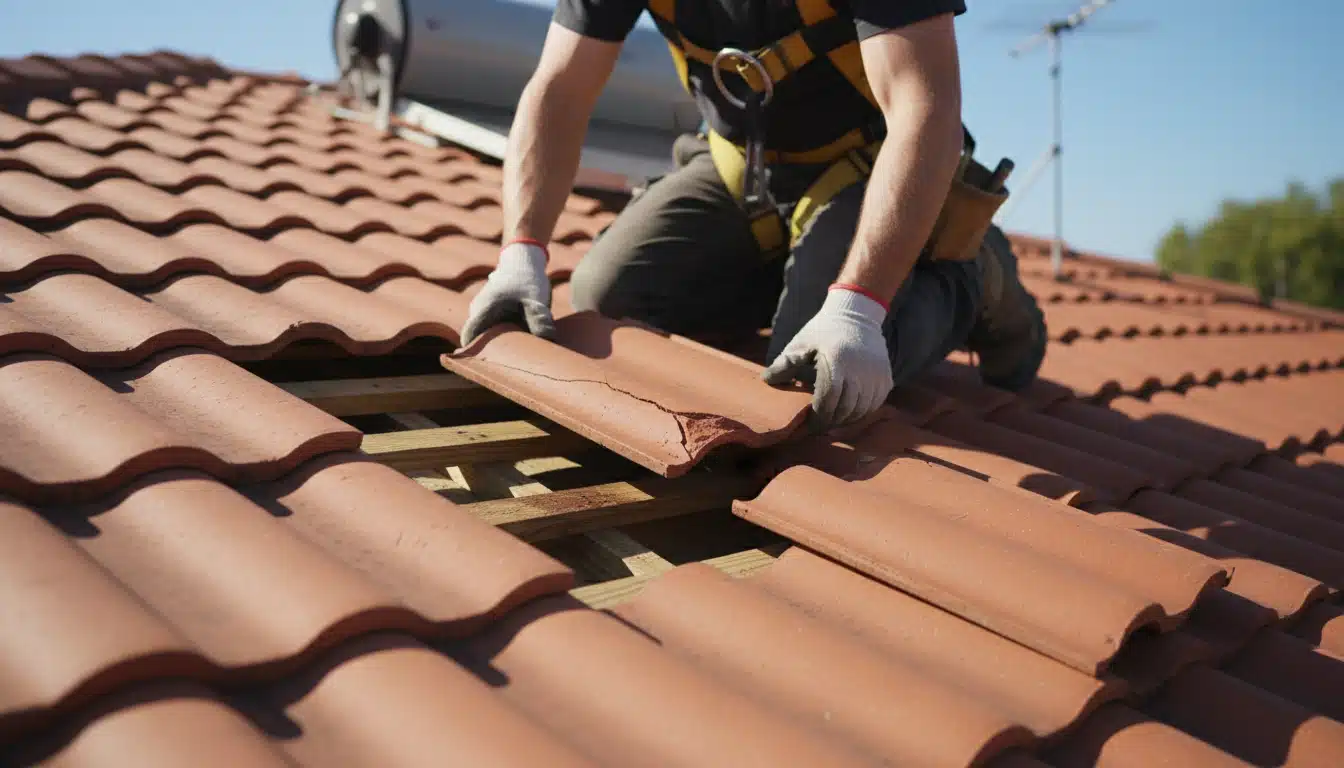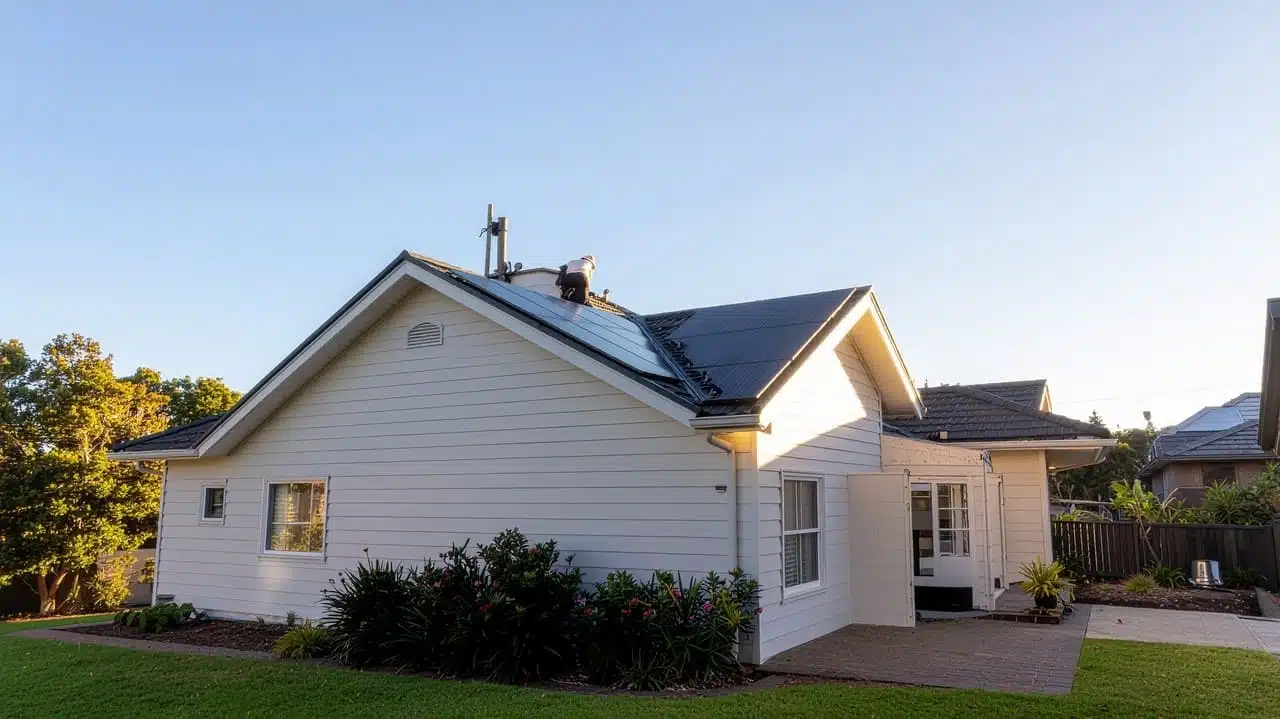
Perth homeowners planning roof restoration work face an unexpected opportunity in 2026. Preparing their roof structure for solar battery systems during the restoration process costs significantly less than retrofitting later. Western Australia’s renewable energy adoption is accelerating. Battery prices have dropped 42% since 2022. Integrating battery-ready infrastructure during scheduled roof work has become the practical choice for property owners thinking five years ahead.
The numbers tell a compelling story. Installing conduit pathways, reinforced mounting points, and electrical preparation during roof restoration in Perth adds approximately $800-$1,500 to the project cost. Retrofitting these same elements after restoration completion typically costs $3,200-$4,800. This results from scaffolding reinstatement, coating repairs, and additional labour. For homeowners who plan to install solar batteries within the next 3-7 years, the savings justify the upfront preparation investment.
The restoration process already involves roof access, structural assessment, and coating application. This represents the ideal window for adding future-proofing infrastructure without disrupting the property twice.
Why Battery Preparation Makes Sense During Restoration
Natural Integration Opportunity
Roof restoration in Perth requires comprehensive access to the entire roof structure. Scaffolding installation and detailed surface preparation occur before applying protective coatings. These same requirements apply when retrofitting battery mounting systems later. This effectively doubles the disruption and cost for homeowners who wait.
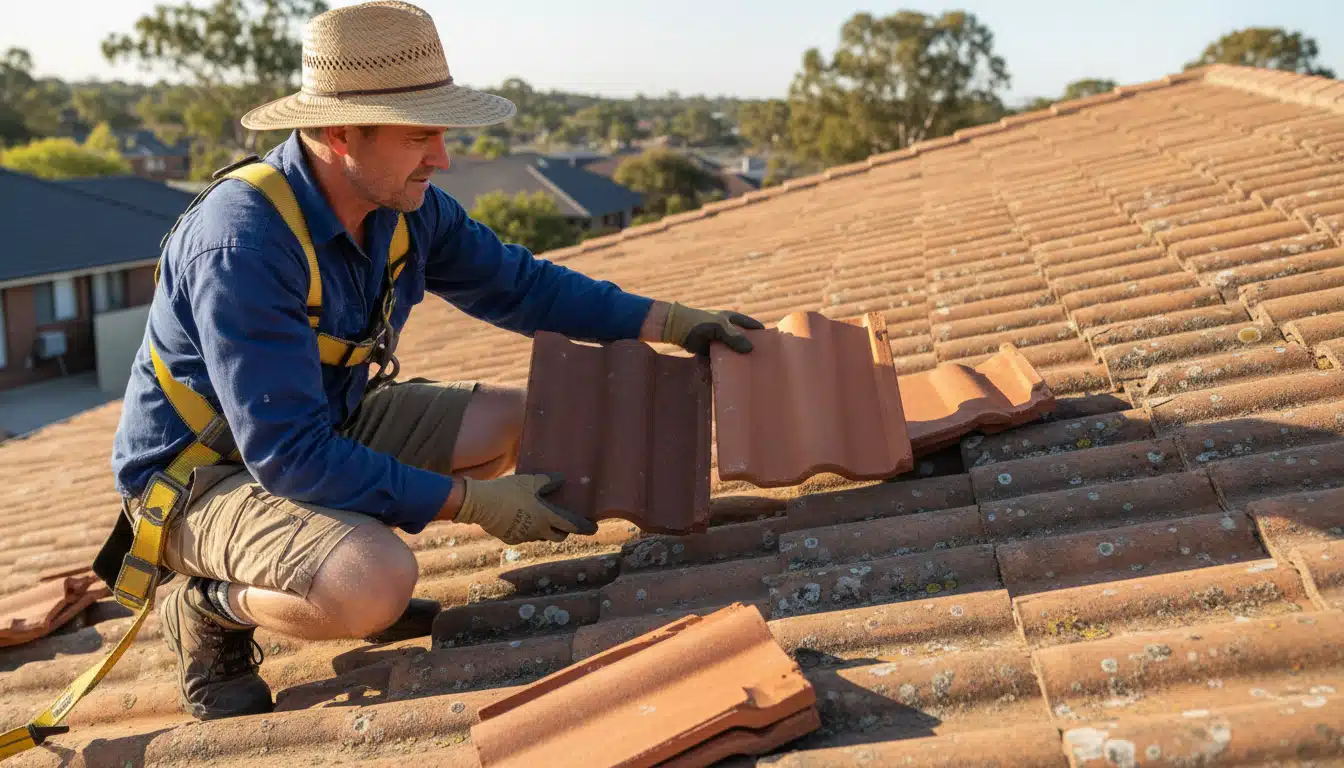
The restoration timeline creates natural integration points for battery preparation. During the initial inspection phase, structural engineers can assess load-bearing capacity. Battery mounting locations get identified. When high-pressure cleaning removes decades of organic growth and debris, installers can mark optimal conduit pathways. Before applying the three-coat Dulux Acratex coating system, electricians can install protective conduit and mounting brackets. These become permanently sealed beneath the warranty-backed coating.
Perth Climate Protection Benefits
Perth’s climate conditions make this integration particularly valuable. Coastal properties face salt exposure that corrodes exposed electrical components. Inland suburbs experience extreme UV radiation that degrades unprotected cabling. Installing these elements beneath the protective coating system during restoration shields them from environmental damage. This continues for the coating’s 15-20 year warranty period.
Structural Assessment Value
The structural assessment conducted during restoration projects identifies potential issues before they become problems. Battery systems add 60-120kg of weight depending on capacity. Older tile roofs may require reinforcement at mounting points, and tile roof repairs often reveal framing conditions that influence battery placement decisions. Tile roof restoration in Perth addresses these underlying issues before battery infrastructure gets installed. Discovering this during restoration allows for integrated reinforcement work. This prevents expensive structural modifications later.
The alignment between restoration requirements and battery preparation needs creates efficiency that reduces costs and minimises property disruption. Homeowners gain future-ready infrastructure without the expense and inconvenience of separate projects.
What Battery-Ready Preparation Actually Involves
Three Core Elements
Battery-ready roof preparation focuses on three core elements. Structural mounting points, electrical pathways, and weatherproof access routes require attention. Each element requires coordination between the restoration team and electrical contractors. Code compliance and warranty protection must be ensured.
Structural Mounting Point Requirements
Structural mounting points support battery systems mounted either on walls adjacent to the roof line or directly on reinforced roof sections. Wall-mounted systems require secure fixing points. These must support dynamic loads. Batteries don’t just sit statically. They experience thermal expansion and vibration during charge cycles. Roof-mounted configurations need structural reinforcement at specific load points. Additional batten work or steel brackets integrate into the roof frame typically.
Mounting Location Assessment
During restoration, structural engineers identify optimal mounting locations. Roof geometry, electrical panel proximity, and weight distribution all factor in. Reinforcement brackets get installed before coating application. Mounting holes are pre-drilled and sealed. This approach maintains the roof’s waterproof integrity whilst creating secure attachment points. Future battery installation becomes straightforward.
Experienced providers of roofing services in Perth understand how mounting work integrates with existing roof systems. This expertise prevents costly mistakes during both preparation and future installation phases.
Electrical Pathway Integration
Electrical pathway integration addresses substantial connection requirements. Solar battery integration typically requires 10-16mm² cable for battery-to-inverter runs. 6-10mm² cable handles monitoring systems. Running these cables through roof spaces after restoration completion risks damaging newly applied coatings. Additional roof penetrations compromise waterproofing.
Conduit Installation Benefits
Permacoat installs protective conduit from the planned battery location to the electrical switchboard during restoration work. With 50+ years of experience across Perth and Dulux Acratex coating accreditation, the team coordinates conduit pathways that simplify future cable installation. The conduit runs beneath roof tiles or through designated pathways. Structural members get avoided. Proper drainage gets maintained. Entry and exit points receive specialised flashing treatment. This integrates with the roof’s waterproofing system.
Penetration Point Treatment
For tile roofs, conduit typically runs through the ridge cap area. Valley sections provide access without requiring tile removal. Metal roofs use surface-mounted conduit with specialised brackets. These sit beneath the final coating layer. Both approaches maintain the roof’s aesthetic appearance. Protected pathways for future electrical work get created.
Maintenance Access Provisions
Battery maintenance and monitoring equipment require occasional access. Full roof scaffold installation shouldn’t be necessary. Battery-ready preparation can include permanent ladder mounting points. Reinforced walkway sections or designated access hatches simplify future service work.
These elements get integrated during the restoration coating process. Walkway sections receive additional primer application and reinforced coating layers. These withstand foot traffic. Access hatches install with specialised flashing maintaining waterproof integrity. Ladder mounting points use through-bolted fixings with sealed backing plates. Water penetration gets prevented.
Coordination Between Restoration and Electrical Work
Precise Sequencing Requirements
Successful battery preparation requires precise coordination between roofing and electrical contractors. The restoration timeline dictates when electrical work can occur. Coating warranties and project schedules must not be compromised. Coordination with licensed electrical contractors ensures proper sequencing. Compliance with both roofing and electrical standards gets maintained.
Typical Integration Sequence
The typical integration sequence begins after professional roof repairs complete. This occurs before coating application starts. Broken tiles get replaced. Flashing receives attention. Structural issues get resolved. Electrical contractors then install conduit and mounting hardware. The roof surface remains accessible but hasn’t received primer application yet.
Sequencing Protection Benefits
This sequencing protects both the restoration work and electrical components. Conduit installation after repairs prevents damage to new tiles or flashing. Mounting hardware installation before coating allows the primer and finish coats to seal around brackets and penetrations. Weatherproof integration gets created. The three-coat Dulux Acratex system essentially encapsulates the battery preparation infrastructure within its protective layers.
Warranty Requirement Understanding
Electrical contractors must understand roofing warranty requirements. Compromising coverage must be avoided. Penetrations through the roof structure require proper flashing and sealing techniques. These must meet Australian Standards. Mounting hardware needs appropriate load distribution. Point loading could crack tiles or stress roof framing. Licensed contractors familiar with roof integration work ensure these requirements get met. The restoration warranty remains intact.
The collaborative approach between trades ensures both immediate work quality and long-term system integrity. Proper coordination prevents conflicts that could compromise either the restoration warranty or the battery preparation effectiveness.
Cost Analysis: Integrated vs Retrofitted Preparation
Integrated Preparation Costs
The financial advantage of integrated battery preparation becomes clear when comparing itemised costs. Integrated preparation during scheduled restoration adds specific materials and labour. Access costs don’t get duplicated. Retrofitting after restoration completion requires reinstatement of access equipment. Disturbed coatings need repair.
Integrated preparation costs break down as follows:
- Structural assessment and mounting point reinforcement: $400-$600
- Conduit supply and installation for 15-25m typical run: $250-$400
- Specialised flashing for conduit penetrations: $150-$200
- Coordination and electrical contractor access: $200-$300
- Total integrated cost: $1,000-$1,500
Retrofitted Preparation Costs
Retrofitted preparation costs escalate significantly:
- Scaffolding reinstatement for roof access: $1,200-$1,800
- Coating removal at mounting and penetration points: $300-$500
- Conduit installation and penetration work: $400-$600
- Flashing installation and waterproofing: $200-$300
- Coating repair and colour matching: $500-$800
- Additional project management and coordination: $400-$600
- Total retrofitted cost: $3,000-$4,600
Homeowners researching roof maintenance cost figures for future upgrades often underestimate how much retrofitting adds once restoration work has been completed. The difference is substantial.
Genuine Savings Documentation
The $2,000-$3,100 difference represents genuine savings, not theoretical projections. These figures reflect actual costs from Perth metropolitan projects completed during 2024-2025. The savings increase for complex roof designs. Multiple levels, steep pitches, or difficult access conditions escalate scaffolding costs.
Investment Recovery Timeline
Property owners who install solar battery systems within 3-5 years after roof restoration recoup the preparation investment. Avoided retrofitting costs provide the return. Even homeowners uncertain about battery adoption benefit from the preparation. The infrastructure adds value for future buyers. Renewable energy systems are becoming standard home features.
Perth Climate Considerations for Battery Infrastructure
Coastal Property Requirements
Western Australia’s climate presents specific challenges for solar battery integration. These influence preparation decisions during roof restoration. Coastal suburbs face salt-laden air that corrodes exposed metal components. Inland areas experience temperature extremes that stress electrical connections. Both environments require protective measures. These are best implemented during the restoration process.
Enhanced Protection Measures
Coastal properties within 5km of the coastline need enhanced corrosion protection. All battery-related hardware requires this treatment. Mounting brackets require marine-grade stainless steel (316 grade minimum) rather than standard galvanised fittings. Conduit systems need sealed entry points. Specialised gaskets prevent salt air infiltration. Electrical connections require dielectric grease application. Additional weatherproofing gets applied.
Coating System Protection Benefits
The Dulux Acratex coating system provides primary protection when battery infrastructure gets installed before coating application. The acrylic membrane coating creates a barrier. This sits between metal components and salt air, significantly extending hardware lifespan. Exposed components that can’t be coated require additional protection. Specialised marine-grade sealants get applied during installation.
Coastal restoration projects already address salt damage through comprehensive coating preparation. Integrating battery infrastructure during this process ensures consistent protection standards. All roof elements receive equal treatment.
Inland Temperature Extremes
Perth’s inland suburbs regularly experience summer temperatures exceeding 40°C. Roof surface temperatures reach 70°C on metal roofs. These extremes affect battery system performance and infrastructure longevity. Conduit materials must withstand sustained high temperatures without degrading. Mounting locations need consideration for thermal expansion.
Heat Management Priorities
Battery-ready preparation for inland properties prioritises heat management. Conduit runs avoid direct sun exposure where possible. Routing through shaded roof sections or beneath tile coverage helps. Mounting points incorporate thermal expansion allowances. Stress cracking gets prevented as metal components expand and contract. Ventilation pathways around planned battery locations help dissipate heat buildup.
Roof Colour Selection Impact
The coating colour selection influences battery system performance. Lighter colours reflect more solar radiation. Roof surface temperatures reduce by 10-15°C compared to darker shades. Homeowners comparing roof colours across Australia should discuss roof colour options with restoration specialists. Those considering roof painting in Perth as part of their restoration can choose shades that complement battery performance. Thermal performance gets optimised alongside aesthetic goals.
Warranty Protection for Integrated Systems
Standard Warranty Coverage
Roof restoration warranties typically cover coating performance, leak protection, and workmanship for specified periods. Battery preparation work must integrate with these warranties. Exclusions or coverage gaps cannot be created. Proper installation techniques and documentation ensure warranty protection remains intact.
Standard warranty coverage includes:
- 15-20 years for Dulux Acratex coating systems
- 12 months for leak protection on all repairs
- 3 years for workmanship on labour
Battery Preparation Work Coverage
Battery preparation work conducted during restoration falls under these warranties. Performance according to specifications is required. Mounting hardware installation, conduit penetrations, and flashing work receive the same warranty coverage. Other restoration elements get equal protection.
Integration Technique Requirements
The key to maintained warranty coverage lies in proper integration techniques. Penetrations through the roof structure must use approved flashing methods. Australian Standards must be met. Mounting hardware requires appropriate load distribution and weatherproof sealing. Electrical conduit installation needs coordination with the coating application process. Proper encapsulation gets ensured.
Documentation Importance
Documentation becomes crucial for warranty protection. Detailed records of battery preparation work should be maintained:
- Mounting point locations with measurements
- Conduit pathway routing diagrams
- Structural reinforcement specifications
- Flashing and sealing methods used
- Load capacity calculations
This information forms part of the restoration project documentation. This proves valuable when battery systems get installed years later. Installers work with rather than against the prepared infrastructure.
The comprehensive documentation approach ensures future installers understand the preparation work completed, can locate infrastructure without invasive exploration, and can complete battery installation efficiently without compromising roof integrity.
Future-Proofing Beyond Battery Systems
Comprehensive Technology Planning
Battery-ready preparation during roof restoration represents one aspect of comprehensive future-proofing. The same access and integration opportunities apply to other emerging technologies. These require roof infrastructure. Homeowners investing in restoration work should consider the broader technology landscape. Planning preparation work benefits multiple systems.
Electric Vehicle Charging Infrastructure
Electric vehicle charging systems increasingly draw power from home solar installations. Battery systems provide overnight charging capacity. The electrical infrastructure prepared for battery integration often serves dual purposes. Both battery systems and EV charging stations get supported. Conduit capacity and mounting point reinforcement can accommodate expanded electrical requirements. EV adoption increases over time.
Smart Home Monitoring Systems
Smart home monitoring systems rely on roof-mounted sensors. Weather tracking, solar optimisation, and security functions all benefit. Battery preparation work can include mounting points and cable pathways for these sensors. Integration beneath the protective coating system occurs. The minimal additional cost during restoration avoids future roof penetrations. Coating disturbance gets prevented.
Telecommunications Equipment Evolution
Telecommunications equipment continues evolving. 5G and future wireless standards require improved home connectivity. Roof-mounted antenna systems and signal boosters need secure mounting points. Weatherproof cable pathways get required. Infrastructure that integrates naturally with battery preparation work during restoration supports these systems.
The convergence of these technologies creates opportunities for comprehensive infrastructure preparation that serves multiple future needs without additional roof disruption or coating compromise.
Making the Decision: Is Battery Preparation Right for Your Project
Property Ownership Timeline
Not every roof restoration project benefits from battery preparation infrastructure. The decision depends on property characteristics, homeowner plans, and cost-benefit analysis. Individual circumstances dictate appropriateness. Several factors help determine whether integrated preparation makes sense.
Homeowners planning to remain in their property for 7+ years gain maximum benefit. Battery preparation infrastructure remains valuable throughout their ownership period. Avoided retrofitting costs justify the upfront investment. Properties approaching sale within 2-3 years see less direct benefit. Battery-ready infrastructure may enhance property value for buyers prioritising renewable energy.
Project Scope Considerations
Comprehensive restoration projects involving structural repairs and complete coating replacement offer ideal opportunities. Tile roof restoration in Perth combined with battery preparation works efficiently. Extensive access and work scope absorb preparation costs effectively. Limited restoration work focused on specific repairs may not justify integrated preparation. Proportionally higher costs result.
Electrical System Capacity Assessment
Battery systems require adequate electrical panel capacity and compliant switchboard infrastructure. Properties with outdated electrical systems may need upgrades. Battery installation viability requires assessment. Assessing electrical capacity during restoration planning helps. Battery preparation practical sense gets determined. Coordination with broader electrical upgrade work may be needed.
Budget Flexibility Factors
The $1,000-$1,500 preparation cost represents approximately 8-12% of typical residential restoration project costs. These run $12,000-$15,000 for average Perth homes. Homeowners with available budget flexibility can incorporate preparation work. Financial strain doesn’t occur. Those working within tight budget constraints might prioritise essential restoration work. Battery preparation gets deferred for future consideration.
Renewable Energy Trends
Perth’s renewable energy incentives and electricity cost trends favour battery preparation. Most homeowners benefit. Western Australia’s renewable energy targets and infrastructure investment suggest continued growth. Home battery adoption will increase. Preparing roof infrastructure during scheduled restoration positions properties to capitalise on these trends. Additional disruption or cost penalties don’t occur.
Conclusion
Solar battery integration during roof restoration represents practical future-proofing costing 60-70% less than retrofitting after project completion. The restoration process creates natural opportunities for installing mounting infrastructure, electrical pathways, and weatherproof access routes beneath protective coating systems. For Perth homeowners planning to install battery systems within 3-7 years, integrated preparation delivers genuine financial savings whilst avoiding future property disruption.
The technical requirements for battery-ready roof preparation align well with comprehensive restoration work. Structural assessments identify appropriate mounting locations, roof repairs ensure solid foundations, and the three-coat Dulux Acratex system encapsulates infrastructure within its 15-20 year warranty coverage. Coordination between roofing and electrical contractors ensures code compliance whilst maintaining warranty protection throughout the process.
Permacoat has restored more than 30,000 roofs across Perth over 50 years. The company now integrates battery-ready preparation into approximately 40% of residential restoration projects, reflecting changing homeowner priorities as electricity costs rise and renewable energy technology matures. Homeowners planning work during 2026 should discuss battery preparation options during the initial inspection phase for comprehensive assessment of integration opportunities.
For professional re roofing in Perth with battery-ready infrastructure planning backed by 50+ years of experience, call (08) 9249 5955 to book your free inspection.