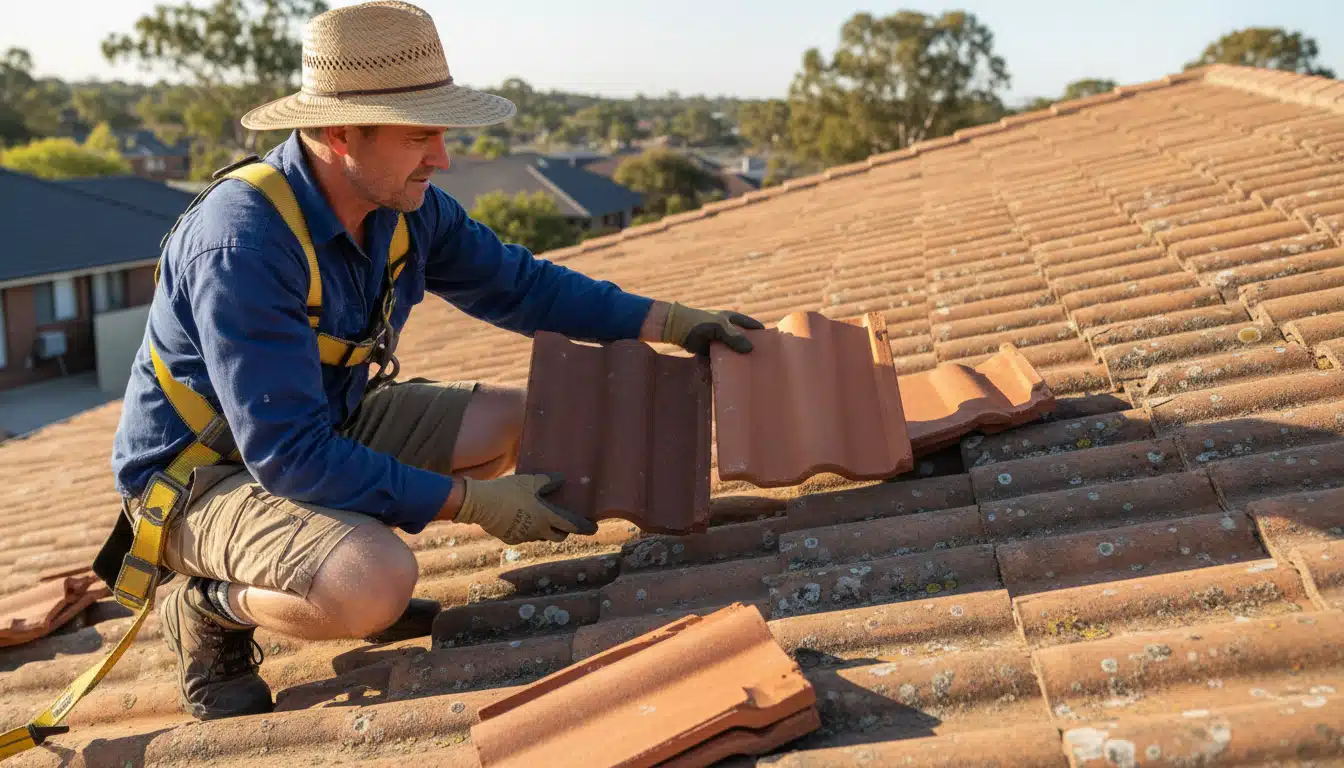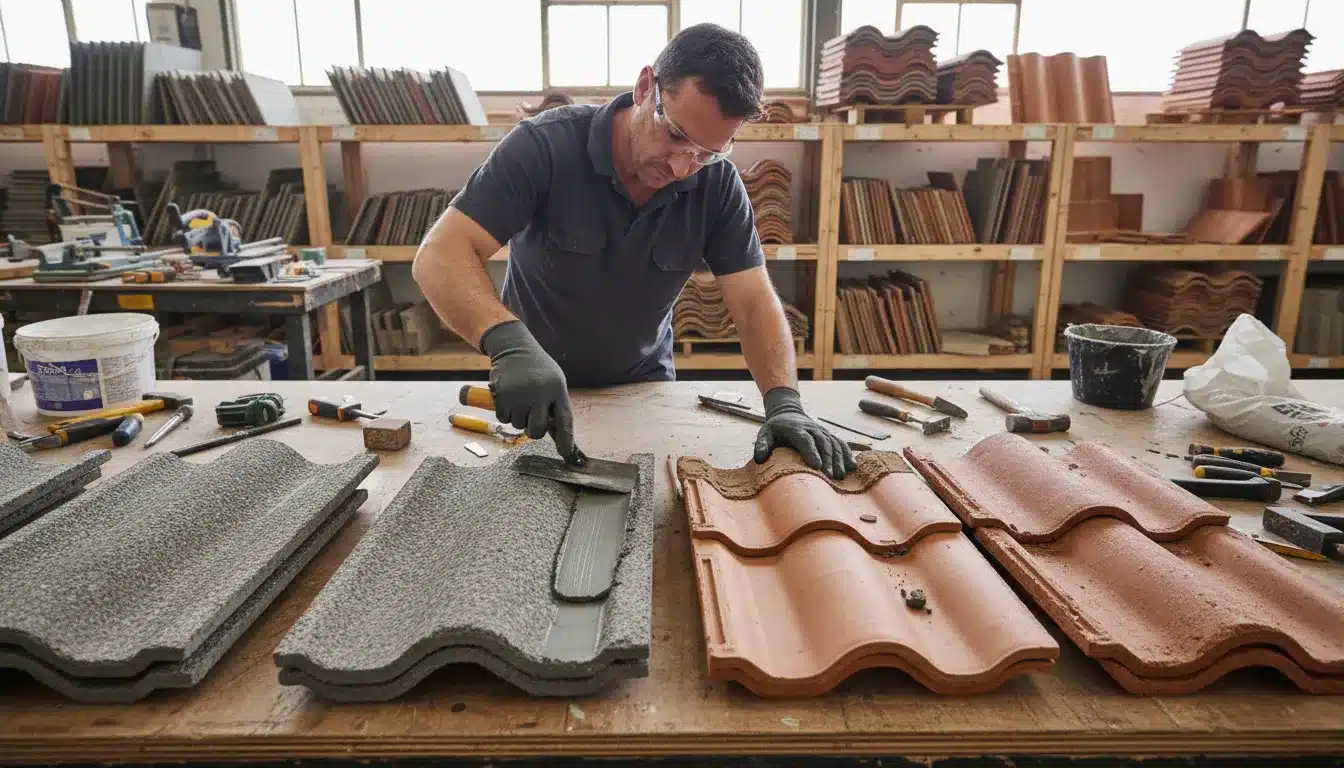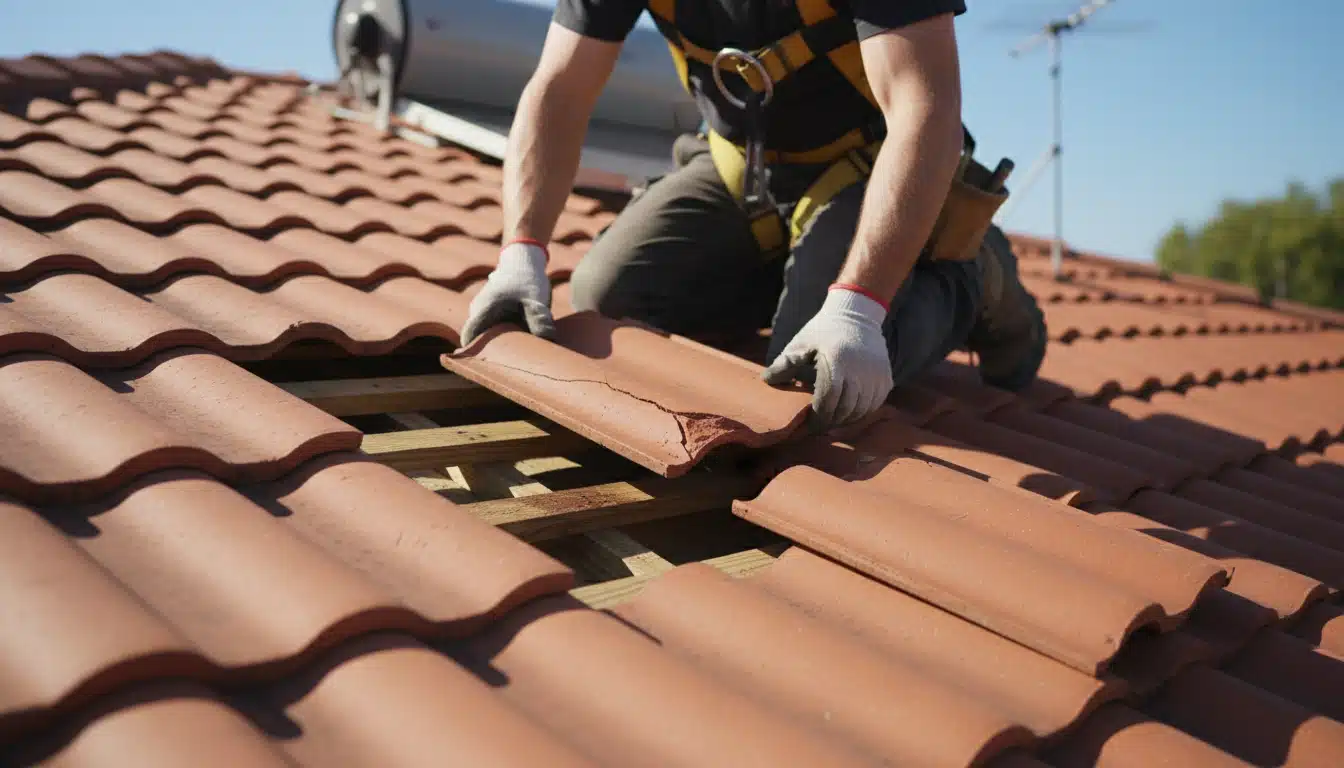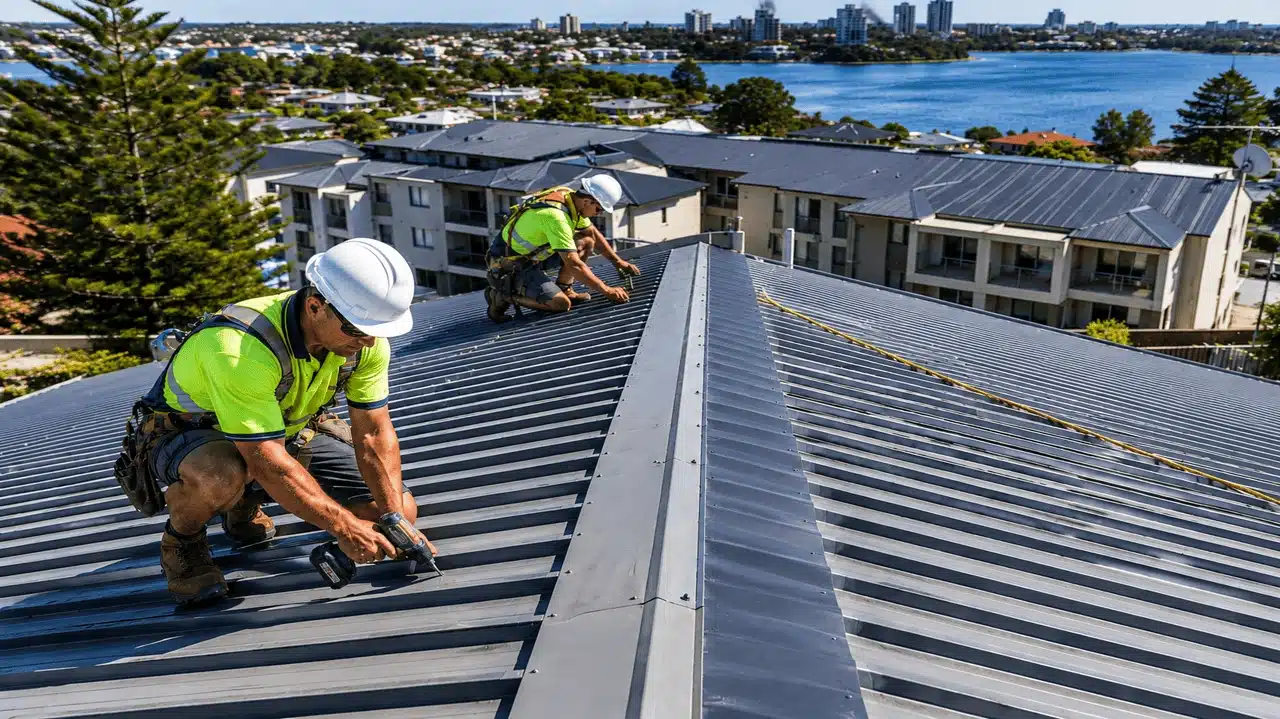
Strata living comes with its own set of challenges – shared walls, shared spaces, and, importantly, a shared roof. Many Perth strata owners see roofing issues as individual problems, but in reality, a roof covers the entire building. Treating it as a shared responsibility makes sense not just structurally, but financially.
A strata-wide roof project doesn’t just keep water out – it protects the investment of every single owner. And while the upfront figure may look large at first glance, the savings in the long term often outweigh piecemeal repairs. Understanding how strata roofing costs in Perth are managed and why tackling the project as a group is smarter than handling it individually can save owners time, money, and stress.
Permacoat specialises in delivering comprehensive roofing solutions for multi-unit complexes across Perth, helping strata committees make informed decisions that benefit all owners.
Why Strata Roofing Projects Make Sense
A single roofing system covers all units within a complex. That means if one section begins to fail, the rest is rarely far behind. Addressing the entire system ensures consistent performance and removes the risk of patchwork repairs that only solve short-term issues.
Analogy: Think of a building’s roof like the tyres on a car. Replacing one at a time might get you down the road, but it won’t give you the performance, safety, or value of replacing all four together. The same principle applies to strata-wide roofing.
The Problem with Individual Repairs
When individual owners attempt to manage roof repairs separately, several problems emerge. First, contractors charge premium rates for small, isolated jobs. Second, different contractors may use incompatible materials or techniques, creating inconsistencies across the roof surface. Third, scheduling becomes a nightmare when multiple owners need to coordinate access, permits, and work schedules independently.
Individual repairs also create liability issues. If one unit owner’s repair work inadvertently causes damage to a neighbouring unit, disputes arise over responsibility and compensation. These conflicts can drag on for months, souring relationships within the complex and potentially requiring legal intervention.
Structural Integrity and Uniform Protection
Roofing systems are designed to work as a cohesive unit. When repairs are done piecemeal, the structural integrity of the entire system can be compromised. Different repair methods, varying material quality, and inconsistent workmanship create weak points that accelerate deterioration across the entire roof.
A comprehensive strata roofing Perth approach ensures uniform protection. Every section receives the same high-quality materials, the same level of workmanship, and the same warranty coverage. This consistency is crucial for long-term performance and peace of mind.
Key Takeaways:
- Strata projects treat the roof as one system, not separate pieces
- Addressing everything at once avoids patchwork problems
- Collective work keeps standards consistent across the building
- Uniform protection prevents weak points and premature failure
Economies of Scale: Where the Real Savings Are
One of the strongest arguments for strata-wide roof projects in Perth is the principle of economies of scale. Getting a contractor in for a large job is almost always cheaper per unit than arranging a dozen smaller jobs.
Where the Savings Come From
Bulk Materials: Ordering large quantities reduces supplier costs significantly. A contractor purchasing materials for 20 units receives wholesale pricing that individual owners could never access. These savings are passed directly to the strata owners, reducing the per-unit cost substantially.
Streamlined Labour: Contractors save time setting up scaffolding and safety equipment once, not multiple times. The setup and pack-down process can account for 20-30% of labour costs on small jobs. When this setup happens once for the entire building, those costs are spread across all units rather than borne individually.
One Mobilisation: Heavy equipment and tradespeople only need to come out once, not repeatedly. Transport costs, equipment hire, and site establishment fees are shared across the entire project rather than repeated for each unit.
Reduced Project Management: A single project requires one set of permits, one safety plan, one site inspection, and one insurance policy. Multiple small projects would require all these administrative costs to be repeated numerous times.
Real Numbers: Comparative Cost Analysis
Consider a typical 16-unit strata complex in Perth requiring roof restoration. Individual repairs might cost each owner $8,000-$12,000 when done separately. However, a comprehensive roof restoration Perth project covering all units typically costs $4,500-$7,000 per unit – a saving of 30-40% per owner.
The savings become even more pronounced for larger complexes. A 30-unit building can see per-unit costs drop by 40-50% compared to individual repairs. These aren’t marginal savings – they’re substantial reductions that make high-quality roofing work accessible to all owners.
The savings become clear when strata committees start gathering strata roofing quotes in Perth. A project covering an entire building usually delivers far better value per unit compared to individual patch jobs.
Key Takeaways:
- Economies of scale cut down both material and labour costs
- One project is more efficient than multiple small call-outs
- Whole-building quotes typically provide better value per unit
- Savings of 30-50% per unit are common in strata projects
Understanding the Shared Cost Model
Of course, cost is always front of mind for owners. In strata projects, the way expenses are divided depends on unit entitlements rather than a simple headcount.
How Contributions Are Calculated
Unit Entitlement: Larger apartments or commercial spaces usually contribute more than smaller units. This system is already established in your strata plan and ensures fairness based on property size and value. A three-bedroom penthouse naturally contributes more than a one-bedroom ground-floor unit because it benefits from a larger portion of the roof area.
Strata Levies: Costs are drawn from levies or special contributions agreed upon at committee level. Most strata schemes maintain a sinking fund specifically for major repairs and improvements. Roof projects are exactly the type of capital works these funds are designed to cover.
Transparency: Strata managers ensure owners know what they’re paying and why. Detailed breakdowns show material costs, labour costs, equipment hire, and contingency allowances. This transparency builds trust and reduces objections when special levies are proposed.
Special Levies and Payment Plans
When sinking fund reserves are insufficient, strata committees can raise special levies. These levies are typically payable over several months or even a year, making large projects financially manageable for all owners. Payment plans can be structured to align with owners’ financial circumstances while ensuring the project moves forward.
Some strata schemes also explore financing options where the strata corporation takes out a loan to fund the project, then repays it through regular levies over time. This approach spreads costs even further and can be particularly helpful when urgent work is needed but funds are limited.
This model makes costs fairer and easier to manage, even for big-ticket projects. By spreading expenses across all owners, large upgrades become manageable investments rather than financial burdens.
Key Takeaways:
- Costs are shared according to unit size or entitlement
- Levies and contributions ensure fairness across owners
- Clear communication avoids disputes over expenses
- Payment plans make large projects financially accessible
Getting Quotes and Setting Realistic Budgets
The next step for any committee is gathering accurate strata roofing quotes in Perth. This allows everyone to understand the scope and costs involved before committing.
Best Practices for Quote Collection
Get Multiple Quotes: Comparing different contractors ensures competitive pricing. Aim for at least three detailed quotes from reputable contractors with proven experience in strata projects. Don’t automatically choose the cheapest quote – consider experience, materials, warranties, and communication quality.
Check Inclusions: Some quotes cover only labour, while others include materials and safety equipment. A comprehensive quote should detail scaffolding, safety equipment, waste removal, materials (including primer, coating, and top coat), labour for preparation and application, and any necessary repairs to substrate before coating.
Seek Detail: Itemised pricing makes it easier to explain costs to owners. Generic lump-sum quotes make it difficult to understand where money is being spent and create suspicion among owners. Detailed quotes demonstrate professionalism and build confidence.
Verify Credentials: Ensure contractors hold appropriate licenses, insurance, and safety certifications. Ask for references from other strata complexes they’ve completed. Check online reviews and testimonials. A contractor’s track record matters just as much as their pricing.
Understanding Quote Variables
Not all quotes are directly comparable. Variables that affect pricing include the scope of preparation work required, the quality of materials specified, the warranty period offered, and the project timeline. A quote that seems expensive might include premium roof coatings with longer warranties and better performance, making it better value long-term than a cheaper quote with budget materials.
Perth’s climate demands high-quality coatings that can withstand intense UV exposure, temperature fluctuations, and occasional heavy rain. Premium products like Dulux Acratex roof coatings are specifically formulated for Australian conditions and provide superior protection compared to budget alternatives.
Setting the Budget
Once quotes are received, budgets are set, and owners are informed of their contribution. Present quotes at a strata meeting with clear explanations of what each quote includes. Allow owners to ask questions and raise concerns. Transparency at this stage prevents disputes later.
Consider including a contingency allowance of 10-15% in the budget. Older buildings sometimes reveal hidden issues once work begins, such as rotted timber or damaged flashing. A contingency fund ensures these issues can be addressed without requiring additional special levies.
Choosing a transparent contractor is critical, as it avoids hidden costs that can cause friction later.
Key Takeaways:
- Multiple quotes give committees a fair price range
- Detailed, itemised quotes ensure transparency
- Budgets can then be fairly divided among owners
- Contingency allowances protect against unexpected costs
Long-Term Savings and Property Value Enhancement
While strata roofing costs in Perth may look high upfront, the return on investment is significant and measurable.
Reduced Maintenance and Emergency Repairs
A new roof, particularly one coated with durable finishes like Dulux Acratex roof coatings, dramatically lowers the frequency of leaks and repairs. Instead of calling out trades for constant patch jobs, owners enjoy years of low-maintenance protection.
Emergency repairs are not only expensive – they’re disruptive. A leak discovered on a Friday afternoon means emergency call-out fees, premium weekend rates, and potential water damage to interior finishes and possessions. A proactive strata roof project eliminates most of these crisis situations, saving thousands in emergency repair costs over the roof’s lifespan.
Consider the cost trajectory: patchwork repairs might cost $2,000-$3,000 annually across a small complex. Over ten years, that’s $20,000-$30,000 spent reactively. A comprehensive roof project might cost $100,000 upfront but requires minimal maintenance for 15-20 years. The long-term savings are substantial.
Increased Property Value and Market Appeal
Buyers and tenants look favourably on buildings with well-maintained roofs. A fresh, durable roof signals care and reduces the likelihood of future expenses, making units more attractive and often increasing their value.
Real estate agents report that strata complexes with documented recent roof work sell faster and achieve higher prices. Buyers are willing to pay a premium for properties where major capital works are already complete, knowing they won’t face special levies for roof repairs in the near future.
For investors, well-maintained roofs mean easier tenant retention and higher rental yields. Tenants are less likely to experience water damage, ceiling stains, or the disruption of emergency repairs. Happy tenants stay longer, reducing vacancy rates and turnover costs.
Energy Efficiency Benefits
Modern roof coatings also improve thermal performance. Reflective roof coatings reduce heat absorption, lowering interior temperatures and reducing air conditioning costs. In Perth’s hot climate, this benefit is substantial and ongoing. While difficult to quantify precisely, energy savings of 10-15% are commonly reported after roof restoration projects.
Key Takeaways:
- Proactive projects save money by cutting back ongoing repair bills
- New roofs increase property value and buyer confidence
- Strata projects protect both individual units and the building as a whole
- Energy efficiency improvements provide ongoing cost savings
Avoiding Future Headaches and Disputes
Roof problems are some of the most disruptive issues a building can face. Strata-wide projects prevent many of the disputes and crises that arise when roofing is managed piecemeal.
Benefits of Proactive Projects
Preventing Water Damage: Water leaks lead to mould, rot, and structural damage that costs far more to repair than prevention. A single serious leak can cause $10,000-$20,000 in damage to internal finishes, electrical systems, and personal property. Comprehensive roof projects eliminate this risk before problems occur.
Avoiding Disputes: When repairs are left to individual owners, arguments inevitably arise about responsibility and cost. Is the leak originating from one unit or a common area? Who pays when water from one unit damages another? These disputes create tension, erode community harmony, and sometimes require expensive mediation or legal action. A collective solution eliminates ambiguity – everyone is protected, and everyone contributes fairly.
Peace of Mind: A collective solution means everyone knows their investment is protected. Owners can sleep soundly during Perth’s winter storms, confident that the roof overhead is sound and properly maintained. This peace of mind has real value, even if it’s difficult to quantify financially.
Insurance Implications: Buildings with poorly maintained roofs face higher insurance premiums and potential coverage limitations. Insurance companies assess risk based on building condition, and a neglected roof significantly increases risk profiles. Conversely, documented recent roof work can lead to lower premiums and better coverage terms.
Analogy: It’s like putting on a raincoat before walking into a storm. You avoid the soaking, rather than scrambling for towels afterwards.
Key Takeaways:
- Strata projects prevent costly water damage before it occurs
- Collective action reduces disputes between owners
- Peace of mind is a hidden but valuable benefit
- Better insurance terms reward proactive maintenance
Choosing the Right Contractor for Strata Projects
Not every roofing company has the expertise to manage large-scale strata projects. The right contractor makes all the difference in ensuring the job is efficient, compliant, and durable.
What to Look For
Local Experience: Choose a contractor with a proven track record in strata projects across Perth. Experience with multi-unit complexes is essential – these projects require different skills than residential work. Contractors must coordinate with strata managers, communicate with multiple owners, manage access across occupied buildings, and handle the unique challenges of working on connected dwellings.
Quality Materials: Premium coatings and finishes, like Dulux Acratex, withstand WA’s harsh climate. Perth’s combination of intense UV radiation, high temperatures, and occasional driving rain demands products specifically formulated for these conditions. Cheap materials fail prematurely, negating the cost savings of a collective project.
Guarantees and Warranties: A solid warranty ensures owners are protected for years. Look for warranties of at least 10 years on materials and workmanship. Understand what the warranty covers and doesn’t cover. A warranty is only as good as the company standing behind it, so choose established, reputable contractors who will still be operating when warranty claims arise.
Strong Communication: Contractors should keep the strata committee updated at every stage, from inspection to completion. Regular progress reports, prompt responses to questions, and proactive communication about any issues build trust and ensure smooth project delivery. Contractors experienced in strata work understand the importance of keeping multiple stakeholders informed.
Safety and Compliance: Strata projects require stringent safety standards. Contractors must provide site-specific safety plans, appropriate insurance coverage, and compliance with all relevant codes and regulations. Working on occupied buildings requires extra care to protect residents and property.
Red Flags to Avoid
Be wary of contractors who can’t provide references from other strata projects, who offer suspiciously low quotes without detailed breakdowns, who pressure committees to make quick decisions, or who can’t clearly explain their process and timeline. Professional contractors welcome scrutiny and provide comprehensive information.
Key Takeaways:
- Experience in strata projects is essential
- Top-quality materials deliver longer-lasting results
- Warranties and communication provide reassurance for owners
- Safety standards and compliance are non-negotiable
Timing and Project Planning Considerations
Successful strata roof projects require careful timing and planning to minimise disruption and maximise results.
Best Times for Roof Projects in Perth
Perth’s climate offers a relatively wide window for roof work, but some periods are better than others. The ideal time is during the drier months from October through April when rainfall is minimal and temperatures are moderate to warm. This allows coatings to cure properly and reduces weather-related delays.
Avoid scheduling projects during Perth’s wettest months (June through August) when frequent rain can interrupt work and extend timelines. However, preparation work like inspections and quotes can happen year-round.
Project Duration and Milestones
A typical strata roof project follows this timeline:
- Initial inspection and quotes: 2-4 weeks
- Committee review and owner approval: 4-8 weeks
- Contractor scheduling: 2-6 weeks
- Actual roof work: 2-6 weeks depending on building size
- Final inspection and handover: 1 week
Total timeline from initial decision to completion typically ranges from 3-6 months. Committees should plan ahead and initiate the process well before urgent repairs become necessary.
Minimising Disruption to Residents
Experienced contractors implement strategies to reduce impact on residents: staging work to maintain access, scheduling noisy work during reasonable hours, providing advance notice of each work phase, protecting common areas and landscaping, and ensuring thorough cleanup at the end of each day.
Communication is crucial. Regular updates to all owners about work progress, upcoming activities, and any temporary restrictions help maintain goodwill throughout the project.
Understanding the True Cost of Strata Roofing
When evaluating roof repair costs for strata projects, it’s important to look beyond the initial invoice to understand the complete financial picture.
Upfront Costs
These include materials, labour, equipment hire, permits and approvals, engineering reports if required, and project management fees. For a medium-sized complex, expect initial costs of $60,000-$150,000 depending on building size, roof condition, and scope of work.
Avoided Costs
A proactive project avoids numerous future expenses: emergency repair call-outs, water damage restoration, increased insurance premiums, special levies for crisis repairs, and decreased property values from neglect. When avoided costs are factored in, the return on investment becomes even more compelling.
Opportunity Costs
Delaying necessary roof work doesn’t save money – it costs money. Every year of delay means further deterioration, higher eventual repair costs, and increased risk of serious damage. Addressing problems early, when they’re manageable, is always more cost-effective than waiting until crisis intervention is required.
Key Takeaways:
- True costs include upfront expenses minus avoided future costs
- Timing projects during dry months ensures best results
- Proper planning minimises disruption to residents
- Early intervention is always cheaper than delayed crisis repairs
The Big Picture: Cost Benefits for Strata Owners
When you add it all together, the financial benefits of strata-wide roof projects are clear and compelling:
Shared Costs: Large expenses are spread fairly across all owners based on unit entitlement, making individual contributions manageable.
Lower Per-Unit Costs: Economies of scale reduce the cost for everyone by 30-50% compared to individual repairs.
Future Savings: Fewer maintenance call-outs and repairs lower overall expenses over 15-20 years, saving thousands per unit.
Boosted Property Value: Well-maintained roofs improve building appeal and increase unit values by 5-10% according to property valuation data.
Eliminated Disputes: Clear collective responsibility prevents arguments about costs and liability between owners.
Insurance Benefits: Better coverage terms and potentially lower premiums reward proactive maintenance.
Energy Savings: Modern reflective coatings reduce cooling costs throughout the building’s lifetime.
It’s not just about saving money today – it’s about ensuring every owner benefits in the long term through protected investments, enhanced property values, and genuine peace of mind.
Next Steps for Your Strata Committee
If your building hasn’t had a roof inspection in a while, now is the time to act. Here’s a practical pathway for strata committees:
- Discuss with the Committee: Raise the idea of a strata-wide roof project at the next meeting. Present the cost benefits, long-term savings, and potential risks of delay.
- Get Professional Inspections: Arrange a thorough professional inspection to assess current roof condition and identify all necessary work. This creates a factual foundation for decision-making.
- Collect Multiple Quotes: Request detailed, itemised strata roofing quotes in Perth from at least three reputable contractors to establish a clear budget and compare value.
- Share with Owners: Ensure transparency by explaining costs and benefits clearly. Provide written documentation showing inspection findings, quote comparisons, and projected per-unit costs.
- Make a Decision: Agree collectively on the best solution for the building. Hold a formal vote if required by your strata bylaws.
- Plan the Project: Work with the chosen contractor to schedule work, communicate with residents, and ensure smooth project delivery.
By working together, strata owners can reduce costs, prevent disputes, and ensure their building remains protected for years to come. Get in touch on (08) 9249 5955 to book an inspection and take the first step towards securing your property with professional roofing solutions tailored to Perth’s unique climate and strata requirements.