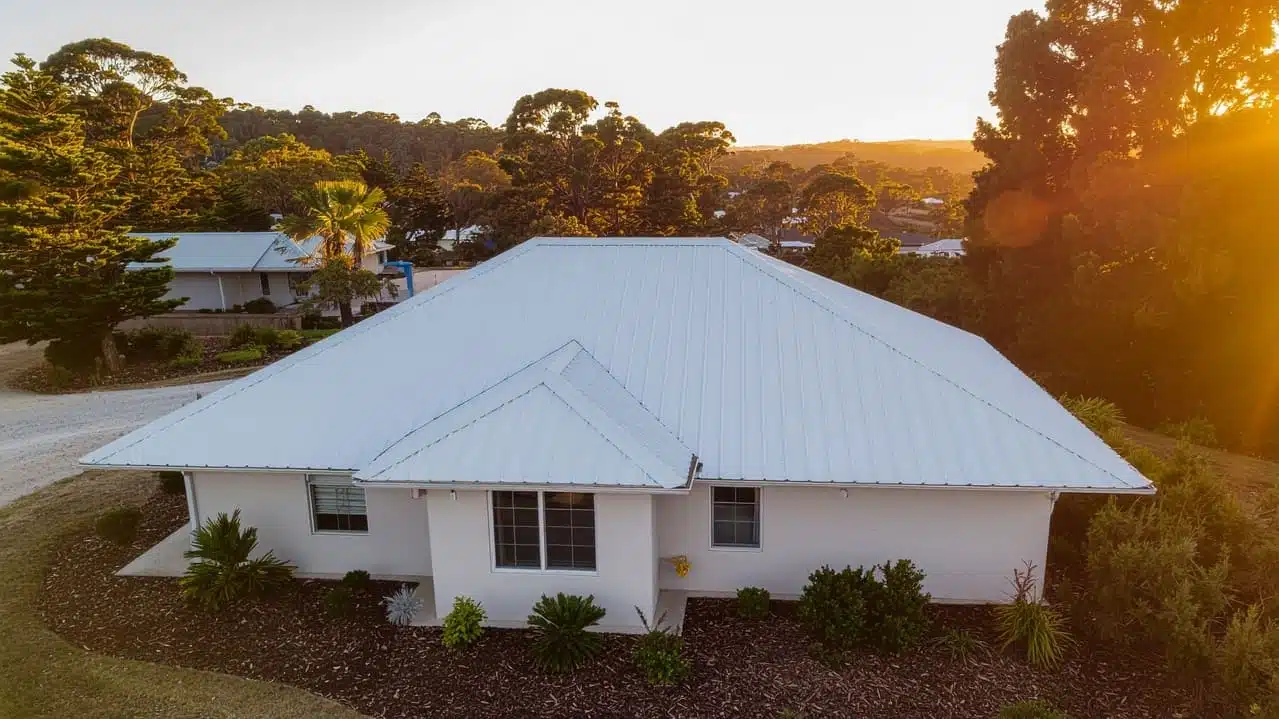
Properties in Gidgegannup, Mundaring, and the broader Perth Hills face roofing challenges that flatland suburbs simply don’t encounter. Towering gum trees drop branches year-round while leaf litter accumulates in valleys and gutters. Bushfire risk sits at the forefront of every homeowner’s mind following the 2021 Wooroloo bushfire that destroyed 86 homes.
A roof in these areas needs more than standard maintenance. It requires specialised attention to debris management and fire-rated protection systems. Post-fire investigations revealed that ember attack and accumulated roof debris were primary factors in property loss during bushfire events.
For homeowners in fire-prone areas, roof condition isn’t just about aesthetics or leak prevention. It represents a critical line of defence when bushfire season arrives each summer.
Why Perth Hills Properties Face Unique Roofing Demands
The Perth Hills microclimate creates specific roofing stressors that accelerate deterioration. Higher rainfall compared to coastal areas means roofs stay wet longer, with Mundaring receiving approximately 850mm annually versus Perth’s 730mm. This accelerates moss and lichen growth significantly across tile surfaces.
Dense tree canopies block sunlight, preventing roofs from drying properly between rain events. Falling branches and constant leaf drop create another layer of complexity as a single storm can deposit enough debris to block valleys and overwhelm gutters. This creates water pooling that leads to leaks.
Unlike suburban properties where occasional cleaning suffices, Hills properties often require quarterly attention to maintain proper drainage. Temperature fluctuations add further stress as summer days in Gidgegannup regularly exceed 40°C while winter nights can drop below 5°C.
This thermal cycling causes roofing materials to expand and contract repeatedly, accelerating wear on tiles, sealants, and flashing systems throughout the year.
Bushfire Rated Roof Maintenance – Beyond Standard Cleaning
Standard roof cleaning removes surface dirt and organic growth. Bushfire rated roof maintenance takes a more comprehensive approach that addresses the specific vulnerabilities ember attack exploits during fire events. This specialised service focuses on eliminating ignition points and sealing potential entry pathways.
Valley and Gutter Clearance
Valleys collect the highest concentration of leaf litter and bark debris that become ignition points if not completely clear during ember attack. Professional maintenance includes removing all organic material from valleys while checking that valley irons are properly sealed and water flows freely without obstruction.
Gutters receive similar attention with particular focus on areas where downpipes connect. Blocked downpipes create water backup that can lift tiles, allowing ember penetration beneath the roofline during fire events. Professional gutter and downpipe services ensure proper drainage and ember protection.
Tile and Ridge Cap Inspection
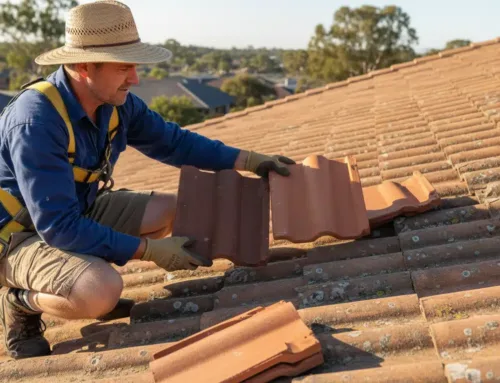
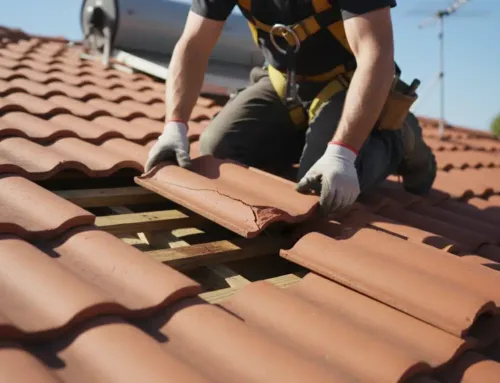
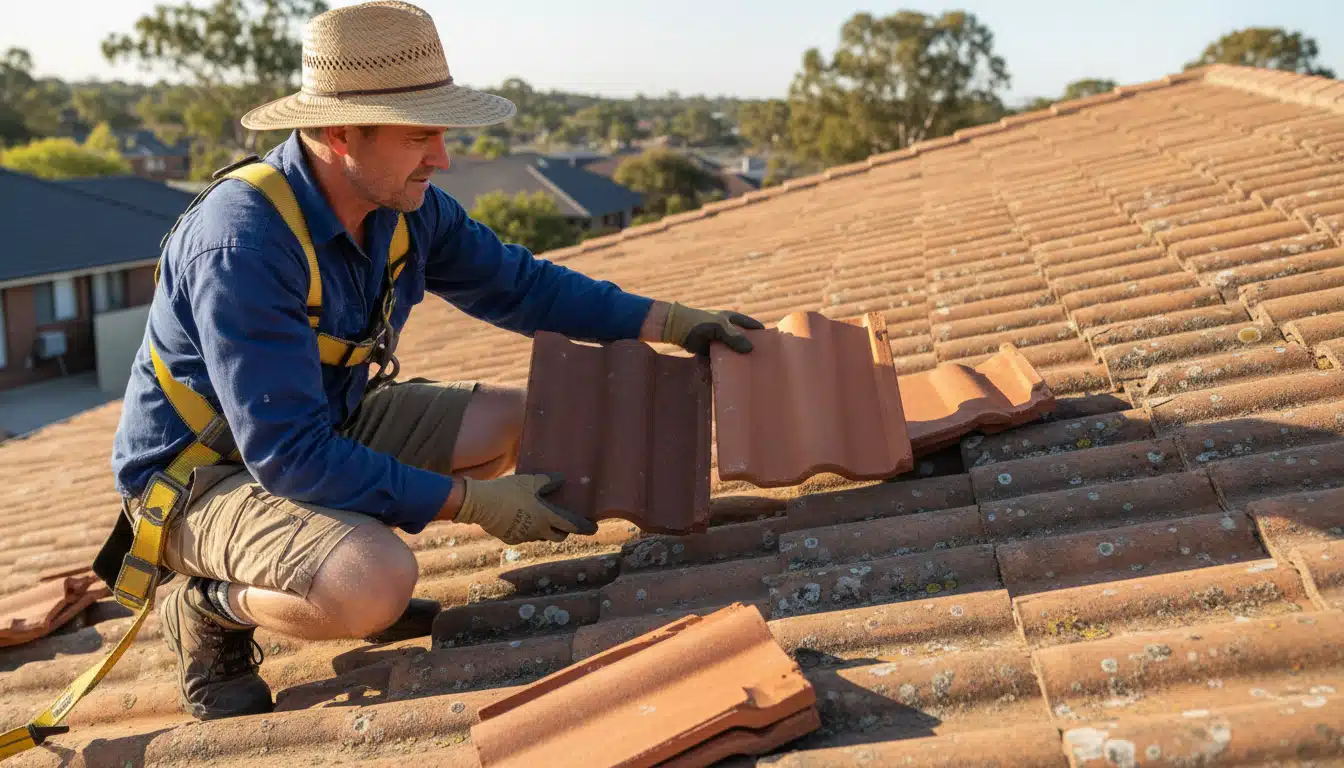
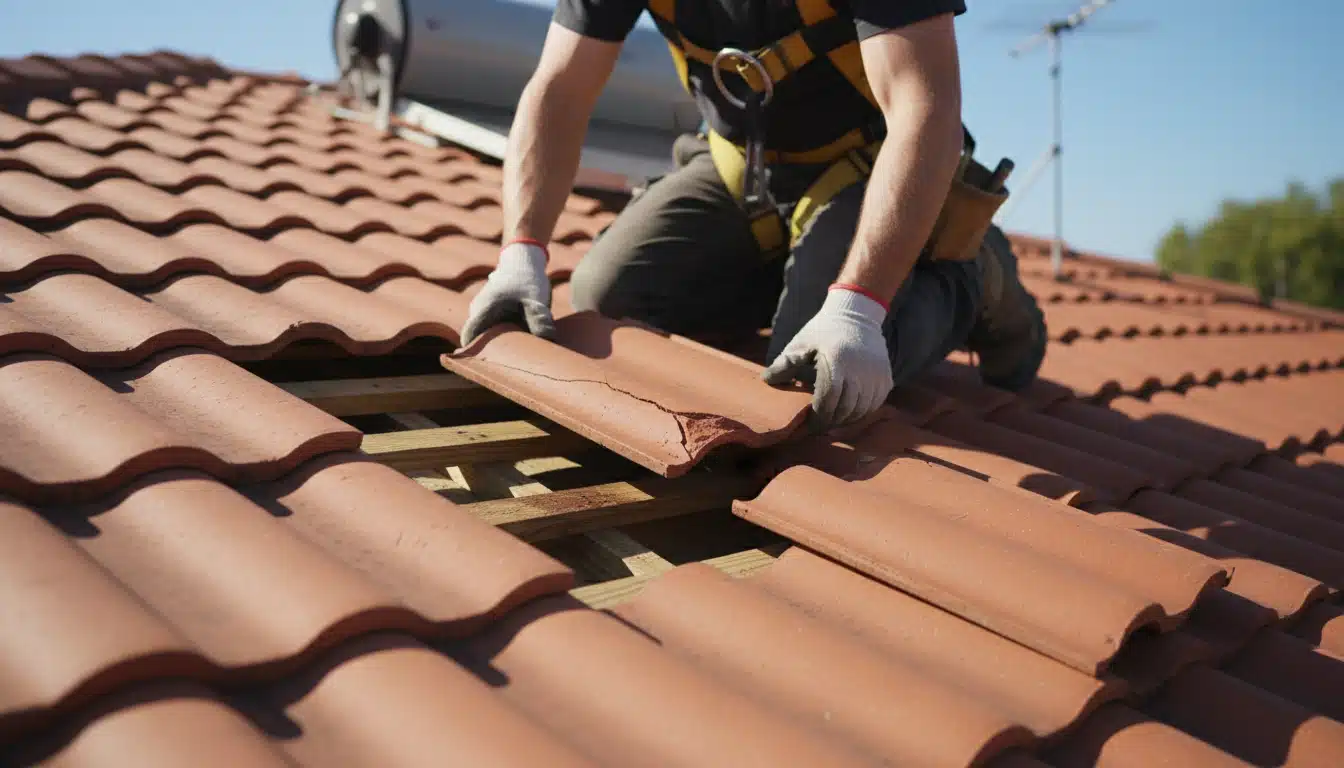
Cracked or displaced tiles create entry points for embers that can ignite roof cavities during bushfire events. During bushfire rated roof maintenance, each tile receives inspection for damage with particular attention to areas around chimneys, vents, and roof penetrations.
Ridge caps receive checks for secure bedding as loose caps allow ember entry into roof cavities where combustible materials accumulate over decades.
Sarking and Underlayment Assessment
Many older Perth Hills properties lack proper roof sarking beneath tiles. This membrane provides a secondary barrier against water and ember penetration. Where sarking is damaged or absent, specialists can retrofit protection during maintenance visits to significantly improve fire resistance.
The Three-Zone Approach to Fire Protection
Fire authorities recommend a three-zone approach to property protection, with the roof forming a critical component of each zone’s defence strategy. Understanding these zones helps homeowners implement comprehensive protection measures.
Zone 1 – Asset Protection Zone (0-20 Metres)
In this immediate area around buildings, all vegetation should be low-growing and well-maintained. For roofing, this means ensuring no overhanging branches can drop debris directly onto roof surfaces. Regular tile roof repairs maintain the integrity of this primary barrier against ember attack.
Zone 2 – Fuel Reduced Zone (20-50 Metres)
While vegetation management focuses on reducing fuel loads, roofing considerations include ensuring adequate clearance from trees that remain outside the asset protection zone. Even trees at this distance can deposit debris during storms, requiring quarterly inspection and cleaning schedules.
Zone 3 – Managed Zone (50-100 Metres)
This outer zone affects roof maintenance through windborne ember risk during bushfires. Embers can travel several kilometres in severe fire conditions. This makes even properties with excellent immediate clearance vulnerable if roofs aren’t properly sealed and maintained against penetration.
Material Selection for Fire-Prone Areas
Not all roofing materials perform equally in bushfire conditions. The Building Code of Australia designates Bushfire Attack Level ratings from BAL-LOW to BAL-FZ (Flame Zone), with construction requirements increasing at each level.
Terracotta and concrete tiles are both non-combustible and perform well under ember attack when properly maintained. Terracotta offers superior longevity in Hills conditions, with quality tiles lasting 50+ years when properly maintained. Concrete tiles provide good fire resistance at lower cost but require more frequent coating renewal.
Colorbond steel is non-combustible and increasingly popular in fire-prone areas. Metal roofing eliminates the gaps present in tile systems, reducing ember entry points significantly. However, metal roofs require proper insulation and ventilation to manage the temperature extremes common in the Perth Hills effectively.
Modern protective roof coatings provide an additional layer of fire resistance. Dulux Acratex coatings create a sealed surface that prevents ember lodgement in tile pores and cracks. The three-coat system delivers both fire protection and waterproofing that extends roof lifespan in demanding Hills conditions significantly.
Seasonal Maintenance Schedules for Hills Properties
Effective bushfire rated roof maintenance follows a seasonal rhythm aligned with Perth Hills weather patterns and fire season timing for optimal protection. Understanding this schedule helps homeowners implement timely interventions.
Autumn Preparation (March-May)
Pre-winter cleaning removes summer’s accumulated leaf litter before heavy rains arrive. This timing prevents organic material from sitting wet through winter, reducing moss growth and ensuring valleys and gutters can handle increased rainfall without blockages.
Winter Inspection (June-August)
Mid-winter inspections identify leaks early when damage is minimal and repairs are straightforward. Wet weather reveals vulnerabilities in flashing, valley seals, and tile bedding that remain hidden during dry summer months.
Spring Bushfire Preparation (September-November)
This critical maintenance window occurs before fire season intensifies each summer. Comprehensive cleaning removes all combustible material while repairs address any damage from winter storms. Most Hills property maintenance gets scheduled during this period, ensuring roofs are fire-ready before December’s heat arrives.
Summer Monitoring (December-February)
Regular visual inspections identify storm damage from summer thunderstorms that can displace tiles or damage flashing. Quick response to identified issues prevents small problems from becoming major concerns during the fire season.
Common Perth Hills Roofing Problems
Moss and lichen overgrowth results from the combination of shade, moisture, and cooler temperatures characteristic of Hills properties. These organisms aren’t merely cosmetic issues as they hold moisture against roofing materials and create combustible organic matter during fire season.
Professional removal involves more than pressure washing. Proper treatment includes biocide application to kill root systems, gentle cleaning that avoids tile damage, and preventative coating that discourages regrowth over subsequent seasons.
Valley blockages cause water to flow sideways under tiles rather than down valleys as designed. This lateral water movement leads to ceiling leaks that often appear far from the actual entry point. Regular valley cleaning prevents this common Hills property problem.
Branch impact damage occurs even from small branches falling from 20+ metre heights that generate significant impact force. Cracked tiles, damaged ridge caps, and displaced flashing commonly result from branch strikes. Quarterly inspections identify this damage before it allows water penetration or creates ember entry points during fire season.
Flashing deterioration accelerates in high-rainfall areas where constant wet-dry cycling causes sealants to fail and metal to corrode. Professional maintenance includes resealing or replacing flashings before they leak, maintaining the roof’s weatherproof integrity.
The Role of Professional Assessment
Homeowners can perform basic visual inspections from ground level, but professional assessment reveals issues invisible from below. Roof cavity inspections identify sarking damage, rafter deterioration, and ventilation problems that affect both fire resistance and roof longevity significantly.
Permacoat, with 50+ years of experience throughout the Perth Hills, includes thermal imaging to detect moisture trapped in roof structures. This proves particularly important in the Perth Hills where prolonged dampness can hide structural issues. This technology identifies problems years before they become visible, allowing preventative intervention rather than expensive emergency repairs.
Professional inspectors also assess compliance with current bushfire construction standards. Many older Hills properties were built before modern BAL requirements existed. While full compliance isn’t mandatory for existing buildings, understanding gaps helps homeowners prioritise upgrades that deliver maximum fire protection.
Restoration vs Ongoing Maintenance
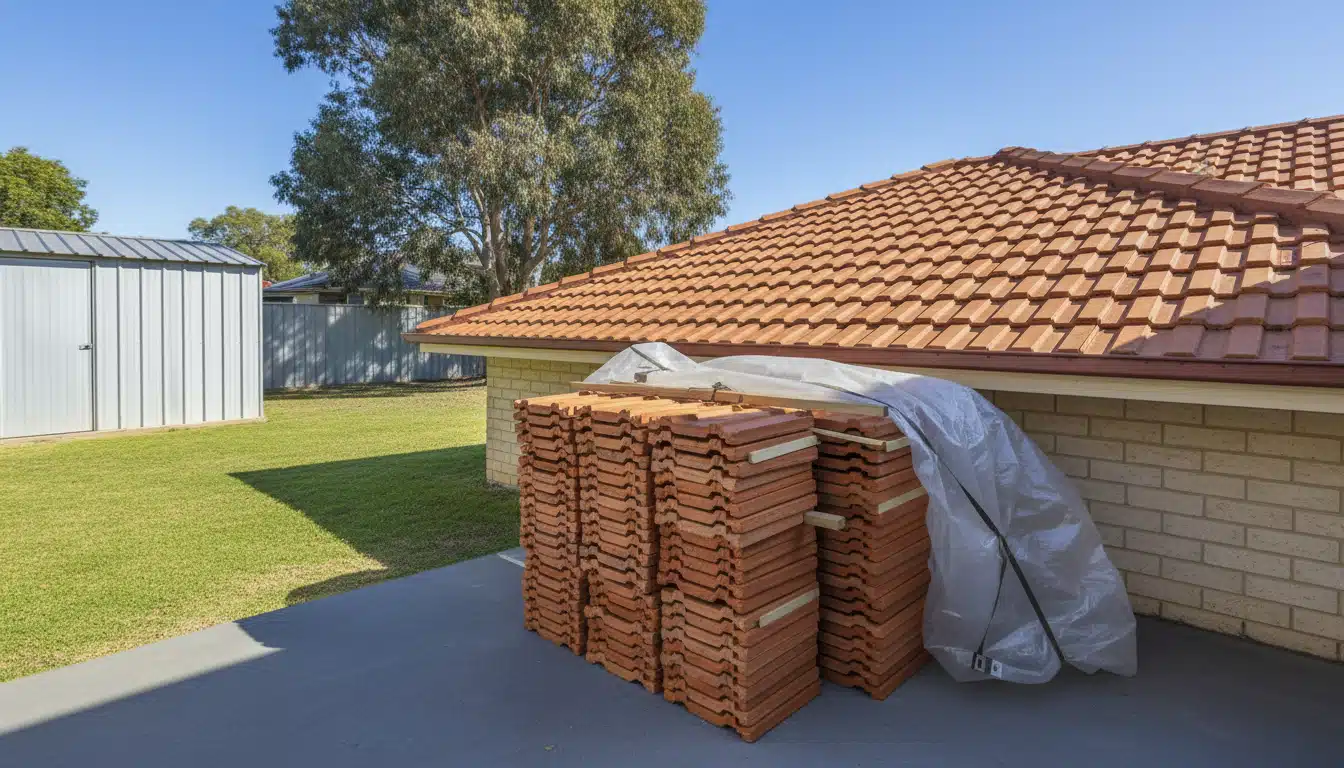
Properties that haven’t received regular attention often require comprehensive roof restoration in Perth before establishing maintenance schedules. This systematic process addresses accumulated damage through complete high-pressure cleaning that removes all organic growth and debris. Damaged tiles receive replacement, typically 5-15% of tiles on neglected roofs. Ridge caps are rebedded with flexible pointing that accommodates thermal movement. All valleys are resealed and flashings are renewed or replaced as needed.
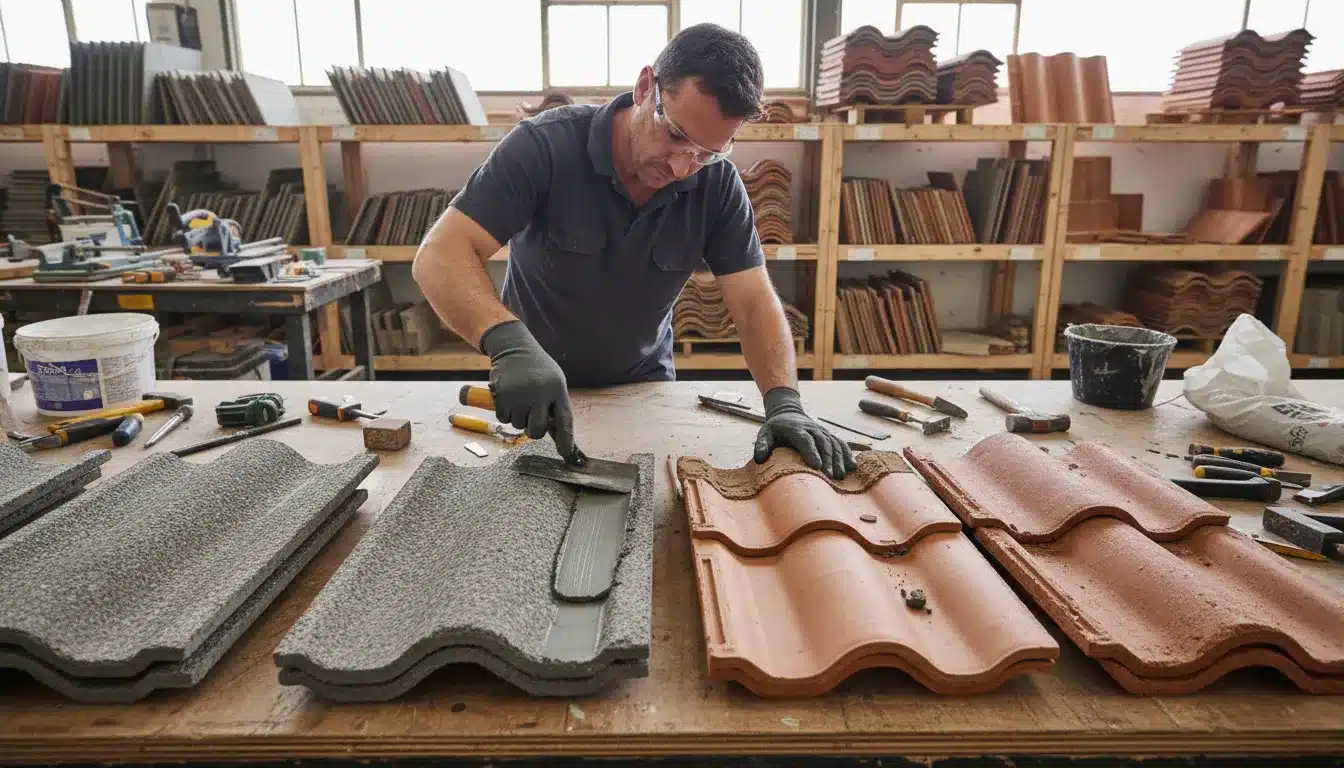
The three-coat Dulux Acratex system then seals the entire roof surface, creating a fire-resistant, waterproof barrier that transforms both appearance and performance. This comprehensive approach delivers 15-20 year coating warranties, with proper ongoing maintenance extending these timeframes significantly.
For properties already in good condition, preventative maintenance preserves this investment through quarterly cleaning, annual inspections, and prompt attention to minor damage. This prevents the deterioration that eventually requires full restoration if neglected.
Cost Considerations for Hills Property Owners
Bushfire rated roof maintenance costs more than standard suburban cleaning, reflecting access challenges, increased debris volume, and the specialised knowledge required. However, this investment delivers multiple returns for property owners.
Insurance companies increasingly recognise proactive bushfire protection, with some insurers offering premium reductions for properties with documented maintenance programs and fire-rated roofing systems. Even without premium reductions, well-maintained roofs reduce claim likelihood and protect no-claim bonuses over time.
Property value protection represents another return on investment. Perth Hills properties command premium prices, but only when well-maintained. A neglected roof can reduce property value by $20,000-$50,000, far exceeding the cost of regular maintenance.
Most significantly, proper maintenance protects the substantial investment Hills homeowners have in their properties. The median house price in Mundaring exceeds $600,000, with many properties valued considerably higher. Regular roof maintenance represents less than 0.1% of property value annually while protecting against catastrophic loss during fire season.
Professional Services for Perth Hills Properties
Five decades of experience restoring roofs throughout the Perth Hills provides specific understanding of fire-prone area requirements. The approach combines comprehensive cleaning, systematic repairs, and Dulux Acratex coating systems proven in demanding Australian conditions.
The separate team structure ensures quality control as one team handles restoration work including repairs and surface preparation while a dedicated spray coating team applies the three-coat system. This specialisation delivers superior results compared to operations where the same workers handle all tasks.
For Hills property owners, this experience translates to practical benefits including understanding which trees drop the most problematic debris, knowing how Perth Hills microclimates affect different roof aspects, and recognising the early signs of problems common in high-rainfall, fire-prone areas.
Taking Action Before Fire Season
The optimal time for bushfire rated roof maintenance is before fire season intensifies and before minor issues become major problems. Waiting until smoke appears on the horizon leaves insufficient time for proper preparation and necessary repairs.
Professional assessment identifies current vulnerabilities and creates a prioritised action plan. Not every issue requires immediate attention, but understanding what needs addressing and in what timeframe allows informed decision-making that prevents crisis response during emergency situations.
For comprehensive roof restoration in Perth specifically focused on bushfire protection requirements, professional inspections provide detailed evaluations including debris assessment, fire vulnerability evaluation, and recommendations covering both immediate actions and long-term maintenance scheduling.
Conclusion
Perth Hills properties offer lifestyle benefits that flatland suburbs can’t match, but these advantages come with responsibilities. A well-maintained, fire-rated roof protects both property investment and family safety, delivering peace of mind that’s invaluable when bushfire season arrives.
For expert professional roof cleaning and debris management backed by 50+ years of Perth Hills experience, call (08) 9249 5955 to book your free inspection today.