Gutter guards can reduce loose leaf loads, but they are not a set-and-forget roof component. They change how debris collects, how water enters the gutter, and how future cleaning needs to be handled.
Gutter guard maintenance should start with the type of debris around the home. Fine needles, gum leaves, seed pods, and bark strips behave differently on mesh, perforated covers, and brush-style products.
Roof gutter protection works best when it supports water entry without hiding build-up. A guard that looks tidy from below can still hold material at corners, valley exits, or outlet openings.
When Guards Provide Useful Support
Guards can help when open gutters fill quickly between planned cleaning visits. They may reduce sudden blockages after wind events and keep larger leaves away from pipe entries.
Leaf blockage prevention still depends on water reaching the gutter. If leaves mat across the guard surface, water can sheet over the edge instead of dropping through.
Large Leaf Loads
Homes below tall trees often receive debris in bursts. One windy afternoon can load several metres of roof edge.
A guard may help with:
- Broad leaves from nearby trees
- Large twigs that catch at outlets
- Birds nesting near open gutters
- Heavy debris after summer wind
- Rapid build-up before winter rain
Access and Safety Limits
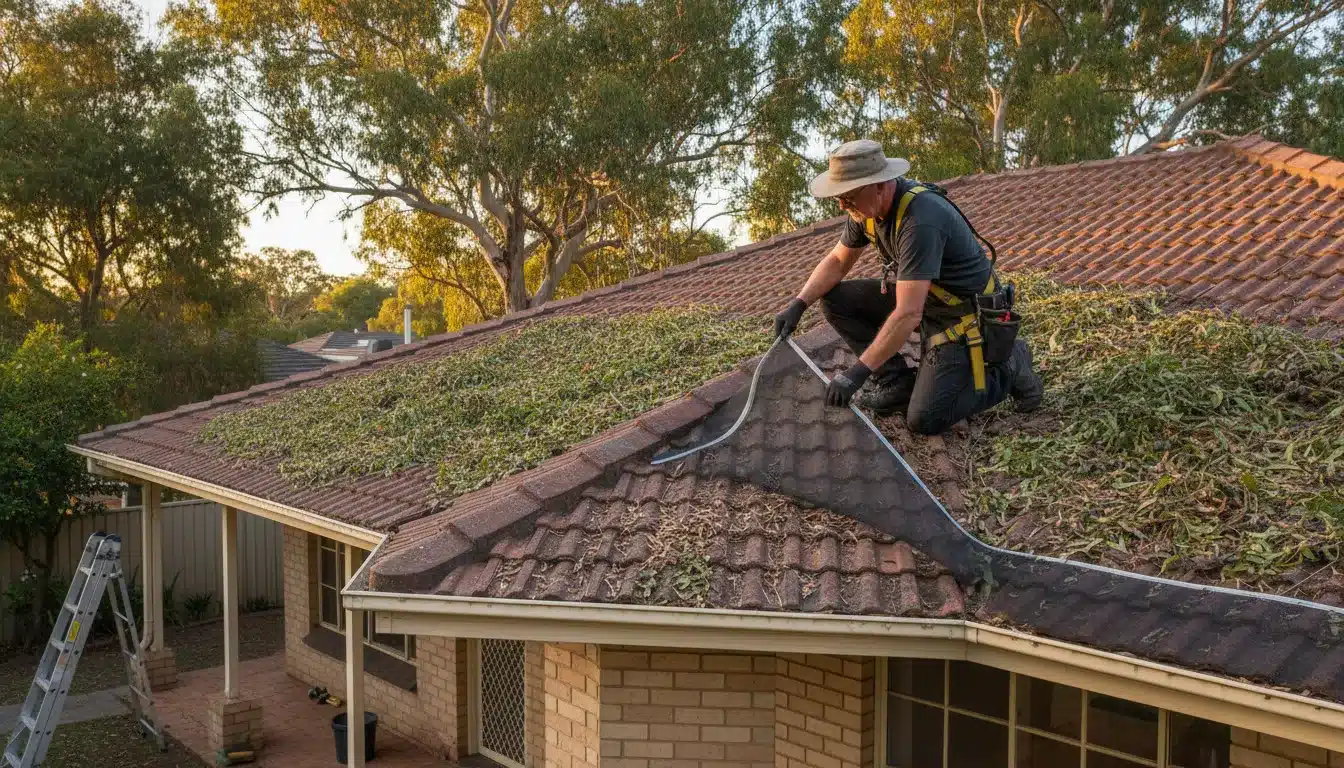
Some roof edge types are hard to reach. Steep pitches, brittle tiles, and narrow side access can make regular cleaning difficult.
A guard can reduce how often cleaning is needed. It should not make inspection impossible, because hidden debris still needs a safe removal method.
When Guards Create New Problems
The main risk is hidden build-up. Material can sit on top of the guard, lodge under edges, or gather where two roof planes meet.
Perth Hills gutters often deal with heavier leaf fall, sloping blocks, and fast water movement. Those conditions can expose poor guard selection quickly.
Water Overshooting the Edge
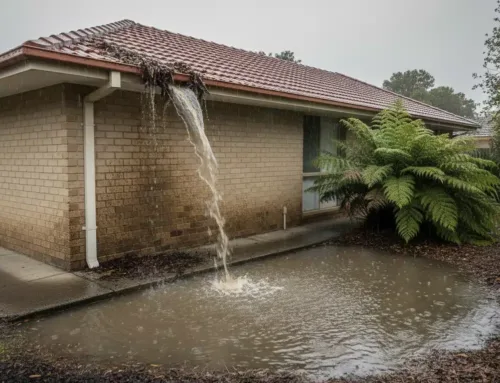
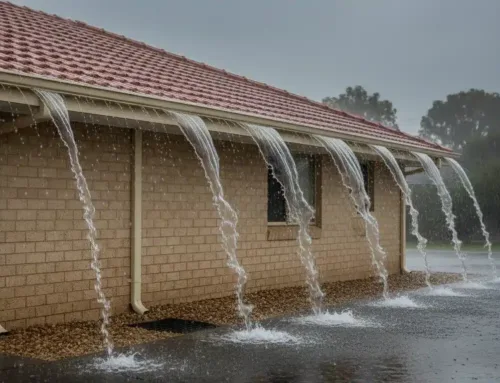
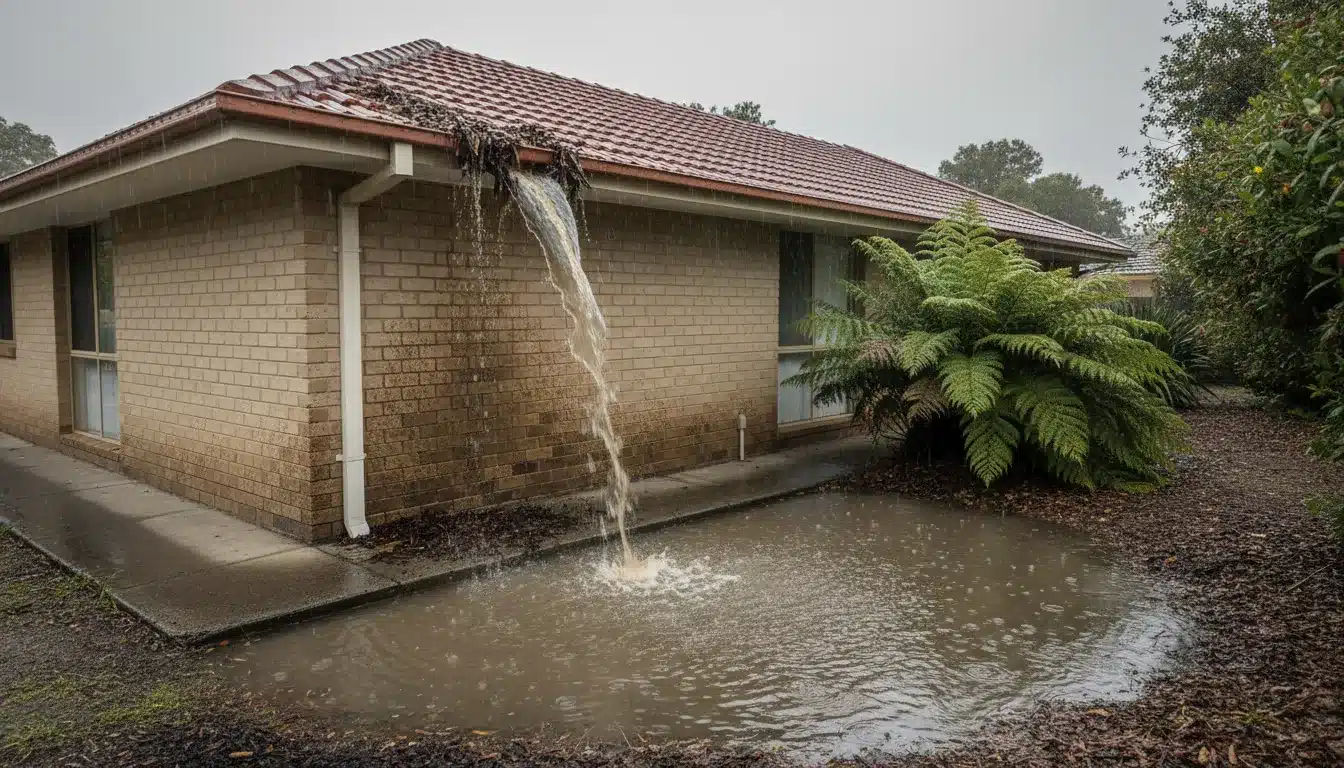
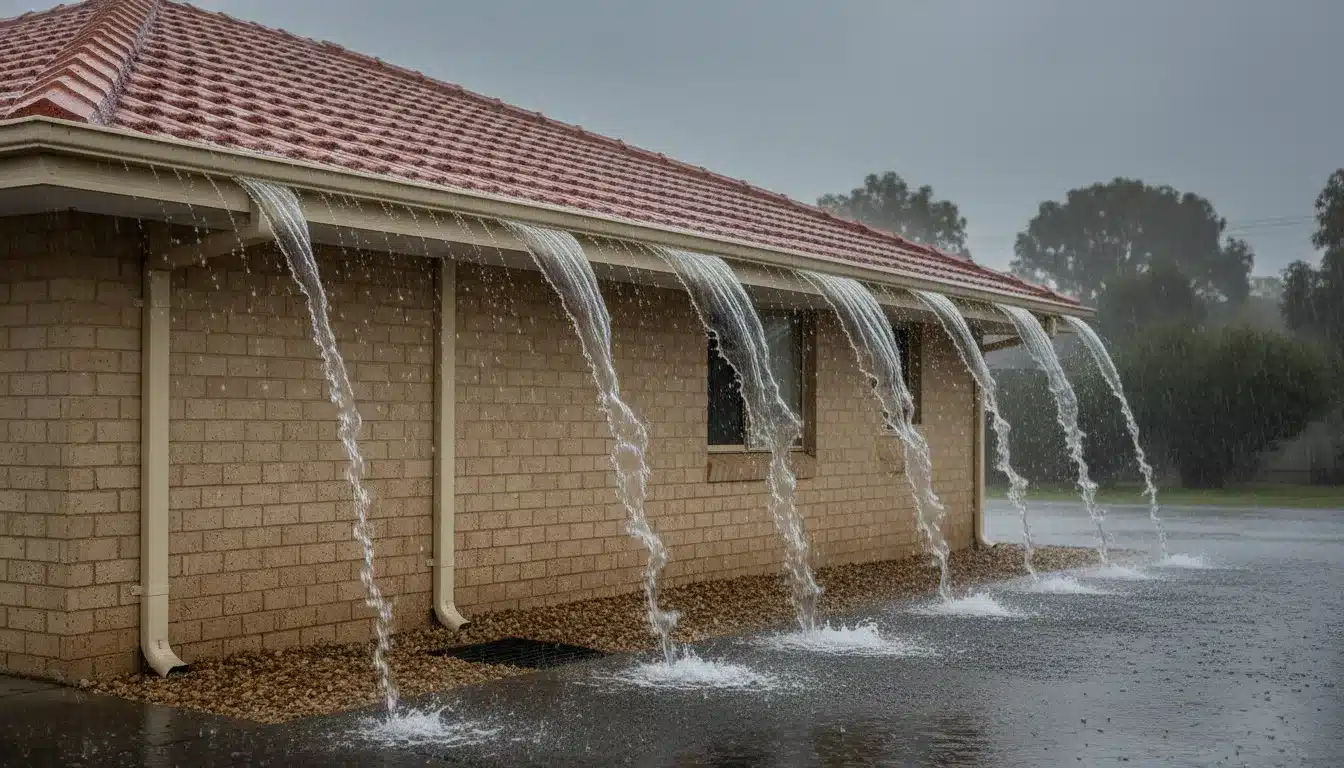
Water can overshoot when debris mats across the surface. It can also happen when the guard angle is too flat or the rain burst is too intense.
Warning signs include:
- Water running over a guarded section
- Stains under a clean-looking gutter
- Debris sitting above valley entries
- Damp paving below one roof edge
- Outlets that cannot be seen clearly
Cleaning Becomes More Complicated
A guarded system may need screws, clips, or panels lifted for proper cleaning. That work can take longer than clearing an open gutter.
Downpipe flow should still be checked after guard installation. Large debris may be reduced, but fine material can still wash into lower bends.
Matching the Product to the Site
No single guard suits every roof. The right choice depends on trees, roof pitch, valley layout, tile condition, and future access.
Roof drainage maintenance should remain practical after any product is fitted. If routine cleaning becomes awkward, the guard may only move the problem.
Tree Type and Roof Shape
Fine leaf litter behaves differently from broad leaves. Valley lines can also concentrate debris onto one short gutter section.
Planning should review:
- Tree species close to the roof
- Valley outlets and corners
- Existing gutter fall
- Access for lifting or cleaning panels
- Pipe entries below guarded areas
Bushfire and Seasonal Concerns
In leafy suburbs, owners may also need to consider dry debris before bushfire season. Guards can reduce some large material, but fine build-up still needs attention. A guard is not a substitute for clearing combustible debris or following local bushfire advice.
The guard should support inspection before hot weather and again before winter rain. A clean edge is more useful than a hidden edge.
For seasonal guard selection and upkeep, consider:
- Whether seasonal leaf and seed fall will collect on the guard or pass through its openings
- How dry litter trapped along guard edges can be cleared before hot weather
- Whether safe cleaning access will remain practical during peak leaf fall
- Whether debris left by the dry season is obstructing guard openings before winter rain
Inspection and Repair Planning Before Storms
A good repair plan looks at guards, gutters, valley trays, outlets, screws, clips, and downpipes. It should distinguish a blocked guard surface from damaged roof components that need roof repairs. Otherwise, replacing a gutter can leave the original source of water entry unresolved.
Local experience matters because roof styles and tree cover vary widely across Perth. We are a Western Australian family business with more than 50 years of experience. Through Permacoat, we have restored more than 30,000 roofs across Perth, north and south of the river, and offer replacement of old or damaged gutters and downpipes separately or alongside roof restoration.
Safe Visual Checks from Ground Level
From the ground, look for guard panels lifting away from the gutter, leaves bridging a valley exit, and stains below guarded sections. Binoculars may help with visible edges, but they cannot confirm that the gutter beneath a fixed cover is clear. Leave checks requiring panel removal or roof access to someone equipped to work safely at height.
During rain, observe only from a safe, sheltered position. Water skimming across a leaf-covered guard suggests a surface-entry problem; water overflowing a gutter that has filled beneath the guard points towards a restriction or capacity issue. Neither observation alone establishes the repair needed.
Checking Beneath the Guard
Gutter guard maintenance needs to account for material beneath the cover as well as leaves on top. Fine sediment can collect around outlets even when the mesh looks clear. Where several roof sections feed one valley, that concentrated flow can also carry debris beneath poorly finished guard edges.
For effective leaf blockage prevention, the inspection needs to establish whether the cover can be opened without bending panels or damaging adjacent roof materials. Removable sections should leave enough access to clear the outlet, not just expose a narrow strip of gutter.
Checks beneath removable sections should cover:
- Sediment collecting around outlet openings
- Fine needles or bark lodged beneath guard edges
- The condition of brackets and joins beneath the cover
- Debris restricting the entry to the downpipe
Clearing Debris or Replacing Damaged Gutters
Removing a mat of leaves may restore water entry through an otherwise suitable guard. It will not repair a corroded gutter beneath it. Equally, replacing sound guttering will not stop overshooting if the guard remains covered with debris or its edge directs water past the gutter.
Where gutters or downpipes are old or damaged, we offer gutter replacement and downpipe replacement, either separately or alongside roof restoration. Any existing guard needs to be considered when defining access and replacement scope. The quotation should distinguish work on the gutter from any work needed on the existing guard.
For work involving an existing guard, clarify:
- Whether panels must be removed to reach the gutter
- Whether the quotation includes removing and refitting existing panels
- Whether brittle panels or corroded fixings can be reused
- How the outlet will remain accessible after the work
Choosing a Guard System That Still Allows Cleaning
A guarded gutter still needs a workable cleaning plan. The guard may keep large leaves out, but fine material can still settle, break down, and move towards outlets. Seed pods, grit, loose roof mortar, and bird debris can also sit on top of mesh, so roof cleaning and gutter clearing need to account for debris above as well as below the guard.
The question is whether a guard makes maintenance more manageable for that roof, not whether it eliminates cleaning. On a steep roof or beside an awkward valley, a large fixed panel may prevent access to the very section that needs the most attention.
Before fitting a guard, check these points:
- The type and amount of nearby leaf fall
- Whether valleys send debris to one short section
- How the guard will be lifted or cleaned
- Whether outlets remain visible after installation
- How mesh edges finish at corners and joins
- Whether roof access will still be safe later
Broad leaves may sit above mesh where they can be removed without entering the gutter. Brush-style inserts occupy space inside the gutter and can hold debris among their bristles, so cleaning may require lifting the insert out. These are different maintenance tasks, even when both products reduce large leaves reaching an outlet.
Small debris can lodge around fasteners and at valley entries even when the rest of the guard sheds leaves. Check those details rather than judging the whole system by one clear stretch. Material trapped around a fixing may need careful removal without loosening the panel.
Local exposure matters. Homes near dense trees usually need closer seasonal checks. Properties on sloping blocks may also need extra care because water can travel quickly from the roof edge to paths, walls, and garden beds.
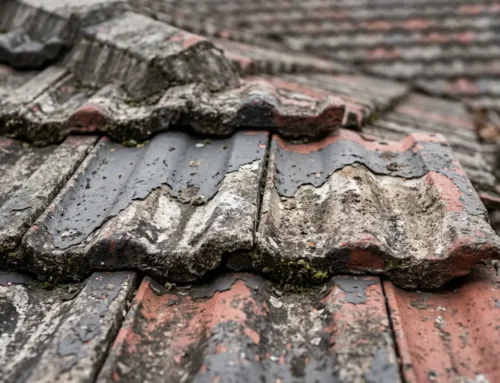
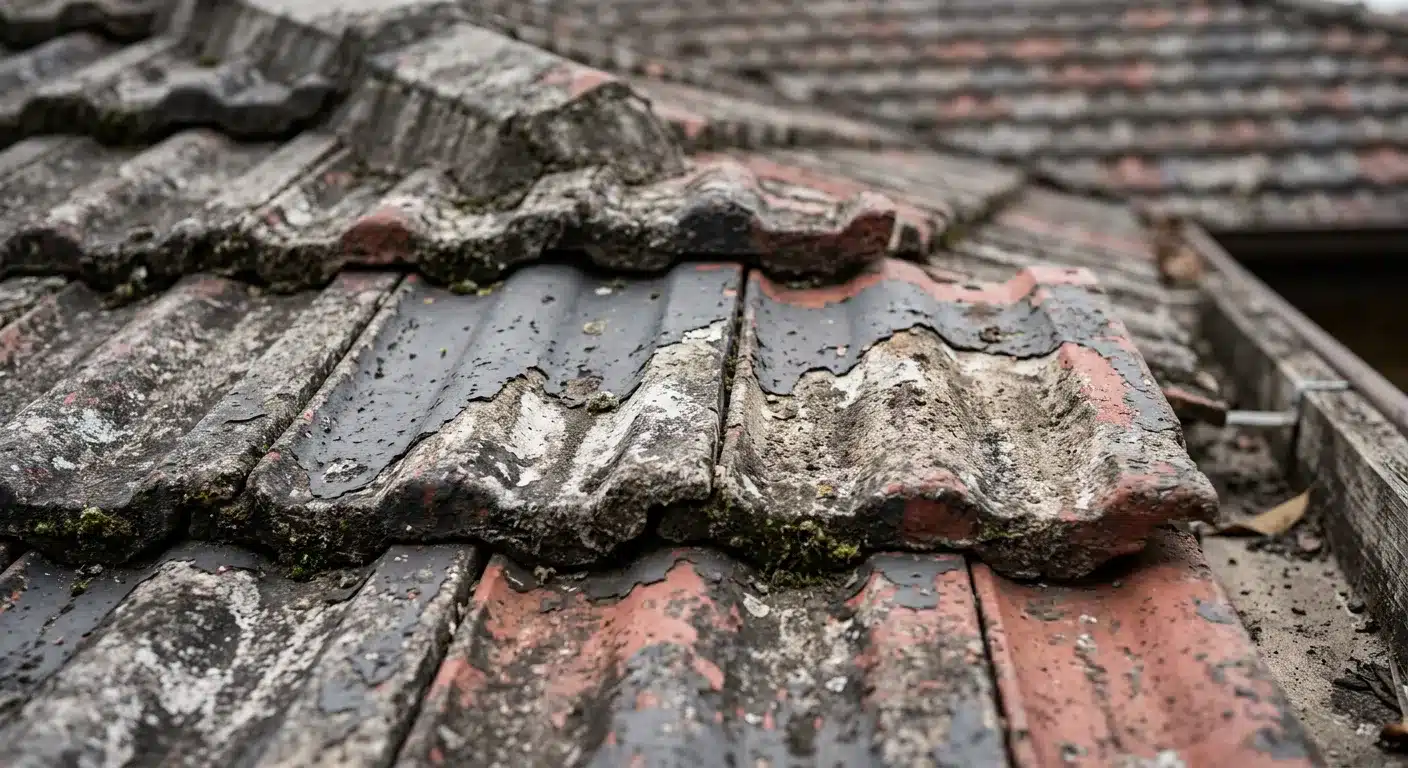
A useful plan should explain how the guard will be cleaned without damaging tiles, screws, clips, or coated surfaces. If lifting panels reveals cracked tiles, roof tile repairs should be addressed before the guard is refitted. Any special access needed for that work should be understood before installation.
The final decision should balance benefit and access. A simple open gutter that can be cleaned safely may outperform a guarded system that hides debris. A guarded system may still be worthwhile when leaf loads are heavy and access is planned properly.
Setting a Sensible Inspection Schedule
A guard should come with a clear inspection schedule. The timing depends on tree cover, roof pitch, valley layout, and how quickly debris gathers after storms. A home beside tall trees may need checks more often than an exposed suburban roof.
The first season after installation is important. It shows whether the guard sheds material, traps small debris, or moves water cleanly into the gutter. Those observations help set a realistic long-term routine.
A practical schedule should include:
- Checks after major wind events
- A pre-winter inspection
- A look at valley entries and corners
- Outlet checks after heavy leaf fall
- Review of screws, clips, and lifted edges
- Ground-level checks for overflow marks
Photos taken from safe, accessible positions can help compare the guard before and after seasonal leaf fall. They are most useful when they show the same corner or outlet each time, rather than a general roof view. Do not climb onto the roof to obtain them.
The best outcome is a system that can be checked without guesswork. A guard should reduce avoidable blockages, not hide them. Clear access and regular review keep the roof edge working as intended.
Reviewing Guard Performance After Installation
After cleaning, review the previously troublesome section during the next rain event from a safe position. If water still skims past a clear guard, debris alone was not the explanation. The panel profile, fit and relationship to the roof edge need closer assessment.
Roof gutter protection should be judged by both dry-weather inspection and observation during rain. A dry inspection can reveal trapped leaves or lifted edges; rain shows how water passes across those details. Observation from the ground does not replace safe access for checking concealed outlets.
Roof drainage maintenance should respond to what the guard actually traps. A guard that sheds broad leaves may still collect fine seeds during a short flowering season. That brief load may justify an extra clean without making the product unsuitable throughout the year.
A practical review should look for:
- Debris sitting on top of the guard
- Overflow marks below one section
- Blocked corners near valleys
- Loose clips or lifted mesh edges
- Outlets hidden by leaf litter
- Water marks on fascia boards
If a guard keeps creating the same wet section, the product may not suit that roof edge. The answer may be better cleaning access, a different fitting method, or removal from the problem area.
Questions to Ask Before Choosing a Guard
A good product choice starts with clear questions. The answer should match the roof, not only the sales claim attached to the guard.
Ask for an explanation of how the proposed guard handles the debris already present at the property. A demonstration of how a corner or outlet section opens is more useful than a general assurance that the product is easy to maintain.
Useful questions include:
- Can outlets still be inspected easily?
- How will valley debris be removed?
- What cleaning access remains after fitting?
- Will the product suit brittle tiles?
- How are corners and joins finished?
- What signs show that cleaning or inspection is due?
The answers should be practical and site-specific. If the only answer is that cleaning will no longer be needed, the plan is too simple.
A guard can still be useful. It just needs to be part of a roof edge care plan, not a replacement for one.
Treat claims of maintenance-free performance cautiously. Ask what cleaning involves, what access costs may recur, and whether individual panels can be removed without disturbing the whole run. Those answers help compare the ongoing work required, rather than choosing on appearance alone.
Conclusion
A gutter guard earns its place only if it reduces debris problems without making cleaning impractical. If checking beneath an existing guard reveals old or damaged gutters or downpipes, contact us to discuss replacement on its own or alongside roof restoration.