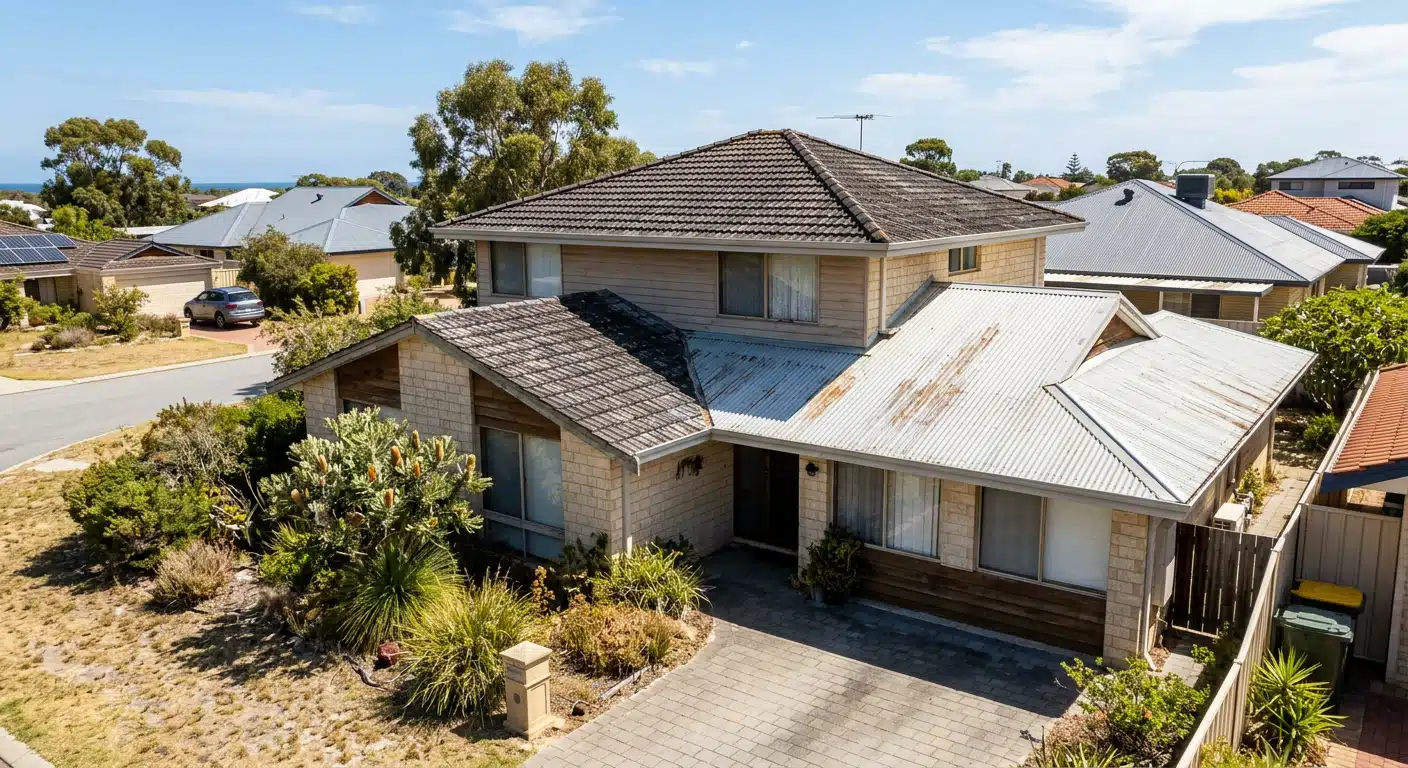
Perth’s climate shortens a roof’s useful life through intense sun, repeated heating and cooling, wind-driven debris, winter rain and, near the coast, salt exposure. The effect is not identical across materials. Metal is vulnerable where coatings or fixings deteriorate, while tiled roofs depend on sound tiles, bedding, pointing, flashings and drainage. The practical answer is to judge the whole roof system, not its age alone.
A roof can look faded yet remain serviceable, or appear sound from the street while water is entering around a valley, flashing or broken tile. Material, roof pitch, aspect, tree cover, workmanship and maintenance history all change how weathering develops.
Questions about roof lifespan Perth homeowners ask cannot be answered with a generic age estimate. The same roofing materials Perth properties use can age differently on a shaded inland home and an exposed coastal property.
This guide explains how common roofing materials respond, which warning signs matter and when cleaning, repair, restoration or replacement becomes the sensible next step.
Why Perth Weather Ages Roofs Unevenly
A roof faces Perth’s conditions all year, but the stresses arrive in different forms. Long sunny periods heat exposed surfaces, then evening cooling makes materials contract. Repeated movement can test laps, sealants, fasteners, flashings and old repairs. Darker surfaces can become especially hot, while north and west-facing slopes often receive more direct afternoon sun than sheltered sections.
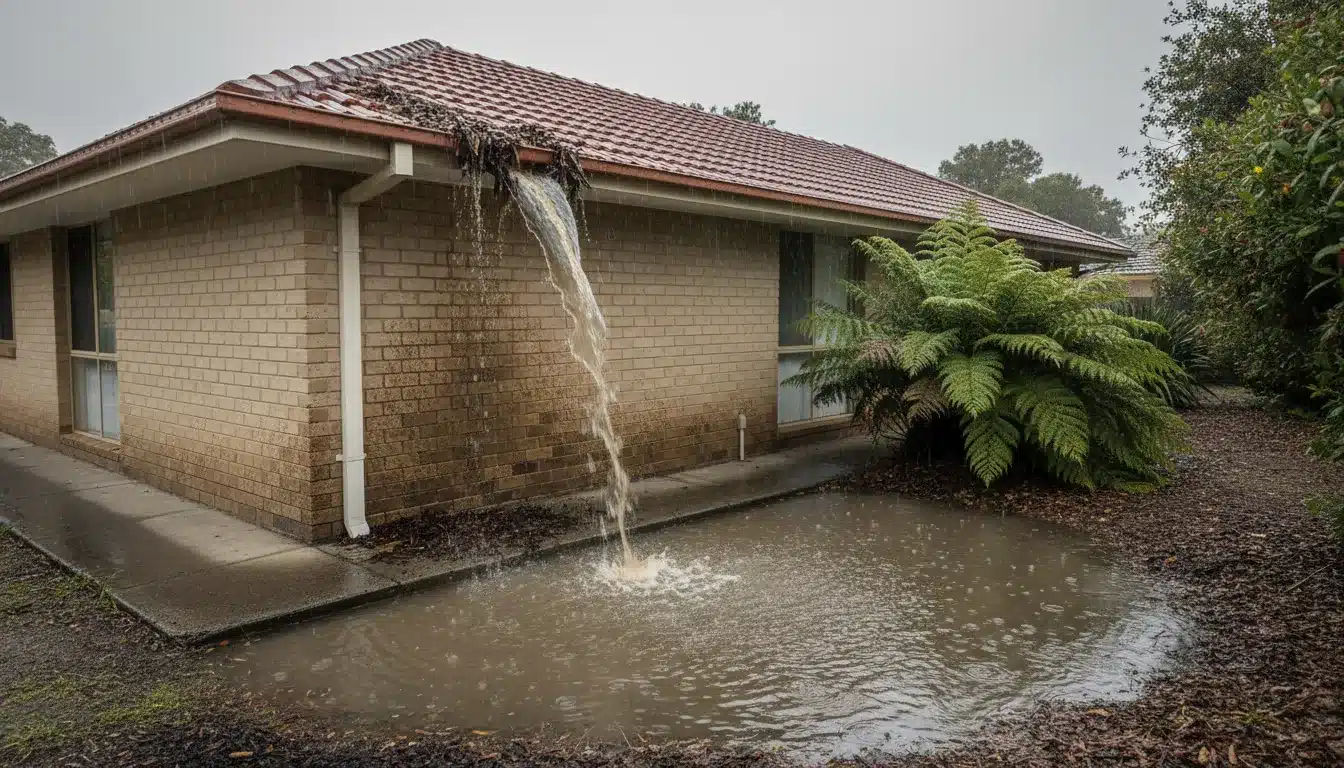
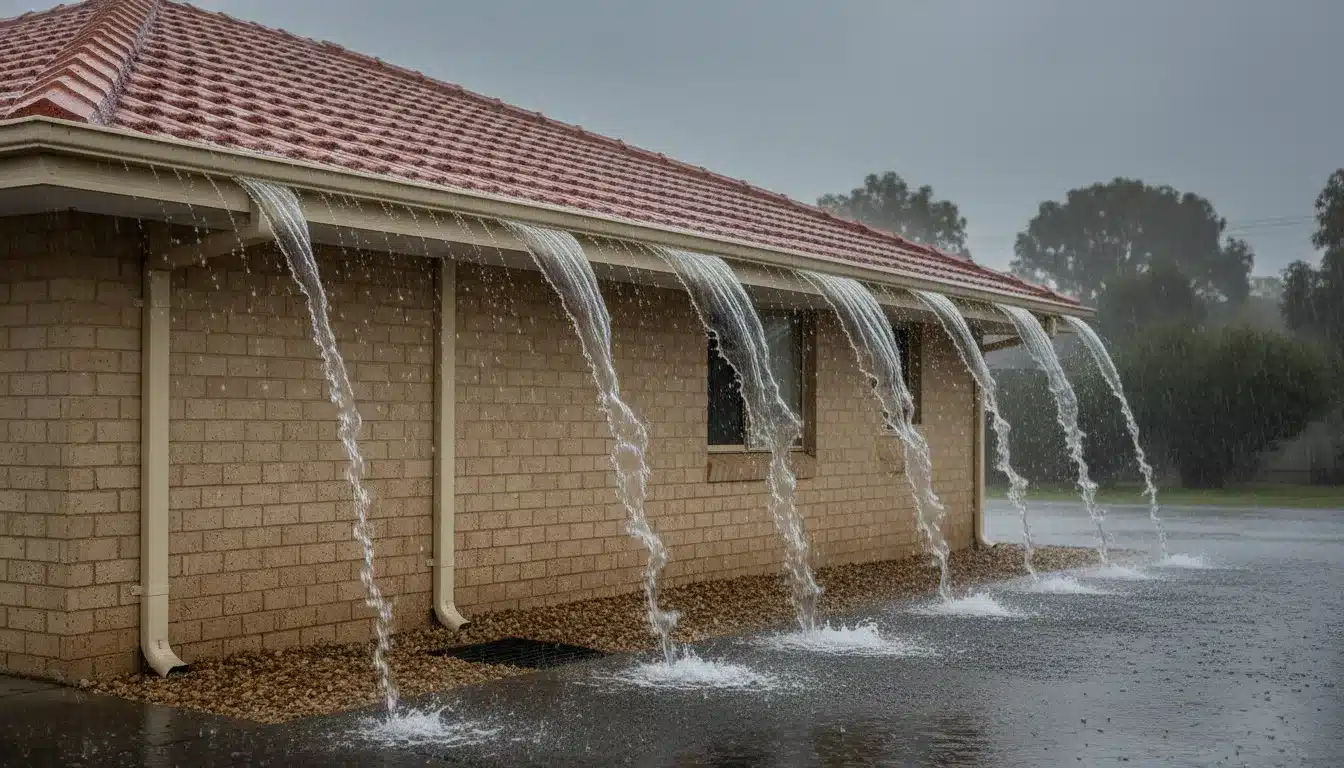
Rain creates a different test. Water follows small defects into joints, valleys and penetrations, while blocked drainage can hold moisture where the roof was designed to shed it. A prompt roof repair may deal with an isolated fault before repeated wetting affects a wider area. The source of a leak is not always directly above the stain indoors because water can travel along the roof structure.
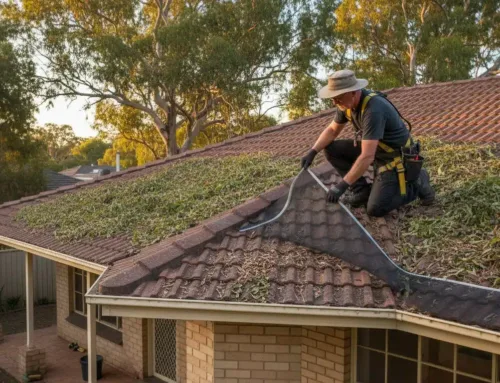
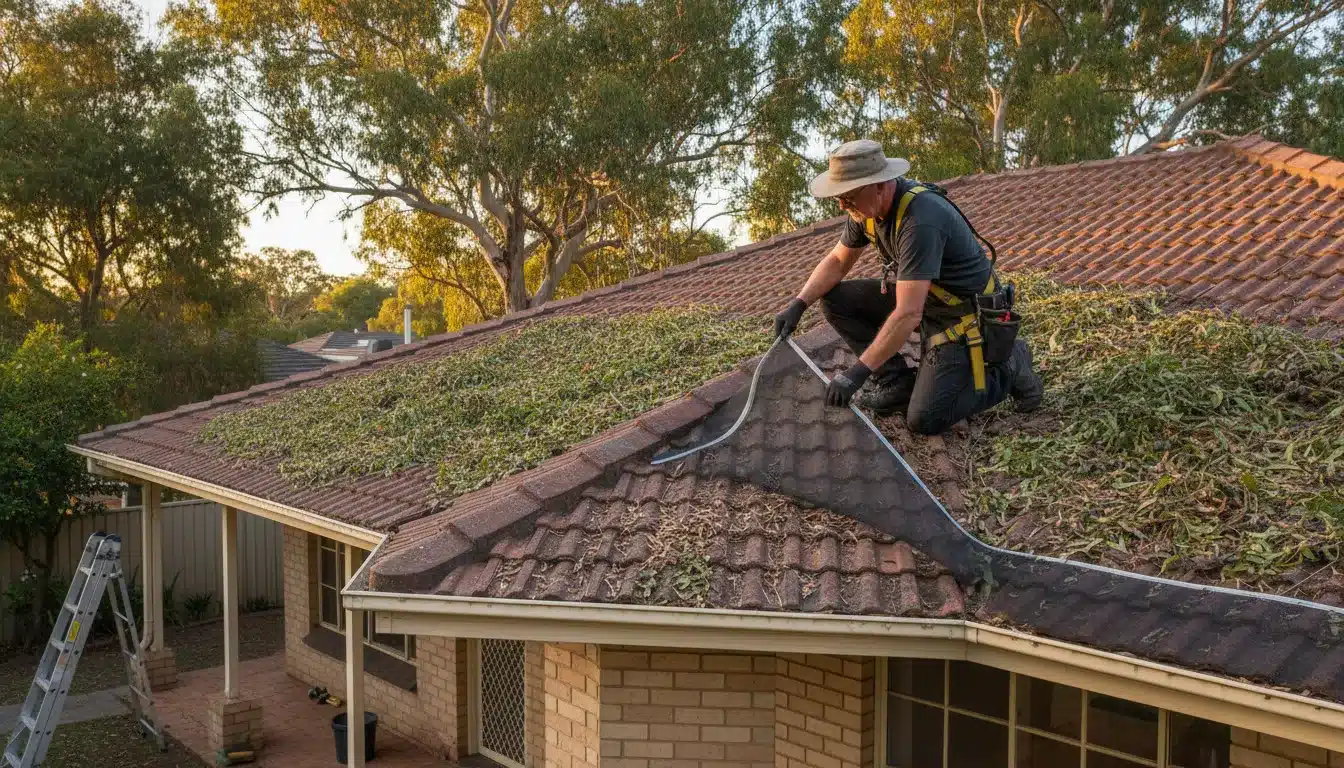
Trees provide shade, but overhanging branches also drop leaves and organic matter. Debris can collect behind penetrations or in valleys, and damp build-up may encourage lichen or moss on suitable surfaces. Professional roof cleaning can expose the actual condition beneath accumulated dirt, but cleaning does not repair cracked components or make a deteriorated roof structurally sound.
Coastal exposure adds salt to the mix. Salt deposits and moisture can accelerate corrosion where protective finishes are damaged, cut edges are exposed or incompatible metals meet. Homes close to the ocean therefore need particular attention around metal sheets, fasteners, gutters, flashings and rooftop equipment. Inland roofs are not free from corrosion, but the exposure level and inspection priorities can differ.
Concrete And Clay Tiles: Durable Cover With Vulnerable Details
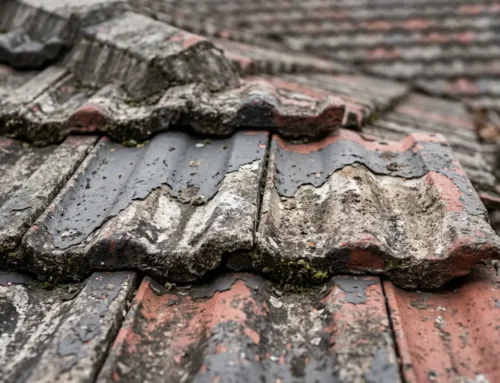
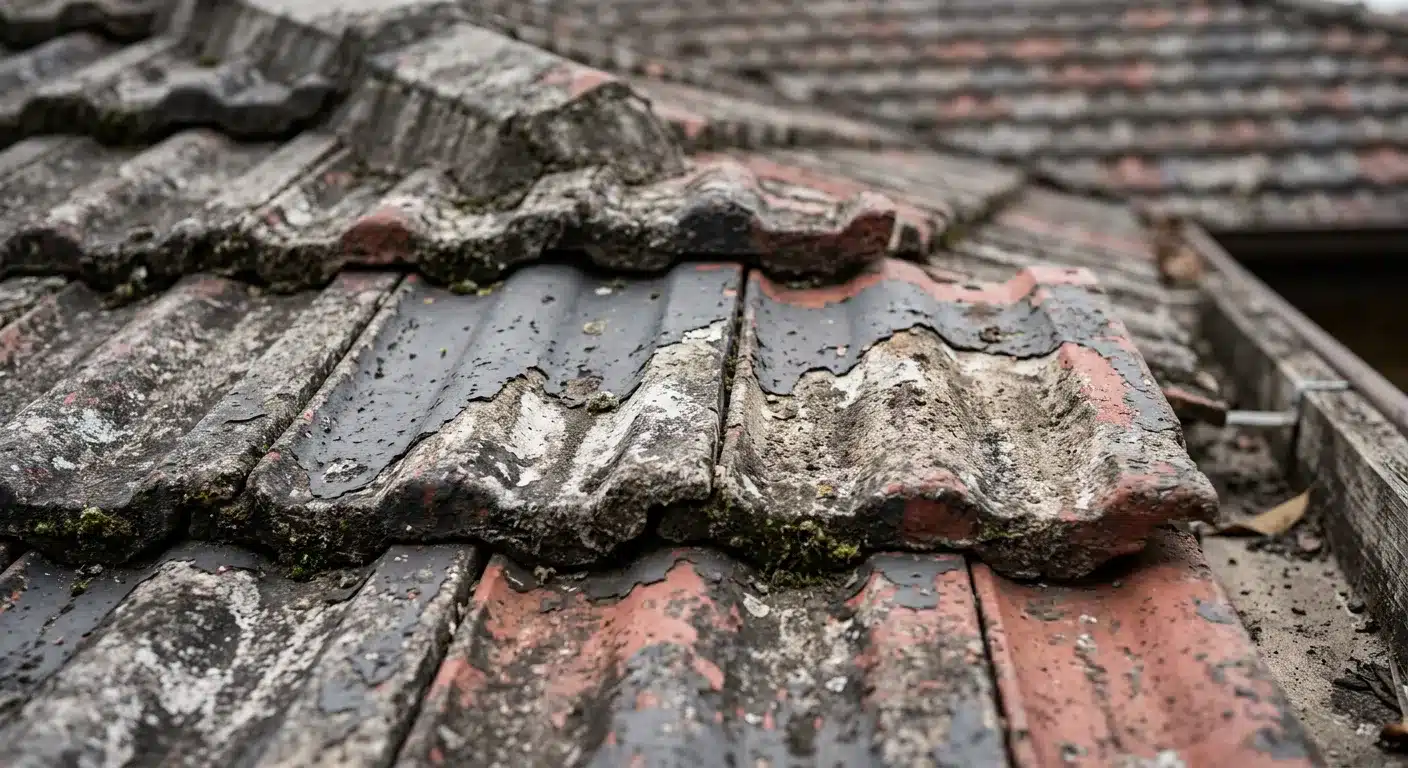
Concrete and clay tiles cope well with sun and rain when the roof system beneath and around them remains sound. Individual tiles can crack from impact, foot traffic or movement, and older concrete tiles may become rougher or more absorbent at the surface. Fading alone does not tell you whether water is entering. Cracks, displacement, fretting edges and recurring damp marks are more useful clues.
Tiles Are Only One Part Of The System
A tiled roof also relies on ridges, hips, valleys, flashings, bedding and pointing. Mortar bedding supports ridge and hip tiles, while pointing helps finish and seal those junctions. Weathering or movement can cause cracking and gaps even when most field tiles remain intact. Targeted tile repairs may be appropriate when damage is local and the rest of the roof remains serviceable.
Water management matters as much as tile condition. Rain should move down the roof and through valleys without being obstructed by leaf litter, broken pieces or previous patching. A single slipped tile can admit water during wind-driven rain, yet widespread deterioration across ridges, valleys and tiles may call for a broader restoration assessment rather than repeated spot fixes.
Colour Loss Is Not The Same As Failure
Concrete tiles can lose colour and look tired long before they need replacing. The decision to paint the roof should follow inspection and preparation, not appearance alone. Broken tiles, defective pointing and leaks need attention first. Applying a finish over unresolved defects may improve colour without dealing with the path water is taking.
Where the substrate is suitable, a coating can protect and refresh the surface after the necessary preparation and repairs. Permacoat publishes coating material cover of up to 20 years depending on the roof substrate, alongside a Dulux Acratex 15-year product warranty covering film integrity, peeling and cracking. Those periods concern the specified coating material and product terms, not every tile, flashing or structural element beneath it.
Metal Roofing: Movement, Finish And Fixings Matter
Metal roofing sheds water efficiently when sheets, laps, flashings and fasteners are correctly installed and remain in good condition. Its large exposed surfaces respond quickly to temperature change. Normal expansion and contraction are allowed for in a sound system, but loose fasteners, deteriorated washers, damaged flashings or poorly resolved penetrations can become leak points over time.
Protective finishes are central to durability. Scratches, corrosion around fixings and exposed cut edges deserve attention, particularly in coastal locations. Surface rust may be local, while corrosion through sheets or around many fasteners points to a different scale of problem. Roof coatings can be considered when the metal substrate is suitable, but a coating cannot restore strength to badly corroded or perforated sheets.
With more than 50 years in Perth roof restoration and repairs and more than 30,000 roofs restored across the metropolitan area, Permacoat assesses roofs north and south of the river. That experience is useful because material type is only the starting point. Exposure, slope, drainage, previous work and the condition of each junction determine what should happen next.
Watch The Junctions Before The Broad Surface
Leaks frequently show up where different components meet: around vents, skylights, chimneys, valleys, parapets and changes in roof pitch. These details carry movement and concentrate water. On a metal roof, a small flashing or fastener problem can matter more than broad colour fading across otherwise sound sheets.
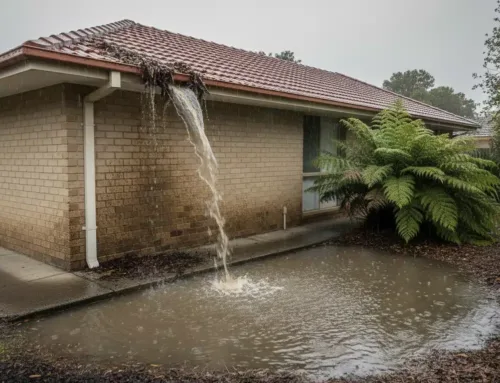
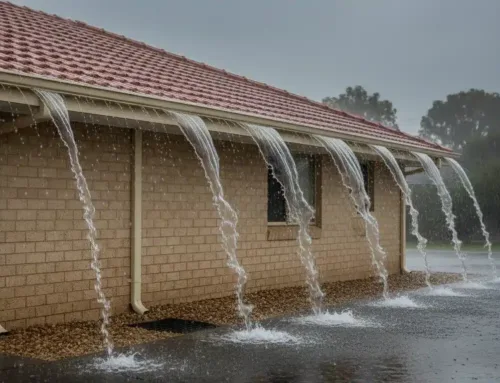
Gutters are part of the same water path. Overflowing or corroded drainage can wet fascias and building edges even when the roof covering itself is intact. Keeping gutters and downpipes clear, correctly aligned and serviceable helps move winter rain away from the roof and walls rather than letting it back up at the eaves.
Coatings Can Extend Serviceability, But Substrate Comes First
A coating system is not a substitute for a sound substrate. Before coating, the roof needs to be assessed for defects that affect adhesion, water shedding or structural condition. On tiles, that may include broken units and ridge work. On metal, it may include corrosion, loose fixings and failed flashings. Preparation should match the roof rather than being treated as a cosmetic wash-and-spray exercise.
Colour selection also affects the finished appearance and can influence how strongly dirt, fading and patch repairs are noticed over time. Homeowners can compare available roof colours once the material and restoration scope are understood. The right sequence is condition first, compatible system second and colour third.
Permacoat states that it is Dulux accredited and uses Dulux Acratex products with a 15-year product warranty on film integrity, peeling and cracking. It also publishes a 12-month leak term and a three-year labour restoration period. These apply to their stated areas of cover, while the coating material period can extend up to 20 years depending on substrate.
Cleaning, Repair And Restoration Solve Different Problems
Cleaning removes contaminants and reveals the surface. Repair corrects defined faults such as broken tiles, damaged pointing, leaking flashings or isolated sheet issues. Restoration combines the work needed to return a suitable roof to serviceable condition and renew its finish. Treating those as separate decisions prevents a cosmetic concern from being mistaken for a leak, or an active defect from being dismissed as discoloration.
A free, no-obligation inspection provides a way to establish that scope before work is chosen. Published restoration prices can provide broad context, but roof size, access, material and condition affect the actual work required. A site assessment is therefore more useful than assuming two homes with similar floor areas need the same treatment.
When Replacement Becomes More Sensible Than Restoration
Restoration is suited to a roof whose underlying system remains capable of doing its job after defects are addressed. Replacement becomes the stronger option when sheets or tiles are extensively deteriorated, corrosion has caused loss of metal, the structure has significant problems or repeated repairs no longer resolve widespread leakage. The dividing line is physical condition, not an arbitrary birthday.
Changing material can also make replacement a larger design decision. A conversion from tile to metal changes roof weight and construction details, so it should be treated as a complete system rather than a simple surface swap. Permacoat’s re-roofing work covers complete roof replacement, including Colorbond roof conversions, for roofs that are beyond a practical restoration.
For strata and managed properties, the decision has an added planning layer. Multiple dwellings or shared roof areas may need consistent inspection records, access coordination and a staged scope. Strata roofing can help owners and managers address shared defects without reducing the decision to whichever section looks worst from ground level.
How To Judge The Remaining Life Of Your Roof
Start with changes, not assumptions. New ceiling marks after rain, granules or tile fragments in gutters, recurring ridge cracks, loose fasteners, rust streaks, sagging lines and repeated patch failures all justify closer inspection. Photographing the same areas over time can help distinguish a stable cosmetic mark from deterioration that is progressing.
Then consider exposure. A west-facing slope may show heat and colour change sooner. A tree-covered valley may hold debris longer. A coastal elevation may show corrosion before the sheltered side. Inspecting by roof section gives a more accurate picture than assigning one condition to the entire building.
Finally, match the response to the defect. Cleaning is appropriate for contamination, repairs for local faults, restoration for a sound but weathered system, and re-roofing for material or structural failure that cannot be economically corrected. This distinction is the best way to protect the useful roof lifespan without spending on work that solves the wrong problem.
Perth weather does not set one expiry date for every roof. It exposes the weak points of each material and installation at different rates. We can assess the substrate, junctions, drainage and signs of water entry through a free, no-obligation inspection, then explain whether repair, restoration or replacement fits the condition found. To arrange that assessment, contact us.