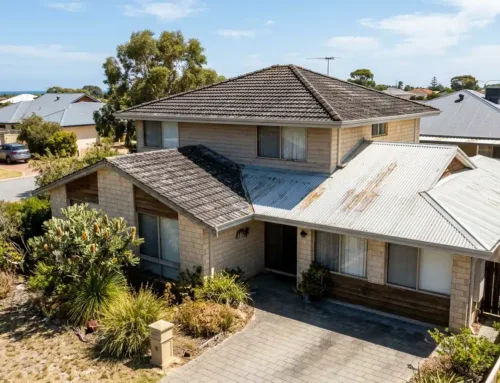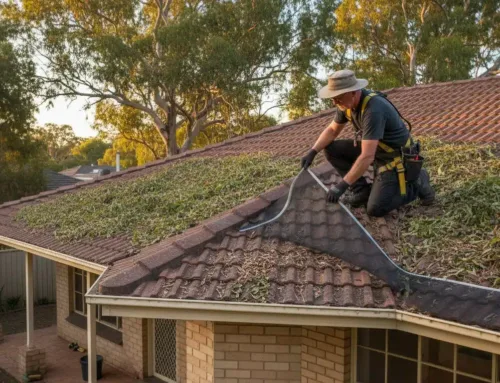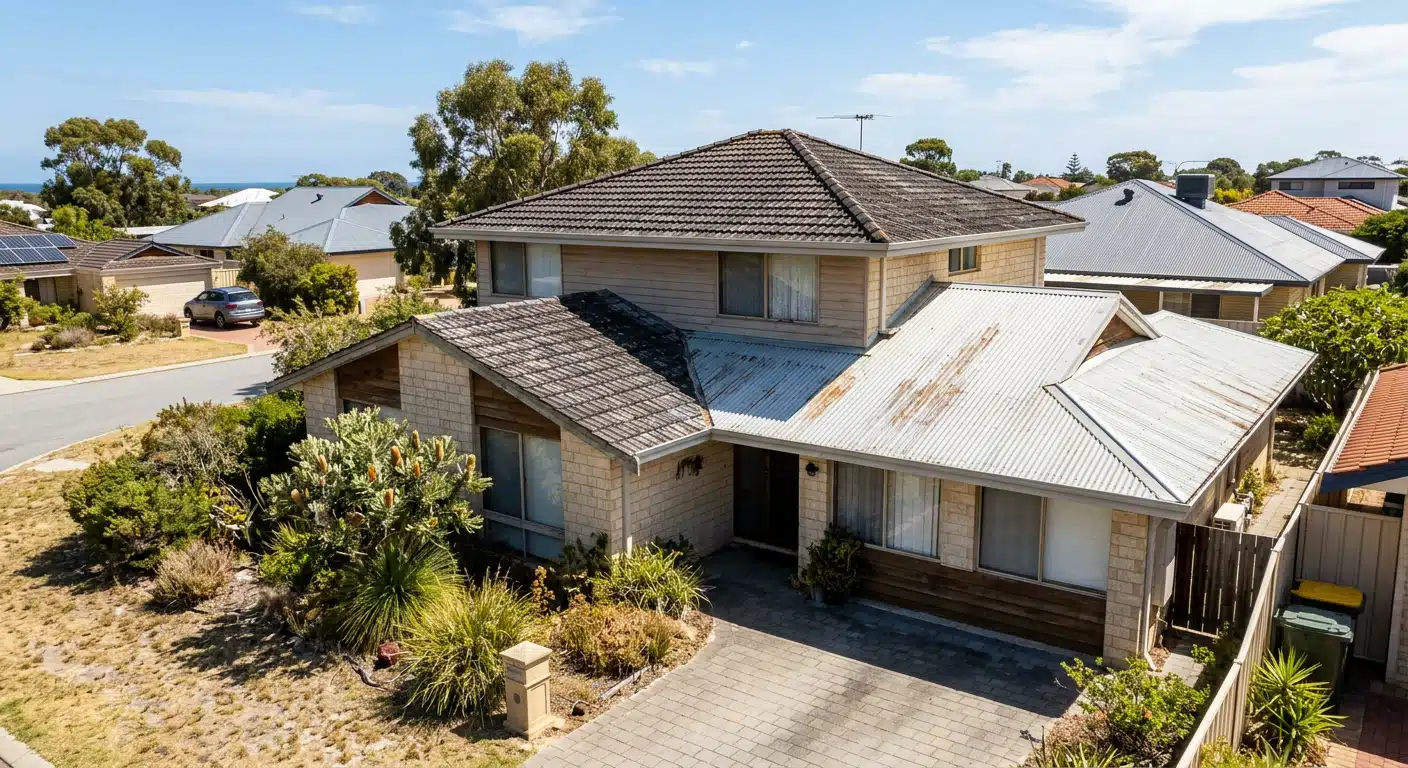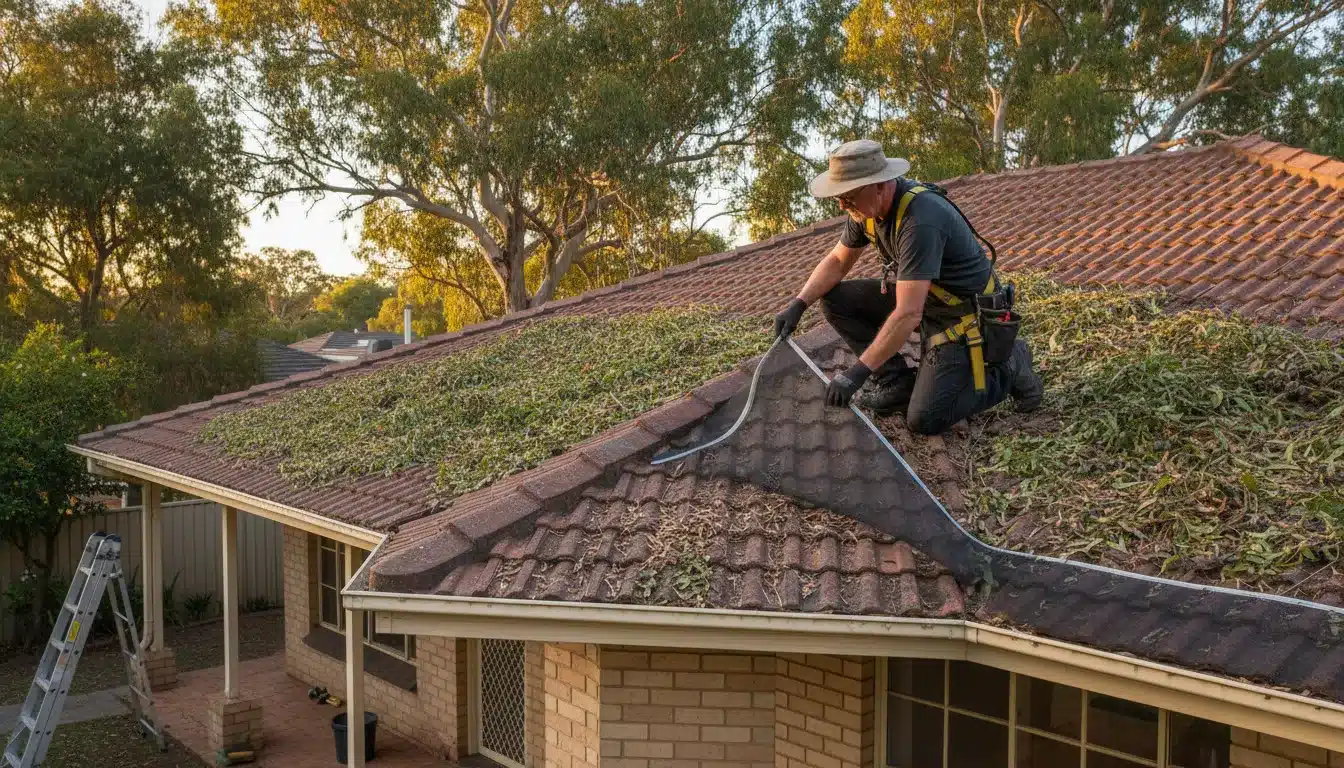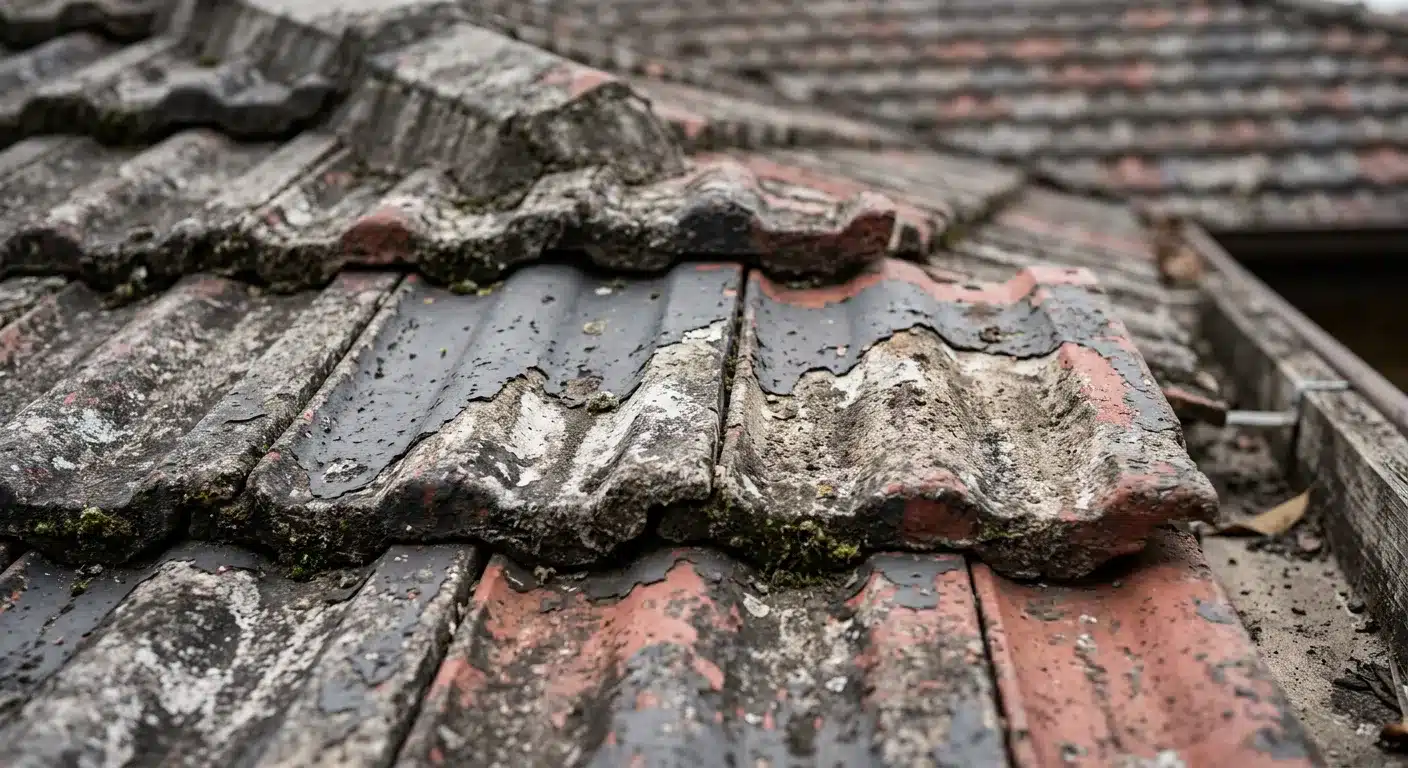
Older roof coatings lose performance because years of ultraviolet exposure, temperature changes, moisture, dirt and movement gradually affect both the finish and its bond with the roof. The coating may fade, become chalky, lose flexibility or stop adhering evenly. If the tile or metal below it has also deteriorated, applying another coat without addressing that surface will not restore dependable performance.
There is no single expiry date for ageing roof coatings. A roof coating lifespan depends on the coating material, the substrate, the original preparation, exposure and what has happened to the roof since application. Two coatings installed at the same time can therefore age very differently. The useful question is not simply how old the coating is, but whether the coating, substrate and wider roof system are still working together.
Time Changes More Than Roof Colour
Fading is often the first change a homeowner notices, but colour is only the visible part of coating performance. A roof coating also has to stay attached, accommodate ordinary movement and maintain an even film across a surface exposed to weather. Those qualities can decline at different rates, so a roof that looks tired is not automatically failing, while a roof with acceptable colour can still need closer assessment.
Ultraviolet Exposure Alters the Finish
Perth roofs receive long periods of strong sunlight. Over time, ultraviolet exposure can break down the surface of a coating and change its colour, gloss and texture. A pale or powdery appearance, often described as chalking, can develop as the finish weathers. This does not identify every problem on its own, but it is a reason to look beyond colour when considering an older finish.
The rate of visible change is rarely uniform. Roof pitch, orientation, shade, nearby trees and local exposure can leave one plane looking older than another. Areas around ridges, flashings and penetrations may also weather differently from broad, uninterrupted sections. Patchy appearance can therefore reflect different exposure conditions rather than one simple age threshold across the whole roof.
Heating and Cooling Create Repeated Movement
Roof materials heat during the day and cool after sunset. That repeated change produces small cycles of expansion and contraction in metal sheets, tiles, fixings, joints and the coating itself. A coating needs enough adhesion and flexibility to tolerate that movement. As it ages and becomes less accommodating, stress can show as fine cracking, splitting around details or separation at vulnerable edges.
Movement also helps explain why a local defect should not be treated as proof that the entire coating has failed. A joint, flashing or previously repaired area can behave differently from the surrounding field of the roof. Targeted roof repairs may be relevant when the concern is confined, but the scope should follow an inspection rather than the age of the finish alone.
Adhesion Depends on the Surface Beneath
A roof coating does not perform independently of its substrate. It relies on the condition of the tile, metal or earlier finish to which it is bonded. If that supporting surface becomes loose, oxidised, contaminated or damaged, the coating above can lift or peel even where the coating material has not reached a simple calendar limit.
This is why another coat cannot be judged only by looking at the colour from the street. The existing surface must be suitable to receive and hold the next system. Where dirt, biological growth or loose residue is present, appropriate roof cleaning forms part of assessing and preparing the surface rather than serving as a cosmetic shortcut.
Tiles and Metal Age in Different Ways
Concrete and terracotta tiles are not the same substrate as coated metal. A tiled roof may have porous or weathered surfaces, cracked tiles or movement around ridge capping. A metal roof may show oxidisation, corrosion, loose fixings or deterioration around laps and flashings. Those differences affect what preparation and repair are needed before coating work is considered.
After more than 50 years in Perth roofing and work on more than 30,000 roofs, Permacoat assesses the condition in front of us rather than assigning every old coating the same result. That experience is useful because older roofs often present several overlapping issues, and the visible coating may be only one of them.
On a tiled roof, an isolated damaged tile or a local issue around the roof structure should be dealt with on its own merits. Our tile repairs cover the underlying repair decision before a coating is treated as the answer. A sound-looking finish cannot compensate for a broken tile or another defect beneath it.
Metal roofs present a different decision when widespread corrosion, repeated leaks or substantial sheet deterioration is found. Coating may be suitable for some surfaces after proper preparation, while re-roofing can be the more appropriate route where the roof itself has moved beyond a coating-led solution. Inspection separates those cases.
Water and Drainage Can Accelerate Local Deterioration
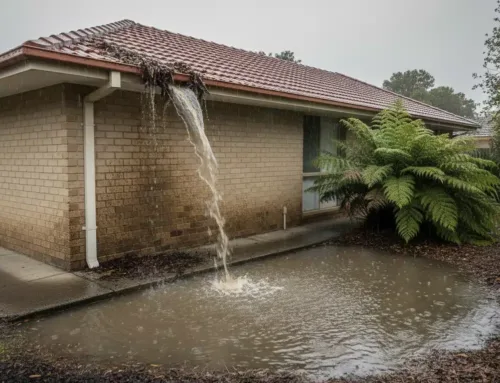
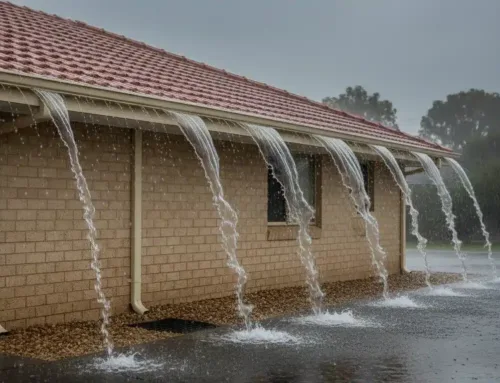
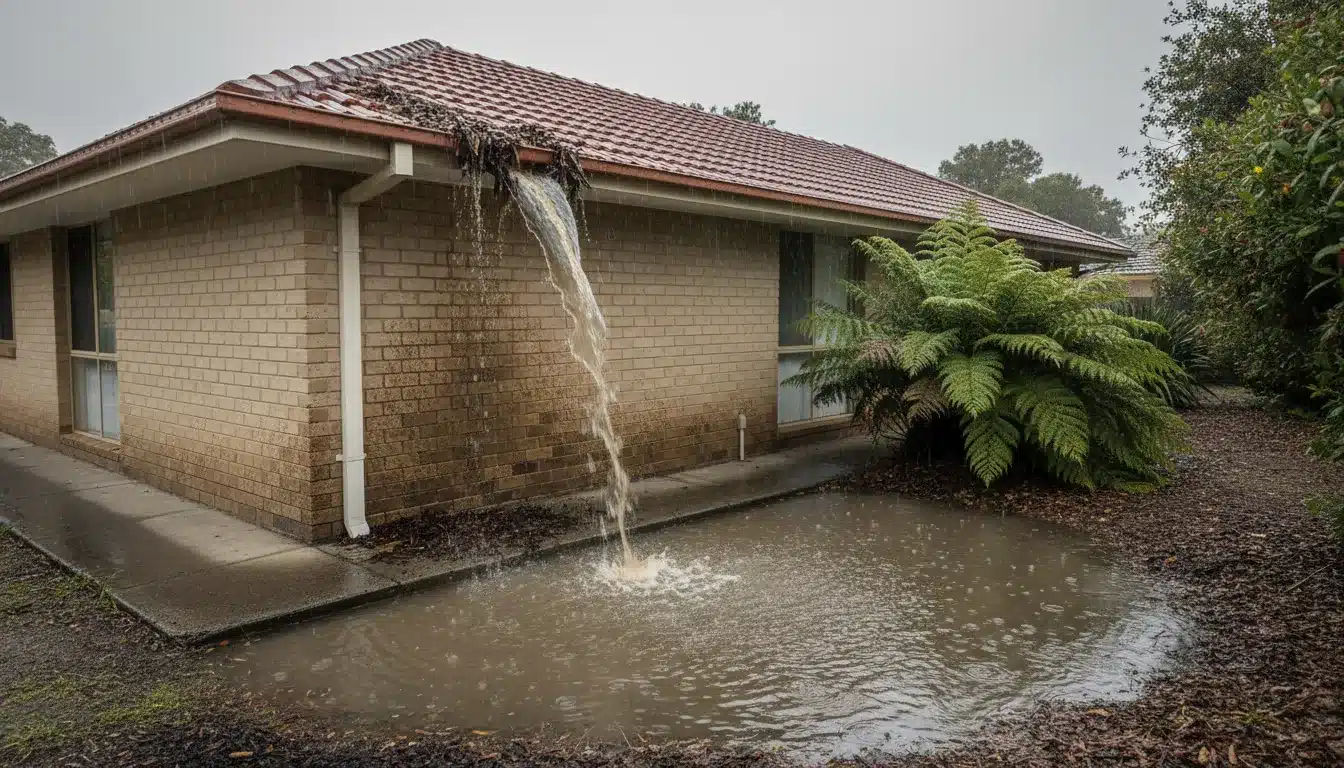
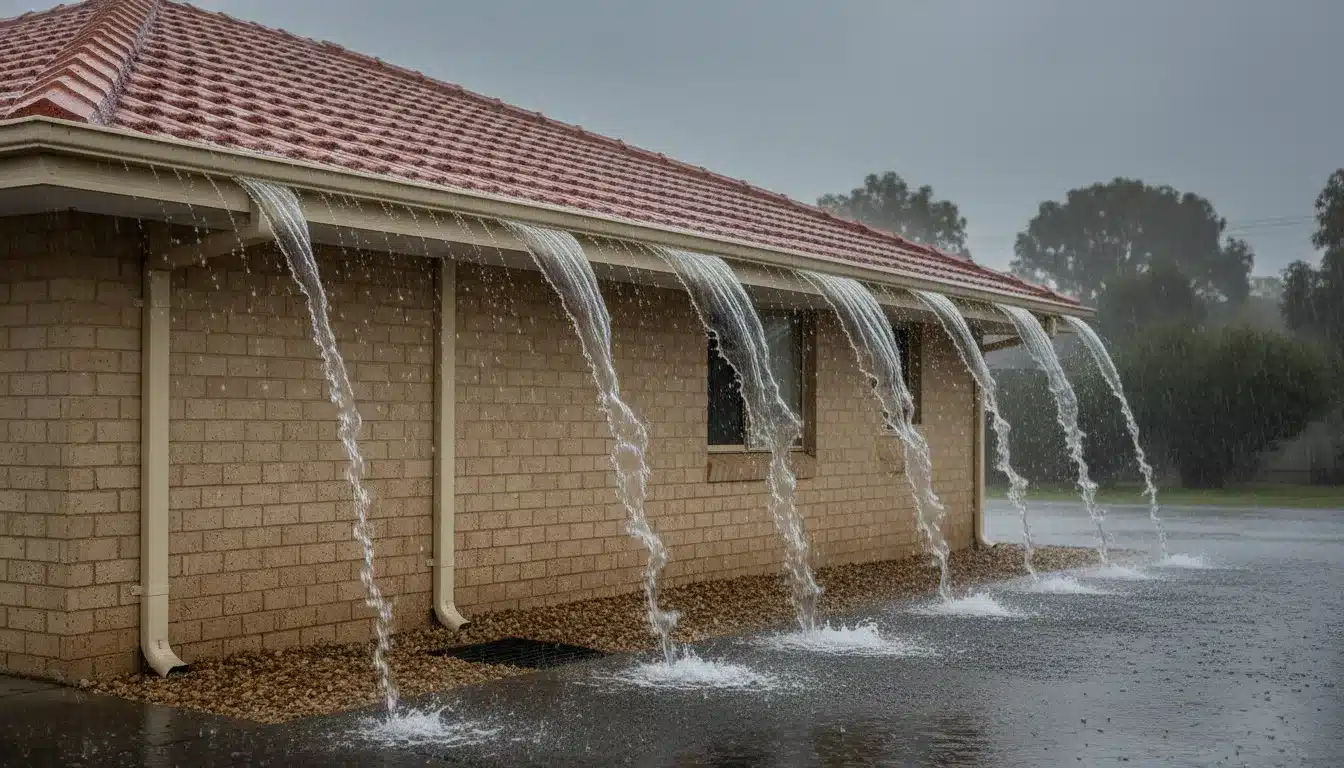
Rain does not affect every roof area equally. Water concentrates in valleys and moves through gutters and downpipes, while debris can hold moisture against surfaces or obstruct drainage. Persistent wetting around an existing defect can worsen local deterioration and make a coating problem appear broader than its original cause.
A check of gutters and downpipes can therefore be relevant when staining, overflow or damp areas appear near roof edges. Drainage work does not renew an aged coating, but it can identify a separate water-management issue that needs to be resolved instead of being hidden beneath coating work.
Visible Symptoms Need Careful Interpretation
Peeling, blistering, cracking, chalking and patchy fading are useful observations, but they are not interchangeable diagnoses. Peeling can point to poor adhesion between layers or between the coating and substrate. Blisters can suggest loss of bond in a local area. Fine cracking may follow ageing and movement. Fading or chalking may be mainly a weathered surface effect.
Location adds meaning. A mark around a penetration suggests a different inspection path from uniform fading across a sun-facing plane. Repeated change at a previous repair deserves attention to the repair and surrounding material. Growth under heavy shade raises different questions from deterioration on an exposed metal sheet. The symptom, position and substrate should be considered together.
A New Colour Does Not Resolve a Weak Base
A fresh colour can improve appearance, but colour selection comes after the condition and preparation decisions. If the old film is loose or the substrate needs repair, covering it does not create a stable foundation. The work must first deal with the reasons the existing surface cannot support a durable finish.
Once the base is suitable, roof painting can address the new finish as part of the appropriate scope.
Homeowners can then consider roof colours in relation to the property, knowing that the aesthetic decision is not being used to bypass the technical one.
Inspection Turns Age Into a Practical Decision
A safe ground-level observation is a useful starting point. Note where the appearance has changed, whether the change is isolated or widespread, and when the coating was applied if that information is available. Photographs taken over time may also help show whether a patch is stable or developing. Do not climb onto the roof to investigate.
During an inspection, the coating should be considered alongside the roof material, repairs, drainage points and details such as ridges, flashings and penetrations. The aim is to distinguish surface weathering from adhesion loss, and a local repair from a broader restoration or replacement decision. That distinction keeps the recommended scope tied to the observed condition.
For strata and managed buildings, the same principles apply across a larger decision surface. Access, repeated roof types, common drainage and the location of defects all affect how work should be planned. Our support for strata properties gives owners and managers a route to assess the relevant areas before defining a wider coating programme.
A free, no-obligation inspection allows that condition-led decision to happen before work is agreed. It can establish whether cleaning and preparation are enough to support coating work, whether repairs should come first, or whether the substrate and roof system call for a different response. The result should be a scope based on the roof, not on a generic age figure.
What Published Cover Tells You About Lifespan
Published warranty periods can help frame expectations, but each period refers to particular work or material. Permacoat is Dulux accredited, and the Dulux Acratex product warranty covers film integrity, peeling and cracking for 15 years. Permacoat also publishes a 12-month leak term, a three-year labour restoration period, and coating material cover of up to 20 years depending on the roof substrate.
Those periods should not be collapsed into one universal roof coating lifespan. Product cover, labour restoration and leak cover address different things, while the substrate qualification matters to the coating material period. The practical value comes from understanding which term applies to the proposed work and how the roof condition affects that scope.
Age is therefore a prompt for inspection, not a verdict. If an older coating is fading, chalking, peeling or cracking, the next decision is to identify whether the cause sits in the finish, its bond, the substrate or another roof component. To arrange a free, no-obligation inspection and get a condition-led recommendation, contact us.