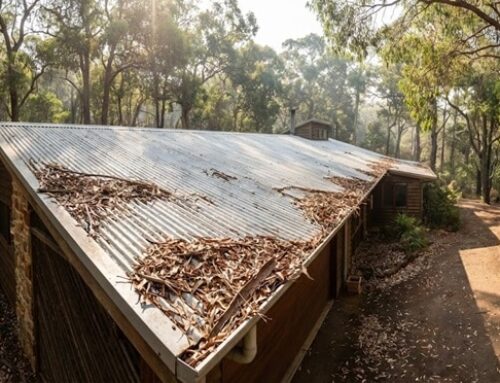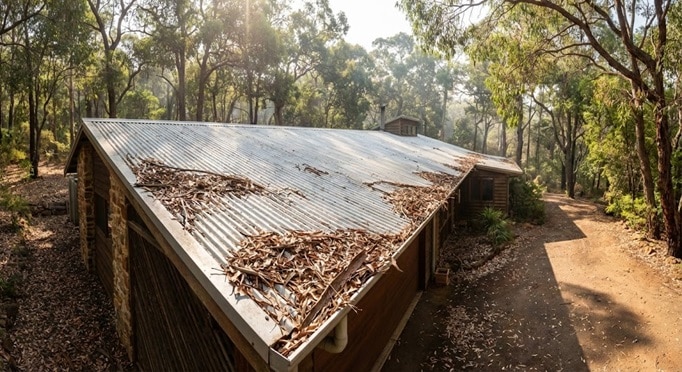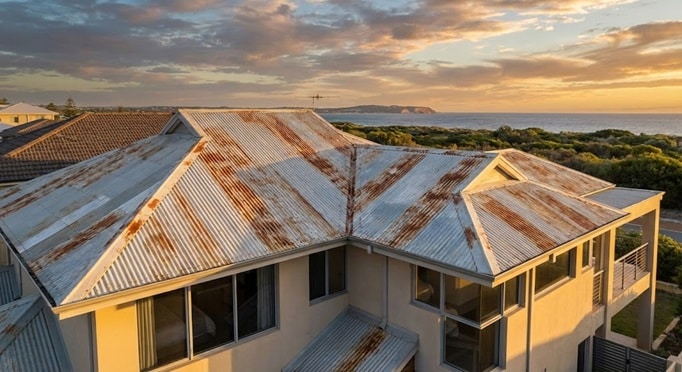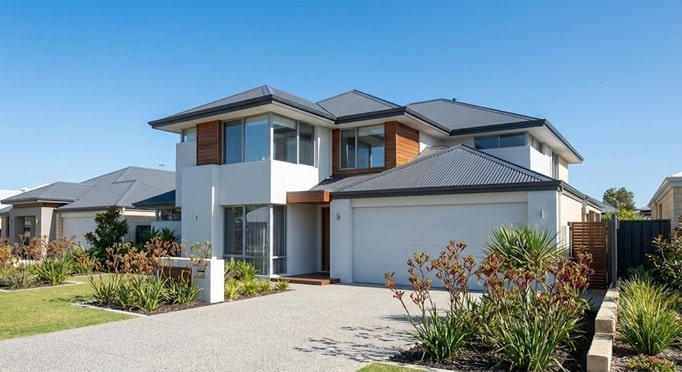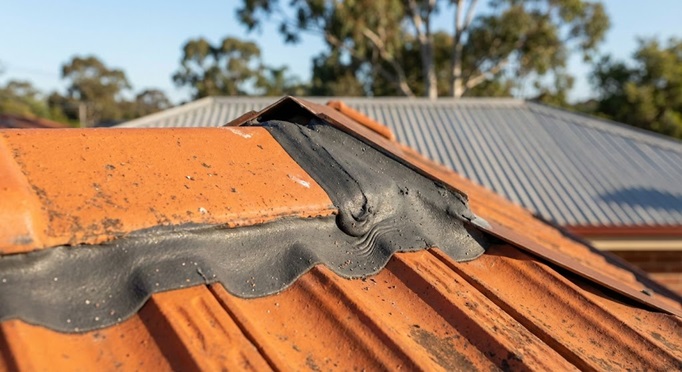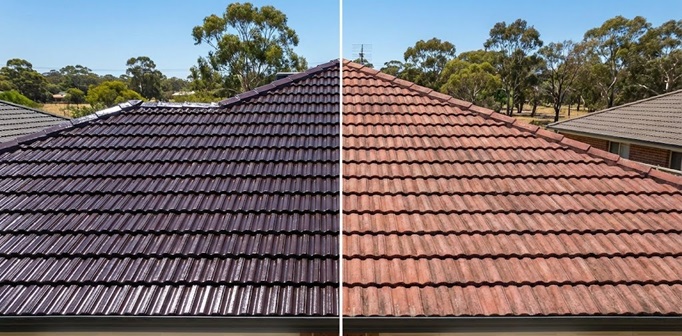
Perth’s intense UV radiation and extreme temperature fluctuations destroy standard roof paint years before manufacturers’ warranty periods expire. Homeowners across Perth’s northern suburbs regularly discover roof coatings failing after just 3-4 years, despite promises of decade-long protection. The difference between premature failure and genuine long-term protection comes down to coating technology, specifically, the molecular structure and application method of what gets applied to roofing materials.
The fundamental question facing Perth homeowners involves whether to invest in genuine protection or accept repeated recoating cycles. Standard roof paint costs less initially but requires replacement every 4-6 years. High-build resin systems cost more upfront but deliver 15-20 years of reliable performance.
This performance gap isn’t marketing rhetoric. It’s measurable in coating thickness, UV resistance testing, and thermal expansion tolerance. Three-coat high-build resin systems consistently outlast single or dual-coat standard paints by 8-12 years in Perth’s harsh conditions.
Understanding High-Build Resin Coating Technology
High-build resin coatings refer to acrylic polymer systems engineered to achieve 200-300 microns of dry film thickness per coat. These specialised coatings contain 45-55% solids by volume, compared to 25-35% in standard roof paints. Molecular structures feature cross-linked acrylic polymers that form flexible, UV-stable membranes rather than simply pigmented surface coverage.
Dulux Acratex systems, coating technology applied exclusively by accredited specialists, exemplifies genuine high-build resin formulation. Each coat delivers approximately 250 microns dry film thickness, creating total protective membranes of 750-micron thickness across three applications. This thickness provides thermal mass necessary to absorb and dissipate Perth’s extreme temperature cycling without cracking or delaminating.
The 750-micron thickness specification isn’t arbitrary. Laboratory testing and decades of field performance demonstrate that coatings below 200 microns total thickness fail prematurely under Perth conditions, regardless of polymer quality or UV stabiliser content. Thick coating films provide multiple protective functions: they absorb UV radiation before it reaches substrates, accommodate thermal expansion through their mass, and maintain waterproofing integrity even as surface layers gradually degrade.
Standard roof paints typically achieve 80-120 microns total thickness across two coats. This fundamental difference in protective barrier thickness determines whether coatings survive Perth’s climate for 5 years or 15+ years.
Cross-linked acrylic polymer chemistry distinguishes high-build systems from standard paints. During cure, polymer chains form chemical bonds between molecules, creating three-dimensional network structures. This cross-linking provides dimensional stability, chemical resistance, and flexibility that linear polymers in standard paints cannot match.
Perth’s UV Index Creates Unique Coating Challenges
Perth records UV index readings of 11-14 throughout summer months, classified as “extreme” by radiation safety standards. This UV intensity breaks down molecular bonds in coating polymers through photodegradation, causing chalking, colour fade, and eventual coating failure.
Standard acrylic paints contain basic UV stabilisers sufficient for Melbourne or Sydney conditions (UV index 8-10), but insufficient for Perth’s sustained extreme exposure. Within 24-36 months, homeowners notice visible chalking, that white powder appearing when touching roof surfaces. This chalking indicates polymer breakdown has begun, with complete coating failure following within 12-18 additional months.
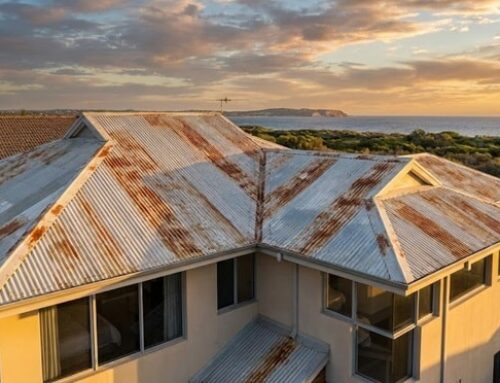
Chalking processes occur when UV radiation severs chemical bonds in acrylic polymer backbones. As these bonds break, individual polymer molecules separate from coating matrices, migrating to surfaces where they appear as white powder. Initially, chalking affects only outermost surface layers. As UV exposure continues, degradation zones progress deeper into coating films until reaching substrates, at which point adhesion fails and coatings peel away.
High-build resin systems incorporate advanced UV absorbers and hindered amine light stabilisers (HALS) at concentrations 2-3 times higher than standard paints. These additives continuously sacrifice themselves to prevent UV radiation from reaching and breaking down acrylic polymer backbones. Increased 750-micron thickness provides additional UV-blocking material, extending periods before degradation reaches substrates.
UV absorbers function by converting UV radiation into harmless heat energy. However, UV absorbers gradually degrade through this process, losing effectiveness over time. High concentrations in premium systems ensure adequate UV protection for 15-20 years despite this gradual depletion.
Hindered amine light stabilisers operate differently, intercepting free radicals generated when UV radiation does break polymer bonds. HALS molecules neutralise free radicals before chain reactions begin, dramatically slowing degradation. Synergistic combinations of UV absorbers and HALS provide far superior protection than either technology alone.
Coastal suburbs from Quinns Rocks to Mandurah face compounded challenges. Salt aerosol combines with UV exposure to accelerate coating breakdown through osmotic pressure and chloride ion penetration. Professional applications in these environments must resist both photodegradation and salt-induced osmotic blistering simultaneously.
The 3-Coat System Advantage: Primer, Base, Topcoat
Permacoat, with 50+ years of experience and 30,000+ roofs restored across Perth, applies three-coat processes addressing specific failure mechanisms through dedicated coating layers, each engineered for distinct protective functions delivered through comprehensive services.
Coat 1: Primer Sealer (250 microns)
Primer coats penetrate porous substrates including terracotta tiles, cement tiles, or prepared metal surfaces, creating mechanical adhesion through substrate penetration. This layer contains higher resin-to-pigment ratios to maximise penetration and flexibility. For tile roofs, primer sealers fill microscopic surface porosity that would otherwise allow water penetration during pressure washing or rain events.
Primers establish critical foundations for subsequent coat adhesion. Primer molecules penetrate 1-3mm into porous tile surfaces, creating physical interlocking that survives even when surface layers continue degrading.
Standard two-coat systems often skip dedicated primer application, applying pigmented topcoats directly to substrates. This shortcut saves application time but eliminates critical adhesion layers preventing delamination during thermal cycling.
Coat 2: High-Build Base Coat (250 microns)
Base coats deliver bulk UV protection and waterproofing performance. This layer contains maximum pigment loading for opacity and UV blocking, plus flexible acrylic resins that accommodate thermal expansion. Perth roof surfaces reach 70-80°C on summer afternoons, then cool to 15-20°C overnight, a 50-60°C temperature swing causing significant material expansion and contraction.
Colorbond metal roofing expansion of 0.15mm per linear metre per 10°C means a 6-metre roof sheet experiencing 50°C temperature differential expands 4.5mm, significant movement that coatings must accommodate without fracturing.
Standard paints lack flexibility to accommodate this movement without micro-cracking. Once micro-cracks form, water penetrates during rain events, causing rust (on metal) or substrate deterioration (on tiles). High-build base coat’s increased thickness and flexibility prevents crack formation during thermal cycling.
Coat 3: Premium Topcoat (250 microns)
Final coats provide colour stability and additional UV protection. This layer contains highest concentrations of UV stabilisers and HALS, positioned where they’ll intercept incoming UV radiation before it reaches lower coating layers.
Properties in established suburbs like Mount Lawley and Subiaco benefit particularly from topcoat dirt resistance. Tree coverage and urban pollution deposit organic material and particulates on roof surfaces. Premium topcoats resist dirt adhesion and clean more effectively during rain, maintaining appearance between professional cleaning services. For homeowners considering professional roof painting, the three-coat system delivers superior colour retention and longevity compared to standard paint applications.
Three-layer systems create redundant protection. As topcoats gradually degrade from UV exposure, base coats continue providing waterproofing and structural integrity.
Standard Roof Paint Limitations in Extreme Climates
Most “roof paint” products available through hardware retailers are reformulated exterior house paints with slightly enhanced UV stabilisers. These products were never engineered for extreme conditions roof surfaces experience.
Insufficient Film Build
Standard paints achieve 40-60 microns per coat due to lower solids content. Two coats deliver 80-120 microns total protection, less than half the 750-micron thickness of proper three-coat systems. These thin barriers cannot absorb thermal stress or provide adequate UV protection depth.
Inspections of failed roof coatings consistently reveal inadequate film thickness as primary failure causes. When measured with dry film thickness gauges, most failed coatings show 60-90 microns total thickness, insufficient for Perth conditions regardless of product quality.
Limited UV Stabiliser Packages
Cost-competitive roof paints reduce expensive UV stabiliser concentrations to meet retail price points. These products may perform adequately in southern Australian climates with lower UV exposure, but fail rapidly in Perth’s conditions.
Differences become visible within 18-24 months. Standard painted roofs show noticeable colour fade and chalking, while high-build resin coated roofs maintain colour and surface integrity. This performance gap widens dramatically between years 3-5, when standard paints often require complete recoating while resin systems continue performing.
Single-Component Formulations
Most retail roof paints are single-component products: what comes in tins is what gets applied. Professional high-build systems often use two-component formulations or require specific thinning ratios to achieve optimal application properties while maintaining film build.
Professional spray application teams use equipment calibrated to deliver precise wet film thickness achieving specified dry film targets. This professional application ensures each coat delivers design thickness, unlike brush or roller application which typically achieves 40-60% of optimal thickness due to application method limitations.
Thermal Cycling Performance: Where Standard Paints Fail
Perth’s diurnal temperature range creates continuous expansion-contraction cycling that standard paints cannot withstand long-term.
Micro-Crack Formation
Standard paints with insufficient flexibility develop micro-cracks during thermal cycling. These cracks, often invisible to casual observation, allow water penetration causing substrate corrosion or deterioration. Once micro-cracking begins, failure accelerates rapidly as water intrusion causes coating delamination.
High-build resin systems maintain flexibility through plasticisers and flexible acrylic polymer chains that stretch during thermal expansion without fracturing. Increased coating thickness also distributes stress across more material volume, reducing stress concentration causing cracking. The 750-micron thickness accommodates 0.5-0.8mm of substrate movement without developing cracks.
Flexible acrylic polymer chains in high-build systems contain specific molecular structures permitting elongation. These polymers can stretch 150-200% of original lengths before fracturing, whereas standard paint polymers fracture at 20-40% elongation.
Delamination Resistance
Coating delamination, where coatings separate from substrates, occurs when adhesion forces cannot resist stress from thermal movement. Standard paints applied without proper primers often show edge lifting and sheet-wide delamination after 2-3 Perth summers.
Three-coat system dedicated primer layers create mechanical adhesion through substrate penetration plus chemical adhesion through resin bonding. This dual adhesion mechanism resists delamination forces that defeat standard paint adhesion.
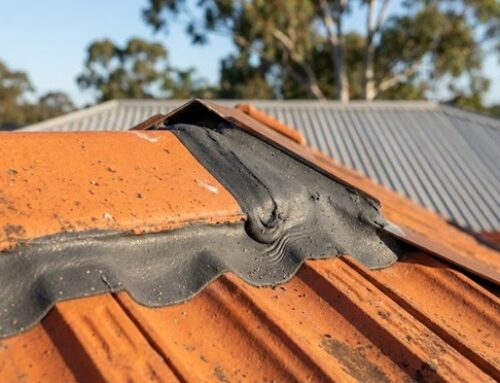
Projects regularly address delamination failures from previous coating attempts. Proper surface preparation followed by three-coat application prevents recurrence of this costly failure mode. For properties where coating failure has progressed beyond repair, roof replacement in Perth may prove more economical than repeated restoration attempts.
Cost Analysis: Initial Investment vs Lifecycle Value
Standard roof paint appears cost-effective initially: $3,000-5,000 for materials and application on average Perth homes. However, lifecycle analysis reveals apparent savings disappear when recoating becomes necessary every 4-6 years.
High-Build Resin System Costs
Professional three-coat high-build application typically costs $8,000-12,000 for standard residential roofs, depending on roof area, pitch, and tile condition. This investment delivers 15-20 year performance based on Perth climate conditions and proper maintenance.
Coating warranty structures reflect genuine performance expectations. Fifteen to twenty year coating warranties are provided because Dulux Acratex systems consistently achieve this service life. Standard paint warranties rarely exceed 5-7 years because manufacturers understand performance limitations in harsh climates.
Lifecycle Cost Comparison
Over 20-year periods, standard roof paint requires 3-4 complete recoating cycles at $4,000-6,000 each, totalling $12,000-24,000 plus disruption of repeated projects. Single high-build resin applications cost $8,000-12,000 with no recoating required during the same periods.
Economic advantages extend beyond direct coating costs. Failed roof coatings allow water penetration damaging ceiling insulation, causing interior water stains, and accelerating structural timber deterioration. These consequential damages often cost more than proper coatings would have prevented. Property owners can review comprehensive roof repair costs to understand the financial impact of coating failure versus prevention.
Property value considerations also matter significantly. Visible roof coating deterioration reduces property sale prices by $8,000-12,000 as buyers negotiate for predicted repair costs. Real estate professionals report that premium systems enhance property presentation and provide documented warranty coverage that buyers value.
Annualised cost calculations reveal premium system economic superiority. A $12,000 high-build system lasting 20 years costs $600 annually. Standard paint at $5,000 initially plus $5,000 at year 5, $5,500 at year 11, and $6,000 at year 17 totals $21,500, or $1,075 annually, nearly double premium system costs.
Substrate-Specific Considerations
Different roofing materials interact differently with coating systems, affecting performance and longevity.
Terracotta and Cement Tiles
Porous tile substrates require coating systems with excellent penetration and flexibility. Tiles expand and contract with temperature changes, and coatings must accommodate this movement without cracking. Three-coat system primers penetrate tile porosity while subsequent coats provide flexible protective layers.
Standard paints often lack sufficient penetration, creating surface films that delaminate as tiles move. Tile roof repairs frequently become necessary when inadequate coatings allow water penetration causing tile deterioration and substrate damage.
Colorbond Metal Roofing
Colorbond metal roofing presents different challenges, primarily thermal expansion and existing coating compatibility. Factory-applied Colorbond coatings last 15-20 years before requiring recoating. When recoating becomes necessary, new coatings must bond to aged factory finishes and accommodate significant thermal movement.
High-build systems designed for metal roofing include adhesion promoters that bond to aged Colorbond surfaces. Flexible resin formulations accommodate metal expansion without cracking that plagues standard paints on metal substrates.
Application Process: Why Professional Installation Matters
Performance differences between high-build resin systems and standard paints depend significantly on application quality. Even premium coating products fail when applied incorrectly.
Surface Preparation Standards
Restoration processes begin with high-pressure roof cleaning at 3,000-4,000 PSI to remove all dirt, moss, lichen, and failed coating residue. This preparation creates clean, sound substrates necessary for coating adhesion. Standard paint applications often skip or minimise preparation, applying new coatings over contaminated surfaces preventing proper adhesion.
Spray Application Advantages
Professional airless spray equipment delivers uniform coating thickness across complex roof geometries: valleys, ridges, tile profiles, and flashing details. Brush or roller application cannot achieve uniform thickness on these surfaces, creating thin spots that fail prematurely.
Separate spray coating teams specialise exclusively in coating application, ensuring consistent technique and quality across every project.
Environmental Conditions
Professional applicators monitor temperature, humidity, and wind conditions to ensure optimal coating cure. Applying coatings in excessive heat causes rapid solvent evaporation preventing proper flow and levelling. Application during high humidity or cool temperatures extends cure time, allowing dirt contamination or dew formation before coatings cure.
Warranty Coverage: What Protection Actually Means
Coating warranties vary dramatically in coverage scope and enforceability. Understanding warranty terms reveals manufacturers’ genuine performance expectations.
Dulux Acratex Warranty Structure
Dulux provides 15-20 year product warranties on properly applied Acratex systems, coverage reflecting genuine confidence in product performance. This warranty covers coating failure including cracking, peeling, or delamination when applied according to specifications.
Installation warranties covering application quality add 12 months for leak repairs and 3 years for workmanship. This combined product and installation warranty provides comprehensive protection that standard paint applications rarely offer.
Standard Paint Warranty Limitations
Most retail roof paint warranties cover only manufacturing defects, not performance failures. Fine print typically excludes coverage for UV degradation, colour fade, or chalking: the exact failure modes occurring in Perth’s climate.
Warranty periods themselves signal expected performance. Five-year warranties indicate manufacturers expect failure around year 5-7. Fifteen-year warranties indicate confidence in decade-plus performance.
Making the Right Choice for Your Perth Property
Selecting between high-build resin systems and standard roof paint requires evaluating property specific conditions and ownership timelines.
Properties in coastal suburbs from Mindarie to Rockingham face maximum UV exposure plus salt aerosol, conditions demanding premium coating protection. Inland properties in suburbs like Kalamunda experience extreme temperature cycling with lower salt exposure, but still require coating flexibility that standard paints cannot provide.
Contact specialists for free roof inspections assessing specific roof conditions, substrate types, and exposure conditions. These assessments provide information necessary to recommend coating systems delivering optimal performance for property unique requirements.
Conclusion: Perth’s Climate Demands Premium Protection
Standard roof paint represents false economy in Perth’s extreme UV climate. Apparent initial savings disappear within 4-6 years when premature recoating becomes necessary, while consequential damages from coating failure often exceed costs of proper protection.
High-build resin coating systems deliver 15-20 year performance through engineered formulations, professional three-coat application, and adequate 750-micron thickness to resist Perth’s UV intensity and thermal cycling. Protective membranes created by three coats of premium roof coatings provide thermal mass, UV stability, and flexibility necessary for long-term performance.
Track records demonstrate proven performance of Dulux Acratex high-build systems applied through professional three-coat processes. This experience, combined with comprehensive warranty coverage, provides assurance that investments deliver genuine long-term protection rather than temporary cosmetic improvement requiring repeated recoating cycles.
Roofs represent properties’ most significant protective systems and visible features. Choosing coating technology engineered for Perth’s harsh conditions ensures critical assets receive protection required to deliver decades of reliable performance while maintaining property appearance and value.
For expert professional roof restoration in Perth with advanced coating systems, call (08) 9249 5955 today for your free roof assessment.