Perth homeowners face unique challenges when it comes to protecting their properties from water damage. The combination of intense summer heat, winter storms, and coastal salt exposure creates conditions where roof leaks can develop silently, causing extensive damage before becoming visible. Traditional methods of finding leaks often miss the early warning signs, leaving property owners vulnerable to costly repairs.
Modern roof leak detection Perth services have evolved significantly, incorporating advanced technologies that identify moisture intrusion long before it causes visible damage. Permacoat‘s approach combines traditional expertise with advanced diagnostic tools to protect Perth homes from the devastating effects of hidden water damage.
Understanding Why Early Leak Detection Matters
Water damage represents one of the most expensive maintenance issues Perth homeowners face. A small leak that goes undetected for months can compromise structural integrity, damage insulation, promote mould growth, and ruin interior finishes. The cost of repairing extensive water damage typically exceeds the cost of roof restoration by a significant margin.
Perth’s climate accelerates the progression of roof leaks. During summer, intense UV exposure degrades roofing materials, creating micro-cracks that allow water penetration. Winter storms then exploit these vulnerabilities, forcing water into roof cavities where it remains trapped. The cycle repeats, with each season worsening the damage.
Early detection provides several critical advantages. Identifying leaks during their initial stages allows for targeted repairs that address the source without requiring comprehensive restoration work. Property owners save thousands by catching problems early, and they avoid the secondary damage that occurs when water spreads through insulation, timber framing, and ceiling materials.
Insurance considerations also favour early detection. Many insurance policies have specific clauses regarding maintenance responsibilities, and gradual damage from undetected leaks may not receive coverage. Demonstrating proactive maintenance through regular roof leak detection Perth inspections strengthens insurance claims when unexpected damage occurs.
Traditional Leak Detection Methods and Their Limitations
Visual inspections have served as the foundation of leak detection for decades. Experienced professionals examine roofs for obvious signs of damage, including cracked tiles, damaged flashing, and deteriorated sealants. While visual assessments identify many problems, they cannot detect issues hidden beneath surface materials.
The hose test involves systematically spraying water on different roof sections while observers inside the property watch for drips or moisture. This method helps pinpoint leak locations once water damage becomes apparent, but it requires existing damage to be effective. The technique also risks introducing additional water into roof cavities, potentially worsening moisture problems.
Tracer dyes offer another traditional approach. Professionals add fluorescent dyes to water applied to suspected leak areas, then use ultraviolet lights to track water pathways inside roof cavities. This method works well for active leaks but requires access to roof spaces and cannot identify potential problems before they manifest as active leaks.
These traditional methods share common limitations. They typically identify problems after damage has occurred rather than during early development stages. They require favourable weather conditions for testing and often demand multiple visits to isolate leak sources accurately. Most significantly, they cannot detect moisture trapped within roof assemblies or identify areas where water has compromised structural materials without creating visible symptoms.
Thermal Imaging Roof Inspection Technology
Thermal imaging represents a significant advancement in leak detection capabilities. This non-invasive technology uses infrared cameras to detect temperature variations across roof surfaces, revealing moisture presence through thermal differences. Water-saturated materials display different thermal signatures than dry materials, allowing trained technicians to map moisture patterns without disturbing roofing components.
The physics behind thermal imaging roof inspection relies on water’s thermal properties. Wet materials retain heat differently than dry materials, creating temperature differentials that infrared cameras detect. During evening inspections, moisture-affected areas remain warmer than surrounding dry sections because water retains heat absorbed during the day. Morning inspections reveal the opposite pattern, with wet areas appearing cooler as they release stored moisture through evaporation.
Professional thermal imaging roof inspection services in Perth typically conduct scans during optimal conditions to maximise detection accuracy. Evening scans after sunny days provide ideal conditions for tile and metal roofs, while morning scans work better for certain membrane systems. Skilled technicians understand how Perth’s climate affects thermal readings and adjust their approach accordingly.
The technology identifies multiple problem types. Active leaks show clear thermal patterns where water has penetrated roof assemblies. Areas of trapped moisture appear as distinct temperature zones, even when surface materials show no visible damage. Thermal imaging also reveals compromised insulation, deteriorated waterproof membranes, and structural issues affecting roof performance.
Permacoat’s thermal imaging services provide comprehensive documentation of roof conditions. Detailed thermal images create permanent records of moisture patterns, supporting maintenance planning and insurance documentation. Property owners receive clear visual evidence of problems, making informed decisions about repair priorities straightforward.
Moisture Detection Technology for Comprehensive Assessment
Advanced moisture meters complement thermal imaging by providing quantitative measurements of water content in roofing materials. These sophisticated instruments detect moisture presence within roof assemblies, offering precise data about saturation levels that inform repair strategies.
Two primary types of moisture detection technology serve different assessment needs. Pin-type meters use electrode probes that penetrate material surfaces to measure electrical resistance, which varies with moisture content. Non-invasive meters use electromagnetic signals to detect moisture without damaging materials, making them ideal for finished surfaces and delicate materials.
Moisture detection technology proves particularly valuable for tile roofs common throughout Perth’s established suburbs. Tiles may appear intact while underlayment materials beneath them have deteriorated due to moisture exposure. Meters identify these hidden problems, preventing tile reinstallation over compromised substrates that would fail prematurely.
The technology also assesses moisture distribution patterns. Isolated wet spots typically indicate specific leak sources, while widespread moisture suggests systemic problems like inadequate ventilation or failed waterproof membranes. Understanding moisture patterns helps professionals design effective repair strategies that address root causes rather than symptoms.
Professional leak identification services combine moisture detection with thermal imaging and visual assessment to create comprehensive roof evaluations. This multi-faceted approach ensures no problems escape detection, regardless of their nature or location. Perth homeowners benefit from thorough assessments that identify all current issues and potential vulnerabilities requiring attention.
Electronic Leak Detection for Membrane Roof Systems
Flat and low-slope roofs with membrane waterproofing systems benefit from specialized electronic leak detection methods. These techniques apply small electrical charges to roof membranes, then use sensitive equipment to identify breach points where current escapes. The technology pinpoints leak locations with remarkable precision, even in large commercial roof systems.
The high-frequency electrical impedance method works particularly well for Perth’s membrane roofs. Technicians wet the roof surface and apply a low-voltage electrical signal, then use a sensor to detect current flow patterns. Breaches in the waterproof membrane create distinct signal paths that reveal exact leak locations, allowing for targeted repairs without exploratory demolition.
This technology saves substantial time and money on membrane roof systems. Traditional leak detection on large flat roofs often requires extensive material removal to locate breach points, destroying serviceable membrane in the process. Electronic detection eliminates guesswork, allowing professionals to remove and replace only the damaged sections.
Permacoat’s approach to membrane roof assessment incorporates electronic detection alongside other diagnostic methods. This comprehensive strategy ensures all leak sources receive identification and proper repair, protecting Perth properties from the serious damage flat roof leaks can cause.
Professional Leak Assessment Process
Comprehensive professional leak assessment follows systematic protocols that ensure thorough evaluation of roof conditions. The process begins with detailed property history review, including previous repairs, known issues, and interior water damage observations. Understanding the property’s history helps technicians focus attention on likely problem areas.
External roof inspection examines all visible roofing components. Professionals assess tile condition, flashing integrity, valley configurations, ridge capping, and penetration seals. They look for obvious damage and subtle indicators of developing problems, such as displaced tiles, deteriorated sealants, or biological growth patterns suggesting moisture presence.
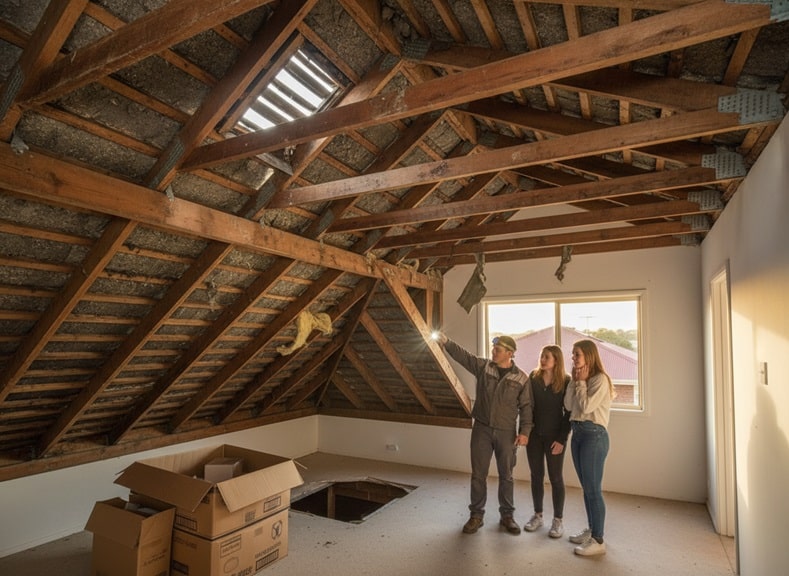
Interior inspection proves equally important. Professionals examine ceiling spaces for staining, insulation damage, timber deterioration, and mould growth. They assess ventilation adequacy and look for evidence of previous water intrusion that may have been addressed superficially without resolving underlying causes.
Advanced diagnostic scanning follows the initial assessment. Thermal imaging roof inspection reveals moisture patterns invisible to visual examination. Moisture meters quantify saturation levels in suspect areas. Electronic detection identifies membrane breaches in flat roof sections. Each technology contributes specific information that builds a complete picture of roof health.
Documentation forms a critical component of professional assessment. Detailed reports include photographs, thermal images, moisture readings, and specific recommendations prioritized by urgency. Property owners receive clear explanations of findings and realistic cost estimates for recommended repairs.
Follow-up assessments verify repair effectiveness. Post-repair scanning confirms moisture elimination and validates that corrective work has resolved identified problems. This verification protects property owners by ensuring repairs achieve their intended results.
Identifying Common Leak Sources in Perth Homes
Perth’s roofing systems develop leaks through several predictable failure modes. Understanding these common sources helps property owners recognise early warning signs and prioritise maintenance activities.
Valley configurations present frequent leak sources. These roof junctions concentrate water flow, accelerating wear on valley flashings and surrounding tiles. Sealant deterioration at valley edges allows water penetration that may not become apparent until significant damage has occurred. Regular valley inspection and maintenance prevents most valley-related leaks.
Ridge capping requires particular attention in Perth’s windy conditions. Strong weather events can displace ridge tiles or crack the bedding mortar securing them. Once bedding fails, water enters roof cavities during rain events, causing damage that spreads along ridge lines. Rebedding loose ridge caps before they allow water entry prevents extensive repairs.
Roof penetrations including pipes, vents, and antenna mounts create leak vulnerabilities. Sealants around penetrations deteriorate under UV exposure, and flashing materials can corrode in coastal environments. Each penetration requires individual assessment and maintenance to ensure continued water exclusion.
Tile damage from foot traffic, falling branches, or weathering creates direct water entry points. Cracked tiles may not leak immediately if underlayment remains intact, but compromised tiles accelerate underlayment deterioration. Replacing damaged tiles promptly prevents secondary damage to roof structure.
Sarking and underlayment failure represents a particularly serious problem because it remains hidden beneath tiles. Once these waterproof barriers fail, water penetrates roof cavities during every rain event, causing progressive damage to timber framing and insulation. Advanced moisture detection technology identifies underlayment failure before extensive structural damage occurs.
The Cost-Benefit Analysis of Advanced Detection Methods
Property owners sometimes question whether advanced leak detection methods justify their costs compared to traditional approaches. Analysis of long-term outcomes demonstrates clear financial advantages for modern diagnostic techniques.
Early detection significantly reduces repair costs. A leak identified through thermal imaging while still affecting a small area might require repairs costing several hundred dollars. The same leak, left undetected until ceiling damage appears, could necessitate repairs exceeding several thousand dollars once structural damage, insulation replacement, and interior restoration factor into total costs.
Insurance implications favour proactive detection. Policies increasingly require evidence of proper maintenance for full coverage of water damage claims. Regular professional inspections using modern diagnostic technology demonstrate maintenance diligence, potentially affecting claim outcomes. The documentation provided by thermal imaging and moisture detection creates compelling evidence of property care.
Property value considerations also support investment in advanced detection. Perth’s real estate market values well-maintained properties with documented service histories. Prospective buyers appreciate knowing that roofs have received thorough professional assessment using modern technology, potentially affecting sale negotiations favourably.
Prevention of secondary damage provides substantial value. Water leaks promote mould growth that affects indoor air quality and creates health concerns. They damage insulation, reducing energy efficiency and increasing cooling costs during Perth’s hot summers. They compromise structural timber, potentially requiring expensive remediation. Advanced detection prevents these secondary problems by identifying leaks before they cause widespread damage.
The technology investment by professional service providers distributes across many clients, making advanced detection affordable for individual property owners. A comprehensive thermal imaging roof inspection typically costs less than basic repairs for minor leak damage, representing excellent value when considering the extensive damage prevented through early detection.
When to Schedule Professional Leak Detection Services
Strategic timing of professional inspections maximizes their effectiveness and value. Several circumstances indicate optimal times for scheduling comprehensive roof assessment.
Pre-purchase inspections provide invaluable information for property buyers. Perth’s housing stock includes many properties with tile roofs over 30 years old, an age when underlayment failure becomes increasingly common. Thermal imaging and moisture detection reveal hidden problems that visual inspection misses, informing purchase decisions and negotiation strategies. Buyers gain leverage when inspections reveal issues requiring attention, potentially adjusting purchase prices to account for necessary repairs.
Post-storm assessment helps identify damage requiring prompt attention. Perth experiences severe weather events that can compromise roof integrity without creating obvious visible damage. Professional inspection following significant storms identifies problems before they worsen, allowing for timely repairs that prevent progressive damage. Many insurance policies require prompt reporting of storm damage, making post-event inspection particularly important.
Preventive maintenance schedules should include professional leak detection every 3-5 years for tile roofs and every 2-3 years for membrane systems. These regular assessments identify developing problems during early stages when repairs remain minor and affordable. Preventive inspection costs represent a small fraction of expenses associated with major water damage repairs.
Symptoms indicating immediate inspection needs include interior ceiling staining, musty odours suggesting mould growth, increased pest activity in roof spaces, or visible exterior damage. Any indication of moisture intrusion warrants prompt professional leak assessment using advanced detection methods to determine extent and source.
Pre-restoration assessment provides baseline documentation of roof conditions. Property owners considering roof restoration benefit from comprehensive evaluation that identifies all problems requiring attention during restoration work. This thorough assessment ensures restoration projects address every issue, delivering long-term performance without surprises emerging shortly after completion.
Combining Detection Methods for Optimal Results
The most effective leak detection strategies employ multiple complementary technologies rather than relying on single approaches. This integrated methodology ensures comprehensive evaluation that identifies all problems regardless of their nature.
Visual inspection by experienced professionals provides essential context for advanced technology deployment. Skilled technicians recognise subtle indicators of developing problems, focusing detailed scanning on areas showing early warning signs. Their expertise interprets diagnostic data accurately, distinguishing between minor anomalies and significant concerns requiring intervention.
Thermal imaging excels at revealing moisture patterns across large roof areas efficiently. Scanning entire roofs creates thermal maps showing temperature variations that indicate wet materials. These patterns guide subsequent detailed investigation using other methods.
Moisture meters quantify water content in specific locations identified through thermal imaging or visual assessment. The precise measurements these instruments provide inform repair scope decisions and verify that repairs have successfully eliminated moisture problems.
Electronic leak detection addresses specific needs of membrane roof systems. When thermal imaging reveals moisture in membrane roofs, electronic detection pinpoints exact breach locations for targeted repair.
This layered approach ensures nothing escapes detection. Each method compensates for limitations of others, creating comprehensive assessment that gives property owners complete confidence in their roof’s condition. Perth homeowners benefit from Permacoat’s integrated diagnostic approach that leverages all available technologies to protect their properties.
Choosing Professional Leak Detection Services in Perth
Selecting qualified professionals for roof leak detection requires evaluation of several key factors. The right service provider delivers accurate diagnostics that inform effective repair decisions.
Technology investment indicates provider commitment to quality service. Thermal imaging cameras, professional-grade moisture meters, and electronic detection equipment represent substantial investments that serious providers make to deliver superior results. Companies offering advanced diagnostics demonstrate their dedication to staying current with industry best practices.
Technician training and certification matter significantly. Thermal imaging interpretation requires specialized knowledge about building science, moisture dynamics, and equipment operation. Certified thermographers have demonstrated proficiency through formal training and examination. Similarly, proper use of moisture detection equipment requires understanding of material properties and measurement limitations.
Experience with Perth’s specific roofing challenges ensures relevant expertise. Local providers understand how Perth’s climate affects roofing systems and know the common failure modes affecting the region’s housing stock. They recognise the difference between tile types common in various Perth suburbs and understand how coastal proximity affects roof longevity.
Comprehensive reporting distinguishes professional services from basic inspections. Detailed reports with thermal images, moisture readings, photographs, and specific recommendations provide documentation supporting repair decisions and insurance claims. Clear communication of findings in language property owners understand demonstrates professional commitment to client service.
Permacoat’s 50-plus years serving Perth homeowners has built extensive knowledge of the region’s roofing challenges. The team’s combination of traditional expertise and modern diagnostic technology provides unmatched leak detection capabilities. With 30,000-plus roofs restored across Perth’s metropolitan area, Permacoat understands the full spectrum of leak scenarios affecting local properties.
Taking Action on Detection Findings
Professional leak detection services provide valuable information, but their ultimate value depends on appropriate follow-through. Understanding how to prioritize and address identified problems ensures maximum benefit from diagnostic investment.
Urgent issues require immediate attention to prevent damage progression. Active leaks allowing water entry during rain events warrant prompt repair regardless of other considerations. Structural damage indicators like deteriorated framing or compromised roof decking demand swift action to maintain building safety. Extensive moisture presence suggesting prolonged water intrusion necessitates expedited remediation to prevent mould proliferation.
High-priority concerns include problems likely to worsen rapidly or cause secondary damage. Failed underlayment beneath intact tiles falls into this category, as does ridge capping with compromised bedding. Addressing these issues promptly prevents their escalation into major problems requiring extensive repairs.
Medium-priority items include isolated minor issues unlikely to cause immediate damage. A few cracked tiles with intact underlayment beneath them, properly functioning but aging flashing that will require replacement within years, or minor sealant deterioration at low-risk locations can be scheduled for attention during routine maintenance windows.
Preventive recommendations suggest improvements that enhance roof performance without addressing specific failures. These might include ventilation enhancements, protective coating application, or drainage modifications. Property owners can schedule these improvements at their convenience, often coordinating them with other planned work.
Financial planning for roof repairs becomes straightforward when professional detection provides comprehensive documentation. Detailed reports with cost estimates allow property owners to budget appropriately and make informed decisions about repair timing. Understanding which issues require immediate attention versus those permitting delayed action helps optimise repair expenditure.
Permacoat’s comprehensive approach includes detailed repair recommendations with priority classifications. The team works with property owners to develop practical repair strategies aligned with budgets and timelines, ensuring identified problems receive appropriate attention without creating financial hardship.
Protecting Your Perth Property Investment
Perth property owners face ongoing challenges maintaining roof integrity against harsh environmental conditions. Advanced roof leak detection Perth services provide essential tools for protecting property investments from the devastating effects of water damage.
Modern diagnostic technology transforms leak detection from reactive problem-solving to proactive property protection. Thermal imaging roof inspection capabilities reveal hidden moisture that traditional methods miss. Moisture detection technology quantifies problems invisible to visual assessment. Electronic leak detection pinpoints membrane breaches with precision that eliminates expensive exploratory work.
The financial case for advanced leak detection proves compelling when considering prevented damage costs. Early identification of developing problems allows for targeted repairs that cost fractions of extensive remediation required once water damage spreads. Insurance considerations and property value protection add additional benefits that reinforce the wisdom of regular professional assessment.
Choosing qualified professionals ensures diagnostic accuracy that informs effective repair decisions. Perth homeowners benefit from providers with appropriate technology investments, certified technicians, local experience, and comprehensive reporting capabilities. These factors separate basic inspection services from professional diagnostics that deliver genuine property protection.
Taking appropriate action on detection findings completes the protection cycle. Prioritizing repairs based on urgency and potential damage prevents problems from escalating while allowing flexible scheduling of less critical work. Professional guidance helps property owners navigate repair decisions confidently.
Perth’s established reputation for quality roof restoration services reflects decades of experience protecting local properties from moisture damage. The combination of traditional craftsmanship and modern diagnostic technology positions the company as Perth’s trusted partner for roof health maintenance. With extensive insurance coverage, comprehensive warranties, and proven track record of customer satisfaction, Permacoat delivers confidence alongside technical expertise.
Property owners concerned about roof leaks or interested in proactive property protection should contact us on (08) 9249 5955 for a comprehensive assessment. Professional leak identification services using advanced technology provide the foundation for informed maintenance decisions that protect Perth homes for decades. Early detection remains the most effective strategy for preventing costly water damage and maintaining property value in Perth’s challenging climate.