Solar panels transform Western Australian homes into power generators, but the roof beneath those panels determines whether installation succeeds or becomes a costly problem. Perth’s unique climate, including intense UV exposure, coastal salt air, and occasional severe storms, creates specific requirements that differ from eastern states. The wrong roof type can void warranties, compromise structural integrity, or require expensive modifications before a single panel gets mounted.
Permacoat has assessed thousands of Perth roofs for solar readiness over 50 years of operation. The company’s restoration teams regularly prepare roofs for solar installation, addressing structural concerns and coating issues that installers flag during pre-installation inspections. This experience reveals clear patterns about which roof types handle solar systems effectively and which create complications.
Metal Roofing: The Gold Standard for Solar Installation
Colorbond and Zincalume Advantages
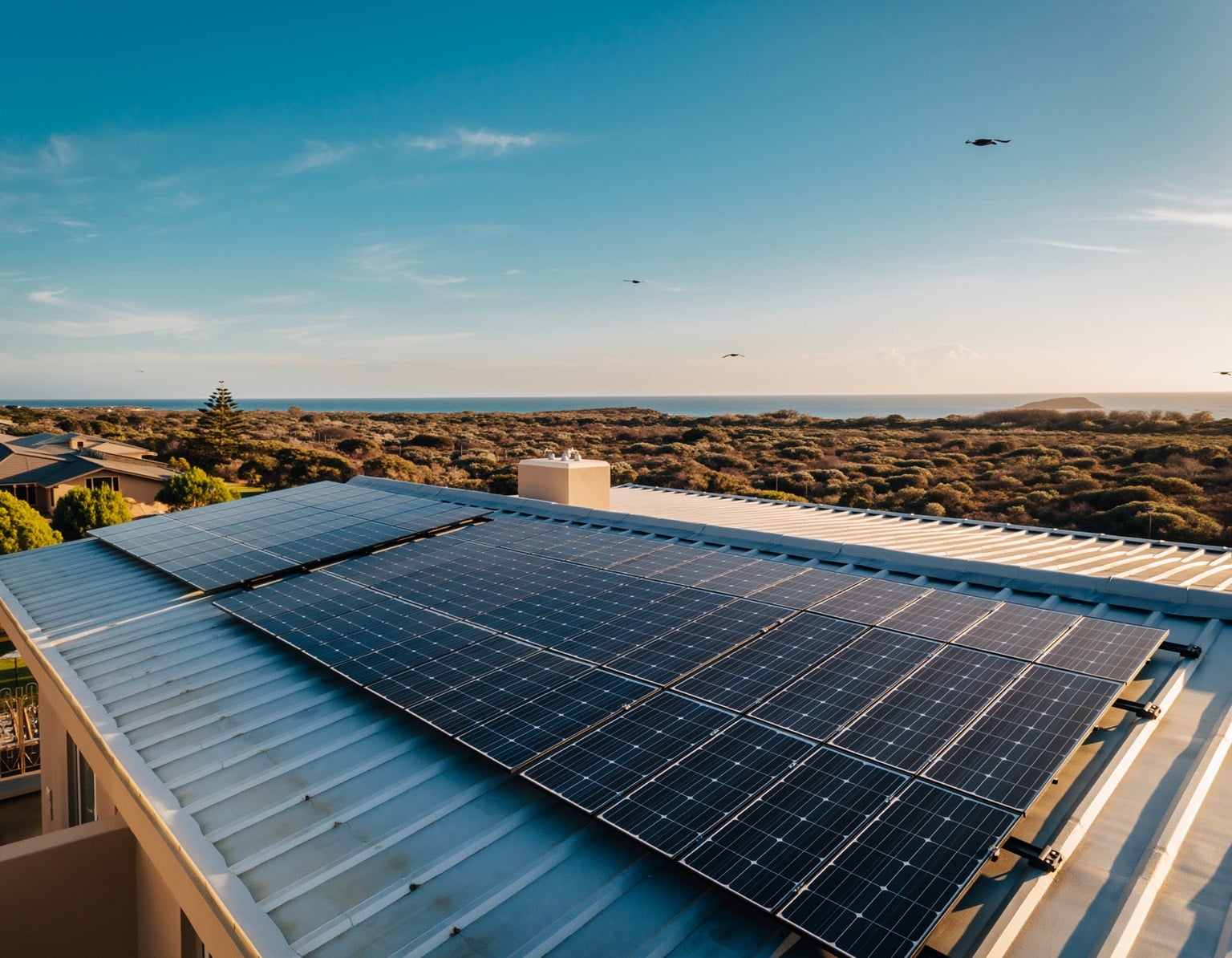
Metal roofs dominate Perth’s solar-ready properties for practical reasons. Colorbond Zincalume roofing provides exceptional structural support, simplified mounting systems, and longevity that matches or exceeds solar panel lifespans. Colorbond Zincalume roofing typically supports solar arrays without reinforcement when the roof structure remains sound.
Installation on metal roofing uses specialised clamps that secure to the roof profile without penetrating the material. This approach eliminates leak risks associated with drilling mounting holes. The clamps distribute panel weight across multiple ribs, preventing localised stress that could deform the sheeting over time.
Perth’s coastal suburbs present particular challenges where salt air accelerates corrosion. Metal roofs with intact roof coatings resist this degradation effectively. Properties within 5 kilometres of the coast benefit from regular coating maintenance that extends both roof and solar system life. The protective barrier prevents salt accumulation beneath panel frames where moisture can concentrate.
Thermal Performance Considerations
Metal roofing expands and contracts significantly with temperature fluctuations through thermal expansion contraction cycles. Perth summer roof temperatures regularly exceed 70°C, causing measurable movement in sheeting. Quality solar mounting systems account for this thermal expansion contraction through floating attachments that allow controlled movement without stressing panel frames or roof material.
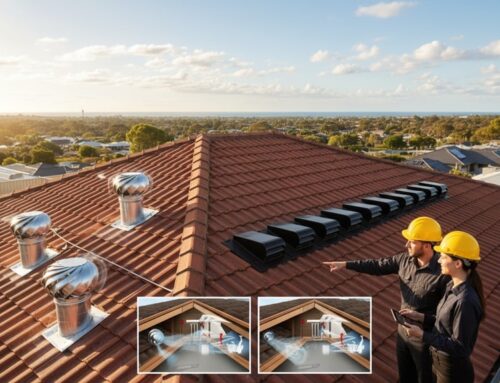
This thermal characteristic actually benefits solar efficiency. The air gap between panels and Colorbond Zincalume roofing creates natural convection that cools panel undersides. Cooler panels generate more electricity, as solar efficiency drops approximately 0.5% for each degree above 25°C. Metal roofs with adequate ventilation help maintain optimal operating temperatures during Perth’s extended summer periods.
Tile Roofing: Installation Complexity and Solutions
Terracotta and Concrete Tile Challenges
Tile roofs represent approximately 60% of Perth’s established suburbs. These roofs require different mounting approaches that increase installation complexity and cost. Solar installers must use tile hook mounting systems or penetrate tiles to anchor mounting rails to the underlying timber battens and rafters, creating potential leak points that demand meticulous sealing.
The tile profile itself complicates matters. Curved terracotta tiles need tile hook mounting or replacement flat tiles beneath mounting points. Concrete tiles offer more flexibility but still require careful navigation around the tile camber. Each penetration point needs proper flashing and sealing to prevent water entry, a critical consideration given Perth’s winter storm patterns.
Weight becomes another factor. While tiles themselves provide substantial structural mass, adding 15-20kg per square metre for solar panels requires assessment of the existing roof frame. Properties built before 1990 may need structural reinforcement, particularly if the original design did not anticipate additional loads. Permacoat encounters this regularly during pre-solar restoration work, where roof frame assessment reveals the need for additional support before panels can be safely mounted.
Tile Roof Preparation Requirements
Solar installation on tile roofs demands thorough preparation. Cracked, broken, or loose tiles must be replaced before tile hook mounting begins. Installers working across damaged tiles risk further breakage and create safety hazards. The tile replacement process often reveals underlying issues, including deteriorated sarking, damaged battens, or inadequate flashing in valleys and around penetrations.
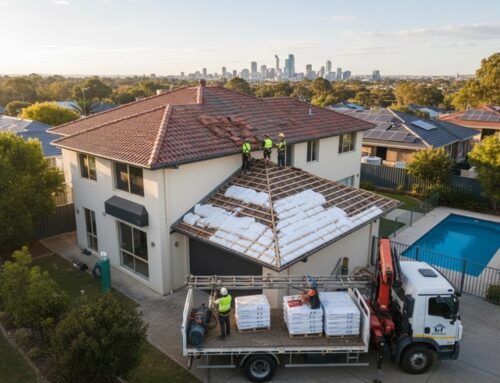
Roof restoration Perth services frequently precede solar installation on older tile roofs. This preparation addresses multiple concerns simultaneously: replacing damaged tiles, repointing ridge caps, repairing valleys, and applying protective coatings. The investment protects both the existing roof structure and the solar system being added.
Tile colour and coating condition affect solar performance indirectly. Faded, porous tiles absorb more heat and retain moisture longer after rain. This creates higher ambient temperatures around panel mounting points and increases humidity levels that can affect electrical connections over time. Properly coated tiles with good water shedding characteristics maintain better conditions for solar system longevity.
Asbestos Roofing: Special Considerations
Assessment and Handling Requirements
Asbestos cement roofing still covers thousands of Perth homes, particularly properties built between 1950 and 1985. These roofs present unique challenges for solar installation that require specialist asbestos roof assessment and handling. The material’s brittle nature means it cannot support point loads from standard mounting systems without risk of cracking or breaking.
Licensed asbestos assessors must complete thorough asbestos roof assessment to evaluate roof condition before solar installation proceeds. Deteriorated asbestos roofing, characterised by surface weathering, visible cracks, or friable edges, typically requires removal and replacement rather than solar mounting. The disturbance caused by installation work can release hazardous fibres, creating unacceptable health risks.
When asbestos roofing remains in good condition and testing confirms structural adequacy, installation can proceed with modified mounting systems. These distribute loads across larger areas using specialised pads and rails. However, many solar installers decline asbestos roof projects due to liability concerns and the specialised safety requirements involved.
Re-Roofing as Solar Preparation
Properties with asbestos roofing often benefit from re-roofing Perth services before solar installation. This approach eliminates handling complications, provides modern roofing materials optimised for solar mounting, and removes a hazardous material that would eventually require costly removal anyway.
The combined project, roof replacement followed immediately by solar installation, offers economic advantages. Scaffolding and site setup costs get shared across both projects. The new roof provides a 40-50 year service life that matches or exceeds solar system expectations. Property value increases reflect both improvements rather than just the solar addition.
Roof Age and Condition Requirements
Structural Assessment Priorities
Solar panels carry 15-25 year performance warranties, creating an expectation that the supporting roof will remain sound throughout this period. Installing solar on a roof nearing the end of its service life creates predictable problems, as the roof requires replacement or major repairs while panels must be temporarily removed, reinstalled, and recommissioned.
Professional solar installers assess roof age and condition during site evaluation. Metal roofs showing rust perforation, loose sheeting, or failed fasteners need roof repairs Perth before solar mounting proceeds. Tile roofs with widespread cracking, slipped tiles, or deteriorated pointing require similar attention.
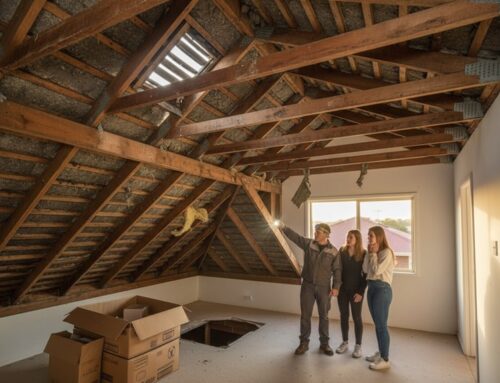
The assessment extends beyond visible roofing material to the underlying structure. Roof frames showing sagging, water damage, or inadequate original construction need engineering evaluation. Adding 300-500kg of solar equipment to a compromised structure creates safety risks and potential insurance complications if failure occurs.
Coating and Surface Preparation
Roof coating condition directly affects solar installation quality on both metal and tile surfaces. Degraded coatings create rough, uneven surfaces that complicate mounting system installation and accelerate corrosion beneath panel frames. The microclimate under solar panels, shaded from UV but subject to condensation, can accelerate coating failure on unprepared surfaces.
Roof painting Perth services prepare surfaces for long-term solar installation success. Fresh coating provides several benefits: smooth mounting surfaces for proper seal contact, corrosion protection in areas shaded by panels, and aesthetic improvement for visible roof sections surrounding the array. The Dulux Acratex system used by experienced contractors offers 15-20 year coating warranties that align with solar system lifespans.
Surface preparation includes roof cleaning to remove moss, lichen, and accumulated debris. These organic materials retain moisture and accelerate deterioration, particularly during thermal expansion contraction cycles. Clean surfaces allow proper coating adhesion and ensure mounting systems seat correctly against roof profiles without gaps that could allow water entry.
Pitch and Orientation Factors
Optimal Angles for Perth Conditions
Roof pitch affects both solar generation efficiency and installation feasibility. Perth’s latitude (approximately 32°S) means optimal solar panel angle sits around 30 degrees for year-round generation. Many Perth roofs fall within the 15-30 degree range that delivers 95%+ of theoretical maximum output without requiring tilt frames.
Steeper roofs (above 35 degrees) create installation challenges, as working safely requires additional fall protection equipment and installation time increases. Very steep roofs may need specialised mounting systems that maintain safe working conditions while achieving proper panel alignment. These factors increase installation costs without corresponding generation benefits.
Low-pitch roofs (below 10 degrees) present different concerns. Water drainage becomes critical, as any mounting system must avoid creating dams where water can pool. Panel orientation on low-pitch roofs needs careful consideration to prevent debris accumulation and ensure adequate self-cleaning from rainfall. Perth’s dry summers mean dust accumulation affects generation more significantly on shallow-angle installations.
Direction and Shading Assessment
North-facing roof sections deliver optimal solar generation in Western Australia’s southern hemisphere location. East and west-facing sections produce approximately 85% of north-facing output, making them viable for system expansion or when north-facing area proves insufficient. South-facing installations generate significantly less and typically only make sense when all other orientations are unavailable.
Shading analysis identifies obstacles that reduce generation, including trees, neighbouring buildings, chimneys, or roof features like dormers and gables. Even partial shading affects output disproportionately unless the system includes panel-level optimisation through microinverters or power optimisers. The assessment considers seasonal sun angles and future growth of vegetation that might create shading over the system’s lifespan.
Strata and Multi-Unit Considerations
Body Corporate Approval Processes
Strata managed properties face additional complexity for solar installation. Body corporate approval typically requires engineering reports confirming roof structural adequacy, insurance considerations for common property modifications, and aesthetic guidelines ensuring visual consistency across the development.
The roof condition itself often becomes a catalyst for broader maintenance discussions. Individual unit owners seeking solar installation may discover the common property roof needs restoration or repair before mounting can proceed. This creates coordination challenges where solar benefits accrue to individual owners while roof preparation costs get shared across all owners.
Successful strata solar projects often involve multiple unit owners coordinating installations simultaneously. This approach shares mobilisation costs, presents a unified case to body corporate committees, and ensures consistent mounting systems that maintain visual appeal. The collective approach also simplifies future roof maintenance when access requires temporary panel removal.
Making the Solar-Ready Decision
Perth homeowners considering solar installation should assess roof suitability before requesting solar quotes. A roof nearing the end of its service life, showing structural concerns, or requiring significant repairs needs attention first. The sequence matters, as addressing roof issues before solar installation avoids the substantial cost of removing and reinstalling panels during subsequent roof work.
Professional roof assessment identifies preparation requirements and realistic timeframes. Contact Permacoat for comprehensive roof evaluation that considers solar installation plans. The inspection covers structural adequacy, material condition, necessary repairs, and coating requirements that ensure the roof provides a stable, long-lasting platform for solar investment.
The best roof types for solar installation combine structural soundness, appropriate material type, and sufficient remaining service life to match solar system warranties. Metal roofing, particularly Colorbond Zincalume roofing, offers simplest installation and lowest ongoing maintenance. Tile roofing requires more preparation including proper tile hook mounting but performs well when properly restored. Asbestos roofing typically warrants replacement after thorough asbestos roof assessment before solar proceeds. Whatever the roof type, proper preparation protects both investments, the roof itself and the solar system it supports.
Western Australia’s solar potential makes the technology financially attractive for most Perth properties. Ensuring the roof can properly support that investment for 20+ years requires honest assessment and appropriate preparation. The upfront attention to roof condition prevents costly complications and maximises the return on solar investment throughout its operational life.
Connect with us on (08) 9249 5955 for a free roof inspection that evaluates solar readiness and identifies any preparation work needed.