Multi-unit and strata properties across Perth rely heavily on well-maintained roofing to safeguard residents and maintain property value. Yet when the time comes for significant restoration or repair, the task becomes far more complex than it would be for a single dwelling. Coordinating multiple owners, minimising disruption to tenants, and ensuring compliance with regulations all add layers of responsibility.
This guide explains how to manage a successful strata roof restoration in Perth step by step. From initial assessment through to long-term maintenance, it highlights best practices, pitfalls to avoid, and the importance of professional expertise for projects involving shared roofing systems. Whether managing a small complex or a large multi-unit development, the principles outlined here provide a roadmap for successful project delivery.
Understanding the Challenges of Strata Roof Restoration
Roof projects on strata-managed properties demand more than technical expertise. They require communication, planning, and an appreciation of how shared ownership changes the decision-making process. Unlike single residential properties where one owner makes all decisions, strata environments involve multiple stakeholders with varying priorities and financial circumstances.
Unique challenges include:
Multiple owners: Balancing differing opinions and budgets while reaching consensus. Some owners may prioritise aesthetics while others focus solely on functionality and cost. Finding common ground requires diplomatic communication and a clear presentation of facts.
Shared spaces: Common areas must remain safe and accessible throughout the project. This includes driveways, pathways, parking areas, and recreational facilities that residents depend on daily.
Disruption control: Residents need clear timelines to manage expectations. Working families, retirees, and shift workers all have different schedules and tolerance levels for construction noise and activity.
Regulatory compliance: Strata laws require approvals before work begins. Documentation must be prepared, meetings held, and votes conducted according to strata legislation requirements.
Financial coordination: Levying special contributions or utilising sinking funds requires proper authorisation and transparent communication about costs and payment schedules.
It’s comparable to repairing part of a machine that’s still running – careful planning is essential to keep everything operating smoothly while work progresses. The complexity increases with building size, number of units, and diversity of ownership arrangements.
Key takeaways:
- Strata projects involve multiple stakeholders and shared responsibility
- Minimising disruption while ensuring compliance is critical
- Financial and logistical challenges require specialist coordination
Initial Assessment and Planning
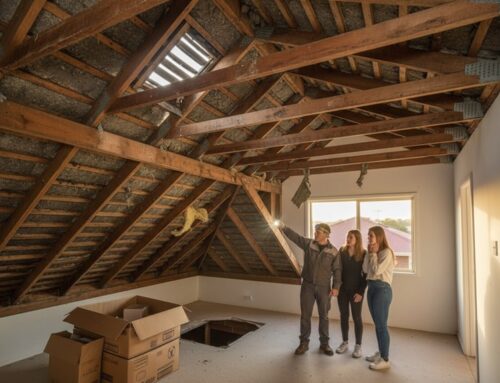
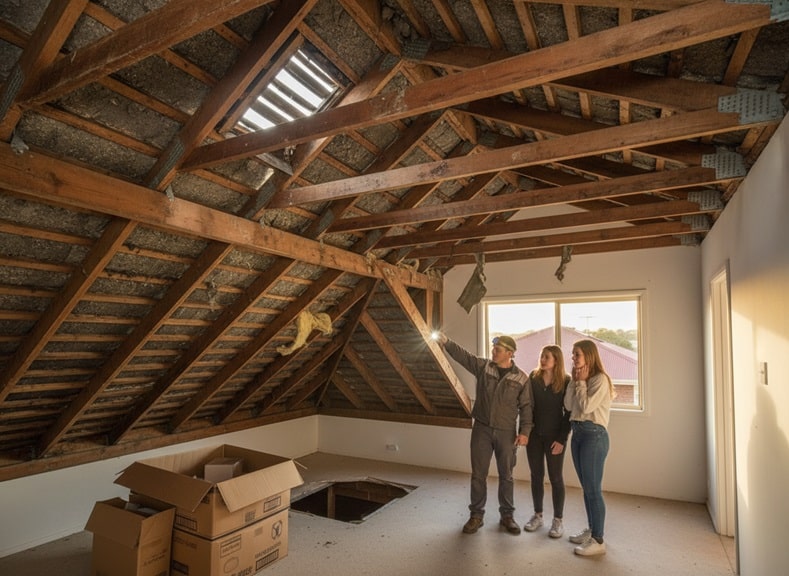
The starting point for any project is a clear understanding of the roof’s current condition. A professional roof inspection provides a detailed report on issues such as cracked tiles, rusted metal sheets, water ingress points, or inadequate drainage. This inspection should be comprehensive, covering not just obvious damage but also underlying structural concerns that may not be immediately visible.
Professional inspectors examine:
Tile condition: Checking for cracks, breakages, slippage, or deterioration that compromises waterproofing.
Metal components: Assessing flashing, valleys, and sheet metal for rust, corrosion, or improper installation.
Structural elements: Evaluating timber battens, rafters, and supports for rot, termite damage, or structural weakness.
Drainage systems: Inspecting gutters, downpipes, and water flow patterns to identify blockage or inadequate capacity.
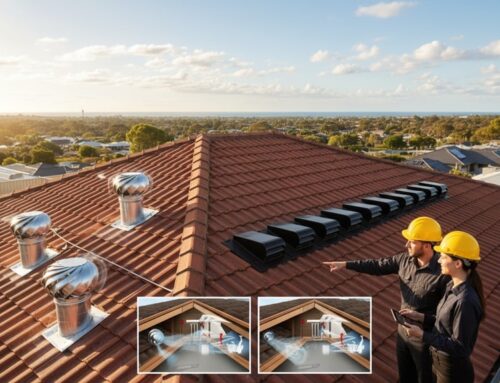
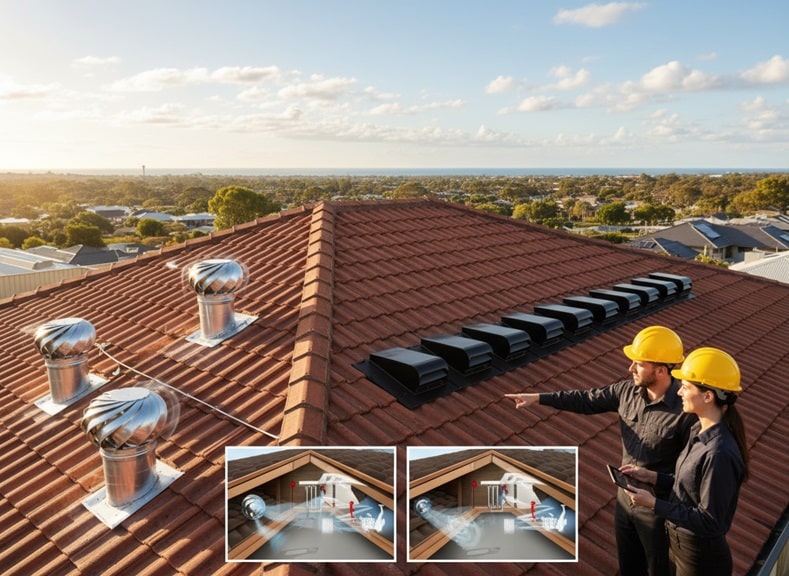
Ventilation: Checking roof space ventilation to prevent moisture buildup and excessive heat accumulation.
Once the report is prepared, it should be distributed to all owners well in advance of any decision-making meetings. Open communication builds trust, avoids confusion, and ensures that everyone understands the necessity of the work. Many committees choose to hold an information meeting where findings are explained and questions answered by the inspector or contractor.
For large-scale projects requiring comprehensive roof repairs, Perth solutions and transparency at this stage prevent disputes later. A thorough roof inspection identifies not only immediate problems but also potential issues that could arise during restoration work, allowing for more accurate budgeting and scope definition.
Consider creating a visual presentation with photographs of problem areas. Visual evidence helps owners understand the urgency and scope of required work far better than written descriptions alone.
Key takeaways:
- Commission a professional roof inspection to assess the condition comprehensively
- Share findings openly with owners before proceeding
- Use visual documentation to support technical reports
Securing Owner Approval and Meeting Requirements
Before any work begins, strata committees must follow proper procedures for securing owner approval. This process varies depending on the scope and cost of work, but typically requires formal resolutions at general meetings.
Approval requirements typically include:
Ordinary resolutions: For routine maintenance and minor repairs, a simple majority vote may suffice.
Special resolutions: Major works often require special resolutions with higher voting thresholds (typically 75% of owners).
Documentation: Detailed quotes, scope of works, and contractor credentials must be provided to all owners before voting.
Meeting notice periods: Adequate notice must be given according to strata legislation, usually 14 days minimum for general meetings.
Quorum requirements: Sufficient owners must be present or represented for valid decision-making.
Strata managers play a crucial role in navigating these requirements, ensuring all procedural steps are followed correctly. Failure to follow proper procedures can result in disputes, legal challenges, or work stoppages that delay projects and increase costs.
For complex or high-value projects, consider seeking legal advice to ensure full compliance with strata legislation and by-laws. This upfront investment can prevent expensive disputes and ensure the project proceeds smoothly.
Key takeaways:
- Follow the strata legislation requirements for owner approvals
- Provide comprehensive documentation before voting
- Consider legal advice for complex or high-value projects
Selecting the Right Roofing Contractor
Not all roofing contractors are experienced in strata or multi-unit work. Choosing a specialist makes all the difference to timelines, quality, and compliance. Contractors who regularly work on strata-managed properties understand the unique challenges and have developed systems to manage them effectively.
What to look for in a contractor:
Demonstrated experience: Look for contractors with proven track records in strata roof restoration Perth projects. Request case studies or references from similar properties.
Valid licences and insurance: Full insurance coverage protects all parties involved. Verify public liability insurance covers the full value of the property and that workers’ compensation is current.
References: Request references from previous multi-unit clients and follow up with phone calls to verify satisfaction levels, communication quality, and how challenges were handled.
Detailed proposals: Expect cost breakdowns, timelines, and scope of work documentation. The proposal should detail materials, labour, project stages, and payment schedules.
Communication protocols: Assess how the contractor plans to communicate with residents, committees, and strata managers throughout the project.
Contingency planning: Evaluate how the contractor handles unexpected issues, weather delays, or additional work requirements.
A qualified contractor not only provides skilled workmanship but also understands the logistical challenges of coordinating with committees and residents. Permacoat offers dedicated roofing services for strata-managed properties, ensuring tailored solutions that work across multi-unit complexes.
During the selection process, conduct site visits with shortlisted contractors. Observe how they assess the property, ask questions, and interact with committee members. These interactions reveal professionalism levels and communication styles that will impact the project experience.
Key takeaways:
- Select contractors with proven strata and multi-unit expertise
- Always verify licences, insurance, and references
- Assess communication skills and contingency planning capabilities
Project Planning and Scheduling
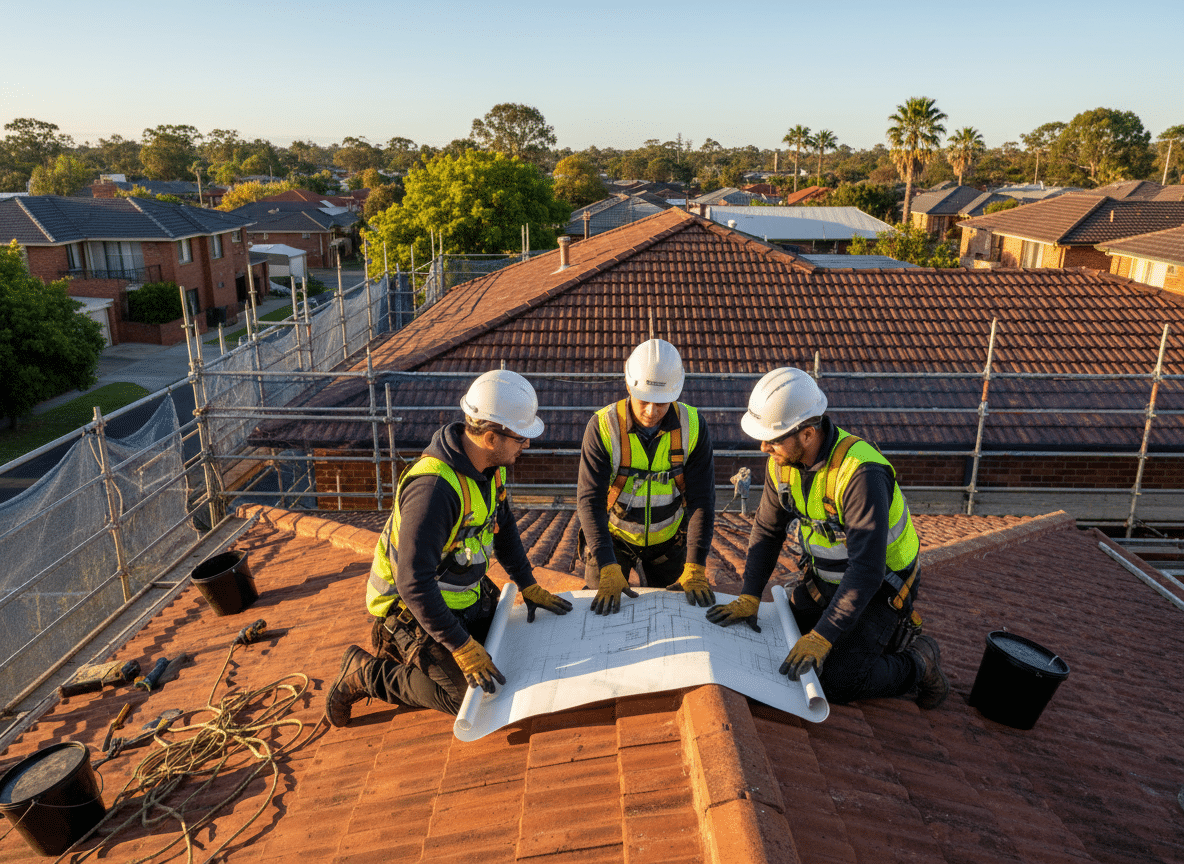
After selecting a contractor, detailed planning begins. A restoration schedule should consider multiple factors that single-dwelling projects don’t face. The complexity of multi-unit scheduling requires balancing technical requirements with resident needs and external factors.
Weather patterns: Avoid peak winter rainfall periods where possible. Perth’s climate offers favourable working conditions much of the year, but winter storms can cause delays and affect coating application quality.
Resident access: Maintain safe entry and exit routes at all times. This may require staging work by building section or implementing temporary access solutions during critical phases.
Noise and disruption: Schedule disruptive works during business hours when most residents are away. Consider special arrangements for shift workers or home-based workers who may be affected.
Material logistics: Plan delivery and storage to avoid blocking common areas. Large material deliveries need designated staging areas that don’t interfere with parking or access.
Staged approach: For large complexes, consider completing work in stages rather than attempting everything simultaneously. This distributes disruption and allows for budget management across financial periods.
Holiday periods: Avoid major works during holiday periods when residents are likely to be home and want to enjoy their properties peacefully.
The schedule must be realistic, accounting for potential delays while providing enough clarity for residents to plan around. Complex projects may require staged approaches, particularly when dealing with different roof sections or building wings. Buffer time should be built into schedules to accommodate weather delays, material delivery issues, or unexpected discoveries during work.
Develop a detailed project timeline showing:
- Pre-work preparation phases
- Daily work hours and expected noise levels
- Milestone completion dates
- Expected project completion date with contingency buffer
- Post-work cleanup and inspection timelines
Key takeaways:
- Detailed scheduling prevents avoidable delays and conflicts
- Factor in weather, resident needs, and safe access routes
- Build buffer time for unexpected delays or discoveries
Communication Throughout the Project
Roof restoration can feel disruptive if residents aren’t kept informed. Regular updates reassure occupants and reduce complaints. Effective communication transforms a potentially contentious project into a collaborative effort that residents support.
Best communication methods:
Written notices: Post updates in communal areas where all residents can see them. Use notice boards near mailboxes, lifts, and building entrances.
Digital communications: Send emails or newsletters with weekly progress updates. Include photographs showing work completion and upcoming activities.
Online platforms: Use dedicated project portals or group chats for large complexes. Modern communication platforms allow real-time updates and question submission.
Direct contact: Provide a point person for questions or concerns. Designate a committee member or strata manager as the primary contact rather than having residents approach contractors directly.
Pre-work notifications: Send specific notices 48 hours before particularly disruptive activities like grinding, pressure washing, or crane usage.
Visual progress tracking: Create simple visual aids showing project phases and completion percentages to help residents understand progress.
Providing regular updates about progress, expected noise, or access restrictions helps manage expectations and improve cooperation across the community. Clear communication prevents misunderstandings that can derail project timelines. When delays occur, communicate them immediately with explanations and revised timeframes.
Consider appointing a communication coordinator who takes responsibility for all resident communications. This single point of contact ensures consistent messaging and prevents conflicting information from multiple sources.
Key takeaways:
- Frequent, clear communication builds trust
- Use multiple channels to reach all residents effectively
- Designate a single communication coordinator for consistency
Minimising Disruption During Roof Restoration
Contractors and committees should work together to reduce inconvenience for residents. Professional roof restoration Perth specialists understand how to balance project needs with resident comfort. Experienced contractors have developed systems specifically for multi-unit environments.
Strategies include:
Designated access: Establish specific access points and parking areas for contractors. Clearly mark these areas and communicate them to all residents so parking conflicts don’t arise.
Advance notice: Provide a warning of loud work such as grinding, roof cleaning, or power washing. Give residents 48-72 hours’ notice so they can plan accordingly.
Daily tidying: Ensure debris and materials are removed daily to keep shared areas safe. End-of-day site cleanup should be mandatory in the contractor agreement.
Flexible scheduling: Where possible, schedule the most disruptive tasks to minimise impact on residents. For example, heavy grinding might be scheduled mid-morning after residents leave for work.
Dust control: Implement dust suppression measures during tile removal or surface preparation. Water spraying and protective screens reduce dust migration into units.
Noise management: Use quieter equipment where available and limit particularly noisy activities to shorter time blocks.
Parking management: Coordinate contractor parking to minimise impact on resident spaces. Consider temporary parking arrangements or off-site parking with shuttle services for large crews.
Safety barriers: Install proper safety barriers and warning signs to protect residents from work zones while maintaining maximum possible access.
Simple measures like these prevent tension between contractors and residents, ensuring a smoother restoration experience for everyone involved. When residents see contractors being considerate and professional, complaint levels drop dramatically.
Key takeaways:
- Proactive planning reduces resident disruption
- Clean and organised worksites demonstrate professionalism
- Consider both noise and visual impact on resident comfort
Quality Control and Final Inspections
A successful project doesn’t end when the last coating is applied. Strata committees should arrange a final inspection to confirm workmanship meets agreed standards. Quality control should be maintained throughout the project, not just at completion.
Throughout project quality checks:
Regular site inspections: Committee members or appointed representatives should conduct weekly site visits to observe work quality and progress.
Photographic documentation: Take extensive photographs at each project stage for records and verification.
Material verification: Confirm that specified materials are actually being used, not substituted with inferior products.
Workmanship monitoring: Watch for proper surface preparation, application techniques, and attention to detail.
Independent building inspectors may be engaged to provide an impartial assessment at project completion. Any defects or incomplete tasks should be addressed before sign-off. For projects involving protective roof coatings, documentation on product warranties should also be retained for future reference.
The final inspection should cover:
Structural integrity: Verify all repairs are complete and properly executed. Check that damaged timber has been replaced, tiles are properly secured, and all structural work meets building codes.
Weatherproofing: Test that all areas are watertight and properly sealed. This may include water testing of valleys, penetrations, and previously problematic areas.
Coating application: Check for even coverage and proper thickness. Coating systems have specific dry film thickness requirements that affect warranty validity.
Site cleanliness: Confirm all materials and debris have been removed from the property, including common areas, individual balconies, and surrounding gardens.
Documentation completion: Ensure all warranties, certificates of compliance, material specifications, and maintenance guidelines are provided.
Before making the final payment, verify that all defects identified during inspection have been rectified. Retain a reasonable portion of the contract value (typically 5-10%) until defects are corrected and a defects liability period expires.
Key takeaways:
- Independent inspections confirm project quality
- Final checks prevent issues from surfacing later
- Retain payment until all defects are rectified
Long-Term Maintenance for Strata Roofs
Roof restoration is an investment, but like any investment, it requires ongoing maintenance. A structured maintenance plan ensures the roof continues to perform optimally for years to come. Many strata committees make the mistake of viewing restoration as a one-time fix rather than the beginning of an ongoing maintenance program.
Comprehensive maintenance should include:
Regular cleaning: Schedule roof cleaning services to remove moss, lichen, and debris that can compromise roof coatings and tile integrity. In Perth’s climate, annual cleaning is often sufficient, though properties near coastal areas or under trees may require more frequent attention.
Gutter maintenance: Keep gutters and downpipes clear to prevent water damage and structural issues. Blocked gutters cause water overflow that damages walls, foundations, and landscaping. Schedule gutter cleaning at least twice annually, particularly before winter rainfall.
Periodic inspections: Conduct annual roof inspections to identify minor repairs before they escalate into major problems. Professional inspections catch small issues like loose tiles, minor leaks, or coating deterioration before they cause expensive damage.
Protective re-coating: Apply fresh roof coatings at recommended intervals for continued weather protection. Most quality coating systems require re-coating every 10-15 years, depending on exposure and maintenance history.
Immediate repairs: Address any identified issues promptly rather than deferring them. Small leaks quickly become major water damage problems if ignored.
Documentation: Maintain comprehensive records of all maintenance activities for future reference and property valuations. Good maintenance records demonstrate responsible property management and add value during sales.
Budget allocation: Include annual maintenance costs in strata budgets rather than treating them as unexpected expenses. Predictable maintenance spending prevents financial stress.
Maintenance can often be coordinated with other building works to save costs and minimise disruption to residents. Many strata-managed properties establish annual maintenance schedules that cover roofing alongside other essential building systems like gardens, painting, and common area cleaning.
Consider implementing a maintenance matrix that tracks:
- Last inspection date and findings
- Last cleaning date
- Any repairs completed
- Re-coating schedule and timeline
- Warranty expiry dates
- Recommended next actions
This systematic approach prevents issues from being overlooked and provides transparency for all owners about property maintenance standards.
Key takeaways:
- Maintenance extends roof lifespan and safeguards investment
- Cleaning, inspections, and minor repairs should be scheduled regularly
- Document all maintenance activities for future reference
- Budget for ongoing maintenance rather than treating it as unexpected
Budgeting and Financial Considerations
For strata committees, financial planning is as critical as project execution. Restoration projects represent significant expenses, so accurate budgeting ensures sustainability and prevents financial strain on owners. Poor financial planning can result in special levies that cause hardship for some owners and create community conflict.
Tips for financial planning:
Competitive quotes: Obtain multiple detailed quotes for comparison and value assessment. Request at least three quotes from qualified contractors and compare them on equal terms – not just price but scope, materials, warranties, and payment terms.
Sinking funds: Build dedicated reserves for future roofing works and maintenance. Strata legislation typically requires sinking funds for major capital works. Calculate required contributions based on expected roof lifespan and replacement costs.
Finance options: Explore payment plans or financing if costs exceed current reserves. Some contractors offer payment plans, or committees can arrange strata loans that spread costs across multiple financial periods.
Cost research: Consult resources like roof repair cost guides to anticipate expenses accurately. Understanding typical cost ranges helps evaluate whether quotes are reasonable.
Contingency planning: Set aside 10-15% additional budget for unexpected issues. Hidden damage often becomes apparent once work begins, and adequate contingency prevents project delays while additional funds are raised.
Levy timing: Plan special levy timing to minimise impact on owners. Spreading levies across multiple quarters can ease the financial burden compared to single large payments.
Grant opportunities: Research government grants or rebates for energy-efficient roofing upgrades. Some roof coating systems qualify for sustainability incentives.
Budget transparency also reassures owners that funds are being allocated responsibly. Regular financial updates throughout the project help maintain owner confidence and support. Present budgets with clear breakdowns showing:
- Labour costs
- Material costs
- Access equipment (scaffolding, lifts)
- Disposal fees
- Insurance and permits
- Contingency allocation
- Administration costs
Consider engaging a quantity surveyor for very large projects to provide independent cost verification and ensure quotes are accurate and complete.
Key takeaways:
- Obtain competitive quotes before committing
- Plan long-term with sinking funds and financial reserves
- Allow 10-15% contingency for unexpected issues
- Maintain financial transparency with all owners
Case Studies: Strata Roof Projects in Perth
Real-world examples demonstrate how effective coordination delivers tangible results for multi-unit complexes across Perth.
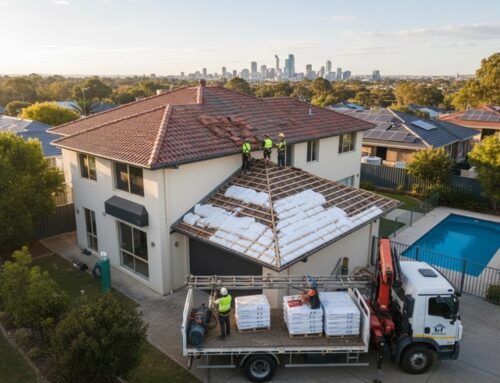
Coastal Complex Case Study: A weathered tile roof on a 24-unit complex was restored using Dulux Acratex protective coatings, improving durability and thermal efficiency while significantly enhancing the building’s appearance. The project was completed across six weeks with minimal disruption to residents.
The property had experienced persistent leaking during winter storms, causing water damage to several units and escalating insurance claims. Initial roof inspection revealed widespread tile deterioration, inadequate flashing, and failed previous repairs. The committee obtained three detailed quotes and selected a contractor based on strata experience rather than the lowest price.
Work was staged across three building sections to maintain resident access and minimise noise impact. Daily cleanup and regular communication kept complaint levels minimal. The restored roof not only solved leaking issues but also reduced unit cooling costs by up to 20% through improved thermal performance of the coating system.
Metropolitan Apartments Project: A leaking roof on a 36-unit apartment complex required extensive repairs and restoration work. Through careful scheduling and constant communication with residents, disruption was kept minimal while restoring full watertight integrity.
This property had deferred roofing maintenance for over a decade, resulting in extensive timber rot, failed valleys, and widespread leaking affecting 12 units. The restoration required structural timber replacement, complete valley rebuilding, extensive tile replacement, and protective coating application.
The project was completed in two stages across three months to manage budget constraints. Stage one addressed structural repairs and leaking, while stage two involved coating and finishing work. This staged approach allowed the committee to spread special levies across two financial years, reducing owner financial stress.
Post-completion, the complex implemented a comprehensive maintenance program including annual inspections and five-year cleaning schedules to protect the significant investment.
Mixed-Use Development: A complex combining residential units with ground-floor commercial tenancies presented unique coordination challenges. Work scheduling had to accommodate both resident needs and business operating hours to minimise economic impact on commercial tenants.
The restoration involved metal roof replacement over commercial areas and tile restoration for residential sections. Coordination required weekend work for commercial areas and weekday scheduling for residential sections. The contractor used noise barriers and dust suppression systems to protect businesses during operating hours.
Despite the complexity, the project was completed on schedule and within budget through meticulous planning and flexible scheduling. Commercial tenants reported minimal business disruption, and residents expressed satisfaction with communication and noise management.
These examples highlight the tangible benefits of professional involvement in strata roof restoration Perth projects – including improved durability, energy efficiency, and property aesthetics that benefit all owners. They also demonstrate that complex multi-unit projects can succeed when planning, communication, and professional expertise combine effectively.
Key takeaways:
- Real-world projects demonstrate successful outcomes
- Benefits include improved durability, efficiency, and aesthetics
- Proper planning and communication prevent major disruption
- Staged approaches can manage budget and disruption constraints
Common Mistakes to Avoid
Learning from common pitfalls helps committees navigate strata roof restoration projects more successfully. Many problems are predictable and preventable with proper awareness.
Mistakes to avoid:
Delaying necessary work: Postponing essential repairs often leads to higher costs and more extensive damage. What starts as minor tile damage can progress to structural rot requiring expensive timber replacement. Early intervention is always more cost-effective.
Choosing the cheapest quote: The lowest price rarely delivers the best long-term value or quality. Cheap quotes often indicate inferior materials, inexperienced contractors, or incomplete scope understanding. Focus on value rather than lowest cost.
Poor communication: Failing to keep residents informed creates unnecessary conflict and complaints. Many disputes arise from communication failures rather than actual work issues. Over-communicate rather than under-communicate.
Ignoring maintenance: Neglecting post-restoration maintenance undermines the investment. Roofs require ongoing care regardless of restoration quality. Establish maintenance programs immediately after project completion.
Inadequate planning: Rushing into projects without proper assessment and scheduling causes delays and budget overruns. Thorough planning takes time but prevents expensive mistakes and resident dissatisfaction.
Skipping documentation: Failing to document agreements, variations, and work completion creates disputes when memories differ. Maintain comprehensive written records of all project decisions and communications.
Underestimating disruption: Minimising the impact on residents when presenting projects leads to backlash when reality doesn’t match expectations. Be realistic about disruption levels in communications.
Incomplete scope definition: Vague project scopes lead to disputes about what work is included. Define the scope precisely in contracts to prevent disagreements.
By recognising these common errors, strata committees can make informed decisions that protect both property value and resident satisfaction. Learning from others’ mistakes is far less expensive than making them yourself.
Key takeaways:
- Early intervention prevents more expensive problems
- Value matters more than the lowest price
- Documentation prevents disputes
- Realistic expectations reduce resident dissatisfaction
Benefits of Professional Strata Roof Restoration
Investing in professional roof restoration delivers multiple advantages for multi-unit properties beyond simply fixing immediate problems. The benefits extend across financial, practical, and lifestyle dimensions that affect all stakeholders.
Key benefits include:
Enhanced property value: Well-maintained roofs significantly boost property valuations and appeal. Properties with recent roof restoration typically sell faster and command premium prices compared to those requiring work.
Energy efficiency: Modern roof coatings improve thermal performance, reducing energy costs for residents. High-quality reflective coatings can reduce interior temperatures by several degrees, lowering air conditioning costs throughout the summer months.
Extended lifespan: Professional restoration adds 10-15 years to roof life when properly maintained. This defers expensive re-roofing costs and provides long-term financial benefits for all owners.
Reduced emergency repairs: Preventive work minimises costly emergency callouts and water damage. Emergency repairs typically cost significantly more than planned maintenance and cause greater resident disruption.
Improved aesthetics: Fresh coatings and repairs enhance building appearance and street appeal. Attractive properties attract better tenants, achieve higher rental returns, and create pride of ownership.
Peace of mind: Knowing the roof is sound provides confidence for owners, residents, and potential buyers. Roof certainty removes a major concern from property ownership.
Lower insurance premiums: Well-maintained properties with recent restoration may qualify for reduced insurance premiums. Insurers recognise that maintained properties present lower claims risk.
Regulatory compliance: Professional work ensures compliance with building codes and strata regulations, avoiding legal issues or enforcement actions.
Warranty protection: Quality contractors provide warranties that protect investment and provide recourse if problems occur.
These benefits justify the initial investment and demonstrate why quality workmanship matters for strata-managed properties. When evaluating restoration proposals, consider these long-term benefits rather than focusing solely on immediate costs.
Key takeaways:
- Benefits extend beyond immediate repair needs
- Energy efficiency provides ongoing cost savings
- Property value increases justify restoration investment
- Peace of mind benefits all stakeholders
Final Thoughts
Managing a roof restoration across multiple units isn’t straightforward, but with proper planning and professional support, it becomes far less daunting. Clear communication, detailed scheduling, and an emphasis on long-term maintenance are the foundations of a successful project. The complexity shouldn’t deter committees from undertaking necessary work – proper preparation and professional guidance make even large projects manageable.
For strata managers and committees, engaging experienced specialists in strata roof restoration Perth ensures technical quality balances with resident satisfaction. When the time comes for upgrades, inspections, or comprehensive repairs, working with trusted professionals delivers results that protect both property value and resident comfort.
The investment in professional roof restoration pays dividends through extended roof lifespan, improved property values, enhanced resident satisfaction, and reduced long-term maintenance costs. By following the guidance outlined in this comprehensive guide, strata committees can navigate the restoration process with confidence and achieve outcomes that benefit all stakeholders.
For tailored inspections and comprehensive roofing solutions,speak with us on (08) 9249 5955 to discuss your strata property needs. With expertise in roof restoration, protective roof coatings, and dedicated services for strata-managed properties, Permacoat delivers results that safeguard investment and ensure long-term performance.