Asbestos roofing materials were installed on thousands of Perth homes between the 1940s and 1980s. These cement-based roof sheets, commonly known as fibro or AC (asbestos cement) sheeting, remain on properties across Western Australia’s established suburbs. While stable asbestos roofing poses minimal risk when undisturbed, identifying its presence becomes essential when planning renovations, repairs, or roof restoration Perth projects.
The health risks associated with disturbed asbestos fibres make accurate asbestos roofing identification critical before any roofing work begins. Perth homeowners in suburbs developed before 1990 should understand what asbestos roofing looks like, where it typically appears, and when professional asbestos testing becomes necessary.
What Asbestos Roofing Looks Like
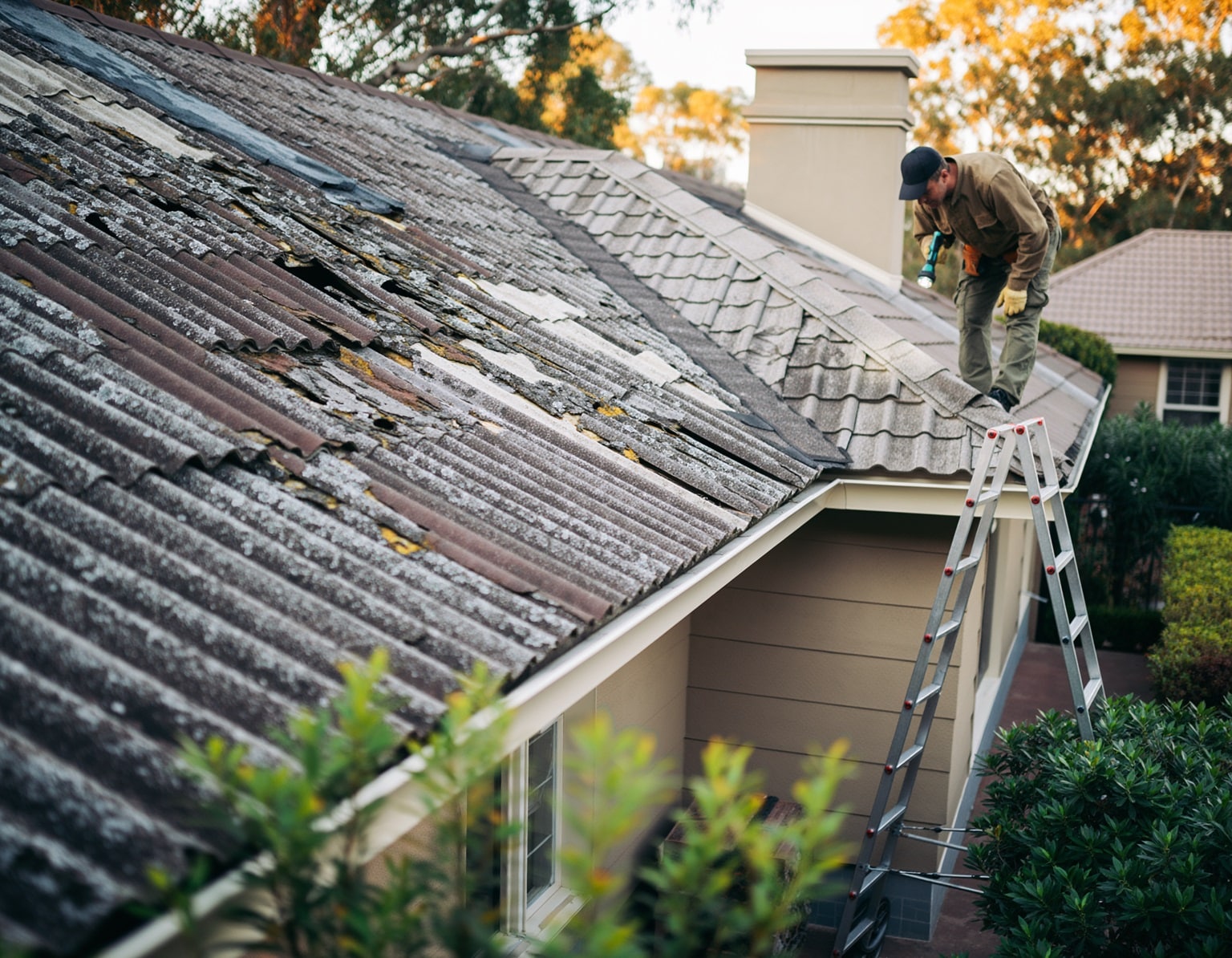
Asbestos cement sheeting has distinctive characteristics that differentiate it from modern fibre cement products. The material appears as large, flat or corrugated sheets with a cement-grey colour that may have weathered to a lighter or darker shade over decades of Perth sun exposure.
Physical characteristics of asbestos roofing include:
- Sheet dimensions – typically 1800mm x 900mm flat sheets or corrugated profiles in various lengths
- Texture – slightly rougher and more porous than modern fibre cement
- Edges – often show layered fibres when viewed closely at cut edges
- Weight – noticeably heavier than modern alternatives due to cement density
- Thickness – generally 6-8mm for standard residential applications
- Surface pattern – may show a distinctive “swirl” pattern from the manufacturing process
The corrugated asbestos sheets commonly used for residential roofing have a wavy profile with rounded peaks and valleys. Super Six corrugated sheets were the most common type installed across Perth, featuring distinctive profiles that remain identifiable today. These sheets overlap at joins and are typically secured with galvanised nails or screws fitted with lead or plastic washers.
Flat asbestos cement sheets appear on some Perth homes as roof cladding, particularly on lower-pitched roofs or skillion sections. These sheets have a smooth or slightly textured surface and sit flush against each other with minimal overlap.
Where Asbestos Appears on Perth Roofs
Asbestos roofing materials were not limited to the main roof covering. Perth homes built or renovated between 1940 and 1987 may contain asbestos in multiple roofing components.
Common locations for asbestos roofing materials:
- Main roof sheeting – the primary roof covering on the entire structure
- Carport and patio roofs – outbuildings often used asbestos sheeting even when the main house did not
- Garage roofs – detached or attached garages frequently featured asbestos cement roofing
- Eaves and soffits – flat asbestos sheets lined eaves areas under roof overhangs
- Ridge capping – moulded asbestos cement ridge pieces covered roof peaks
- Gable ends – vertical wall sections at roof peaks sometimes used asbestos cladding
- Downpipes – some older properties have asbestos cement downpipes connected to roof drainage
The widespread use of asbestos roofing across Perth’s established suburbs means properties in areas like Mount Lawley, Nedlands, Como, Applecross, and Melville frequently contain these materials. Homes in coastal suburbs faced additional weathering that may have degraded asbestos roofing over time.
Age and Architectural Clues
The construction period of a Perth home provides the strongest indicator of potential asbestos roofing presence. Understanding when asbestos products were commonly used helps narrow the asbestos roofing identification process.
Asbestos roofing timeline in Western Australia:
- 1940s-1950s – asbestos cement roofing gained popularity as an affordable, fire-resistant alternative to timber shingles
- 1960s-1970s – peak usage period when asbestos roofing appeared on the majority of new Perth homes
- 1980s – continued use despite growing health concerns, with products still legally available
- 1987 – asbestos product manufacturing ceased in Australia
- 1990 – import and use of asbestos products banned nationally
- 2003 – complete ban on asbestos use, import, and sale across Australia
Homes built or renovated before 1990 warrant careful inspection for asbestos roofing materials. The architectural style also provides clues, as certain designs commonly featured asbestos cement roofing.
Housing styles likely to contain asbestos roofing:
- Post-war weatherboard homes – simple gabled roofs with corrugated asbestos sheeting
- 1960s brick veneer – standard suburban homes with asbestos cement roof covering
- Split-level designs – popular 1970s style often featured asbestos roofing on multiple levels
- Transportable homes – factory-built homes from this era routinely used asbestos materials
- Government housing – State Housing Commission properties commonly specified asbestos roofing
Properties that have undergone partial renovations may contain asbestos roofing on original sections while newer additions feature modern materials. This mixed composition requires careful assessment before any roof repairs Perth work begins.
Visual Inspection Methods
Homeowners can conduct preliminary visual assessments to identify potential asbestos roofing, though professional asbestos testing provides the only definitive confirmation. Safe inspection practices protect against accidental fibre release while gathering useful information.
Safe visual inspection approach:
- View from ground level – use binoculars to examine roof sheeting from a safe distance
- Check accessible edges – inspect roof edges visible from windows or balconies without touching
- Examine outbuildings – look at carport and garage roofs that may be easier to view
- Review building records – check council permits or property files for construction details
- Compare with known examples – research images of asbestos roofing to recognise common patterns
During visual inspection, look for the distinctive cement-grey colour and corrugated or flat sheet profile characteristic of asbestos roofing. The material often shows weathering patterns including surface erosion, discolouration, or moss growth in Perth’s coastal climate.
Warning signs that suggest asbestos roofing:
- Large sheets with visible overlap joins rather than individual tiles
- Corrugated profile with rounded peaks (not sharp angles like modern Colorbond)
- Cement-based material rather than metal or terracotta
- Weathered grey colour that may appear lighter or darker than original
- Visible fibres at broken edges or damaged sections
- Galvanised nails with lead or plastic washers securing sheets
Never disturb, break, or drill into suspected asbestos roofing during inspection. Even minor damage can release dangerous fibres that pose serious health risks when inhaled. The visual assessment serves only to identify materials that require professional asbestos testing.
Professional Testing and Confirmation
Visual inspection provides useful clues about asbestos roofing presence, but laboratory testing delivers the only conclusive identification. Licensed asbestos assessors collect samples following strict safety protocols and submit materials for microscopic analysis.
Professional asbestos testing process:
- Licensed assessor engagement – qualified professionals hold required WorkSafe WA licenses
- Site assessment – visual inspection identifies suspected asbestos materials requiring testing
- Sample collection – small samples extracted using wet methods to prevent fibre release
- Laboratory analysis – NATA-accredited labs use polarised light microscopy or electron microscopy
- Written report – detailed findings document asbestos presence, type, and condition assessment
Testing costs typically range from $100-$300 per sample depending on the number of materials assessed and laboratory turnaround time. This investment provides essential information before proceeding with any roofing work.
Perth’s trusted roof restoration specialists recommend professional asbestos testing for all Perth homes built before 1990 when planning roof restoration or repair projects. This precautionary approach ensures work teams can implement appropriate safety measures if asbestos materials are confirmed.
What to Do If Asbestos Is Confirmed
Confirmed asbestos roofing does not require immediate removal in most cases. Stable, undamaged asbestos cement roofing poses minimal health risk when left undisturbed and properly maintained. The condition assessment determines the appropriate management approach.
Asbestos roofing management options:
Leave in place – stable asbestos roofing in good condition can remain indefinitely with regular monitoring. This approach suits homeowners not planning renovations or experiencing roof problems. Annual inspections check for damage, deterioration, or fibre release that might require intervention.
Professional maintenance – licensed contractors can perform limited maintenance on asbestos roofing using approved wet methods. Roof cleaning services specifically trained in asbestos handling can remove moss and debris without disturbing fibres. Coating applications over stable asbestos roofing can extend service life while encapsulating fibres.
Encapsulation – specialised asbestos encapsulation coating systems seal asbestos roofing surfaces to prevent fibre release. This approach works for structurally sound roofing that shows minor surface weathering. The asbestos encapsulation coating acts as a protective barrier while extending the roof’s functional life.
Professional removal – deteriorating asbestos roofing requires removal by licensed asbestos removal contractors. Class A removal licenses cover bonded asbestos cement roofing removal, with strict safety protocols including containment barriers, wet methods, and controlled disposal at approved facilities.
The decision between these options depends on the asbestos roofing condition, planned property changes, and long-term ownership intentions. Many Perth homeowners choose professional removal during major renovations to eliminate future concerns and increase property value.
Legal Requirements and Safety Regulations
Western Australia enforces strict regulations governing asbestos handling, removal, and disposal. These laws protect workers, homeowners, and the broader community from exposure to dangerous asbestos fibres.
Key legal requirements in WA:
- Professional removal mandate – only licensed asbestos removalists can remove more than 10 square metres of bonded asbestos
- Notification requirements – removal work requires notification to WorkSafe WA before commencement
- Disposal regulations – asbestos waste must go to licensed disposal facilities with proper documentation
- Homeowner limitations – property owners can remove up to 10 square metres of bonded asbestos following strict safety guidelines
- Disclosure obligations – property sellers must disclose known asbestos presence to potential buyers
Penalties for illegal asbestos removal or disposal reach tens of thousands of dollars. More importantly, improper handling creates serious health risks for anyone exposed to released fibres.
Perth homeowners should never attempt DIY removal of suspected asbestos roofing. The health risks far outweigh any potential cost savings. Licensed professionals have the training, equipment, and insurance coverage to safely manage asbestos materials.
Planning Roof Work on Asbestos-Containing Properties
Confirmed asbestos roofing changes the approach to any planned roof work. Professional roofing companies follow specific protocols when working on properties with asbestos materials to ensure safety compliance and proper handling.
Pre-work requirements for asbestos roofing projects:
- Asbestos register – documentation identifying all asbestos-containing materials on the property
- Risk assessment – evaluation of potential exposure during planned work activities
- Work method statement – detailed procedures for safely conducting work near asbestos materials
- Licensed contractor engagement – appropriately licensed professionals for removal or disturbance work
- Site controls – barriers, signage, and access restrictions during asbestos work
When asbestos roofing requires replacement, the removal process precedes new roof installation. This two-stage approach involves licensed asbestos removal contractors completing their work before roofing specialists begin re-roofing Perth installation.
The removal and replacement timeline typically extends 1-2 weeks longer than standard roofing projects due to safety protocols and disposal requirements. This additional time ensures proper handling and compliance with all regulations.
Modern Alternatives to Asbestos Roofing
Perth homeowners replacing asbestos roofing can choose from numerous modern alternatives that offer superior performance without health risks. These contemporary materials provide better durability, energy efficiency, and aesthetic appeal than asbestos cement roofing ever delivered.
Popular replacement roofing options:
Colorbond steel – lightweight, durable metal roofing with 20+ year warranties. Available in numerous colours to suit any Perth home style. Excellent performance in coastal conditions with superior corrosion resistance.
Terracotta tiles – traditional clay tiles offering exceptional longevity and thermal performance. Natural materials suit heritage properties while providing 50+ year service life with minimal maintenance.
Concrete tiles – cost-effective tile alternative with good durability and appearance. Modern concrete tiles resist fading and weathering better than older cement products. Wide colour range matches any architectural style.
Modern fibre cement – asbestos-free cement composite sheets provide similar appearance to original materials without health risks. Suitable for specific architectural applications requiring that aesthetic.
Zincalume – unpainted metal roofing offering excellent corrosion resistance. Popular for coastal Perth properties where salt exposure challenges painted finishes.
The replacement roofing choice depends on the home’s architectural style, budget considerations, and performance priorities. Professional roofing specialists can recommend the most suitable option for each property’s specific circumstances.
Protecting Your Property Value
Addressing asbestos roofing proactively protects and enhances Perth property values. While stable asbestos roofing does not necessarily reduce property value, many buyers prefer homes without any asbestos materials.
Property value considerations:
- Buyer concerns – some purchasers avoid properties with any asbestos presence regardless of condition
- Insurance implications – certain insurers require disclosure of asbestos materials or charge premium adjustments
- Future-proofing – removal eliminates ongoing management obligations and future removal costs
- Market appeal – modern roofing improves street appeal and competitive positioning
- Sale disclosure – sellers must disclose known asbestos, which can trigger buyer negotiations
Professional asbestos removal followed by quality roof replacement positions properties competitively in Perth’s real estate market. The investment in modern roofing materials typically returns strong value through improved aesthetics, performance, and buyer confidence.
Properties in established suburbs where asbestos roofing remains common may benefit from early replacement to differentiate from neighbouring homes. The combination of asbestos removal and contemporary roofing installation creates a compelling selling point for future transactions.
Conclusion
Identifying asbestos roofing on Perth homes requires understanding the visual characteristics, typical locations, and age indicators that suggest its presence. The distinctive cement-grey corrugated or flat sheets, particularly Super Six corrugated sheets, appeared on thousands of Western Australian properties built between 1940 and 1987, with the material particularly common in established suburbs across the metropolitan area.
While visual inspection provides useful preliminary information, professional asbestos testing delivers the only definitive confirmation of asbestos presence. Licensed assessors collect samples safely and submit materials for laboratory analysis that conclusively identifies asbestos-containing products.
Confirmed asbestos roofing does not necessarily require immediate action when stable and undamaged. Regular monitoring, professional maintenance, and asbestos encapsulation coating represent viable management approaches for roofing in good condition. Deteriorating materials or planned renovations warrant professional removal by licensed contractors following strict safety protocols.
Perth homeowners planning any roof work should prioritise asbestos roofing identification before proceeding. Professional roofing companies implement appropriate safety measures when asbestos materials are confirmed, ensuring compliance with Western Australian regulations while protecting everyone involved.
The investment in proper asbestos identification, management, or removal protects both health and property value. Modern replacement roofing options deliver superior performance, aesthetics, and confidence without the concerns associated with asbestos materials.
Permacoat’s experienced team understands the complexities of working on Perth’s established housing stock. The company’s 50+ years serving Western Australian homeowners includes extensive experience assessing older properties and coordinating appropriate asbestos management when required. For homeowners uncertain about their roof composition or planning restoration work on pre-1990 properties, contact our team on (08) 9249 5955 to arrange a professional assessment and discuss the most appropriate approach for your specific circumstances.