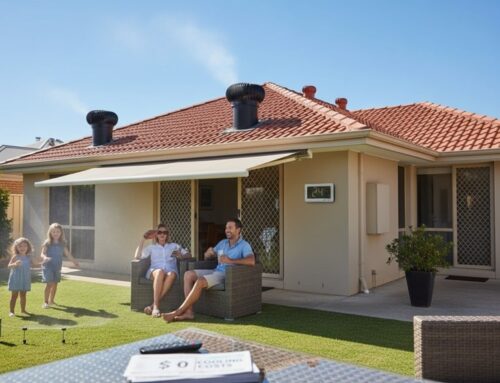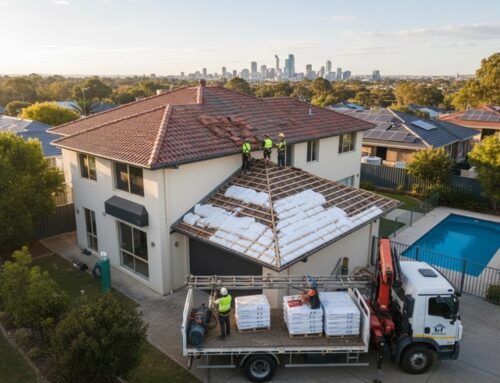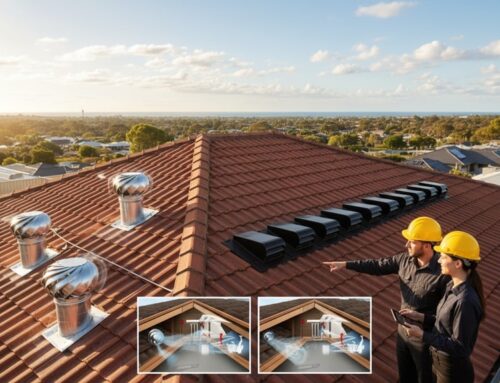
Asbestos roofs in Perth present a serious health risk and a significant barrier to property value. Properties built before 1990 often feature asbestos cement sheeting, a material that deteriorates over time, releasing dangerous fibres into the air. The solution is not restoration or coating; it is complete removal and replacement with modern materials like Colorbond steel.
Permacoat has removed and replaced thousands of asbestos roofs across Perth’s suburbs over 50 years. The process requires licensed professionals, strict safety protocols, and precise installation techniques. Asbestos to Colorbond replacement typically takes 5-7 days and transforms a health hazard into a durable, low-maintenance roofing system backed by manufacturer warranties extending up to 25 years.
Why Asbestos Roofs Cannot Be Restored
Unlike tile or metal roofs that benefit from restoration, asbestos cement sheeting cannot be pressure cleaned, coated, or painted. Australian regulations prohibit disturbing asbestos materials through abrasive methods. Any attempt to clean or coat asbestos creates airborne fibres, the exact hazard these regulations prevent.
Asbestos cement deteriorates predictably in Perth’s climate. UV exposure breaks down the cement matrix binding the asbestos fibres. Coastal properties experience accelerated degradation from salt-laden winds. After 30-40 years, most asbestos roofs show visible weathering, including surface erosion, corner breakage, and brittle edges that crumble when touched.
The health implications outweigh any cost considerations. Asbestos fibres cause mesothelioma, lung cancer, and asbestosis, diseases with latency periods of 20-40 years. Properties with deteriorating asbestos roofs expose occupants, neighbours, and maintenance workers to these risks daily. Re-roofing Perth specialists assess asbestos conditions and provide removal timelines based on deterioration levels.
The Licensed Removal Process
Western Australia’s Department of Health enforces strict asbestos removal protocols. Only licensed asbestos removalists can legally handle roofing materials containing asbestos. The process begins with notification, as removalists must inform WorkSafe WA at least five days before starting work on properties with asbestos exceeding 10 square metres.
Site preparation establishes containment zones. Licensed teams erect scaffolding with protective sheeting that prevents fibre migration beyond the work area. Ground-level barriers protect gardens, driveways, and neighbouring properties. Warning signs notify residents and passersby of asbestos removal in progress.
Removal follows wet methods exclusively. Workers saturate asbestos sheets with water mixed with surfactant, a solution that binds fibres and prevents them becoming airborne. Each sheet is carefully unbolted or unscrewed, never broken or cut. Intact removal minimises fibre release and simplifies disposal.
Personal protective equipment requirements exceed standard construction safety. Removalists wear disposable coveralls, P2 respirators, gloves, and safety boots. The site decontamination process occurs before workers leave the site, as coveralls are sealed in disposal bags, and exposed skin is washed thoroughly.
Disposal and Site Decontamination Process
Asbestos waste travels directly to licensed disposal facilities. In Perth, facilities like Tamala Park accept asbestos materials wrapped in 200-micron plastic sheeting and clearly labelled with asbestos warning signs. Transport vehicles must be licensed, and disposal documentation provides a permanent record of compliant handling.
Post-removal clearance involves comprehensive site cleaning. Licensed teams use HEPA-filtered vacuums to collect residual fibres from roof timbers, gutters, and surrounding areas. Visual inspections confirm no asbestos fragments remain. Some properties require air monitoring, particularly those where occupants remained on-site during removal. This thorough site decontamination process ensures complete safety before new roofing installation begins.
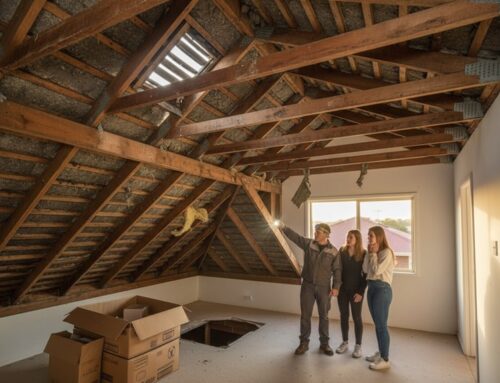
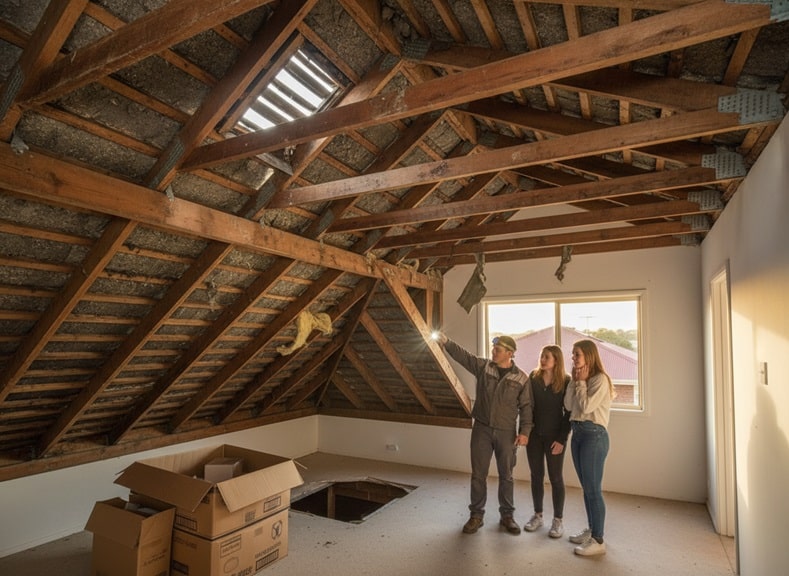
The roof structure undergoes inspection before new materials are installed. Timber battens and rafters are assessed for rot, termite damage, or structural weakness. Properties built in the 1960s-1980s often reveal timber degradation hidden beneath asbestos sheets for decades. Structural repairs occur before Colorbond installation begins.
Why Colorbond Outperforms Other Roofing Materials
Colorbond steel delivers performance characteristics perfectly matched to Perth’s climate. The steel base provides structural strength that resists impact damage from falling branches, a common concern during winter storms. The metallic coating protects against corrosion in coastal suburbs from Fremantle to Quinns Rocks.
The Thermatech solar reflectance technology reduces heat absorption by up to 40% compared to standard roofing. Perth homes experience significant cooling cost reductions during summer months when roof surface temperatures can exceed 70°C. Lighter Colorbond colours, including Surfmist, Shale Grey, and Dune, provide maximum Thermatech solar reflectance while offering aesthetic versatility.
BlueScope Steel warranty coverage demonstrates manufacturer confidence. BlueScope Steel backs Colorbond with perforation warranties extending 25 years in non-coastal areas and 20 years in coastal zones. Paint finish warranties cover 15-20 years depending on location. These BlueScope Steel warranty timeframes exceed typical asbestos roof lifespans by decades.
Maintenance requirements drop dramatically after asbestos to Colorbond replacement. Steel roofing needs no painting, coating, or tile replacement. Annual inspections check fastener tightness and valley cleanliness, tasks homeowners can often perform themselves. Professional maintenance typically occurs every 5-10 years rather than the 10-15 year restoration cycles required for tile roofs.
Installation Process and Timeframes
Colorbond installation begins with sarking installation, a reflective foil laminate installed over roof timbers. Sarking installation provides secondary weather protection, improves thermal performance, and meets Australian building standards for new roof installations. The reflective surface faces downward into the roof cavity, bouncing radiant heat away from living spaces.
Batten installation creates the framework for Colorbond sheets. Treated pine battens are screwed to rafters at specified spacing, typically 900mm centres for residential applications. Precise batten alignment ensures Colorbond sheets lay flat and true. Valleys receive additional structural support through closer batten spacing.
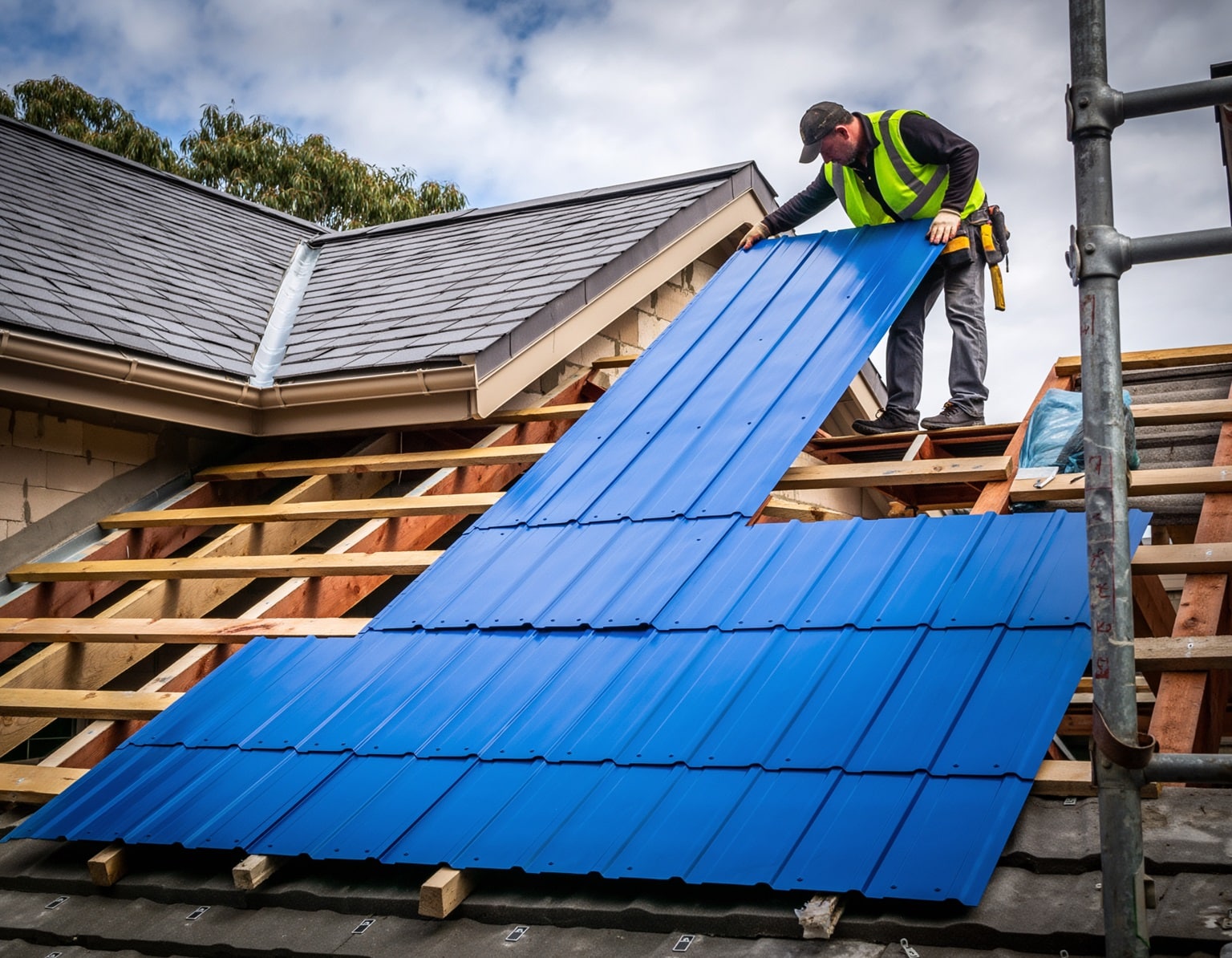
Sheet installation progresses from one edge across the roof plane. Each Colorbond sheet overlaps the previous sheet by one corrugation, creating weather-tight seams. Fasteners are crucial: stainless steel screws with bonded EPDM washers prevent water penetration and provide secure fixing. Screw placement follows manufacturer specifications, as over-tightening damages the washer seal while under-tightening allows water entry.
Flashing and trim work completes the weatherproofing system. Ridge caps cover the roof apex, barges seal gable ends, and valleys channel water toward gutters. Quality installations use matching Colorbond trim pieces rather than generic alternatives. Gutter and downpipe services often coincide with re-roofing projects, as new Colorbond gutters complement the roof while ensuring proper drainage.
Cost Factors and Property Value Impact
Asbestos removal costs reflect the specialised licensing, safety requirements, and disposal fees involved. Perth properties typically face removal costs of $45-$75 per square metre depending on roof complexity and accessibility. A standard 150-square-metre home incurs $6,750-$11,250 in removal costs before considering new roofing installation.
Colorbond installation adds $85-$140 per square metre including materials and labour. The same 150-square-metre property requires $12,750-$21,000 for complete Colorbond roofing. Combined removal and installation costs range $19,500-$32,250, a significant investment that delivers substantial returns.
Property value increases justify the expenditure. Perth real estate agents report that homes with asbestos roofs sell for 5-10% below comparable properties with modern roofing. A $600,000 property loses $30,000-$60,000 in market value due to asbestos roofing alone. Buyers factor in removal costs plus the inconvenience and risk of living under asbestos while arranging replacement.
Insurance considerations add another dimension. Some insurers charge higher premiums for properties with asbestos roofing or exclude asbestos-related claims entirely. Properties with Colorbond roofing often qualify for reduced premiums due to superior fire resistance and storm damage resilience.
Colour Selection and Aesthetic Considerations
Colorbond’s colour range extends beyond functional performance into architectural design. The current palette includes 22 colours from classic neutrals to bold contemporary tones. Perth homeowners gravitate toward lighter colours that reflect heat. Surfmist remains the most popular choice, followed by Shale Grey and Woodland Grey.
Colour selection affects more than aesthetics. Dark colours like Monument and Night Sky absorb significantly more heat than light alternatives. A Surfmist roof can be 30°C cooler than a Monument roof on a summer afternoon. This temperature difference translates to measurable cooling cost savings and improved comfort.
Suburb character influences appropriate colour choices. Heritage areas like Mount Lawley and Subiaco favour traditional tones. Manor Red, Terrain, and Woodland Grey complement period architecture. Coastal suburbs embrace lighter, contemporary colours that suit modern beach house aesthetics. Permacoat provides colour consultation services that consider property style, surrounding homes, and personal preferences.
Colour consistency across roof and trim elements creates cohesive appearances. Matching ridge caps, barges, valleys, and downpipes to the main roof colour produces professional results. Contrasting trim can work but requires careful colour coordination, typically pairing a neutral roof with a complementary trim tone.
Strata Properties and Body Corporate Considerations
Multi-unit properties face unique challenges when replacing asbestos roofs. Strata committees must obtain owner approval for major capital works, prepare detailed cost estimates, and coordinate access across multiple units. Strata managed properties require specialised project management that minimises disruption while maintaining safety standards.
Funding mechanisms vary by strata scheme size and financial reserves. Well-managed schemes maintain capital works funds specifically for major projects like roof replacement. Schemes lacking adequate reserves may require special levies, additional payments from owners to cover project costs. Some schemes arrange staged replacements, completing sections annually to spread costs across multiple financial years.
Asbestos removal in strata properties requires enhanced communication. Residents receive detailed notices about removal dates, safety precautions, and access requirements. Occupied units may need temporary relocation during removal if adequate containment cannot be established. Licensed removalists coordinate with strata managers to address resident concerns and maintain compliance.
The investment benefits all owners equally. Replacing asbestos roofing removes a significant maintenance liability from the strata scheme while increasing individual unit values. Prospective buyers view strata schemes with modern Colorbond roofing as better maintained and lower risk compared to schemes deferring asbestos removal.
Environmental and Sustainability Considerations
Colorbond steel qualifies as a sustainable roofing choice despite being a manufactured metal product. The material is 100% recyclable. End-of-life Colorbond roofing returns to steel mills where it is melted and reformed into new products. This closed-loop recycling prevents roofing waste entering landfills.
The manufacturing process incorporates recycled content. BlueScope Steel uses electric arc furnace technology that produces steel from up to 90% recycled scrap metal. This process requires less energy than primary steel production from iron ore. The environmental footprint of Colorbond production continues decreasing as renewable energy powers more manufacturing facilities.
Thermal performance delivers ongoing environmental benefits. Homes with reflective Colorbond roofing require less air conditioning during Perth’s hot months. Reduced cooling demand lowers electricity consumption and associated greenhouse gas emissions. Over a 50-year lifespan, a Colorbond roof’s energy savings offset the embodied energy in its production.
Asbestos removal provides environmental protection by eliminating a toxic material from the built environment. Proper disposal in licensed facilities contains asbestos fibres permanently, preventing environmental contamination and protecting future generations from exposure risks.
Timing Your Asbestos Roof Replacement
Perth’s mild winter months offer ideal conditions for roof replacement projects. May through September provides comfortable working temperatures and lower rainfall probability. Scheduling during these months reduces weather-related delays and allows workers to maintain productivity throughout the project.
Property sale timelines often drive replacement decisions. Real estate agents recommend completing asbestos removal before listing properties for sale. Pre-sale replacement eliminates a major buyer objection and prevents price negotiations around removal costs. Properties listed with new Colorbond roofing attract more buyer interest and achieve higher sale prices.
Deterioration indicators signal urgent replacement needs. Visible fibre exposure, white or grey fibres protruding from sheet surfaces, indicates advanced deterioration requiring immediate action. Broken corners, cracked sheets, or water stains on ceilings suggest structural failure that poses imminent health risks. Professional roof inspections identify deterioration levels and recommend appropriate action timelines.
Council approval requirements vary by local government area. Some Perth councils classify asbestos roof replacement as exempt development requiring no formal approval. Others require development applications, particularly for heritage-listed properties or homes in special control areas. Licensed contractors navigate these requirements and obtain necessary approvals before commencing work.
Choosing Licensed Professionals for Your Project
Asbestos removal licensing verification protects property owners from legal liability and health risks. The Department of Health maintains a public register of licensed asbestos removalists operating in Western Australia. Property owners should request license numbers and verify them against the register before engaging contractors.
Insurance coverage requirements extend beyond standard contractor policies. Asbestos removal requires specific public liability coverage addressing asbestos-related claims. Minimum coverage levels of $20 million protect property owners if fibres contaminate neighbouring properties or cause health issues years after removal.
Experience with Perth’s building styles matters significantly. Contractors familiar with 1960s-1980s construction understand the timber framing systems, roof pitches, and structural considerations specific to homes built during the asbestos era. This knowledge prevents surprises during removal and ensures proper structural assessment before Colorbond installation.
Comprehensive quotes itemise all project components, including removal, disposal, structural repairs, Colorbond supply, installation, and finishing. Detailed quotes prevent scope disputes and budget overruns. Reputable contractors provide fixed-price agreements covering the complete project from asbestos removal through final Colorbond installation.
Conclusion
Asbestos to Colorbond replacement eliminates health risks while delivering a modern, durable roofing system suited to Perth’s climate. The process requires licensed professionals, strict safety protocols, and proper disposal procedures, non-negotiable requirements that protect occupants and workers throughout the project.
The investment transforms properties structurally and financially. Colorbond roofing increases property values, reduces insurance premiums, and eliminates ongoing maintenance costs associated with aging asbestos materials. BlueScope Steel warranty coverage extending 20-25 years provides long-term protection and confidence.
Perth homeowners facing asbestos roof replacement decisions benefit from professional assessments that evaluate deterioration levels, structural conditions, and project requirements. Permacoat’s 50 years of roofing experience across 30,000+ Perth properties provides the expertise necessary to manage complex asbestos removal and Colorbond installation projects safely and efficiently.
Properties with asbestos roofing require action, whether driven by deterioration concerns, property sale requirements, or proactive risk management. Contact us on (08) 9249 5955 for a free property assessment that evaluates your asbestos roof condition and provides detailed replacement options tailored to your property’s specific requirements and your budget considerations.