Roof sarking represents a critical secondary protection layer that many Perth homeowners overlook until experiencing problems that proper sarking would have prevented. This specialised membrane installed beneath roof tiles or metal sheets provides multiple protective functions including secondary waterproofing, thermal insulation enhancement, and dust infiltration prevention. Professional roof sarking installation Perth contractors perform transforms ordinary roof structures into comprehensive building envelope systems that protect against Perth’s harsh climate conditions.
Understanding sarking benefits and installation requirements helps property owners make informed decisions about this valuable upgrade. Permacoat has installed sarking systems across thousands of Perth properties over 50+ years of roofing service, developing comprehensive expertise in material selection, installation techniques, and performance optimisation for Western Australian conditions. The company’s systematic approach ensures sarking installations deliver maximum protection and value for property owners.
Understanding Roof Sarking Functions and Protection
Roof sarking serves as secondary waterproofing layer beneath primary roofing materials, catching any water that penetrates through tile or metal sheet systems during severe weather events. Wind-driven rain during Perth’s winter storms can force water beneath roofing materials where only sarking prevents penetration into ceiling cavities. This backup protection proves especially valuable for older homes with deteriorated roof tiles or properties in exposed coastal locations.
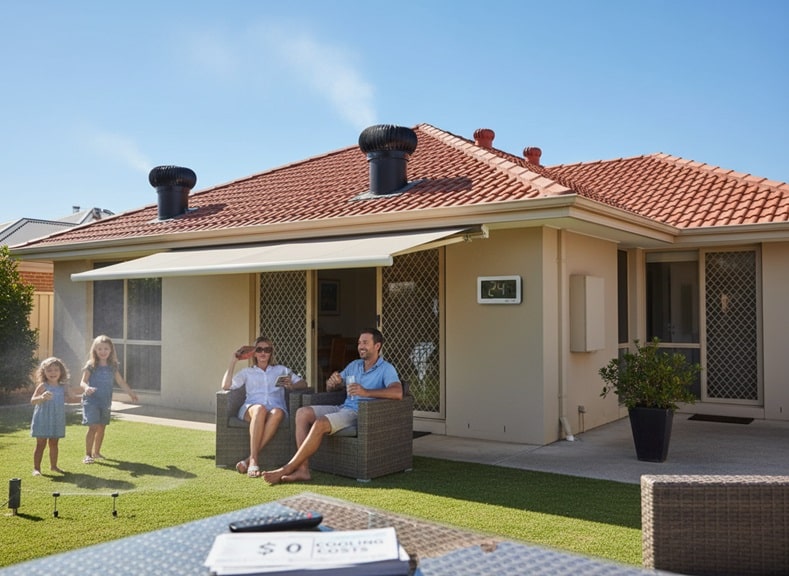
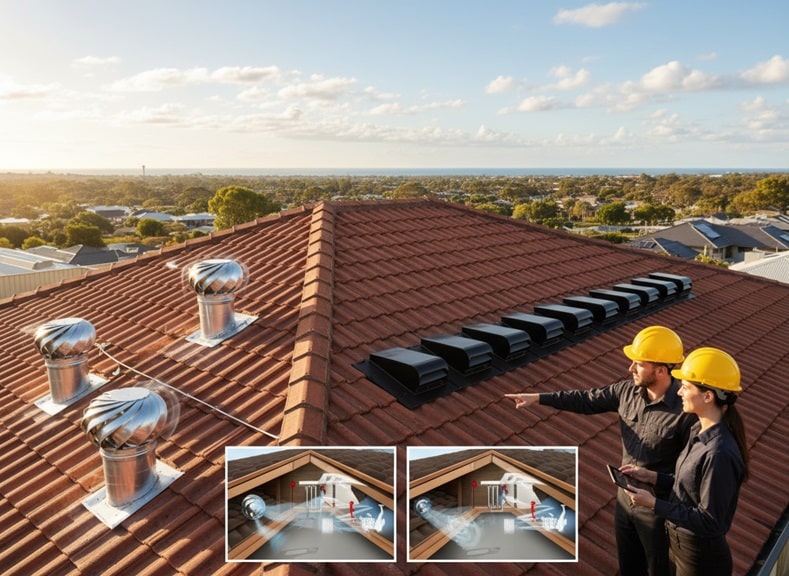
Thermal performance benefits accompany properly installed sarking systems through multiple mechanisms. Reflective foil sarking reflects radiant heat away from ceiling spaces, reducing summer cooling loads by 10-15% in Perth conditions. Breathable membrane systems trap air layers that provide additional thermal resistance whilst allowing moisture vapour transmission. These thermal benefits complement ceiling insulation rather than replacing it, creating comprehensive thermal barriers that reduce energy costs year-round.
Dust and particle infiltration prevention represents an often-overlooked sarking benefit that significantly improves indoor air quality. Perth’s dry climate and prevalent earthworks create airborne dust that penetrates unsealed roof cavities. Without sarking, this dust settles throughout ceiling spaces and infiltrates living areas through light fittings, ceiling vents, and wall penetrations. Breathable roof membrane Perth installations eliminate this infiltration whilst maintaining necessary vapour permeability for moisture management.
Perth Climate Conditions Favouring Sarking Installation
Perth experiences intense summer heat with extended periods exceeding 35-40°C that transform unprotected roof cavities into heat sources radiating into living spaces. Roof surface temperatures regularly reach 65-75°C on tile or metal roofs, creating substantial radiant heat loads. Reflective sarking intercepts this radiant energy before it heats ceiling insulation and transfers into conditioned spaces, reducing air conditioning requirements and improving thermal comfort.
Winter storm events delivering wind-driven rain test roof weatherproofing through sideways rainfall that penetrates beneath tiles more readily than vertical rain. Properties facing prevailing westerly winds experience maximum exposure to these conditions. Sarking provides critical backup protection that prevents moisture penetration when primary roofing cannot maintain complete weather resistance under extreme conditions.
Bushfire risk in Perth’s urban-rural interface areas creates additional protection requirements that sarking addresses effectively. Properties in high bushfire attack level (BAL) zones benefit from ember protection that sarking provides by sealing roof cavities against ember entry through tile gaps or sheet overlaps. This protection complements other bushfire safety measures whilst providing year-round weatherproofing and thermal benefits.
Breathable Membrane Sarking Specifications
Modern breathable membranes represent the premium sarking choice for most Perth applications, offering superior moisture management compared to traditional alternatives. These engineered fabrics feature microporous structures that allow water vapour transmission whilst blocking liquid water penetration. This vapour permeability prevents condensation accumulation in roof cavities whilst maintaining secondary waterproofing function.
Quality breathable membranes specify minimum tensile strength of 150N longitudinally and 100N transversally, ensuring adequate durability during installation and long-term service. UV resistance ratings indicate how long materials can remain exposed before roofing installation completes. Premium products tolerate 3-6 months UV exposure, providing flexibility for project scheduling. This UV resistance proves particularly valuable in Perth’s intense sunlight conditions.
Vapour permeability specifications determine moisture management effectiveness. Breathable membranes should exceed 200g/m²/24hrs water vapour transmission to prevent condensation accumulation whilst maintaining liquid water resistance exceeding 1,000mm water column pressure. These specifications ensure materials function effectively as secondary weather barriers whilst allowing roof cavity moisture to escape rather than accumulating.
Reflective Foil Sarking Characteristics
Reflective foil sarking incorporates aluminium foil layers that reflect up to 95-97% of radiant heat, delivering superior thermal performance in Perth’s hot climate. These multi-layer products typically combine foil facing with reinforcing scrim and backing layers that provide tear resistance and installation durability. The reflective properties work best when air gaps separate foil surfaces from adjacent materials, maximising radiant barrier effectiveness.
Installation requirements for reflective foil differ from breathable membrane approaches due to reduced vapour permeability. Foil products require adequate roof cavity ventilation to prevent moisture accumulation from internal sources. Perth’s dry climate makes moisture management less critical than humid locations, though bathroom and kitchen exhausts still require proper ducting to exterior rather than venting into roof cavities.
Some premium foil products incorporate micro-perforations or breathable layers that provide limited vapour transmission whilst maintaining reflective properties. These hybrid products suit applications where both radiant heat control and moisture management matter. However, fully breathable membranes generally deliver better overall performance for most Perth residential applications unless maximum radiant heat rejection justifies foil selection.
Building Code Compliance and Standards
Australian Standard AS/NZS 4200.2 establishes sarking specifications and installation requirements that professional roof sarking installation Perth work must meet. This standard defines materials testing, performance criteria, and installation methods ensuring sarking systems deliver intended protection. Compliance verification protects homeowners whilst ensuring installations qualify for warranty coverage and insurance recognition.
Bushfire Attack Level (BAL) requirements in designated bushfire-prone areas mandate specific sarking specifications that resist ember penetration and radiant heat exposure. Properties rated BAL-12.5 or higher require sarking with appropriate bushfire resistance ratings. These requirements affect material selection and installation details that qualified installers understand and implement correctly.
Vapour permeability requirements ensure sarking materials suit local climate conditions and building construction methods. Perth’s climate generally favours breathable systems that manage moisture effectively whilst maintaining weather resistance. Building code compliance verification during professional installation ensures materials and methods align with regulatory requirements protecting building longevity and occupant health.
Professional Installation Process and Quality Control
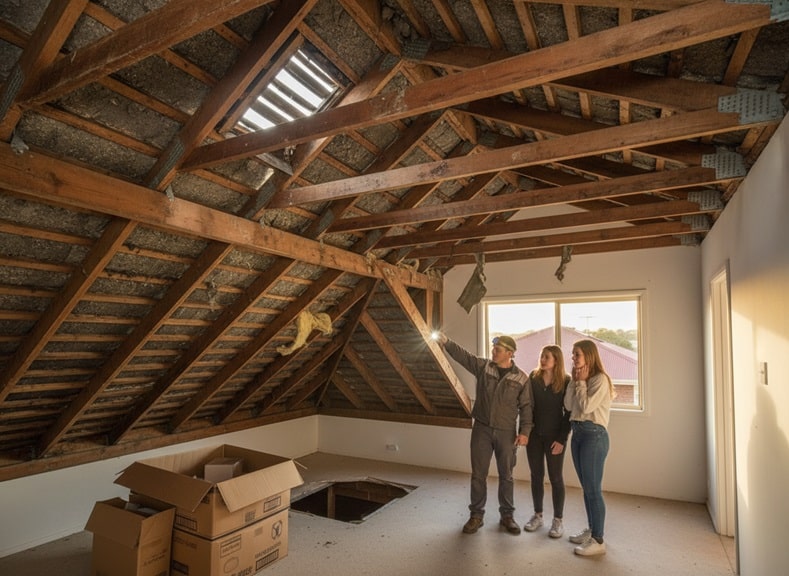
Roof sarking installation Perth standards require begins with proper substrate preparation ensuring batten systems provide adequate support and fastening surfaces. Battens must be straight, structurally sound, and appropriately spaced for specific roof tile or sheet profiles. Any deteriorated battens require replacement before sarking installation proceeds, as sarking cannot compensate for inadequate structural support.
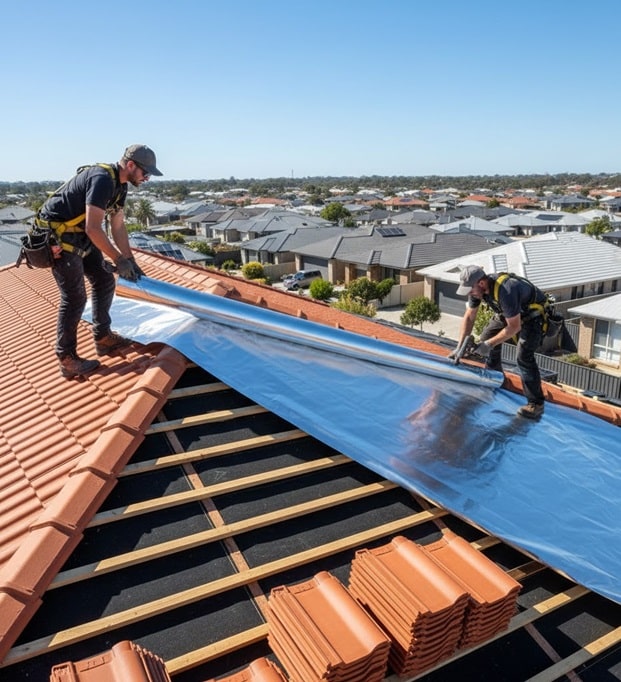
Proper sarking overlap specifications ensure continuous weather protection without gaps allowing water penetration. Horizontal overlaps (up roof slope) should exceed 150mm whilst side laps require minimum 75mm overlap. Professional installers mark overlap lines on sarking surfaces during installation, ensuring consistent coverage without gaps. Fastening at specified intervals secures sarking against wind uplift whilst avoiding over-tensioning that could tear materials.
Valley treatment requires special attention as these high-water-flow areas demand complete sarking coverage extending well beyond valley iron edges. Professional installations ensure sarking continues unbroken across valley locations, tucking beneath valley iron edges whilst maintaining overlaps that direct any water penetration safely toward gutters. This careful valley treatment prevents the concentrated water flows from exploiting sarking discontinuities.
Penetration Sealing and Detail Work
Roof penetrations including vent pipes, electrical conduits, and antenna mounts require careful sarking treatment preventing water entry around these openings. Professional installers cut sarking carefully around penetrations, maintaining minimum clearances whilst using specialised tape or sealant to create weatherproof seals. These detail treatments determine overall system effectiveness, as even small unsealed penetrations allow water entry that defeats sarking’s protective purpose.
Ridge, hip, and eave locations require specific sarking termination details that maintain weather protection whilst allowing necessary ventilation. Ridge and hip areas need sarking overlapping from both sides without creating moisture traps. Eave areas require secure fixing preventing wind uplift whilst allowing ventilation airflow essential for roof cavity moisture management. These details separate professional installations from amateur work that might achieve adequate coverage elsewhere whilst failing at critical transition points.
Quality control during installation includes visual verification of overlap dimensions, fastening patterns, and detail treatments. Progressive inspection as installation advances prevents coverage of defects requiring correction. Professional contractors photograph installed sarking before roofing material installation, documenting complete coverage and proper details. This photographic record supports warranty claims whilst providing verification for building inspectors or insurance assessors.
Retrofit Installation Considerations
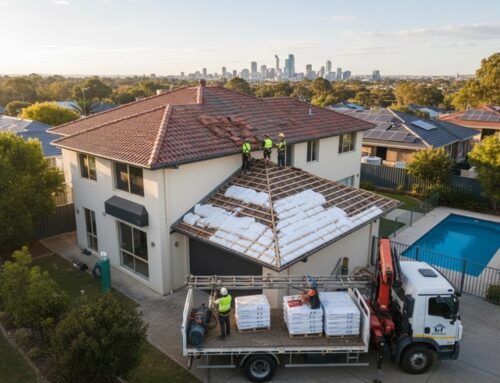
Adding sarking to existing roofs involves greater complexity than new construction installations due to access limitations and integration with existing structures. Complete sarking retrofit requires removing roof tiles or metal sheets, installing sarking over battens, then reinstalling roofing materials. This extensive work typically justifies cost only when combined with roof restoration or re-roofing projects that already require tile removal.
Partial sarking installations targeting specific problem areas represent more economical retrofit approaches for certain situations. Valley sarking additions prevent water penetration in these high-risk locations without requiring complete roof tile removal. Similarly, sarking additions around penetrations or damaged roof sections address localised vulnerabilities. However, these partial approaches sacrifice the comprehensive protection that complete sarking installation delivers.
Access requirements for retrofit sarking installation include safe roof access for workers, appropriate scaffolding or elevated work platforms, and tile storage areas during installation. These logistical considerations affect project costs and timing. Properties scheduling comprehensive roof work should include sarking installation in project scope, as the incremental cost proves minimal compared to access and setup costs for separate sarking projects.
Cost Factors and Investment Analysis
Roof sarking installation Perth pricing reflects several variables including material type, roof size and complexity, access difficulty, and whether installation occurs during new construction or retrofit situations. Breathable membrane materials typically cost $8-15 per square metre whilst premium reflective foil products range $12-20 per square metre. These material costs represent only portion of total installation expense including labour, fasteners, and accessories.
Installation labour costs vary based on roof configuration complexity, with simple gable roofs costing less per square metre than complex hip roofs featuring multiple valleys, penetrations, and detail locations. Two-storey properties requiring scaffolding or elevated work platforms incur higher costs than single-storey structures accessible from standard ladders. Professional quotes should itemise these factors transparently rather than providing simple per-square-metre rates that obscure complexity impacts.
Long-term value analysis demonstrates sarking investment typically recovers costs through multiple benefits. Energy savings from reduced cooling loads deliver ongoing returns, with typical Perth homes saving $150-300 annually on air conditioning costs. Insurance benefits sometimes include premium reductions for properties meeting bushfire protection standards requiring sarking. Property value improvements from enhanced building envelope performance provide additional returns when properties sell.
Energy Performance and Thermal Comfort Benefits
Summer thermal performance improvements from sarking installation reduce peak indoor temperatures by 2-4°C in uninsulated roof cavities or 1-2°C in homes with ceiling insulation. This temperature reduction translates to reduced air conditioning runtime whilst improving thermal comfort in rooms below roof spaces. The effect proves most noticeable in second-storey bedrooms that experience maximum heat gain from roof proximity.
Winter benefits include reduced heat loss through roof cavities and improved condensation management. Sarking reduces infiltration air leakage that accounts for 15-25% of heating energy waste in unsealed roof structures. This infiltration control works synergistically with ceiling insulation, creating more effective thermal barriers that maintain comfortable indoor temperatures with reduced heating requirements.
Radiant barrier effectiveness from foil sarking depends heavily on proper air gap maintenance between foil surfaces and adjacent materials. Installations maintaining 25mm+ air gaps achieve claimed radiant heat rejection rates, whilst compressed installations lose effectiveness dramatically. Professional breathable roof membrane Perth installations ensure proper material positioning and air gap maintenance delivering maximum thermal benefits.
Bushfire Protection and Insurance Considerations
Properties in designated bushfire-prone areas benefit from ember protection that compliant sarking provides. Building in BAL-12.5 or higher zones requires sarking meeting specific ember resistance and radiant heat exposure ratings. These protective systems seal roof cavities against ember entry through tile overlaps or sheet gaps that unsealed roofs allow. This protection proves critical during bushfire events when ember showers test building vulnerability.
Insurance recognition of enhanced bushfire protection sometimes translates to premium reductions for properties meeting or exceeding minimum standards. Property owners should verify with insurers whether sarking installation qualifies for premium adjustments. Documentation from professional installers confirming compliant materials and methods supports insurance discussions whilst providing evidence for future property transactions.
Bushfire safety benefits complement sarking’s year-round weatherproofing and thermal performance, delivering multiple value streams from single installations. This benefit stacking justifies sarking investment even in areas not facing extreme bushfire risk, as the comprehensive protection suite delivers returns across multiple performance categories.
Warranty Coverage and Manufacturer Support
Quality sarking materials carry manufacturer warranties covering material defects and performance failures. Premium breathable membranes typically include 10-15 year warranties against delamination, excessive UV degradation, or failure to meet specified water resistance. Foil products offer similar coverage periods with specific provisions regarding installation compliance and maintenance requirements.
Installation warranties from professional contractors complement material warranties, covering workmanship for 12 months to 3 years depending on contractor standards. These warranties protect against installation defects including inadequate overlaps, improper fastening, or detail treatment failures. Combined material and installation warranties provide comprehensive protection ensuring sarking systems perform as intended throughout expected service life.
Warranty activation typically requires professional installation by qualified contractors following manufacturer specifications. DIY installations or work by uncertified installers void most material warranties, leaving property owners without recourse if materials fail prematurely. This warranty consideration strongly favours professional installation despite higher initial costs compared to amateur approaches.
Maintenance Requirements and Longevity
Installed sarking requires minimal ongoing maintenance beyond periodic inspection verifying continued integrity. Visual checks during roof cleaning or maintenance work identify any visible damage requiring attention. Torn or displaced sarking discovered during routine work should receive immediate repair preventing water penetration or thermal performance degradation.
Service life expectations for quality sarking materials exceed 25-30 years when installed correctly and protected from UV exposure by roofing materials. This longevity means sarking typically outlasts original roof tiles or metal sheets, remaining functional through multiple roofing material replacement cycles. The enduring protection justifies initial installation investment across extended timeframes that exceed typical property ownership periods.
Storm damage assessment following severe weather should include sarking inspection accessible from roof cavity. Water staining on sarking surfaces indicates roof tile or sheet failures requiring attention before water penetrates through sarking into ceiling insulation. Early detection allows roof repairs before minor leaks cause major damage.
Regional Climate Variations Across Perth
Coastal suburbs benefit particularly from sarking’s secondary waterproofing during intense winter storms delivering wind-driven rain. Properties in areas like Scarborough, Cottesloe, or Fremantle face maximum exposure to these conditions where salt-laden winds drive rain beneath roof tiles more readily than inland locations. Sarking provides critical backup protection preventing moisture damage in these challenging environments.
Hills area properties east of Perth encounter higher rainfall and humidity that increase condensation risk in roof cavities. Suburbs like Kalamunda, Mundaring, or Roleystone benefit from breathable membrane sarking that manages moisture vapour effectively whilst maintaining weather resistance. The enhanced moisture management proves especially valuable in these higher-rainfall locations where roof cavity humidity levels challenge building durability.
Northern suburbs face intense solar exposure that maximises reflective sarking benefits through radiant heat rejection. Areas like Joondalup, Wanneroo, or Yanchep experience extreme roof surface temperatures that create substantial cooling loads. Reflective foil sarking in these locations delivers maximum energy savings whilst improving thermal comfort in upper-level living spaces.
Environmental and Sustainability Benefits
Energy consumption reduction from improved thermal performance reduces greenhouse gas emissions associated with cooling and heating. Typical Perth homes with sarking installation reduce annual energy consumption 8-12%, translating to meaningful carbon footprint reductions across building service life. This environmental benefit aligns with broader sustainability goals whilst delivering owner cost savings.
Building longevity improvements from enhanced weather protection reduce material consumption through extended building envelope service life. Sarking prevents moisture damage that deteriorates structural timber, insulation, and interior finishes. This protection reduces renovation and repair frequency, conserving resources whilst reducing waste generation over building lifespans.
Material recyclability varies among sarking products, with some breathable membranes incorporating recycled content whilst remaining recyclable at service life end. Foil products contain aluminium that retains scrap value supporting recycling rather than landfill disposal. Professional contractors should verify material environmental credentials when sustainability ranks among project priorities.
Protecting Your Perth Property Investment
Roof sarking installation represents relatively modest investment delivering substantial protection and performance benefits. The secondary waterproofing, thermal enhancement, and dust prevention functions combine to create comprehensive building envelope improvements that protect property values whilst reducing operating costs. Perth’s climate conditions particularly favour sarking benefits through intense summer heat, winter storm exposure, and bushfire risks in interface areas.
Permacoat’s specialised experience in roof sarking installation Perth homeowners trust stems from 50+ years serving local properties. The company’s systematic approach includes appropriate material selection, proven installation techniques, quality verification, and comprehensive warranty protection. Professional installation ensures sarking systems deliver intended benefits rather than underperforming due to installation defects or inappropriate material choices.
Property owners considering roof restoration, re-roofing, or new construction should include sarking installation in project planning. The incremental cost proves minimal when combined with work already requiring roof tile removal, whilst the long-term benefits justify investment across multiple performance categories. Retrofit installations on existing roofs suit properties experiencing specific problems that sarking addresses or homeowners seeking energy efficiency improvements.
Contact us on (08) 9249 5955 for comprehensive roof assessment including sarking recommendations tailored to specific property conditions. The company’s inspection specialists provide honest evaluation of sarking benefits for individual situations, helping property owners make informed decisions. Free inspection services connect property owners with Perth’s most experienced roofing professionals delivering sarking solutions that protect investments whilst improving comfort and efficiency. Schedule your free inspection today to explore how sarking installation can enhance your property’s performance and protection.