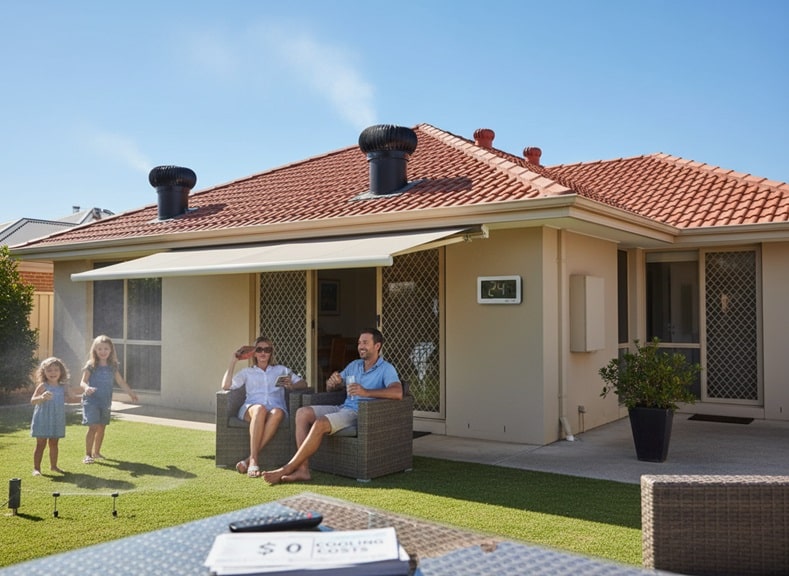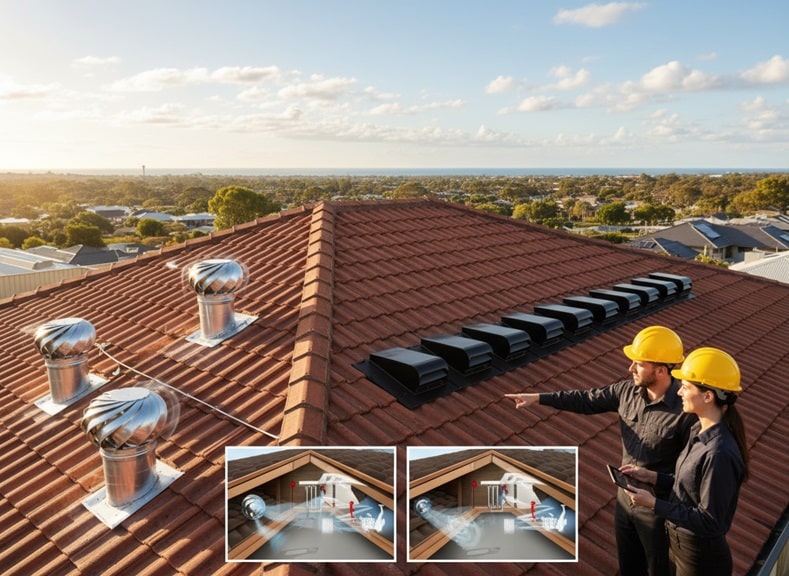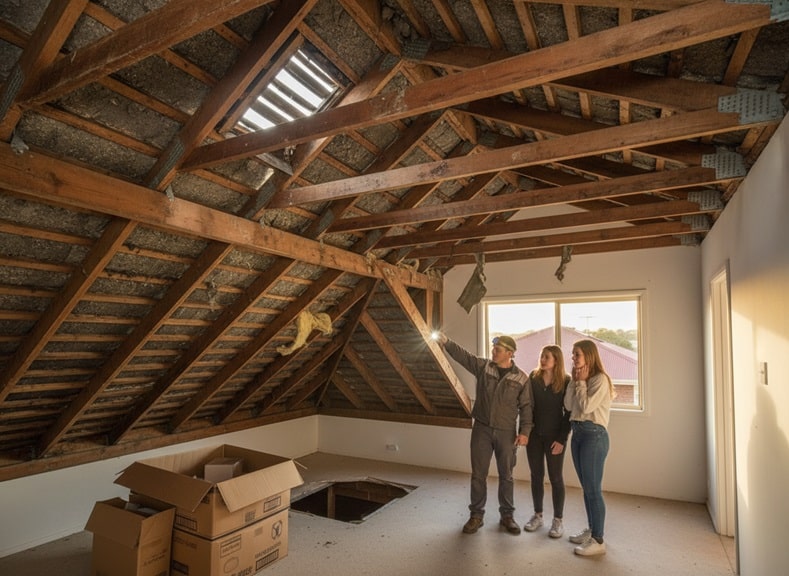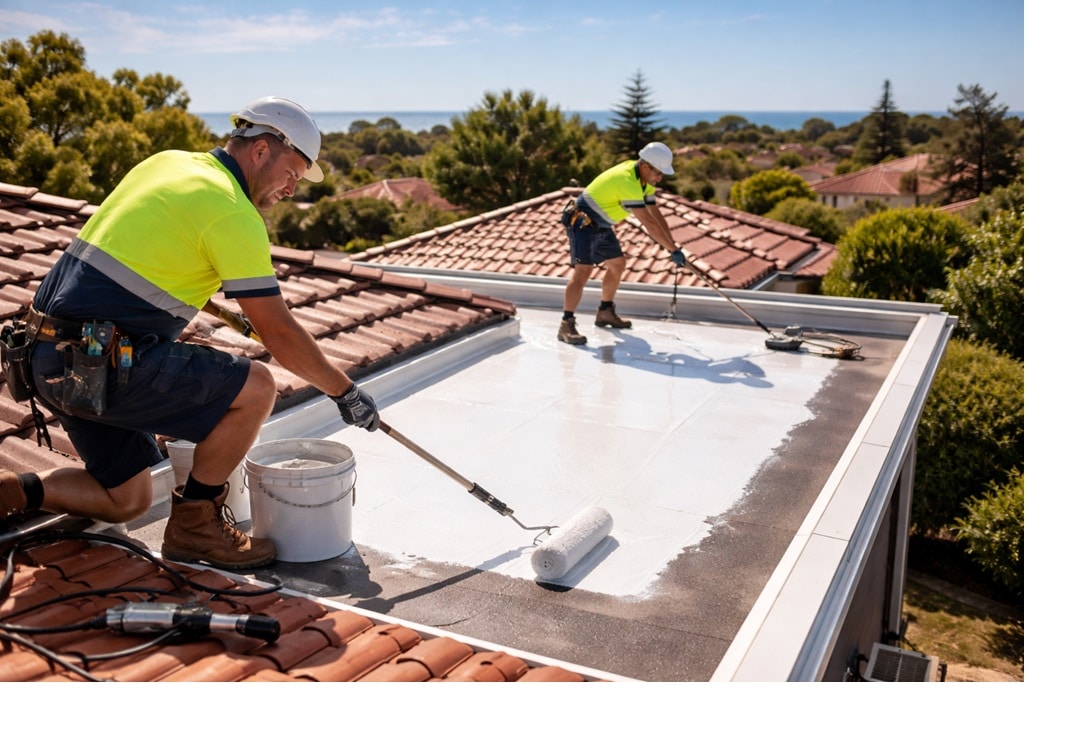
Perth homeowners understand the critical importance of protecting their properties from water infiltration. The city’s unique climate, combining intense summer heat with winter storms and coastal salt exposure, creates demanding conditions for roofing systems. Effective roof waterproofing Perth solutions must withstand these environmental challenges while providing reliable protection for decades.
Traditional roofing approaches often focus solely on replacing damaged tiles or applying surface coatings without addressing the comprehensive waterproof barriers that form the foundation of roof protection. Modern waterproofing membrane systems have evolved significantly, incorporating advanced materials and application techniques that deliver superior performance compared to older methods. Understanding these systems helps property owners make informed decisions about protecting their most valuable assets.
Understanding Modern Waterproofing Requirements
Roof waterproofing extends far beyond simply keeping rain out of living spaces. Comprehensive protection systems manage multiple moisture challenges simultaneously, including direct precipitation, condensation, wind-driven rain, and moisture vapour transmission. Each challenge requires specific solutions integrated into cohesive waterproofing strategies.
Perth’s climate presents particular waterproofing challenges. Summer temperatures frequently exceed 35 degrees Celsius, with roof surfaces reaching substantially higher temperatures under direct solar exposure. These extreme conditions accelerate the degradation of waterproofing materials through UV damage, thermal cycling, and material fatigue. Winter brings heavy rainfall events and strong wind-driven rain that tests waterproof barrier integrity. Coastal properties face additional challenges from salt-laden air that corrodes metal components and degrades certain waterproofing materials.
The consequences of inadequate waterproofing manifest gradually but accumulate inexorably. Initial symptoms often appear as minor ceiling staining or slight musty odours. Behind these visible indicators, moisture infiltrates insulation materials, reducing their effectiveness and promoting mould growth. Timber framing absorbs water, beginning cycles of expansion and contraction that compromise structural integrity. Metal fasteners and roof structure components corrode, weakening connections critical to roof system performance. By the time significant visible damage appears, extensive remediation typically becomes necessary.
Modern building codes recognise these challenges, establishing minimum waterproofing standards designed to protect structures throughout their service lives. These standards specify appropriate materials, installation methods, and performance requirements that roof systems must meet. However, minimum code compliance represents baseline protection rather than optimal performance. Properties in challenging locations or those housing valuable contents benefit from waterproofing specifications exceeding minimum requirements.
Professional roof waterproofing Perth services understand local climate challenges and design protection systems accordingly. Experience with Perth’s specific conditions informs material selection, detailing decisions, and installation techniques that deliver reliable long-term waterproof solutions. This local expertise proves particularly valuable for complex roof configurations, heritage properties, or situations requiring solutions addressing specific challenges.
Types of Waterproofing Membranes
Multiple membrane technologies serve different roofing applications, each offering specific advantages for particular situations. Understanding these options helps property owners select appropriate systems for their requirements.
Sarking membranes form the primary waterproof barrier beneath tile roof coverings. These sheet materials install directly over roof framing before tile installation, creating continuous barriers that intercept any water penetrating through tile coverings. Traditional sarking consisted of reinforced building paper with limited durability and waterproof performance. Modern sarking employs sophisticated materials offering superior characteristics.
Breathable sarking membranes represent significant advances over traditional materials. These products combine waterproof surfaces with vapour permeability, allowing moisture vapour to escape from roof cavities while preventing liquid water infiltration. This dual functionality proves critical in Perth’s climate, where temperature differentials between air-conditioned interior spaces and hot roof cavities promote condensation. Breathable membranes permit this condensation moisture to evaporate, preventing accumulation that would otherwise damage insulation and structural components.
High-performance sarking systems incorporate additional features enhancing durability and performance. UV-resistant formulations withstand extended exposure before tile installation without degradation. High tear-strength materials resist damage during installation and from tile movement. Reflective surfaces reduce heat absorption, lowering roof cavity temperatures and improving building energy efficiency. These premium characteristics deliver long-term value through enhanced performance and extended service life.
Liquid waterproofing membranes apply directly to substrate surfaces, forming seamless barriers without mechanical fasteners or joints. These systems prove particularly valuable for complex geometries, penetration sealing, and detail work where sheet membranes present installation challenges. Liquid membranes cure to form flexible, durable barriers that accommodate substrate movement without cracking or debonding.
Multiple liquid membrane chemistries serve different applications. Polyurethane formulations offer excellent flexibility and durability with good UV resistance. Acrylic systems provide cost-effective protection with easier application but require protection from direct UV exposure. Silicone membranes deliver outstanding weather resistance and maintain flexibility across extreme temperature ranges. Professional specification matches membrane chemistry to specific application requirements, substrate types, and exposure conditions.
Sheet membrane systems for flat and low-slope roofs provide the primary waterproof barrier for these vulnerable roof configurations. Several technologies dominate this market segment, each with distinct characteristics affecting performance, longevity, and cost.
Modified bitumen membranes combine asphalt with polymer modifiers creating materials with enhanced flexibility, durability, and temperature performance compared to traditional built-up roofing. These systems typically install in multiple layers, with each layer contributing to overall waterproof performance and system redundancy. Torch-applied, cold-adhesive, and self-adhering installation methods accommodate different project requirements and safety considerations.
Single-ply membrane systems employ factory-manufactured sheets installed as continuous barriers. TPO (thermoplastic polyolefin) and PVC (polyvinyl chloride) membranes offer excellent durability, UV resistance, and heat-weldable seams creating watertight connections between sheets. EPDM (ethylene propylene diene monomer) rubber membranes provide proven long-term performance with excellent flexibility across temperature extremes. These systems suit various substrate conditions and building types, with proper selection depending on specific project parameters.
Metal roofing systems rely on different waterproofing approaches. Rather than separate waterproof membranes, metal roofs depend on properly lapped and sealed metal panels to exclude water. Underlayment materials beneath metal panels provide secondary protection, intercepting any water penetrating panel connections. High-performance underlayments specifically designed for metal roofing applications protect against the unique challenges these systems present, including potential condensation on metal panel undersides and thermal movement accommodation.
Critical Waterproofing Components and Details
Successful roof waterproofing Perth systems depend on proper attention to critical details and components beyond primary membrane selection. These elements often determine overall system performance and longevity.
Penetration waterproofing addresses roof elements that breach the primary waterproof barrier. Pipes, vents, antenna mounts, and other penetrations create potential leak sources requiring careful detailing. Proper penetration waterproofing involves multiple components working together. Base flashings integrate penetration surrounds with the primary waterproof membrane. Counter-flashings protect base flashing edges and create weather-resistant transitions. Sealants fill gaps and accommodate differential movement between penetrations and surrounding roof materials.
Different penetration types require specific waterproofing approaches. Large penetrations like chimneys or equipment curbs need specially fabricated flashings matching their dimensions and configurations. Small pipes and conduits can use prefabricated flashing boots designed for standard sizes. Each situation demands appropriate materials and installation techniques ensuring reliable water exclusion.
Valley waterproofing presents particular challenges due to concentrated water flow through these roof junctions. Traditional valley construction methods sometimes create vulnerability through inadequate waterproof detailing. Modern approaches address these concerns through multiple strategies. Valley flashings should extend well beyond the valley centre beneath surrounding tiles or roofing materials. Waterproof membranes receive special attention at valley locations, often incorporating reinforcing layers or enhanced materials. Proper valley construction prevents the common problem of water infiltration at these critical locations.
Ridge and hip waterproofing requires attention to areas where different roof planes meet. These elevated locations experience significant wind exposure and weather extremes demanding robust waterproofing solutions. Bedding and pointing materials securing ridge tiles must maintain integrity through thermal cycling and weather exposure. Mechanical fixings increasingly supplement or replace bedding alone, providing additional security against tile displacement. Proper ridge waterproofing prevents water entry while maintaining adequate ventilation for roof cavity moisture management.
Eaves and gutter detailing influences overall waterproofing system performance. The roof perimeter represents a critical transition between roofing materials and building facades. Waterproof membranes must extend to eaves edges, protecting fascias and wall tops from water infiltration. Gutter installation affects this transition, with proper integration preventing water backup under roofing materials during heavy rainfall or blocked gutter conditions.
Ventilation integration with waterproofing systems requires careful coordination. Adequate roof cavity ventilation proves essential for moisture management and building performance, but ventilation penetrations can compromise water barrier installation if improperly detailed. Modern approaches integrate ventilation requirements with waterproofing through specifically designed components. Vent tiles, ridge vents, and eaves ventilation systems all require proper waterproofing details preventing water entry while maintaining adequate airflow.
Installation Best Practices for Lasting Performance
Even superior waterproofing membrane systems fail without proper installation. Perth’s professional roofing industry recognises installation quality as the primary factor determining waterproofing system longevity and performance.
Surface preparation forms the foundation for successful membrane installation. Substrates must be clean, dry, and properly prepared to receive waterproofing materials. Contamination from dirt, oil, or previous coatings can prevent proper adhesion, creating failure points. Moisture within substrates can compromise certain waterproofing membrane types or prevent proper curing of liquid systems. Structural deficiencies require correction before waterproofing installation, as membranes cannot compensate for underlying problems.
Proper fastening and securing ensure membranes remain in position throughout their service lives. Sheet membranes require adequate fasteners at specified spacing to resist wind uplift forces common in Perth’s weather. Fastener selection must consider substrate type, membrane material, and expected loading conditions. Inadequate fastening contributes to many premature waterproofing failures, with membranes pulling free during weather events.
Seam integrity determines waterproofing system effectiveness. Water infiltrates through improperly sealed seams regardless of membrane quality. Different membrane types require specific seaming methods. Heat-welded thermoplastic seams create fusion bonds as strong as the parent material. Adhesive-bonded seams demand proper surface preparation, appropriate adhesive selection, and adequate pressure during bonding. Lapped and sealed seams need sufficient overlap width and compatible sealant materials. Quality installation practices include seam testing to verify waterproof integrity before covering.
Proper membrane terminations and transitions prevent water entry at system edges and junctions with other building elements. Membranes cannot simply stop at edges or abut other materials without proper detailing. Termination bars, edge flashings, and compatible sealants create weather-resistant transitions. These details require particular attention as they represent common failure locations when improperly executed.
Weather conditions during installation significantly affect waterproofing system quality. Most membrane materials have temperature ranges within which proper installation can occur. Cold temperatures affect adhesive performance and material flexibility. High temperatures can cause materials to become too soft for proper handling or accelerate curing beyond controllable timeframes. Moisture presence during installation compromises many systems. Professional installers monitor weather conditions and schedule work accordingly, recognising that proper environmental conditions contribute to successful installation.
Quality control throughout installation protects property owners’ investments. Progressive inspection at critical stages identifies problems before covering conceals them. Documentation through photographs creates permanent records of proper installation. Testing protocols verify performance characteristics before completion. These quality assurance measures distinguish professional installations from inadequate work.
Maintenance Requirements for Waterproofing Systems
Waterproofing systems require ongoing attention to maintain optimal performance throughout their design service lives. Understanding maintenance requirements helps property owners protect their roofing investments.
Regular inspection schedules identify developing problems before they cause significant damage. Annual inspections represent minimum frequency for most residential properties, with additional inspections following severe weather events or when approaching expected service life limits. Professional inspections provide more comprehensive assessment than homeowner observations, employing specialised knowledge and equipment to evaluate waterproofing system conditions.
Common deterioration modes affect different waterproofing system types. UV degradation occurs when protective coating layers fail or wear, exposing base membrane materials to damaging solar radiation. Mechanical damage from foot traffic, falling branches, or equipment installation compromises membrane integrity. Seam separation develops when adhesive bonds weaken or mechanical fastening fails. Ponding water accelerates deterioration of many membrane types, particularly where inadequate drainage allows prolonged moisture exposure.
Prompt repairs maintain waterproofing system integrity and prevent secondary damage. Small defects propagate into larger problems when neglected. Professional repair services match existing membrane materials and employ proper techniques ensuring lasting results. Attempting DIY repairs with incompatible materials or improper methods often worsens problems, creating situations requiring more extensive remediation.
Cleaning requirements vary among waterproofing systems but generally prove important for maintaining performance. Organic debris accumulation retains moisture against membranes, accelerating deterioration. Algae and moss growth can damage certain membrane types. Regular cleaning removes these contaminants, extending waterproofing system service life. Appropriate cleaning methods protect membrane surfaces from damage while effectively removing harmful materials.
Recoating extends waterproofing system service life when base membranes remain structurally sound but protective coatings degrade. Recoating proves particularly relevant for liquid membrane systems and certain sheet membranes where surface protection determines longevity. Professional assessment determines when recoating provides value versus requiring complete system replacement.
Documentation of maintenance activities creates valuable records supporting insurance claims, property transactions, and long-term planning. Photographs, inspection reports, and repair records demonstrate proper property care and inform future maintenance decisions.
Selecting Appropriate Systems for Perth Conditions
Perth’s specific climate and typical housing stock influence waterproofing system selection. Understanding these factors helps property owners choose solutions optimised for local conditions.
Tile roof systems dominate Perth’s established suburbs, with terracotta and concrete tiles covering the majority of residential properties. These roofs require breathable sarking membranes as primary waterproofing. Modern high-performance sarking delivers significant advantages over traditional materials, including superior UV resistance, enhanced tear strength, and reflective properties reducing heat absorption. The modest premium for quality sarking proves economical considering enhanced performance and longevity.
Coastal properties face accelerated weathering from salt exposure. Waterproofing systems for these locations should incorporate corrosion-resistant components and materials proven in marine environments. Metal components require appropriate protective coatings or use of inherently corrosion-resistant materials. Membrane selections should consider exposure conditions, favouring materials demonstrating good salt-fog resistance.
Properties in bushfire-prone areas require waterproofing systems compatible with fire protection requirements. Certain membrane materials contribute to fire vulnerability, while others enhance fire resistance. Professional specification ensures waterproofing system selection supports rather than compromises bushfire protection strategies.
Flat and low-slope roof sections common on contemporary homes require waterproofing approaches different from pitched tile roofs. Single-ply membranes or modified bitumen systems provide appropriate protection for these vulnerable configurations. System selection depends on roof accessibility, substrate type, and exposure conditions. Professional assessment determines optimal solutions for each situation.
Heritage properties present unique waterproofing challenges balancing preservation requirements with effective weather protection. Modern waterproofing materials can enhance heritage roof performance without compromising architectural character. Careful material selection and sensitive installation techniques protect these valuable structures for future generations.
Budget considerations influence waterproofing system selection but should balance initial cost against long-term value. Economy systems meeting minimum code requirements cost less initially but may require earlier replacement or more frequent maintenance. Mid-range systems offering enhanced materials and construction quality deliver better lifecycle value. Premium systems incorporating the best materials and construction techniques cost more upfront but provide superior long-term waterproof solutions and potentially lower lifecycle costs through reduced maintenance requirements and longer service life.
Professional Installation vs DIY Considerations
Waterproofing system installation demands specific knowledge, skills, and equipment that determine outcomes significantly. Understanding these requirements helps property owners make informed decisions about professional engagement versus DIY approaches.
Technical knowledge requirements extend beyond basic construction skills. Proper waterproofing demands understanding of building science principles including vapour transmission, condensation management, and thermal performance. Material compatibility knowledge prevents using combinations that degrade or fail. Building code familiarity ensures installations meet regulatory requirements. Professional installers possess this knowledge through training and experience, applying it to deliver code-compliant, high-performance results.
Material handling skills prove critical for quality outcomes. Many waterproofing materials require specific handling to prevent damage and ensure proper performance. Sheet membranes can tear or stretch if mishandled. Liquid membranes need precise mixing and application to achieve specified film thicknesses. Temperature-sensitive materials require appropriate storage and conditioning before use. Professional installers understand these requirements and employ proper handling throughout installation.
Specialised equipment often proves necessary for proper waterproofing installation. Heat-welding equipment for thermoplastic membranes requires training and experience to operate safely and effectively. Spray equipment for liquid membranes demands expertise to achieve uniform application. Fastening tools must drive fasteners to proper depths without damage. Most homeowners lack access to this specialised equipment and the experience using it properly.
Safety considerations assume particular importance for roofing work. Height exposure creates fall hazards requiring proper protection. Hot work from torch-applied membranes presents fire risks. Chemical exposures from certain waterproofing materials demand appropriate respiratory protection and ventilation. Professional installers maintain safety equipment and training protecting workers throughout projects. Homeowners attempting waterproofing work risk injury without proper safety measures.
Warranty implications of DIY installation merit serious consideration. Professional installations typically include workmanship warranties protecting property owners from installation defects. Material manufacturers often condition product warranties on professional installation, voiding coverage for DIY applications. These warranty protections provide valuable risk mitigation that DIY approaches sacrifice.
Time requirements for waterproofing projects extend beyond simple material application. Proper surface preparation consumes significant time but proves essential for successful outcomes. Multiple membrane layers or coating applications require adequate curing time between layers. Weather restrictions may delay work, extending project timelines. Professional installers efficiently manage these requirements, completing projects promptly without compromising quality.
The complexity of modern waterproofing systems favours professional installation for most situations. While basic repairs might suit experienced homeowners with appropriate skills, comprehensive waterproofing system installations benefit from professional expertise, equipment, and experience delivering reliable results.
Integration with Complete Roof Protection Strategies
Waterproofing membrane systems function as components within broader roof protection strategies rather than standalone solutions. Understanding these relationships optimises overall roof performance.
Roof coatings complement waterproofing systems by providing additional weather protection and extending service life. Dulux Acratex coating systems, widely used across Perth, create durable protective coating layers over waterproof membranes and tiles. These coatings resist UV degradation, shed water effectively, and offer aesthetic enhancement through colour selection. The combination of quality waterproofing membranes and protective coatings delivers comprehensive protection exceeding either component alone.
Proper drainage design works in concert with waterproofing to manage water effectively. Even excellent waterproofing cannot compensate for inadequate drainage creating ponding conditions that accelerate deterioration. Valley design, gutter sizing, and roof slope all influence drainage effectiveness. Professional roof design integrates drainage with waterproofing, ensuring water moves off roofs quickly without stressing waterproof barriers.
Ventilation systems interact with waterproofing, affecting roof cavity moisture conditions. Adequate ventilation removes moisture vapour, reducing condensation risks that can compromise certain waterproofing materials and promote mould growth. Proper ventilation integration maintains waterproofing integrity while optimising building performance.
Regular maintenance supports waterproofing system longevity. Keeping gutters clear prevents water backup that can overwhelm waterproof barriers. Removing accumulated debris prevents moisture retention against membranes. Addressing minor damage promptly prevents progression into major failures. This maintenance mindset extends waterproofing system service life substantially.
Professional roof restoration integrates waterproofing assessment and renewal with other roof system components. Comprehensive restoration addresses all roof elements simultaneously, creating synergies that individual repairs cannot achieve. This holistic approach delivers optimal long-term performance and value.
Permacoat’s extensive experience serving Perth homeowners demonstrates the value of integrated roof protection approaches. With over 50 years protecting more than 30,000 Perth properties, the company understands how waterproofing systems interact with other roof components to deliver comprehensive protection. As a Dulux Acratex accredited provider, Permacoat combines quality materials with expert installation, backing work with comprehensive warranties providing property owners confidence in their roof protection investments.
Taking Action on Waterproofing Needs
Property owners recognising waterproofing concerns or approaching roof system service life limits benefit from professional assessment guiding informed decisions.
Warning signs indicating waterproofing problems include interior ceiling staining, musty odours suggesting hidden moisture, visible membrane damage or deterioration, and excessive roof cavity condensation. Any of these symptoms warrant prompt professional evaluation determining problem extent and appropriate solutions.
Proactive assessment before problems manifest provides significant advantages. Identifying deteriorating waterproofing systems before failure allows planned remediation on convenient schedules. Emergency repairs during weather events cost more and create greater disruption than scheduled work. Regular professional assessment enables proactive maintenance optimising lifecycle costs.
Multiple factors influence waterproofing system longevity requiring consideration when planning maintenance or replacement. Material quality, installation quality, exposure conditions, and maintenance history all affect service life. Professional assessment considers these factors, providing realistic projections of remaining service life and recommendations for optimising performance.
Budget planning for waterproofing work benefits from professional guidance. Comprehensive assessments identify all work required, supporting accurate cost estimates. Understanding the relationship between waterproofing and other roof system components helps prioritise work optimising investment. Professional installers often offer financing options making necessary work affordable.
Selecting qualified waterproofing contractors requires evaluation of several factors. Relevant experience with local conditions, proper licensing and insurance, positive references from previous clients, and clear written proposals specifying work scope and materials all indicate professional capability. Permacoat’s established reputation, comprehensive insurance coverage, and proven track record across Perth’s metropolitan area demonstrate the qualifications property owners should seek.
Perth homeowners benefit from the city’s competitive roofing industry offering quality services at reasonable costs. Taking advantage of this competitive market requires understanding waterproofing system requirements and evaluating contractors based on value rather than price alone. The lowest bid frequently reflects compromised materials or installation quality that proves costly long-term.
Protecting Perth Properties Through Proper Waterproofing
Effective roof waterproofing Perth systems form the foundation of property protection against water damage. Modern waterproofing membrane systems offer superior performance compared to traditional approaches, delivering reliable protection throughout long service lives when properly selected, installed, and maintained.
Understanding waterproofing system types, components, and requirements empowers property owners to make informed decisions protecting their investments. Professional assessment identifies appropriate solutions for specific situations, considering local climate challenges, building characteristics, and budget parameters. Quality water barrier installation by experienced contractors ensures waterproofing systems perform as designed, while ongoing maintenance extends service life and prevents premature failures.
The integration of waterproofing with comprehensive roof protection strategies delivers optimal results. Combined with protective coatings, proper drainage, adequate ventilation, and regular maintenance, quality waterproofing systems protect Perth properties for decades. This holistic approach recognises that roof performance depends on multiple interacting systems working together effectively.
Perth property owners concerned about waterproofing system condition or planning roof projects should seek professional evaluation. Expert assessment identifies current conditions, remaining service life, and appropriate maintenance or replacement strategies. Professional installation ensures work meets high standards, backed by warranties protecting property investments.
Connect with us on (08) 9249 5955for comprehensive roof waterproofing Perth assessment and professional solutions tailored to your property’s specific requirements. With extensive local experience, quality materials, and expert installation backed by comprehensive warranties, Permacoat delivers waterproofing systems protecting Perth homes through the city’s challenging climate conditions.