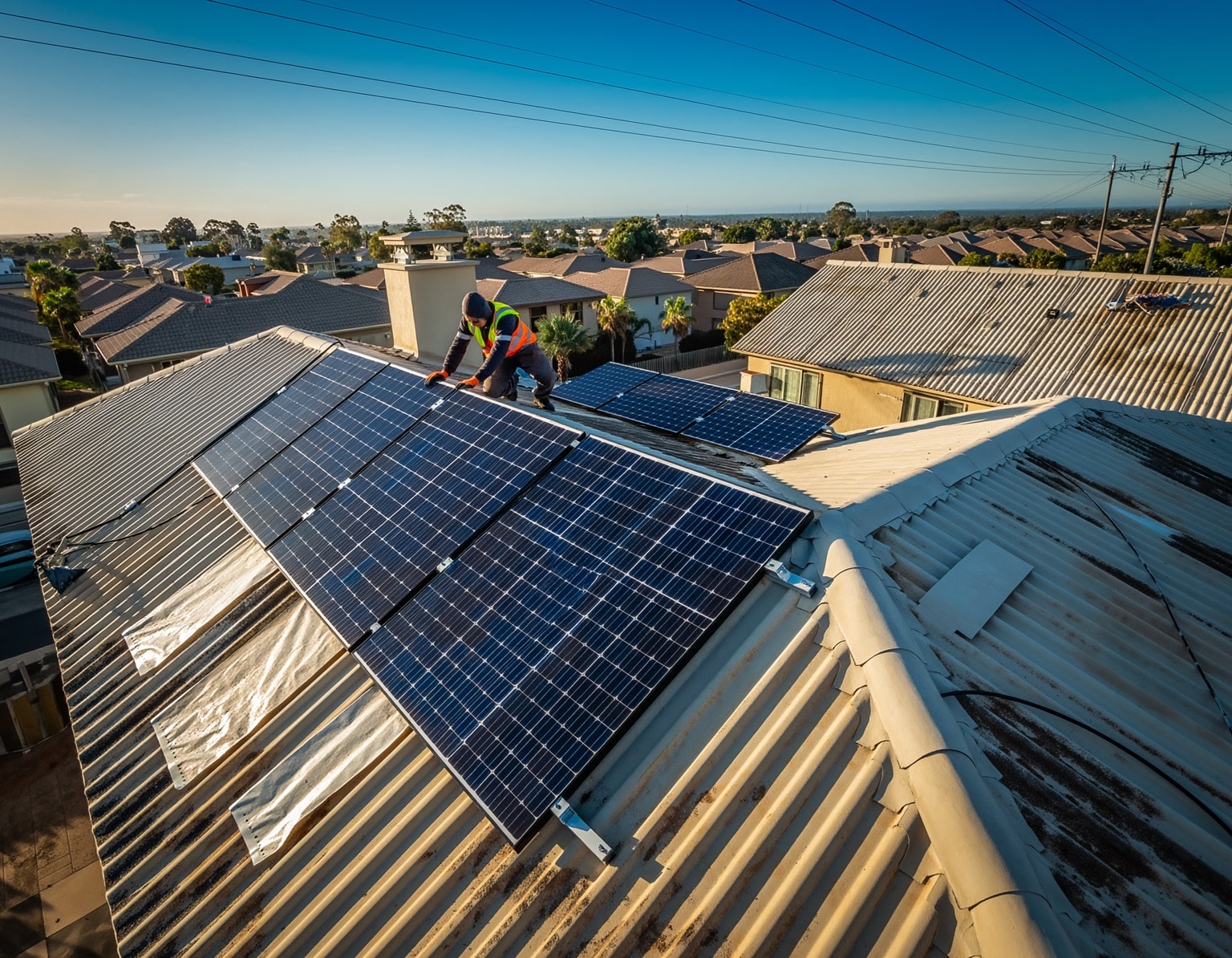
Solar panels protect Perth homes from rising energy costs, but they create a significant challenge when roof repairs become necessary. The panels must be professionally removed, the underlying roof work completed, then the entire solar system reinstalled and reconnected, a process that adds complexity, cost, and coordination to what might otherwise be straightforward repairs.
Perth’s solar adoption rate sits among Australia’s highest, with more than 40% of households generating electricity. This widespread installation means thousands of homeowners will eventually face the intersection of solar maintenance and roof care. Understanding how these systems interact, what removal involves, and how to plan for both maintenance needs prevents costly mistakes and protects both investments.
Why Roof Repairs Require Solar Panel Removal
Solar panels mount directly to roof structures through brackets and rails that penetrate the roofing surface. These mounting points create potential leak paths that require proper sealing, and the panels themselves cover substantial roof areas, often 20-40 square metres for residential systems.
When roof repairs Perth become necessary, panels frequently block access to damaged areas. A leak in a valley beneath solar arrays, cracked tiles under mounting brackets, or deteriorated coating across panel-covered sections all require complete system removal to address properly. Valley leak repairs in particular demand full access to properly seal and waterproof these critical drainage channels.
The mounting hardware itself can contribute to roof problems. Poorly installed brackets may allow water penetration, while excessive weight concentration can stress tile or metal roofing. Some installations use inappropriate fixings that compromise roof integrity, creating problems that only become apparent years later when roof maintenance is due. Proper mounting hardware protection during any roof work prevents damage to these essential components.
Perth’s climate accelerates both solar panel aging and roof deterioration. Coastal properties face salt exposure that corrodes mounting hardware, while inland homes endure extreme UV exposure and temperature cycling. These conditions mean solar panels and roofs often require attention on different timescales, forcing homeowners to coordinate maintenance across both systems.
The Solar Panel Removal Process
Professional solar panel removal for roof repairs follows strict electrical and structural protocols. The process begins with complete system shutdown and solar system disconnection by licensed electrical contractors, as panels generate voltage whenever light hits them, even on cloudy days.
Each panel must be carefully unbolted from mounting rails, with proper handling to prevent glass breakage or frame damage. The rails themselves then detach from roof-mounted brackets, which may or may not be removed depending on the scope of roof work required. Throughout this process, mounting hardware protection remains essential to preserve components for reinstallation.
Documentation becomes critical during removal. Technicians photograph the original installation layout, label all components, and record electrical connections. This information ensures correct reinstallation, as improper panel arrangement or wiring can reduce system performance or create safety hazards.
Storage presents its own challenges. Solar panels require weather-protected storage with proper support to prevent frame warping. The average 5kW residential system contains 15-20 panels, each weighing approximately 20 kilograms, requiring substantial secure storage space for the duration of roof work.
Coordinating Roofing Work with Solar Systems
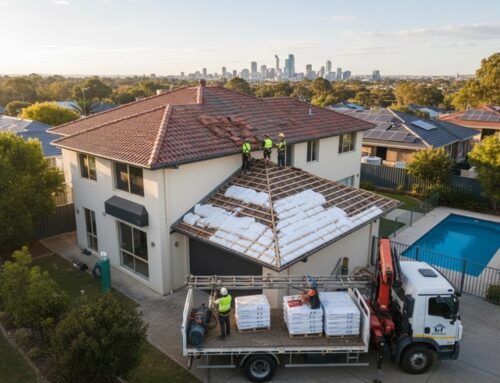
Successful roof restoration Perth projects involving solar panels require coordination between three separate trades: solar electricians for solar system disconnection and reconnection, roofing specialists for the actual roof work, and potentially structural engineers if mounting point integrity is questioned.
The sequence matters significantly. Solar removal must occur first, creating a clean workspace for roofing teams. The roof work must be fully completed and properly cured before panel reinstallation, particularly important for coating applications that require several days of drying time.
Weather coordination becomes more complex with solar systems involved. The roof sits exposed between panel removal and reinstallation, potentially for several weeks depending on the scope of restoration work. Scheduling must account for Perth’s weather patterns, avoiding winter storms that could damage the unprotected roof or stored panels.
Communication gaps between trades create the most common problems. The roofing team may inadvertently damage mounting brackets, the solar installer might drill new penetrations without proper sealing, or electrical reconnection might occur before coating fully cures. Clear project management prevents these costly mistakes.
Cost Considerations for Solar Panel Removal
Solar panel removal for roof repairs and reinstallation typically adds $1,500-$3,000 to roof repair projects, depending on system size and complexity. This cost covers electrical disconnection, physical removal, secure storage, reinstallation, electrical reconnection, and system testing.
Larger systems increase costs proportionally. A 10kW system with 30-40 panels requires more labour and storage than a basic 5kW installation. Difficult roof access, two-storey installations, or complex electrical configurations further increase expenses.
Some solar companies offer removal and reinstallation services as standalone offerings, while others require bundling with new equipment purchases or system upgrades. Obtaining multiple quotes from licensed electrical contractors provides cost comparison, though the cheapest option may not include proper insurance coverage or warranty protection.
Hidden costs emerge when removal reveals underlying problems. Mounting brackets may have caused tile damage requiring replacement, or improper original installation might necessitate new mounting hardware. The original installer may no longer be in business, complicating warranty claims for installation defects discovered during removal.
Roof Inspection Before Solar Installation
The ideal time to address roof condition is before solar panel installation, not after. A comprehensive roof inspection identifies problems that would require panel removal to fix, allowing repairs while the roof remains fully accessible.
Tile roof repairs become significantly more complicated once panels cover the surface. Cracked tiles, deteriorated bedding, or valley leak repairs should be resolved before mounting solar equipment that will remain in place for 20-25 years.
Roof age provides a practical guideline. If the roof will likely require restoration within 5-10 years, completing that work before solar installation eliminates the need for expensive panel removal. The coating system protects mounting points and extends overall roof life, supporting the solar investment rather than complicating it.
Perth property owners planning solar installations should request roof condition assessments from experienced roofing specialists. Permacoat’s inspection service identifies potential problems and provides realistic timelines for when restoration might become necessary, allowing informed decisions about whether to restore before or after solar installation.
Protecting Both Investments Long-Term
Solar panels and roofs require different maintenance schedules, but coordinated care protects both systems. Regular inspections identify small problems before they escalate into major repairs requiring full panel removal.
Annual roof inspections should specifically examine areas around solar mounting points, checking for water stains, loose tiles, or bracket movement. These signs indicate potential problems that will worsen if ignored, eventually requiring expensive intervention.
Panel cleaning provides an opportunity for roof assessment. When solar maintenance occurs, the technician can photograph roof conditions beneath and around arrays, documenting any changes over time. This visual record helps identify deterioration patterns before leaks develop.
Gutter and downpipe maintenance becomes more critical with solar installations, as panels concentrate water flow to specific roof areas. Blocked gutters can cause water backup beneath panel arrays, creating leak risks that remain hidden until significant damage occurs.
Warranty Implications of Solar Removal
Both roof warranties and solar warranties require careful consideration during panel removal projects. Many roof coating warranties specifically exclude coverage for leaks caused by solar mounting point penetrations, placing responsibility on the solar installer for those potential failure points.
Solar equipment warranties typically remain valid through professional removal and reinstallation, provided licensed electrical contractors perform the work. However, the labour warranty for the original installation may not transfer, meaning reinstallation costs fall to the homeowner even if the original work was defective.
Documentation protects warranty coverage. Detailed photographs before removal, during roof work, and after reinstallation provide evidence if disputes arise about what caused specific problems. This record proves particularly valuable if different companies handle removal and reinstallation.
Permacoat’s 15-20 year coating warranty, 12-month leak warranty, and 3-year labour warranty provide comprehensive protection for the roof restoration itself. However, homeowners must ensure their solar installer provides equivalent warranty coverage for the reinstallation work, as coordination failures between trades can create coverage gaps.
Alternative Approaches to Consider
Some roof repairs can be completed without full solar panel removal. Minor repairs to accessible areas, roof cleaning services around panel perimeters, or targeted tile replacement might work around existing installations.
However, these partial approaches carry risks. Incomplete access may result in missed problems, while working around panels creates trip hazards and limits proper surface preparation. Most professional roofing companies recommend full removal for any substantial restoration work to ensure quality outcomes.
Timing roof restoration to coincide with planned solar upgrades or replacements eliminates duplicate removal costs. If the existing solar system approaches its 15-20 year replacement timeline, scheduling roof work just before new panel installation means removal costs are absorbed into the solar upgrade project.
For properties requiring both extensive roof work and solar system replacement, completing both projects simultaneously with coordinated contractors provides the most cost-effective approach. The roof receives proper restoration without existing panels complicating the work, then new solar equipment installs on a freshly restored surface with optimal remaining life.
Choosing Qualified Professionals
Solar panel removal for roof repairs requires licensed electrical contractors with specific solar accreditation. Not all electricians possess the necessary training and insurance coverage for this specialised work. Verify licensing through the Clean Energy Council’s installer database before engaging services.
The roofing contractor should have documented experience working on properties with solar installations. This experience includes understanding how to protect mounting hardware, properly seal around brackets during restoration, and coordinate timing with solar trades. Mounting hardware protection throughout the project prevents costly component replacement.
Insurance coverage becomes critical when multiple trades work on a single project. Each contractor should carry appropriate public liability and workers compensation insurance. If damage occurs to solar equipment during roofing work, or to the roof during panel removal, clear insurance coverage prevents disputes about financial responsibility.
Permacoat’s 50 years of experience includes extensive work on solar-equipped properties across Perth’s diverse suburbs. The team understands the coordination requirements, timing considerations, and technical details that ensure both roofing quality and solar system protection throughout the restoration process.
Planning Your Roof and Solar Maintenance
Perth homeowners with solar installations should develop long-term maintenance plans that account for both systems. This planning includes budgeting for eventual roof restoration that will require panel removal, scheduling regular inspections of both roof and solar equipment, and maintaining relationships with qualified professionals in both trades.
Financial planning should account for the combined costs of roof restoration and solar removal, typically $8,000-$15,000 for average residential properties depending on roof size, condition, and solar system complexity. Setting aside funds over time prevents the financial shock when both systems require attention simultaneously.
Documentation of original installations provides valuable reference information. Keep records of solar installation dates, equipment specifications, installer details, and any roof modifications made to accommodate panels. This information streamlines future maintenance and helps new contractors understand the property’s history.
Regular professional inspections identify problems early when solutions remain simple and affordable. Annual roof assessments and biennial solar system checks catch deterioration before it requires emergency intervention, allowing planned maintenance rather than crisis response.
Making the Right Decision for Your Property
The intersection of solar energy and roof maintenance presents challenges, but proper planning and professional guidance create manageable solutions. Understanding removal requirements, coordinating qualified trades, and maintaining both systems appropriately protects these significant property investments.
Perth’s climate and high solar adoption rates mean this issue affects thousands of homeowners. Those who address it proactively, through pre-solar roof inspections, regular maintenance, and coordinated planning, avoid the stress and expense of emergency repairs requiring urgent panel removal.
Permacoat’s team provides expert guidance on managing roof maintenance for solar-equipped properties. With 30,000+ roofs restored across Perth and comprehensive understanding of how solar installations interact with roof systems, the company helps homeowners make informed decisions about timing, costs, and coordination requirements.
Contact our team on (08) 9249 5955 for a free roof inspection that specifically assesses property condition in relation to existing or planned solar installations. This assessment provides clear information about whether restoration should occur before solar installation, how long the current roof will support existing panels, or what coordination will be required if both systems need attention simultaneously. Professional evaluation eliminates guesswork and protects both roof and solar investments for decades to come.