When a storm tears through Perth at 2am and water starts dripping through your ceiling, panic sets in fast. Professional roof repair crews book out within hours during WA’s winter storm season, leaving homeowners facing days or even weeks before permanent repairs can begin. That gap between damage and professional repair is when the real destruction happens. Water that seeps through a damaged roof doesn’t just create a puddle on your floor. It saturates insulation, rots timber framing, damages electrical systems, and creates conditions for mould growth that can cost tens of thousands to remediate.
The difference between minor damage and catastrophic loss often comes down to what happens in those first 24-48 hours. Temporary roof repair measures aren’t about fixing the problem permanently. They focus on stopping secondary damage and water damage prevention until experienced professionals can assess the situation and perform proper restoration work.
Understanding When Temporary Repairs Are Necessary
Not every roof issue requires emergency temporary measures. A few missing tiles spotted during sunny weather can wait for scheduled repairs. But certain situations demand immediate action to prevent escalating damage.
Storm damage represents the most common emergency scenario across Perth and regional WA. When high winds lift tiles, tear flashing, or send tree branches through roof sections, immediate water ingress becomes likely. Even if rain has stopped, the next weather event could be hours away.
Sudden leak discovery during heavy rain indicates existing damage that’s now allowing water penetration. Once water finds a path through your roof system, it will follow that route with every subsequent rainfall, progressively worsening the damage to underlying structures.
Structural damage from falling trees, severe hail, or other impact events creates openings that expose your home’s interior to elements and wildlife. These situations require urgent temporary protection while waiting for insurance assessments and roof repairs Perth teams to schedule permanent work.
Deteriorated flashing or valleys discovered during routine inspection may not seem urgent, but if weather forecasts show approaching storms, temporary waterproofing becomes prudent. Perth’s winter weather systems can deliver weeks of intermittent rain, and waiting for ideal conditions to schedule repairs isn’t always practical.
Safety Considerations Before Climbing on Your Roof
Before attempting any temporary roof repair work, understand that working at height on potentially damaged, wet, or unstable roof surfaces represents serious risk. More homeowners are injured falling from roofs than from the original storm damage itself.
Never attempt roof access during:
- Active storms or high winds
- Wet conditions when surfaces are slippery
- Darkness or poor visibility
- If you feel uncertain or uncomfortable with heights
- When working alone without someone aware of your activity
WA’s tile roofs present particular challenges. Terracotta and cement tiles can crack under foot traffic, especially if already damaged or deteriorated. Metal roofs become extremely slippery when wet. The pitch of many Perth roofs, designed to shed water quickly, makes stable footing difficult even in ideal conditions.
If damage is visible from ground level or accessible through roof windows, address what’s safely reachable and contact professionals for the rest. Permacoat’s team has restored more than 30,000 roofs across Perth and understands that proper safety equipment, experience navigating different roof types, and insurance coverage for high-risk work makes professional assessment worthwhile for anything beyond minor, easily accessible issues.
Essential Materials for Temporary Roof Repairs
Having emergency repair materials on hand before storm season arrives saves critical time when damage occurs. Most items remain shelf-stable for years and cost significantly less than the water damage they prevent.
Heavy-duty tarps (preferably silver or blue poly tarps) in sizes ranging from 3×4 metres to 6×8 metres provide versatile coverage for various damage scenarios. Heavy-duty tarp installation is one of the most effective water damage prevention measures available to homeowners. Cheaper tarps tear easily under wind stress, so invest in reinforced versions with UV protection.
Roofing cement or roof sealant in caulking tubes allows quick sealing of small cracks, gaps around flashing, or minor penetrations. These products remain flexible after curing, accommodating normal roof movement.
Waterproof tape specifically designed for roofing applications (not standard duct tape) can temporarily seal small tears in sarking or create emergency waterproofing over minor damage. Sarking layer protection is essential because once water reaches this membrane, structural damage accelerates rapidly. Products like Gorilla Tape Waterproof Patch & Seal work better than hardware store duct tape.
Sandbags or weight bags secure tarps without requiring penetrations through your roof surface. Never nail or screw tarps directly to tiles or metal because you’ll create additional leak points and damage that complicates permanent repairs.
Timber battens (2×4 or similar) help anchor tarp edges and create proper water runoff angles. Combined with rope or ratchet straps, they allow secure tarp installation without roof penetrations.
Safety equipment including a properly rated ladder that extends at least one metre above roof level, non-slip footwear, work gloves, and a harness system if working on steep pitches or multi-storey homes.
Step-by-Step Temporary Repair Techniques
For missing or damaged tiles: If only a few tiles are missing or cracked, the exposed area may be small enough to cover with a heavy-duty garbage bag or small tarp section secured with waterproof tape directly to surrounding intact tiles. This provides sarking layer protection by preventing water reaching the sarking underneath. Don’t attempt to walk on remaining tiles to reach the damaged area unless absolutely necessary because you risk creating additional damage.
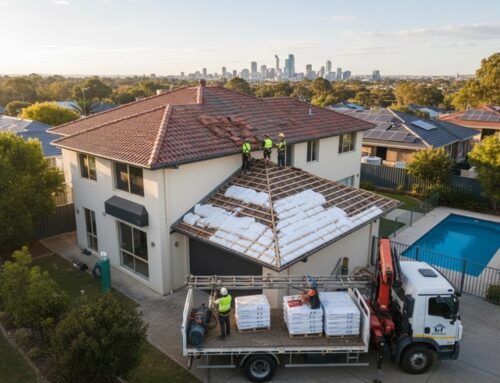
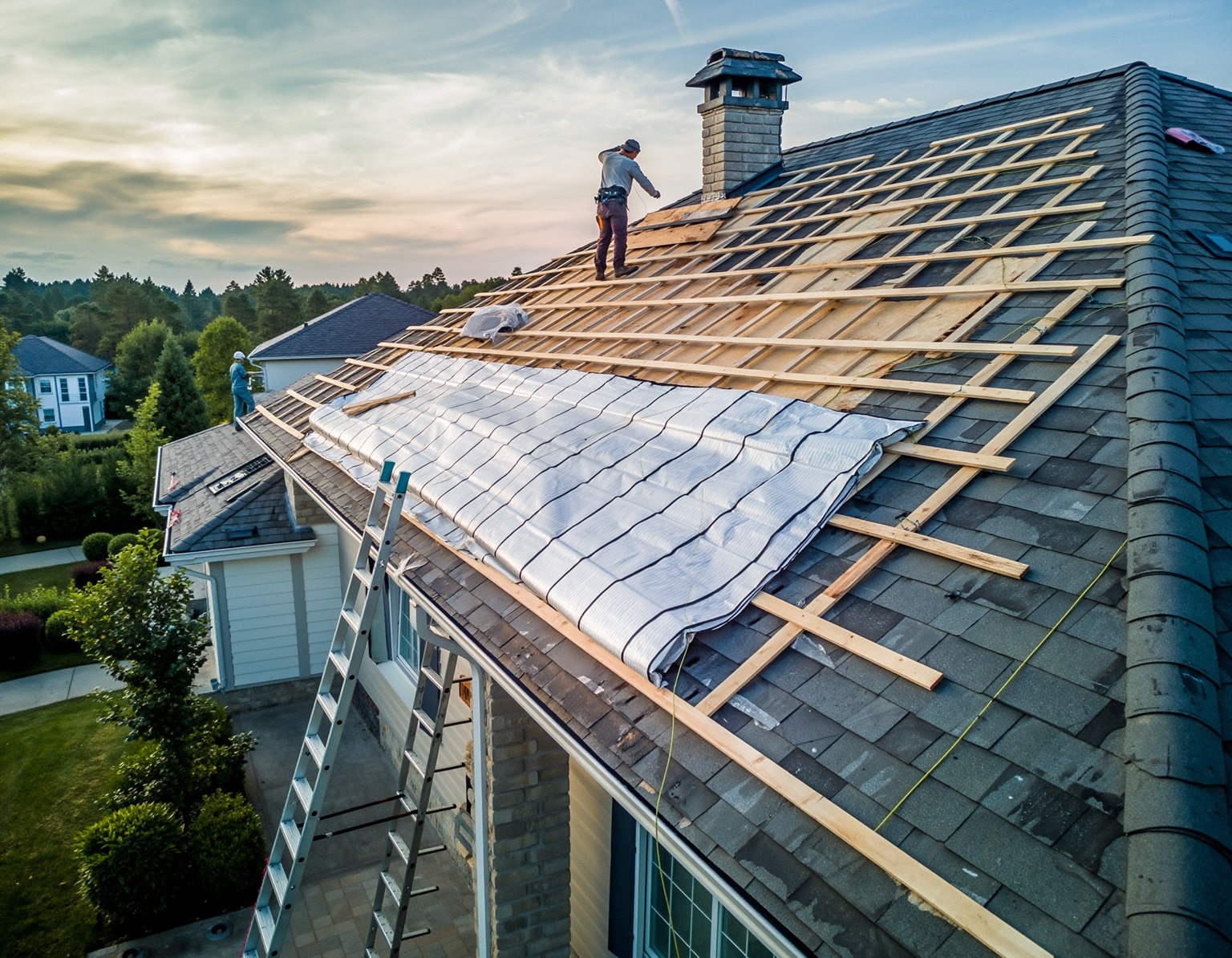
For larger damaged sections: Heavy-duty tarp installation requires positioning the tarp to extend at least one metre beyond the damaged area in all directions. The tarp must extend over the roof ridge if possible, or at minimum reach above the damage zone to prevent water running under the temporary cover. Secure the upper edge first, then pull the tarp tight and anchor lower edges. Weight the tarp with sandbags along edges and at stress points. In windy conditions, create anchor points by wrapping rope around sandbags and securing to stable points on the opposite side of the roof.
For valley damage: Roof valleys channel significant water volume and require particular attention. If valley flashing is damaged, fold a tarp lengthwise to create a doubled waterproof channel. Position this along the valley length, extending well beyond the damaged section. Secure edges carefully to prevent wind getting underneath while ensuring water can still flow down the valley path rather than pooling.
For flashing gaps: Where flashing has pulled away from walls, chimneys, or roof penetrations, roofing cement can temporarily seal gaps. Clean the area as much as possible (dry surfaces bond better), apply sealant generously to fill the gap, and smooth to create a water-shedding surface. This won’t last through multiple weather events but prevents immediate water intrusion.
For punctures or holes: Small punctures (up to 50mm) can be sealed with roofing cement covered by waterproof tape or a patch cut from tarp material. Larger holes require tarp coverage as described above. Never attempt to patch holes near roof edges or on steep sections without proper safety equipment.
Common Mistakes That Make Damage Worse
Creating additional penetrations: Driving nails or screws through your roof to secure tarps creates new leak points that often cause more damage than the original issue. Always use weight-based securing methods or anchor to existing structures like gutters or fascia boards (carefully, to avoid damage).
Insufficient tarp coverage: Tarps that barely cover the damaged area fail when wind gets underneath or when water runs under edges. Generous overlap prevents these failures. Remember that water travels and can enter through damage and run along sarking or rafters before dripping into living spaces far from the actual roof breach.
Using inappropriate materials: Standard duct tape, lightweight plastic sheeting, and indoor-grade sealants fail rapidly under UV exposure, temperature fluctuations, and weather stress. Materials marketed specifically for roofing applications cost more but actually work when needed.
Ignoring water runoff: Tarps must shed water effectively, not create pools that add weight stress and find new ways through your roof system. Ensure temporary coverings maintain downward slope and don’t create dams or collection points.
Delaying professional assessment: Temporary repairs buy time but aren’t solutions. The longer damaged areas remain without proper repair, the more opportunity exists for secondary damage. Effective water damage prevention requires prompt professional intervention. Water that enters roof spaces doesn’t always announce itself with obvious leaks. It can saturate insulation and timber for weeks before signs appear in living spaces, by which point serious damage has occurred.
What to Document for Insurance Claims
Before making temporary repairs, document everything thoroughly. Insurance claims require evidence of damage extent and repair necessity.
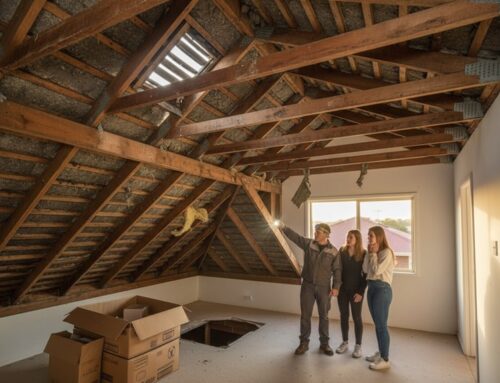
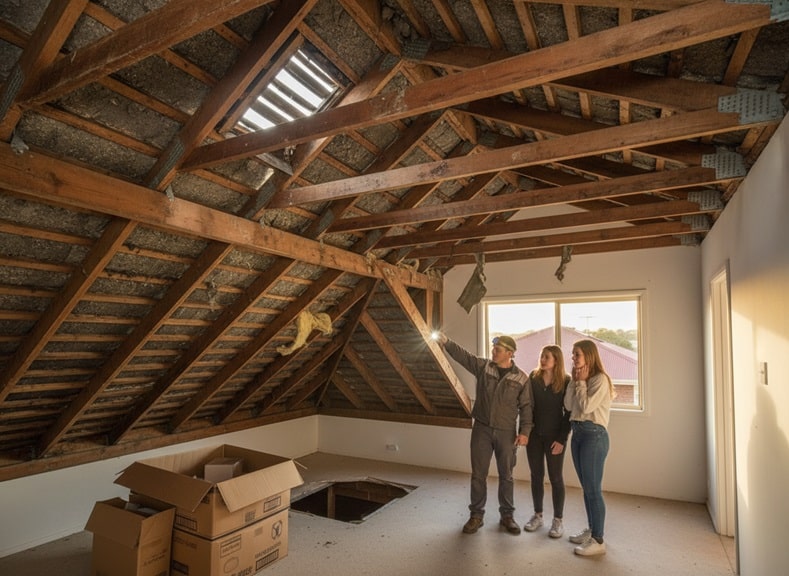
Photograph damage from multiple angles including wide shots showing roof context and close-ups of specific damage. Capture images from inside the roof space if accessible, showing any water staining, saturated insulation, or structural damage. Date-stamp photos if possible.
Record weather conditions that caused damage. Bureau of Meteorology records can verify storm timing and severity, supporting your claim that damage resulted from a specific weather event rather than gradual deterioration.
Keep receipts for all materials purchased for temporary repairs. Most insurance policies cover reasonable emergency measures to prevent additional damage.
Document the repair process with photos showing how temporary protection was installed. This demonstrates you took reasonable steps to mitigate further damage.
Note any secondary damage discovered while assessing the roof, including water stains, damaged insulation, electrical concerns, or structural issues. These details help ensure comprehensive repairs are covered rather than just the obvious roof surface damage.
When to Call Emergency Roof Services
Some situations exceed safe DIY temporary repair scope and require immediate professional response despite after-hours costs.
Large-scale damage affecting multiple roof sections or creating significant openings (more than one square metre) needs professional tarping with proper equipment and safety systems. Permacoat maintains emergency response capacity for severe damage situations where homeowner safety or property protection demands immediate professional intervention.
Structural concerns including sagging roof sections, visible rafter damage, or situations where roof stability is questionable require professional assessment before anyone accesses the roof. What appears minor from ground level may indicate serious structural compromise.
Multi-storey homes present fall risks that make professional response worthwhile. The cost of emergency call-out fees pales against injury risks or the expense of water damage to multiple floor levels.
Situations involving power lines or where storm damage has created contact between roof structures and electrical systems require immediate professional attention. Don’t approach these situations yourself.
When temporary repairs repeatedly fail during ongoing weather events, professional crews have access to commercial-grade materials and techniques that provide more reliable protection than hardware store supplies allow.
Planning for Permanent Repairs
Temporary measures protect your home, but proper restoration requires professional assessment and quality workmanship. Once immediate damage is controlled, focus shifts to permanent solutions.
Schedule professional inspection as soon as practical. Experienced roof restoration specialists can identify damage that isn’t visible from ground level, assess whether tile roof repairs are sufficient or if more extensive restoration is needed, and provide accurate quotes for insurance purposes.
Understand repair vs restoration decisions: Sometimes storm damage reveals that roof systems have reached the end of their effective lifespan. If your roof is 20+ years old and has sustained significant damage, roof restoration Perth services may offer better long-term value than patching current damage only to face additional failures within months.
Consider preventive measures: If storm damage highlighted vulnerabilities in your roof system such as deteriorated flashing, lifted tiles, or worn coating, addressing these issues during repair prevents future emergency situations. Permacoat’s comprehensive approach includes assessing overall roof condition, not just repairing obvious damage, ensuring the entire system will provide reliable protection.
Review warranty coverage: Quality roof repairs and restoration work should include substantial warranty protection. Permacoat provides 15-20 year warranties on Dulux Acratex coating systems, 12-month leak guarantees, and 3-year labour warranties because proper restoration using experienced application creates long-term reliability.
Maintaining Roof Condition to Prevent Emergency Situations
Most emergency roof repairs could be prevented through regular maintenance and proactive attention to minor issues before they escalate.
Annual roof inspections identify developing problems such as lifting tiles, deteriorating flashing, coating breakdown, and blocked valleys while they’re still minor. Addressing these issues during scheduled maintenance costs a fraction of emergency repairs and prevents the stress and secondary damage of sudden failures.
Gutter and valley cleaning prevents water backup that can force its way under tiles or through flashing. Perth’s tree coverage means most properties accumulate leaf debris that blocks drainage paths. Regular gutter and downpipe services ensure water flows off your roof as designed rather than pooling or backing up.
Tree management around your property reduces storm damage risk. Overhanging branches that scrape roof surfaces during wind events gradually damage tiles and coating. Branches that could potentially fall on your roof during severe weather represent serious risk worth addressing before storm season.
Coating maintenance protects tile roofs from WA’s harsh UV exposure and temperature extremes. Dulux Acratex coating systems provide 15-20 years of protection when properly applied, representing the gold standard for sarking layer protection and long-term waterproofing. However, even quality coatings eventually require renewal. Proactive recoating before complete breakdown prevents the tile deterioration that leads to cracking and water penetration.
Conclusion
Temporary roof repairs serve one critical purpose: preventing minor damage from becoming major destruction while you wait for professional restoration services. The techniques outlined here can protect your home through emergency situations, but they’re stopgap measures, not solutions.
The reality of roof damage is that water is relentless. Even small amounts finding their way through damaged roof sections cause progressive harm to insulation, timber framing, electrical systems, and interior finishes. Every day that passes between damage and proper repair increases both the scope of destruction and the cost of remediation.
If your roof has sustained storm damage or you’ve discovered leaks that need immediate attention, taking appropriate temporary measures protects your property until professional help arrives. But don’t let temporary become permanent. Schedule proper assessment and restoration work as quickly as possible.
With over 50 years of experience restoring more than 30,000 Perth roofs, Permacoat understands the urgency of roof damage situations and the importance of quality permanent repairs that prevent future emergencies. The company’s Dulux accreditation, comprehensive warranty coverage, and proven track record across Perth’s diverse roof types and weather conditions provide the reliability homeowners need when roof protection fails.
For immediate assessment of roof damage and professional repair services, contact us for a free inspection on (08) 9249 5955. The experienced team can evaluate damage extent, provide accurate repair quotes for insurance purposes, and schedule restoration work that returns your roof to reliable, long-term protection of your most valuable asset: your home.