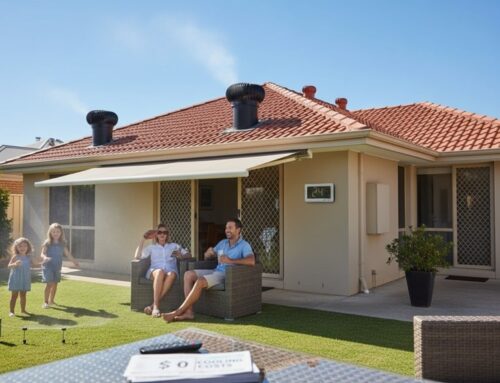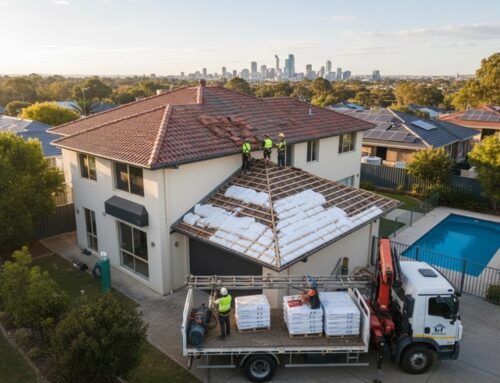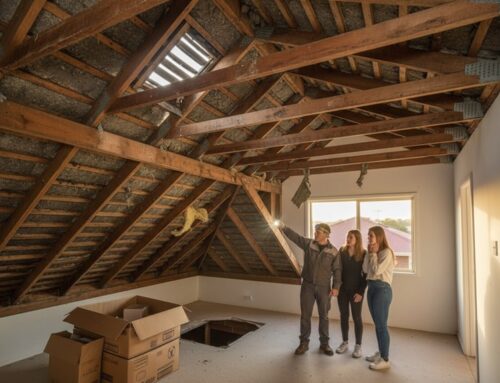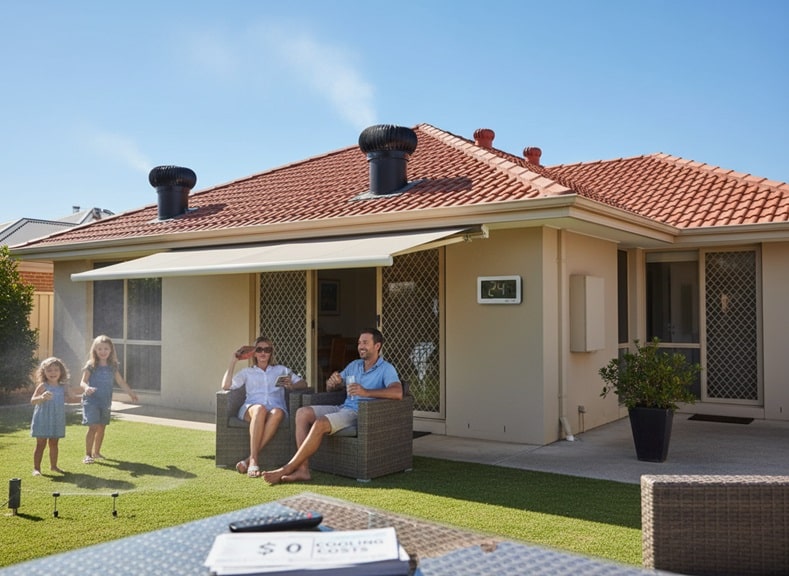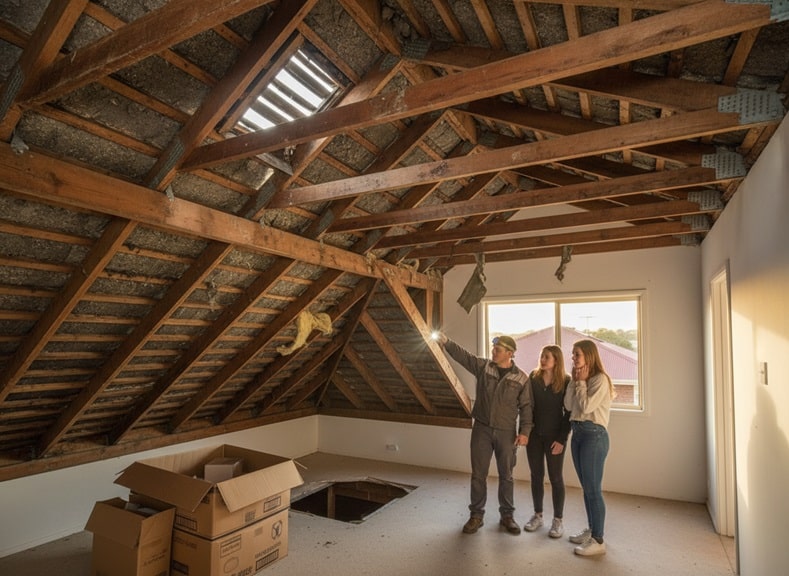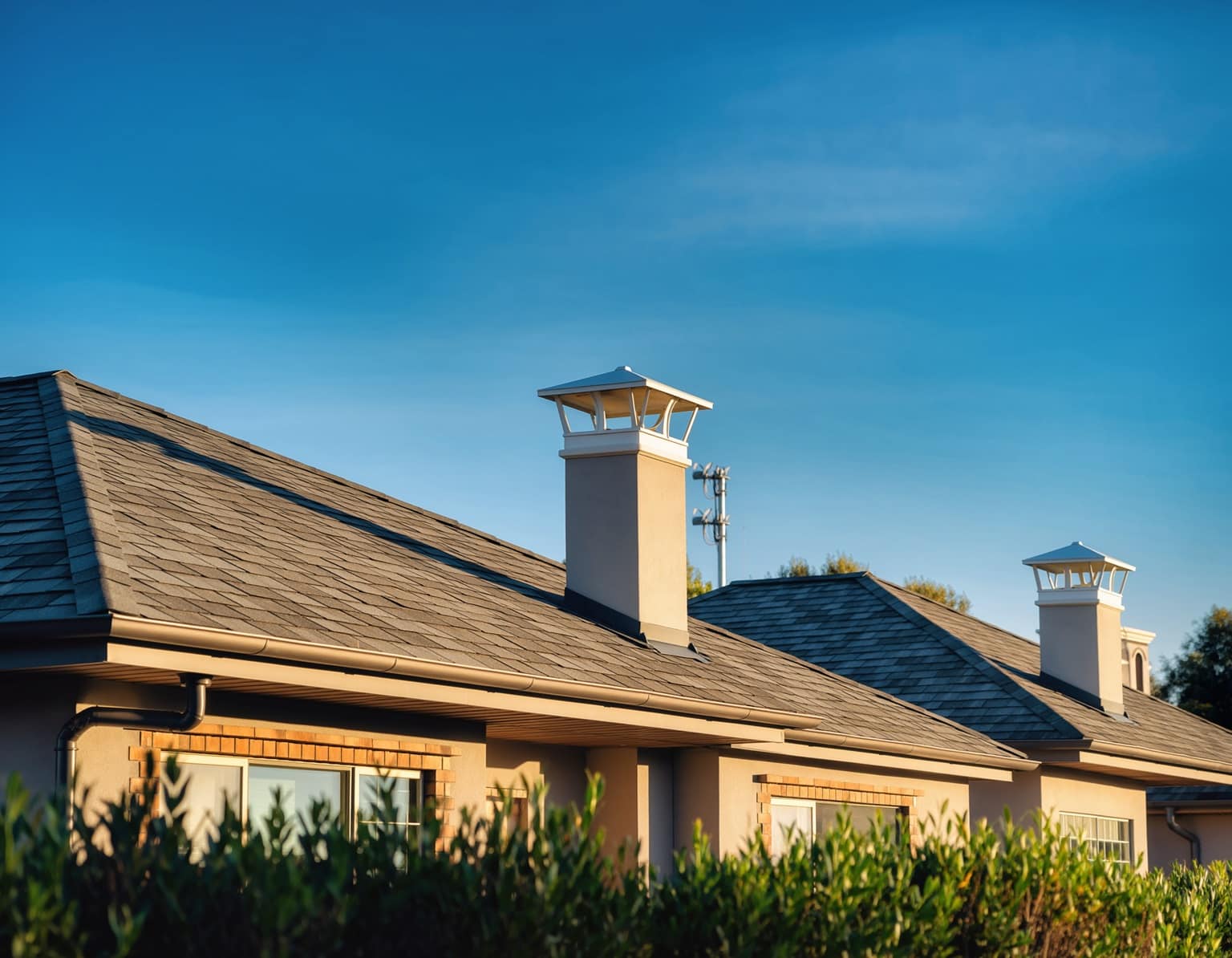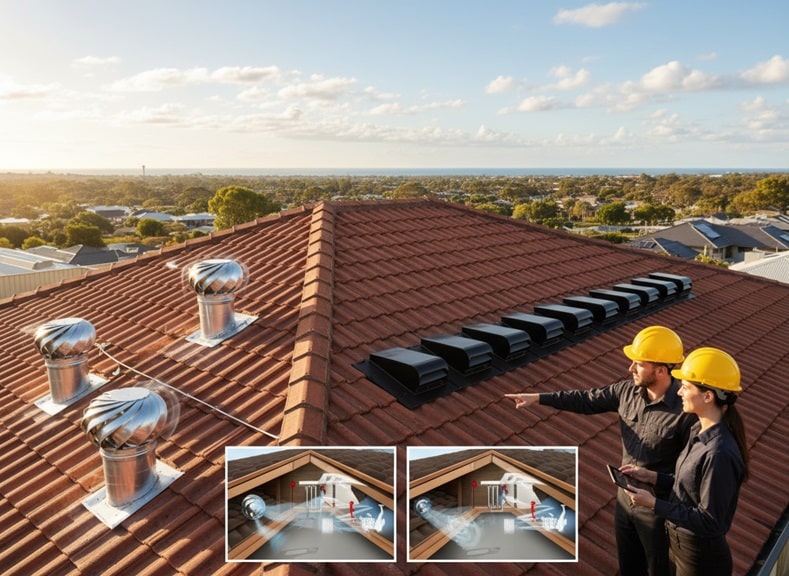
Perth’s extreme climate puts extraordinary demands on roof ventilation systems. Summer temperatures regularly exceed 40°C, while winter brings sustained rainfall and humidity. Without proper ventilation, roof spaces trap heat and moisture, creating conditions that damage structural timber, degrade insulation, and push cooling costs through the roof.
Homeowners face a fundamental choice between two ventilation approaches: wind-powered whirlybirds and static roof vents. Both extract hot air and moisture from roof cavities, but they work through different mechanisms and deliver vastly different results across Perth’s diverse weather conditions.
The whirlybirds vs roof vents decision affects more than comfort. Inadequate roof ventilation accelerates the deterioration of roofing materials, particularly on tile roofs where moisture becomes trapped beneath the tiles. Permacoat has restored over 30,000 Perth roofs in 50+ years of operation, and inadequate ventilation consistently appears as a contributing factor in premature roof degradation.
Understanding Roof Ventilation Requirements
Perth roof spaces without ventilation can reach 70°C on summer days, creating an insulating blanket of superheated air that radiates into living spaces below. This heat load forces air conditioning systems to work harder and longer, increasing energy consumption by 20-35% according to Australian Building Codes Board research.
Moisture presents an equally serious threat. Cooking, showering, and normal household activities generate 10-15 litres of water vapour daily. This moisture rises into roof cavities where it condenses on cooler surfaces during temperature drops, particularly overnight and during winter months.
Effective ventilation systems must address both issues simultaneously. The Australian Standard AS 4200.2 recommends minimum ventilation rates based on roof cavity volume, but Perth’s extreme conditions often require systems that exceed these baseline requirements.
Tile roofs present specific challenges because the tiles themselves create an additional thermal mass that absorbs and radiates heat. Metal roofs conduct heat rapidly but cool quickly once the sun sets. Understanding these differences helps determine appropriate ventilation solutions for specific roof types.
How Whirlybirds Work
Whirlybirds operate through wind-powered rotation. The spinning turbine creates negative pressure that draws hot air from the roof cavity and expels it through the ventilator crown. As the turbine spins faster in stronger winds, extraction rates increase proportionally.
A standard 300mm whirlybird can extract 1,000-1,500 cubic metres of air per hour in moderate wind conditions. This extraction rate drops significantly when wind speeds fall below 5km/h, which occurs frequently during Perth’s still summer evenings when heat extraction becomes most critical.
The mechanical advantage of whirlybirds lies in their active extraction capability. Unlike passive vents that rely solely on convection currents, whirlybirds pull air from the roof cavity, creating circulation even in conditions where natural convection struggles to establish flow patterns. This wind-powered rotation provides superior extraction during optimal conditions.
Installation positioning significantly affects whirlybird performance. Units placed on the highest roof point capture stronger winds and create optimal extraction conditions. Multiple whirlybirds distributed across large roof areas provide better coverage than a single unit, particularly on complex roof designs with multiple valleys and hips.
Quality variations between whirlybird brands produce substantial performance differences. Premium units feature sealed bearings that maintain smooth wind-powered rotation for 15-20 years, while budget models often develop friction issues within 5-7 years, reducing extraction efficiency by 40-60%.
Static Roof Vent Functionality
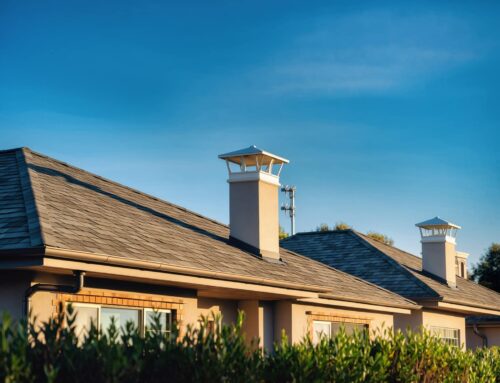
Static roof vents operate without moving parts, relying on natural convection and pressure differentials to facilitate air movement. Hot air rises naturally, and properly positioned static vents allow this heated air to escape while drawing cooler replacement air through soffit ventilation intake or eave vents.
The simplicity of static vents eliminates mechanical failure points. Without bearings, turbines, or moving components, these systems maintain consistent performance across decades without maintenance requirements. This reliability makes static vents particularly suitable for properties where maintenance access presents challenges.
Static vent extraction capacity depends entirely on temperature differentials and external air pressure. A 300mm static vent typically moves 400-600 cubic metres of air per hour under optimal conditions, roughly half the capacity of an equivalent whirlybird in moderate wind.
However, static vents maintain more consistent performance during windless conditions. When whirlybirds stop rotating, their extraction rates drop to levels comparable with static vent extraction. During Perth’s still summer evenings, both systems rely primarily on convection currents rather than mechanical or wind-driven extraction.
Strategic placement maximises static vent extraction effectiveness. Installing vents at the highest roof points where heat naturally accumulates creates optimal extraction conditions. Combining ridge vents with soffit ventilation intake establishes cross-flow patterns that maintain continuous air circulation regardless of wind conditions.
Performance Comparison in Perth Conditions
Perth’s climate creates distinct seasonal ventilation demands. Summer requires maximum heat extraction during prolonged periods of intense solar radiation. Winter demands moisture removal during extended periods of rainfall and elevated humidity.
Whirlybirds excel during Perth’s windy spring and autumn months when afternoon sea breezes consistently reach 15-25km/h. These conditions create ideal operating parameters where whirlybirds extract 2-3 times more air than static vents through superior wind-powered rotation. The mechanical advantage becomes particularly noticeable on metal roofs where rapid heat extraction prevents prolonged thermal radiation into living spaces.
Summer performance presents more complex considerations. Peak heat occurs during still conditions between 2-4pm when sea breezes have not yet established. During these periods, whirlybird performance drops significantly, often matching static vent extraction rates. Evening heat retention becomes problematic as whirlybirds require wind to maintain extraction when convection currents weaken.
Static vents maintain steady performance throughout summer because they do not depend on wind. While their absolute extraction rates remain lower than wind-powered whirlybirds, they continue operating consistently during still conditions when heat extraction matters most. This consistency proves particularly valuable for tile roofs where thermal mass creates prolonged heat radiation after sunset.
Coastal properties experience different ventilation dynamics than inland homes. Consistent coastal breezes favour whirlybird performance, while inland properties often experience more variable wind patterns. Properties in suburbs like Mandurah, Rockingham, and Fremantle benefit more from whirlybirds than homes in Midland, Ellenbrook, or Byford where wind patterns prove less reliable.
Winter moisture extraction presents another performance dimension. Whirlybirds continue operating during rainy conditions, though reduced wind speeds during rainfall limit extraction capacity. Static vents maintain consistent moisture removal provided adequate soffit ventilation intake exists to establish convection patterns.
Installation Requirements and Costs
Whirlybird installation requires cutting circular openings through roofing materials and installing flashing systems that prevent water penetration. Professional installation typically costs $350-$550 per unit including materials and labour. Complex roof designs with limited access or steep pitches increase installation costs by 30-50%.
Tile roof installations demand particular care because disturbing surrounding tiles during whirlybird installation can crack aged tiles or compromise existing tile placement. Permacoat’s restoration teams regularly encounter poorly installed whirlybirds that created water penetration points, requiring extensive repairs to surrounding roof areas.
Static vent extraction installation follows similar processes but typically costs $250-$400 per unit due to simpler mounting requirements. The absence of moving parts eliminates the need for precise alignment and balancing that whirlybirds require for smooth operation.
Multiple ventilation points provide better coverage than single units. A standard Perth home (200-250 square metres) requires 2-3 whirlybirds or 3-4 static vents to achieve adequate ventilation according to AS 4200.2 guidelines. Larger homes or properties with complex roof designs need additional units proportional to roof cavity volume.
Combining ventilation types creates hybrid systems that maximise performance across varied conditions. Installing whirlybirds on primary roof areas for maximum extraction while using static vents in secondary roof sections provides cost-effective coverage that maintains consistent performance regardless of wind conditions.
Maintenance Considerations
Whirlybirds require periodic maintenance to sustain peak performance. Bearings accumulate dust and debris that increases friction, gradually reducing rotation speed. Most manufacturers recommend bearing maintenance lubrication every 3-5 years, though Perth’s dusty conditions often necessitate more frequent bearing maintenance lubrication.
Coastal properties face accelerated whirlybird degradation from salt exposure. Aluminium turbines develop corrosion that increases bearing friction and eventually seizes rotation. Stainless steel units resist corrosion better but cost 40-60% more than standard aluminium models.
Static vents require minimal maintenance beyond periodic cleaning to remove debris that might obstruct airflow. The absence of moving parts eliminates mechanical failure points, though flashing deterioration around vent bases eventually requires attention after 15-20 years.
Noise presents another maintenance consideration. Whirlybirds develop squeaking or grinding sounds when bearings wear, creating disturbances particularly noticeable during windy nights. Without proper bearing maintenance lubrication, noise increases progressively until replacement becomes necessary. Static vents operate silently throughout their service life.
Regular roof maintenance should include ventilation system inspection to ensure optimal performance. Blocked vents, damaged flashing, or failing whirlybird bearings compromise ventilation effectiveness and potentially create water penetration points.
Impact on Roof Longevity
Adequate ventilation directly affects roof system longevity. Excessive heat accelerates coating degradation on painted surfaces, reducing the effective lifespan of roof coatings by 3-5 years when ventilation proves inadequate. Heat stress also makes tiles and metal roofing materials more brittle, increasing crack susceptibility.
Moisture damage presents more severe consequences. Condensation in poorly ventilated roof cavities saturates insulation, reducing thermal performance by 50-70% while creating conditions favourable for mould growth. Structural timber exposed to sustained moisture develops rot that compromises roof frame integrity, requiring expensive repairs.
Properties undergoing roof restoration Perth services should address ventilation inadequacies during restoration work. Adding or upgrading ventilation systems costs significantly less when performed alongside restoration activities than as separate projects requiring additional roof access and flashing work.
Tile roofs particularly benefit from enhanced ventilation because moisture trapped beneath tiles accelerates both tile deterioration and timber batten deterioration. Permacoat’s restoration process includes ventilation assessment to identify properties where inadequate ventilation contributes to premature roof deterioration.
Energy Efficiency Implications
Roof ventilation significantly impacts household energy consumption. Reducing roof cavity temperatures by 15-20°C through adequate ventilation decreases heat transfer into living spaces by 25-35%, directly reducing air conditioning loads during Perth’s extended summer months.
Energy modelling by the Australian Building Codes Board indicates properly ventilated homes consume 18-24% less cooling energy than comparable homes with inadequate ventilation. For average Perth households, this translates to $180-$280 annual savings on electricity costs.
Whirlybirds provide superior heat extraction during windy conditions through their wind-powered rotation, creating larger temperature differentials that maximise energy savings. However, their reduced effectiveness during still conditions limits overall energy performance compared to theoretical maximum extraction rates.
Static vents deliver more consistent energy performance because their extraction rates remain stable regardless of wind conditions. While absolute extraction capacity stays lower than whirlybirds in optimal wind conditions, the consistency often produces comparable energy savings across full summer periods.
Combining proper ventilation with adequate insulation maximises energy efficiency. Ventilation removes heat from roof cavities while insulation prevents remaining heat from radiating into living spaces. This dual approach delivers better results than either strategy alone.
Making the Right Choice for Your Property
Property-specific factors determine optimal ventilation solutions when comparing whirlybirds vs roof vents. Coastal homes with consistent breeze patterns benefit most from whirlybirds that leverage reliable wind resources for maximum extraction through wind-powered rotation. Inland properties with variable wind conditions often achieve better results from static vents that maintain consistent performance.
Roof type influences ventilation effectiveness. Metal roofs heat and cool rapidly, making immediate heat extraction valuable during peak temperature periods. Tile roofs retain heat longer, making sustained static vent extraction throughout evening hours more important than peak extraction rates.
Budget considerations affect initial installation decisions, but lifecycle costs provide more accurate value comparisons. Whirlybirds cost more initially and require periodic bearing maintenance lubrication, while static vents deliver lower installation costs and essentially maintenance-free operation across 20+ year service lives.
Property size and roof complexity determine the number of ventilation points required. Large homes or properties with multiple roof sections need distributed ventilation coverage that maintains adequate extraction across all roof cavity areas. Single ventilation points rarely provide sufficient coverage for properties exceeding 200 square metres.
Aesthetic preferences also matter. Whirlybirds create more visible roof profiles than low-profile static vents. Properties where street appeal matters significantly might favour static vents that maintain cleaner roof lines, particularly when combined with roof painting services that enhance overall property presentation.
Professional Assessment and Installation
Professional ventilation assessment considers multiple factors including roof cavity volume, insulation levels, existing ventilation provisions, and property-specific climate exposure. Permacoat’s inspection teams evaluate ventilation adequacy during free roof inspections, identifying properties where inadequate ventilation contributes to roof deterioration or excessive energy consumption.
Proper installation proves critical for both whirlybirds and static vents. Flashing systems must create watertight seals that prevent moisture penetration while accommodating thermal expansion and contraction. Poor installation creates leak points that cause more damage than inadequate ventilation alone.
Combining ventilation upgrades with roof restoration Perth services provides cost efficiencies because roof access, flashing work, and coating application can address ventilation improvements without additional mobilisation costs. This integrated approach ensures ventilation systems complement restored roof systems for maximum longevity.
Professional installation includes proper placement calculations that optimise extraction efficiency based on roof geometry and prevailing wind patterns. Strategic positioning delivers 30-50% better performance than arbitrary placement, maximising return on ventilation investments.
Conclusion
The whirlybirds vs roof vents choice depends on property-specific conditions rather than universal superiority of either system. Whirlybirds deliver maximum extraction capacity during windy conditions through wind-powered rotation, making them ideal for coastal properties and situations where peak heat extraction matters most. Static vents provide consistent, maintenance-free performance through reliable static vent extraction that often produces comparable results across Perth’s variable climate conditions.
Most Perth homes benefit from adequate ventilation regardless of specific system type. The critical factor involves installing sufficient ventilation capacity to manage both heat and moisture loads across summer and winter conditions. Under-ventilated roofs deteriorate faster, consume more energy, and create uncomfortable living conditions that proper ventilation systems prevent.
Professional assessment identifies optimal ventilation solutions for specific properties, considering roof type, location, existing ventilation provisions, and budget constraints. Permacoat’s 50+ years restoring Perth roofs provides extensive experience matching ventilation systems to property requirements, ensuring solutions that protect roof investments while maximising energy efficiency.
For homeowners considering ventilation upgrades or addressing roof deterioration issues, connect with us on (08) 9249 5955 for a comprehensive roof inspection that evaluates ventilation adequacy alongside overall roof condition. Proper ventilation forms an essential component of roof system longevity, working alongside quality materials and professional installation to protect Perth homes across decades of extreme climate exposure.