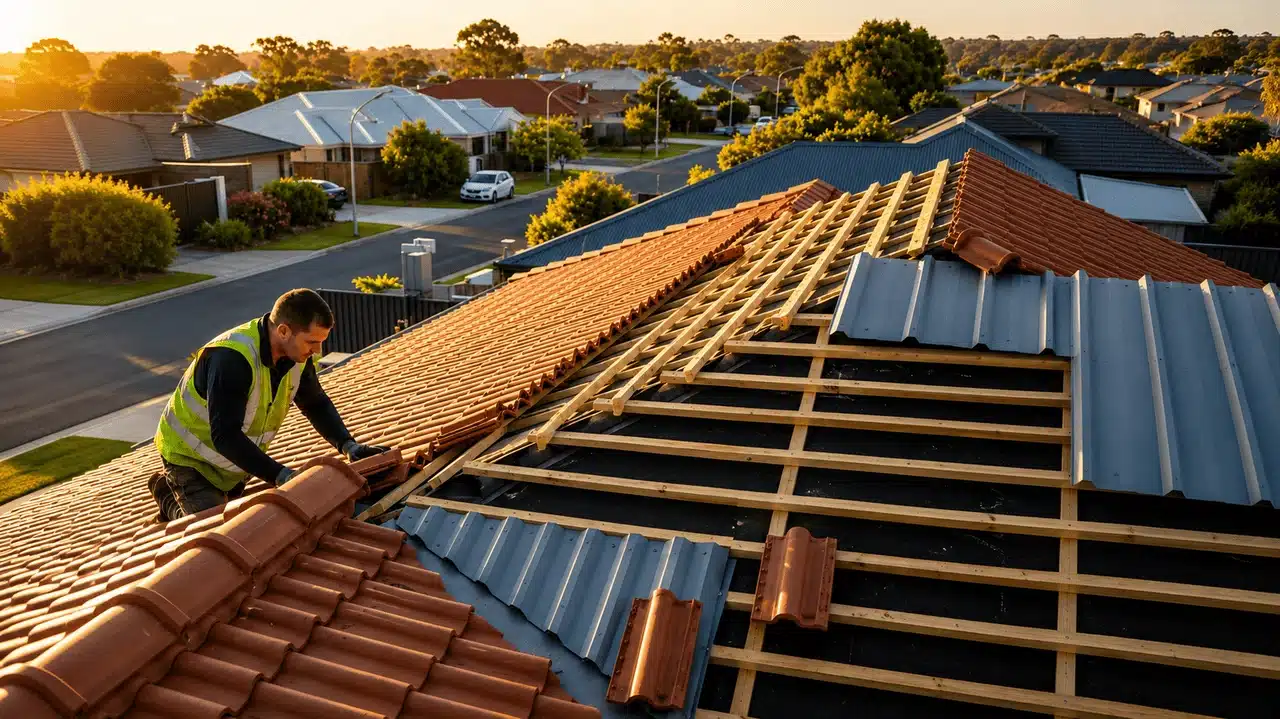
A roof is designed to protect a home for decades, but no roof lasts forever. Some can be restored with cleaning, repairs, and a protective coating, while others reach a point where patching and repainting simply won’t hold up. The difference between the two lies in recognising when a roof has crossed that line. Knowing the signs you need a new roof in Perth helps property owners make the right call before minor damage turns into a costly emergency.
When Roof Restoration Falls Short
Roof restoration in Perth is a highly effective option when a roof is still structurally sound. It usually involves:
- Professional cleaning to remove moss, dirt, and debris.
- Minor repairs, such as cracked tile replacement or repointing ridge caps.
- Application of protective roof coatings or roof painting to seal against moisture and UV damage.
These steps can extend roof life by years, even decades, when applied to the right candidate. But restoration has its limits. If more than a quarter of the roof needs repair, or if the underlying structure is compromised, re-roofing is often the only long-term solution.
Key Signs You Need a New Roof
1. Extensive Leaks and Water Damage
A single leak after a storm may only need targeted repair. But if multiple leaks appear in different areas, or if ceilings show spreading water stains, restoration is unlikely to solve the issue. Water infiltration means:
- Roof membranes have failed.
- Tiles or metal sheets are no longer watertight.
- Insulation and timber structures may already be saturated.
Unchecked, this leads to mould, rot, and even structural collapse. Persistent leaks are one of the strongest signs you need a new roof Perth property owners should look out for.
2. Structural Sagging
Sagging indicates serious trouble with the roof’s support system. Possible causes include water damage, termite activity, or simply decades of natural wear. A sagging roof not only looks unsound – it’s a genuine safety hazard. Once the framework is compromised, no amount of surface-level work can restore stability. Re-roofing, combined with structural timber replacement, is the only viable option.
3. Widespread Tile Damage
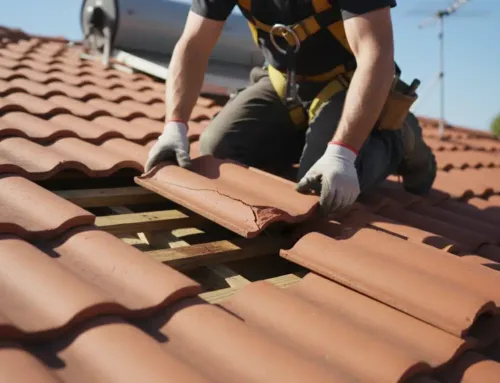
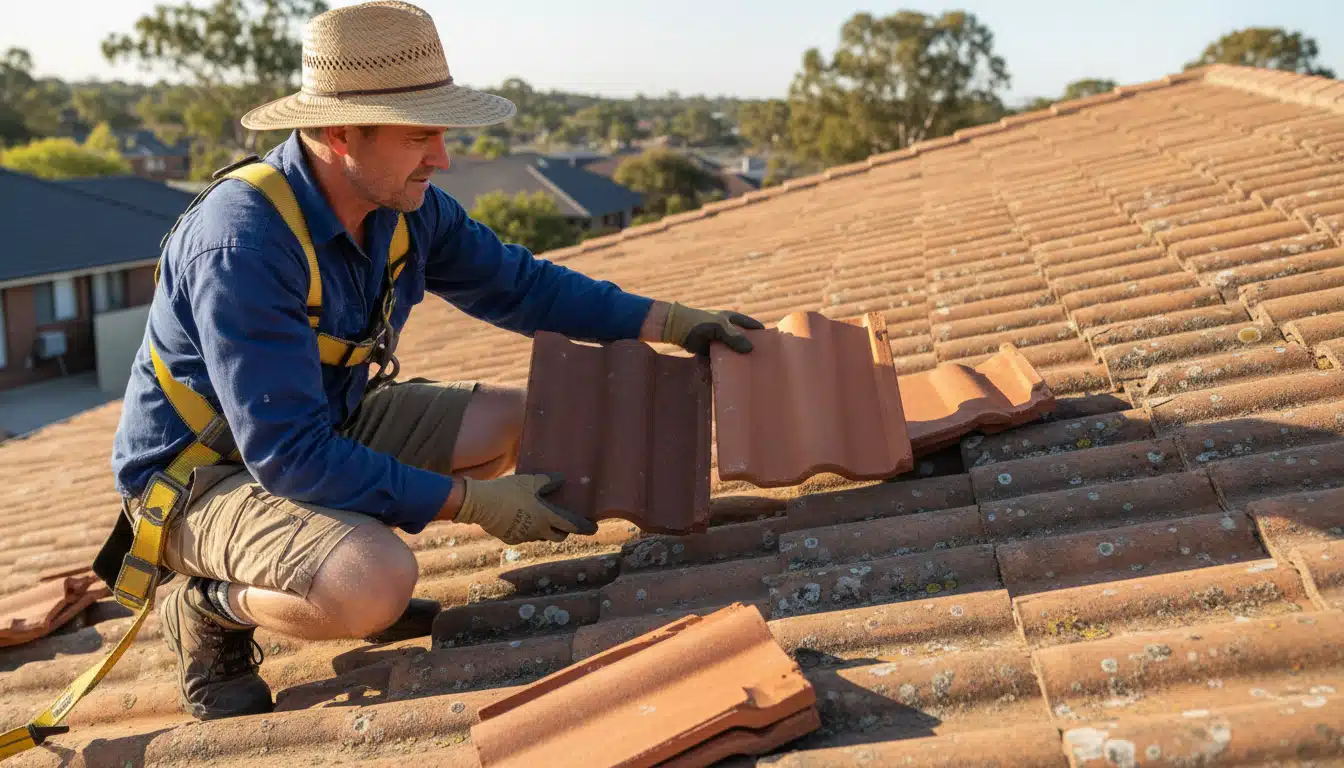
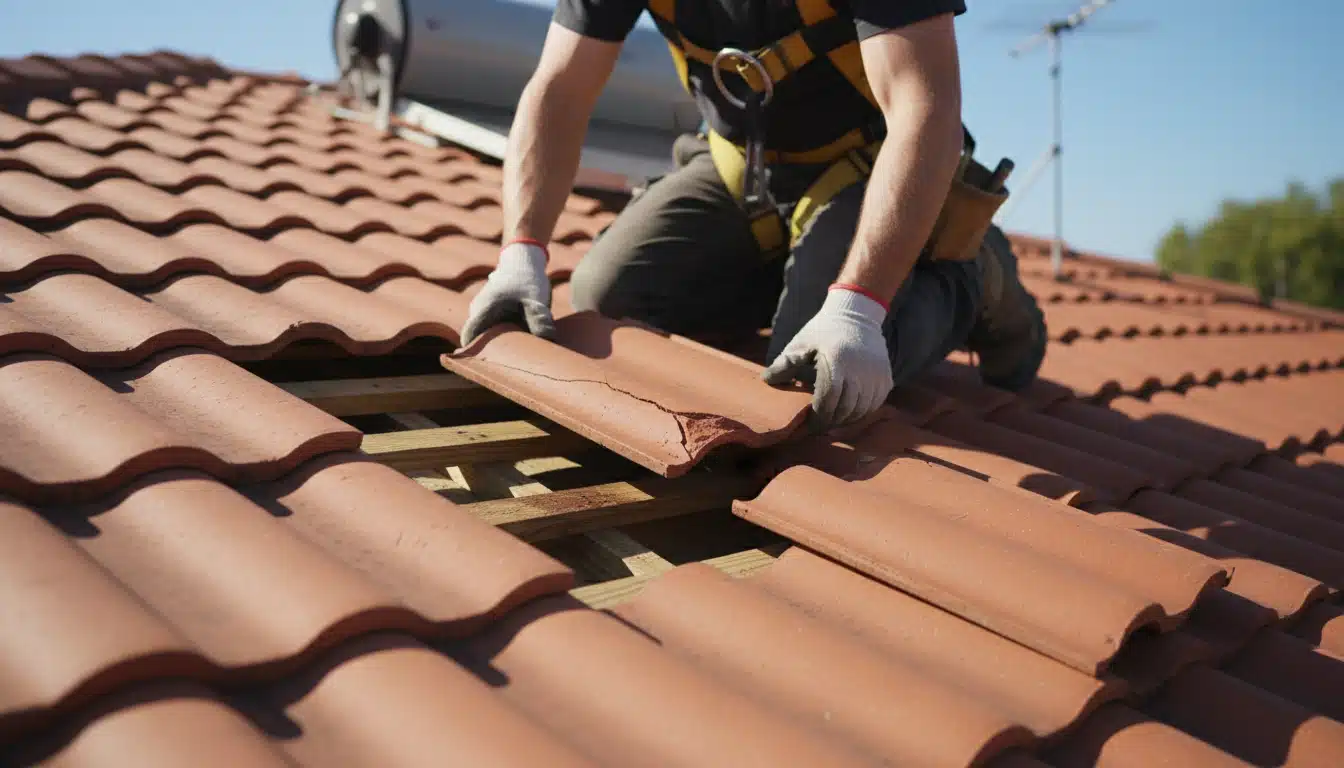
Tile roofs remain common in Perth, particularly older terracotta and concrete installations. Over time, they can become brittle, crack under pressure, or suffer delamination. While isolated damage is manageable through tile roof restoration, widespread crumbling tiles suggest the roof has reached the end of its natural life. Attempting to patch dozens of damaged tiles one by one is rarely cost-effective.
4. Rotting or Damaged Supports
Rafters, battens, and beams form the skeleton of the roof. When these elements rot, warp, or suffer termite infestation, the entire structure is at risk. Soft spots in timber, visible termite activity, or sagging sections point to systemic failure. In such cases, restoration is wasted money – the only lasting solution is structural repair and a new roof installation.
5. Asbestos Roofing Concerns
Many homes built before the 1980s still contain asbestos roofing sheets. While stable when intact, they pose significant health risks when damaged. If asbestos roofing shows signs of deterioration, it should be professionally removed and replaced. DIY disturbance of asbestos is dangerous, releasing fibres that can cause long-term illness. Re-roofing is not just advisable here – it’s essential.
6. Age of the Roof
Every roofing material has a natural lifespan. Even with good care, they eventually reach a point where restoration is no longer feasible. General guidelines for how long do roofs last Perth property owners should expect include:
- Terracotta tiles – 50 years or more if maintained.
- Concrete tiles – 40–50 years, though surface wear appears sooner.
- Colorbond steel – 30–40 years before coatings and fastenings start to fail.
- Asphalt shingles – uncommon in Perth, but typically 20–25 years.
If a roof is approaching or exceeding these figures, re-roofing becomes the logical next step – even if visible damage is minimal.
The Re-Roofing Process in Perth
When it becomes clear that a roof has reached the end of its life, re-roofing provides a fresh start. The process generally involves:
- Inspection and quotation – identifying existing damage and outlining costs.
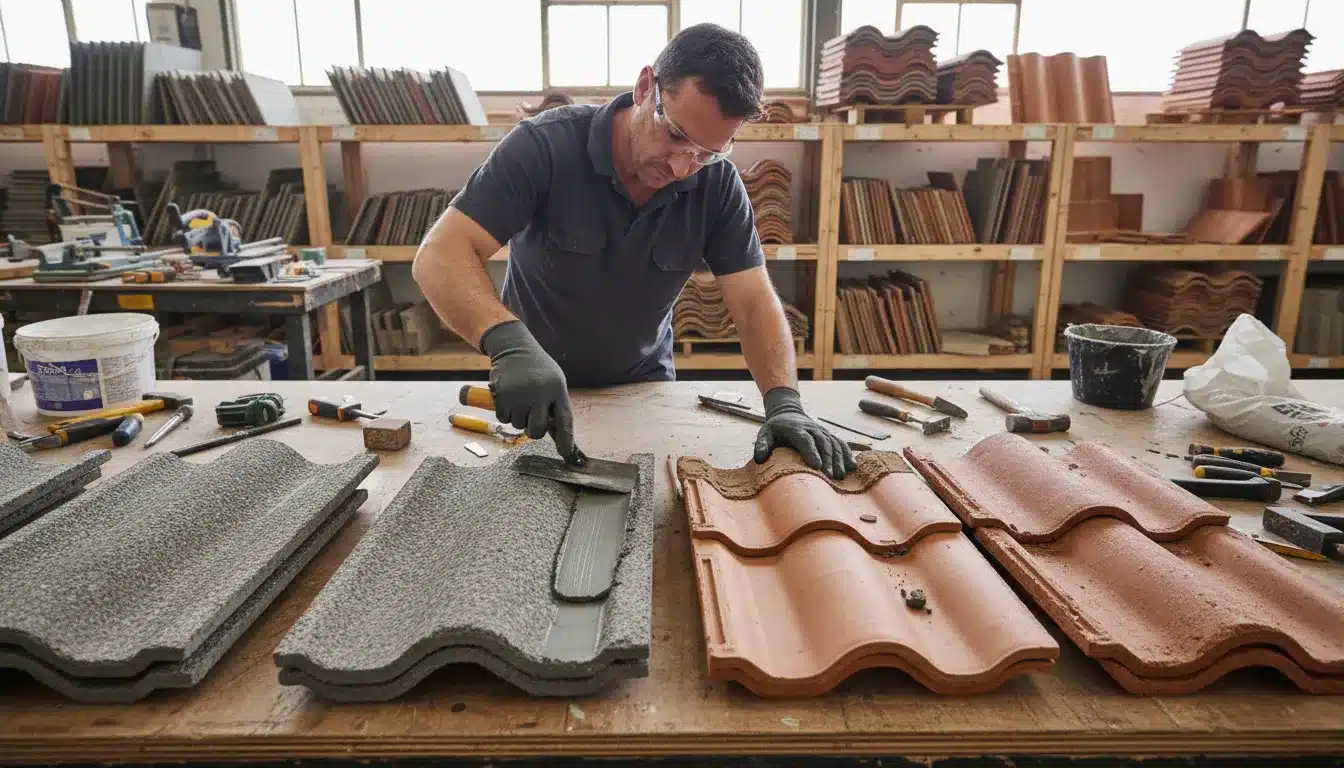
- Material selection – choosing tiles or metal suitable for Perth’s climate.
- Permit handling – ensuring compliance with local regulations.
- Removal of the old roof – safe disposal, especially for asbestos.
- Structural repairs – replacing damaged or rotten timber supports.
- Installation of the new roof – according to manufacturer specifications.
- Final inspection and clean-up – ensuring everything is watertight and safe.
A properly managed re-roofing project eliminates decades of accumulated issues in one complete upgrade.
Choosing the Right Roofing Materials
Perth’s climate demands durable, weather-resistant materials. Common choices include:
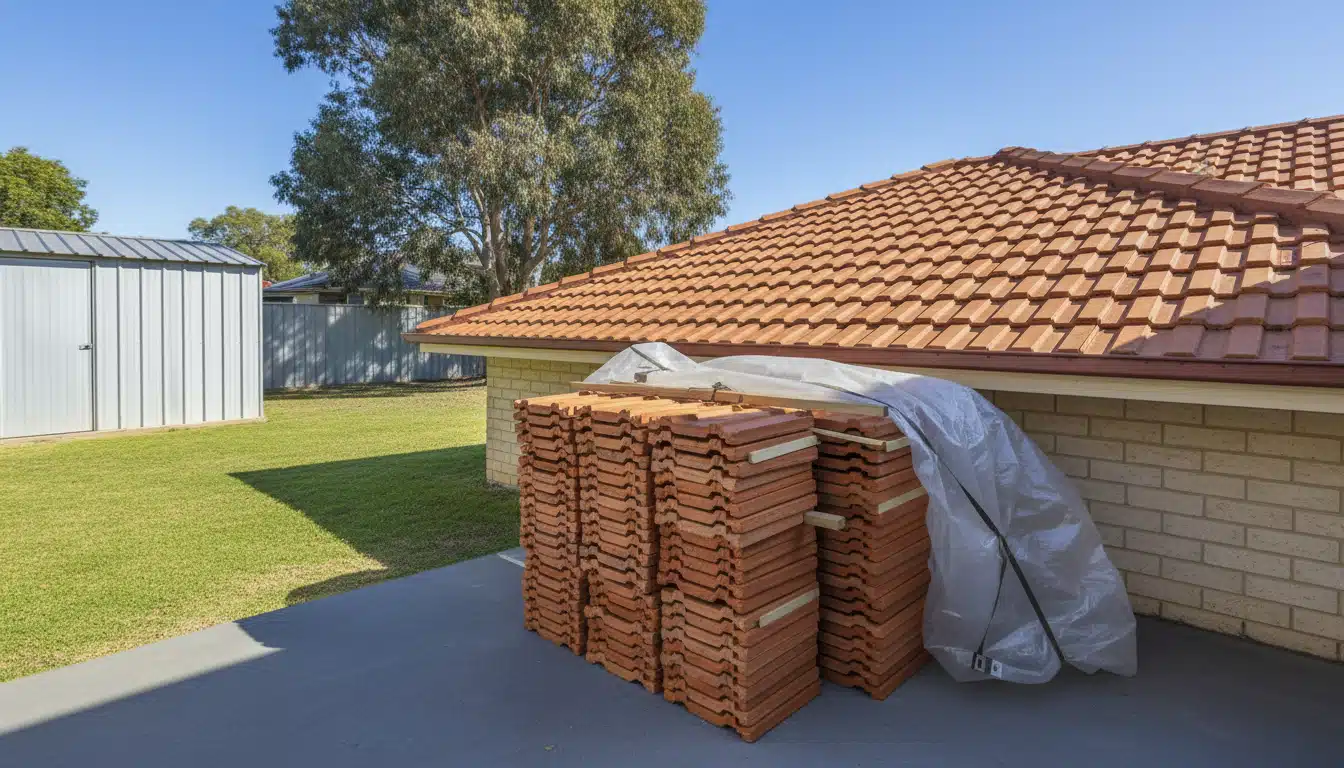
- Terracotta tiles – long-lasting and aesthetically timeless.
- Concrete tiles – strong and cost-effective.
- Colorbond steel – lightweight, low-maintenance, and highly resistant to corrosion.
- Re-roofing alternatives – in rare cases, re-roofing in Perth can involve switching from tiles to steel for added resilience.
When selecting materials, property owners should weigh budget, architectural style, and durability expectations. Exploring available roof colours also ensures the new roof complements the home’s exterior.
Cost Considerations for Re-Roofing
Re-roofing is a significant investment, but it prevents far greater expenses later. Costs vary depending on:
- Roof size and pitch.
- Choice of materials.
- Complexity of access.
- Structural timber repairs.
- Asbestos removal.
For comparison, cost of roof repairs provides useful insight into where re-roofing becomes the more practical option. While repairs can patch isolated issues, re-roofing addresses them all in one project.
Finding a Reputable Roofing Contractor
The success of a re-roofing project hinges on workmanship. When searching for contractors:
- Seek recommendations from trusted sources.
- Check licensing and insurance to ensure compliance.
- Read reviews for evidence of consistent quality.
- Request multiple quotes to compare fairly.
- Verify references from previous clients.
Permacoat’s roofing overview details the full range of services available, ensuring both homeowners and strata managers get expert support from start to finish.
Maintenance After Re-Roofing
A new roof may be strong, but it still needs care to achieve its full lifespan. Maintenance tips include:
- Regular inspections for cracked tiles, lifting sheets, or blocked valleys.
- Routine cleaning of gutters and downpipes.
- Tree management to prevent falling branches and moss-promoting shade.
- Prompt repair of any small issues before they escalate.
Good maintenance ensures a re-roof can meet or even exceed its expected service life, making the investment worthwhile.
Final Thoughts: When Re-Roofing Becomes the Only Answer
Restoration is an excellent way to extend the life of a roof, but it’s not a cure-all. When water damage spreads, when timber supports rot, or when the roof simply reaches the end of its lifespan, replacement becomes the most practical option. Ignoring the warning signs only leads to greater costs and risks.
If you notice sagging, widespread leaks, or tile disintegration, it may be time to think beyond restoration. A complete re-roof gives peace of mind, boosts property value, and ensures your home is fully protected for decades to come.
For expert advice and tailored solutions, contact us today. Permacoat provides professional inspections, guidance on material choices, and high-quality re-roofing installations across Perth.
Actionable Next Steps
- Inspect your roof for sagging, leaks, or widespread tile damage.
- Compare repair costs vs. re-roofing to determine the best option.
- Contact Permacoat for a professional inspection and detailed quotation.