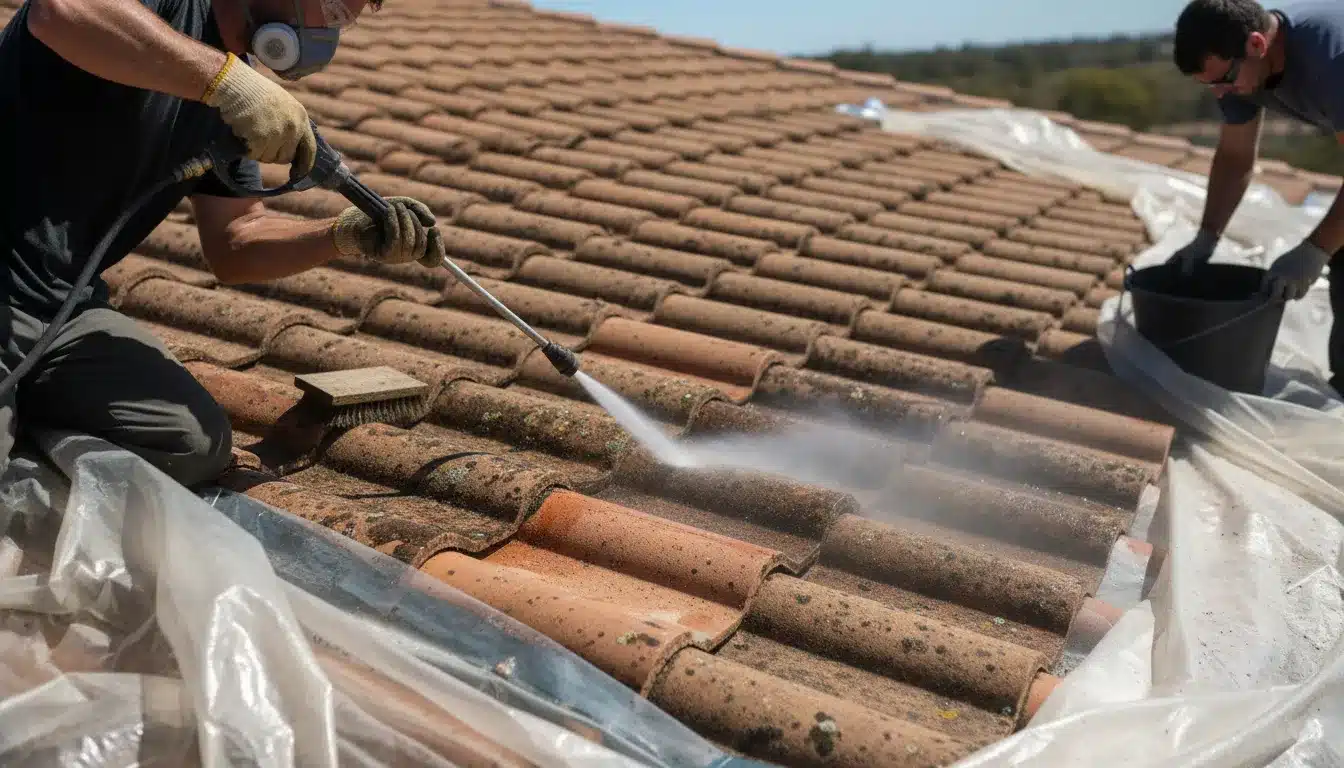
A roof restoration depends on the condition of the surface beneath every coating layer. Cleaning, repairs and drying all affect how long the finish lasts.
Roof surface preparation removes contamination before coatings are applied. It also gives roofers a clearer view of defects that may cause future leaks.
Poor preparation can make a restored roof fail early. Peeling, blistering and patchy colour often begin with a weak bond beneath the coating.
Why Preparation Sets the Standard
A roof can look ready from the ground yet still hold dirt, chalking and biological growth. These materials can stop coatings from bonding properly.
Preparation creates the base for the full restoration process. It should happen before primer, sealer or finish coats are applied.
Roof surface preparation also protects the money spent on the project. A clean and stable base helps each later stage perform as intended.
The process should be planned before equipment arrives. Roof material, pitch, access and nearby surfaces can all affect the method.
Preparation is also a safety issue. Fragile tiles, steep areas and wet surfaces need careful sequencing during cleaning and repair.
Contamination Blocks Coating Performance
Dust, old coating residue and salt can sit across tiles or metal sheets. Coatings need a clean surface to form a durable film.
If contaminants remain, roof coating adhesion can weaken. That weakness may not appear until heat, rain and wind place stress on the coating.
Common contaminants include:
- Dust from weathered roof surfaces
- Salt deposits near coastal suburbs
- Old flaking coating
- Bird debris around ridges and valleys
- Leaf tannins beneath trees
- Moss growth in shaded areas
Defects Become Easier to See
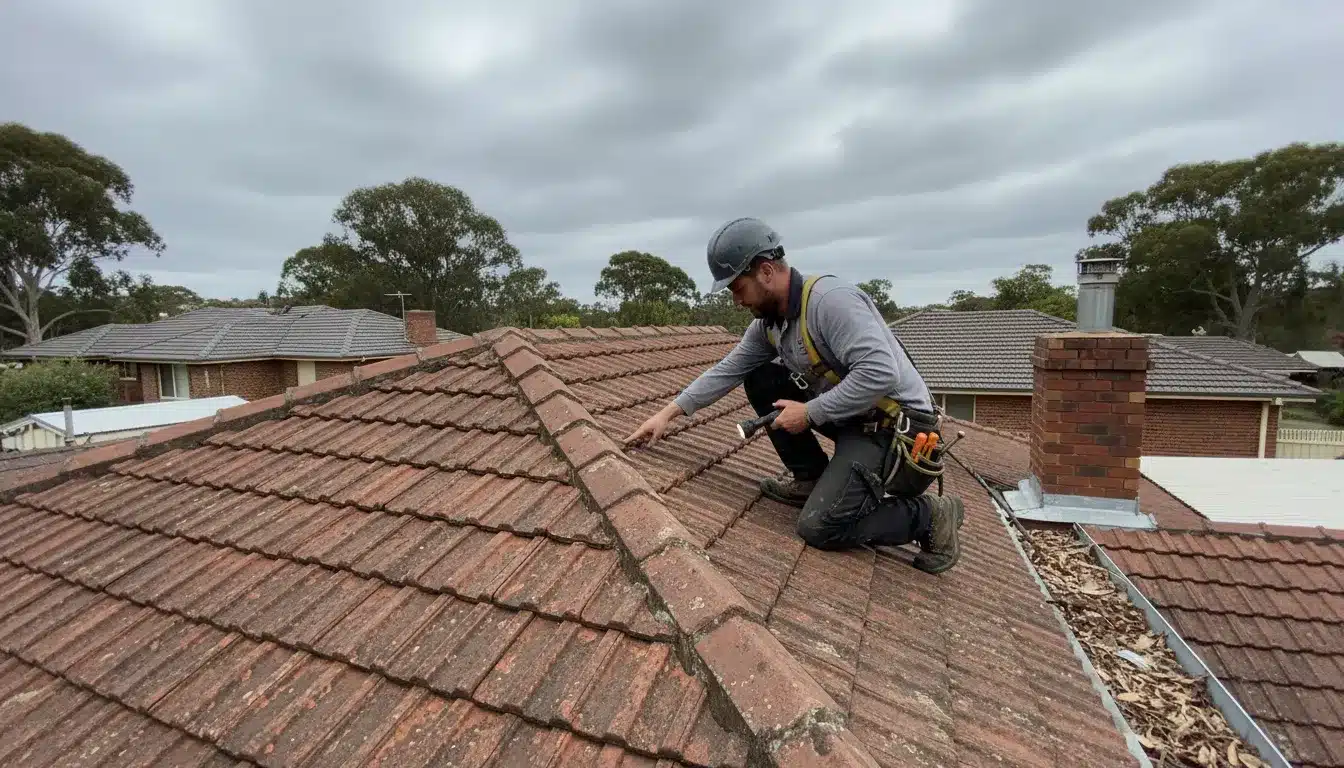
Cleaning exposes broken tiles, cracks and loose ridge work. These issues can be hidden by dirt or organic growth before work starts.
Once the surface is clean, repair decisions become more accurate. That accuracy helps avoid coating over weak areas.
The Role of Cleaning Before Restoration
Cleaning is not just a cosmetic step. It prepares the roof for inspection, repair, primer and coating.
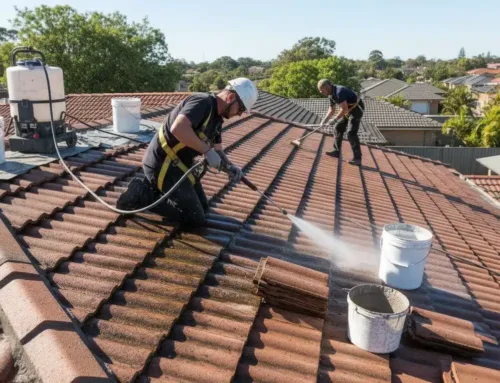
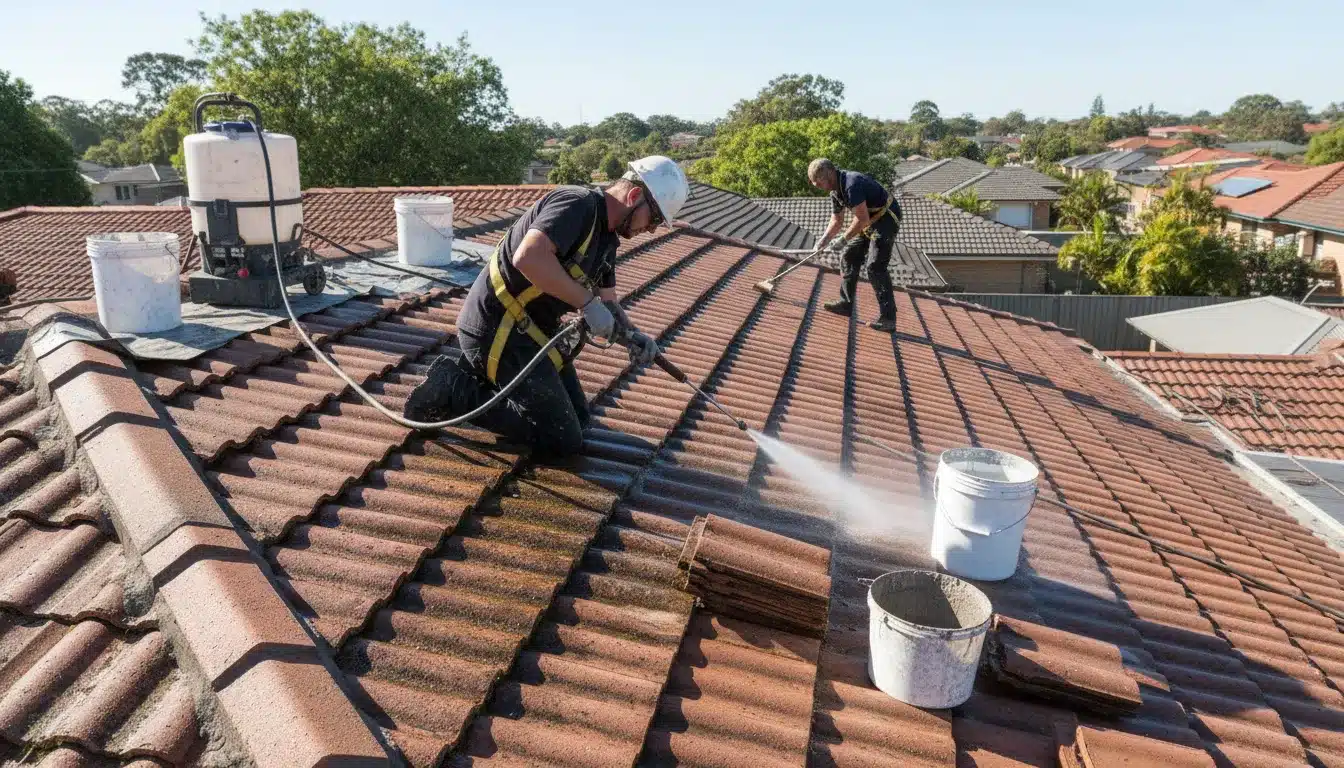
High pressure roof cleaning is often used because it removes grime from roof profiles and joints. The pressure must suit the roof material.
Pressure Must Match the Surface
Too little pressure may leave contamination behind. Too much pressure can damage tiles, force water under laps or disturb fragile areas.
A skilled operator adjusts technique across ridges, valleys and field tiles. Edges, penetrations and gutters need careful handling.
The aim is controlled cleaning, not maximum force. Different roof sections may need different spray angles, nozzle distances and numbers of passes.
Older tiles can be more fragile than they look. The cleaning method should protect the tiles while removing contaminants that prevent coatings from bonding.
Safe cleaning checks include:
- Roof material and age
- Existing coating condition
- Tile strength and porosity
- Drainage paths during cleaning
- Weather forecast for drying
- Protection for nearby surfaces
Drying Time Matters
Coatings should not be trapped over moisture. Wet surfaces can cause blistering and poor curing.
Drying time depends on shade, wind, temperature and roof pitch. A roof that looks dry may still hold moisture in porous areas.
Valleys and laps can hold water after broad surfaces have dried. Those areas deserve extra checks before priming starts.
Weather delays can be frustrating, but they reduce coating risk. A rushed start can create defects that appear months later.
Moss, Lichen and Organic Growth
Organic growth is common on shaded roof sections. It can hold moisture and slowly affect the roof surface.
Moss and lichen removal should happen before coating. Remaining growth can break down beneath the finish and create weak spots.
Organic growth can also hide hairline cracks and loose pointing. Removing it gives the inspection a more reliable view of the roof.
Cleaning should be followed by sensible debris control. Loose material should not be left to wash into gutters and downpipes.
Why Growth Returns in Shaded Areas
Shade, leaf litter and slow drying encourage growth. South-facing roof planes and areas below trees can stay damp longer.
A restoration plan should address these conditions. Gutters, valleys and nearby branches may need attention as part of maintenance.
Typical growth zones include:
- Shaded tile laps
- Valley edges
- Areas beneath overhanging trees
- South-facing roof planes
- Sections near blocked gutters
Cleaning Must Reach Roof Profiles
Tiles and metal sheets are not flat surfaces. Dirt can sit inside grooves, overlaps and textured areas.
Tile roof cleaning must reach those profiles without damaging the roof. Remaining dirt and organic growth in grooves can affect coating coverage.
Repair Work Before Coating
Cleaning alone does not make a roof ready. Repairs must follow when defects are found.
A proper roof restoration in Perth should address cracks, loose bedding and damaged flashing before coating. Coating cannot replace structural repair.
Repairs should be completed before final coating decisions are confirmed. New findings can change product needs, timing or cost. Extensive deterioration may make roof replacement necessary rather than restoration.
Small defects deserve attention because water follows weak points. A minor crack can become a larger leak during winter rain.
Tile and Ridge Repairs
Tile roofs often need cracked tiles replaced before coating. Ridge capping may also need repointing where mortar or flexible pointing has failed.
These repairs reduce leak risk and help the restored roof perform as intended. Coating should be the final protective layer, not the repair method.
Repair items may include:
- Broken tile replacement
- Ridge repointing
- Valley bedding repairs
- Flashing correction
- Gutter and downpipe checks
- Sealant replacement around penetrations
Metal Roof Repairs
Metal roofs need checks for rust, loose screws and lap condition. Surface rust should be treated before any coating system is applied.
Poorly repaired metal sections can keep moving under heat. Movement can reduce roof coating adhesion if preparation is incomplete.
Fasteners also matter on metal roofs. Loose screws can allow movement and water entry below a newly coated surface.
Rust treatment should be specific, not cosmetic. Staining under coating can return when corrosion has not been handled correctly.
How Preparation Affects Coating Life
Coating life depends on the bond between the roof and each coating layer. Strong adhesion helps resist heat movement, rain and ultraviolet exposure. Our Permacoat restoration process uses a primer sealer followed by two top coats, with preparation checked before coating begins.
Weak preparation can cause coating failure even when premium products are used. Product quality cannot overcome dirt, moisture or untreated defects.
Primer Needs a Stable Base
Primer is designed to bind to the roof surface and support later coats. It cannot work properly over loose material.
The correct primer depends on the roof type and condition. Porous tiles, aged coating and metal surfaces can need different preparation steps.
Adhesion checks may consider:
- Surface cleanliness
- Remaining chalking
- Moisture levels
- Primer compatibility
- Recoat timing
- Coating thickness targets
Film Build Depends on Even Surfaces
A prepared roof allows a more even application during roof painting. Rough, dirty or damaged sections can create thin spots.
Thin coating areas weather faster. Even film build supports colour consistency and long-term protection.
Perth Conditions Make Preparation Important
Perth weather can be demanding on restored roofs. Hot summers, strong ultraviolet exposure and winter rain all test coatings.
Roof restoration in Perth also needs to account for coastal salt in many suburbs. Salt deposits can interfere with coating performance if left behind.
Dry months can leave dust and residue across exposed roofs. Winter rain then tests every lap, valley and penetration.
Suburb conditions can vary widely. A shaded inland roof may face different problems from a bright coastal roof.
Heat and Expansion
Roof materials expand during heat and contract as temperatures fall. This movement stresses coatings day after day.
Preparation helps the coating hold through that movement. A clean, repaired and dry roof gives the system a better chance of lasting.
Rain and Drainage
Rain can find small defects around valleys, penetrations and laps. Surface preparation helps reveal those weak points before coating begins.
Blocked gutters can also keep moisture around roof edges. Gutter and downpipe condition should be checked during restoration planning. We offer gutter replacement for old or damaged gutters and downpipes, either separately or alongside roof restoration.
Weather factors include:
- Summer heat
- Winter rain
- Coastal salt exposure
- Afternoon sea breezes
- Shaded damp sections
- Dust after dry periods
Why Professional Process Matters
A consistent process reduces the chance of missed steps. It also creates records that support product and workmanship decisions.
We are a Western Australian family business with more than 50 years of roof restoration experience. We have restored more than 30,000 roofs across Perth, north and south of the river.
Inspection Before Cleaning
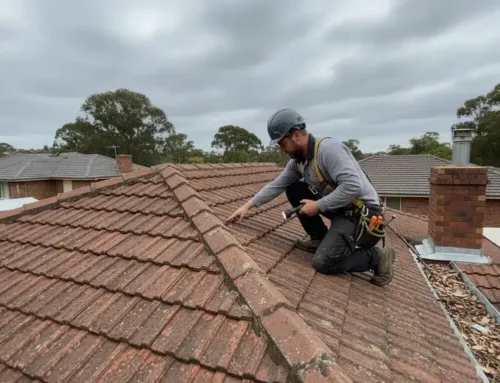
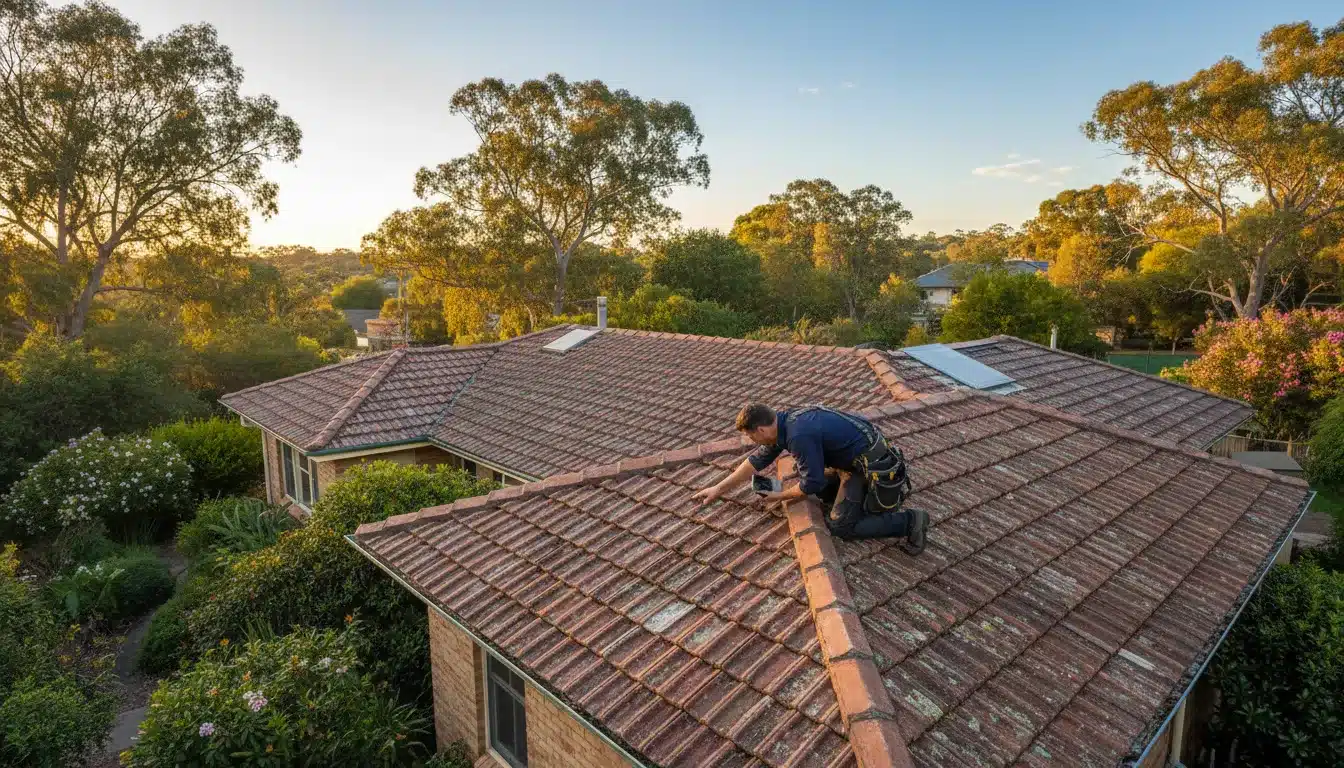
An initial inspection identifies access needs, fragile areas and visible defects. It also helps set the correct cleaning method.
A quote should explain the preparation scope. Vague wording can hide important tasks.
The inspection should also consider roof access. Safe access can affect time, equipment choice and the ability to clean all roof planes.
Photos before work can help confirm visible defects. They also make the proposed scope easier to understand.
Scope details should cover:
- Cleaning method
- Moss and lichen removal process
- Tile or metal repairs
- Ridge and flashing checks
- Primer and coating system
- Weather delay approach
Records After Completion
Photos and notes can show what was repaired before coating. These records help future maintenance and warranty discussions.
A clear record should match the quoted scope. It should not leave preparation steps open to interpretation.
Tile Roof Cleaning and Coating Outcomes
Tile roofs need special attention because tiles can be porous and profiled. Dirt can sit in channels and laps.
Tile roof restoration relies on cleaning to remove that material so sealers and coatings can bond. Cleaning also helps reveal cracked tiles or ridge defects.
The cleaning pattern should follow the roof profile. Consistent passes help avoid missed grooves, streaks and dirty edges.
Tile conditions can change across one roof. Shaded sections, exposed hips and traffic paths may each need different care.
Concrete Tiles
Concrete tiles can become porous as they age. A sealer may be needed before finishing coats are applied.
Porosity affects how coatings absorb and dry. Preparation should account for that variation across the roof.
Some concrete tiles can shed sandy residue when weathered. That residue should be removed before primer or sealer is applied.
Terracotta Tiles
Terracotta can have a harder surface than concrete. It may need a different preparation and primer approach.
The coating system must match the tile condition. A single method will not suit every tiled roof.
Glazed or dense surfaces can need closer product selection. Adhesion should not be assumed from appearance alone.
Mistakes That Shorten Restoration Life
Several shortcuts can reduce the value of restoration work. Most relate to cleaning, drying, repair or coating timing.
High pressure roof cleaning should not be rushed. Poor cleaning leaves a weak base for the next stage.
Common mistakes include:
- Coating over damp surfaces
- Leaving moss in tile profiles
- Ignoring cracked ridge pointing
- Applying coating during unsuitable weather
- Skipping primer where needed
- Treating coating as a leak repair
Moss and lichen removal should also include attention to shaded areas. Otherwise, growth can return and affect the finish.
Questions to Ask Before Work Starts
Homeowners can compare proposals by asking direct process questions. Clear answers help separate detailed restoration from surface repainting.
The aim is to confirm that preparation, repair and coating are all included. A strong scope should make the sequence clear.
Helpful questions include:
- How will the roof be inspected before cleaning?
- What cleaning pressure will be used?
- How will drying be confirmed?
- Which repairs are included?
- How will roof coating adhesion be supported?
- What happens if rain interrupts the job?
A detailed answer shows the contractor has thought beyond appearance. It also helps prevent disputes after work begins.
The best answers should describe the order of work in plain terms. They should also explain why each preparation step is needed.
Owners should keep written scopes and completion notes together. These records can help with later maintenance, sale enquiries or warranty questions.
Conclusion
A lasting restoration starts with knowing what the roof needs beneath the finish. To discuss cleaning, repairs and coating preparation for your roof, contact us for a free, no-obligation inspection.