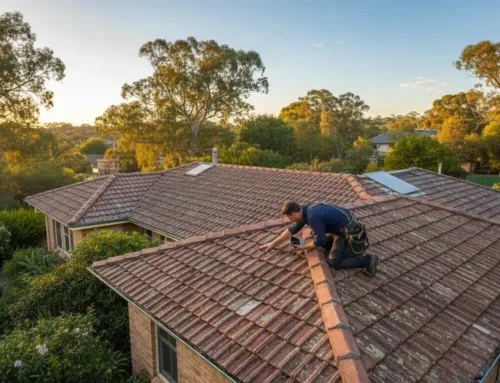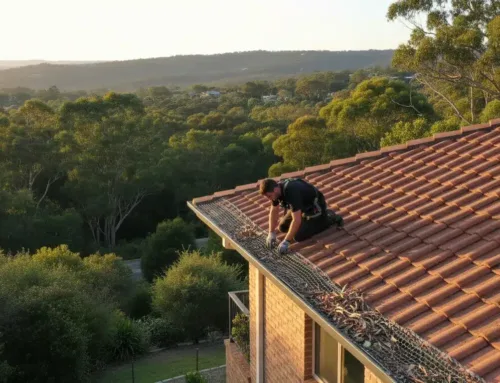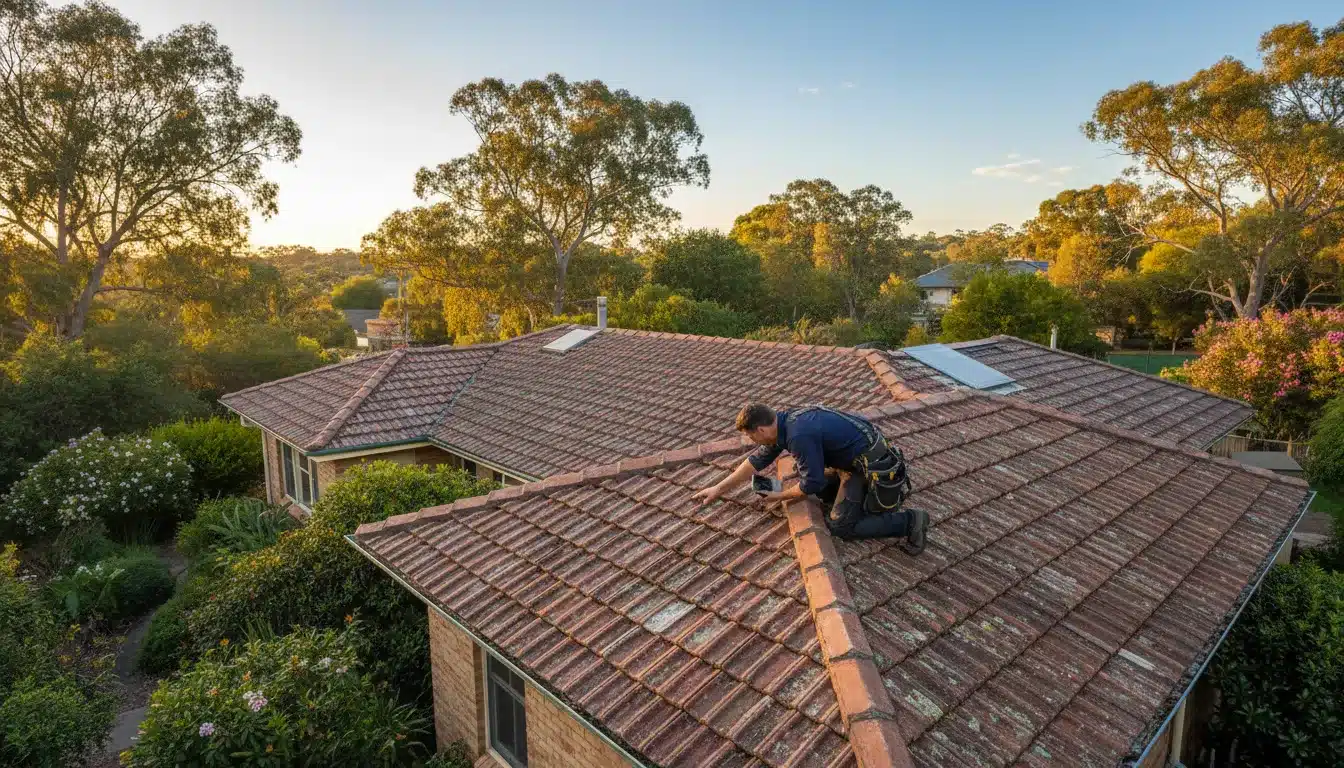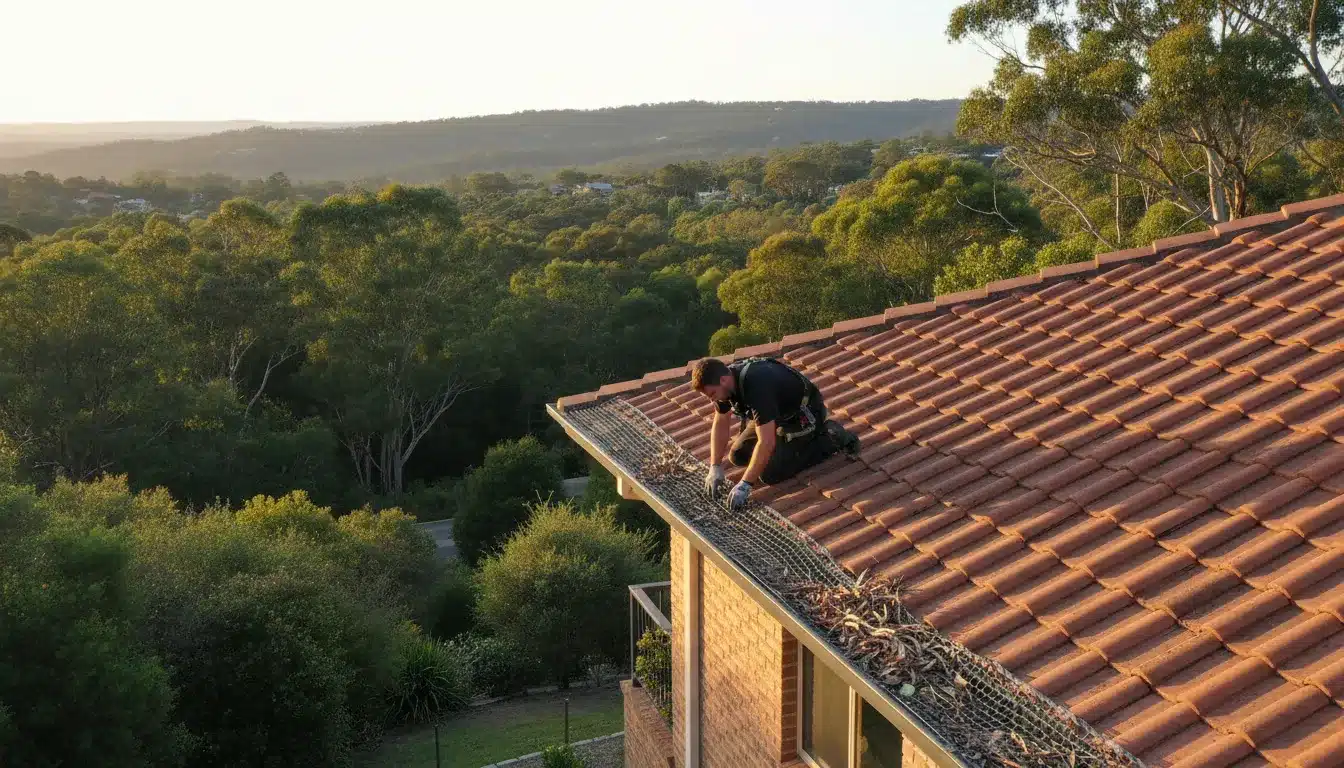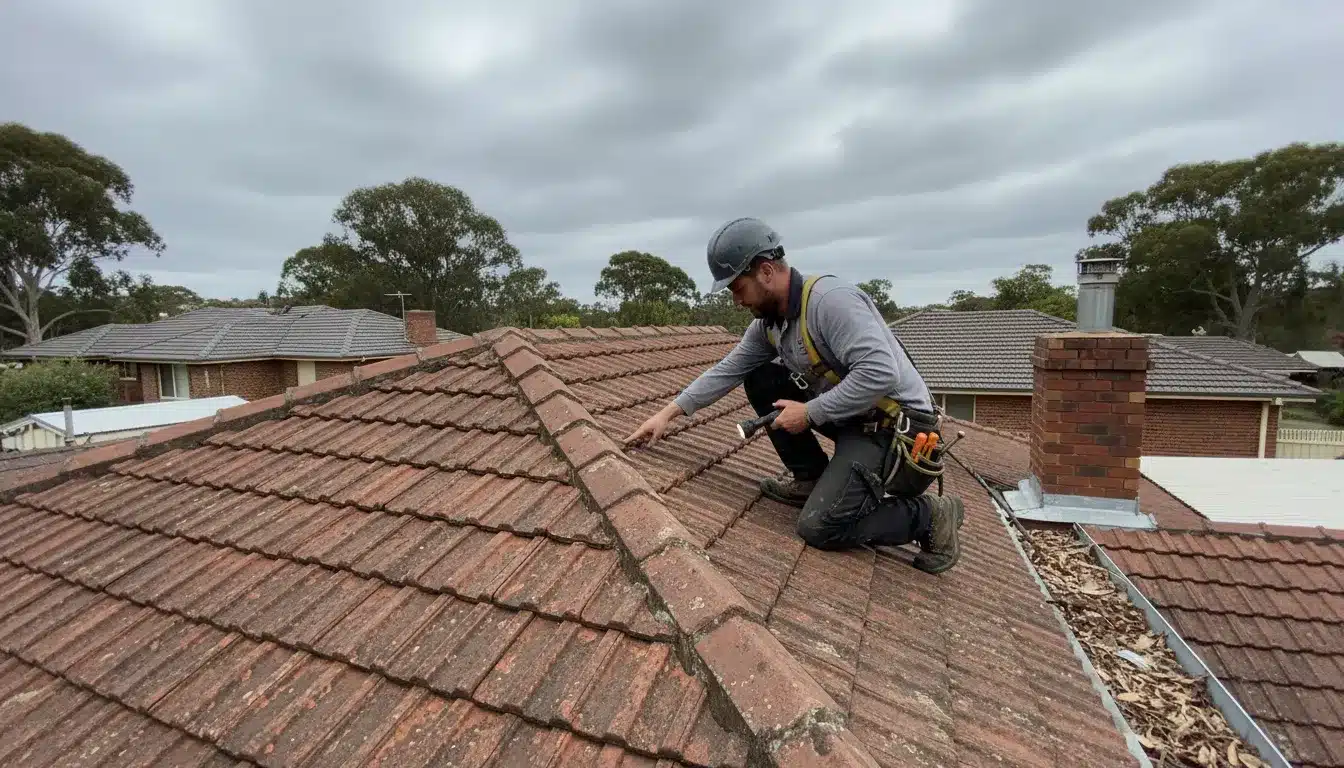
Older tile roofs can handle many years of weather when small problems are found early. Cracked tiles, loose ridge caps and blocked valleys often begin as minor defects. Winter rain can turn those defects into ceiling stains or damaged insulation.
Assessment should happen before the first heavy cold front. Dry weather gives safer access and clearer evidence. It also leaves more time for repairs before urgent leaks appear.
A good inspection looks at the full roof system. Tiles, pointing, valleys, flashings, gutters and roof cavity signs all matter. Each part affects how well rainwater leaves the home.
Start With the Roof from Ground Level
A ground-level review can reveal obvious risks before anyone climbs onto the roof. Binoculars, photos and careful observation help identify uneven lines or displaced materials. This step is useful after storms or long dry periods.
The aim is not to diagnose every fault from the driveway. It is to spot warning signs that need closer attention. Visible movement, missing pieces or heavy debris should move the roof higher on the maintenance list.
Warning Signs Visible From Below
Look for changes across the whole roof, not only one corner. Patterns can show whether a roof has local damage or broader ageing. Widespread issues need a different response from one broken tile.
Useful ground checks include:
- Uneven ridge lines or shifted caps
- Dark patches that may indicate moisture
- Heavy moss, lichen or leaf build-up
- Broken tile corners near gutters
- Rust marks below valleys or flashings
- Overflow marks on gutters and fascias
These signs do not always mean major failure. They do mean the roof needs closer inspection. Winter rain will test every weak point.
Why Timing Matters Before Winter
A winter roof inspection gives the best value when completed before long wet spells. Repairs can be planned instead of rushed. Coating or repointing work also needs suitable weather windows.
Delays can make a small leak harder to trace. Water can travel along battens, insulation and ceiling linings. The stain inside the home may not sit below the entry point.
Early action also supports roof leak prevention. It allows small cracks, blocked valleys and loose pointing to be fixed before heavy rain. That reduces the chance of emergency repairs during storms.
Inspect Tiles, Ridges and Valleys
Tile roofs rely on overlapping surfaces and well-sealed junctions. A single cracked tile may be simple to replace. A pattern of fretting or brittle tiles needs more careful evaluation.
A tile roof assessment should record the condition of field tiles, cut tiles, ridge caps and valley edges. It should also note any sections that break easily under safe access. That can affect whether restoration remains viable.
Tile Condition and Water Paths
Tiles should sit flat and overlap correctly. Lifted, slipped or broken tiles can let wind-driven rain enter the roof cavity. Cut tiles near valleys and hips are common weak points.
A practical tile roof assessment checks:
- Cracks through the water channel
- Surface fretting or crumbling edges
- Slipped tiles near hips and valleys
- Missing storm clips or loose fixings
- Earlier repairs using unsuitable sealant
- Tile breakage during careful access
One or two damaged tiles may only need replacement. Many fragile tiles across several planes may point to deeper ageing. The inspection should separate isolated repairs from systemic failure.
Valleys and Flashing Junctions
Valleys carry concentrated water during heavy rain. Leaves, silt and broken tile pieces can slow that flow. Corroded valleys can leak even when the surrounding tiles look acceptable.
Flashings around chimneys, vents and wall junctions also deserve close review. Gaps, lifting edges and failed sealant can all allow water entry. These faults often appear during wind-driven rain.
Good roof leak prevention depends on these junctions. Broad roof areas may be sound while valleys or flashings fail. A complete assessment must follow the likely water path from ridge to gutter.
Check Ridge Capping Carefully
Ridge caps protect high points and roof intersections. They move with heat, wind and age. Cracked pointing can expose bedding and allow water entry.
A ridge capping inspection should look for separation, loose caps and broken mortar. It should also check whether the bedding beneath remains firm. Repointing alone may not fix failed bedding.
Pointing Cracks and Movement
Flexible pointing can crack as it ages. Small cracks may be early warnings. Large gaps, lifted sections or loose caps need prompt repair.
Inspectors should check:
- Cracks running along ridge cap edges
- Open gaps at hip and ridge joins
- Loose caps that move under light pressure
- Missing mortar near gable ends
- Debris washed from bedding into gutters
- Damp marks below ridge lines inside the roof
A ridge capping inspection is especially important before winter. Rain driven by wind can enter high roof points. Once water reaches the cavity, it may spread away from the source.
Bedding Failure Versus Surface Cracking
Not all ridge faults need the same repair. Surface cracking may need cleaning and flexible repointing. Failed bedding may need sections lifted and reset.
The distinction matters for durability. Coating over loose ridge caps does not stabilize them. Repairs should come before roof coatings are applied.
Ridge work can also support later roof painting and tile repairs. Sound ridge caps help the finished roof perform as a system. A clean finish means little if high points still admit water.
Look Inside the Roof Cavity
Internal evidence can confirm what is happening outside. Stains, damp insulation and rusted fixings can reveal old or active leaks. Some defects only show after repeated rain.
Roof cavity checks should be safe and careful. Electrical hazards, low clearance and ceiling fragility can create risk. We offer a free, no-obligation roof inspection with Permacoat, backed by over 50 years in the WA roof restoration industry. We have restored more than 30,000 roofs across Perth, north and south of the river.
Moisture Clues Under the Roof
Water rarely travels in a straight line. It can run along rafters before dripping onto insulation. That means internal signs need interpretation, not assumptions.
Common internal clues include:
- Dark stains on timber or ceiling plaster
- Damp or compressed insulation batts
- Rust around nails, screws or straps
- Daylight visible through tile gaps
- Musty odours after rain
- Water marks near valleys or penetrations
These signs help prioritise roof leak prevention. Active moisture should be addressed before cosmetic work. A dry roof cavity is a good sign, but it should be checked after rain too.
Ceiling Stains Need Careful Tracing
A ceiling stain may not sit under the broken component. Wind can push rain sideways. Timber and insulation can carry moisture several metres.
Photos can help track stain growth after rain. Marking the date and weather conditions also helps. That evidence can guide repair work and prevent repeated guesswork.
If stains reappear after patching, the scope may be incomplete. The issue may be at a flashing valley or ridge. A second inspection should look beyond the first repair area.
Gutters, Downpipes and Drainage
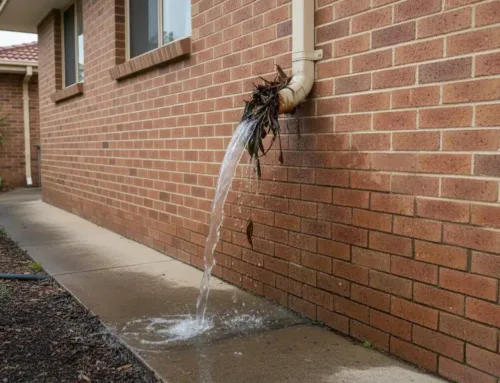
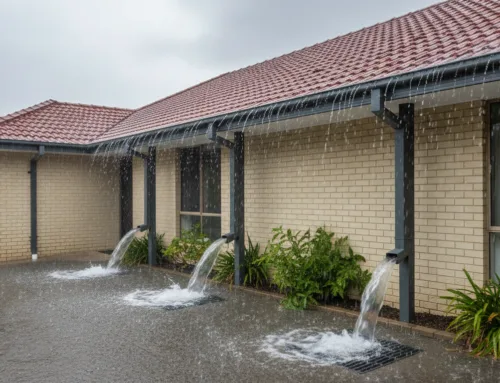
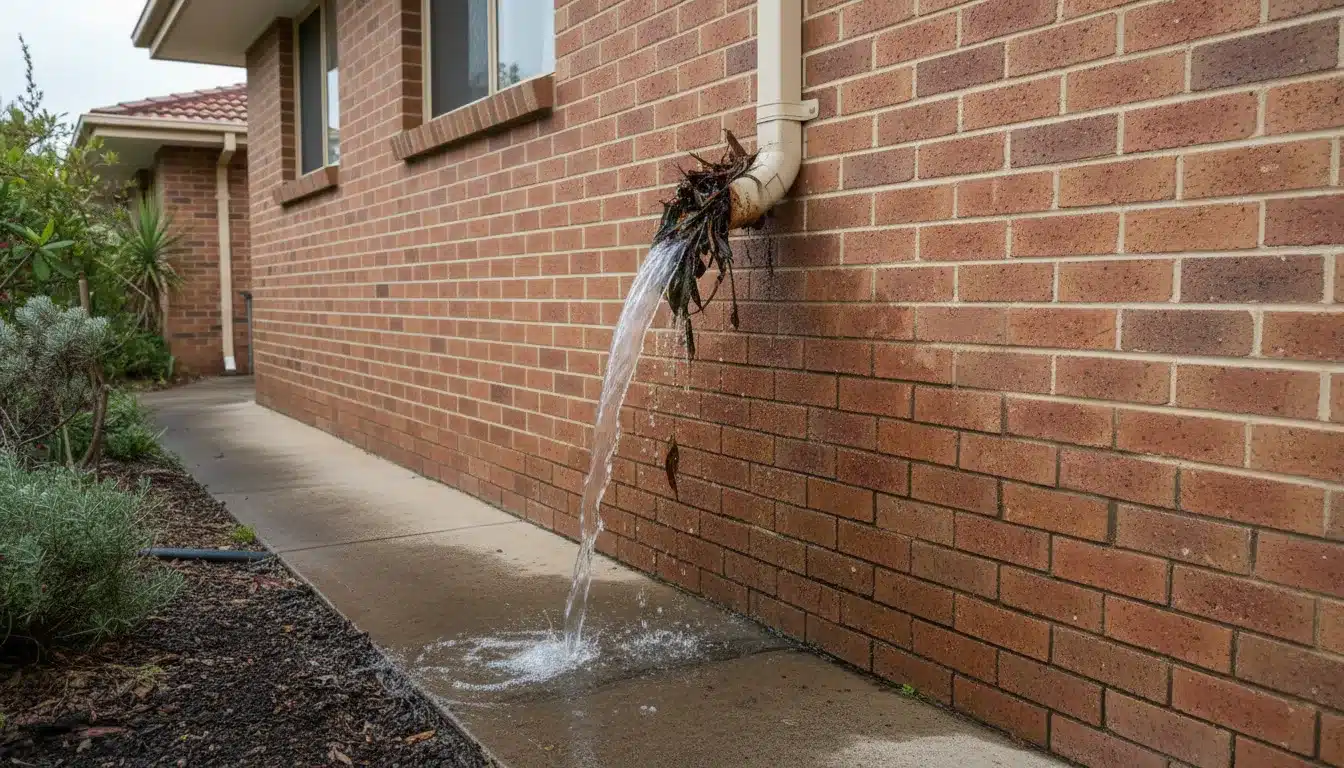
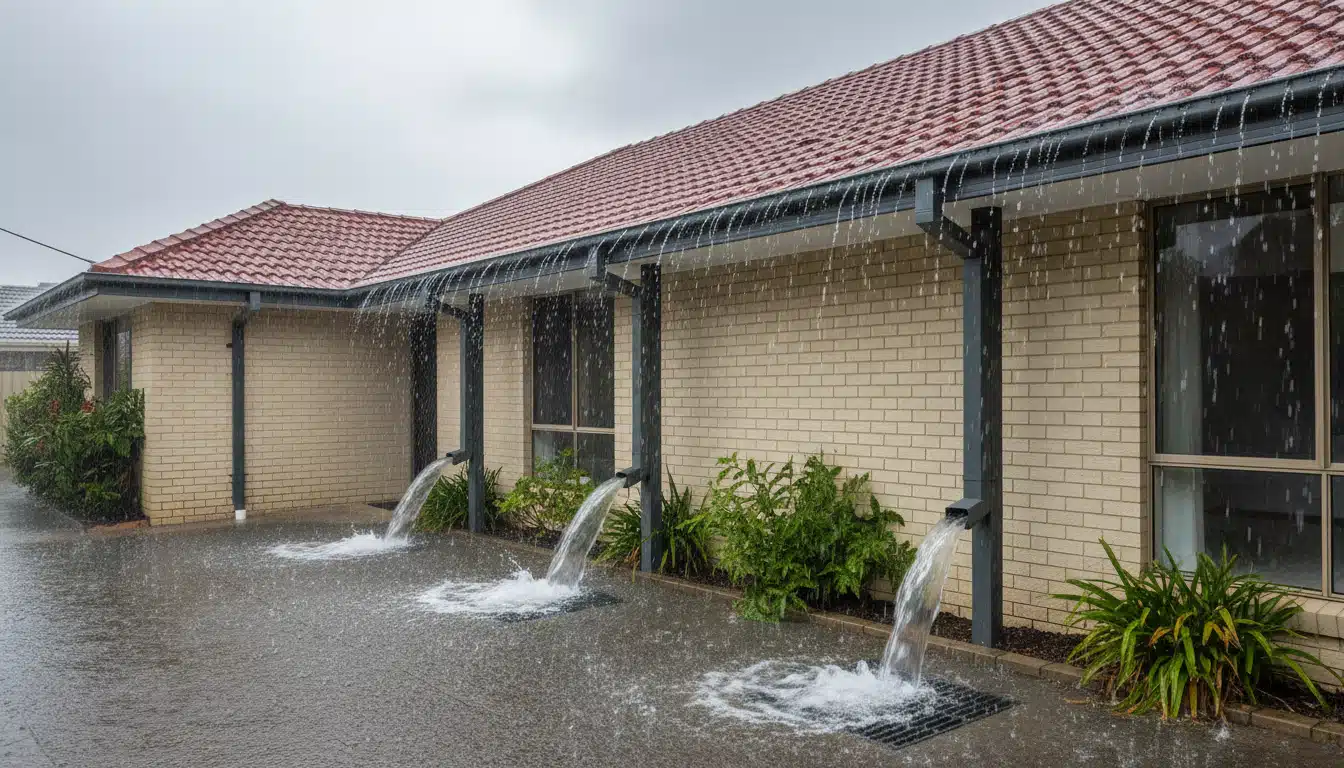
A tile roof cannot perform if water cannot leave it. Gutters, valleys and downpipes all affect roof performance. Blocked drainage can push water back under tiles or over fascias.
Perth roof maintenance should include roof surfaces and drainage together. Separating them can miss the cause of leaks. Overflow may look like a roof leak when the gutter is the real issue.
Drainage Checks Around the Roof Edge
Gutter and downpipe checks should happen before winter rain. Debris loads often increase after hot dry months. Fine material can collect under leaves and restrict flow.
Useful checks include:
- Leaves and silt sitting in gutters
- Downpipes that discharge too slowly
- Rust, holes or separated gutter joints
- Fascia staining from overflow
- Valley outlets blocked by debris
- Water pooling near the house base
Perth roof maintenance should also consider surrounding trees. Branches can drop leaves, rub tiles and create access paths for pests. Trimming may reduce future debris.
When Drainage Faults Mimic Roof Leaks
Overflow can enter eaves and ceiling edges. It may appear after intense rain, then disappear during lighter showers. That pattern can confuse leak diagnosis.
Testing downpipes and checking gutter fall can clarify the cause. General remedies may include clearing blockages or repairing faulty joints. We offer gutter replacement for old or damaged gutters and downpipes, either separately or alongside roof restoration. The roof surface may still need repair, but drainage cannot be ignored.
A planned winter roof inspection should include these areas. Rainwater management is part of the roof system. Leaving it out weakens the final recommendation.
Restoration Readiness
Not every older tile roof needs replacement. Many roofs can be repaired, cleaned, repointed and coated when the tile base remains strong. The decision depends on evidence from the inspection.
Roof tile restoration usually suits roofs with sound tiles, repairable ridges and manageable junction faults. It can improve surface protection and appearance. It should not be used to disguise widespread structural or material failure.
Surface Preparation Before Coating
Preparation is central to any lasting finish. Roof cleaning removes moss, lichen and dirt, while loose coating also needs attention before a new finish is applied. Repairs should be completed first.
A ready roof will often show:
- Tiles strong enough for safe access
- Defects repaired before cleaning and coating
- Ridge caps stable after repointing or bedding work
- Valleys clear and watertight
- Flashings secure around penetrations
- Gutters able to manage increased runoff
We use a primer sealer followed by two top coats on suitably prepared roofs. This finish follows repairs and preparation; it does not replace them.
When Replacement May Be Safer
Restoration is not always the best answer. A roof may need replacement if tiles crumble widely, leaks keep returning or access causes too much breakage. Severe structural movement also changes the decision.
Replacement may also suit major renovations or design changes. Yet replacement should follow evidence, not fear. Some older roofs still have many years of service after correct repairs.
A fair recommendation explains both options. It should show why roof restoration is viable or why replacement is safer. Photos, defect notes and clear priorities make that choice easier.
A Pre-Winter Action Plan
A simple action plan helps avoid rushed winter decisions. Start with observation, then arrange a detailed assessment if signs appear. Keep records of leaks, storms and repairs.
The plan should focus on safety and priority. Active leaks, loose ridge caps and blocked drainage need faster attention. Faded colour alone is usually less urgent.
Practical Steps for Owners
A clear checklist can help prepare for an inspection. It also helps compare recommendations. Keep the focus on water entry, roof stability and drainage.
Recommended steps include:
- Photograph visible roof defects from ground level
- Note ceiling stains and the weather that caused them
- Clear ground-level drainage only where it is safe to do so
- Avoid walking on old tiles without training
- Request photos of roof defects from inspectors
- Ask which repairs must happen before coating
This process supports stronger decisions. It also reduces the risk of paying for incomplete work. Good information leads to better scopes.
Choosing the Right Scope
The final scope should match the roof condition. Small defects may only need targeted repair. Broader wear may justify roof tile restoration if the base remains sound.
If inspection findings are mixed, stage the work by risk. Stop active leaks first. Then address pointing, cleaning, coating and drainage improvements.
A documented approach also helps future maintenance. It creates a baseline for the next check. That makes ongoing care easier and more consistent.
Seasonal records add value over time. Photos from each autumn can show whether cracks are growing or debris is returning. Notes about rain direction and stain timing can also help locate difficult leaks. That history supports better decisions before the next wet season.
Safety should guide every step. Older tiles can break under foot traffic. Ladders, wet surfaces and hidden electrical risks make roof access unsuitable for untrained people. This caution prevents broken tiles and avoids unsafe temporary checks.
Conclusion
Before winter rain arrives, use your observations and repair records to identify what needs attention first. If you have noticed cracked tiles, loose ridge caps or recurring ceiling stains, contact us to arrange a free, no-obligation roof inspection and discuss the next steps for your roof.