Re-roofing in Western Australia isn’t just about choosing between tiles or Colorbond. It’s also about navigating the paperwork, meeting building codes, and making sure the project is fully compliant with local regulations. Ignoring these steps can result in costly fines, insurance problems, and even orders to tear the work down. That’s why anyone considering a new roof needs to understand how permits, approvals, and inspections work before the first tile comes off.
Do You Need a Permit for Re-Roofing in WA?
The short answer: sometimes yes, sometimes no. Minor like-for-like repairs rarely require official approval. For example, replacing a handful of cracked tiles with the same type usually doesn’t trigger additional paperwork. However, full re-roofing projects are treated differently.
You’ll almost certainly need re-roofing permits WA if you are:
- Switching from one material type to another, such as tiles to Colorbond steel.
- Altering the roof’s pitch or structural design.
- Replacing significant sections of roof framing, rafters, or battens.
The guiding principle is simple: if the work impacts structural integrity or changes the home’s external appearance, a permit is required. When in doubt, the safest move is to confirm with your local council before work begins.
Key Takeaways:
- Minor patch repairs = no permit required.
- Structural or material changes = permit required.
- Always check with council for project-specific requirements.
What Counts as “Re-Roofing”?
The term covers more than many homeowners expect. Re-roofing is defined as removing the existing roof covering and replacing it with a new system. This can include:
- Swapping terracotta or concrete tiles for modern steel roofing.
- Adjusting roof pitch for design or drainage improvements.
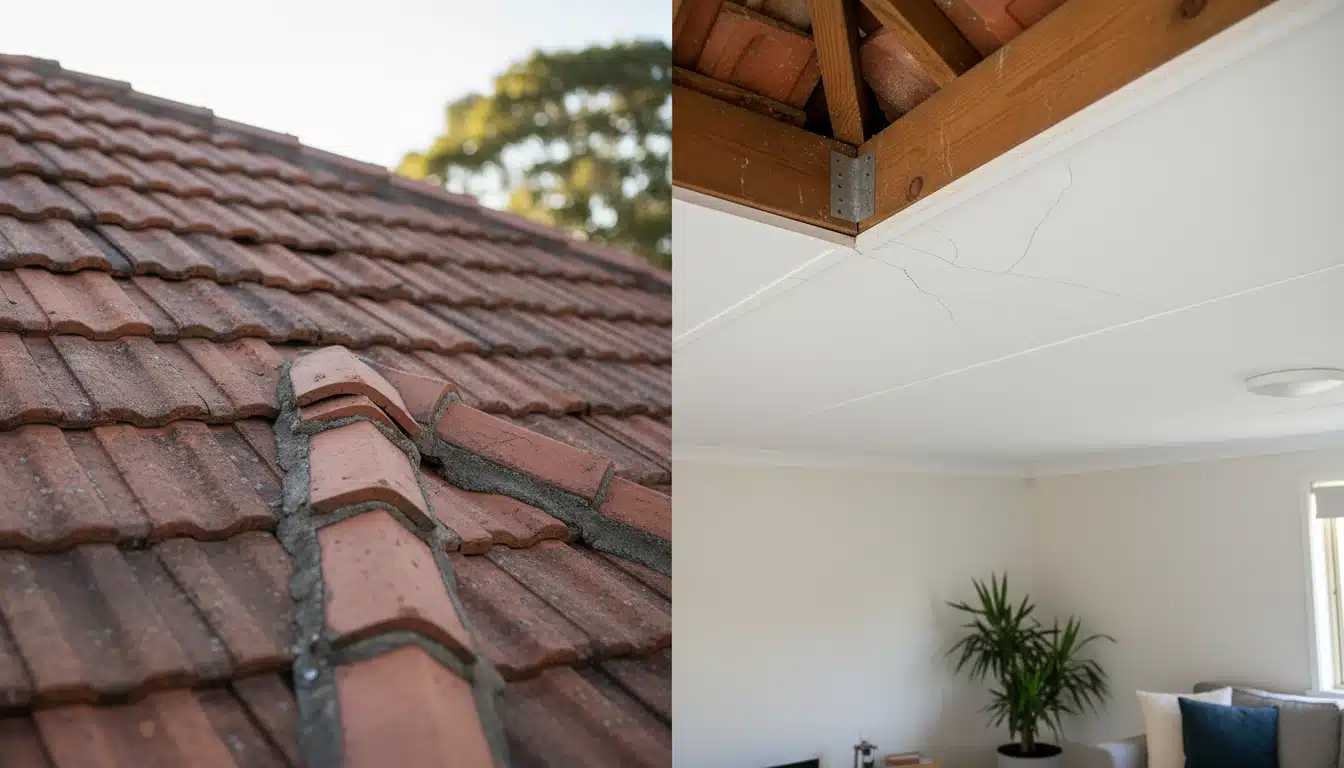
- Replacing degraded battens, rafters, or other support structures.
It goes well beyond surface changes. If a roof is stripped back and rebuilt with new materials or framing, that qualifies as re-roofing and requires formal compliance steps.
WA Building Codes: What They Mean for Re-Roofing
Western Australia follows the Building Code of Australia (BCA), which sets standards for safety, performance, and energy efficiency. Any re-roofing project must comply with these codes.
Key Building Code Considerations:
- Structural integrity – roofs must withstand wind loads, storms, and regional weather conditions.
- Fire resistance – in bushfire zones, approved fire-rated materials must be used.
- Waterproofing – flashing, valleys, and joints must be sealed to prevent water ingress.
- Energy efficiency – insulation and reflective coatings may be required to improve energy performance.
For coastal properties, corrosion resistance is critical. For inland areas, reflective coatings may be more important to combat summer heat. Each site has unique compliance requirements, making professional advice essential.
Key Takeaways:
- WA building codes cover strength, fire safety, water resistance, and energy performance.
- Requirements vary by region (coastal, bushfire-prone, etc.).
- Only licensed professionals should handle compliance.
Council Approval: When Is It Needed?
Even if you avoid a building permit, you may still need roofing council approval WA. Councils are responsible for ensuring building work aligns with neighbourhood planning and heritage guidelines.
Everyday Situations Requiring Council Approval:
- Changing the external appearance of the roof.
- Working on a heritage-listed home or within a conservation area.
- Altering structural design elements such as roof pitch.
Council Approval Process:
- Initial consultation – contact your local council with project details.
- Application preparation – supply drawings, specifications, and material details.
- Submission and fees – lodge the application and pay relevant charges.
- Decision period – councils typically take several weeks to respond.
Failing to secure approval before works begin can lead to stop-work notices, fines, and major project delays.
Choosing Materials That Meet WA Standards
The choice of roofing materials impacts both compliance and long-term performance. In Perth’s climate, where strong UV, salt air, and storms are common, durability is as important as appearance.
Popular Options:
- Colorbond steel – lightweight, corrosion-resistant, available in many roof colours.
- Terracotta tiles – fire-resistant and long-lasting, ideal for heritage-style homes.
- Concrete tiles – durable and cost-effective.
- Acrylic coatings – such as Dulux Acratex, applied during roof restoration to extend existing roof life.
Factors to Weigh:
- Suitability for Perth’s climate.
- Compliance with local building codes.
- Budget and life expectancy of the material.
- Aesthetic fit with surrounding properties.
Investing in quality materials upfront reduces the risk of compliance failures or premature replacement.
The Role of Licensed Roofing Professionals
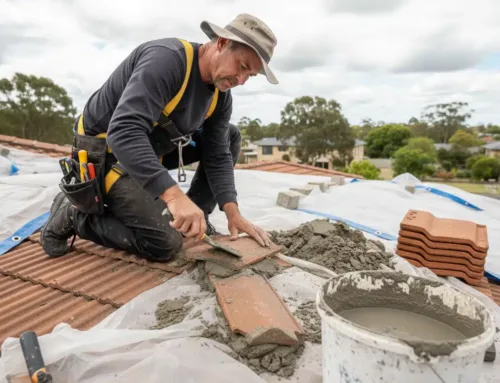
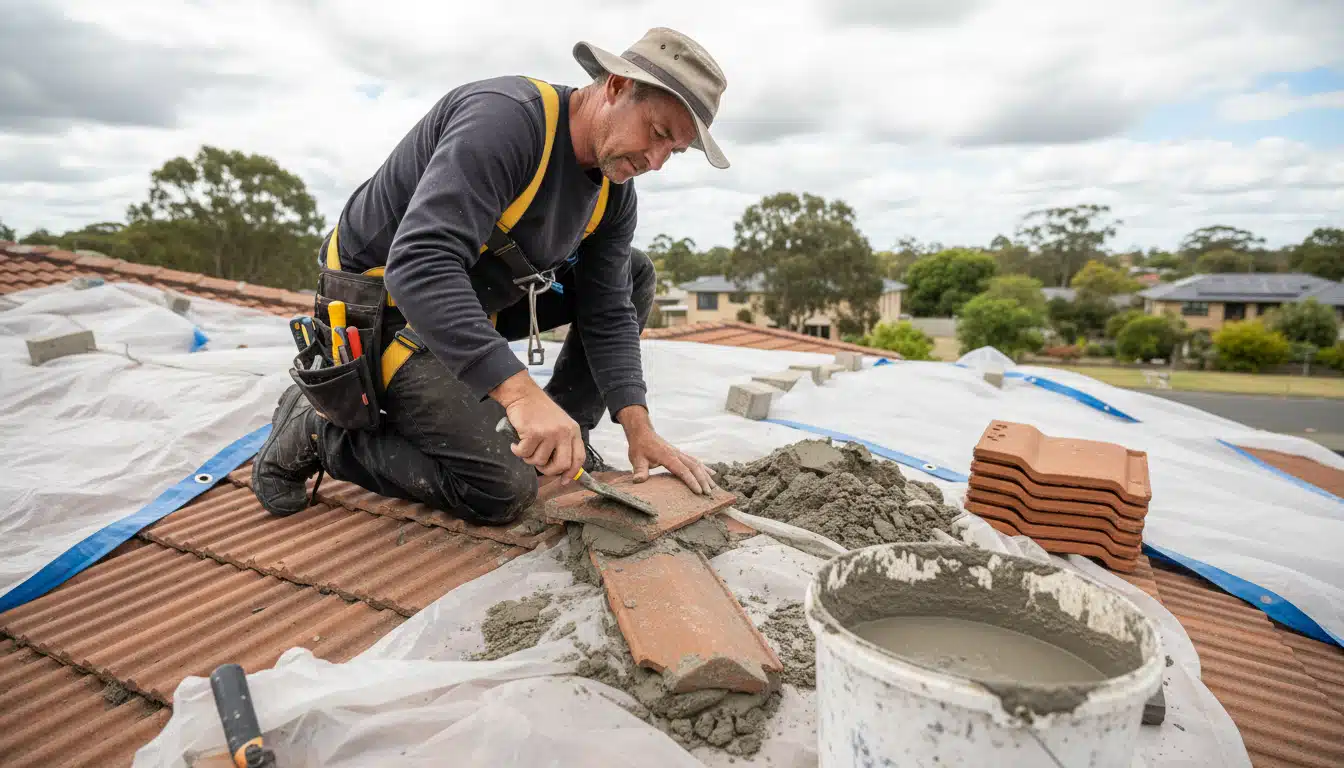
Re-roofing is not a task suited to DIY efforts. The combination of safety risks, technical expertise, and regulatory complexity demands licensed trades.
Benefits of Hiring Licensed Professionals:
- Safety assurance – working at height and handling asbestos requires training.
- Regulatory knowledge – experienced contractors understand BCA and local council rules.
- Warranty protection – licensed installers typically back their work with formal guarantees.
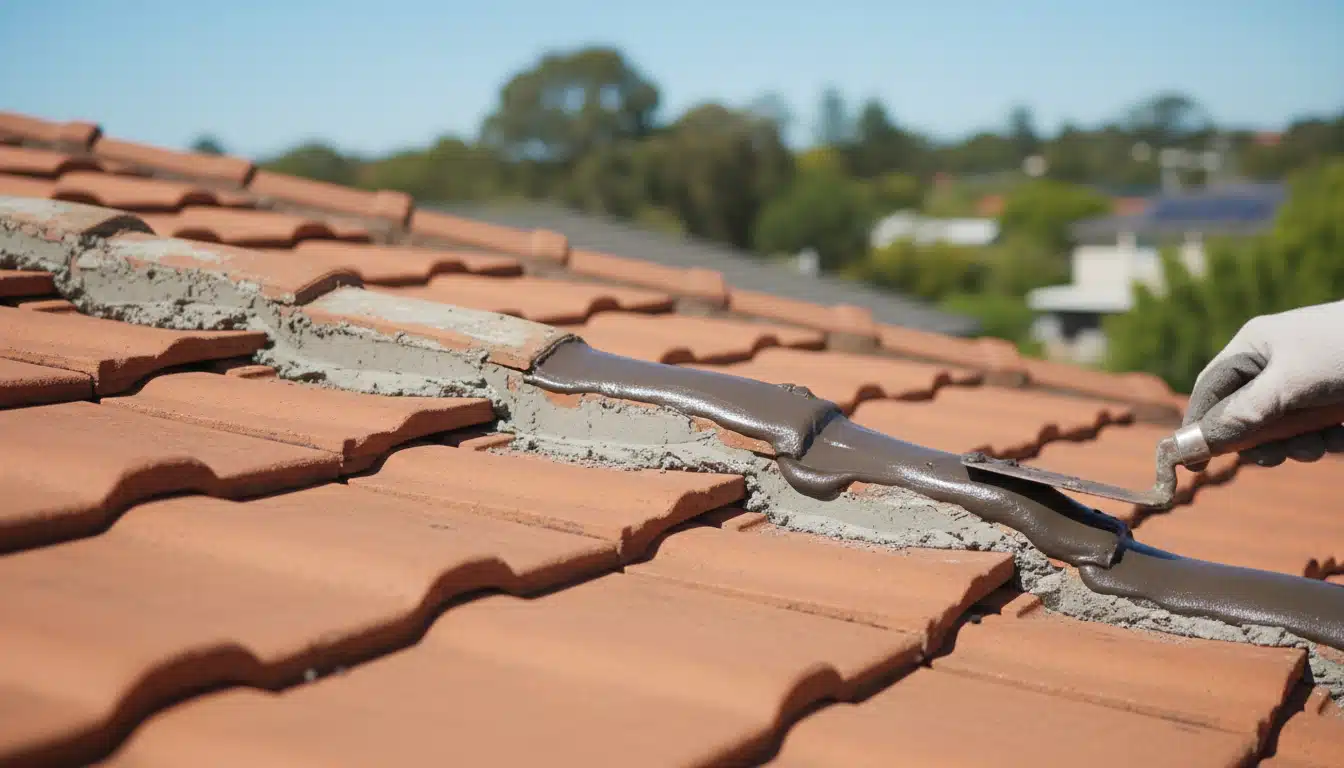
- Quality outcomes – proper flashing, sealing, and detailing ensure long-term performance.
Whether it’s roof repairs, re-roofing, or gutter replacement, using licensed tradespeople avoids costly mistakes and keeps projects compliant.
Inspections Before, During, and After
Inspections are often mandatory at different stages of the re-roofing process. These checks confirm that work is performed correctly and in line with regulations.
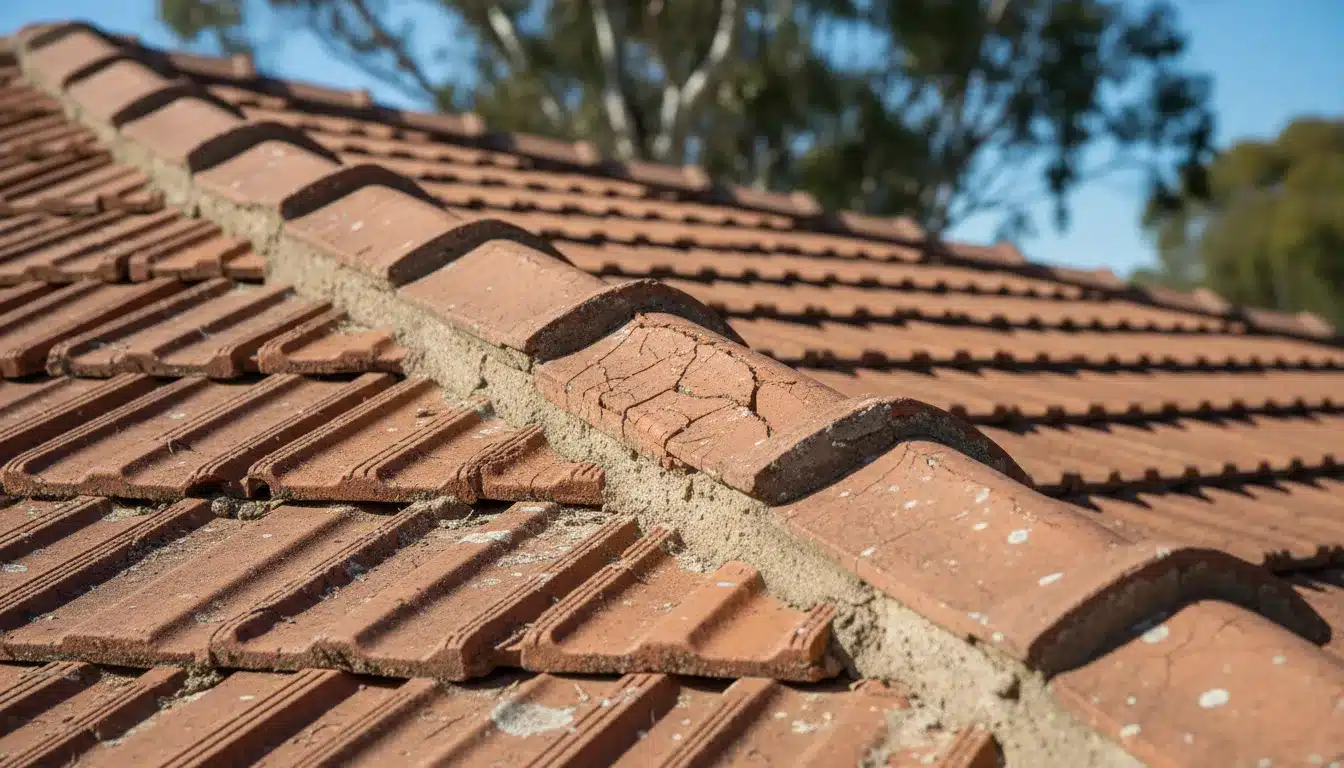
- Pre-inspection – assesses existing roof condition before approval.
- Mid-inspection – checks progress, particularly structural replacement work.
- Final inspection – confirms the new roof meets all compliance requirements.
Skipping required inspections risks non-approval, which may void insurance or affect future property sales.
What Happens If You Skip the Permit Process?
Carrying out a re-roof without the correct permits and approvals can backfire badly. Possible consequences include:
- Fines from the local council.
- Stop work orders, halting projects mid-build.
- Demolition requirements, force the removal of non-compliant work.
- Insurance exclusions, leave homeowners liable for damage costs.
- Resale issues, as unapproved work deters potential buyers.
Ultimately, the risks far outweigh the time and fees involved in securing approval.
Practical Steps for a Compliant Re-Roofing Project
- Assess your roof’s condition – decide if restoration or full replacement is required.
- Confirm with council – clarify whether you need a building permit, approval, or both.
- Choose compliant materials – select tiles, steel, or coatings suited to WA codes.
- Engage licensed roofers – rely on experienced professionals for installation.
- Secure permits and approvals – finalise before work begins.
- Schedule inspections – meet compliance requirements at each stage.
By following these steps, property owners can be confident their new roof will be both legally compliant and structurally sound.
Conclusion: Compliance Protects Your Home and Investment
Re-roofing delivers long-term protection and value, but only when carried out within the framework of permits, codes, and regulations. Obtaining re-roofing permits WA, securing roofing council approval WA, and engaging licensed professionals are not red tape to ignore – they are essential steps in safeguarding property, ensuring insurance coverage, and avoiding costly mistakes.
For professional guidance, material recommendations, and complete re-roofing services across Perth, contact us. Permacoat provides fully compliant services, from inspections to installation, giving homeowners peace of mind that every detail is managed correctly.
Actionable Next Steps
- Review your roof’s needs – restoration, repair, or full replacement.
- Check local council requirements before starting.
- Choose suitable materials with professional guidance.
- Engage licensed roofers to handle compliance and installation.
Book a professional inspection through Permacoat to get started.