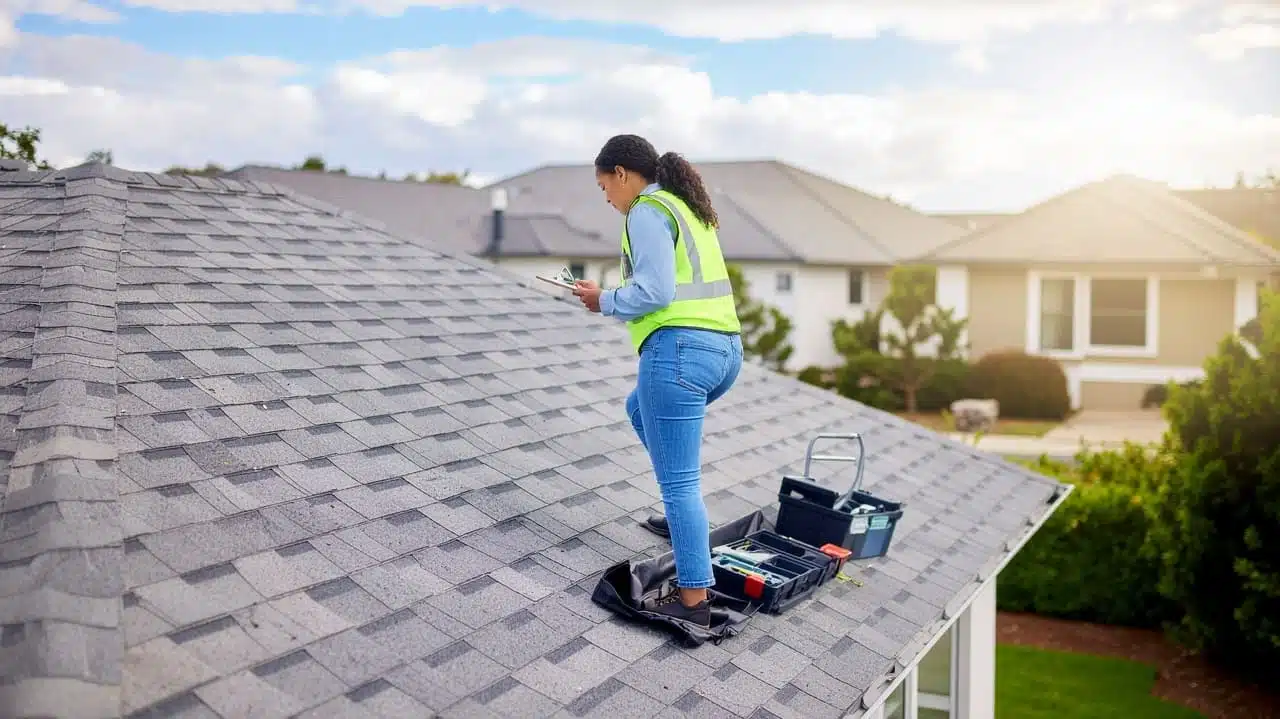
Regular roof inspections are crucial for maintaining homes across Western Australia, especially given Perth’s harsh climate conditions. The intense Australian sun, occasional severe storms, and coastal weather patterns can take a significant toll on roofing systems over time. This comprehensive roof inspection checklist WA guide provides homeowners with the essential knowledge to identify potential problems early and protect their property investment.
Understanding what to look for during a roof inspection checklist WA assessment helps homeowners catch minor issues before they escalate into costly repairs. From cracked tiles to damaged flashing, this checklist covers all critical areas that require attention. Whether managing a residential property or overseeing strata roofing requirements, regular roof assessments are the foundation of proper maintenance.
Why Regular Roof Inspections Matter
Roofs serve as the primary line of defence against the elements, protecting homes and their contents from weather damage. Over time, even the most robust roofing systems experience wear and tear from Perth’s unique climate challenges. The intense UV exposure can deteriorate roofing materials, while storms can dislodge tiles and damage protective elements.
Regular roof inspections, conducted at least twice yearly, help identify small problems before they become major headaches. Issues like cracked tiles, loose flashing, or blocked gutters might seem minor initially, but they can lead to water intrusion, structural damage, and expensive repair bills. Preventative maintenance through systematic inspections saves thousands of dollars compared to emergency repairs or premature re-roofing Perth projects.
The benefits of maintaining a consistent roof inspection checklist WA schedule include:
- Early detection of minor damage before it worsens
- Extended roof lifespan through timely maintenance
- Prevention of water damage to interior spaces
- Maintained property value and kerb appeal
- Reduced long-term maintenance costs
- Peace of mind during severe weather events
Western Australia’s harsh weather conditions make routine checks even more important than in other regions. The combination of extreme heat, occasional cyclonic activity in northern areas, and coastal salt exposure accelerates roof deterioration. Homeowners who implement regular inspection routines typically experience fewer emergency situations and enjoy longer roof lifespans.
Key Takeaways
- Regular roof inspection checklist WA protocols help identify small problems before they become expensive emergencies
- WA’s harsh weather conditions accelerate roof deterioration, making routine checks essential
- Preventative maintenance significantly extends roof lifespan and protects property investment
Safety First – Before You Climb
Safety must always be the top priority when conducting roof inspections. Unless comfortable working at heights and equipped with proper safety gear, homeowners should inspect roofs from ground level using quality binoculars. This approach allows detailed observation of tiles, flashing, and gutters without risking personal injury.
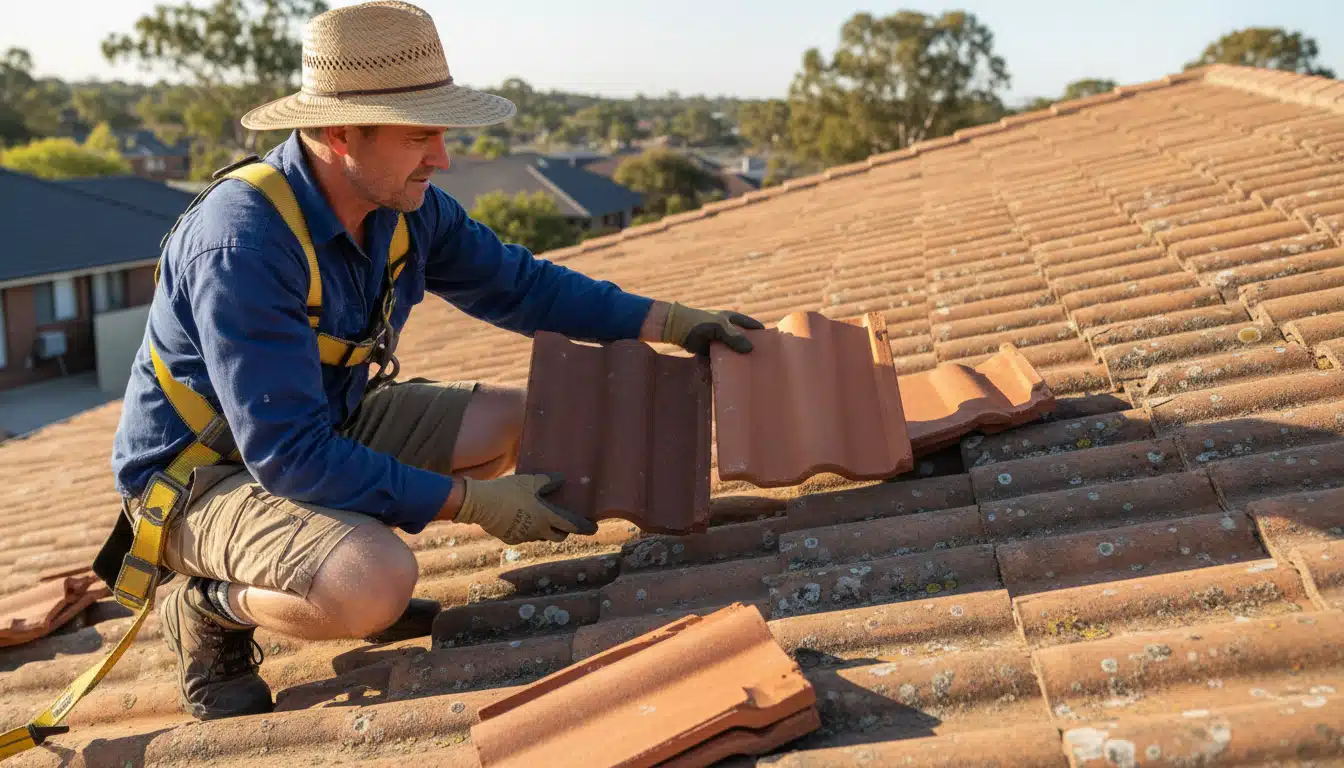
For those who choose to climb onto the roof, several critical safety measures must be followed:
Essential Safety Equipment:
- Sturdy, properly-rated extension ladder with secure footing
- Non-slip shoes with good tread
- Safety harness when working on steep pitches
- Someone to spot and stabilise the ladder
- Mobile phone for emergency contact
Conditions to Avoid:
- Wet or damp roof surfaces
- Windy conditions above 20 km/h
- Early morning when dew creates slip hazards
- Extreme heat when tiles become dangerously hot
- Damaged or unstable roofing materials
Many homeowners find that professional assessments from companies like Permacoat provide safer, more thorough evaluations than DIY efforts. Professional roofers have specialised equipment, training, and insurance coverage that protects both the inspector and the property owner.
Key Takeaways
- Safety is paramount – inspect from ground level with binoculars when possible
- If climbing is necessary, use proper equipment and never work alone
- Consider professional inspections for comprehensive, safe assessments
The WA Homeowner’s Roof Inspection Checklist
This comprehensive roof inspection checklist WA guide covers all critical areas requiring attention during routine roof assessments. Each section addresses specific components that commonly experience problems in Western Australia’s climate.
Checking the Roof Tiles or Materials
Different roofing materials require specific inspection approaches, but the fundamental principle remains consistent across all types: check for any signs of damage, deterioration, or displacement.
Terracotta and Concrete Tile Roofs:
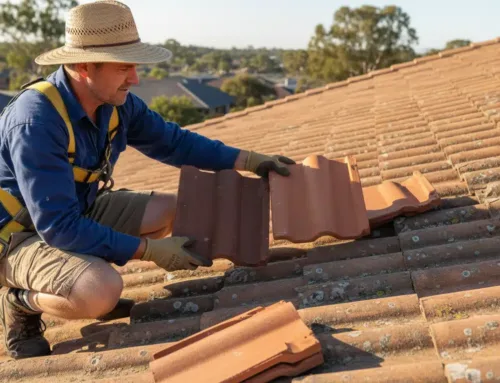
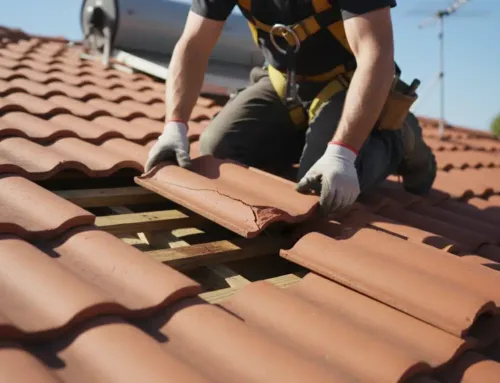
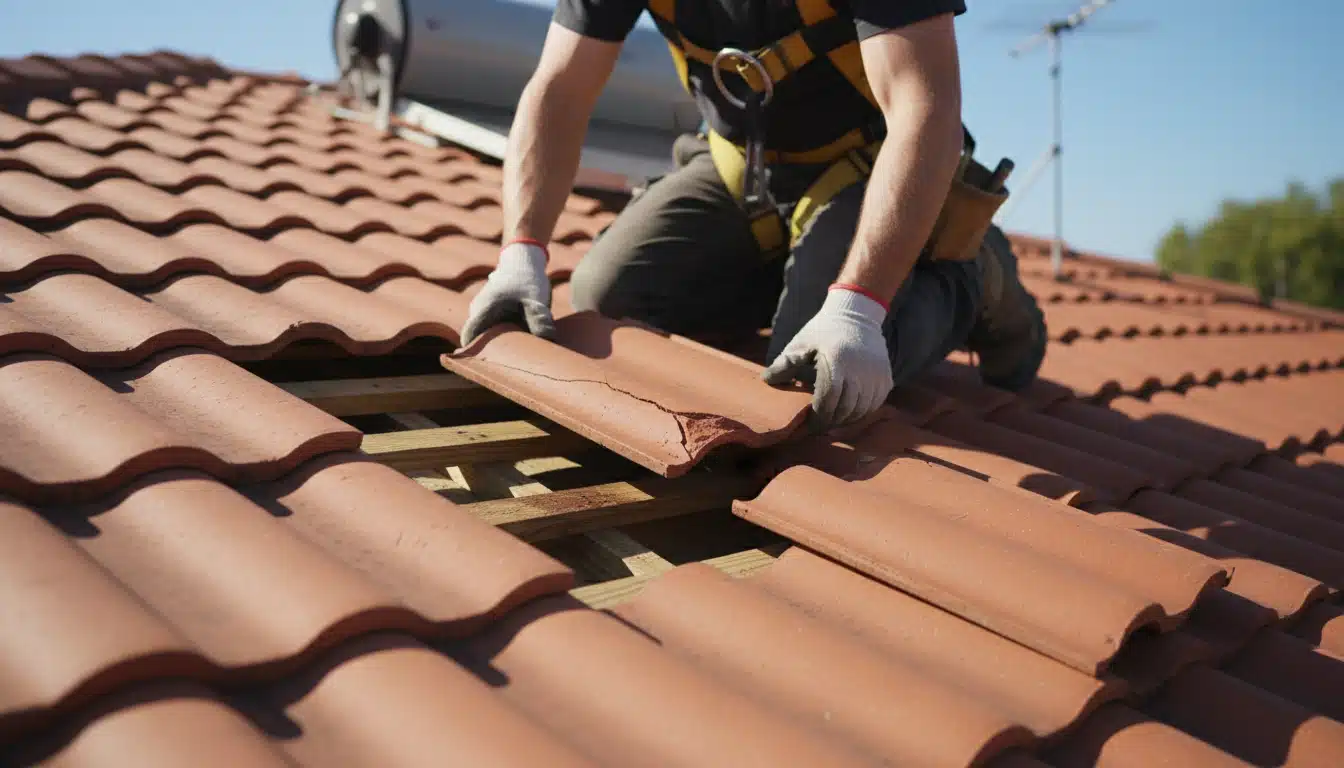
Cracked or broken tiles represent one of the most common issues affecting Perth homes. Even small cracks can allow water penetration, leading to underlayment damage and potential leaks. During roof tile maintenance inspections, carefully scan for hairline cracks, chips along edges, and tiles split completely in half.
Missing tiles often occur after severe weather events. Strong winds can lift and displace tiles, particularly those with deteriorated mortar or fixing points. Check ridge lines and edges especially carefully, as these areas experience the highest wind forces.
Discolouration or staining typically indicates biological growth such as algae, moss, or lichen. While primarily aesthetic concerns initially, these organisms can damage tile surfaces over time. Professional roof cleaning services remove these growths and restore the roof’s appearance.
Metal Roof Systems:
For metal roofing, rust represents the primary concern. Inspect all seams, fasteners, and penetrations where protective coatings may have worn away. Early-stage rust can often be treated with appropriate roof coatings, preventing extensive corrosion.
Check for loose or missing screws, particularly after storms. Metal roofs depend on secure fastening to resist wind uplift. Any loose fasteners should be tightened or replaced promptly.
Look for oil canning (waviness in flat panels), which can indicate installation issues or thermal movement problems. While often aesthetic rather than structural, severe cases may require professional assessment.
Key Takeaways
- Inspect tiles for cracks, breaks, and missing pieces – even minor damage can lead to leaks
- Check metal roofs for rust, especially around seams and fasteners
- Address discolouration promptly through professional cleaning services
Examining the Flashing
Flashing consists of metal sheeting installed around chimneys, vents, skylights, and other roof penetrations to create watertight seals. This critical component prevents water intrusion at vulnerable junction points.
Common Flashing Problems:
Loose or damaged flashing often results from thermal expansion and contraction cycles. Perth’s extreme temperature variations cause metal to expand and contract repeatedly, potentially loosening fasteners and creating gaps. Inspect all flashing annually, looking for sections that have pulled away from roof surfaces or adjacent structures.
Gaps or cracks in sealant around flashing edges compromise waterproofing effectiveness. Silicone and caulk materials deteriorate under UV exposure and temperature extremes. Check all sealed joints carefully, looking for dried, cracked, or missing sealant.
Rust and corrosion particularly affect coastal properties where salt air accelerates metal deterioration. Even galvanised flashing will eventually corrode if protective coatings fail. Rusty flashing often requires complete replacement rather than simple repairs.
Inspection Focus Areas:
- Chimney flashing (both base and counter-flashing)
- Vent pipe boots and collars
- Skylight perimeter seals
- Valley flashing in roof junctions
- Step flashing along walls and dormers
Properly maintained flashing typically lasts 15-20 years, but Perth’s harsh conditions may reduce this lifespan. Any compromised flashing should be addressed promptly to prevent water damage to roof structures and interior spaces.
Key Takeaways
- Examine flashing around vents, chimneys, and penetrations for damage or rust
- Check sealant integrity at all flashing junctions
- Coastal properties require more frequent flashing inspections due to salt air exposure
Inspecting the Gutters and Downpipes
Gutters and downpipes channel water away from roofs and foundations, playing a crucial role in property protection. When these systems fail, water can damage fascias, soffits, walls, and even foundation structures.
Critical Inspection Points:
Blockages from leaves, twigs, seed pods, and debris represent the most common gutter problem. Perth’s native trees shed bark and leaves year-round, requiring regular gutter cleaning. Blocked gutters overflow during rain, potentially causing water to back up under roof tiles. Many homeowners benefit from professional gutter and downpipe maintenance services that include cleaning and repairs.
Rust or corrosion affects metal gutter systems, particularly older installations. Check for holes, particularly at seams and corners where water tends to pool. Colorbond and aluminium gutters resist corrosion better than traditional galvanised steel but still require inspection.
Leaks and sagging sections indicate mounting problems or excessive debris weight. Gutters should maintain consistent slope toward downpipes. Any reverse pitch or sagging sections will prevent proper drainage and require adjustment or replacement.
Downpipe Assessment:
Downpipes must connect securely to gutters and discharge water well away from foundations. Check for:
- Secure mounting brackets
- Proper connection to gutter outlets
- Clear water flow without blockages
- Appropriate discharge points (minimum 1 metre from walls)
- No cracks or separations in pipe sections
Consider whether your property has adequate downpipe capacity for Perth’s occasional intense rainfall events. Undersized drainage systems can overflow even with clean gutters.
Key Takeaways
- Check gutters and downpipes for blockages, rust, and structural damage
- Ensure proper water flow and adequate discharge away from foundations
- Schedule regular cleaning to prevent overflow and water damage
Ridge Capping and Mortar
Ridge capping runs along roof peaks, covering the junction where two roof planes meet. Mortar (often called bedding) secures these caps in place while preventing water penetration.
What to Look For:
Cracked or missing mortar occurs naturally over time as temperature cycles and settling cause bedding to deteriorate. Perth’s heat accelerates this process, with many roofs requiring rebedding every 15-20 years. Inspect ridge lines from ground level with binoculars, looking for visible gaps or crumbling mortar.
Loose or dislodged ridge caps represent serious concerns requiring immediate attention. Strong winds can lift improperly secured caps, creating pathways for water intrusion and pest entry. Any movement in ridge capping indicates failing mortar that needs professional repair.
Modern flexible pointing products last longer than traditional cement mortar in Perth’s climate. When ridge repairs become necessary, consider upgrading to these advanced materials for improved longevity.
Additional Ridge Line Checks:
- Overall alignment (should be straight without waves or dips)
- Colour consistency (discolouration may indicate water damage)
- Vegetation growth in mortar cracks
- Bird or pest nesting evidence
- Cracked or broken ridge caps themselves
Ridge line problems often require professional roof restoration Perth services, as working at roof peaks demands specialised safety equipment and expertise.
Key Takeaways
- Inspect ridge capping and mortar for cracks, gaps, and deterioration
- Look for loose or displaced caps that could allow water entry
- Plan for professional rebedding every 15-20 years in Perth’s climate
Seals and Penetrations
Anywhere something penetrates the roof surface creates potential weak points for water intrusion. Vents, skylights, pipes, antennae, and solar panel mounts all require proper sealing to maintain weatherproofing.
Common Seal Failures:
Cracked or deteriorated seals around roof penetrations result from UV exposure, thermal cycling, and age. Rubber boots around vent pipes typically last 10-15 years before cracking. Silicone sealants dry out and lose elasticity, creating gaps for water entry.
Inspect all penetration points carefully, looking for:
- Cracked or split rubber boots on vent pipes
- Dried, cracked, or missing silicone sealant
- Gaps between penetrations and surrounding roofing
- Discolouration indicating water staining
- Loose mounting hardware
Skylight Specific Issues:
Skylights require particular attention as they combine flashing, sealing, and glazing elements. Check skylight frames for:
- Seal integrity around glass or plastic domes
- Flashing condition at roof junctions
- Frame cracks or warping
- Condensation between multiple glazing layers
- Water staining on surrounding ceiling areas
Modern skylights should remain watertight for 15-20 years with proper installation. Older units may require resealing or complete replacement if frames have degraded.
Solar Panel Considerations:
Solar installations have become increasingly common on Perth roofs. Inspect mounting points for:
- Proper flashing under mounting feet
- Sealed penetrations through roofing material
- No damage to tiles or metal sheets from installation
- Secure mounting brackets without movement
Any compromise to roof integrity during solar installation should be addressed promptly through professional roof repairs Perth services.
Key Takeaways
- Check seals around all roof penetrations for cracks and deterioration
- Inspect skylights thoroughly for both seal and structural issues
- Verify solar panel mounts haven’t compromised roof weatherproofing
Interior Warning Signs
While most roof inspection focuses on external elements, interior indicators often reveal problems that external checks might miss. Regularly inspect attic spaces and ceilings for warning signs.
Critical Interior Checks:
Ceiling stains and water marks represent obvious indicators of roof leaks. Brown, yellow, or grey discolouration typically indicates active or historical water intrusion. Even old stains warrant investigation, as problems may worsen during heavy rain.
Mould or mildew presence in attic spaces suggests moisture problems. Perth’s generally dry climate means any significant mould growth indicates serious water intrusion or ventilation issues requiring immediate attention.
Insulation condition affects both energy efficiency and moisture control. Check for:
- Wet or compressed insulation
- Mould or mildew on insulation materials
- Pest damage or nesting
- Adequate coverage across ceiling areas
Visible light coming through roof boards or tiles during daytime attic inspections reveals significant structural compromises. Any light penetration indicates gaps that will also allow water entry.
Attic ventilation assessment ensures proper air circulation. Inadequate ventilation traps heat and moisture, accelerating roof deterioration from the inside. Perth homes particularly benefit from good ventilation to combat extreme summer heat.
Key Takeaways
- Inspect ceilings and attic spaces for water stains and mould
- Check insulation for dampness or compression
- Verify adequate attic ventilation to prevent heat and moisture buildup
When to Call the Professionals
While this roof inspection checklist WA guide empowers homeowners to identify many common issues, certain situations require professional expertise. Knowing when to call experienced roofers like Permacoat prevents minor problems from escalating into major damage.
Situations Requiring Professional Assessment:
Extensive Damage: Multiple problem areas, severe weather damage, or widespread deterioration warrant professional evaluation. Comprehensive issues often require systematic approaches that only experienced contractors can properly plan and execute.
Active Leaks: Water intrusion demands immediate professional attention. Attempting DIY leak repairs often fails to address underlying causes, leading to continued damage and potentially dangerous mould growth. Professional roofers have diagnostic equipment to locate leak sources accurately.
Ageing Roofs: Properties with roofs approaching or exceeding 20 years benefit from professional condition assessments. Experienced contractors can evaluate whether roof painting and coating will extend the roof’s life or if replacement represents the better investment.
Complex Repairs: Work involving structural components, extensive flashing replacement, or multi-level roofs requires professional expertise and proper safety equipment. The risks of improper repairs often exceed the costs of professional service.
Strata and Multi-Unit Properties: Managing roof maintenance for strata managed properties requires coordination, documentation, and compliance with body corporate requirements. Professional roofing companies experienced in strata work navigate these complexities effectively.
What Professional Assessments Provide:
- Comprehensive evaluation using specialised equipment
- Accurate diagnosis of underlying problem causes
- Detailed repair estimates and timeline projections
- Warranty protection on completed work
- Safety compliance and proper insurance coverage
- Expert recommendations for long-term maintenance strategies
Professional roofers also identify issues that homeowners might overlook, such as inadequate ventilation, structural concerns, or code compliance problems. The investment in professional assessment often saves money by preventing unnecessary repairs or ensuring comprehensive solutions.
Key Takeaways
- Don’t hesitate to contact our team for extensive damage, active leaks, or ageing roofs
- Professional assessments provide comprehensive evaluation and expert recommendations
- Strata properties particularly benefit from experienced roofing contractors
Seasonal Considerations for WA Homeowners
Western Australia’s distinct seasonal patterns influence roof maintenance timing. Strategic inspection scheduling maximises protection and helps homeowners prepare for upcoming weather challenges.
Pre-Summer Inspections (October-November):
Prepare roofs for intense UV exposure and heat before Perth’s harshest summer months. Check protective coatings for deterioration and ensure adequate ventilation to combat extreme temperatures. This timing allows repairs before the busy Christmas period when contractors often have limited availability.
Post-Storm Assessments (May-August):
Winter storms can dislodge tiles, damage flashing, and stress gutter systems. Conduct thorough inspections after significant weather events, checking for wind damage, debris accumulation, and water intrusion signs. Prompt repairs prevent minor storm damage from becoming major problems.
Annual Deep Inspections:
Schedule comprehensive roof evaluations twice yearly – typically October (pre-summer) and May (post-winter). These systematic assessments catch deterioration patterns and allow planned maintenance rather than emergency repairs.
Maintenance Timing:
- Gutter cleaning: Every 3-4 months minimum
- Professional inspections: Every 12 months
- Protective coating renewal: Every 10-15 years
- Ridge rebedding: Every 15-20 years
- Complete restoration: Every 20-25 years
Perth’s climate demands proactive maintenance rather than reactive repairs. Properties following structured inspection and maintenance schedules typically experience 30-40% longer roof lifespans compared to those serviced only when problems become obvious.
Key Takeaways
- Conduct pre-summer inspections to prepare for intense heat and UV exposure
- Schedule post-storm assessments after significant weather events
- Maintain regular inspection routine twice yearly for optimal roof protection
Key Takeaways
Regular roof inspections are essential for maintaining property value and preventing costly repairs across Western Australia. This comprehensive roof inspection checklist WA guide empowers homeowners to identify common problems early, from cracked tiles and damaged flashing to blocked gutters and failing seals.
Safety should always be the top priority when inspecting roofs. Ground-level inspections using binoculars provide safe, effective assessment for most situations. When climbing becomes necessary, proper equipment and precautions are essential.
Homeowners can identify many common issues using this systematic checklist, but knowing when to call professionals like Permacoat prevents minor problems from escalating. Extensive damage, active leaks, ageing roofs, and complex repairs all warrant professional expertise.
Perth’s harsh climate – combining intense UV exposure, extreme heat, and occasional severe storms – makes regular roof maintenance more critical than in many other regions. Properties following structured inspection schedules experience significantly longer roof lifespans and fewer emergency repair situations.
Next Steps
Implementing a regular roof inspection routine protects homes and provides peace of mind throughout Western Australia’s varying seasons. Take these actionable steps to establish effective roof maintenance practices:
Schedule Regular Inspections: Conduct systematic roof assessments at least twice yearly, ideally in October (pre-summer) and May (post-winter). Mark these dates in calendars as non-negotiable maintenance activities.
Document Findings with Photos: Create visual records of roof conditions during each inspection. Photos provide valuable reference points for tracking deterioration patterns and supporting insurance claims if necessary. Date all images and organise them systematically.
Address Issues Promptly: Don’t delay repairs when problems are identified. Small issues like cracked tiles or minor seal deterioration become major water damage if left unattended. Early intervention typically costs a fraction of emergency repairs.
Consider Professional Assessment: If the roof is approaching 15-20 years old, shows multiple problem areas, or hasn’t been professionally evaluated recently, schedule a comprehensive inspection with Permacoat. Professional assessments often identify issues that homeowners overlook and provide expert recommendations for long-term maintenance strategies.
Request a Free Quote: For any repairs or maintenance needs identified during inspections, contact our team on (08) 9249 5955 for a detailed assessment and quote. Permacoat’s experienced professionals understand WA’s unique roofing challenges and provide reliable, quality workmanship.
By following this roof inspection checklist WA guide and maintaining proactive maintenance practices, homeowners protect their properties from weather damage and extend roof lifespans significantly. Regular attention to roofing systems represents one of the most valuable investments in property protection available to WA homeowners.