Roofs require regular attention, much like vehicles need routine servicing. Preventative roof maintenance goes a long way in protecting Perth homes from the elements. Without proper care, minor issues quickly escalate into costly repairs that could have been easily avoided.
Why Preventative Roof Maintenance Matters
Roofs serve as the home’s first line of defence against the elements. They endure scorching sun, torrential rain, and occasional storm damage throughout Perth’s varied climate. Neglecting preventative roof maintenance resembles ignoring a persistent cough – what seems minor initially can develop into serious problems requiring extensive intervention.
Perth homeowners who skip regular maintenance often face expensive repairs that proper upkeep would have prevented. Professional roofing services can identify and address issues before they worsen.
Consider maintenance an investment rather than an expense. Well-maintained roofs can last for decades, delivering substantial long-term savings. Additionally, proper care maintains property value – an essential consideration for homeowners planning future sales. Estate agents consistently report that homes with documented maintenance records and well-preserved roofs command higher prices and sell faster than comparable properties showing visible neglect.
The financial mathematics proves compelling. A roof maintained adequately through regular inspections and minor repairs typically lasts 30-50 years, depending on materials. By contrast, neglected roofs often require complete replacement after just 15-20 years. This difference represents tens of thousands of dollars in avoided costs, making maintenance one of the most cost-effective home investments available.
Common Roof Problems and Their Causes
Perth roofs face numerous challenges that require attention:
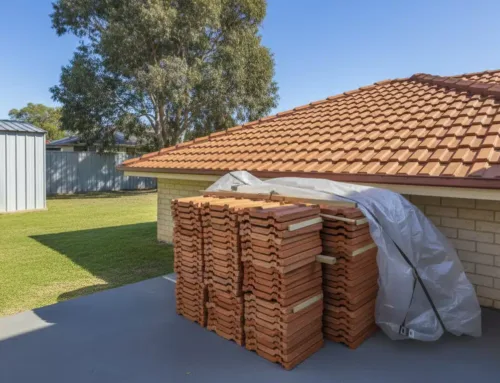
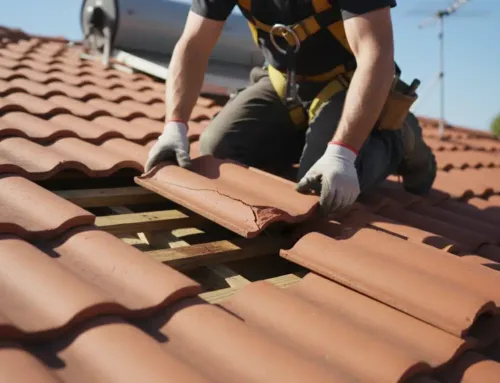
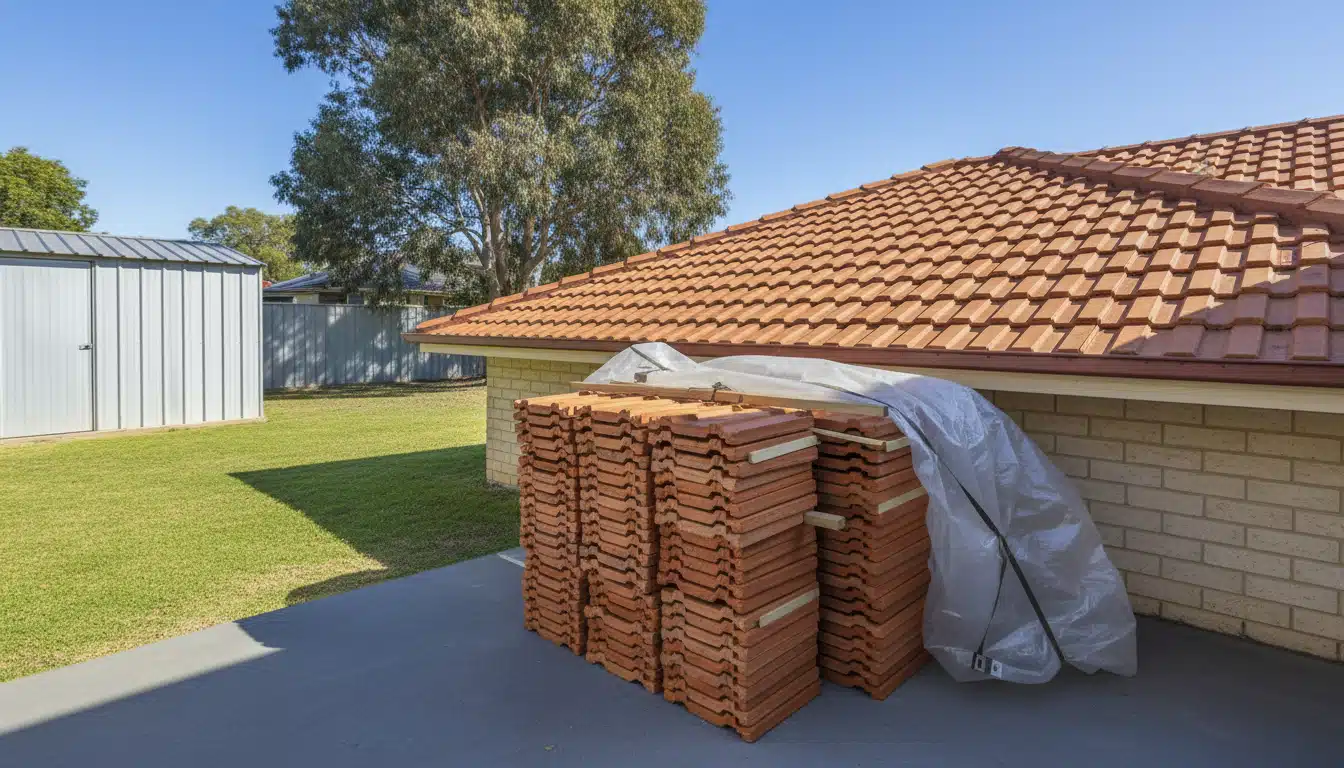
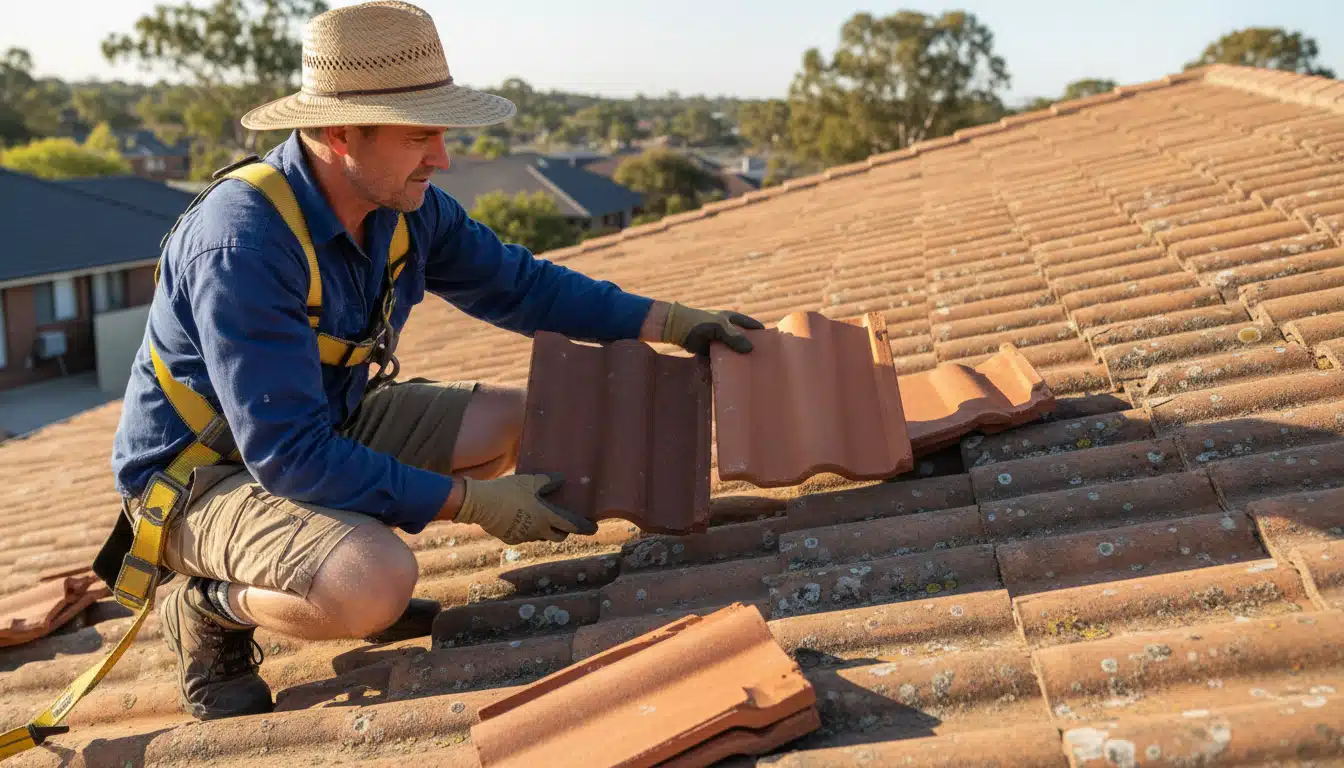
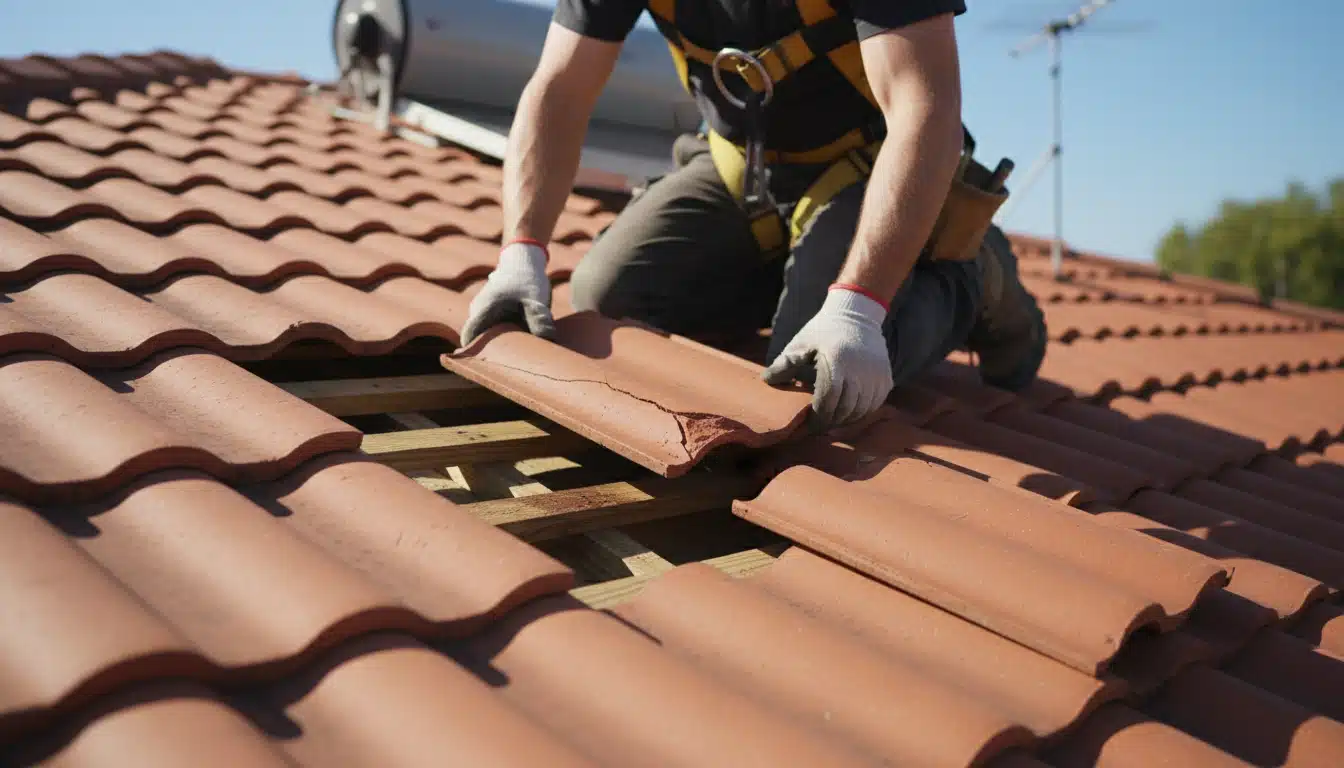
Cracked or broken tiles: Perth’s harsh sun makes tiles brittle over time, leading to cracks and breaks that compromise roof integrity. Temperature fluctuations between scorching days and cool nights create expansion and contraction cycles that stress tile materials. Terracotta and concrete tiles become particularly vulnerable after 15-20 years of exposure. Once cracked, tiles allow water penetration during rain events, potentially damaging sarking, battens, and insulation below.
Leaking: Often caused by damaged flashing around chimneys or vents, leaks can develop gradually and go unnoticed until significant damage occurs. Flashing deteriorates from UV exposure, thermal movement, and weathering. Valley gutters present another common leak source, particularly where improper installation or age-related deterioration creates gaps. Even small leaks cause disproportionate damage over time, as water follows timber grain and spreads far from the entry point.
Moss and lichen growth: These organisms hold moisture against roof surfaces, accelerating deterioration and creating entry points for water. Shaded roof sections facing south or areas under overhanging trees prove particularly susceptible. Moss roots penetrate surface pores in tiles and coatings, breaking down protective barriers while trapping moisture against the material. This biological activity accelerates deterioration rates significantly compared to clean, dry roof sections.
Blocked gutters: Leaves and debris accumulation cause water backup that can seep into roofing materials and underlying structures during heavy Perth storms, blocked gutters overflow, sending water cascading down external walls or backing up under roof edges. This overflow saturates fascia boards, rafter ends, and wall cavities – areas never designed for water exposure. The resulting rot and structural weakening are often undetected until severe damage occurs.
Ridge capping issues: Mortar holding ridge caps deteriorates over time, allowing caps to become loose or dislodged during storms. Missing ridge caps expose the vulnerable junction where roof planes meet, creating direct pathways for water and wind-driven rain to enter roof cavities.
These problems typically start small but escalate rapidly without intervention. A minor leak can rot timber framing underneath, leading to significant structural damage requiring complete roof restoration.
The Benefits of Regular Roof Inspections
Regular roof inspections prove crucial for long-term roof health. Similar to medical check-ups that detect problems before symptoms appear, professional inspections identify issues homeowners typically miss, including hairline cracks or early corrosion signs.
Experts recommend scheduling roof inspections at least annually, ideally before Perth’s wet season begins. This timing allows repairs to be completed before rain arrives. Properties under strata management benefit from more frequent inspections due to shared responsibility and liability concerns.
Professional inspectors use specialised equipment and training to assess roof condition thoroughly. They examine areas inaccessible or invisible to homeowners, providing comprehensive reports that guide maintenance decisions. Thermal imaging cameras detect moisture trapped within roof structures, revealing hidden leaks before they cause visible damage. Drone technology allows safe inspection of steep or high roofs without scaffolding costs.
Inspectors evaluate multiple critical components during assessments. They check tile or sheet condition, looking for cracks, lifting, or deterioration. Flashing receives scrutiny, particularly around penetrations like chimneys, vents, and skylights, where most leaks originate. Ridge capping mortar gets tested for soundness. Gutters and downpipes are assessed for adequate capacity and proper fall. Sarking and underlay conditions are evaluated where visible. Structural elements like rafters and battens receive examination for rot, termite damage, or movement.
Documentation from regular inspections creates valuable records demonstrating proper home maintenance. These records prove particularly useful during property sales, insurance claims, or warranty disputes. They also help homeowners track deterioration rates and plan for eventual replacement or restoration.
DIY vs. Professional Roof Maintenance
Some homeowners prefer tackling roof maintenance themselves. Specific tasks suit DIY approaches, including gutter cleaning and moss removal, provided individuals feel comfortable working at heights with proper safety equipment.
However, roof repairs and coating applications typically require professional expertise. Working on roofs presents significant danger, and improper maintenance often causes more damage than the original problem. Permacoat offers comprehensive roofing services performed by trained specialists using commercial-grade equipment and materials.
Safety considerations extend beyond obvious fall risks. Roof surfaces become extremely slippery when wet or covered with moss. Tiles can break underfoot, particularly older terracotta that has become brittle. Asbestos roofs present serious health hazards if disturbed without proper protection and procedures. Electrical hazards exist near power lines and solar panel installations. Professional contractors carry appropriate insurance, use fall arrest systems, and follow workplace safety standards that protect both workers and homeowners.
Professional expertise also ensures repairs actually solve problems rather than masking symptoms. Homeowners might patch visible cracks without addressing underlying movement or water damage. They may apply sealants inappropriately, trapping moisture and accelerating deterioration. Professionals diagnose root causes and implement solutions that address fundamental issues rather than surface manifestations.
Equipment represents another significant factor. Professional contractors use commercial-grade pressure washers, spray equipment, scaffolding, safety harnesses, and specialised tools that deliver superior results while maintaining safety. These equipment investments typically exceed what makes financial sense for individual homeowners performing occasional maintenance.
For routine tasks like gutter cleaning, homeowners with suitable ladders, steady footing, and comfort at heights can successfully maintain their properties. However, even these seemingly simple tasks require caution. Proper ladder placement, three-point contact while climbing, and awareness of overhead power lines prevent common accidents.
Signs You Need to Call a Roofing Professional
Several warning signs indicate the need for professional assessment:
Visible leaks: Water penetration requires immediate attention to prevent further damage. Even small amounts of water entering roof cavities cause disproportionate harm over time, rotting timber, ruining insulation, and creating conditions for mould growth.
Sagging roof sections: This indicates serious structural problems requiring urgent intervention. Sagging suggests rafters, battens, or supporting structures have deteriorated or failed, potentially creating dangerous collapse risks.
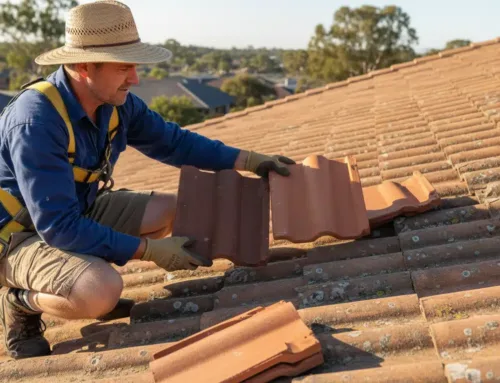
Missing or damaged tiles: Gaps in roof coverage expose underlying materials to weather damage. A single missing tile might seem minor, but it allows water direct access to sarking and timber below, where damage spreads rapidly.
Excessive moss or lichen growth: Heavy biological growth damages roof surfaces and holds moisture. When moss covers more than 10-15% of the roof area, professional cleaning becomes necessary to prevent accelerated deterioration.
Water stains on ceilings: These suggest active leaks, even when the source isn’t immediately visible. Stains indicate water has already penetrated multiple layers of roof protection and entered living spaces – meaning the actual leak source is significantly worse than visible damage suggests.
Granule loss from roof shingles: For shingled roofs, excessive granule accumulation in gutters indicates advanced weathering and approaching the end of service life.
Daylight visible through roof boards: Any light penetrating roof cavities from above signals gaps or holes requiring immediate repair.
Interior paint bubbling or peeling: This often indicates moisture penetration from roof leaks, even when no noticeable water stains appear.
When these signs appear, prompt action prevents escalation. Delays typically worsen damage and increase repair costs significantly. Professional roof damage assessment ensures proper diagnosis and appropriate solutions.
The Importance of Gutter Maintenance
Gutter maintenance plays a critical role in roof protection and home preservation. Gutters and downpipes channel water away from houses, protecting foundations and preventing moisture intrusion. Blocked gutters cause overflow that seeps into roofing materials, leading to rot, leaks, and structural deterioration.
Regular gutter cleaning represents a simple yet effective prevention. Perth homeowners should clean gutters at least twice yearly, particularly after autumn leaf drop. Proper maintenance ensures water flows freely away from the building rather than pooling on the roof or near foundations.
Seasonal considerations affect gutter maintenance requirements. Autumn brings falling leaves that quickly accumulate in valleys and gutters. Spring flowering creates additional debris from blossoms and seed pods. Following summer storms, checking gutters for storm damage and debris proves prudent. Properties near eucalyptus trees require more frequent cleaning due to bark, leaves, and branches dropping year-round.
Professional gutter inspection identifies drainage problems, loose sections, and areas requiring repair or replacement. This preventative approach avoids expensive water damage repairs later. Inspectors check that gutters maintain proper fall toward downpipes – even slight reverse slopes create standing water and overflow problems. They assess bracket security, ensuring gutters remain properly attached during storms. Downpipe capacity gets evaluated to confirm adequate drainage during heavy rain events.
Gutter guards present one solution for reducing maintenance frequency. These mesh or screen systems prevent leaves from entering while allowing water flow. However, they require periodic cleaning themselves and don’t eliminate maintenance. Quality gutter guard systems significantly reduce debris accumulation, but fine particles, moss, and small leaves still penetrate most designs.
Choosing the Right Roof Coatings for Protection
Roof coatings function like sunscreen for roofs, protecting against Perth’s harsh UV exposure while extending roof lifespan significantly. Various coating types offer different benefits, though acrylic formulations generally provide the best combination of durability and weather resistance for Perth conditions.
Dulux Acratex coatings represent a popular choice among Perth homeowners due to their climate-specific engineering and long-lasting protection. These protective roof coatings come in extensive colour ranges to complement any architectural style while providing superior weather protection.
Quality roof coatings offer multiple benefits beyond aesthetics. They reflect heat, reduce energy costs, prevent moisture penetration, and create barriers against biological growth. Professional application ensures even coverage and proper adhesion for maximum effectiveness.
Modern coating systems incorporate advanced technologies that address Perth’s specific climate challenges. Heat-reflective pigments reduce roof surface temperatures by up to 20 degrees Celsius, substantially decreasing cooling costs during summer months. Flexible formulations accommodate thermal expansion and contraction without cracking. Anti-fungal additives prevent moss and lichen establishment. UV stabilisers maintain colour and protective properties despite intense Perth sunlight.
Application timing affects coating performance significantly. Applying coatings during Perth’s dry season ensures proper curing and adhesion. Surface preparation proves critical – roofs require thorough cleaning and any necessary repairs before coating application. Failing to prepare surfaces properly results in premature coating failure regardless of product quality.
Different roof materials benefit from specific coating formulations. Metal roofs require coatings with corrosion inhibitors and excellent adhesion to smooth surfaces. Tile roofs need penetrating sealers that bond with porous surfaces while allowing some breathability. Concrete surfaces require alkaline-resistant formulations that won’t degrade from lime leaching.
Professional applicators understand these nuances and select appropriate products for each situation. They also apply coatings at proper thickness – too thin provides inadequate protection, while too thick risks cracking and peeling. Quality control during application ensures uniform coverage without missed areas or excessive buildup.
Budgeting for Preventive Roof Maintenance
Financial planning for roof maintenance proves essential for responsible homeownership. While maintenance costs might seem unnecessary initially, they represent a fraction of major repair expenses. Understanding roof repair costs helps homeowners budget appropriately and avoid financial surprises.
Annual budget allocation for roof maintenance should cover inspections, gutter cleaning, and minor repairs. Exact costs vary depending on roof size, type, and condition, but establishing a dedicated maintenance fund prevents emergency expenses when problems arise.
Consider maintenance spending as a home investment rather than a discretionary expense. Proper preventative care extends roof lifespan by years or decades, protecting the substantial investment represented by the home itself. This approach ultimately saves significantly compared to reactive repair strategies.
Typical annual maintenance costs include professional inspection fees ranging from $200-$400, gutter cleaning at $150-$300 depending on home size, and a contingency fund of $500-$1000 for minor repairs discovered during inspections. While these amounts total $850-$1700 annually, they prevent repair bills potentially exceeding $10,000-$30,000 for major issues like structural repairs, complete re-roofing, or water damage remediation.
Homeowners can reduce long-term costs through strategic maintenance timing. Addressing minor issues immediately prevents their evolution into significant problems. Combining multiple maintenance tasks during single service visits reduces call-out fees. Planning major work like coating applications during off-peak seasons may secure better pricing from contractors with lighter schedules.
Insurance considerations also factor into maintenance planning. Many insurance policies exclude damage resulting from poor maintenance or gradual deterioration. Documented regular maintenance strengthens claims for storm damage or sudden events, while neglect provides insurers grounds for denial. The modest cost of preventative roof maintenance provides insurance claim protection potentially worth tens of thousands of dollars.
Conclusion: Investing in Your Roof’s Future
Preventative roof maintenance proves essential for extending roof lifespan and protecting Perth homes from weather-related damage. Taking proactive approaches and addressing problems early saves substantial money while avoiding the stress and disruption of significant repairs.
Rather than waiting for leaks or structural failure, homeowners should act now to protect their investments and ensure roofs withstand Perth’s challenging climate for decades. Regular inspections, timely repairs, and quality protective coatings form the foundation of effective roof care strategies.
The evidence overwhelmingly supports preventative maintenance as the most cost-effective approach to roof management. Well-maintained roofs deliver decades of reliable service while poorly maintained roofs fail prematurely, requiring expensive replacement. The choice between regular modest maintenance expenses and eventual major repair or replacement costs represents a clear financial decision in favour of prevention.
Beyond financial considerations, preventative roof maintenance provides peace of mind. Homeowners sleep better knowing their roofs won’t leak during storms, won’t require emergency repairs at inconvenient times, and will protect their families and possessions reliably. This psychological benefit, while difficult to quantify, adds substantial value to maintenance investments.
Don’t delay roof protection until problems become apparent. Contact us on (08) 9249 5955 today to discuss roofing needs and schedule a professional assessment.
Next Steps:
Schedule a roof inspection: Obtain a professional assessment of the current roof condition and identify any emerging issues requiring attention.
Clean gutters thoroughly: Remove accumulated leaves, debris, and biological growth to ensure proper drainage during upcoming rain events.
Address minor damage promptly: Repair cracked tiles, damaged flashing, and minor leaks before they escalate into expensive problems requiring extensive intervention.
Consider protective roof coating: Apply quality coating systems to extend roof life and enhance weather resistance while improving appearance.
Following these steps ensures roofs remain in optimal condition for years, protecting homes and avoiding expensive emergency repairs that disrupt daily life and strain household budgets.