Roof protection is essential for every Perth home. Minor roof problems can quickly escalate into costly disasters when left unaddressed. Understanding how to identify roof issues early protects both property value and household budgets while preventing the stress and disruption of emergency repairs. This comprehensive guide explores the warning signs homeowners should watch for and explains why proactive roof maintenance prevents expensive emergency repairs that could otherwise devastate family finances.
Perth’s unique climate presents specific challenges for residential roofing systems. The combination of intense summer heat, occasional severe storms, and salt-laden coastal air creates an environment where roofs deteriorate faster than in many other Australian regions. Recognising early warning signs allows homeowners to take timely action before minor concerns transform into significant structural problems requiring extensive remediation.
Table of Contents
- Internal Signs: What to Look for Inside
- External Signs: A Walk Around the House
Why Early Detection Matters
Perth roofs face constant stress from intense UV radiation, seasonal storms, and temperature fluctuations. These environmental factors accelerate wear and deterioration, making early detection of roof issues critical for homeowners across the region. The city’s Mediterranean climate means roofs endure scorching summers where surface temperatures exceed 70 degrees Celsius, followed by winter storms that test waterproofing integrity.
Minor leaks transform into rot, mould infestations, and structural compromise when ignored. A small crack in roof tiles allows water penetration that damages ceiling insulation, weakens timber framing, and creates perfect conditions for mould growth. Addressing roof issues promptly saves thousands of dollars compared to extensive restoration work required after prolonged neglect. The difference between a $500 tile replacement and a $15,000 structural repair often comes down to early detection and swift action.
Insurance claims data reveal that roof damage accounts for a significant percentage of residential property claims, with many homeowners discovering that gradual deterioration falls outside standard policy coverage. Preventative maintenance and early intervention ensure problems get addressed before reaching claim-worthy severity, protecting both property value and insurance premiums.
Key Takeaways:
- Early detection of roof issues prevents costly repairs and structural damage
- Perth’s harsh climate places roofs under continuous environmental stress
- Ignoring minor problems leads to exponential repair costs over time
- Proactive maintenance protects insurance coverage and property value
Common Signs of Roof Trouble
Homeowners should conduct thorough roof inspections at least twice annually – once before summer heat peaks and again before winter rainfall arrives. This schedule allows detection of seasonal damage and preparation for upcoming weather challenges. Regular monitoring helps establish a baseline roof condition, making it easier to identify new problems when they develop.
Internal Signs: What to Look for Inside
The interior of a home reveals crucial information about the roof condition. Regular checks of ceilings, walls, and attic spaces help identify problems before they become severe:
Water stains on ceilings or walls: Even minor discolouration indicates active or previous leaks requiring immediate investigation. Water stains often appear far from the actual leak source due to water travelling along roof structures before dripping onto visible surfaces. Brown, yellow, or grey staining patterns that expand over time signal ongoing moisture infiltration.
Damp or musty odours: Persistent moisture smells, particularly in upper floors or attic spaces, signal hidden water infiltration from compromised roofing materials. These odours often intensify after rainfall events or during humid weather conditions when trapped moisture becomes more noticeable.
Peeling paint or wallpaper: Moisture from roof leaks causes paint to bubble, crack, and separate from ceiling surfaces, while wallpaper develops visible lifting and deterioration. This damage typically appears near corners, light fixtures, or areas where the ceiling meets the walls.
Mould growth: Black, green, or white mould patches near ceilings or in attic spaces thrive in damp environments created by roof leaks and poor ventilation. Mould poses health risks beyond structural concerns, particularly for children, elderly residents, and those with respiratory conditions.
Sagging ceiling boards: Plasterboard or ceiling tiles that appear lower than the surrounding areas indicate water accumulation above. This represents a serious safety hazard requiring immediate professional attention before potential collapse occurs.
External Signs: A Walk Around the House
Ground-level visual inspections using binoculars reveal numerous roof problems without requiring dangerous ladder work:
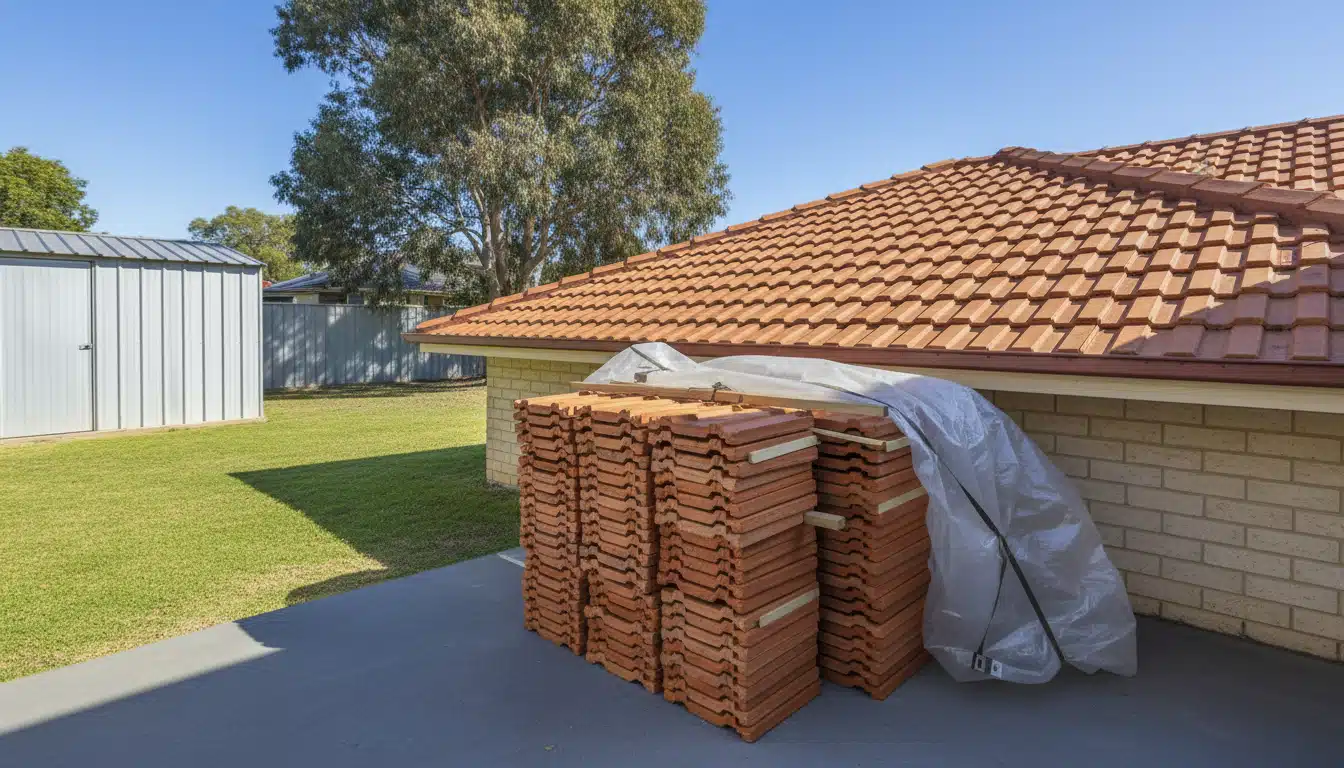
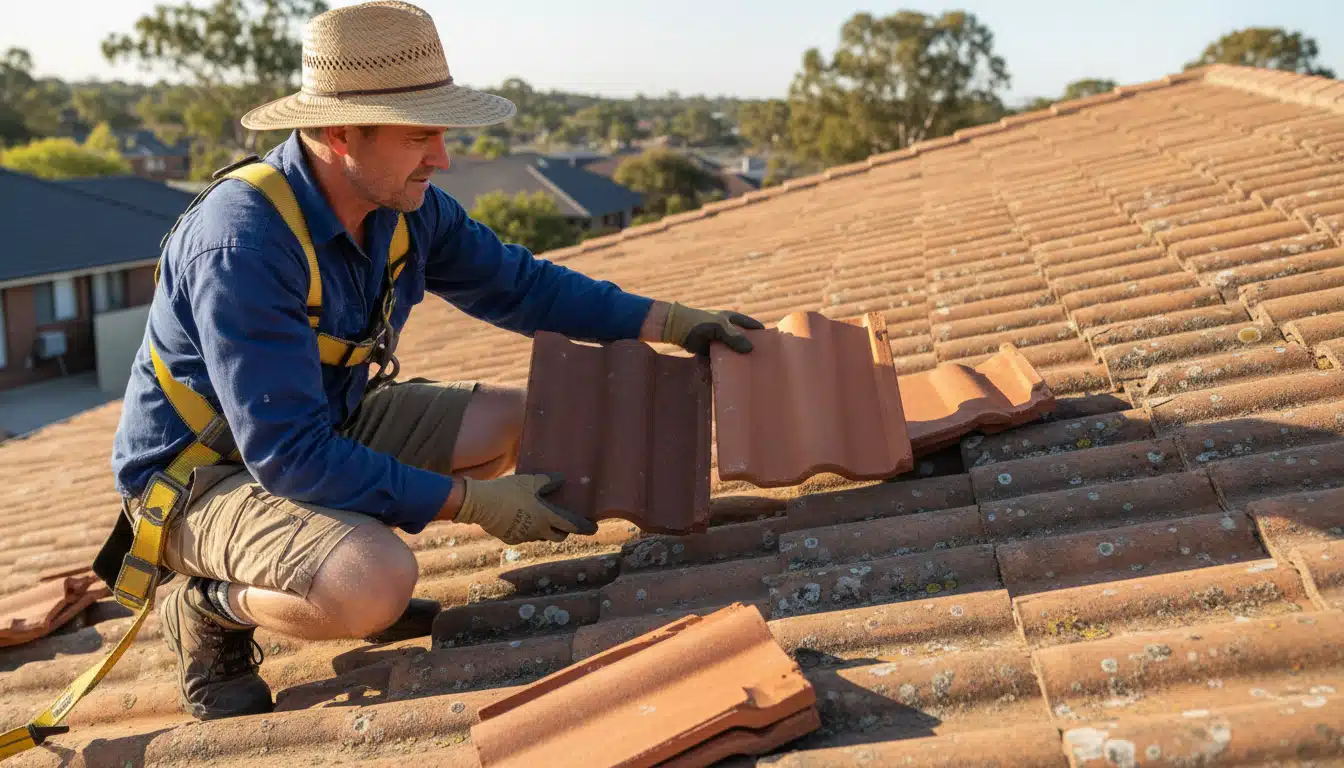
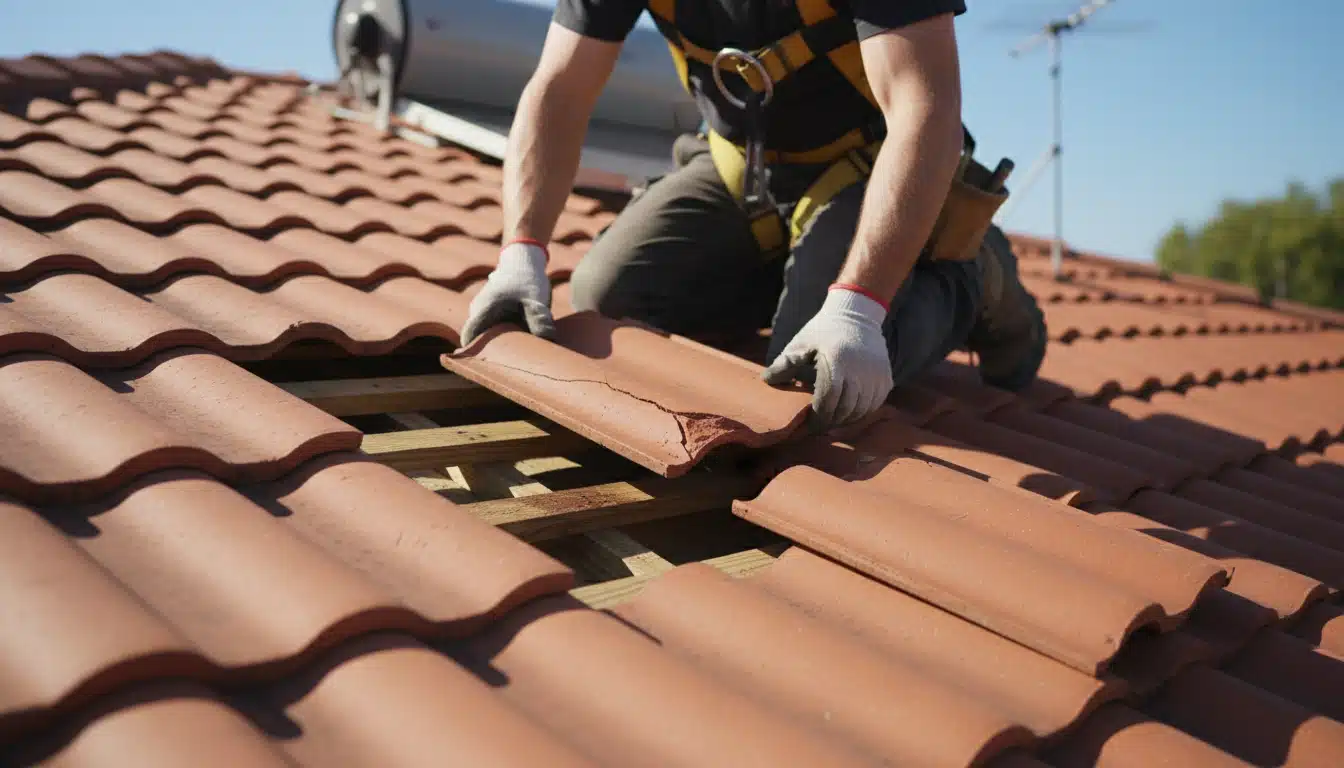
Missing, cracked, or broken tiles: Damaged tiles leave underlayment exposed to weather elements, creating immediate water damage risks. Perth homeowners with terracotta or concrete tiles should monitor for displacement after storms. Individual tile damage might seem minor, but each compromised tile allows water entry that spreads damage to surrounding roofing components. For comprehensive solutions, professional roof tile restoration services address damaged tiles while extending the overall roof lifespan.
Sagging roofline: Visible dips or sagging sections indicate serious structural problems requiring immediate professional assessment. Sagging suggests compromised roof framing from water damage, termite activity, or inadequate original construction. This condition worsens rapidly once begun, as compromised structures cannot support normal roof loads.
Granules in gutters: Asphalt shingle deterioration releases protective granules that accumulate in gutters and downpipes, signalling the need for roof replacement or restoration. Heavy granule loss exposes the underlying asphalt to direct UV radiation, accelerating further degradation.
Damaged flashing: Metal flashing around chimneys, vents, skylights, and roof valleys prevents water infiltration at vulnerable joints. Corrosion, separation, or physical damage to flashing creates direct paths for water entry. Flashing failure represents one of the most common causes of roof leaks in Perth homes.
Moss or lichen growth: While aesthetically interesting, moss and lichen retain moisture against roofing materials, accelerating deterioration and creating ideal conditions for water damage. These organisms also indicate inadequate roof drainage or excessive shade from overhanging vegetation.
Visible rust or corrosion: Metal roof components, including fasteners, ridge caps, and valley flashing, develop rust in Perth’s coastal environment. Surface rust requires immediate treatment before progressing to structural compromise.
Key Takeaways:
- Check ceilings and walls regularly for water stains, mould, and paint damage.e
- Inspect tiles, flashing, and rooflines from ground level using binoculars
- Pay attention to sagging sections and damaged weatherproofing elements
- Document any changes with photographs for comparison during future inspections
Types of Roof Damage and Their Causes
Understanding common damage types helps homeowners recognise specific roof issues and their underlying causes:
Storm Damage: Perth experiences severe weather events, including high winds, heavy rainfall, and occasional hail. Storms dislodge tiles, tear shingles, and damage flashing. Wind-driven rain penetrates small gaps that remain dry during normal conditions. Post-storm inspections should occur within 24-48 hours to identify damage before subsequent weather events compound problems.
Water Damage: Beyond obvious leaks, poor drainage systems, inadequate ventilation, and condensation contribute to water-related roof problems. Water rots timber structures, corrodes metal components, and creates environments for mould proliferation. Trapped moisture within roof cavities causes damage that is invisible from exterior inspections until problems become severe. Professional roof repairs Perth services address water damage comprehensively, preventing recurrence through proper drainage solutions and ventilation improvements.
Sun Damage: Intense Perth UV radiation degrades roofing materials over time. Protective coatings break down, tiles become brittle, and metal components experience thermal expansion cycles that loosen fasteners. Daily temperature fluctuations cause expansion and contraction that gradually works fasteners loose and creates gaps in weatherproofing systems. Quality roof coatings provide essential UV protection, significantly extending roof lifespan while improving thermal efficiency and reducing cooling costs during Perth’s extended summer period.
Pest Damage: Birds dislodge tiles while nesting, possums tear insulation and create entry points, and termites compromise structural timber. Regular inspections identify pest activity before extensive damage occurs. Bird nests block valley gutters and drainage points, creating water pooling that accelerates roof deterioration. Possums travelling across roofs dislodge tiles and damage ridge capping through their weight and movement patterns.
Ageing: All roofing materials have finite lifespans. Terracotta tiles last for decades but eventually crack, while metal roofing develops corrosion. Asphalt shingles lose granules and flexibility. Natural ageing makes roofs increasingly susceptible to other damage types. Even well-maintained roofs eventually require replacement, though proper care significantly extends serviceable lifespan.
Key Takeaways:
- Storms, water infiltration, UV exposure, pests, and age all contribute to roof deterioration.
- Perth’s climate accelerates roof problems compared to milder regions
- Regular maintenance and protective treatments mitigate the effects of environmental damage effects
- Multiple damage types often co-occur, compounding repair complexity
DIY Inspection vs. Professional Assessment
Basic visual inspections from ground level help homeowners monitor obvious roof issues. Binoculars allow safe examination of tiles, flashing, and general roof condition without climbing ladders. However, a comprehensive assessment requires professional expertise for several critical reasons:
Safety: Working at heights presents serious injury risks. Professional roofing contractors possess proper safety equipment, training, and insurance coverage for elevated work. Falls from roofs cause thousands of injuries annually, many involving homeowners attempting DIY repairs. Even experienced tradespeople require proper safety harnesses, stable working platforms, and emergency protocols when working on roofs.
Expertise: Trained professionals identify subtle damage indicators that untrained observers miss. Small cracks, early corrosion, and failing sealants often escape notice until problems become severe. Professionals understand how different roofing systems fail and where to look for specific issues based on roof age, material type, and local environmental factors.
Thoroughness: Complete roof inspections examine every component, including underlayment, flashing, ventilation, drainage systems, and structural elements. Professionals use specialised tools to detect moisture intrusion and thermal inefficiencies invisible to visual inspection. Thermal imaging cameras reveal water damage hidden beneath surface materials, while moisture meters quantify saturation levels in roof structures.
Accurate Assessment: Determining repair versus replacement needs, estimating costs, and planning appropriate solutions requires industry experience. Professionals provide detailed reports documenting current conditions and recommended interventions with realistic timeframes and budget requirements.
Peace of Mind: Professional inspections from established companies like Permacoat deliver confidence that roof problems receive proper diagnosis and expert solutions. Comprehensive assessments prevent overlooked issues that escalate into emergencies, while detailed documentation supports insurance claims when storm damage occurs.
Key Takeaways:
- DIY ground-level inspections help spot obvious problems safely
- Professional assessments provide crucial safety, expertise, and thorough evaluation
- Expert roofing teams identify and address all damage types comprehensively
- Detailed professional reports support insurance claims and property transactions
Why Choose Permacoat for Your Roof Needs
Permacoat delivers comprehensive roofing solutions specifically designed for Perth’s challenging climate. The company combines decades of local experience with premium materials and proven techniques to protect residential and commercial properties throughout the region.
Services include complete roof restoration, repairs, painting, and protective coating applications using advanced products like Dulux Acratex colours and CoolSmart heat-reflective technology. This combination reduces roof surface temperatures while providing superior weather protection and aesthetic enhancement that increases property value and curb appeal.
For strata property managers, Permacoat offers specialised maintenance programmes tailored to multi-unit complexes. These solutions address the unique challenges of strata-managed properties, providing cost-effective protection for shared assets while maintaining a consistent appearance across building developments. Scheduled maintenance programmes ensure compliance with body corporate requirements while protecting long-term property values.
Key Takeaways:
- Permacoat provides complete roofing services across Perth using premium materials.
- Advanced coating technologies deliver superior protection and energy efficiency.y
- Specialised strata solutions address multi-unit property requirements
Preventative Maintenance: The Best Defence
Proactive roof maintenance costs substantially less than emergency repairs while extending the roof’s lifespan significantly. Regular care prevents minor problems from becoming structural catastrophes:
Regular Inspections: Schedule professional roof inspections twice yearly, particularly after severe weather events. Early problem detection allows minor repairs before damage spreads. Professional inspections cost a fraction of emergency repair expenses while providing detailed documentation of roof condition over time.
Clean Gutters and Downpipes: Blocked drainage systems cause water backup that damages roofs, fascias, and building foundations. Quarterly gutter cleaning prevents overflow problems that lead to expensive water damage. Permacoat offers comprehensive gutter and downpipe services, including repairs, replacement, and maintenance programmes that ensure proper water management throughout all seasons.
Trim Overhanging Trees: Branches scrape roofing materials during wind events, drop debris that blocks drainage, and provide pest access routes. Maintain clearance between vegetation and roof surfaces. Tree trimming should occur before storm season to minimise damage risks during high-wind events.
Apply Protective Coatings: Modern roof coating systems shield surfaces from UV damage, prevent water penetration, and reflect heat to reduce cooling costs. Coating reapplication every 10-15 years maintains optimal protection. High-quality coatings provide measurable energy savings by reducing heat absorption during Perth’s extended summer period.
Address Small Problems Promptly: Replace individual damaged tiles, repair minor leaks, and fix loose flashing immediately. Delaying small repairs allows exponential damage progression. A single broken tile replaced today prevents water damage that could cost thousands tomorrow.
Document Roof Condition: Maintain photographic records of roof condition over time. This documentation helps identify gradual changes, supports insurance claims, and provides valuable information for future repair planning.
Key Takeaways:
- Preventative maintenance programmes cost less than reactive emergency repairs.
- Regular inspections, gutter cleaning, and vegetation management protect roof integrity.y
- Protective coating systems provide long-term defence against environmental dama.ge
- Documentation supports insurance claims and maintenance planning
Cost Considerations for Roof Repairs in Perth
Roof repair costs vary significantly based on damage extent, roofing material type, accessibility challenges, and required labour hours. Understanding typical price ranges helps homeowners budget appropriately and recognise fair pricing:
Minor Repairs: Replacing several broken tiles, repairing small sections of damaged flashing, or fixing isolated leaks typically costs several hundred to low thousands of dollars. These repairs prevent larger problems when addressed promptly. Early intervention at this stage delivers the best return on investment.
Moderate Repairs: Extensive leak repairs, replacing substantial tile sections, or addressing multiple damage areas generally range from several thousand to mid-five figures. Moderate repairs often become necessary when minor problems receive delayed attention or after severe storm events.
Major Repairs: Significant roof portion replacement, structural damage correction, or complete re-roofing projects cost tens of thousands of dollars. Major work becomes unavoidable when roof issues accumulate through years of neglect or when roofs reach end-of-life expectancy.
Obtaining detailed quotes from reputable companies provides accurate cost estimates for specific situations. Permacoat’s transparent roof repair cost information helps homeowners understand pricing factors and budget appropriately for necessary work.
Investing in regular maintenance and prompt minor repairs delivers substantial long-term savings compared to deferred maintenance approaches that necessitate expensive emergency interventions. Financial planning for roof maintenance should include annual inspection costs and reserves for anticipated repairs based on roof age and condition.
Key Takeaways:
- Repair costs range from hundreds to tens of thousands, depending on the damage severity.rity
- Obtaining professional quotes ensures accurate budgeting for a specific roof projectPreventivee maintenance investment prevents exponentially higher emergency repair costs.
- Financial planning for roof care protects long-term property values
Act Now to Protect Your Investment
Understanding how to identify roof issues early protects property value while preventing costly emergency repairs. Perth’s harsh climate demands proactive roof care through regular inspections, prompt repairs, and protective maintenance programmes that address problems before they escalate.
Homeowners who monitor for warning signs – including water stains, damaged tiles, sagging rooflines, and deteriorating flashing – catch problems before they escalate into structural emergencies. Professional assessments provide comprehensive evaluation beyond DIY inspection capabilities, ensuring nothing gets overlooked while delivering expert recommendations for cost-effective solutions.
The investment in regular roof maintenance pays dividends through extended roof lifespan, lower energy costs, maintained property values, and peace of mind knowing the home receives proper protection from Perth’s challenging environmental conditions. Taking action today prevents the stress, disruption, and financial burden of emergency repairs tomorrow.
Don’t wait until minor roof issues become structural emergencies requiring extensive remediation. Contact us on (08) 9249 5955 today to schedule a professional roof inspection. Early intervention through expert assessment and quality repairs delivers lasting protection and substantial cost savings for Perth homes.