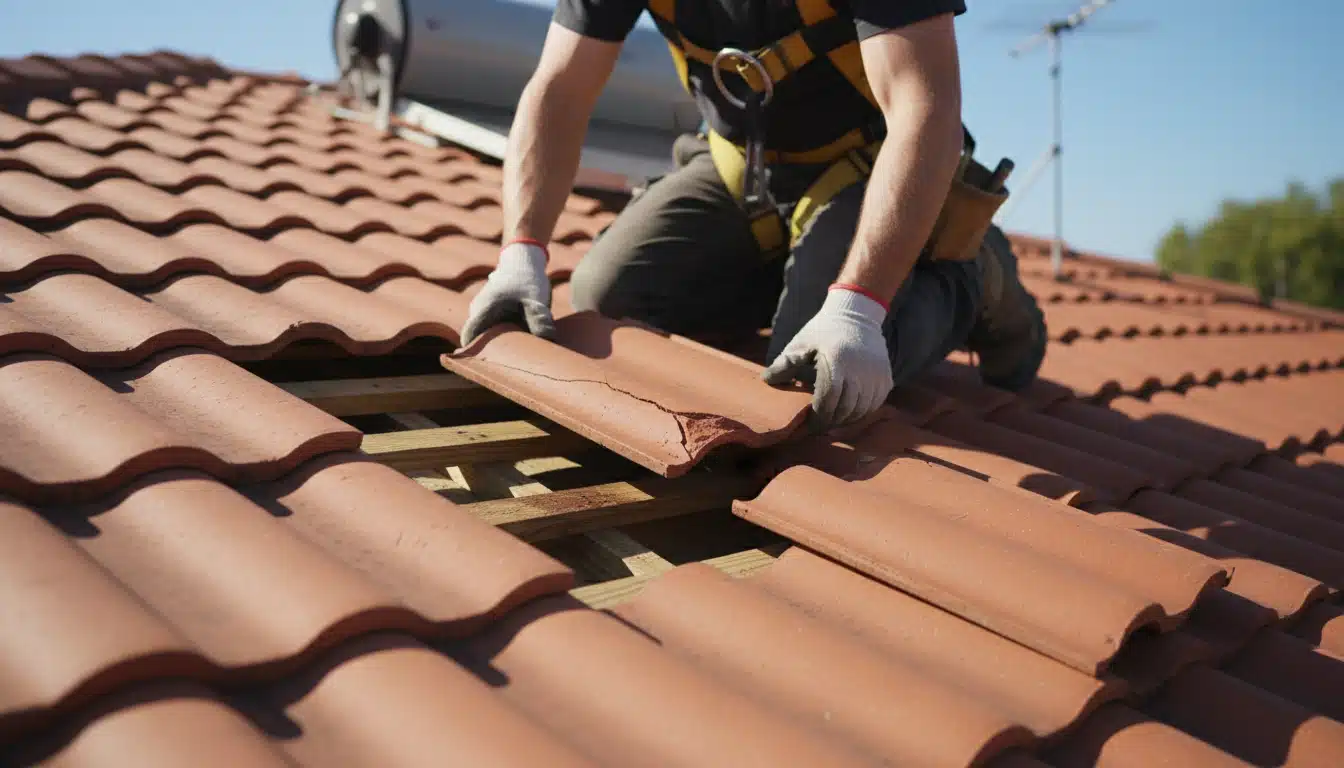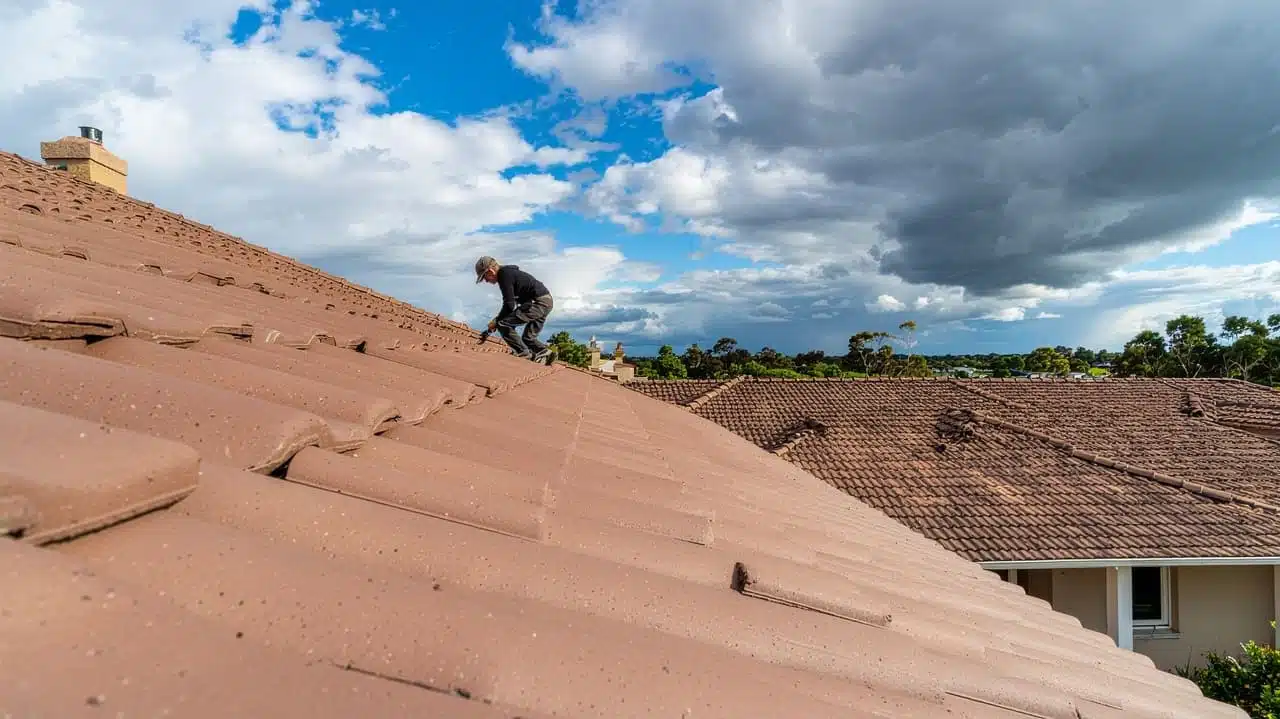
Perth’s storm season brings powerful winds, heavy rainfall, and occasionally hail that test roof system integrity. Property owners with loose roof tiles in Perth face particular vulnerability during these weather events, as inadequately secured tiles may dislodge, creating safety hazards and property damage. Understanding how to identify loose tiles, recognising the urgency of addressing them before storms arrive, and implementing appropriate solutions protects properties and prevents damage that careless tile security creates.
Storm damage to roofs often results from pre-existing deficiencies rather than extraordinary weather severity. Tiles loosened through deteriorated bedding, inadequate mechanical fixing, or previous damage become projectiles during wind events, damaging properties and endangering people. Proactively securing tiles before storms prevents these outcomes through systematic inspection and appropriate intervention before weather challenges roof systems.
Understanding Why Tiles Become Loose
Multiple factors contribute to tile displacement and loosening, with understanding these causes helping property owners recognise vulnerability and take appropriate action.
Bedding mortar deterioration represents the most common cause of loose tiles. Ridge and hip tiles rely on bedding mortar for primary attachment. Over time, bedding degrades through UV exposure, thermal cycling, moisture infiltration, and age-related breakdown. As bedding fails, tiles lose secure attachment and become vulnerable to displacement. Perth’s climate accelerates bedding deterioration compared to moderate climates, with intense heat, strong UV, and significant temperature variation stressing mortar systems.
Inadequate or absent mechanical fixing leaves tiles vulnerable. Modern building codes require mechanical fixing, supplementing or replacing bedding alone. Older roofs installed before these requirements often lack adequate mechanical attachment. Even when mechanical fixing exists, corrosion or installation deficiencies may compromise effectiveness. Tiles without proper mechanical fixing depend entirely on bedding, creating vulnerability when bedding deteriorates.
Physical damage from foot traffic, falling branches, or equipment installation can dislodge tiles or damage securing systems. Careless roof access breaks tile edges or lugs that mechanical fasteners engage. Impact damage cracks tiles or displaces them partially. These damaged tiles remain loosely positioned until wind events complete their removal.
Structural movement affects tile security. Building settling, roof framing deflection, or earthquake activity can shift tiles fromtheir original positions. While typically minor movements, they may loosen tile attachment sufficiently to create vulnerability during storms.
Previous storm damage sometimes leaves tiles partially dislodged without complete removal. These compromised tiles remain precariously positioned, awaiting the next weather events to complete their displacement. Property owners may overlook this damage without thorough post-storm inspection.
Storm Preparation Roofing Inspection Process
Systematic pre-storm tile inspection identifies loose tiles requiring attention before weather events arrive. Property owners should schedule these inspections annually before winter storm season, typically completing work by April or May.
Ground-level observation provides an initial assessment without requiring roof access. Using binoculars, property owners can examine roof surfaces from multiple vantage points, looking for obviously displaced tiles, gaps in ridge lines, tiles sitting at wrong angles, and visible damage or deterioration. This preliminary inspection identifies obvious problems warranting professional evaluation.
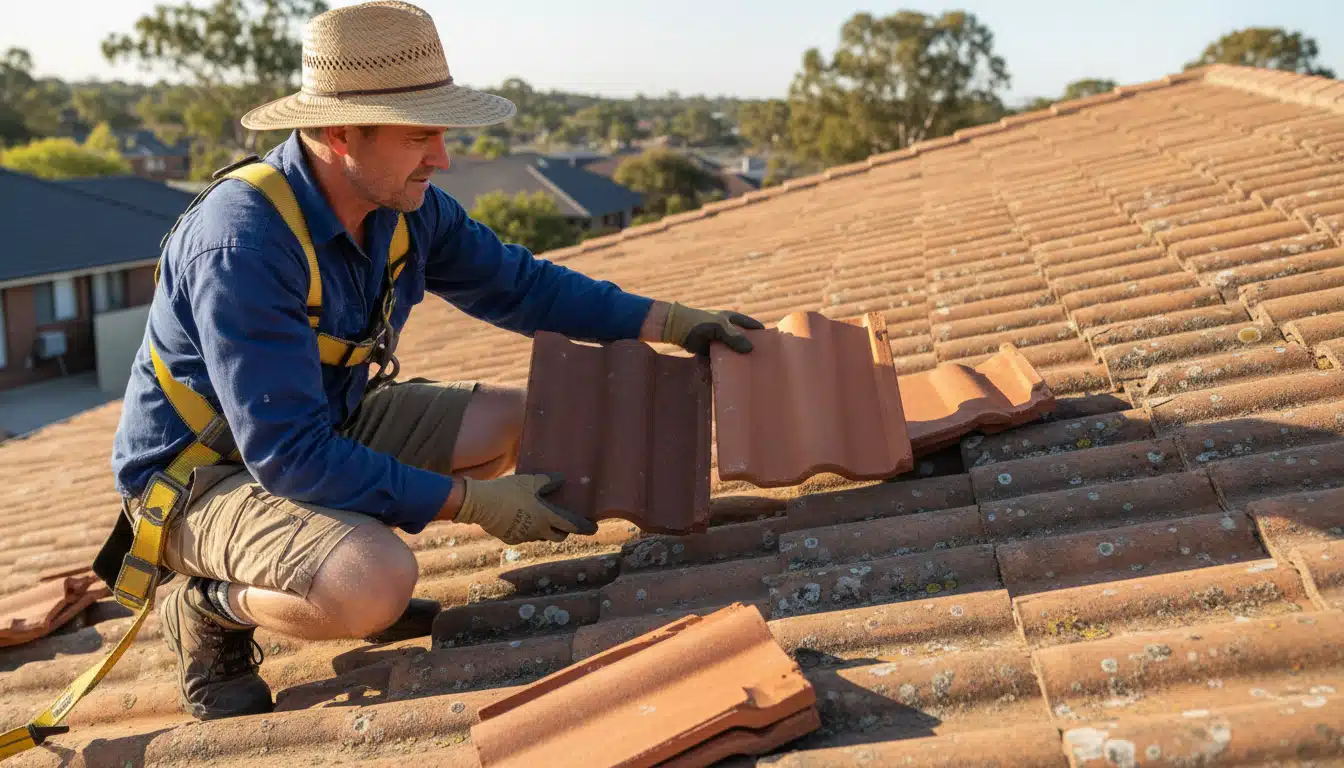
Professional roof inspection delivers a comprehensive assessment beyond ground-level observation capabilities. Experienced inspectors safely access roof surfaces, examining tiles individually and testing security. They identify loose tiles by attempting slight tile movement, checking whether tiles rock or shift when pressed. Secure tiles remain fixed, while loose tiles move noticeably. Professional inspection includes ridge and hip tile examination, where loosening most commonly occurs, valley tile security assessment, tiles around penetrations and edges, and structural support condition affecting tile security.
Documentation through photographs creates records of identified problems, supporting repair planning and insurance claims if damage occurs despite preventive measures. Professional inspectors typically provide written reports detailing findings and recommended actions.
Timing matters significantly. Inspections completed months before storm season allow adequate time for scheduling repairs without urgency pressure. Last-minute inspections risk insufficient time for addressing identified problems before storms arrive. Property owners benefit from establishing regular inspection schedules rather than reacting to immediate storm forecasts.
Immediate Actions for Discovered Loose Tiles
Property owners discovering loose tiles during pre-storm inspection face decisions about appropriate responses based on problem severity and available time before expected weather events.
Emergency temporary securing may prove necessary when storms approach with insufficient time for proper repairs. Temporary measures include applying roofing adhesive or sealant to create a temporary attachment, installing temporary mechanical fasteners to create immediate security, or placing sandbags or weights on especially vulnerable tiles. These temporary solutions provide short-term protection but require professional repair after storm events pass.
However, temporary measures carry risks. Improper techniques may damage tiles further or create additional problems. Property owners lacking experience with roof work should engage professionals even for temporary securing rather than risking injury or additional damage through DIY attempts.
Professional emergency repair services address loose tiles properly, even under time constraints. Experienced contractors efficiently secure vulnerable tiles using appropriate materials and techniques. They prioritise critical areas most likely to fail during storms while scheduling comprehensive work for later completion.
When adequate time exists before storm season, property owners should proceed with proper repairs rather than temporary measures. Comprehensive work addressing root causes delivers reliable long-term security, eliminating recurring problems that temporary fixes cannot achieve.
Professional Tile Securing Methods
Multiple techniques secure loose tiles depending on specific situations, tile types, and underlying causes of loosening.
Mechanical fixing installation provides positive tile attachment independent of bedding condition. Modern mechanical fixing systems include screws penetrating through tiles into roof framing, clips engaging tile profiles and attaching to roof structure, and purpose-designed fixing systems matching specific tile types. Professional installation ensures adequate penetration depth, appropriate fastener spacing, proper sealing to prevent water infiltration around fasteners, and corrosion-resistant materials suitable for Perth’s climate.
Mechanical fixing proves particularly effective for ridge and hip tiles where wind uplift forces concentrate. Current codes typically require mechanical fixing of all ridge and hip tiles on new installations, though older roofs may lack this protection. Retrofitting mechanical fixings to existing roofs significantly improves storm resistance.
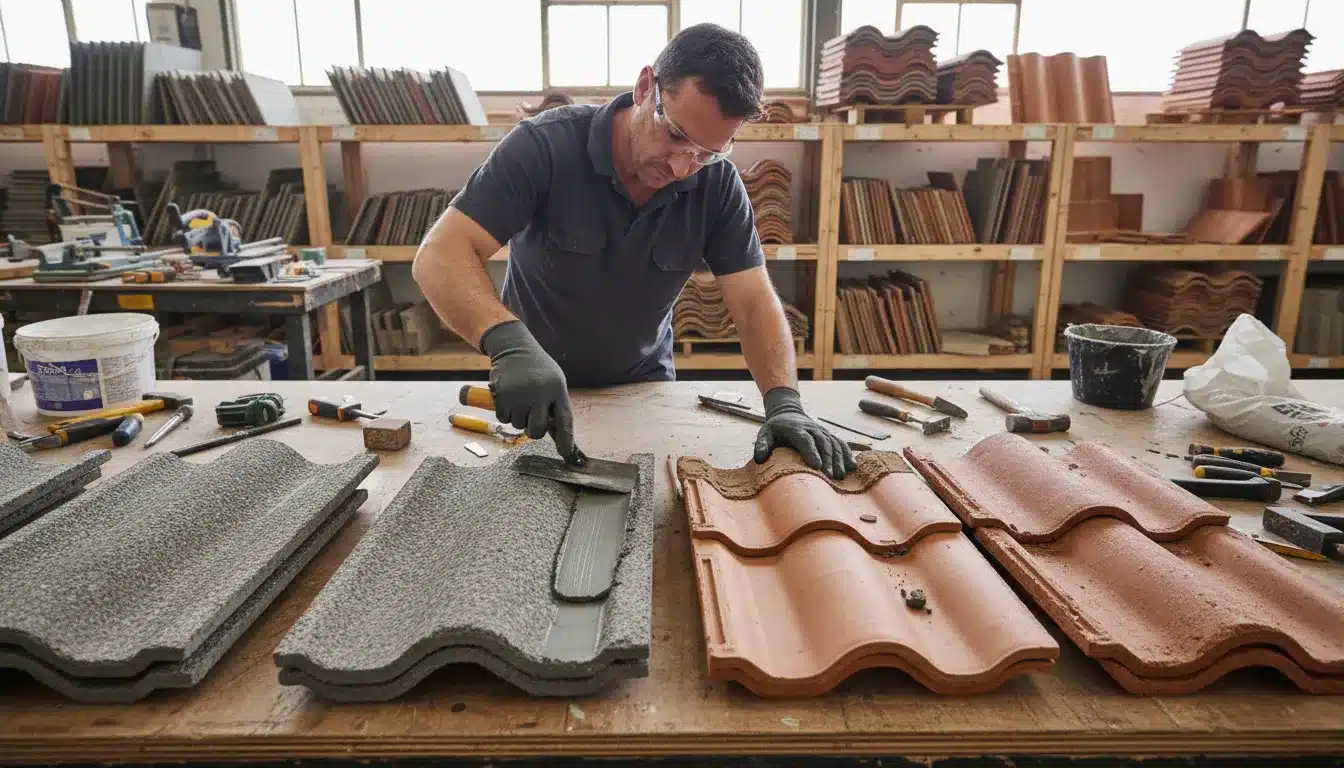
Bedding renewal addresses loose tiles where bedding deterioration caused failure. Complete rebedding removes failed mortar, properly prepares surfaces, applies appropriate bedding materials, and positions tiles correctly. Modern flexible bedding products resist cracking and maintain adhesion better than traditional cement mortars, delivering superior long-term performance.
Combined approaches using both mechanical fixing and quality bedding provide optimal security. The redundancy ensures tiles remain attached even if one securing method partially fails. This belt-and-suspenders approach proves particularly valuable for exposed locations experiencing severe wind events.
Individual tile replacement becomes necessary when tiles have cracked, chipped, or otherwise damaged. Broken tiles cannot secure properly regardless of the fixing methods. Professional contractors identify damaged tiles during securing work, replacing them with sound alternatives.
Wind Damage Prevention Strategies
Understanding how wind affects tile roofs helps property owners appreciate the importance of securing and guides prevention strategies.
Wind creates uplift forces on roof surfaces, with forces concentrating at edges, corners, and ridges. These uplift forces attempt to lift tiles away from the roof structures. Tiles with inadequate attachment surrender to these forces, displacing during wind events. The displacement creates cascade effects, with initially dislodged tiles impacting adjacent tiles, potentially causing broader failure.
Aerodynamic effects vary across roof surfaces. Windward slopes experience direct pressure, while leeward slopes and edges experience suction effects. Ridges and hips face combined forces from multiple directions. This variation means some roof areas face greater risk than others, influencing where securing efforts should concentrate.
Tile profile affects wind resistance. Some profiles naturally resist uplift better than others through their geometric characteristics. Interlocking tiles provide superior wind resistance compared to simple overlapping profiles. However, even superior profiles require adequate fixing resisting the uplift forces they face.
Pre-storm tile inspection specifically examines high-risk areas receiving priority attention. Edges and corners where uplift forces maximise, ridges and hips experiencing combined wind effects, windward slopes facing direct wind pressure, and areas with previous damage showing vulnerability all warrant particular scrutiny.
Cost Considerations for Pre-Storm Securing
Understanding costs helps property owners budget appropriately for preventive work and appreciate the value compared to potential storm damage expenses.
Individual tile securing costs vary based on required work extent, access difficulty, tile type and profile, and materials required. Securing single loose ridge tiles may cost modest amounts, while comprehensive ridge and hip mechanical fixing installation across entire roofs represents a significant investment.
However, prevention economics strongly favour proactive work. Storm damage repair costs typically exceed preventive securing expenses substantially. When loose tiles become projectiles during storms, damage extends beyond roof systems to gutters, windows, vehicles, neighbouring properties, and creates potential injury liability. Insurance deductibles, premium increases, and coverage gaps mean property owners bear substantial costs even with insurance.
Emergency repairs during or immediately following storms command premium pricing reflecting urgent response requirements and high contractor demand. Scheduled preventive work proceeds at standard rates, delivering cost advantages beyond avoided damage expenses.
Pre-storm tile inspection represents a minimal investment in identifying problems, enabling cost-effective intervention. The inspection cost proves trivial compared tothe potential storm damage that unidentified loose tiles create. Property owners should view inspection as essential maintenance rather than a discretionary expense.
DIY vs Professional Tile Securing
Roof work safety concerns and technical requirements favour professional services for most tile securing situations.
Safety represents the primary DIY concern. Roof work involves significant fall hazards requiring proper protective equipment and training. Working on roofs during windy conditions, preparing for storms, compounds these hazards. Inexperienced property owners risk serious injury attempting roof repairs. Professional contractors maintain appropriate safety equipment, training, and insurance, protecting workers and property owners.
Technical knowledge requirements extend beyond simple tile repositioning. Proper mechanical fixing demands understanding appropriate fastener types, correct placement and spacing, adequate penetration depth, and proper sealing techniques. Bedding work requires material selection knowledge, proper surface preparation, and correct application methods. Professional installers possess this knowledge through training and experience.
Tool requirements for proper work exceed typical homeowner equipment. Specialised fixing tools, proper safety equipment, and material handling capabilities prove necessary. Most property owners lack this equipment, making professional engagement more practical than attempting to acquire necessary tools for single-use applications.
Quality assurance concerns favour professional work. Improperly secured tiles may appear adequate initially but fail during storms when protection proves critical. Professional work typically includes warranties providing recourse if work proves inadequate. DIY efforts offer no such protection.
The limited situations favouring DIY approaches involve simple temporary securing using adhesives or sealants on readily accessible tiles pending professional repair. Even these temporary measures require care to prevent additional damage. For actual mechanical fixing or bedding work, professional services prove appropriate for essentially all circumstances.
Timing Storm Preparation Work
Strategic timing maximises preventive work effectiveness while optimising scheduling and costs.
Perth storm season typically runs from May through September, with peak storm frequency during June and July. Property owners should complete preventive work by April, ensuring protection before storm arrivals. This timing provides adequate scheduling windows without urgency pressure affecting quality or availability.
Post-summer inspection during March or April identifies problems that summer heat and UV exposure may have caused or worsened. Scheduling inspections during this window allows adequate time for addressing identified problems before storms commence.
Multi-year maintenance cycles help property owners plan appropriately. Comprehensive pre-storm tile inspection should occur annually, with a detailed professional assessment every 2-3 years. Major preventive work like comprehensive mechanical fixing installation or ridge rebedding typically requires attention every 15-20 years, depending on materials and installation quality.
Some property owners defer preventive work,k assuming they can address problems if storms arrive. This approach proves risky because severe weather forecasts provide only days of warning, insufficient for scheduling and completing proper repairs. Additionally, contractor availability during imminent storm threats becomes extremely limited as demand surges. Property owners requiring emergency work often face delays oran inability to secure services when most needed.
Insurance Considerations
Understanding the insurance implications of loose tile situations helps property owners make informed decisions about preventive work.
Insurance policies typically cover storm damage to properly maintained properties. However, coverage may exclude or limit damage resulting from deferred maintenance or known deficiencies left unaddressed. Property owners who are aware of loose tiles and fail to address them before storms may face coverage disputes if damage occurs.
Documentation proves critical for insurance purposes. Professional pre-storm tile inspection creates records demonstrating property care and identifying work completed before storms. If damage occurs despite preventive measures, this documentation supports claims demonstrating proper maintenance. Conversely, a lack of documentation may complicate claims when insurers question whether damage resulted from deferred maintenance.
Preventive work costs typically do not qualify for insurance coverage, falling under maintenance expenses that policies exclude. Property owners bear these costs directly. However, avoiding storm damage through preventive work eliminates deductible payments, premium increases, and coverage gaps that claims create.
Some insurers offer premium discounts for properties with documented maintenance programs or specific storm-resistant features. Property owners should enquire whether mechanical fixing installation or other preventive measures qualify for such discounts. Even modest premium reductions accumulate significantly over time.
Integration with Comprehensive Roof Maintenance
Tile securing integrates most effectively within broader roof maintenance strategies rather than isolated reactive interventions.
Regular professional roof maintenance includes systematic tile security assessment as standard service components. Annual or biennial professional inspection examines tile security alongside other roof conditions, enabling coordinated attention to all identified needs. This comprehensive approach proves more efficient than addressing isolated problems separately.
Coordination with other roof work delivers efficiency benefits and cost advantages. Scheduling tile securing during planned roof restoration, roof cleaning, or related maintenance consolidates mobilisation costs and access expenses. Property owners benefit from addressing multiple needs during single contractor engagements.
Roof restoration projects typically include a comprehensive tile security assessment and remediation. Major restoration work provides optimal opportunities for mechanical fixing installation, ridge rebedding, and individual tile replacement, addressing all security concerns systematically.
Documentation of securing work and inspection findings supports ongoing property management. Maintaining records of work completed, materials used, and current roof condition creates valuable property history. This documentation assists with future maintenance planning, property transactions, and insurance matters.
Taking Action to Protect Your Property
Property owners recognising the importance of securing tiles before storms should implement a systematic approach to protect their investments.
Schedule pre-storm tile inspection annually during March or April, providing adequate time for addressing identified problems. Professional inspection delivers a comprehensive assessment beyond ground-level observation capabilities, identifying problems requiring attention.
Act promptly on inspection findings rather than deferring recommended work. The modest investment in preventive securing proves far less expensive than storm damage repair, property losses, and potential injury liability that inadequately secured tiles create.
Engage qualified professional contractors with relevant experience, appropriate licensing and insurance, positive client references, and clear written proposals. Pre-storm tile inspection services and professional mechanical fixing installation ensure work meets appropriate standards.
Maintain documentation of inspection findings, work completed, and roof condition. This records management supports insurance claims if needed, guides future maintenance planning, and demonstrates property care during transactions.
Consider long-term maintenance strategies rather than reactive approaches. Establishing regular inspection schedules, budgeting for periodic major work, and addressing problems proactively delivers superior outcomes compared to waiting for failures or damage before taking action.
Perth property owners concerned about tile security or requiring pre-storm tile inspection should seek a professional evaluation to determine appropriate actions. Expert assessment identifies specific problems, while solution recommendations address individual property requirements and circumstances.
Professional Storm Preparation Services
Permacoat provides comprehensive storm preparation roofing services for Perth property owners. Professional pre-storm tile inspection identifies loose tiles and security deficiencies requiring attention. Expert mechanical fixing installation, ridge and hip rebedding, and individual tile replacement address identified problems effectively.
With over 50 years of protecting Perth properties through numerous storm seasons, Permacoat understands local wind conditions and appropriate securing methods, delivering reliable protection. Comprehensive warranties back all work, providing property owners with confidence that their roofs will withstand storm challenges.
Get in touch on (08) 9249 5955 for professional assessment and expert solutions securing tiles before Perth’s storm season arrives. Quality materials, experienced installation, and thorough attention to all roof areas ensure properties remain protected when severe weather tests roof system integrity. Don’t wait until storms threaten, proactive securing delivers peace of mind and property protection throughout storm season and beyond.