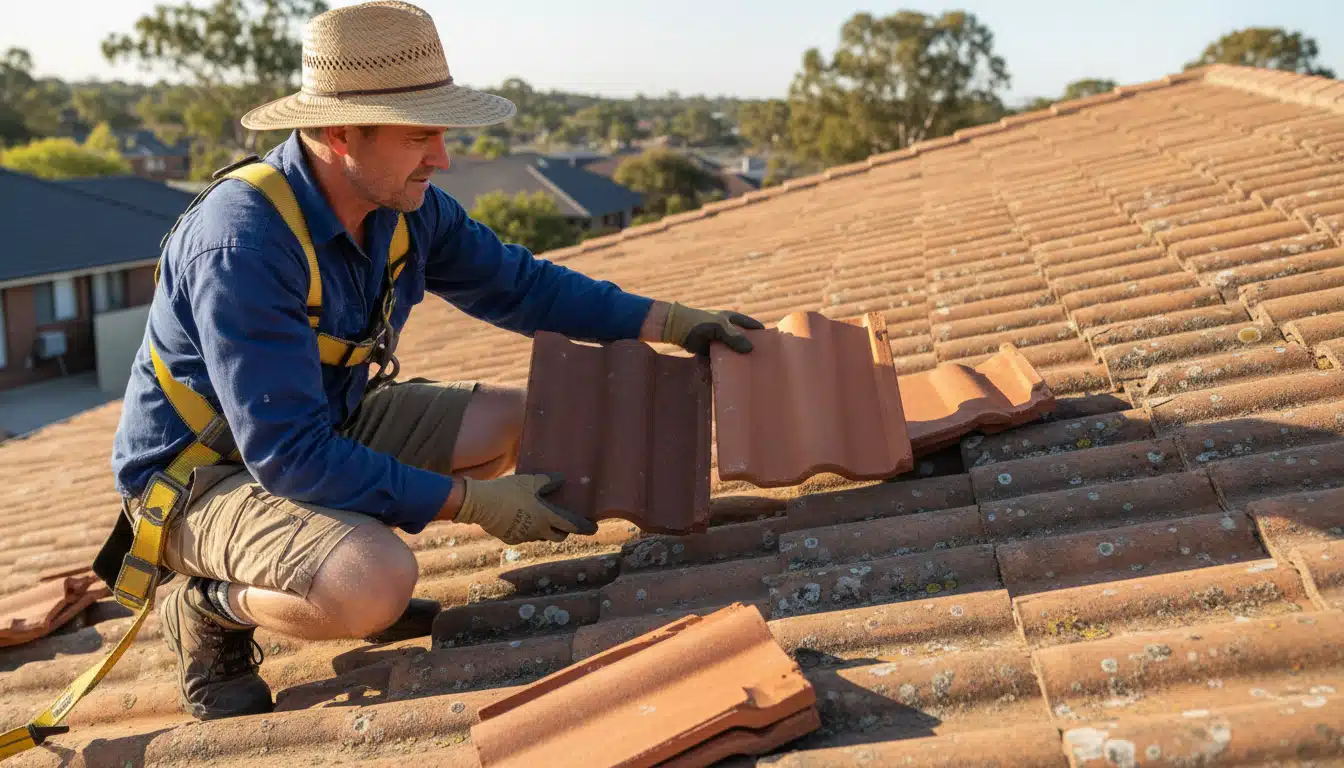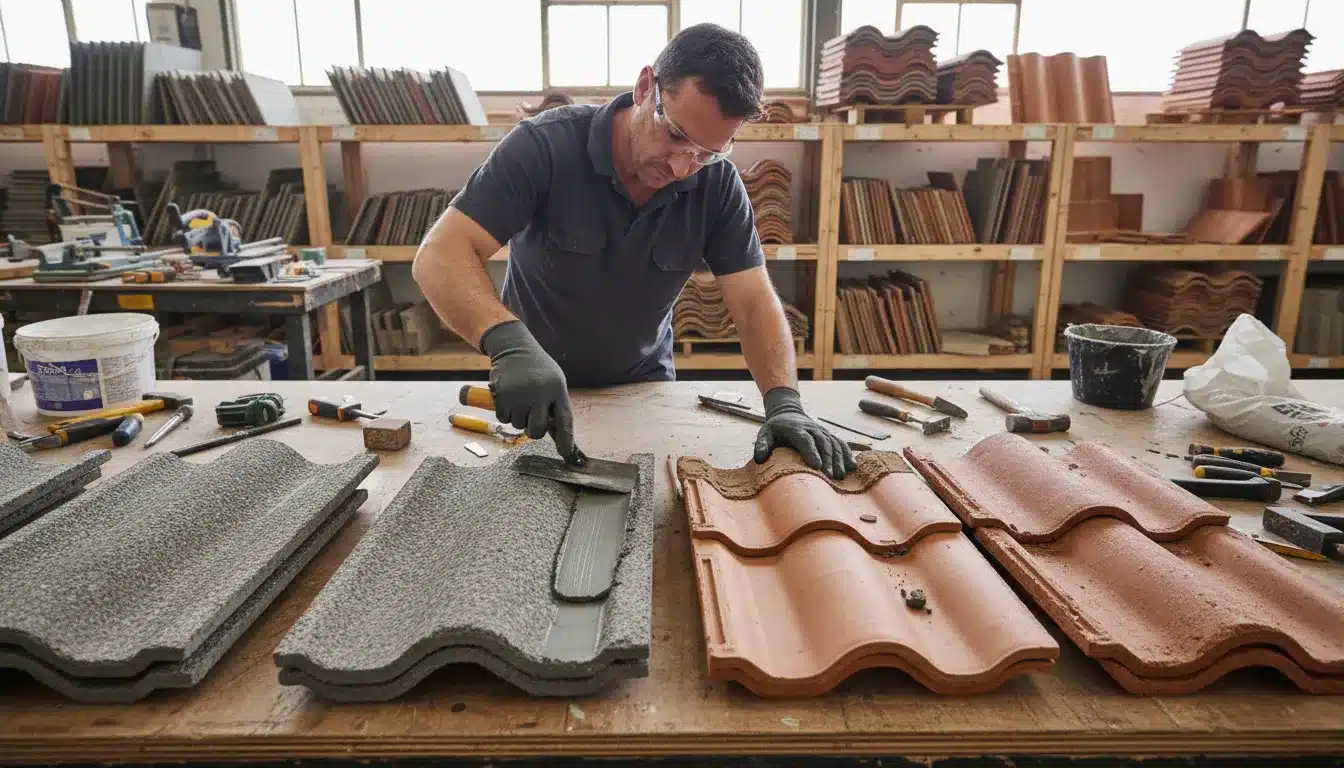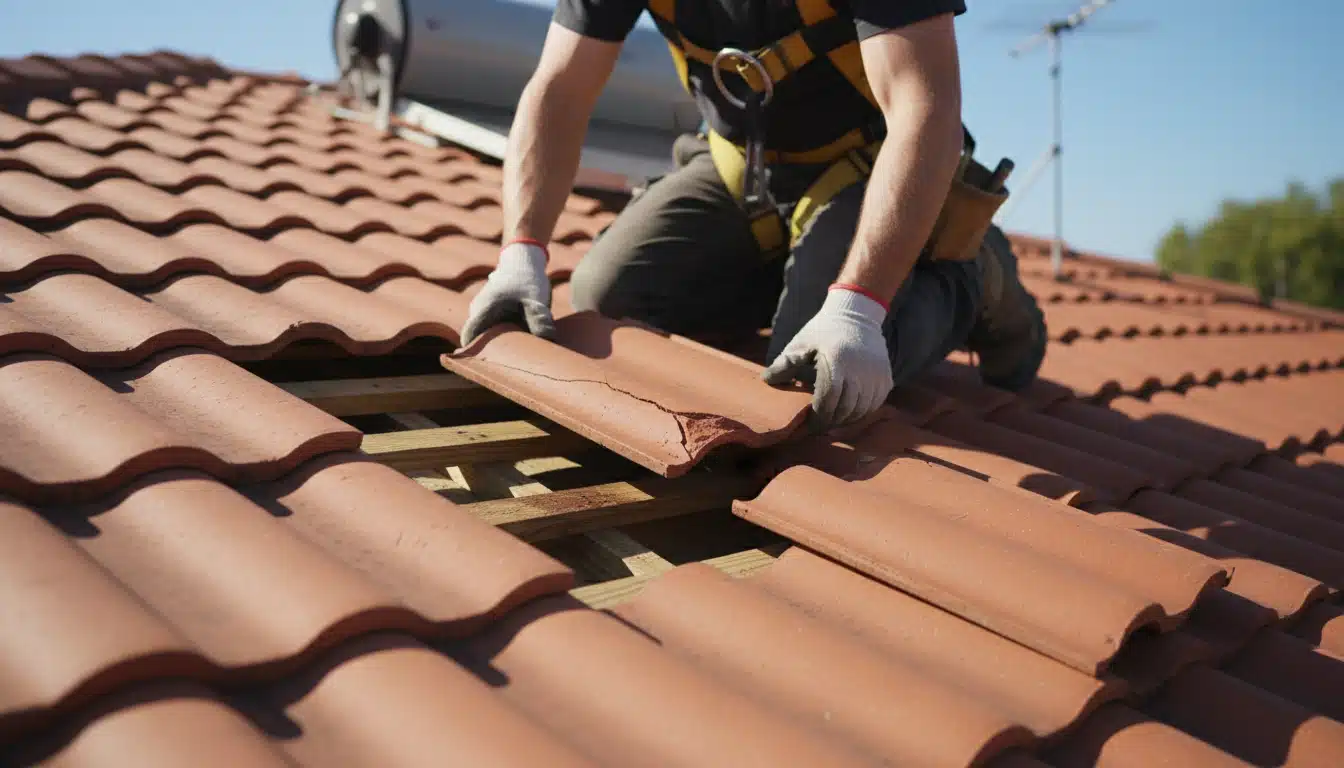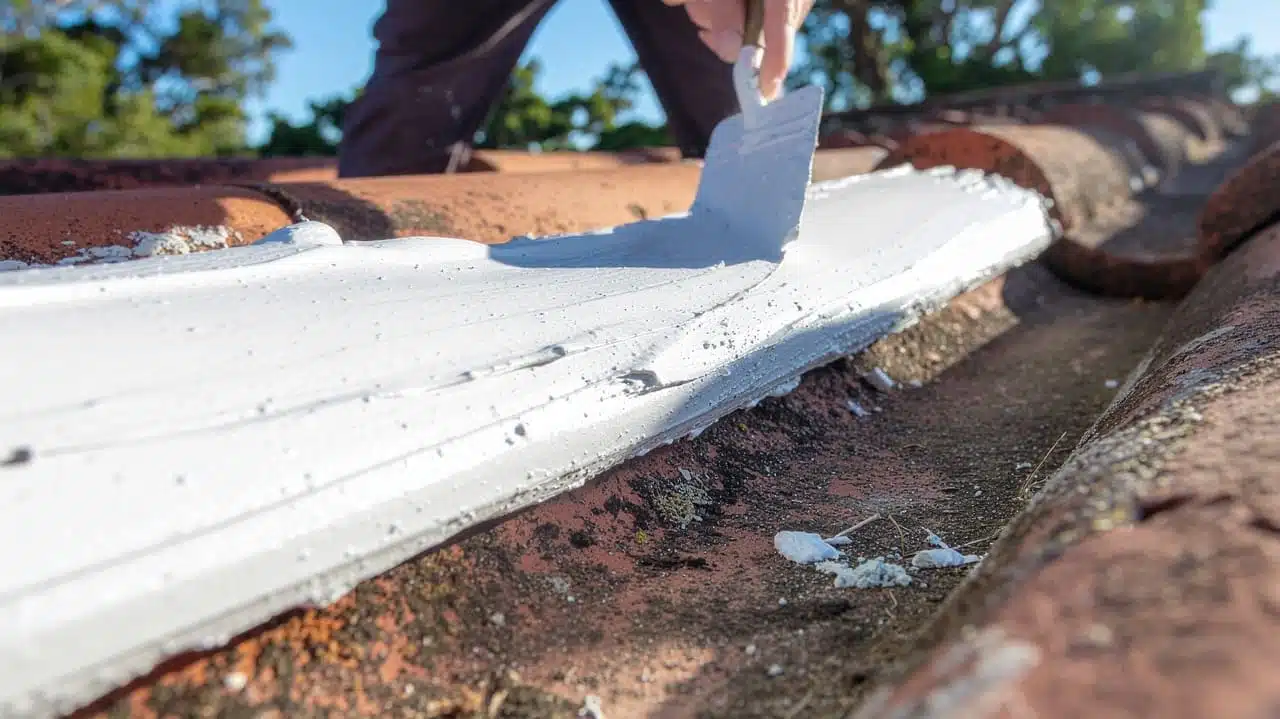
Perth tile roofs rely on ridge capping and bedding mortar systems that secure tiles while managing water exclusion. Over time, these critical components deteriorate, requiring professional tile bedding restoration to maintain roof integrity. Understanding tile roof rebedding Perth requirements helps property owners recognise when work becomes necessary and appreciate the value professional services deliver, protecting their investments.
Ridge tiles along roof peaks and hip tiles at roof intersections bear greater exposure to weather extremes than field tiles. The bedding mortar securing these components gradually degrades under Perth’s intense UV radiation, temperature cycling, and weather events. Professional roof repointing services Perth restore these critical roof elements, preventing water infiltration and tile displacement that compromises overall roof performance.
Understanding Bedding and Pointing Systems
Ridge and hip tile mounting employs bedding mortar, securing tiles to the underlying roof structures, while pointing mortar finishes exposed edges, creating weather-resistant surfaces. Professional mortar replacement work addresses both these distinct but complementary functions, protecting roofs.
Bedding mortar forms the primary attachment between ridge or hip tiles and roof framing or field tiles beneath. The mortar bed supports tile weight, accommodates minor surface irregularities, and provides initial weather resistance. Proper bedding fills voids beneath tiles, eliminating potential water infiltration paths while creating solid foundations resisting tile movement.
Pointing mortar finishes external bedding edges, creating smooth, weather-resistant surfaces that shed water effectively. Quality pointing protects underlying bedding from direct weather exposure, significantly extending overall system service life. The pointing also provides aesthetic finishing, creating neat appearances along the ridge and hip lines.
Traditional cement-based bedding systems served Perth roofs for decades. These systems employ standard mortar mixes, creating rigid attachments. While effective initially, cement bedding proves vulnerable to cracking from thermal movement and lacks flexibility in accommodating normal roof flexing. Modern flexible bedding systems address these limitations through polymer-modified formulations, ns maintaining adhesion despite movement and thermal cycling.
Mechanical fixings increasingly supplement or replace bedding alone for securing ridge and hip tiles. Screws, clips, or purpose-designed fixing systems attach tiles directly to underlying structures, providing positive retention independent of bedding deterioration. Current building codes often require mechanical fixings in addition to bedding, creating redundant systems, ensuring tiles remain secure even if bedding fails partially.
Signs Your Roof Needs Rebedding or Repointing
Recognising symptoms indicating rebedding requirements enables property owners to schedule work before problems escalate into major failures.
Visible bedding cracks represent clear rebedding indicators. Cracks along ridge lines, particularly parallel to roof peaks, indicate bedding deterioration. Small cracks widen progressively through thermal cycling and water infiltration. What begins as hairline cracking eventually becomes substantial gaps, allowing water entry and potentially permitting tile movement.
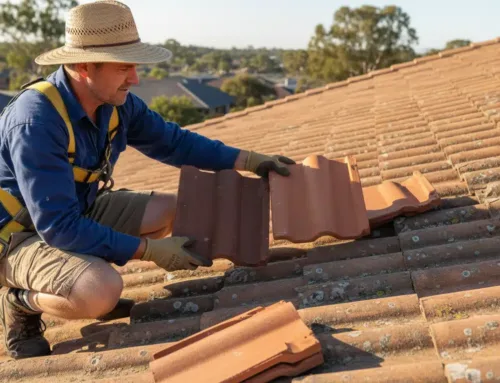
Loose or displaced ridge tiles signal bedding failure requiring immediate attention. Ridge capping repairs become urgent when tiles rock when pressed or appear visibly out of alignment, indicating lost bedding adhesion. Completely displaced tiles fallen from ridges obviously demand urgent repair, preventing water damage and addressing safety hazards from tiles potentially falling.
Pointing deterioration shows through surface cracking, crumbling, or complete pointing loss, exposing underlying bedding. Once pointing fails, bedding degrades rapidly from direct weather exposure. Property owners observing pointing deterioration should schedule repointing promptly, protecting bedding from accelerated degradation and avoiding more extensive rebedding work.
Interior leak evidence near ridge lines suggests bedding failure,e allowing water infiltration. Ceiling staining, particularly appearing or worsening after rainfall and concentrated near roof peaks or hips, often indicates bedding problems. While other issues might cause similar symptoms, bedding deterioration ranks among the common culprits warranting investigation.
Daylight visible through roof ridges from interior roof spaces clearly indicates gaps in bedding systems. These openings permit water entry and provide access for birds and insects. Observing this symptom during roof space inspections demands prompt professional evaluation and repair.
Age alone sometimes indicates rebedding needs. Cement-based bedding typically requires renewal after 15-25 years in Perth conditions. Properties approaching or exceeding these timeframes warrant professional inspection even without apparent symptoms, enabling proactive tile bedding restoration before failures occur.
The Professional Rebedding Process
Proper rebedding requires systematic approaches ensuring quality outcomes and lasting performance.
Comprehensive inspection precedes all rebedding work. Professional contractors assess entire ridge and hip systems, identifying all areas requiring attention. They examine field tile condition in ridge and hip areas, evaluate structural support adequacy, verify mechanical fixing requirements, and determine appropriate materials for specific situations. This thorough assessment ensures complete work addressing all identified deficiencies.
Removal of deteriorated bedding must proceed carefully, preventing damage to sound tiles beneath. Ridge and hip tiles receive careful handling during removal. Existing bedding receives complete removal down to clean substrate surfaces. Partial bedding removal,l leaving contaminated surface,s compromises new bedding adhesion. Professional techniques and proper tools facilitate efficient removal while minimising breakage risk.
Substrate preparation establishes foundations for successful rebedding. Surfaces receive a thorough cleaning, including removing all old mortar residue, dirt, and contaminants. Dry substrates may require dampening before bedding application, preventing rapid moisture loss from fresh mortar that compromises curing and bonding. Proper preparation significantly affects rebedding longevity and performance.
The bedding application follows the manufacturer’s specifications for the materials employed. Modern flexible bedding systems have specific mixing and application requirements, ensuring proper performance characteristics. Adequate bedding thickness supports tiles correctly while filling voids completely. Skilled application creates consistent coverage, eliminating potential leak paths.
Ridge and hip tile replacement or reinstallation requires correct positioning and alignment. Tiles must overlap properly, maintaining consistent reveals and alignment with roof geometry. Professional installers achieve these requirements through experience and attention to detail. Proper tile positioning proves critical for both performance and appearance.
Mechanical fixing installation secures tiles independently of bedding. Fixings must penetrate structural members adequately for reliable attachment without creating new leak paths. Each fixing requires proper sealing. The fixing type, quantity, and positioning follow building code requirements and manufacturer specifications. This redundant retention system provides security even if bedding deteriorates partially over time.
The pointing application finishes external edges after bedding cures sufficiently. Quality pointing creates smooth, sloped surfaces directing water away from ridge and hip junctions. Proper pointing technique eliminates surface irregularities, trapping water or accelerating deterioration. Modern pointing products employ formulations that resist cracking and provide extended service life compared to traditional materials.
Cleanup and inspection complete, professional rebedding. Removed materialsreceivede proper disposal. Roof surfaces receive cleaning, ng removing mortar residue or debris. Final inspection verifies complete, quality work meeting professional standards. This attention to project completion distinguishes professional service from inadequate work.
Repointing vs Complete Rebedding
Understanding when repointing alone suffices versus requiring complete rebedding helps property owners make appropriate decisions.
Repointing proves adequate when bedding remains structurally sound,d but pointing has deteriorated. This situation occurs when pointing has weathered prematurely while the underlying bedding maintains integrity. Repointing costs substantially less than complete rebedding, making it economically attractive when appropriate. However, attempting repointing when bedding has failed wastes money on ineffective cosmetic repairs.
Complete rebedding becomes necessary when bedding has deteriorated significantly. Cracked bedding, loose tiles, gaps allowing water entry, or bedding breaking away from substrates all indicate rebedding requirements. While more expensive than repointing, complete rebedding addresses underlying problems, ensuring reliable long-term performance. Attempting repointing over failed bedding provides no lasting benefit.
Professional assessment determinesthe appropriate work scope. Experienced contractors identify bedding condition accurately, recommending repointing or rebedding based on actual conditions rather than arbitrary cost minimisation. Property owners benefit from honest professional evaluation, ensuring recommended work addresses identified problems effectively.
Some situations warrant progressive approaches. If partial ridge or hip sections show bedding deterioration while the remainder maintains adequate condition, staged work addressing the worst areas first, while monitoring the remaining sections, proves cost-effective. This approach requires professional judgment, balancing immediate needs against future requirements.
Materials and Methods
Modern rebedding employs advanced materials that outperform traditional cement-based systems.
Flexible polymer-modified bedding products accommodate thermal movement and roof flexing that causes traditional cement bedding to crack. These materials maintain adhesion despite stresses that fail rigid systems. The flexibility significantly extends service life, often doubling or tripling lifespan compared to cement bedding. While more expensive initially, flexible systems prove economical through extended service and reduced maintenance.
Cement-based bedding still serves appropriate roles in specific applications. Traditional materials work adequately where budget constraints limit flexible system use and property owners understand shorter service life expectations. Quality cement bedding with proper ratios, thorough mixing, and correct application performs reliably for 15-20 years before requiring renewal.
Mechanical fixing systems provide critical redundancy, ensuring tile retention. Various fixing types serve different tile profiles and structural conditions. Screws prove most common, but clips and other systems suit specific applications. All mechanical fixings must resist corrosion in Perth’s climate, particularly in coastal areas. Stainless steel fixings offer superior corrosion resistance, justifying their premium costs.
Pointing products range from traditional cement-based mortars to modern flexible formulations. Similar to bedding, flexible pointing products resist cracking and provide extended service. Premium pointing systems justify costs through durability and reduced maintenance requirements. Property owners selecting materials should balance initial costs against lifecycle value.
Cost Factors for Rebedding and Repointing
Understanding cost components helps property owners budget appropriately and evaluate contractor proposals fairly.
Roof size and complexity significantly affect costs. Linear metres of ridge and hip determine material quantities and labour requirements. Complex roof configurations with multiple hips, valleys, and direction changes require more work than simple gable roofs. Access difficulty influences costs, with steep pitches or multi-story buildings increasing labour time and equipment needs.
Material selection impacts costs substantially. Premium flexible bedding and pointing products cost more than traditional cement-based materials but deliver superior performance. Mechanical fixing requirements add material and labour costs. Property owners should understand material options and their performance implications rather than selecting based solely on initial cost.
The extent of work required affects pricing. Simple repointing costs less per linear metre than complete rebedding. However, attempting inadequate repairs creates future expenses exceeding proper initial work. A comprehensive assessment determining the appropriate work scope ensures realistic proposals.
Additional repairs discovered during work create potential cost variations. Broken tiles requiring replacement, deteriorated timber requiring repair, or structural inadequacies needing remediation add costs beyond basic rebedding. Reputable contractors discuss these possibilities before commencing work, establishing clear communication about potential additional expenses.
Timing affects costs. Emergency repairs after storm damage or urgent leak situations command premium pricin—scheduledd preventive work proceeds at standard rates. Property owners benefit from addressing rebedding needs proactively rather than reacting to failures requiring urgent attention.
Maintenance Extending Rebedding Service Life
Proper maintenance maximises rebedding investment value by extending service life and preventing premature failures.
Regular inspection identifies developing problems early. Annual visual examination from ground level notes any obvious deterioration. A biannual professional roof inspection every 3-5 years provides a detailed assessment of monitoring, bedding, and pointing condition. Early detection of minor cracking or deterioration enables prompt repairs before extensive work becomes necessary.
Prompt attention to minor damage prevents progression. Small pointing cracks sealed promptly, individual loose tiles secured, or localised bedding repairs addressed quickly, prevent problems from spreading. The modest cost of minor repairs proves far less than subsequent complete rebedding when problems advance unchecked.
Gutter maintenance protects ridge and hip systems. Blocked gutters cause water backup,p potentially affectingthe lower ridge and hip tile areas. Regular gutter cleaning prevents these problems while protecting overall roof function. This simple maintenance activity delivers substantial value through preventing various roof problems.
Tree trimming maintains appropriate separation between foliage and roof surfaces. Overhanging branches abrading tiles, accumulated leaf litter retaining moisture, or falling branches damaging ridge tiles all accelerate rebedding needs. Strategic tree maintenance protects roofing investments.
Professional maintenance services provide systematic attention,n ensuring optimal roof condition. Regular cleaning removes biological growth and debris. Inspections identify problems enabling prompt intervention. This proactive approach costs less long-term than reactive emergency repairs.
Integration with Comprehensive Roof Care
Rebedding and repointing integrate most effectively within broader roof maintenance strategies.
Coordinating rebedding with other roof work delivers efficiency benefits. Scheduling rebedding during planned roof restoration work, roof cleaning, or tile replacement consolidates mobilisation costs. Multiple work items completed during single-site visits prove more economical than separate sequential projects.
Permacoat‘s comprehensive approach to tile roof care includes systematic ridge and hip assessment during all roof work. Professional evaluation identifies ridge capping repair needs alongside other roof maintenance requirements. Coordinated work ensures complete roof attention, delivering optimal long-term performance.
Documentation of rebedding work supports property management. Maintaining records of work completed, materials used, and contractor information creates a valuable property history. This documentation proves useful during property transactions and guides future maintenance planning.
Professional Services vs DIY Rebedding
Rebedding complexity and critical importance favour professional installation for most property owners.
Safety considerations represent primary concerns. Ridge and hip work requires working at roof peaks, often at substantial heights. Proper fall protection equipment and training prove essential. Professional contractors maintain appropriate safety gear and experience working safely on roofs. DIY attempts risk serious injury.
Material selection and application require professional knowledge. Understanding appropriate products for specific situations, correct mixing procedures, proper application techniques, and building code requirements demands expertise that most property owners lack. Incorrect materials or application methods create premature failures requiring expensive correction.
Workmanship quality determines rebedding longevity. Professional installers achieve consistent quality through experience and skill. Proper bedding coverage, correct tile positioning, effective pointing application, and reliable mechanical fixing all require trained expertise for successful mortar replacement work. DIY work typically fails to achieve professional quality standards.
Building code compliance requires professional knowledge. Mechanical fixing requirements, material specifications, and structural considerations all involve code compliance. Professional contractors understand these requirements and ensure compliant installations. DIY work risks code violations, potentially affecting insurance coverage and property values.
Warranty protection accompanies professional work. Reputable contractors back their roof repointing services Perth with workmanship warranties protecting property owners from installation defects. DIY work offers no such protection, with mistakes creating expensive problems requiring professional remediation.
Taking Action for Rebedding Needs
Property owners recognising rebedding needs or seeking preventive assessment should engage qualified professionals,s ensuring quality outcomes.
Visual symptoms, including cracked bedding, loose tiles, deteriorated pointing, or interior leaks, warrant prompt professional evaluation. Early attention prevents damage progression while repairs remain relatively minor and affordable. Delaying action permits problems to worsen, increasing repair costs substantially.
Scheduled professional inspections provide early detection even without obvious symptoms. Properties with roofs over 15 years since last rebedding warrant periodic inspection, assessing the ridge and hip condition. This proactive approach identifies developing problems before they cause damage or failures.
Choosing experienced contractors ensures quality work. Property owners benefit from engaging professionals with relevant Perth experience, appropriate licensing and insurance, positive client references, and clear written proposals. Contact our team on (08) 9249 5955 for professional tile roof rebedding Perth assessment and expert rebedding and repointing services. With over 50 years protecting Perth properties and comprehensive warranties backing all work, Permacoat delivers tile roof rebedding Perth and roof repointing services Perth maintaining ridge and hip integrity through challenging climate conditions.