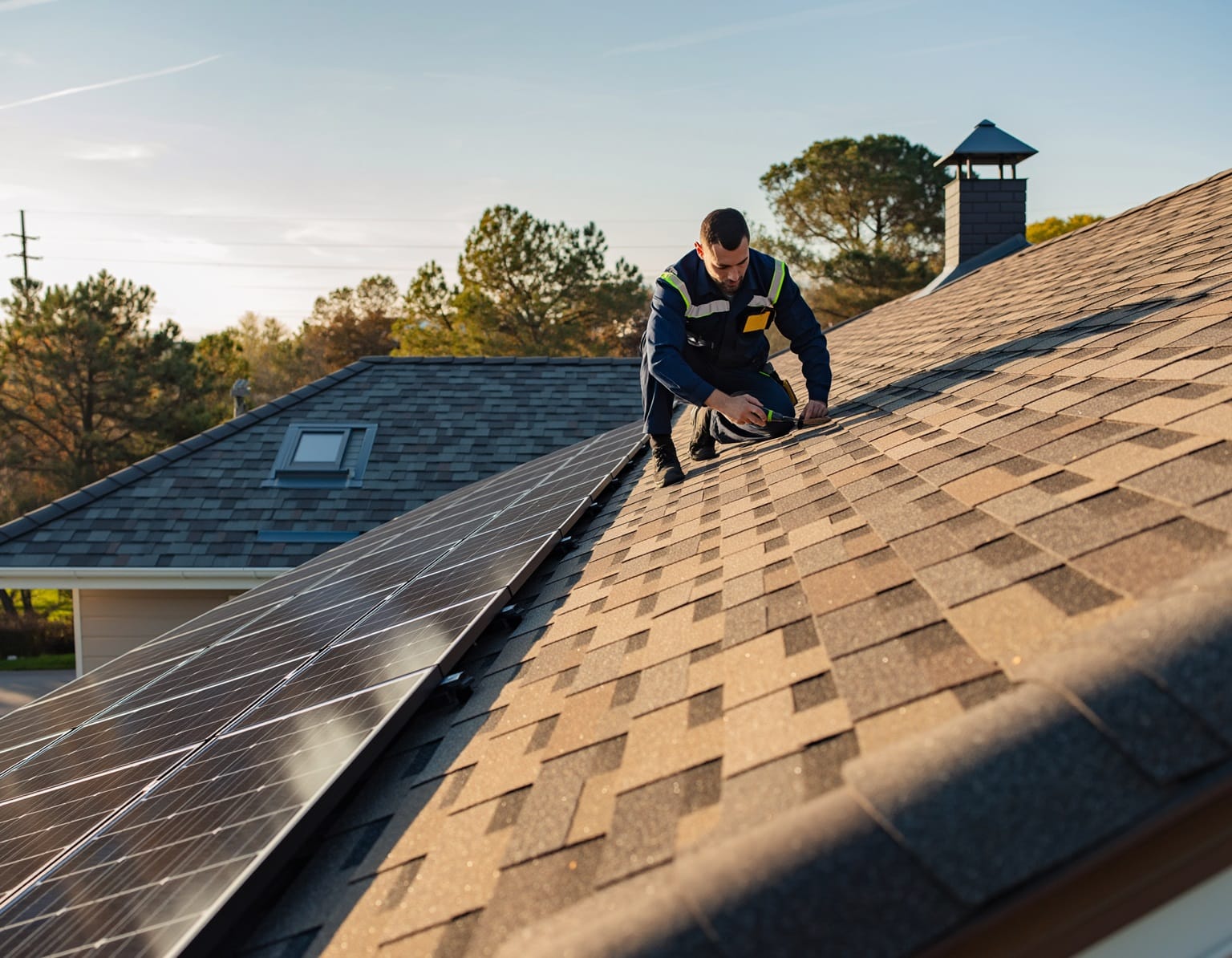
Western Australia’s solar boom continues to accelerate, with over 400,000 households now generating electricity. The combination of Perth’s exceptional sun exposure, averaging 8.8 hours daily, and rising energy costs makes solar installation one of the smartest property investments available. However, mounting panels on a structurally compromised or poorly maintained roof creates expensive problems that undermine these benefits.
The reality many homeowners discover too late: solar installers will not mount panels on roofs showing significant wear, damage, or structural concerns. When installation teams identify issues during pre-installation inspections, projects halt until repairs are completed. This delays solar activation by weeks or months and often costs more than addressing roof condition proactively.
Proper roof preparation for solar panels protects both investments simultaneously. A structurally sound, well-maintained roof ensures panels perform optimally for their 25-30 year lifespan while avoiding the costly scenario of removing panels years later to address underlying roof problems.
Understanding WA’s Unique Roof and Solar Requirements
Perth’s climate creates specific challenges that affect both roof condition and solar performance. Coastal properties face salt-laden winds that accelerate corrosion on metal roofs and degrade tile coatings. Inland areas experience extreme temperature fluctuations, with summer roof surface temperatures regularly exceeding 70°C, causing expansion and contraction that stresses solar mounting systems.
The state’s building regulations require solar installations to meet AS/NZS 1170 structural loading standards. This means roofs must handle not just panel weight (typically 15-20kg per square metre) but also wind loading forces during severe weather events. Cyclone-rated areas in WA’s north face even stricter requirements.
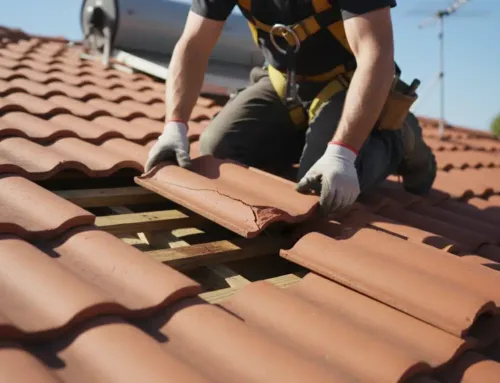
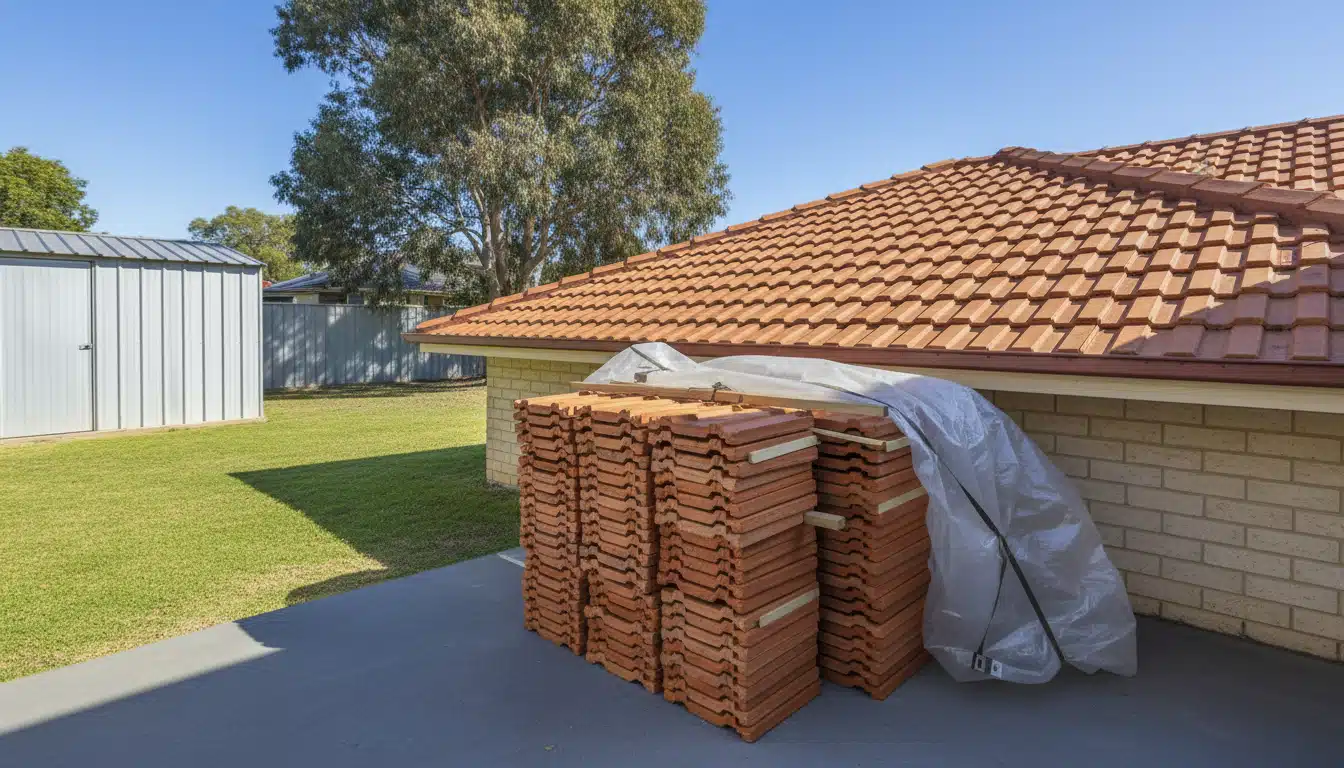
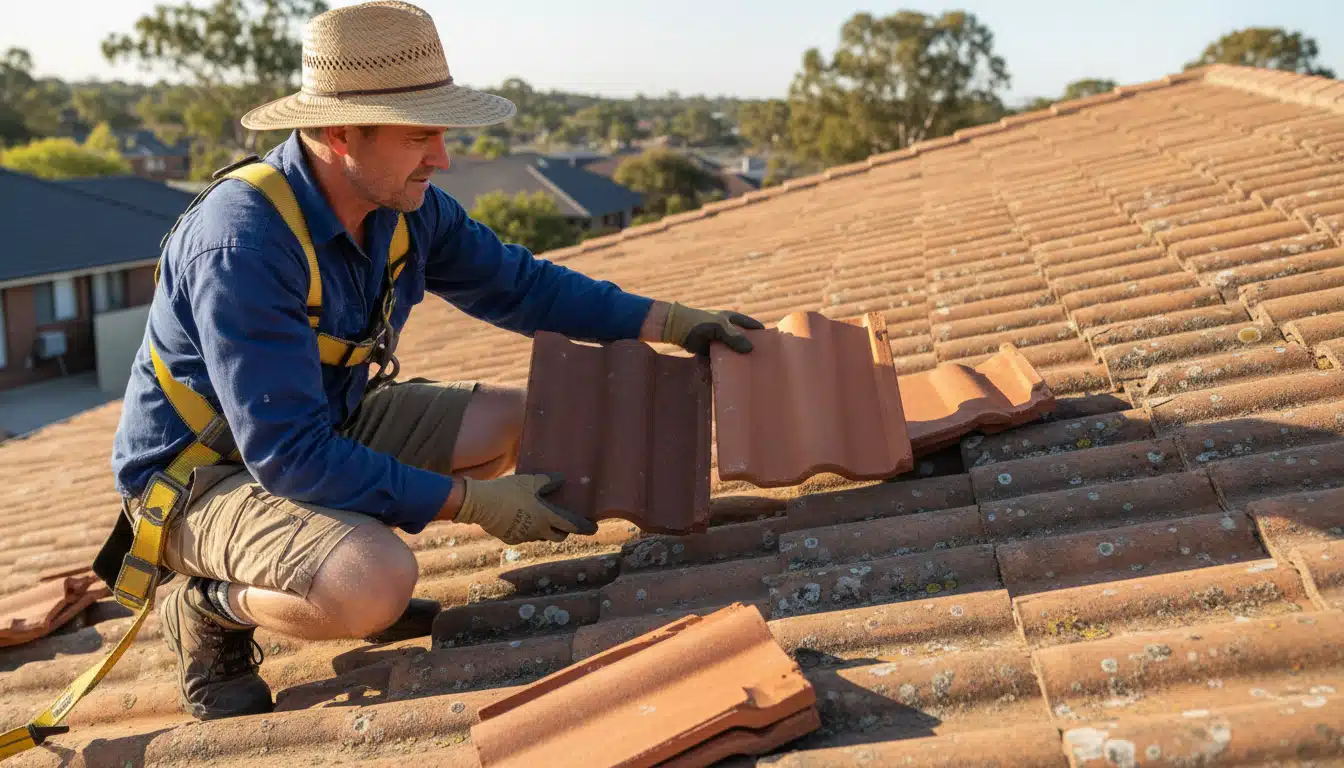
Tile roofs present particular considerations. Terracotta and cement tiles become brittle with age, especially after decades of UV exposure. Walking on aged tiles during solar installation often causes cracking, requiring replacement of dozens of tiles beyond the installation footprint. Permacoat’s restoration specialists regularly assess tile condition before solar projects, identifying tiles that will not withstand installation traffic.
Metal roofs, predominantly Colorbond in newer homes and older corrugated iron in established properties, face different challenges. Rust spots, particularly around existing penetrations and fasteners, indicate compromised weather sealing. Solar mounting systems create additional roof penetrations, and any existing water ingress issues will worsen once panels are installed.
Pre-Installation Roof Assessment Requirements
Professional solar companies conduct thorough roof inspections before quoting installation work. Understanding what they evaluate helps homeowners address issues proactively rather than facing project delays.
Structural Integrity Checks
Installers assess roof framing capacity to support additional panel weight. This involves checking rafter spacing, timber condition, and existing load-bearing capacity through thorough rafter and batten assessment. Homes built before 1990 sometimes require structural reinforcement, particularly when installing larger modern panel arrays. Engineers may need to certify that framing meets current standards for solar loading.
Sagging roof sections indicate structural problems that must be resolved before installation proceeds. Even minor sagging suggests compromised framing or inadequate support, conditions that worsen when panel weight is added.
Surface Condition Evaluation
The roof surface must provide secure mounting points and remain weatherproof after penetrations are made. Inspectors examine tile condition, checking for cracks, delamination, and brittleness. On metal roofs, they assess coating condition, rust presence, and fastener integrity.
Moss, lichen, and organic growth indicate moisture retention problems. These biological materials trap water against roof surfaces, accelerating deterioration. Professional roof cleaning removes this growth and allows proper assessment of underlying surface condition.
Existing Damage Documentation
Any current leaks, damaged flashing, or compromised valleys must be repaired before solar installation. Installers will not proceed when active water ingress exists, as new penetrations will exacerbate existing problems. Valley condition receives particular scrutiny, as these critical drainage channels often show wear first and require proper sealing to prevent leaks around panel mounting systems.
Critical Repairs Before Solar Installation
Addressing roof issues before solar installation prevents complications that would be far more expensive to fix after panels are mounted.
Leak Repairs and Waterproofing
Active leaks require immediate attention. Water damage spreads through roof structures, compromising timber framing and ceiling materials. What starts as a minor leak can necessitate extensive repairs if left unaddressed. Roof repairs Perth specialists identify leak sources and implement proper leak repair waterproofing before solar installation proceeds.
Common leak sources include cracked tiles, failed valley linings, deteriorated ridge capping, and damaged flashing around chimneys and vents. Each requires specific leak repair waterproofing approaches. Valley repairs often involve installing new valley liners with proper overlap and sealing. Ridge capping may need complete replacement with flexible pointing compound that accommodates thermal movement.
Tile Replacement and Repair
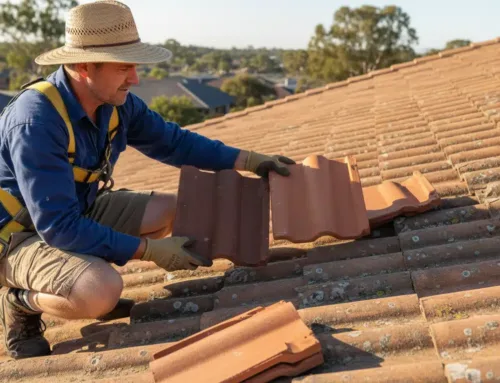
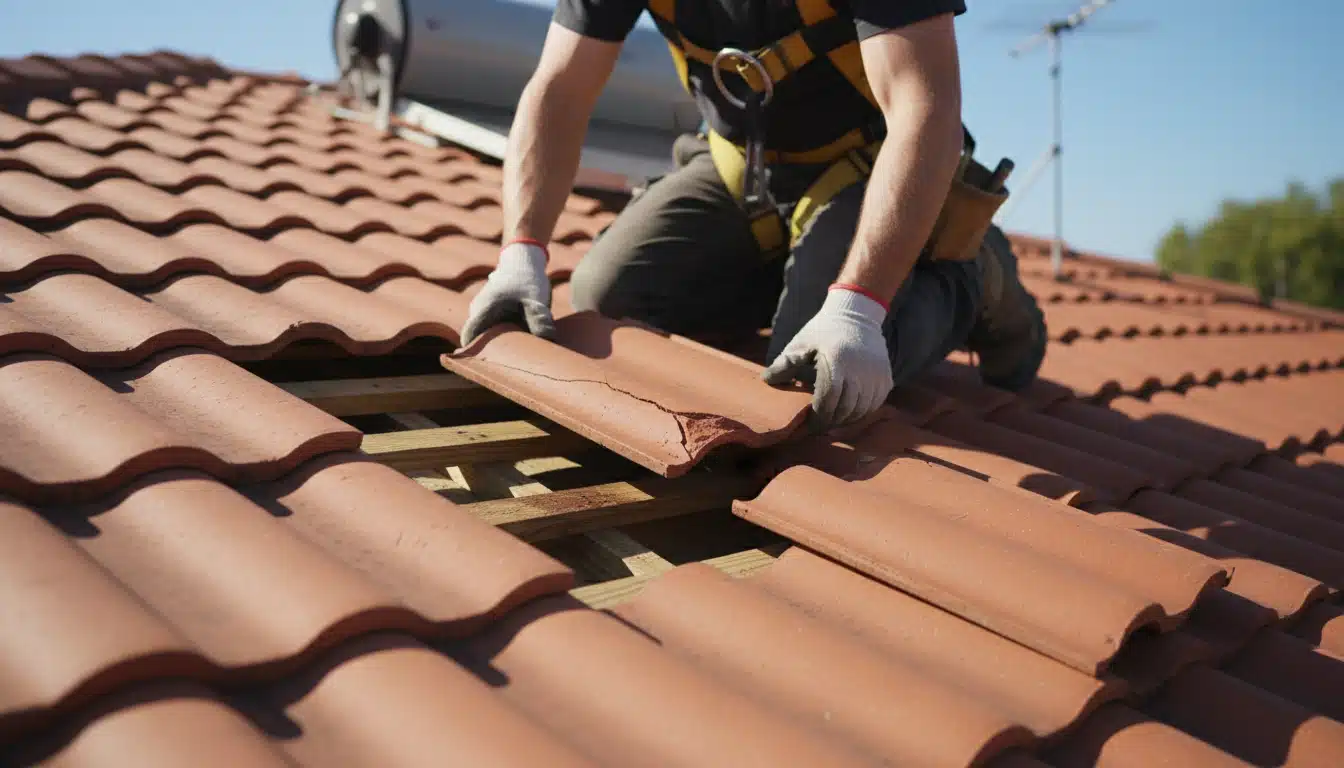
Broken or cracked tiles compromise roof weatherproofing and create unsafe conditions during installation. Solar installers walk across roofs repeatedly while mounting racking systems and panels. Damaged tiles that might hold up under occasional foot traffic often fail when subjected to installation activity.
Replacing compromised tiles before installation saves money. Once panels are mounted, accessing damaged tiles becomes difficult and expensive. Permacoat’s tile specialists replace damaged tiles and ensure surrounding tiles can withstand installation traffic, preventing costly callbacks after solar activation.
Metal Roof Restoration
Corroded metal roofs require treatment before solar mounting systems are attached. Rust around existing fasteners indicates water penetration that will worsen when additional mounting points are created. Surface rust also compromises the secure attachment solar racking systems require.
Roof restoration Perth processes address these issues comprehensively. High-pressure cleaning removes surface contamination and loose rust. Rust treatment products neutralise remaining corrosion. Primer sealers create weatherproof barriers, and protective coating systems provide long-term protection that extends roof life well beyond solar panel warranties.
Coating and Protection Systems for Solar-Ready Roofs
Protective roof coatings serve dual purposes when preparing for solar installation: they extend roof life and create optimal conditions for panel mounting.
Premium Coating System Benefits
Dulux Acratex coating systems, applied by accredited applicators like Permacoat, provide 15-20 year warranties that align with solar panel performance guarantees. This synchronisation means both roof and solar investments are protected for similar timeframes, avoiding the scenario where roof work is needed while panels remain functional.
The three-coat application process, consisting of primer sealer plus two finish coats, creates a durable, weather-resistant surface that withstands the additional stress of solar mounting systems. Properly coated roofs maintain structural integrity and appearance throughout the solar system’s operational life.
Thermal Performance Considerations
Roof coatings with high solar reflectance reduce surface temperatures by 10-15°C compared to dark, uncoated surfaces. This thermal benefit extends to solar panels mounted above the roof. Cooler ambient conditions improve panel efficiency, as solar cells lose approximately 0.5% efficiency for each degree above 25°C.
Light-coloured roof coatings therefore provide a double advantage: protecting the roof structure while optimising solar panel performance. The temperature reduction also decreases thermal cycling stress on solar mounting systems and roof penetrations.
UV Protection and Weather Resistance
Perth’s intense UV radiation degrades unprotected roof surfaces over time. Premium Dulux Acratex coating systems include UV inhibitors that prevent this deterioration, maintaining roof integrity beneath solar arrays. This protection becomes particularly important because panels shade portions of the roof, creating differential weathering patterns. Quality coatings ensure consistent protection across both shaded and exposed areas.
Weather resistance matters significantly in WA’s variable climate. Coating systems must withstand summer heat, winter storms, and coastal salt exposure without cracking, peeling, or losing adhesion. These same qualities ensure solar mounting system attachments remain secure throughout the installation’s lifetime.
Structural Modifications and Reinforcement
Some roofs require structural upgrades before supporting solar installations, particularly older homes or those receiving large panel arrays.
Rafter and Batten Assessment
Timber roof framing deteriorates over decades, especially when moisture intrusion has occurred. Structural engineers assess whether existing rafters and battens can handle solar loading without reinforcement through comprehensive rafter and batten assessment. Termite damage, wood rot, or inadequate original construction may necessitate strengthening work.
Batten condition particularly affects tile roof installations. Solar mounting systems attach to battens through tiles, and compromised battens will not provide secure anchor points. Replacing damaged battens before installation ensures solar mounting systems remain secure through severe weather events.
Load Distribution Systems
Large solar arrays sometimes require load distribution modifications. This might involve installing additional support beams, strengthening rafter connections, or adding supplementary framing members. Engineers design these modifications to meet AS/NZS 1170 loading requirements while maintaining roof weatherproofing.
Strata managed properties often need engineering certification before body corporate approval for solar installations. Strata roofing services include structural assessments and documentation that satisfy compliance requirements.
Penetration Planning
Solar mounting systems require numerous roof penetrations for secure attachment. Planning penetration locations to avoid critical waterproofing areas protects long-term roof integrity. Experienced installers avoid valleys, change-of-direction points, and areas with complex flashing details where possible.
Proper penetration sealing uses appropriate flashings and sealants rated for thermal cycling and UV exposure. These components must last as long as the solar installation itself, preventing water ingress that damages both roof structure and building interiors.
Timing and Project Sequencing
Coordinating roof preparation for solar panels with installation requires strategic planning to optimise both timelines and costs.
Optimal Scheduling Approach
Complete roof repairs and restoration 2-4 weeks before scheduled solar installation. This allows coating systems to fully cure, ensures repairs are tested through at least one rain event, and provides buffer time if additional issues are discovered during preparation work.
Rushing roof work immediately before solar installation creates risks. Inadequately cured coatings may be damaged during panel installation. Repairs that have not been tested under weather conditions might fail after panels are mounted, requiring expensive remediation.
Weather Considerations
Perth’s dry summer months (December through March) provide ideal conditions for both roof restoration and solar installation. However, this peak season means both roofing and solar contractors face high demand. Booking services 2-3 months in advance ensures preferred timing.
Winter installations remain viable but require weather monitoring. Roof painting and coating applications need dry conditions and moderate temperatures for proper curing. Solar installation can proceed in light rain, but roof preparation work cannot.
Combining Services Efficiently
Addressing roof condition and solar readiness simultaneously reduces overall costs and disruption. When roof restoration is needed regardless of solar plans, incorporating solar preparation requirements into the scope prevents duplicate mobilisation costs and additional property access disruption.
Permacoat coordinates with solar installers to ensure restoration work meets specific solar mounting system requirements. This collaboration prevents situations where roof work is completed to general standards but does not address particular solar installation needs.
Cost Considerations and Investment Protection
Understanding the financial aspects of roof preparation for solar panels helps homeowners budget appropriately and recognise the value of proactive maintenance.
Preparation Cost Factors
Roof preparation costs vary based on existing condition, roof type, size, and required work scope. Minor repairs and cleaning might cost $1,500-3,000, while comprehensive restoration with Dulux Acratex coating systems typically ranges $8,000-15,000 for average homes. These investments protect much larger solar installations, typically $6,000-12,000 for standard residential systems.
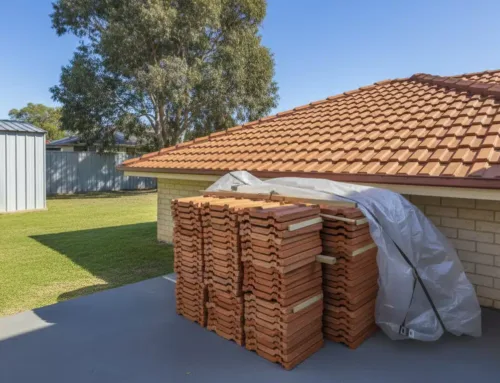
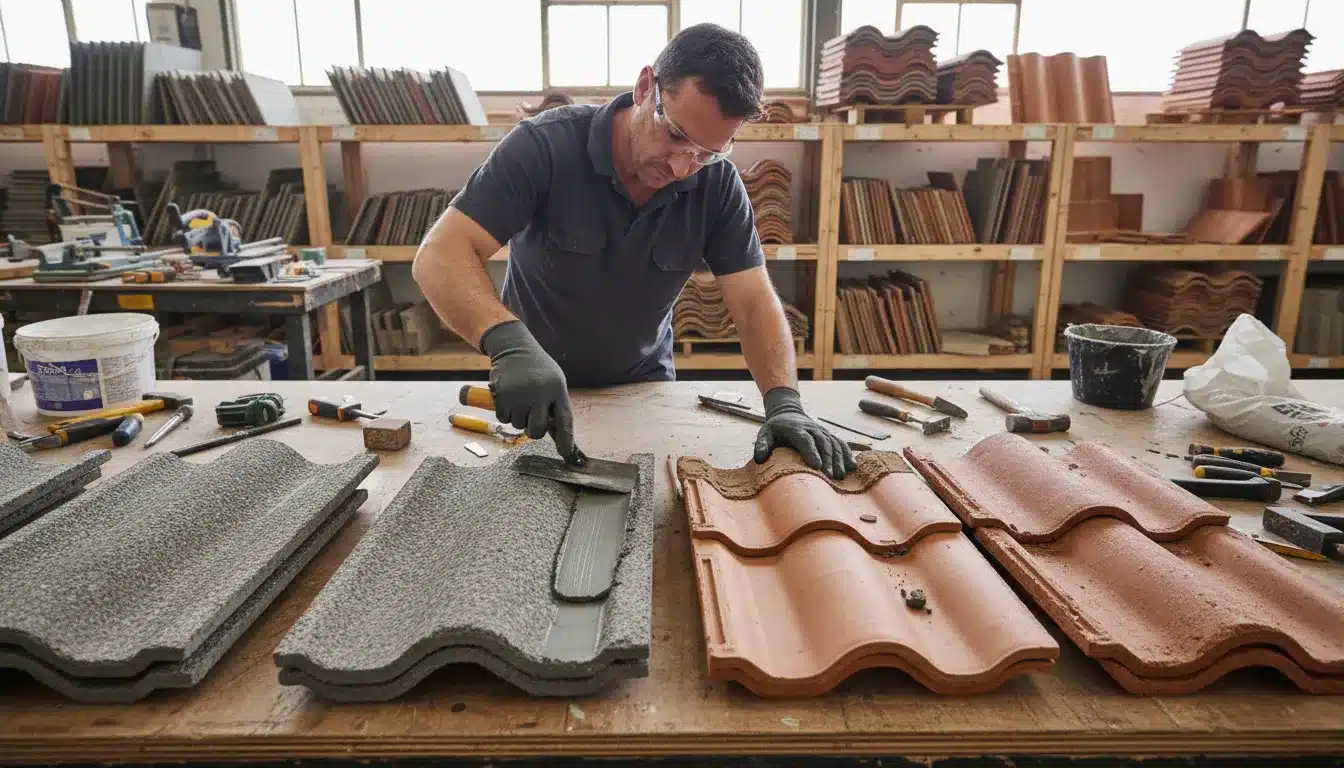
Tile replacement costs depend on tile type and availability. Terracotta tiles are more expensive than cement alternatives, and discontinued styles requiring custom matching increase costs further. Addressing tile damage before solar installation avoids the premium charges for working around mounted panels.
Avoiding Expensive Scenarios
The costliest situation involves installing solar panels on roofs that subsequently require major repairs. Removing and reinstalling solar arrays to access roofs costs $3,000-6,000 for standard systems, sometimes exceeding the original installation cost. This expense occurs in addition to necessary roof repairs.
Insurance complications arise when roof damage occurs beneath solar panels. Determining whether panels, solar mounting systems, or roof structure caused problems becomes contentious. Proper preparation with documented condition assessments protects against these disputes.
Long-Term Value Perspective
Quality roof preparation extends the functional life of both roof and solar investments. A restored roof with premium Dulux Acratex coating systems lasts 20+ years, matching or exceeding solar panel warranties. This alignment means both systems reach end-of-life simultaneously, allowing coordinated replacement rather than staggered projects.
Property value benefits compound when roofs and solar systems are both in excellent condition. Buyers recognise the value of turnkey renewable energy systems on well-maintained homes. Properties with quality roof restoration and solar installations command premium prices in Perth’s competitive market.
Selecting Qualified Professionals
Roof preparation for solar panels requires expertise in both roofing systems and solar installation requirements. Choosing experienced professionals ensures work meets necessary standards.
Roofing Specialist Qualifications
Select roofing contractors with demonstrated experience preparing roofs for solar installations. This specialised knowledge ensures preparation work addresses specific solar mounting system requirements, not just general roof maintenance standards. Dulux accredited applicators like Permacoat bring manufacturer-backed expertise in coating systems that provide long-term protection under solar arrays.
Request documentation of previous solar preparation projects, including examples where preparation work prevented installation problems. Experienced contractors identify potential issues that general roofers might overlook.
Coordination with Solar Installers
Effective communication between roofing and solar contractors prevents problems. Some solar companies maintain preferred roofing contractor relationships, having worked with specific teams on numerous projects. These established relationships streamline coordination and ensure preparation work meets installation requirements.
Obtain written confirmation from solar installers that completed roof preparation work satisfies their installation prerequisites. This documentation prevents disputes if installers subsequently identify issues during their pre-installation inspection.
Warranty and Insurance Coverage
Comprehensive warranties protect roof preparation investments. Permacoat provides 15-20 year warranties on Dulux Acratex coating systems, 12-month leak warranties, and 3-year labour warranties. These guarantees ensure preparation work remains effective throughout the critical early years of solar operation.
Insurance coverage matters significantly. Roofing contractors should carry $20 million public liability coverage and appropriate workers compensation insurance. This protection covers potential damage during preparation work and ensures financial recourse if problems arise.
Maintenance Planning for Solar-Ready Roofs
Preparing roofs for solar installation establishes a foundation for ongoing maintenance that protects both investments.
Regular Inspection Schedules
Annual roof inspections identify emerging issues before they compromise solar installations. These assessments check solar mounting system integrity, examine roof surfaces for damage, and verify that penetration seals remain weatherproof. Early detection prevents minor problems from escalating into expensive repairs requiring panel removal.
Post-storm inspections provide additional protection. Severe weather events can damage both roofs and solar installations, and prompt assessment allows timely repairs before secondary damage occurs.
Cleaning and Upkeep
Solar panels require periodic cleaning to maintain efficiency, and roof surfaces benefit from similar attention. Coordinating gutter and downpipe maintenance with panel cleaning creates efficiency and ensures complete property protection. Blocked gutters cause water backup that can damage roof edges and compromise solar mounting system weatherproofing.
Debris accumulation between panels and roof surfaces creates moisture traps that accelerate deterioration. Regular removal of leaves, bird nests, and other materials protects roof condition beneath solar arrays.
Documentation and Record Keeping
Maintain comprehensive records of all roof preparation work, including inspection reports, repair documentation, warranty certificates, and coating system specifications. This documentation proves valuable when selling properties, claiming warranty coverage, or planning future maintenance.
Photographic records showing roof condition before and after preparation work provide additional protection. These images demonstrate the quality of completed work and establish baseline conditions for future comparison.
Conclusion
Preparing roofs properly for solar panel installation protects two significant property investments simultaneously. Western Australia’s climate demands that roofs withstand intense UV exposure, temperature extremes, and severe weather while supporting solar mounting systems for 25-30 years. Addressing structural integrity, repairing existing damage, and applying protective coating systems ensures both roof and solar investments deliver full value throughout their operational lives.
The costs of inadequate preparation far exceed proactive maintenance investments. Removing and reinstalling solar panels to access damaged roofs creates expenses that often surpass original installation costs while leaving properties without solar generation during repair periods. Strategic planning that addresses roof condition before solar installation prevents these scenarios entirely.
Permacoat’s 50+ years of experience restoring Perth roofs includes extensive work preparing properties for solar installations. The company’s Dulux-accredited Dulux Acratex coating systems provide 15-20 year warranties that align with solar panel performance guarantees, ensuring coordinated protection for both systems. With over 30,000 roofs restored across Western Australia’s diverse climate zones, Permacoat understands the specific requirements that ensure roofs remain structurally sound and weatherproof beneath solar arrays.
Contact us on (08) 9249 5955 for a comprehensive roof assessment that evaluates solar readiness and identifies any preparation work needed. Free inspections provide detailed condition reports and specific recommendations for ensuring roofs can support solar installations throughout their full operational lifespan, protecting property investments and maximising renewable energy benefits.