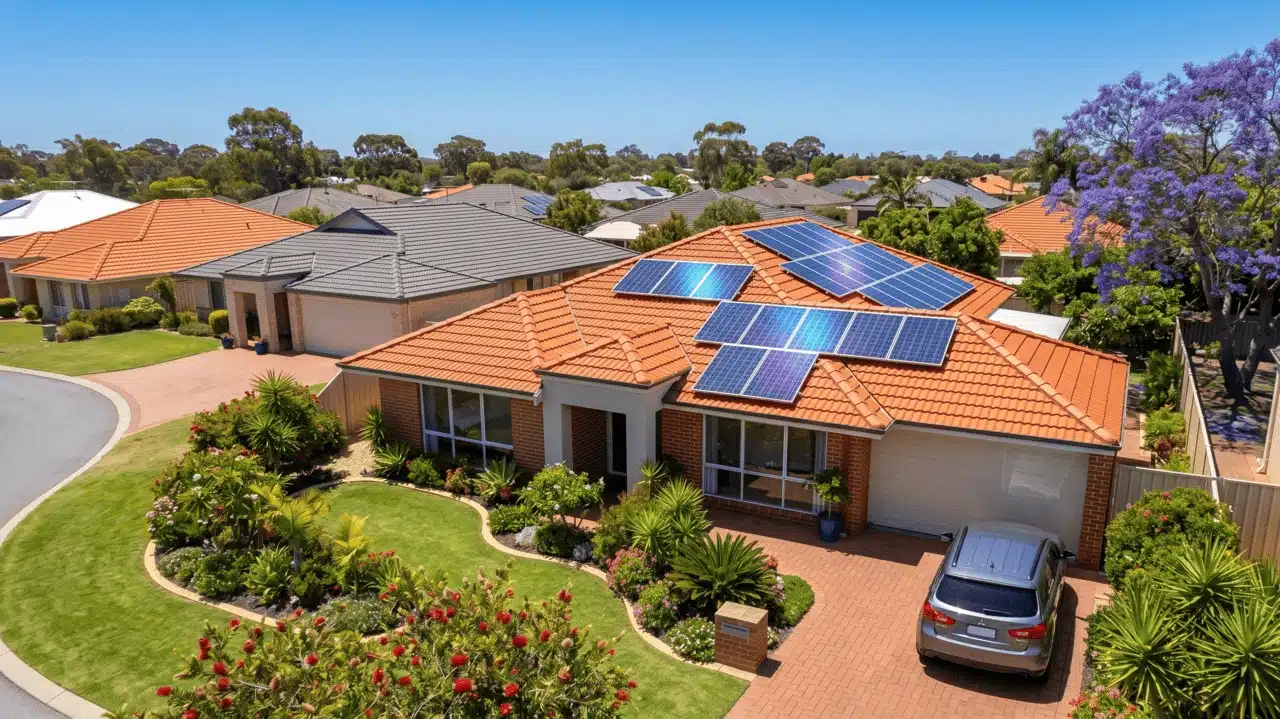
Perth homeowners are installing solar panels at record rates, drawn by falling equipment costs and rising electricity prices. Yet many discover too late that their roof wasn’t ready for the installation, leading to leaks, voided warranties, and expensive repairs that erase years of energy savings.
The typical solar panel system adds 200-400kg of weight to a roof structure and requires mounting bracket penetrations through the roof surface for mounting brackets. When installed on a deteriorating roof, these modifications can accelerate existing problems or create new ones. More concerning, removing panels to address roof issues later costs $2,000-4,000 in disconnection and reinstallation fees alone.
Permacoat has restored over 30,000 Perth roofs in five decades of operation, and increasingly, that work involves coordinating with solar installations. The pattern is clear: homeowners who assess roof condition before solar panel installation Perth avoid costly complications, while those who rush the process often face compounded problems within 2-3 years.
The Hidden Relationship Between Roof Age and Solar Performance
Most solar panel systems carry 25-year performance warranties, but the average Perth roof coating lasts 15-20 years before requiring renewal. This timeline mismatch creates a predictable problem: halfway through your solar system’s lifespan, the roof beneath needs work.
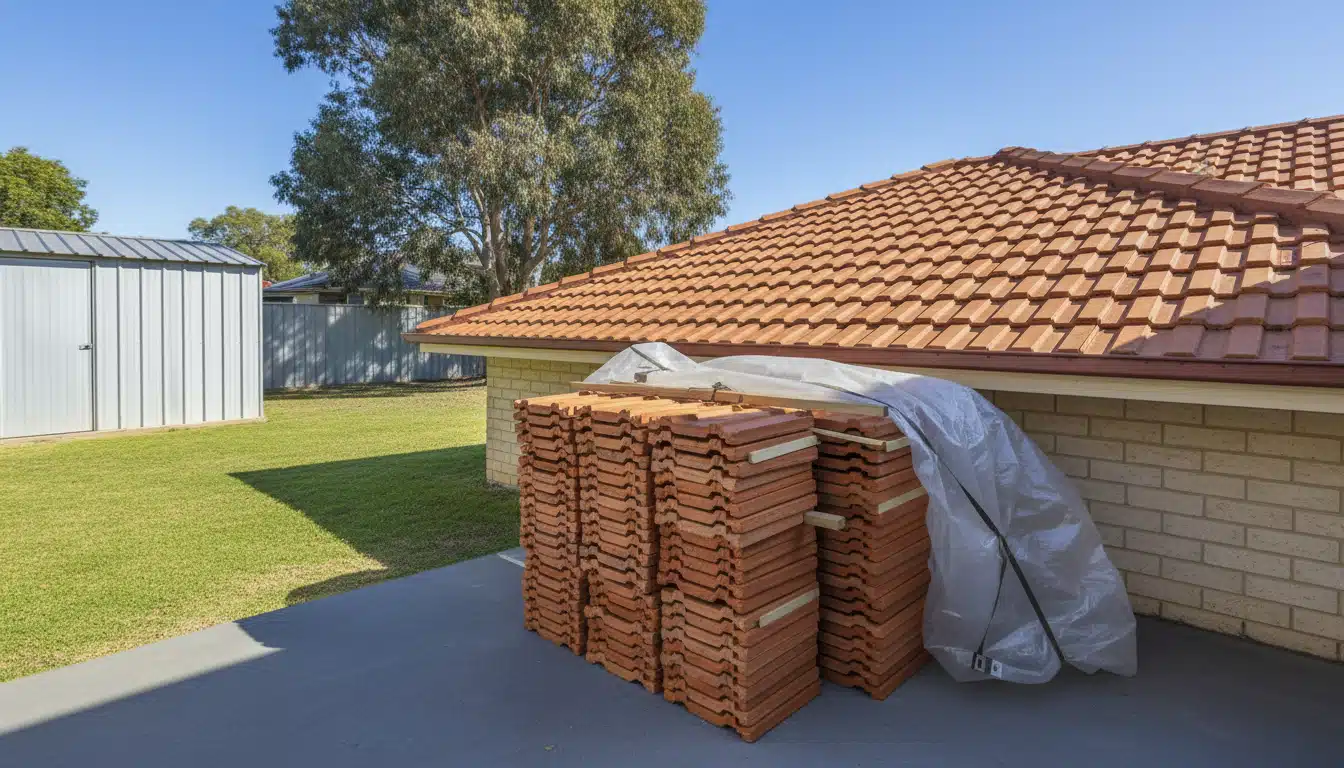
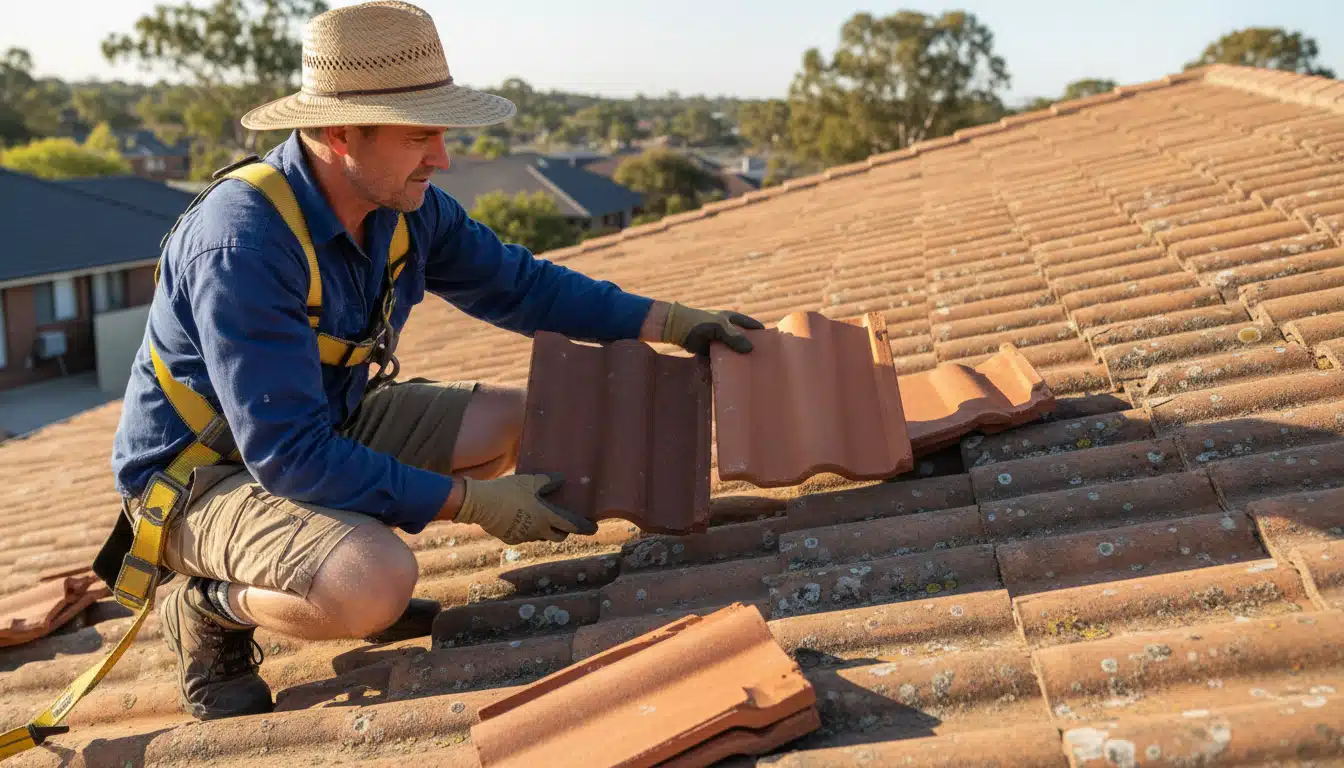
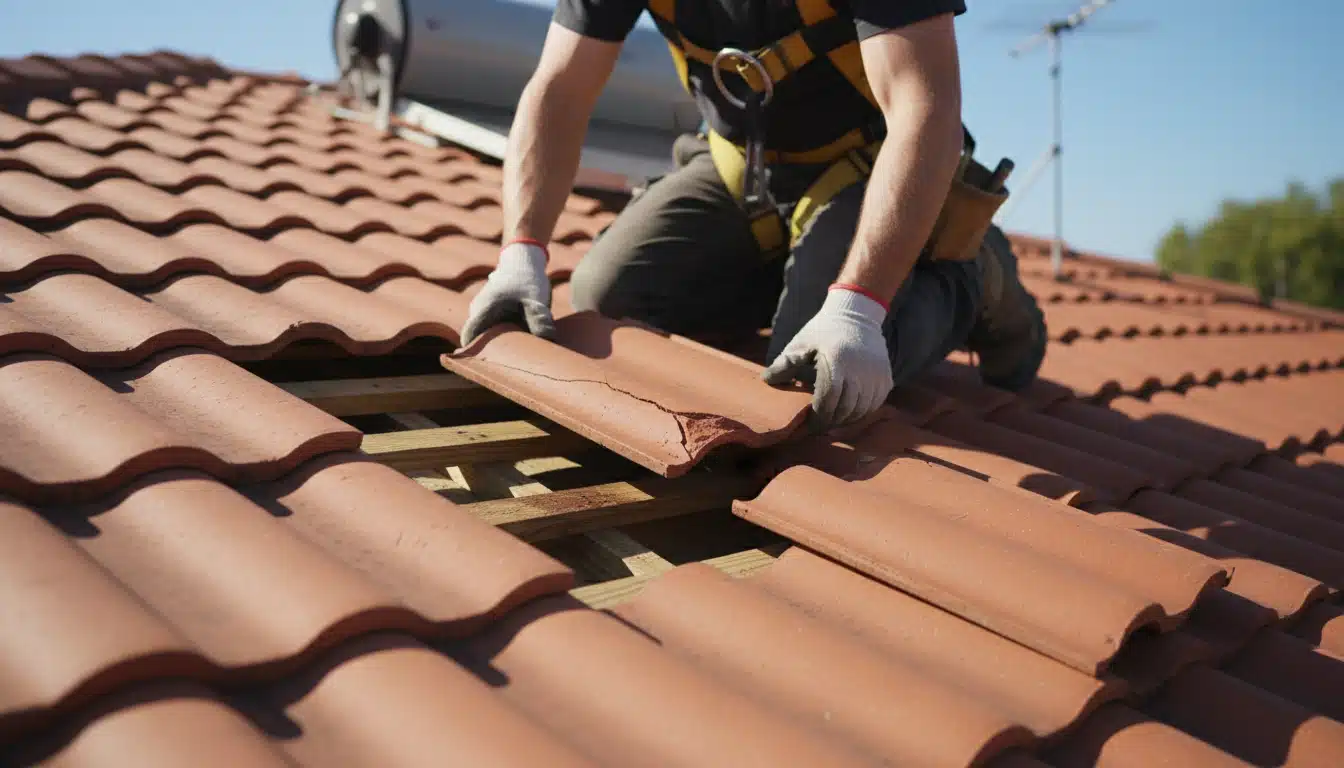
Tile roofs face additional complications. Terracotta and cement tiles become more fragile with age as UV exposure and thermal cycling weaken the material structure. Walking on aged tiles during solar installation often causes cracks that don’t appear immediately but develop into leaks during Perth’s winter storms. These hidden fractures can remain undetected for months while water penetrates the roof cavity.
Metal roofs present different challenges. Colorbond and corrugated iron roofs develop surface rust and coating breakdown after 15-20 years of coastal exposure or intense UV radiation. Drilling mounting brackets through compromised metal creates immediate leak points, and the additional weight of panels can cause sagging in sections where fasteners have loosened over time.
The financial mathematics are straightforward: a complete roof restoration Perth costs $8,000-15,000 for an average home. Adding panel removal and reinstallation increases that cost by $2,000-4,000. Addressing roof condition before solar panel installation Perth eliminates the reinstallation expense entirely.
Critical Roof Issues That Affect Solar Installation
Structural Integrity and Load Capacity
Perth building codes require roofs to support specific loads, but older structures may not meet current standards. Solar panels add concentrated weight at mounting points, typically 15-20kg per panel plus racking systems. A standard 6.6kW system adds approximately 300kg of equipment to the roof structure, requiring adequate structural load capacity.
Timber frame deterioration is common in homes built before 1990. Termite damage, wood rot from historical leaks, and natural timber aging all reduce load-bearing capacity. Professional roof inspections identify these structural load capacity issues before installation, preventing structural failure that could damage both the roof and the solar investment.
Tile roofs require particular attention to batten condition. The timber battens supporting tiles often deteriorate from decades of moisture exposure, creating weak points where mounting brackets could pull through under wind loads. Coastal properties face accelerated deterioration from salt exposure, with batten replacement frequently necessary after 25-30 years.
Surface Condition and Waterproofing
Solar mounting systems penetrate the roof surface at 20-40 points for a typical residential installation. Each penetration must be properly sealed to prevent water ingress, but achieving reliable seals on deteriorated surfaces through mounting bracket penetrations is nearly impossible.
Coating breakdown is the most common issue affecting metal roofs. When existing paint has failed, the exposed metal oxidises and develops a powdery surface that prevents proper adhesion of sealants. Even high-quality mounting hardware will leak if the underlying surface cannot support proper sealing.
Tile roofs face different waterproofing challenges. The tiles themselves are the visible surface, but the actual waterproofing comes from sarking (membrane) beneath. Aged or damaged sarking allows water to penetrate even when tiles appear intact. Installing solar panels without addressing sarking issues guarantees future leaks, as mounting bracket penetrations create direct water pathways into the roof cavity.
Valley flashing deterioration is particularly problematic. Roof valleys concentrate water flow and experience accelerated wear. In Perth’s clay soil areas, thermal movement causes additional stress on valley flashings. Installing solar mounting brackets near compromised valleys invites water penetration during heavy rainfall.
Fastener Pull-Out Risk
Solar panel mounting systems rely on secure fastening to roof structure. Wind loads during Perth’s winter storms can exceed 1,500 Pascals, creating significant uplift forces on panels. If fasteners aren’t anchored into sound timber or metal, panels can detach during severe weather events.
Tile roofs present the highest fastener risk. Mounting brackets typically attach to battens beneath tiles, but aged battens may not provide adequate holding strength. Worse, some installers attempt to anchor directly through tiles, a practice that almost guarantees tile cracking and creates immediate leak points.
Metal roof fastening is more straightforward but still requires proper technique. Screws must penetrate through metal sheeting into structural timber beneath, not just the metal surface. On older roofs where timber has shrunk or deteriorated, achieving proper fastener engagement becomes difficult without structural repairs.
Perth Climate Factors That Accelerate Roof Deterioration
Perth’s Mediterranean climate creates unique challenges for both roofing materials and solar installations. Understanding these factors helps homeowners time their roof assessment and solar panel installation Perth properly.
Coastal Salt Exposure
Properties within 5km of the ocean face accelerated deterioration from salt-laden air. Salt particles settle on roof surfaces and absorb moisture from morning dew, creating corrosive conditions even during Perth’s dry summers. Metal roofs develop surface rust, while tile roofs experience accelerated coating breakdown.
Coastal properties should assess roof condition every 3-5 years rather than the typical 5-7 year interval for inland homes. Solar panel installation Perth on coastal roofs without recent restoration often leads to visible rust development within 12-18 months, as the cleaning process during installation removes protective surface layers and exposes compromised metal.
UV Radiation Intensity
Perth receives some of Australia’s highest UV radiation levels, with summer readings regularly exceeding UV Index 12. This intense radiation breaks down coating systems, oxidises metal surfaces, and weakens tile integrity through thermal cycling.
Roof coatings typically last 15-20 years in Perth conditions, but north-facing roof sections may show deterioration several years earlier due to concentrated UV exposure. Ironically, these north-facing sections are prime locations for solar panels due to optimal sun exposure. Homeowners must balance solar production benefits against the reality that panels will be installed on the most UV-damaged roof areas.
Thermal Cycling Stress
Summer roof surface temperatures in Perth regularly exceed 70°C, while winter nights can drop to 5°C. This 65-degree temperature variation causes expansion and contraction that stresses roofing materials, fasteners, and sealants.
Tile roofs experience micro-cracking from repeated thermal cycling. Individual tiles expand and contract at different rates depending on colour, material composition, and sun exposure. Over 20-30 years, this cycling creates hairline cracks that become full fractures when installers walk on tiles during solar panel installation Perth.
Metal roofs face fastener loosening from thermal movement. As metal sheeting expands in heat and contracts in cold, fasteners work gradually loose in their timber mounting points. Adding solar panel weight to roofs with loosened fasteners accelerates sagging and potential failure.
The Proper Sequence: Roof Assessment Before Solar Installation
Professional solar installers should conduct roof assessments before quoting panel systems, but many focus solely on electrical aspects. Homeowners must take responsibility for ensuring their roof can support a 25-year solar investment.
Professional Roof Inspection Requirements
A comprehensive roof inspection for solar readiness examines structural, surface, and waterproofing conditions. The inspection should occur from both exterior and interior perspectives, as roof cavity examination reveals issues invisible from outside.
Exterior inspection identifies visible deterioration: coating breakdown, cracked tiles, rusted metal, damaged flashing, and valley flashing deterioration. Inspectors should walk the entire roof surface (carefully, to avoid damage) and document issues with photographs and written descriptions.
Interior inspection from the roof cavity reveals structural problems, water damage, timber deterioration, and sarking condition. Evidence of previous leaks indicates waterproofing failures that must be addressed before solar installation. Termite damage, timber rot, and inadequate structural support all become apparent during cavity inspection.
Permacoat provides free roof inspections that examine both solar readiness and general roof condition. These assessments identify issues before they compromise solar installations and provide homeowners with accurate cost expectations for any necessary restoration work.
Restoration Versus Repair: Making the Right Choice
Minor repairs may suffice for relatively new roofs with isolated issues, but comprehensive restoration makes more sense for roofs approaching 15-20 years of age. The decision hinges on both current condition and the planned solar system lifespan.
If your roof requires restoration within the next 5 years, completing that work before solar panel installation Perth eliminates future panel removal costs. The $2,000-4,000 saved on reinstallation fees partially offsets restoration costs, and you avoid the disruption of disconnecting an operational solar system.
Restoration provides a clean slate for solar mounting. Fresh roof coatings create optimal surfaces for sealant adhesion around mounting brackets. Replaced tiles eliminate cracking risks during installation. Renewed structural components provide secure fastening points that will maintain integrity throughout the solar system’s lifespan, backed by a 15-year coating warranty.
Partial roof repairs before solar installation often prove false economy. Addressing only the most obvious issues while leaving underlying deterioration guarantees future problems. When those issues surface 3-5 years later, you’ll pay for both comprehensive restoration and panel removal, the exact scenario proper planning avoids.
Coordinating Roof Work With Solar Installation
When roof restoration precedes solar installation, coordination between roofing and solar contractors ensures optimal outcomes. This coordination addresses mounting requirements, warranty preservation, and long-term maintenance access.
Mounting Point Planning
Solar installers should provide mounting plans before roof restoration begins. These plans identify exact bracket locations, allowing roofing contractors to ensure optimal surface preparation and structural support at those specific points.
For tile roofs, mounting locations determine whether tiles need replacement or if brackets can install between tiles. Replacing tiles at mounting points before restoration ensures fresh, strong tiles support bracket loads. This approach costs less than emergency tile replacement after installation cracks aged tiles.
Metal roofs benefit from reinforcement at mounting points. Adding timber noggins between rafters at bracket locations provides superior fastening strength compared to standard rafter spacing. This reinforcement work is straightforward during restoration but difficult after solar installation.
Warranty Coordination
Quality roof restoration includes 15-20 year coating warranties, 12-month leak warranties, and 3-year labour warranties. Solar installation after restoration must preserve these warranties through proper installation techniques.
Reputable solar installers understand warranty requirements and use appropriate sealants, fastening methods, and installation practices that don’t void roof warranties. Before engaging solar contractors, verify they have experience installing on recently restored roofs and will provide written confirmation that their work won’t affect roof warranties. A 15-year coating warranty provides long-term protection aligned with solar system lifespans.
Some roofing contractors offer coordinated restoration and solar installation services, ensuring complete warranty coverage across both systems. This integrated approach eliminates potential disputes about whether roof leaks originated from restoration defects or solar installation issues.
Future Maintenance Access
Solar panels will require occasional maintenance: panel cleaning, inverter servicing, and eventual panel replacement after 25-30 years. Roof design should accommodate safe access for this maintenance without damaging roofing materials.
During restoration planning, identify maintenance access routes that avoid walking on fragile tiles or sensitive roof sections. Some homeowners install permanent walkway pads on tile roofs, creating safe paths for future maintenance that protect both tiles and solar equipment.
Consider maintenance scheduling during restoration discussions. Roof cleaning becomes more complex with solar panels installed, as panels must be worked around. Completing thorough cleaning during restoration eliminates this complication for 15-20 years.
Cost Analysis: Restoration Before Versus After Solar Installation
The financial case for roof assessment before solar panel installation Perth becomes clear when comparing different timing scenarios.
Scenario One: Solar Installation on Deteriorated Roof
A homeowner installs a $8,000 solar system on a 20-year-old tile roof without assessment. Within 18 months, winter storms cause leaks around mounting brackets installed through cracked tiles. Leak repairs cost $1,500 but don’t address underlying roof deterioration.
- Panel removal and reinstallation: $3,000
- Roof restoration Perth: $12,000
- Additional tile replacement from installation damage: $800
- Total: $15,800
The homeowner also loses solar production during the 2-3 weeks required for restoration work, adding $150-200 in lost savings.
Scenario Two: Restoration Before Solar Installation
- Roof restoration: $12,000
- Solar installation (no complications): $8,000
- Total: $20,000
This scenario costs $4,200 more initially but eliminates the $3,000 reinstallation expense and $800 in additional damage. More importantly, both the roof and solar system begin their service life simultaneously, with warranties aligned and no interruptions to solar production.
The restoration-first approach also delivers confidence. Homeowners know their roof will support solar panels for 15-20 years without complications, and both systems benefit from coordinated installation that optimises mounting, waterproofing, and structural integrity.
Hidden Costs of Poor Timing
Beyond direct expenses, poor timing creates hidden costs that affect solar investment returns:
- Insurance complications: Roof damage caused by solar installation on deteriorated roofs may not be covered by either roof or solar warranties, leaving homeowners fully liable for repairs.
- Reduced solar production: Leaks and repairs require temporary system shutdowns, reducing annual energy production and extending payback periods.
- Property value impact: Visible roof deterioration around solar installations signals poor planning to potential buyers, potentially affecting resale value.
- Stress and disruption: Emergency repairs and unplanned system shutdowns create household disruption and stress that proper planning eliminates.
Working With Experienced Perth Roofing Specialists
Solar panel installation Perth requires coordination between multiple trades, but roofing contractors should lead the assessment process. Their expertise in roof structure, materials, and Perth climate factors ensures solar systems install on suitable surfaces.
Permacoat’s 50-year track record restoring Perth roofs provides the experience needed to assess solar readiness accurately. The company’s Dulux Acratex accreditation ensures coating systems will maintain integrity throughout solar panel lifespans, while comprehensive warranties protect homeowners’ investments in both roofing and solar systems.
The assessment process begins with a free roof inspection that examines structural condition, surface integrity, and waterproofing systems. Inspectors identify issues requiring attention before solar installation and provide detailed cost estimates for any necessary work. This transparency allows homeowners to make informed decisions about timing and budgeting for both roof and solar investments.
For roofs requiring restoration, Permacoat’s three-coat Dulux Acratex system provides superior protection compared to standard two-coat applications. The additional coating layer extends system life and provides extra insurance against the penetrations required for solar mounting brackets. This attention to quality ensures restored roofs will support solar installations for decades without complications.
Making the Right Decision for Your Property
Solar energy offers compelling benefits for Perth homeowners: reduced electricity costs, environmental advantages, and increased property values. But these benefits only materialise when solar systems install on roofs capable of supporting them for 25-year operational lifespans.
Before committing to solar panel installation Perth, invest in professional roof assessment. This evaluation costs nothing if you talk to us on (08) 9249 5955 for a free inspection, but the information gained prevents costly mistakes that could compromise both your roof and your solar investment.
If assessment reveals roof issues, address them before solar installation proceeds. The upfront coordination saves thousands in future panel removal costs, eliminates warranty complications, and ensures both systems begin their service lives together. Your roof and solar panels will work in harmony for decades, delivering the energy savings and property protection you expect from these significant investments.
Perth’s climate demands quality roofing that can withstand intense UV radiation, coastal salt exposure, and dramatic temperature variations. Adding solar panels to that challenging environment requires roofs in excellent condition. Take the time to assess and restore your roof first, your future self will appreciate the foresight when both systems perform flawlessly year after year.