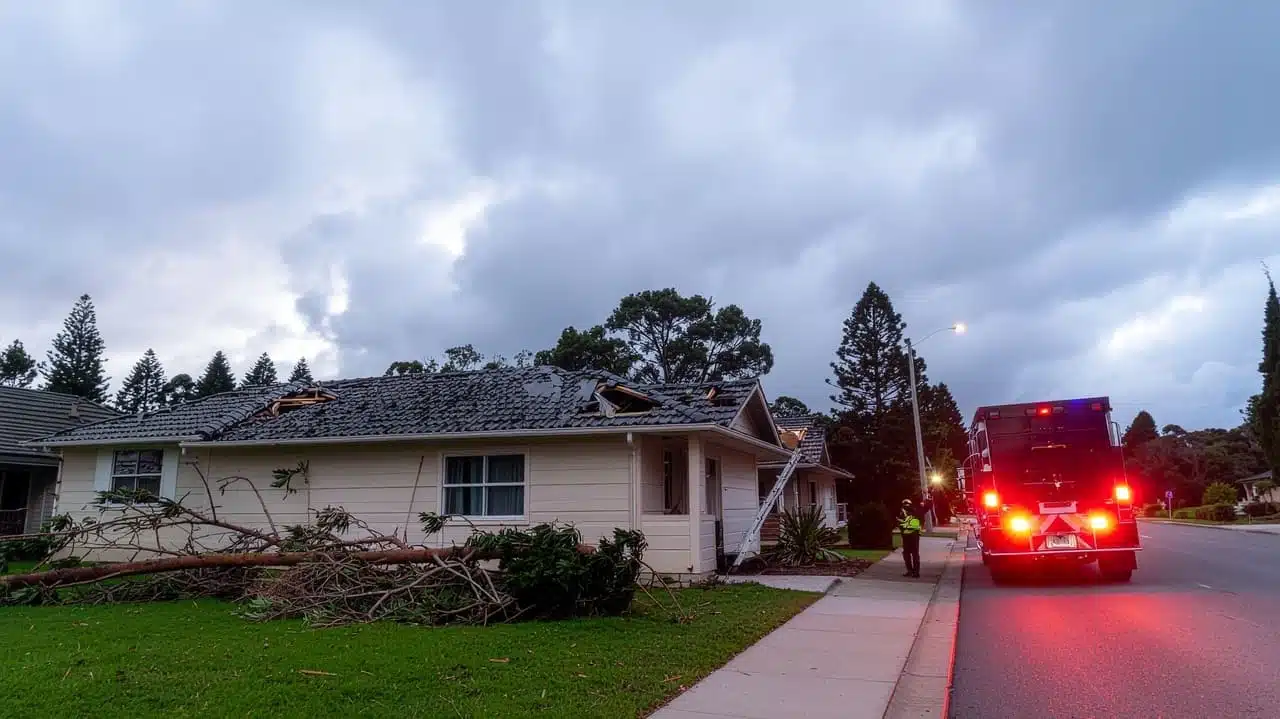
Perth’s storm season brings more than just rain, delivering wind gusts exceeding 90km/h, hailstones the size of golf balls, and enough water to overwhelm even well-maintained roofing systems. In the 48 hours following a severe storm, Permacoat typically receives over 200 emergency inspection requests from homeowners who’ve discovered leaks, missing tiles, or visible damage to their roof structure.
The difference between a minor repair bill and catastrophic water damage often comes down to how quickly and correctly homeowners respond in those critical first hours after a storm passes.
Immediate Safety Assessment After Storm Damage
Before climbing ladders or inspecting your roof closely, assess whether it’s safe to approach your property. Downed power lines, unstable roof structures, and debris-laden gutters create genuine hazards that require professional attention rather than DIY investigation.
Walk your property perimeter from ground level, looking for obvious signs of damage: tiles on the ground, exposed roof timbers, sagging sections, or water pooling where it shouldn’t. If you notice structural damage, large sections of missing material, or any electrical hazards, contact emergency services and avoid the area until professionals clear it.
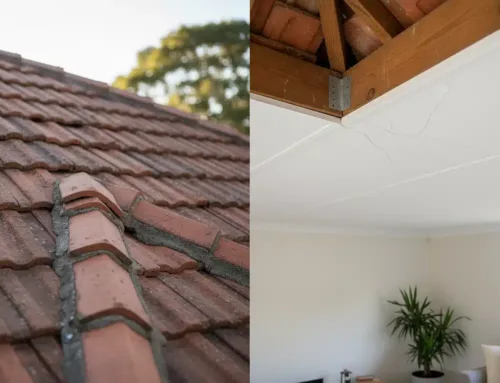
For less severe situations where the roof appears structurally sound, you can conduct a more thorough ground-level inspection using binoculars. Look for displaced tiles, damaged flashing around chimneys and vents, torn valley irons, and sections where coating has peeled away. Document everything with dated photographs for insurance claim documentation purposes.
Critical Steps in the First 24 Hours
The actions taken within the first day after storm damage determine whether you’re dealing with a straightforward repair or extensive restoration work complicated by water infiltration. A thorough storm damage assessment in these early hours helps establish the scope of work required.
Contain Internal Water Damage
If water is actively entering your home, place buckets under leak points and move furniture, electronics, and valuables away from affected areas. Use towels to absorb standing water on floors, but don’t attempt to remove ceiling water stains or cut into bulging plasterboard, as these actions can void insurance coverage or create additional hazards.
For active leaks during ongoing rain, temporary containment prevents secondary damage while you wait for emergency roof repair Perth services. Place waterproof tarps over furniture and create channels to direct water into buckets rather than allowing it to spread across flooring.
Document All Damage Thoroughly
Insurance assessors require comprehensive evidence of both roof damage and any internal water damage. Photograph every affected area from multiple angles, capturing wide shots that show context and close-ups that reveal specific damage. Include reference objects (like coins or rulers) next to cracks or holes to demonstrate scale.
Create a written inventory noting when you first discovered each issue, approximate size of damaged areas, and any immediate actions you took. This insurance claim documentation becomes crucial if disputes arise during the claims process, particularly when determining whether damage resulted from the recent storm or pre-existing deterioration.
Contact Your Insurance Provider
Most Perth home insurance policies require notification within 48 hours of discovering storm damage. Contact your insurer before arranging repairs, as many policies specify approved contractors or require pre-approval for emergency work exceeding certain dollar amounts.
Ask specific questions about your coverage: Does your policy include emergency make-safe provisions? What’s your excess amount? Are temporary repairs covered separately from permanent restoration? Understanding these details prevents unexpected out-of-pocket expenses.
When to Call Emergency Repair Services vs Regular Maintenance
Not all storm damage requires immediate emergency response, but certain situations demand urgent professional attention regardless of the hour or day. Conducting a proper storm damage assessment helps determine the appropriate response level.
Situations Requiring Immediate Emergency Response
Active water penetration into living spaces requires immediate intervention. Water damage escalates exponentially, as what starts as a small ceiling stain can become structural timber rot, electrical hazards, and toxic mould growth within 48-72 hours. Emergency roof repair Perth services can implement temporary weatherproofing that stops water ingress while permanent repairs are scheduled.
Large sections of missing roofing material, whether tiles, metal sheeting, or sections of valley iron, expose roof timbers and sarking to weather. Even if rain has stopped, Perth’s intense UV exposure and the next weather event will rapidly worsen the damage. Missing materials also create entry points for birds and possums, adding pest control issues to your repair list.
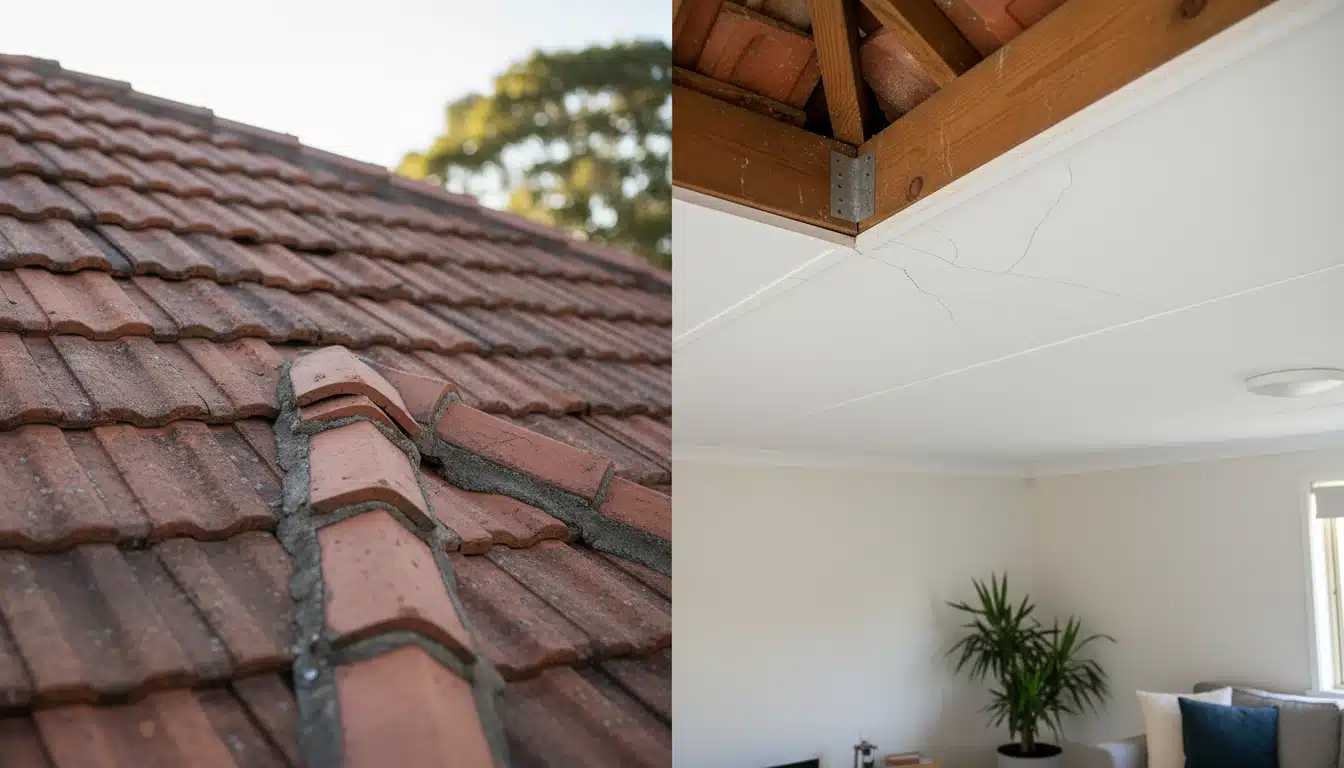
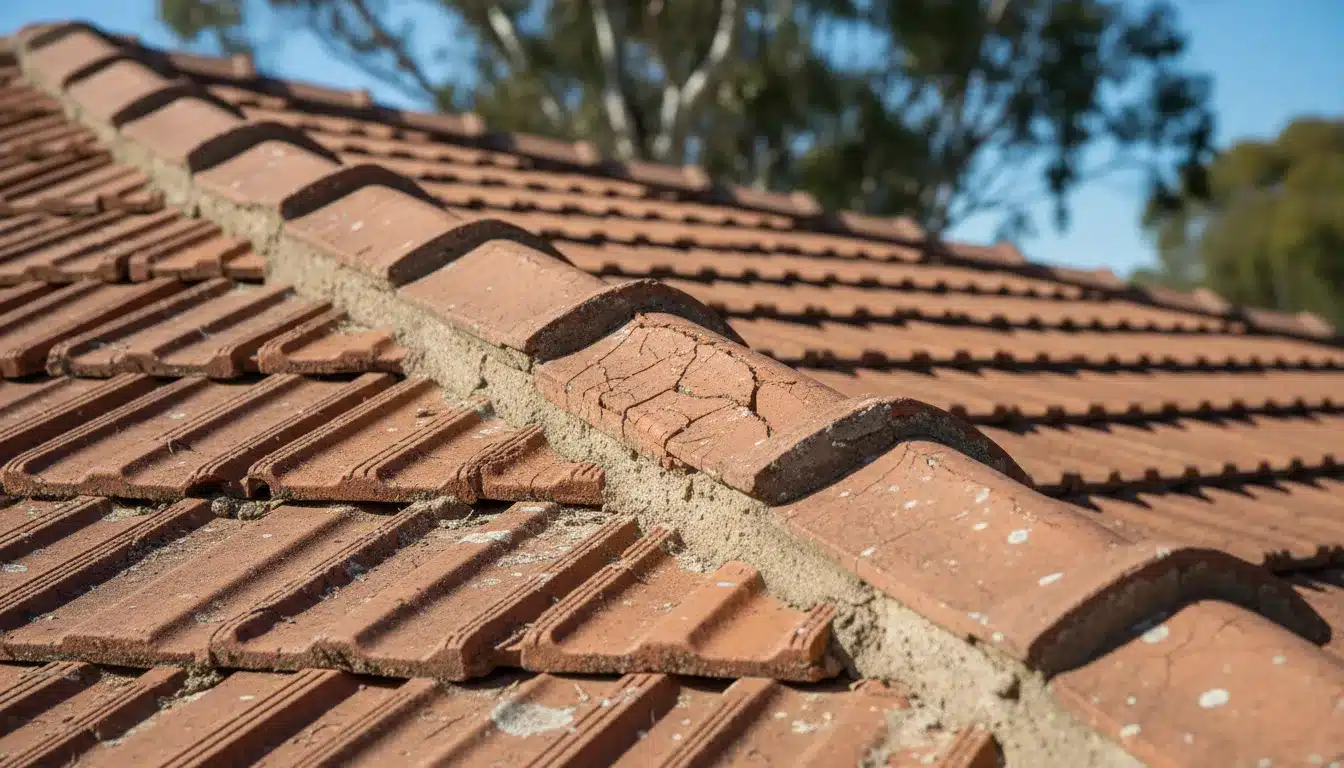
Structural damage including sagging roof sections, cracked or displaced ridge capping, or visible timber damage requires immediate professional assessment. These issues indicate potential structural failure that could worsen suddenly, creating genuine safety hazards for occupants.
Damage That Can Wait for Standard Appointments
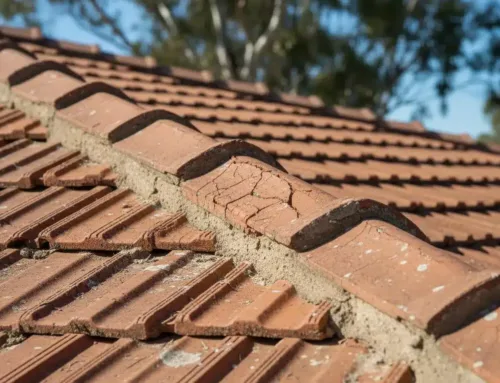
Minor cosmetic damage like small sections of worn coating, a handful of cracked tiles without active leaks, or displaced pointing between ridge tiles rarely requires emergency response. While these issues need addressing to prevent deterioration, they typically don’t worsen significantly over a few days.
Blocked gutters filled with leaves and debris, while problematic during rain, can usually wait for standard gutter and downpipe services if they’re not causing immediate overflow into living spaces. However, don’t wait weeks, as blocked gutters force water under tiles and into wall cavities, creating hidden damage.
Faded or weathered roof coating without accompanying leaks or structural issues represents maintenance rather than emergency repair. Perth’s UV exposure naturally degrades roof coatings over 10-15 years, but this gradual process doesn’t typically require urgent intervention unless you’re noticing active deterioration like large areas of peeling coating.
What Professional Emergency Roof Inspections Cover
When Permacoat’s emergency response team arrives at a storm-damaged property, the inspection follows a systematic process designed to identify all damage, prioritise repairs, and prevent further deterioration. This comprehensive storm damage assessment identifies issues that homeowners often miss.
Inspectors examine the entire roof structure, not just obvious damage points. Storm impact often creates hidden damage, as a fallen branch might crack tiles in one area while the impact force displaces flashing three metres away. Comprehensive inspection identifies these connected issues that DIY assessment typically misses.
The inspection covers tile or metal sheet integrity, checking for cracks, displacement, and proper overlap. Inspectors examine all flashing points around chimneys, vents, skylights, and where roof planes meet walls. Valley irons receive particular attention since these water channels concentrate flow and frequently develop leaks after storms.
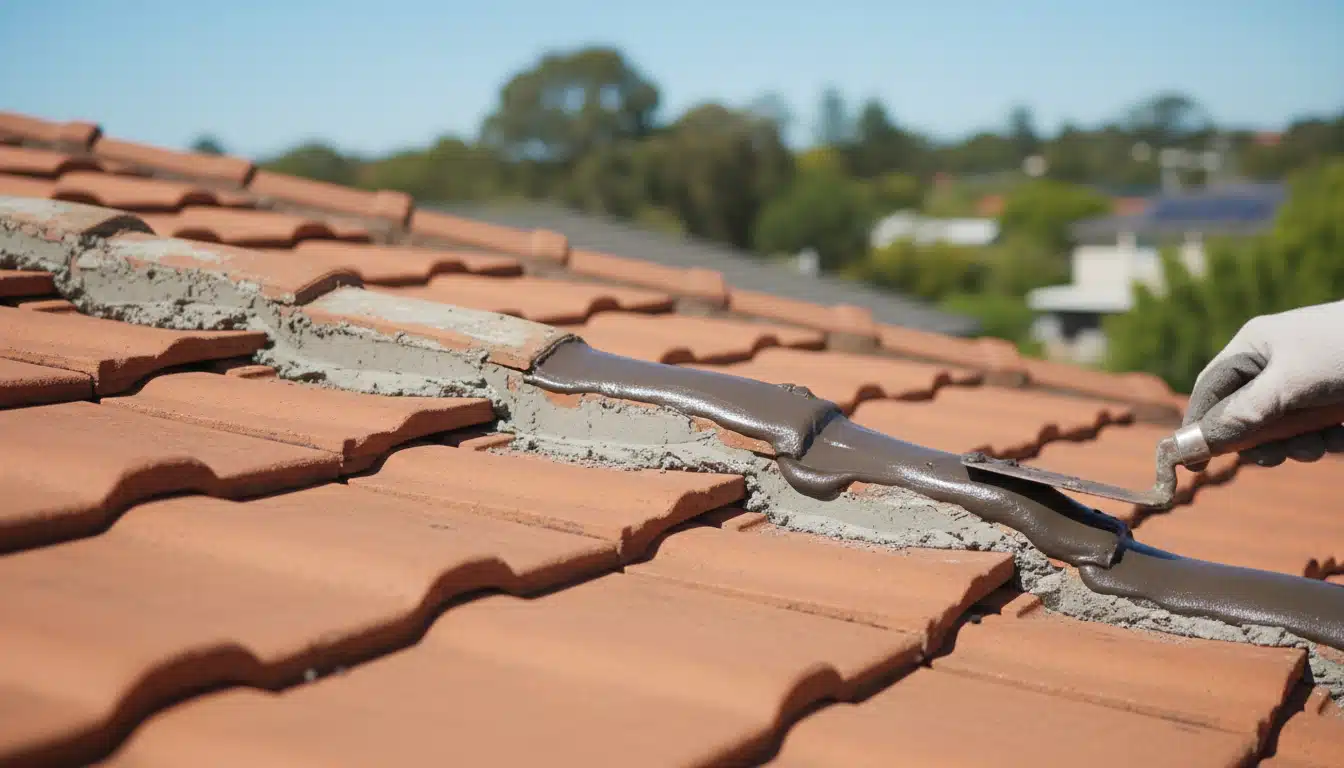
Ridge capping, the tiles or metal covering your roof’s peak, often sustains wind damage that isn’t visible from ground level. Inspectors check whether capping remains properly secured and whether pointing (the mortar between ridge tiles) has cracked or separated.
Gutters and downpipes undergo inspection for blockages, damage, and proper attachment to fascia boards. Storm-force winds can tear gutters away from their mounts, creating water management problems even if the roof surface remains intact.
Following inspection, professional services provide written reports detailing all damage, recommended repairs prioritised by urgency, and estimated costs. This insurance claim documentation supports claims while giving homeowners clear information for decision-making.
Temporary vs Permanent Repair Solutions
Emergency roof repair Perth typically involves a two-stage approach: immediate temporary measures that prevent further damage, followed by permanent restoration once materials arrive and weather permits proper installation.
Temporary Emergency Measures
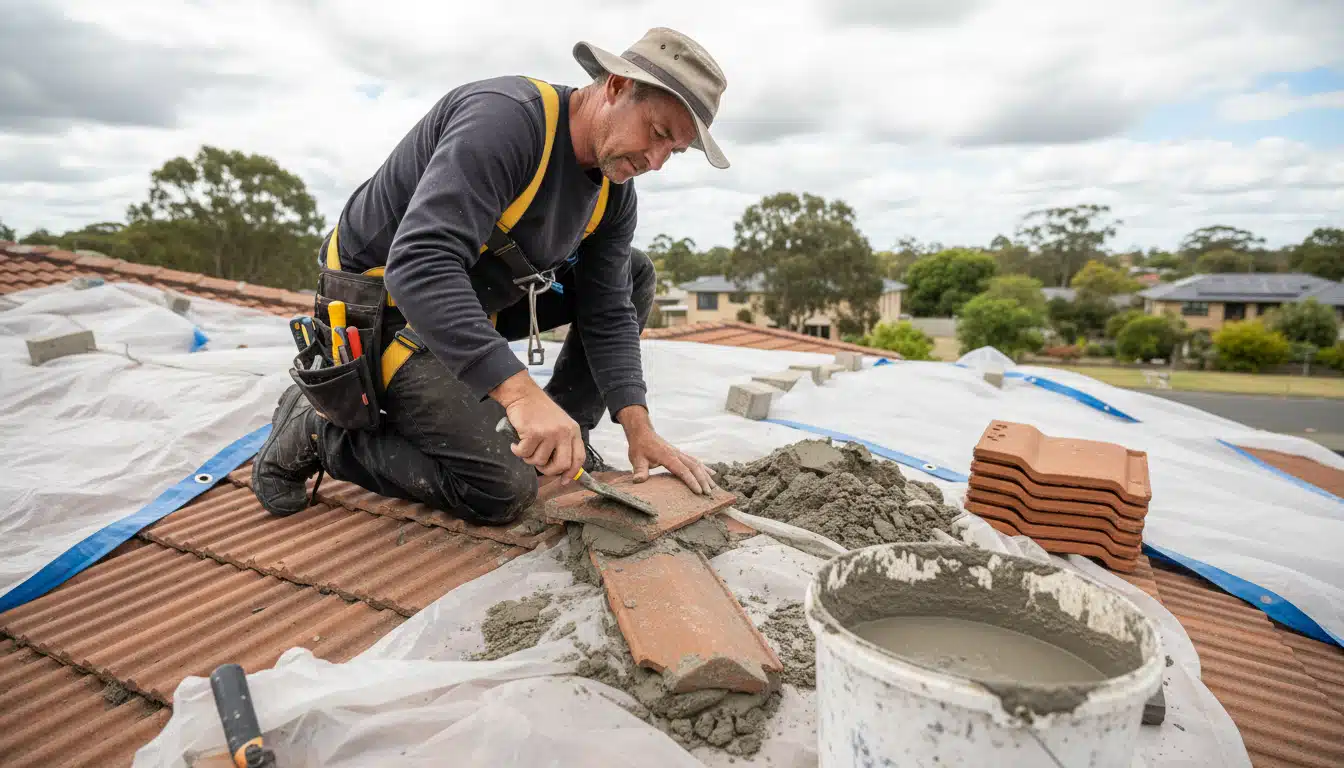
Professional-grade tarpaulins secured with proper anchor points provide effective short-term weather protection for large damaged areas. Unlike hardware store tarps thrown over damage and weighted with bricks, professionally installed tarps use purpose-designed anchor systems that withstand Perth’s wind conditions without creating additional roof damage.
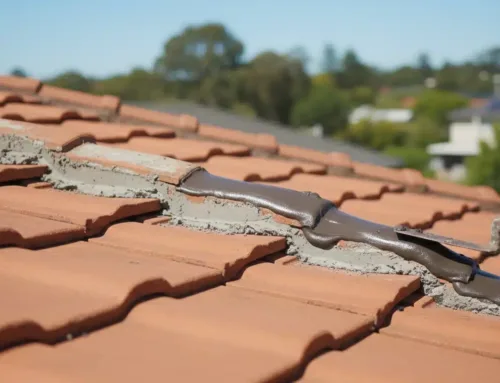
Temporary flashing repairs using compatible sealants and metal patches stop active leaks around penetrations and valleys. These aren’t permanent solutions, as proper flashing requires removal of surrounding tiles, installation of new metal components, and correct resealing. However, temporary weatherproofing prevents water damage while permanent repairs are arranged.
For missing tiles, temporary weatherproofing might involve installing temporary tiles or securing waterproof membrane over exposed sections. This prevents water reaching roof timbers and sarking, buying time for colour-matched replacement tiles to be sourced.
Permanent Restoration Approaches
Once immediate water ingress stops, permanent repairs restore your roof’s full protective capability and appearance. For tile roofs, this means sourcing exact or compatible replacement tiles, which is not always straightforward for heritage terracotta or discontinued concrete tile profiles.
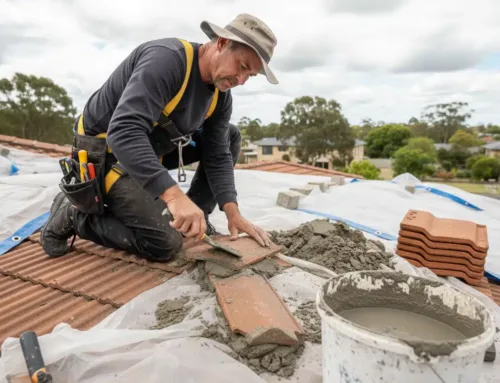
Permacoat specialises in tile roof repairs that match existing materials and restore structural integrity. Replacement involves more than swapping damaged tiles, as proper repair includes checking and replacing damaged sarking, ensuring correct tile overlap, and resealing all penetration points.
For metal roofing, permanent repair might involve replacing entire sheets rather than patching, particularly if hail damage has compromised the metal’s integrity across large areas. Colorbond and metal roofing repairs require colour-matching and proper fastening to roof battens using appropriate screws and seals.
Following structural repairs, many Perth homeowners opt for complete roof restoration services rather than spot repairs, particularly if the storm exposed existing deterioration. Restoration includes high-pressure cleaning, repointing ridge capping, replacing all damaged components, and applying Dulux Acratex coating systems with 15-20 year warranties.
Understanding Storm Damage Insurance Claims
Insurance claims for storm damage involve specific processes and requirements that catch many homeowners unprepared, particularly regarding what’s covered versus what’s considered maintenance neglect.
Perth home insurance policies typically cover sudden storm damage, including wind-torn tiles, hail impact, and fallen tree damage, but exclude damage resulting from poor maintenance or gradual deterioration. The challenge lies in the grey area: a storm might expose a small existing crack, turning it into a major leak. Insurers often argue pre-existing damage isn’t claimable, while homeowners reasonably point out the storm created the actual problem.
Comprehensive documentation becomes your strongest tool in these disputes. Photographs showing your roof’s condition before the storm (even general property photos that include the roof) help demonstrate that damage resulted from the weather event rather than neglect. Regular maintenance records showing roof cleaning or previous minor repairs prove you maintained the property appropriately.
Most policies include “emergency make-safe” provisions covering temporary repairs to prevent further damage. These provisions typically allow several hundred dollars for tarps, temporary sealing, or emergency callout fees without affecting your excess or requiring pre-approval. Keep receipts for all emergency expenses, as even buckets and towels used to contain water damage may be reimbursable.
When insurers send assessors, accompany them during inspection and point out all damage, including less obvious issues like displaced flashing or cracked tiles. Assessors work efficiently and might miss damage you’ve documented. Politely ensure they note everything in their report, as adding items later becomes significantly more difficult.
If your claim is disputed or you believe the assessment undervalues damage, you can request independent assessment. Perth has qualified building inspectors who provide detailed reports for insurance disputes, though you’ll pay for this service upfront (potentially recoverable if your claim succeeds).
Preventing Future Storm Damage
While Perth’s weather remains unpredictable, proactive maintenance significantly reduces storm damage risk and severity.
Regular professional inspections identify vulnerable areas before storms test them. Permacoat recommends annual inspections for tile roofs over 15 years old and biennial inspections for newer roofs or metal systems. These inspections cost a fraction of emergency repairs and often identify simple fixes, such as repointing loose ridge capping, replacing a few cracked tiles, or resealing flashing, that prevent major storm damage.
Maintaining roof coatings provides crucial protection for both tile and metal roofs. Quality Dulux Acratex coating systems don’t just improve appearance; they create a sealed surface that prevents water penetration through hairline cracks and porous tiles. Dulux Acratex coating also increases tile strength, making them more resistant to hail impact and wind uplift.
Tree management around your property reduces multiple storm risks. Overhanging branches drop leaves that block gutters and valleys, creating water buildup that forces its way under tiles. During storms, these same branches become battering rams or, in extreme cases, fall directly onto roof surfaces. Maintaining 2-3 metre clearance between trees and rooflines eliminates most vegetation-related storm damage.
Gutter and valley cleaning, particularly before winter storm season, ensures water flows off your roof as designed rather than pooling or backing up under tiles. Perth’s autumn leaf drop fills gutters quickly, and a single storm can compact this debris into solid blockages that force water into wall cavities and ceiling spaces.
For properties in particularly exposed locations, such as coastal areas facing prevailing winds, hilltop properties, or homes near large trees, consider upgrading vulnerable components before storm season. This might include replacing standard ridge capping with mechanically fixed systems, installing additional tile clips in high-wind zones, or upgrading to impact-resistant materials in hail-prone areas.
Choosing Emergency Roof Repair Services in Perth
When your roof is damaged and weather threatens further deterioration, choosing repair services quickly becomes necessary. However, rushing this decision without basic verification creates risks of poor workmanship, price gouging, or incomplete repairs.
Verify licensing and insurance before allowing anyone onto your roof. Western Australian roof repair contractors should hold appropriate building licenses and carry public liability insurance of at least $10 million. Permacoat maintains $20 million coverage, reflecting the serious nature of roof work and potential consequences of accidents or errors.
Check how long the business has operated in Perth. Storm events attract fly-by-night operators who arrive after disasters, perform substandard work, and disappear before problems emerge. Companies with decades of local operation, such as Permacoat with over 50 years restoring Perth roofs, have reputations to protect and systems to ensure quality.
Ask about warranty coverage for emergency repairs. Even temporary work should include guarantees that it will perform as promised. Permanent repairs should carry substantial warranties. Permacoat provides 12-month leak guarantees, 3-year labour warranties, and Dulux Acratex coating systems with 15-20 year manufacturer warranties.
Request written quotes before work begins, even for emergency repairs. Legitimate companies provide clear pricing that itemises materials, labour, and any additional services. Be wary of quotes that seem exceptionally low, as quality roofing materials and skilled labour cost similar amounts across reputable companies. Suspiciously cheap quotes usually indicate substandard materials, unqualified workers, or hidden costs that emerge later.
Look for Dulux accreditation if your repairs will involve any coating work. Dulux accredited applicators have demonstrated proper training, maintain quality standards, and can offer manufacturer-backed warranties. This accreditation indicates commitment to professional standards rather than just completing jobs quickly.
When Storm Damage Indicates Broader Restoration Needs
Sometimes storm damage reveals that your roof has reached the end of its effective life, making comprehensive restoration more cost-effective than repeated repairs.
If inspection identifies multiple areas of deterioration beyond obvious storm damage, such as widespread cracked tiles, degraded coating across large sections, corroded flashing, or weakened timber supports, investing in spot repairs might simply delay inevitable comprehensive work. Storm damage often provides the catalyst for addressing maintenance that’s been gradually accumulating.
For roofs over 20 years old showing multiple issues, complete roof restoration typically proves more economical than staged repairs over the next few years. Restoration addresses all deterioration simultaneously, applies fresh protective coating across the entire surface, and comes with comprehensive warranties that individual repairs can’t match.
The restoration process includes high-pressure cleaning that removes decades of accumulated dirt, moss, and lichen; replacement of all damaged or deteriorating tiles; repointing of all ridge and hip capping; renewal of all flashing and valley irons; and application of Dulux Acratex coating three-coat systems that provide 15-20 years of protection. This comprehensive approach costs more upfront than emergency repairs but eliminates the cycle of repeated maintenance and provides decades of worry-free protection.
For properties being prepared for sale or rental, storm damage often prompts restoration decisions based on property value considerations. A restored roof with fresh coating and transferable warranties adds significant market appeal and can increase property values by $15,000-$30,000, far exceeding restoration costs.
Getting Expert Assessment After Storm Events
Following any significant storm event, professional inspection provides confidence even if you haven’t noticed obvious damage. Many serious roofing problems, including displaced flashing, cracked tiles hidden under ridge capping, or damaged valley irons, aren’t visible from ground level but will cause leaks during the next rain event.
Contact us on (08) 9249 5955 for a comprehensive free roof inspection that identifies all storm damage and provides clear recommendations for repairs prioritised by urgency. With over 50 years of experience restoring Perth roofs and more than 30,000 properties protected, Permacoat’s inspection team identifies damage other services miss and provides honest assessment of whether you need emergency repairs, standard maintenance, or comprehensive restoration.
Professional assessment also provides valuable insurance claim documentation, even if you don’t immediately proceed with repairs. Having an expert report detailing your roof’s post-storm condition creates a baseline if problems emerge later, helping distinguish between storm damage and subsequent deterioration.
Don’t wait until the next storm to discover that damage from the last weather event wasn’t properly addressed. Professional emergency roof repair Perth inspection and repair services protect your property, prevent minor damage from becoming major problems, and provide the expertise to navigate insurance claims and restoration decisions with confidence.