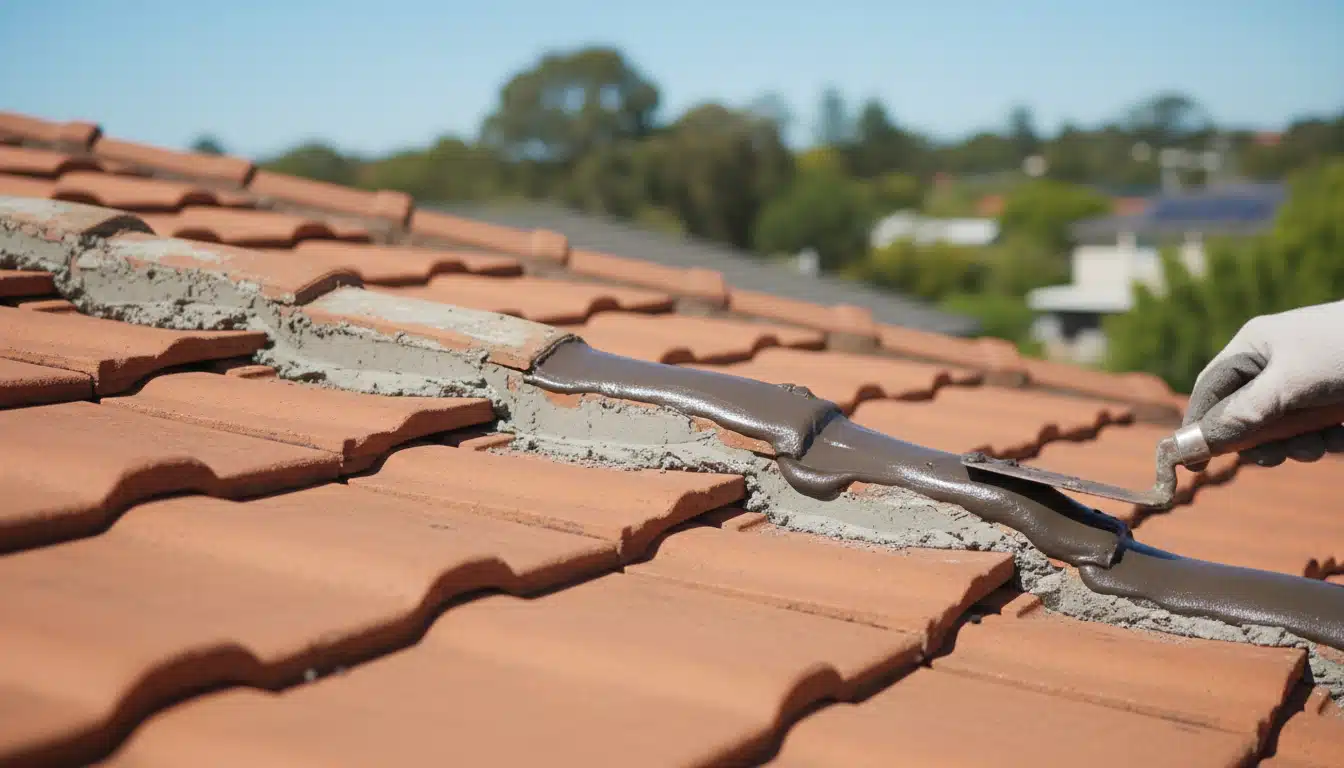
Traditional mortar and Flexipoint do different jobs around ridge and hip caps. Mortar forms the firm bedding that supports and aligns the caps. Flexipoint is a flexible pointing compound used over sound bedding to seal the exposed edges. The difference matters because a flexible finish cannot compensate for a loose, crumbling or hollow base.
For homeowners, the practical question is whether the visible pointing has failed on its own or the bedding beneath it has also deteriorated. That distinction determines whether repointing is sufficient or the caps need to be lifted and re-bedded.
Heat, wind, rain and ordinary building movement all place stress on ridge lines. Rigid materials can crack as the roof expands and contracts, while flexible pointing is designed to tolerate small movements at the joint.
A lasting repair therefore depends on the condition below the surface, not just a neat finish. Inspection and preparation come before material choice.
What Traditional Mortar Does On A Tiled Roof
Traditional mortar has long been used to bed ridge caps, hip caps and other raised tile sections. It provides shape, support and a firm seat. On an older roof, it often forms the structural layer beneath the visible pointing, so deterioration can affect both alignment and weather resistance.
Bedding Gives Ridge Caps Their Seat
Bedding sets the height and line of each cap. When it supports the cap evenly, loads are distributed across the ridge. Voids, separation or weak patches allow movement, and that movement can open cracks along the edges. Our approach to tile restoration begins with the condition of the roof components rather than the appearance of the finish alone.
This is why tile repointing is not always a complete repair. If the bedding has failed, applying a new surface compound may hide the weakness without securing the cap. A stable base must be restored before the exposed joint can perform properly.
Mortar Is Strong But Not Very Flexible
Cured mortar is firm, which makes it useful as support. That rigidity can also become a limitation when tiles, timber framing and other roof components move at different rates. Perth heat produces repeated expansion and contraction, while wind and normal building movement add further stress.
A crack may start as a fine line where materials meet. Once it opens, wind-driven rain can reach the bedding and accelerate erosion. If water has already entered around a ridge, the inspection may need to address tiles, flashing or other nearby defects as well as the pointing.
Age Changes Mortar Performance
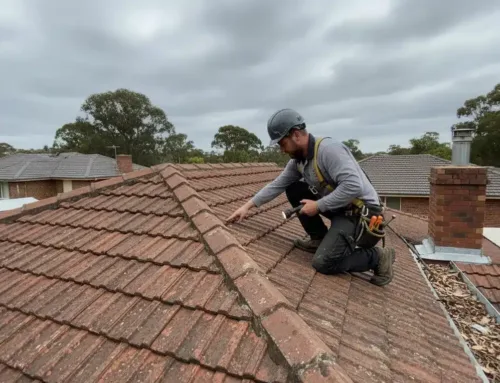
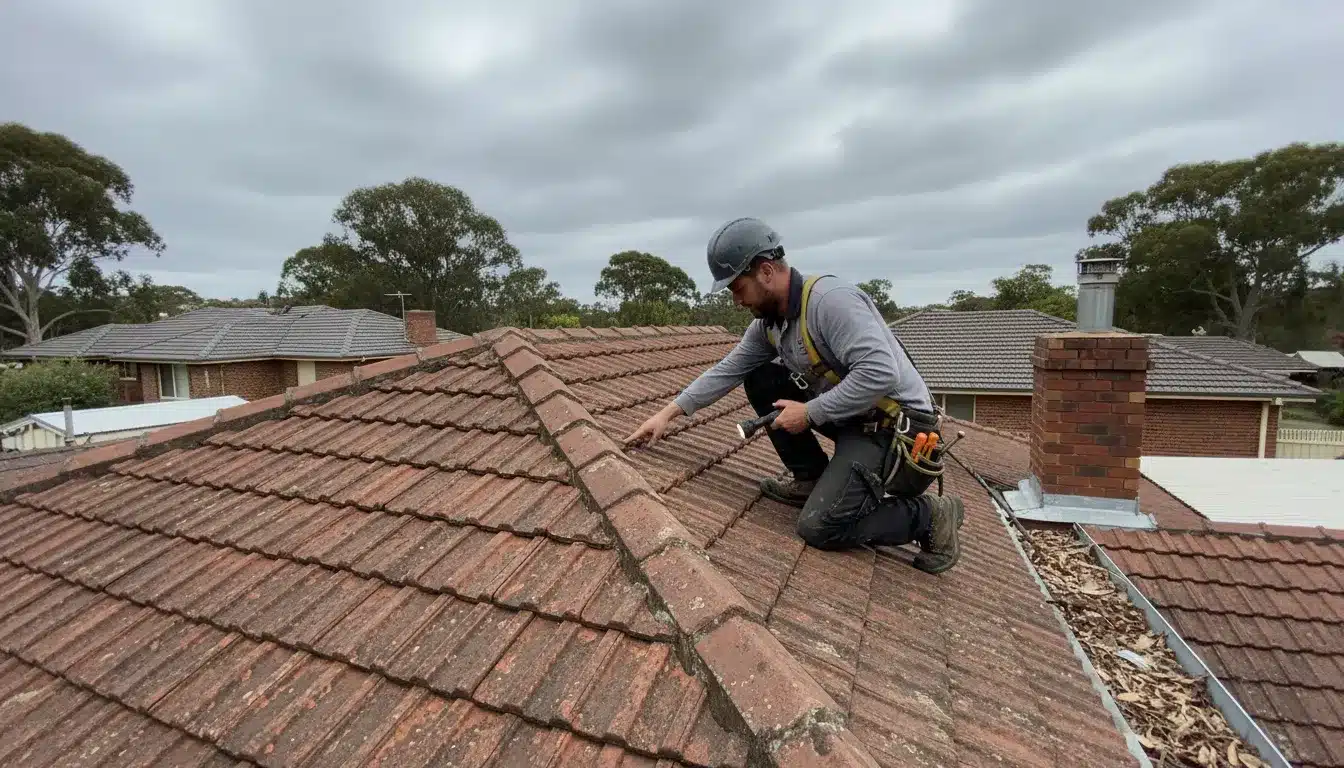
Old bedding can become sandy, brittle or hollow. It may separate from the tile surface even when the ridge still appears straight from the ground. Close inspection can reveal crumbly edges, open joints, displaced fragments or caps that move under light professional testing.
A small visible crack can sit above a much wider area of weakness. If the base breaks apart during preparation, surface repointing is no longer enough. Before comparing a limited repair with a wider scope, the factors behind repair costs are best considered after the condition of the bedding and surrounding tiles is known.
What Flexipoint Adds To The System
Flexipoint is a flexible pointing compound applied over prepared bedding. Its role is to seal the exposed joint while accommodating small amounts of movement more readily than rigid pointing. It does not replace bedding and cannot secure a cap that has lost its support.
Flexibility Helps With Thermal Movement
Roof tiles warm in the sun and cool after sunset. Mortar, timber and metal components respond differently to those temperature changes. Flexible pointing can absorb limited movement at the cap edges without cracking as readily as a rigid surface joint.
That quality is especially relevant along exposed ridges and hips, which receive direct sun, wind and rain. It does not make the roof immune to age or structural movement. It simply gives a correctly prepared joint more tolerance as conditions change.
Adhesion Matters As Much As Flexibility
A flexible compound still needs a clean, stable surface. Dust, moss, loose mortar and degraded coating can prevent proper adhesion. Preparation must remove unstable material and reveal whether the old bedding remains sound enough to retain.
Cleaning is not a substitute for repair, but it can expose defects that dirt and organic growth conceal. Where the wider tile surface also needs attention, roof cleaning should sit in the correct sequence after defects are identified and before any compatible coating work is considered.
The shape of the base matters too. Rough or uneven bedding can leave thin areas in the finished joint, while poor alignment can concentrate stress. Effective tile repointing starts before the compound is applied, with the ridge line, existing bedding, adjacent tiles and exposure all assessed together.
Weather Resistance Depends On The Whole Joint
The junction between a cap and the tiles below is an exposed weather entry point. Sound flexible pointing helps close that edge against rain driven by wind. If the bedding beneath is loose, however, continuing movement can break the seal again.
With more than 50 years in roofing and more than 30,000 roofs restored, our restoration work is grounded in separating surface deterioration from faults that require a more substantial repair. The material only performs when the scope addresses the condition beneath it.
Why The Difference Matters For Perth Roofs
Perth roof lines face long periods of dry heat, strong ultraviolet exposure and sudden changes when storms arrive. Those conditions matter when scoping restoration because daily heating and cooling can repeatedly load the edges of ridge caps. Coastal exposure may also increase moisture and corrosion pressure around flashings and fixings, although each roof must be judged by its actual location and condition.
Heat Creates Expansion And Contraction
As the roof warms, its components expand. They contract again as temperatures fall. That repeated movement is one reason Permacoat starts from the ridge line down rather than treating each surface crack in isolation. Flexible pointing helps manage limited movement at the surface, but it cannot correct loose caps or widespread bedding failure.
Storms Test The Seal And Drainage
Heavy rain and wind test a ridge differently from gentle rain. Water can be pushed through open joints and then travel along battens, rafters or underlay before it appears on a ceiling. The stain inside may be some distance from the original entry point.
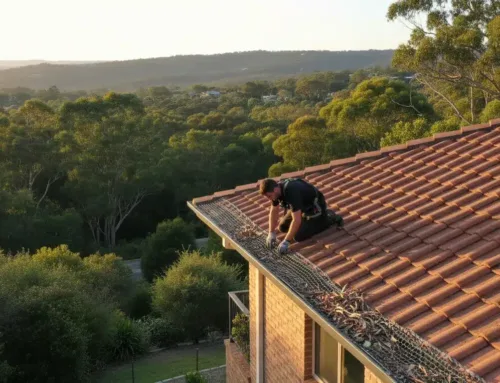
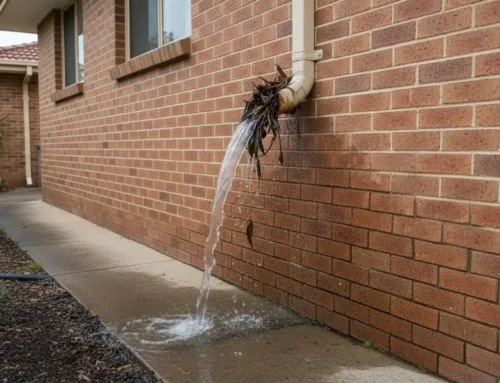
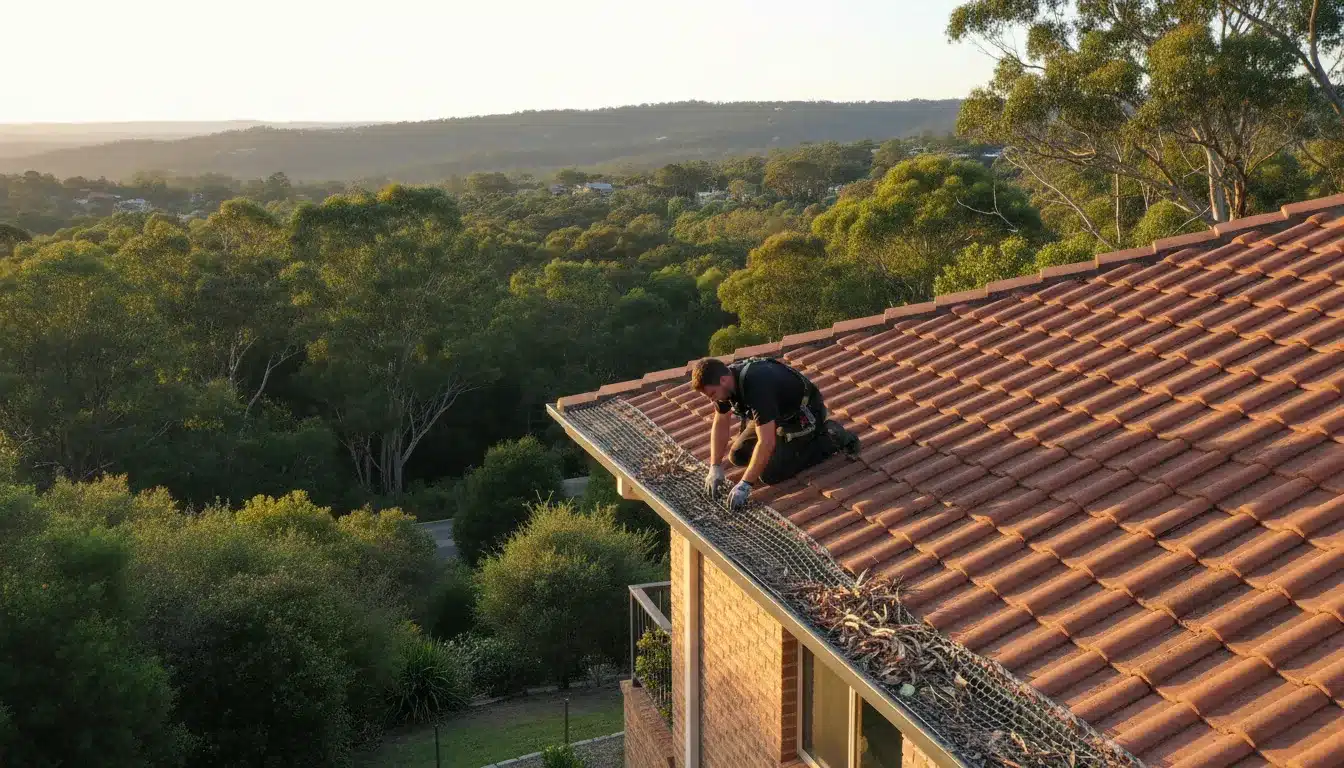
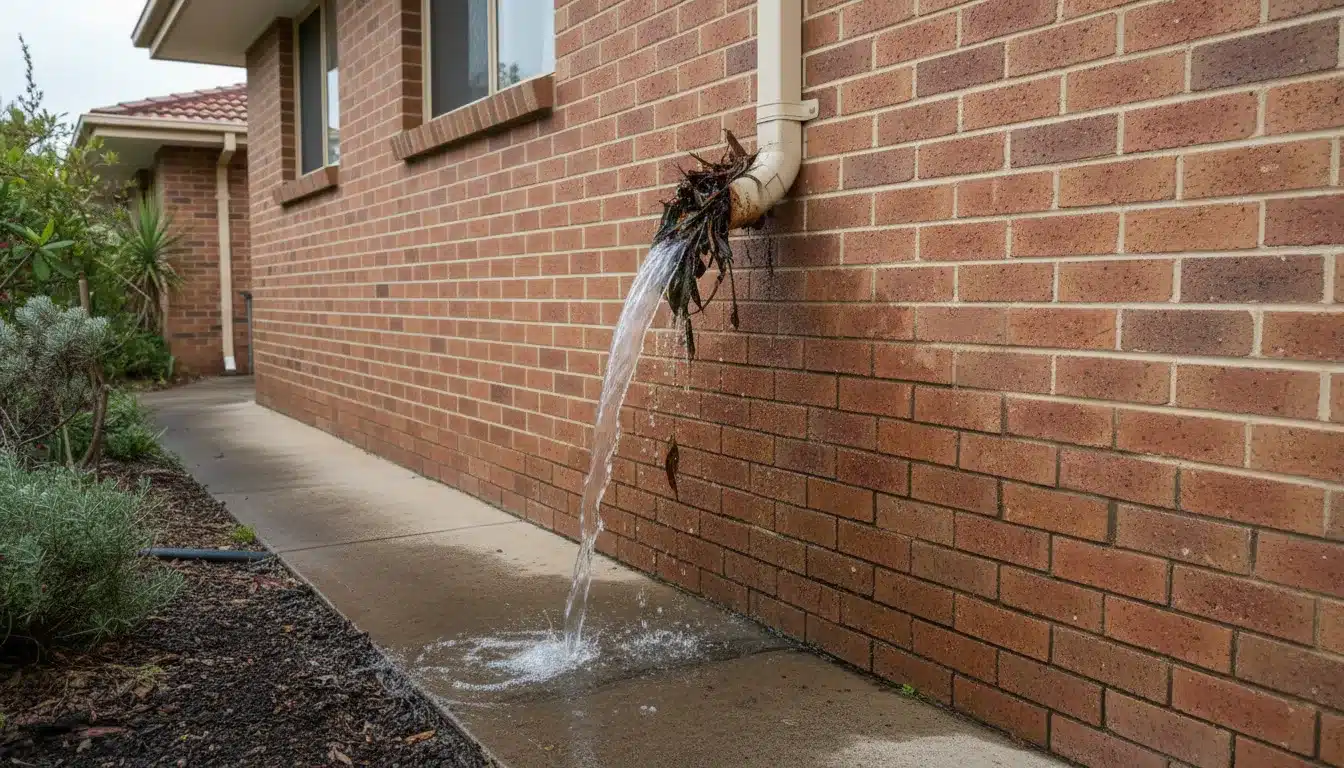
Drainage condition matters at the same time. Mortar fragments in a gutter can indicate deterioration above, while restricted outlets can make stormwater back up around roof edges. Sound gutters and downpipes do not repair a ridge, but they help the roof move collected water away as intended.
Coastal Exposure Can Compound Existing Weakness
Salt-laden air does not turn sound mortar into a failed ridge overnight. It can, however, add to the exposure of metal components and damp areas around an already cracked system. Material selection and repair scope should reflect the roof’s exposure rather than relying on a single product as a universal answer.
When Repointing Is Enough
Repointing may be suitable when the bedding remains firm, the caps are secure and deterioration is limited to the exposed joint. The assessment should distinguish superficial cracking from movement that begins deeper in the ridge system.
Surface Cracks With Stable Bedding
When the base is sound, loose pointing can be removed, the joint prepared and new pointing applied. The finished work should seal the cap edges without covering unresolved movement. A neat surface over unstable bedding is cosmetic, not corrective.
Localised damage after severe weather may also support a limited repair, but the surrounding ridge should still be checked. One fresh defect may be isolated. Multiple aged cracks, uneven caps or repeated leaks along the same line indicate a broader problem.
Preventative Work Before Wet Weather
Early separation is easier to address before water repeatedly reaches the bedding. Dry, stable conditions also support better preparation and adhesion. Photos taken from the ground after heavy weather can provide a useful comparison if cracks appear to be spreading.
The inspection should extend beyond the ridge. Valleys, flashings, tile surfaces and drainage paths age together, even though they do not always fail at the same time. Our roof repairs are scoped around the faults found, helping put work in order of risk rather than treating every visible mark as the same problem.
When Re-Bedding Is The Better Option
Re-bedding is the appropriate direction when the mortar base has lost strength or separated from the tiles. The caps are lifted, failed bedding is removed and a new stable seat is formed before pointing is completed. Related roof tile repairs should be identified at the same inspection because surface compound alone cannot restore missing support.
Loose Ridge Caps
A cap that moves has already lost part of its restraint. Wind, further mortar loss or roof access can worsen that movement and open a path beneath the cap. Resetting the cap addresses support, while simply covering the edge leaves the cause in place.
Appearance is not a reliable test. A ridge can look straight from the street while the bedding has separated underneath. Once movement is present, the surface joint remains under stress and is likely to crack again unless the cap is stabilised.
Crumbling Or Hollow Mortar
Sandy fragments, missing chunks and hollow areas indicate that the base may no longer carry the cap evenly. If the mortar breaks away during preparation, re-bedding is usually needed before flexible pointing can be considered.
Repeated local repairs can become poor value when failure extends across a ridge or several roof planes. If the tiles or supporting roof covering have also reached the end of practical repair, re-roofing may deserve comparison with another cycle of patching.
Repeated Ridge Leaks
A recurring leak near a ridge often signals more than one visible crack. Lifting and resetting affected caps allows bedding, alignment and voids to be addressed together. The inspection should still check nearby flashings, valleys and cracked tiles because water can travel before it reaches the ceiling.
Practical Signs Homeowners Can Check Safely
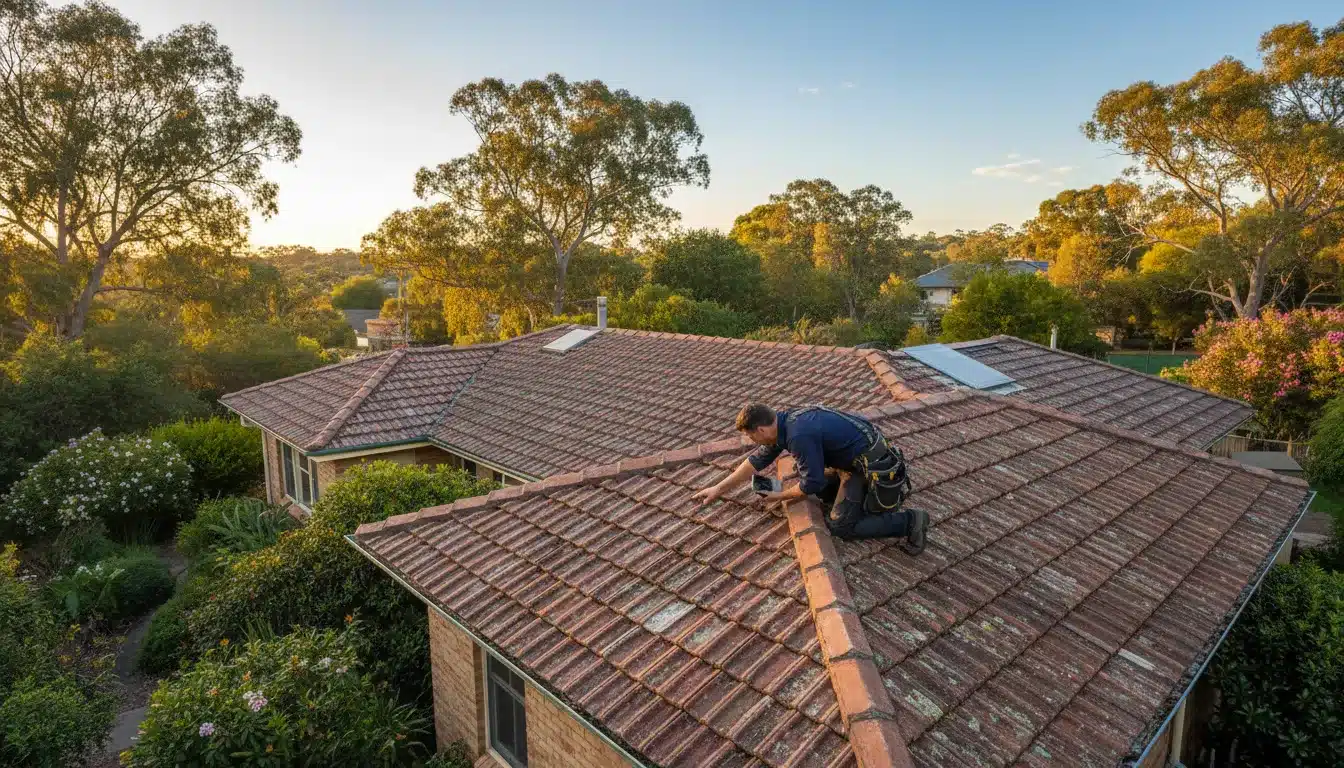
Ground-level observations can identify reasons to arrange an inspection. Look for uneven caps, open joints, missing pieces, cracked lines or debris that has fallen into gutters. Zoom photographs from a safe position can help track whether a defect changes after storms.
Do not walk on the roof to confirm a suspected fault. Safe Work Australia’s guidance on roof work risks covers working at height, roof access, fragile surfaces, electricity and falling objects. Even replacing a tile or clearing a gutter can expose a person to serious hazards.
Interior And Gutter Clues
Ceiling stains near hallways, cornices or internal walls can be consistent with ridge leaks, but the mark is not a map of the entry point. Water may follow framing or underlay before dripping. Note whether it appears after wind-driven rain, prolonged rainfall or every shower.
Mortar pieces or sandy debris in gutters can indicate deterioration higher on the roof. Record where the material collects, since the roof plane feeding that section may give an inspector a useful starting point. The clue supports investigation but does not identify the cause by itself.
For strata and managed buildings, photographs, dates and reports should be shared through the appropriate manager so access and responsibilities are clear. Our strata roof services provide a practical route for coordinating assessment across shared roof areas.
Common Questions About Mortar And Flexipoint
Is Flexipoint The Same As Mortar?
No. Mortar commonly forms the bedding support beneath ridge and hip caps. Flexipoint is a flexible pointing compound used over prepared bedding to seal the exposed edge.
Can Flexipoint Fix Failed Bedding?
No. Loose, hollow or crumbling bedding must be repaired or renewed so the caps have a stable seat. Flexible pointing cannot replace that support.
How Often Is Tile Repointing Needed?
There is no single interval for every roof. Exposure, roof age, previous workmanship, material condition and movement all affect timing. Cracks, gaps, loose caps, falling mortar or repeated leaks are reasons to arrange an inspection.
Does Every Cracked Ridge Need Full Re-Bedding?
No. A limited pointing failure over firm bedding may only need repointing. Movement, widespread hollow bedding or recurring leakage changes the scope. The decision should follow a close assessment rather than the size of the visible crack alone.
Choose The Repair That Matches The Failure
Traditional mortar provides the seat and support for ridge caps. Flexible pointing seals the exposed edges and gives the joint more tolerance for small movements. Neither material can do the other’s job, so the condition of the bedding decides whether repointing is enough or re-bedding is required.
Start with safe observations from the ground, note when leaks or debris appear and avoid disturbing the roof before it is assessed. To determine whether the issue is isolated pointing or deeper bedding failure, contact us while the signs are still clear and before further weather enlarges the defect.