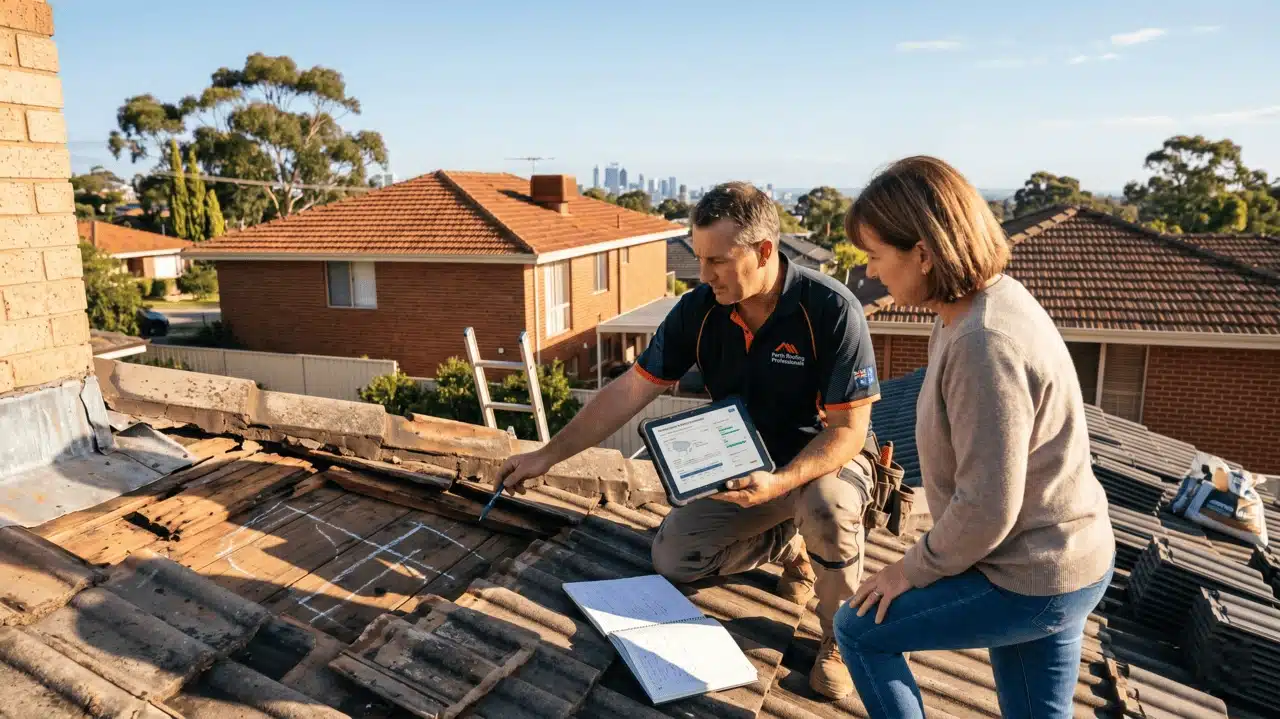
Hidden costs in roofing projects catch Perth homeowners off guard regularly, transforming what seemed like straightforward renovations into financial headaches. Understanding how these unexpected expenses arise and implementing strategies to prevent them protects both budgets and peace of mind during roofing work.
After decades of roofing experience across Perth, patterns emerge showing why some homeowners face surprise charges while others complete projects smoothly within budget. The difference lies not in luck but in preparation, contractor selection, and vigilant project management. Permacoat prioritises transparency in all roofing projects, ensuring Perth homeowners understand costs upfront rather than facing unpleasant surprises mid-project.
This comprehensive guide reveals common hidden costs in roofing Perth projects while providing practical strategies for identifying and avoiding these unexpected expenses before they impact your renovation budget.
Why Hidden Costs Are So Common
Roofing projects involve multiple layers – literally and figuratively – creating numerous opportunities for unexpected discoveries that impact final costs. While some contractors deliberately underquote to secure work, many hidden costs arise from genuine complications only revealed once projects commence.
Project Complexity Factors
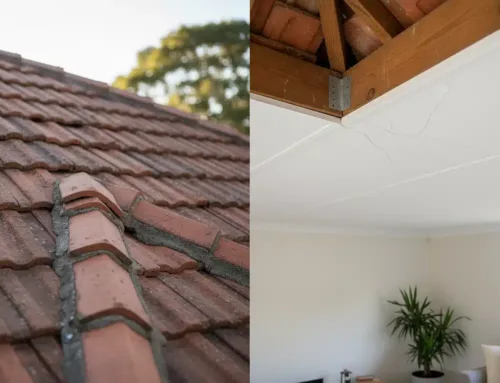
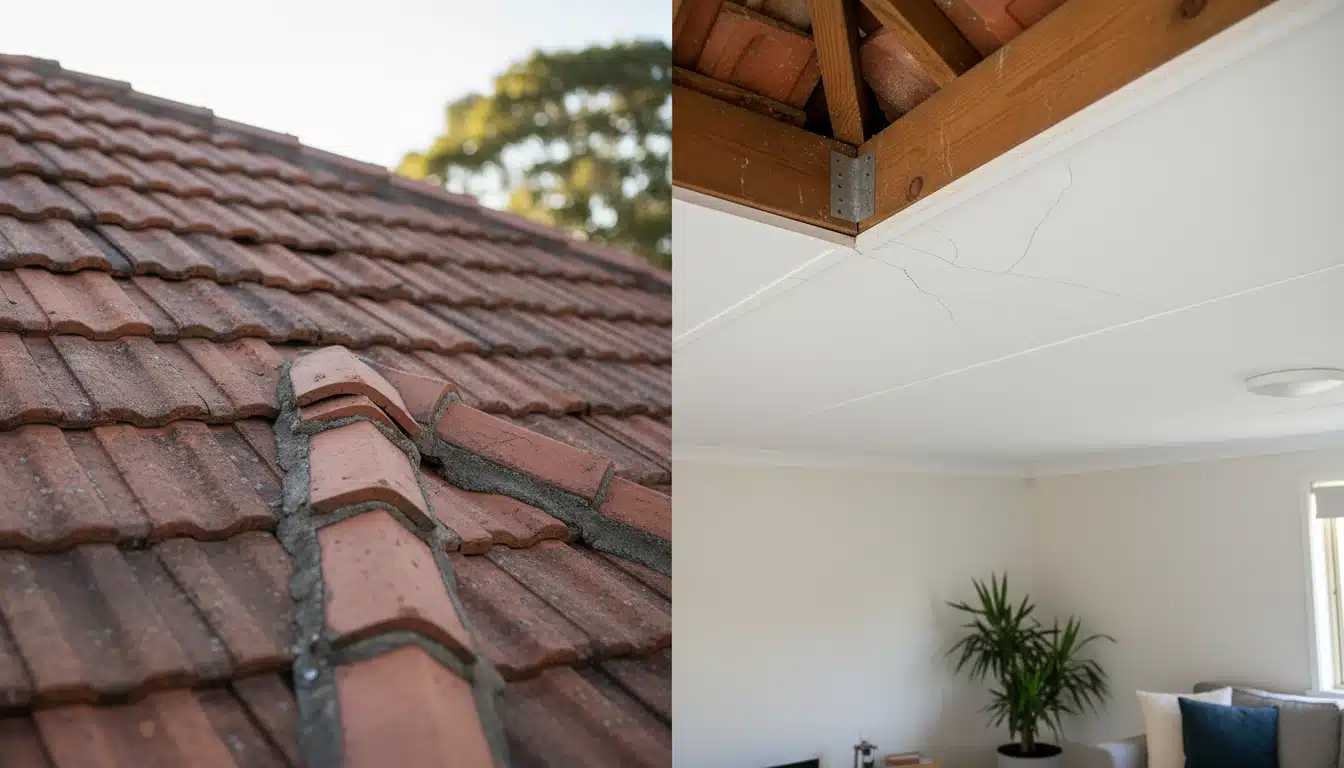
Roofs hide their actual condition beneath visible surfaces. Tiles or sheeting might appear sound while concealing deteriorated timber, damaged sarking, or structural issues underneath. Initial inspections conducted from ground level or basic ladder access miss problems only discovered during comprehensive work requiring tile removal or sheet lifting.
This inherent assessment limitation means even honest, thorough contractors sometimes encounter surprises after projects begin. The difference between reputable and questionable contractors lies in how they handle these discoveries – transparent communication and reasonable pricing versus exploitative charges for “unforeseen” issues that experienced professionals should have anticipated.
Perth Climate Impacts
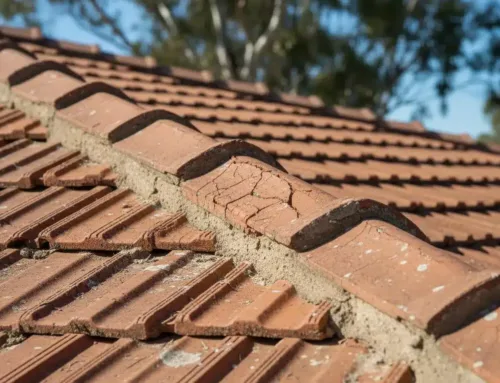
Perth’s extreme weather conditions accelerate roof deterioration in ways not immediately visible during inspections. Intense UV exposure makes timber brittle, thermal cycling loosens fastenings, occasional severe storms create hidden damage, and salt air in coastal areas corrodes metal components beneath protective coatings.
These environmental factors mean Perth roofs often harbour more hidden problems than equivalent-age roofs in milder climates. Contractors familiar with Perth’s specific challenges anticipate likely discoveries better than those lacking regional experience, reducing surprise costs through more accurate initial assessments.
Contractor Practices
Some roofing contractors deliberately provide low initial quotes, knowing they’ll add charges later for “unexpected” work. This deceptive practice secures contracts based on artificially attractive pricing, then exploits homeowner vulnerability once projects commence and stopping work becomes impractical.
Distinguishing between legitimate unforeseen circumstances and deliberate underquoting requires understanding common hidden costs, asking pointed questions during quoting, and selecting contractors with reputations for transparent pricing rather than suspiciously low initial quotes.
Regulatory Complexity
Building regulations, council requirements, and safety standards create compliance costs that are sometimes overlooked in initial quotes. Proper permits, inspections, and certification add expenses that questionable contractors might omit from quotes to appear more competitive, leaving homeowners facing surprise charges or compliance issues later.
Understanding what regulatory requirements apply to different project types helps homeowners verify that quotes include all necessary compliance costs rather than discovering these expenses mid-project.
Common Hidden Costs in Roofing Projects
Understanding typical hidden costs in roofing Perth projects helps homeowners ask informed questions during quoting and recognise whether contractors have adequately addressed potential issues in their proposals.
Rotten Timber Replacement
Timber deterioration represents one of the most common hidden costs in Perth roofing projects. From ground level or basic inspections, timber framing appears sound, but removing tiles or lifting sheeting reveals extensive rot requiring replacement. This problem particularly affects older Perth homes where decades of minor leaks, condensation, or inadequate ventilation have slowly degraded timber strength.
Replacing rotted battens, rafters, or fascia boards adds substantial material and labour costs beyond surface restoration work. Experienced contractors inspect ceiling spaces and probe suspected problem areas during initial assessments, providing more accurate quotes that account for likely timber replacement needs rather than assuming all framing remains sound.
Asbestos Removal and Management
Properties built before the 1990s potentially contain asbestos cement sheeting, requiring specialised handling and disposal procedures. Asbestos removal dramatically increases project costs through safety equipment requirements, licensed removal contractors, proper disposal fees, and potential testing costs verifying complete contamination removal.
Some contractors deliberately omit asbestos considerations from initial quotes despite the obvious likelihood in older properties. When asbestos is discovered mid-project, homeowners face difficult choices between substantial additional costs and incomplete, unsafe work. Upfront asbestos assessment and pricing prevent these crises
Unforeseen Structural Issues
Structural problems, including sagging rafters, inadequate bracing, foundation settlement effects, or termite damage, require correction before roofing work proceeds properly. These issues sometimes only become apparent once tiles are removed and full structural access allows thorough evaluation.
Structural repairs involve carpentry work beyond typical roofing contractor capabilities, potentially requiring structural engineers, building certifiers, and specialised trades. These complications can double or triple project costs while extending timelines substantially. Thorough pre-contract inspections, including ceiling space examination, reduce the likelihood of structural surprise significantly.
Council Approval and Permit Fees
Different roofing projects trigger various regulatory requirements. Simple roof coating applications might require no permits, while re-roofing or structural modifications need council approval, building permits, and completion certificates. These regulatory processes carry fees ranging from hundreds to thousands of dollars, depending on project scope.
Contractors should clarify permit requirements and include associated costs in initial quotes. When quotes remain silent on permits, homeowners should specifically ask whether approvals are needed and who bears responsibility for obtaining them. Discovering permit requirements mid-project creates delays and unexpected expenses, disrupting budgets and timelines.
Waste Disposal Costs
Removing old roofing materials generates substantial waste requiring proper disposal. Tile roofs produce tonnes of concrete or terracotta requiring skip bins and landfill fees. Metal roofing creates recyclable scrap with value, offsetting some disposal costs. Asbestos materials require specialised disposal at licensed facilities charging premium rates.
Waste disposal expenses vary dramatically based on material type, quantity, and disposal method. Quotes should explicitly state who handles disposal and whether costs are included or additional. Contractors sometimes quote for roofing work but exclude disposal, leaving homeowners scrambling to arrange and pay for waste removal.
Material Price Fluctuations
Construction material prices fluctuate based on supply chain disruptions, demand cycles, currency exchange rates, and commodity markets. While quotes typically remain valid 30-90 days, longer project delays or material shortages can trigger price increases between quoting and actual work.
Fixed-price contracts protect homeowners from price variations, though contractors may charge premiums for this certainty. Quotes allowing price adjustments protect contractors from unforeseen increases but create budget uncertainty for homeowners. Understanding price variation clauses in contracts prevents surprise cost escalations.
Site Access and Logistics Challenges
Properties with difficult access, limited parking, narrow pathways, or sensitive landscaping require extra care and time, affecting labour costs. Contractors might underestimate these complications during brief site visits, discovering actual challenges only when attempting to move equipment and materials.
Multi-story buildings, steep sites, heritage restrictions, or adjacent property considerations all complicate roofing work. Athoroughinitial site assessment helps contractors account for access challenges in quotes rather than discovering them later and charging additional fees.
Extended Labour Requirements
Projects taking longer than estimated due to unforeseen complications, poor planning, or difficult working conditions generate additional labour costs. While genuine surprises justify some time extensions, poor contractor planning shouldn’t become the homeowner’s expense.
Distinguishing between legitimate extensions and contractor inefficiency requires understanding the typical project duration for similar work. Professional roof restoration Perth contractors provide realistic timeframes based on a thorough initial assessment rather than optimistic estimates, encouraging contract signing.
Flashing Replacement
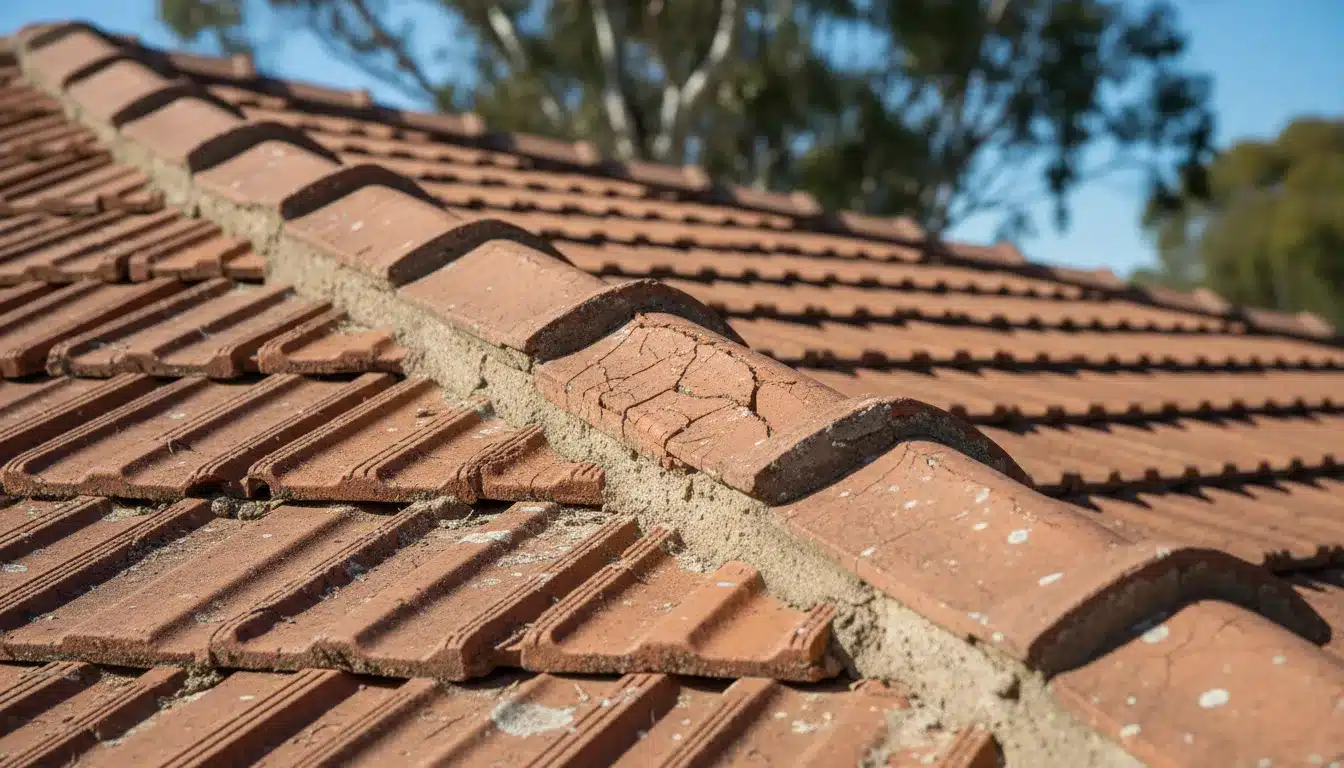
Damaged or corroded flashing around chimneys, vents, skylights, and wall junctions causes most roof leaks. Initial quotes sometimes assume existing flashing remains serviceable, but close inspection during work reveals deterioration requiring replacement.
Quality flashing installation requires skill, proper materials, and significant labour time. Flashing replacement costs can add thousands to projects when multiple penetrations need attention. Experienced contractors examine flashing condition during initial inspections and include likely replacement costs in quotes rather than treating this common need as an unexpected extra.
Valley Iron and Box Gutter Replacement
Valleys where roof planes meet, and box gutters along roof edges, represent high-wear areas prone to rust, leaks, and failure. These components often deteriorate faster than surrounding roofing materials, requiring replacement during restoration projects.
Valley iron and box gutter replacement involves removing multiple tile rows, fabricating custom metalwork, and ensuring proper waterproofing. This specialised work adds substantial costs often overlooked in superficial inspections, focusing only on visible tile or sheet condition. Comprehensive pre-contract assessment includes valley and gutter evaluation, incorporating likely replacement needs into accurate quotes.
How to Uncover Hidden Costs Before Signing a Contract
Proactive strategies implemented during contractor selection and contract negotiation dramatically reduce hidden cost risks while establishing clear expectations, benefiting both homeowners and contractors.
Obtain Multiple Detailed Quotes
Requesting quotes from at least three reputable contractors provides pricing benchmarks revealing whether individual proposals appear realistic or suspiciously low. Significant variation between quotes suggests different scope interpretations, quality levels, or hidden cost treatment requiring investigation.
Quality quote itemises major work components rather than providing single lump-sum figures. Itemisation reveals what’s included versus excluded, facilitating meaningful comparison and identifying gaps in scope coverage. When quotes lack detail, specifically request a breakdown by work category to enable proper evaluation.
Scrutinise Contract Fine Print
Contract clauses addressing variations, unforeseen circumstances, price adjustments, and dispute resolution determine how hidden costs get handled if they arise. Favourable clauses require contractor notification and homeowner approval before additional work proceeds, with reasonable pricing based on documented scope changes.Unfavourable clauses give contractors broad discretion to add charges for vaguely defined circumstances, potentially allowing exploitation. Understanding contract terms before signing prevents discovering problematic provisions only after disputes arise. When contract language seems unclear or concerning, seeking legal review before signing protects against predatory terms.
Ask Comprehensive Questions
Contractors hoping to add hidden costs later often provide vague answers or discourage detailed questions. Reputable contractors welcome thorough discussion, viewing questions as legitimate homeowner diligence rather than inconvenient scrutiny.
Essential questions include:
- What specific work does the quote include?
- What potential issues might arise from increasing costs?
- How are unforeseen circumstances handled and priced?
- Are permits, inspections, and compliance costs included?
- Who handles waste disposal and at what cost?
- What happens if material prices increase?
- Does the quote include GST and all other charges?
- What warranty coverage applies and for how long?
Contractors providing clear, comprehensive answers demonstrate transparency, while evasive responses suggest potential problems warranting consideration of alternative providers.
Demand Thorough Pre-Contract Inspection
Comprehensive inspection before quoting helps contractors identify likely problems rather than discovering them mid-project. Quality inspections include:
- Roof surface examination from access equipment, not just ground level
- Ceiling space inspection checking timber, sarking, and insulation
- Structural assessment for movement, damage, or inadequate support
- Flashing condition evaluation at all penetrations
- Valley and box gutter examination
- Asbestos assessment where the property age suggests the presence
- Drainage system evaluation
- Access and logistics consideration
Contractors basing quotes on thorough inspections provide more accurate pricing than those relying on brief visual assessments. When quotes seem based on inadequate inspection, requesting a more comprehensive evaluation before contract signing reduces surprise risk.
Verify Quote Inclusions and Exclusions
Explicit documentation of what’s included versus excluded prevents misunderstandings about scope coverage. Quality quotes specify:
- All materials by type, brand, and quantity
- Labour scope including preparation, repairs, and finishing
- Permits, approvals, and compliance requirements
- Waste disposal arrangements and costs
- Site protection and cleanup
- Warranty terms and duration
- Payment schedule and terms
Exclusions should be equally explicit, identifying work not covered and why. Common legitimate exclusions include interior repairs if leaks caused ceiling damage, electrical work if roof penetrations need service upgrades, or structural engineering if serious problems are discovered.
Confirm Transparent Payment Terms
Payment schedules should align with project milestones rather than requiring large upfront deposits. Typical professional terms involve:
- Small deposit (10-20%) securing work commencement
- Progress payments are made upon completion of major stages.
- Final payment after work completion and homeowner satisfaction
Large upfront payments suggest contractor cash flow problems or potential abandonment risks. Staged payments based on verified work completion protect homeowners while providing contractors with reasonable cash flow, supporting ongoing expenses.
Understand Warranty Coverage
Comprehensive warranties covering both materials and workmanship for substantial periods (typically 5-10 years) indicate contractor confidence in quality. Limited warranties, vague coverage terms, or short duration suggest potential quality issues or contractor instability threateningwarranty fulfilmentt.
Warranty terms should specify what’s covered, duration, claim procedures, and exclusions. Understanding warranty limitations before problems arise prevents disappointment when issues don’t receive expected coverage. Professional roof repairs Perth contractors stand behind their work with meaningful warranties, demonstrating quality commitment.
Verify Insurance Coverage
Contractors must carry public liability insurance protecting homeowners from accidents and property damage during work. Workers’ compensation insurance protects tradespeople from becoming homeowner liability. Requesting current insurance certificates verifies coverage rather than accepting verbal assurances.
Uninsured contractors create serious risks. Accidents, injuries, or damage during work could trigger lawsuits against property owners if contractors lack adequate insurance. This risk far outweighs any cost savings from choosing cheaper uninsured operators.
Choosing a Transparent Roofing Contractor
Contractor selection represents the single most important decision affecting hidden cost avoidance. Reputable, transparent contractors build accurate quotes through thorough assessment while maintaining honest communication throughout projects.
Experience and Reputation Verification
Established contractors with decades of Perth experience demonstrate sustained market success, suggesting reliable performance, quality workmanship, and fair business practices. Longevity indicates satisfied customers providing ongoing referrals rather than one-time transactions, leaving disappointed homeowners.
Online reviews, testimonials, and reputation research reveal patterns in customer satisfaction, hidden cost incidents, communication quality, and problem resolution. Consistent positive feedback across multiple platforms indicates genuine contractor quality, while negative patterns or concerning themes warrant caution.
Professional association memberships, including Master Builders Association, industry certifications, and manufacturer approval,s demonstrate commitment to standards, continuing education, and professional accountability. These affiliations provide homeowner recourse through industry complaint processes unavailable with unaffiliated operators.
Licensing and Insurance Confirmation
Western Australia requires roofing contractorto s hold appropriate builder registration for work exceeding specified values. Verifying current registration through the Building Services Board website confirms legal operation and provides consumer protection through security of payment provisions.
Current insurance certificates prove coverage rather than relying on verbal claims. Public liability insurance (minimum $10-20 million) protects against property damage and accidents. Workers’ compensation coverage ensures tradespeople’s injuries don’t become homeowner liability. Requesting copies of current certificates before signing contracts verifies adequate protection.
Clear Communication Assessment
Transparent contractors welcome questions, provide detailed explanations in plain language, and proactively communicate about project developments. They explain technical concepts without jargon, help homeowners understand options and implications, and encourage informed decision-making.
Evasive answers, pressure tactics, reluctance to provide written documentation, or dismissive responses to legitimate questions indicate potential transparency problems. Contractors who view questions as inconvenient challenges rather than reasonable diligence lack the customer service orientation essential for successful projects.
Detailed Written Quotes
Professional quotes provide comprehensive documentation rather than rough estimates or verbal approximations. They itemise work scope, specify materials by brand and type, outline labour requirements, identify exclusions, explain payment terms, and detail warranty coverage.
Vague quotes using general descriptions like “roof restoration” without specifics create ambiguity, enabling scope disputes and hidden charges. Quality quotes leave little room for interpretation, clearly defining what’s included versus excluded. When quotes lack detail, requesting clarification before signing prevents misunderstandings.
Fixed-Price Contract Preference
Fixed-price contracts provide cost certainty, requiring contractors to complete specified work for agreed amounts regardless of time or unforeseen minor complications. This arrangement shifts risk to contractors, incentivising thorough initial assessment and realistic quoting.
“Estimates” or quotes “are subject to change, creating budget uncertainty, allowing contractors to increase costs for various reasons. While some legitimate circumstances justify variations (major unforeseen structural issues, homeowner-requested changes), broadly written variation clauses enable exploitation.
Local Perth Expertise
Perth-based contractors understand specific regional challenges, including climate impacts, common roof types, building code requirements, and typical deterioration patterns. This local knowledge enables more accurate assessment and realistic quoting than contractors unfamiliar with Perth conditions.
Understanding which roof configurations handle Perth’s summer heat, where valley failures typically occur, and how coastal exposure affects different materials comes from extensive local experience. Contractors lacking Perth-specific knowledge miss issues that regional specialistsrecognisee immediately.
Review Portfolio and References
Examining previous work examples, ideally on similar roof types in similar Perth locations, demonstrates contractor capabilities and quality standards. Before-and-after photographs, detailed case studies, and comprehensive project descriptions reveal attention to detail and workmanship quality.
Contacting provided references and asking about their experiences – hidden costs, communication quality, timeline adherence, problem resolution, and overall satisfaction – provides valuable insights. References unwilling to give unqualified recommendations or expressing reservations warrant attention as potential warning signs.
Protecting Yourself After Signing the Contract
Even with thorough pre-contract diligence, maintaining vigilance throughout project execution protects against problems and ensures work meets agreed specifications and quality standards.
Maintain Regular Communication
Stay informed about project progress through regular contractor updates. Establish communication expectations upfront – how often will updates occur, through what channels, and what information will they include. Proactive communication prevents surprises while allowing early problem detection and resolution.
When contractors become difficult to reach, avoid direct answers, or delay responding to inquiries, these behaviours often signal developing problems. Addressing communication breakdowns immediately prevents issues from escalating into serious disputes.
Document Everything Comprehensively
Maintain detailed records of all project-related communication, including emails, text messages, phone call notes, meeting summaries, and verbal agreement confirmations. This documentation proves invaluable during disputes about what was agreed, promised, or required.
Photograph project stages documenting progress, material quality, workmanship, and any concerns arising during work. Before-and-after comparisons reveal transformation while protecting against claims about pre-existing conditions or damage.
When verbal agreements or scope changes occur, immediately confirm them in writing via email or a formal change order. Verbal agreements without documentation create “he said/she said” disputes that are difficult to resolve fairly.
Conduct Progressive Inspections
Regularly inspect work as it progresses rather than waiting for completion. Identifying concerns early allows correction while work remains accessible, and fixing problems costs less than after subsequent layers are installed.
When quality concerns, specification deviations, or workmanship problems appear, raise them immediately with contractors. Delaying until project completion may result in contractors claiming problems resulted from subsequent work or refusing to address issues without additional charges.
If lacking technical knowledge to assess quality, hiring independent inspectors for critical stages provides professional evaluation and documentation. This investment prevents accepting substandard work due to the inability to recognise deficiencies.
Protect Final Payment Leverage
Never make the final payment until you are completely satisfied with all work, defects are corrected, the site is cleaned, warranties are provided, and all paperwork is complete. Final payment represents the most powerful homeowner leverage, ensuring contractors complete all agreed work to satisfactory standards.
Contractors rushing final payment while minor defects remain or site cleanup is incomplete may disappear once paid, leaving homeowners with unfinished work and no recourse. Withholding final payment until true completion ensures contractor accountability.
Document Scope Changes in Writing
Project modifications, additional work, or specification changes should be documented through formal change orders signed by both parties. Change orders should specify additional work scope, pricing, timeline impact, and payment terms before work commences.
Verbal change agreements without documentation create disputes about whether changes were authorised, what work was included, and what costs were agreed upon. Written change orders prevent these conflicts while establishing clear mutual understanding.
Understand Consumer Rights
Australian Consumer Law provides protections, including:
- Services must be provided with due care and skill
- Services must be fit forthe intended purpose
- Services must be provided within a reasonable time
- Major problems entitle cancellation and refund
- Minor problems must be fixed within a reasonable time
Familiarity with these rights helps homeowners recognise when contractors breach obligations and what remedies are available. The ACCC website (www.accc.gov.au) provides comprehensive consumer information, while state fair trading offices handle complaints.
Address Problems Promptly
When problems arise, address them immediately rather than hoping they resolve themselves. Clear, professional communication identifying specific concerns, referencing relevant contract terms, and proposing reasonable solutions often resolves issues amicably.
If contractors ignore concerns, refuse reasonable solutions, or disputes escalate, formal complaint processes through industry associations, consumer protection agencies, or legal channels may become necessary. Early action prevents problems from worsening while options for resolution remain available.
Conclusion
Hidden costs in roofing projects represent significant concerns for Perth homeowners, but thorough preparation, careful contractor selection, and vigilant project management dramatically reduce these risks. Understanding common hidden costs, asking informed questions, and choosing transparent contractors create successful project outcomes within budget.
The difference between projects completed smoothly and those plagued by surprise expenses lies primarily in upfront diligence. Time invested researching contractors, comparing detailed quotes, clarifying contract terms, and establishing clear communication prevents problems that cost far more to resolve later.
Quality roofing work protects homes for decades, making contractor selection among the most important homeowner decisions. Prioritising transparency, experience, and reputation over the lowest price delivers better value through reliable results, minimal hidden costs, and professional accountability throughout projects.
For Perth homeowners seeking transparent, professional roofing services without hidden cost concerns, thorough contractor evaluation and preparation represent essential investments protecting both properties and budgets. Don’t let hidden costs derail your roofing project – contact us on (08) 9249 5955 today for honest, comprehensive quotes and transparent project management you can trust.
Next Steps:
Research potential contractors thoroughly: Check reviews, verify credentials, confirm insurance, and examine previous work examples before requesting quotes.
Request detailed written quotes: Obtain itemised proposals from multiple contractors clearly specifying inclusions, exclusions, payment terms, and warranty coverage.
Ask comprehensive questions: Query contractors about hidden cost potential, unforeseen circumstance handling, permit requirements, and any unclear quote elements.
Review contracts carefully: Scrutinise terms addressing variations, price adjustments, dispute resolution, and contractor obligations before signing.
Maintain project vigilance: Document everything, inspect work regularly, communicate frequently, and withhold final payment until completely satisfied with all work completion.
Understanding roof repair costs and pricing factors helps Perth homeowners evaluate whether quotes reflect fair value or contain hidden cost potential. Combined with proper contractor selection and project management, this knowledge ensures successful roofing projects delivering expected results within budget.