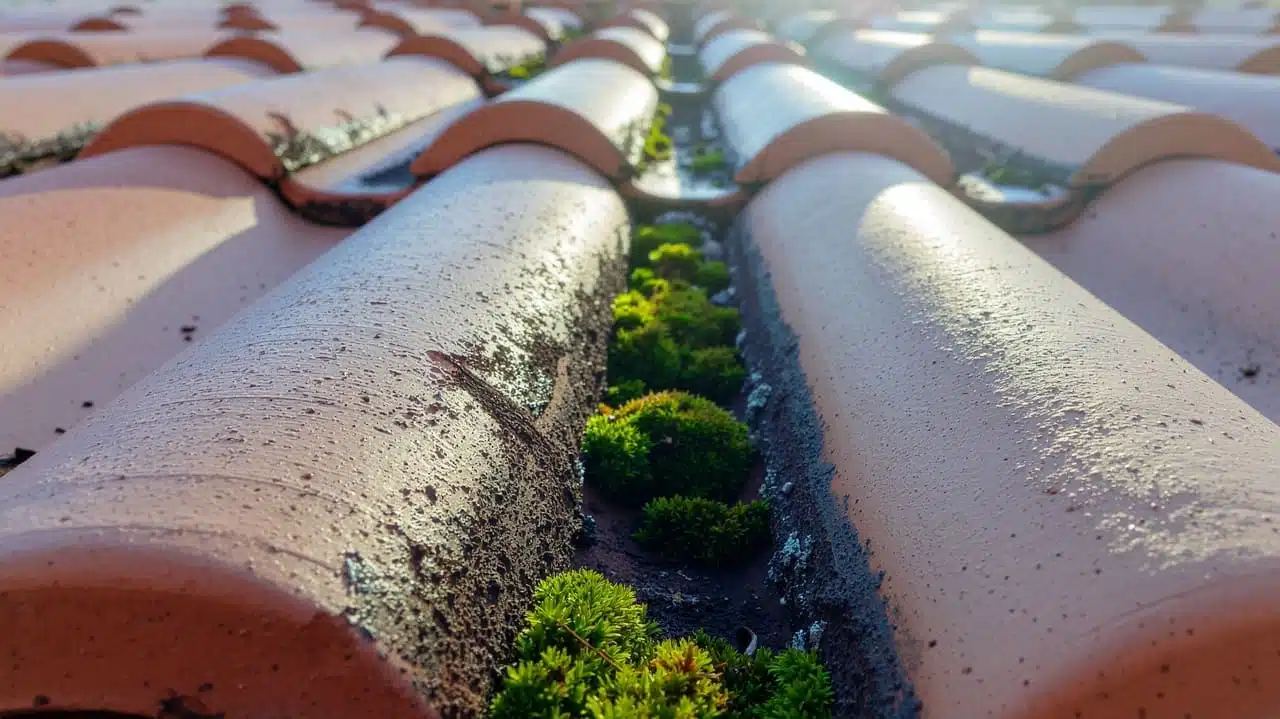
Western Australian homeowners face unique roofing challenges from the state’s varied climate conditions, with roof valleys representing particularly vulnerable points that concentrate both water flow and weather exposure. These critical junctions, where two roof planes intersect, channel substantial rainfall volumes whilst enduring intense UV radiation, thermal cycling, and salt exposure that progressively degrade valley iron materials. Recognising early roof valley damage signs allows property owners to schedule planned replacement before emergency leak situations develop.
Understanding when roof valleys transition from a serviceable condition to requiring replacement prevents costly interior damage from water penetration. Permacoat has inspected tens of thousands of valley systems across Western Australia over 50+ years of roofing service, developing comprehensive knowledge of deterioration patterns specific to Perth’s metropolitan area and regional locations. The company’s systematic inspection approach identifies valve problems at stages where planned replacement delivers better value than emergency repairs.
Why Roof Valleys Face Accelerated Deterioration
Roof valleys concentrate water flow from two converging roof planes, creating hydraulic stress far exceeding that experienced by general roof surfaces. During Perth’s winter storms, valleys channel 5-10 times the water volume handled by adjacent roof areas. This concentrated flow accelerates corrosion through constant moisture exposure, whilst mechanical erosion from debris-laden water gradually wears protective coatings.
Thermal stress affects valleys disproportionately due to their metal construction and exposure patterns. Valley iron expands significantly during summer days when roof surface temperatures reach 65-75°C, then contracts during nighttime cooling. This daily cycling creates fatigue stress in metal whilst degrading sealant bonds along valley edges. After years of thermal cycling, micro-cracks develop that admit moisture into substrate layers where corrosion spreads beneath surface coatings.
Perth’s coastal environment delivers additional challenges through salt-laden air carried inland by prevailing sea breezes. Corroded valley iron Perth homeowners discover typically shows accelerated deterioration in properties within 5-8 kilometres of the coastline. Sodium chloride particles settle on valley surfaces and combine with dew formation to create corrosive solutions that attack protective galvanising or paint coatings. Once these barriers fail, rapid corrosion progression follows.
Early Surface Rust and Coating Breakdown
The earliest roof valley damage signs appear as minor surface discolouration that many homeowners initially dismiss as harmless staining. Small orange or brown spots indicate the protective coating has failed locally and active corrosion has commenced on the underlying metal. These rust spots typically appear first along valley edges where sealant bonds fail, and water penetrates beneath coating layers.
Paint or powder coating failure manifests as chalking, fading, or flaking that exposes bare metal beneath. Quality coatings on properly installed valleys should maintain appearance for 10-15 years in Perth conditions. Premature coating breakdown suggests either substandard materials or installation defects,s allowing moisture penetration. Property owners who notice coating deterioration should arrange a professional assessment, as the underlying metal often shows corrosion advancement not visible until coating removal.
Sealant deterioration along valley edges provides early warning that valley replacement may become necessary within 2-5 years. Sealant compounds exposed to Perth’s intense UV radiation gradually dry, crack, and separate from metal surfaces. Visual inspection from ground level using binoculars reveals sealant condition, though professional roof access provides a definitive assessment. Failing sealant allows water penetration behind valley edges, where hidden corrosion progresses unseen until significant damage has occurred.
Recognising Progressive Corrosion Development
Surface rust spots that appear minor initially spread progressively as corrosion advances beneath protective coatings. The electrochemical process consumes metal from the inside out, creating expanding areas of weakened material around visible rust points. Homeowners who notice rust spots doubling in size over 6-12 month periods should prioritise valley inspection, as this rapid progression indicates advanced corrosion requiring prompt attention.
Rust scale formation represents more advanced deterioration where corrosion has consumed significant metal thickness. These raised, flaky deposits appear orange-brown and feel rough when touched. Scale formation indicates the valley iron has lost substantial structural integrity in affected areas. Valleys showing widespread rust scale across 20-30% of surface area typically require complete replacement rather than attempted repairs.
Perforation represents the final stage before active leaking commences. Small holes develop where corrosion has consumed metal completely, creating direct pathways for water entry into roof cavities. Even pinhole perforations warrant immediate valley replacement, as these small openings rapidly enlarge through mechanical erosion from water flow. Corroded valley iron Perth specialists often replace, showing multiple perforation points indicating systemic failure affecting the entire valley length.
Structural Sagging and Profile Deformation
Valley iron that has lost structural integrity through corrosion develops visible sagging between support points. This deformation appears as inconsistent valley depth or dips along what should be straight, uniformly sloped channels. Sagging valleys collect water in low points rather than channelling it toward gutters, creating standing water that accelerates corrosion whilst increasing leak risk.
Wave or ripple patterns in valley surfaces indicate thermal stress damage from expansion cycling. These deformations develop over years as repeated heating and cooling cause metal fatigue that manifests as permanent buckles or waves. Severely deformed valleys cannot maintain proper water flow patterns and often show accelerated wear at stress concentration points where buckling occurs.
Lifted valley edges where metal has separated from surrounding roof tiles signal advanced deterioration. This separation typically results from fastener corrosion, sealant failure, or thermal expansion exceeding original installation tolerances. Lifted edges allow wind-driven rain to penetrate beneath valleys whilst debris accumulates in gaps, creating moisture traps that promote further deterioration.
Interior Evidence of Valley Failure
Water staining on ceiling surfaces near valley locations represents conclusive evidence that roof valley damage signs have progressed to active leaks. These stains typically appear as yellowish or brown discolouration spreading across plasterboard near internal corners where valleys run. Even minor stains indicate significant valley compromise, as water must saturate insulation and timber before becoming visible inside homes.
Mould growth in ceiling corners or along wall-ceiling junctions near valley locations signals ongoing moisture infiltration, creating ideal conditions for biological growth. Mould appears as black, grey, or greenish discolouration, often accompanied by musty odours. This growth indicates persistent moisture exposure rather than isolated leak events, suggesting chronic valley failure requiring immediate replacement.
Damaged or stained insulation visible during roof cavity inspection confirms water has penetrated through compromised valleys. Saturated insulation loses thermal performance whilst promoting timber rot and creating fire safety concerns from electrical contact. Property owners who discover wet insulation should arrangean emergency valley assessment, as active leaks cause cumulative damage that multiplies repair costs daily.
Age-Based Replacement Considerations
Traditional galvanised iron valleys installed in Perth homes before 2000 typically show significant deterioration by 20-25 years of age. Coastal properties often experience failure sooner, with 15-20 years representing typical service life before replacement becomes necessary. Homeowners with valves approaching these age thresholds should schedule a professional inspection rather than waiting for obvious failure symptoms to appear.
Colorbond valley systems installed after 2000 generally deliver 25-30 years of service in Perth conditions when installed correctly using appropriate gauge material. However, substandard installations using light-gauge material or inadequate fastening may show premature failure within 15-20 years. Age alone doesn’t determine replacement necessity, but valleys exceeding the manufacturer’s expected service life warrant a thorough professional assessment.
The cost-benefit equation shifts as valves age and approach expected service life limits. Valleys showing minor deterioration at 15 years might justify monitoring and maintenance approaches. Similar damage in valleys approaching 25-30 years typically indicates replacement delivers better value than attempted repairs, as remaining service life doesn’t justify repair investment.
Seasonal Inspection Timing for WA Climate
Autumn inspections before winter rainfall commences provide optimal timing to identify valley problems requiring attention before wet season stress occurs. September-October assessment allows repairs or replacement to proceed during favourable weather conditions whilst ensuring valleys function properly when winter storms arrive. This proactive timing prevents emergency situations when contractors face maximum demand and weather delays project completion.
Spring inspections after winter rainfall verify valleys survived the wet season without developing new problems. March-April assessment identifies any damage from winter storms requiring attention before summer heat exacerbates corrosion or deterioration. This post-winter verification provides an opportunity to address developing problems before they progress to emergency situations.
Post-storm inspections following severe weather events identify mechanical damage from wind, hail, or debris impact. Major storms delivering wind gusts exceeding 90-100 km/h can displace inadequately secured valleys or drive debris that punctures valley iron. Visual inspection within days of significant weather events allows damage documentation for insurance claims whilst identifying urgent repairs, preventing consequential damage.
Professional Versus DIY Inspection Approaches
Ground-level visual inspection using binoculars provides reasonable screening capability for obvious valley problems like rust spots, lifted edges, or visible damage. Homeowners can conduct these basic inspections quarterly without roof access risks. However, ground-level observation cannot detect subtle deterioration, hidden corrosion, or substrate problems requiring professional roof access.
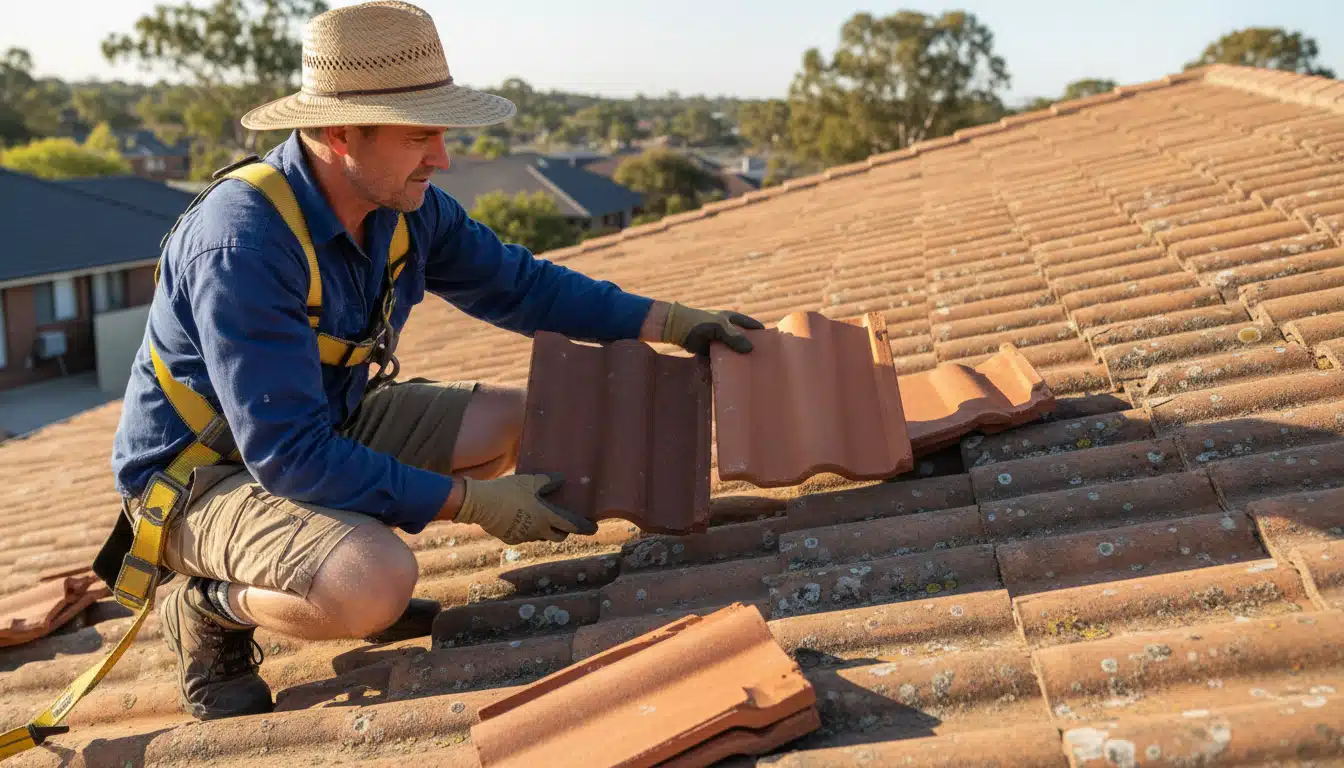
Professional roof access inspection every 3-5 years delivers a comprehensive valley assessment, including close examination of sealants, fasteners, substrate condition, and hidden corrosion. Qualified inspectors recognise subtle indicators that predict impending failure before leaks develop. Professional assessment includes photographic documentation and written reports that support informed decision-making about repair versus replacement approaches.
Thermal imaging inspection represents advanced diagnostic technology, identifying moisture infiltration not visible through conventional examination. Infrared cameras detect temperature variations that indicate water saturation in roof cavities beneath apparently intact valleys. This technology proves particularly valuable for properties experiencing ceiling stains where leak sources remain unclear despite visual inspection.
Emergency Warning Signs Demanding Immediate Response
Active leaking during or immediately following rainfall constitutes an emergency situation requiring immediate professional response. Property owners should document leak locations, contain interior damage through strategic bucket placement, and contact emergency roof repair services without delay. Temporary measures may include tarpaulin coverage over affected areas if safely accessible.
Structural sagging severe enough to create visible deformation from ground level indicates valley failure that could worsen rapidly under rainfall load. This degree of deterioration suggests imminent collapse risk, particularly if heavy debris has accumulated in sagged sections. Emergency assessment determines whether temporary support or immediate replacement becomes necessary to prevent catastrophic failure.
Ceiling collapse or severe water damage following storms requires immediate professional intervention to prevent electrical hazards and further property damage. These situations indicate that valley failure has progressed beyond minor leaks to major system compromise. Emergency response should include power isolation to affected areas, professional damage assessment, and immediate valley replacement planning.
Documentation for Insurance and Property Records
Photographic documentation of roof valley damage signs supports insurance claims when deterioration results from insured events like severe storms or hail. Property owners should photograph damage from multiple angles, include reference objects for scale, and date images immediately after discovery. This evidence substantiates claims whilst providing baseline documentation if damage progresses before repairs occur.
Professional inspection reports provide authoritative assessments supporting major valley replacement decisions and insurance claims. Qualified inspectors document damage objectively with technical descriptions that insurance adjusters accept as credible evidence. These reports also serve property sale disclosures, protecting sellers from future liability whilst informing buyers of known roofing conditions.
Maintenance records demonstrating regular inspection and timely repairs support property values whilst providing defence against insurance claim denials based on maintenance neglect. Property owners should retain all roofing inspection reports, repair invoices, and correspondence with contractors. This documentation demonstrates responsible property stewardship that insurers recognise when evaluating claims.
Preventative Maintenance Extending Valley Life
Regular roof cleaning removes organic debris that traps moisture against valley surfaces and accelerates corrosion. Annual cleaning eliminates leaves, bark, and moss that create persistently damp conditions ideal for biological growth that chemically attacks metal surfaces. This preventative maintenance extendsthe valley service life 20-30% compared to neglected systems.
Protective coating application during roof restoration work seals minor surface rust whilst providing additional UV protection that slows coating degradation. Dulux Acratex systems bond to properly prepared valley iron, creating barriers that reduce moisture penetration whilst reflecting solar radiation. This approach suits valleys showing early deterioration that don’t yet require complete replacement.
Gutter maintenance ensures valleys drain efficiently rather than backing up with water that causes prolonged moisture exposure. Blocked gutters create standing water in valley ends that submerges valley iron beneath water levels for extended periods. This constant saturation accelerates corrosion dramatically compared to valleys that drain immediately after rainfall. Regular gutter cleaning protects both gutter systems and valley iron by ensuring proper drainage function.
Regional Variation Across Western Australia
Perth’s coastal suburbs experience the most aggressive valley deterioration from salt exposure combined with high humidity. Properties in areas like Scarborough, Cottesloe, or Fremantle typically require valley replacement 25-30% sooner than inland equivalents. Coastal homeowners should anticipate a valley service life of 15-20 years for galvanised systems or 20-25 years for Colorbond installations.
Regional WA locations face different challenges from extreme temperature ranges and isolation from coastal moderation. Areas like Geraldton, Kalgoorlie, or Albany experience thermal cycling that stresses valley materials through wide daily temperature variations. These inland locations also contend with reduced access to specialised roofing contractors, making preventative maintenance and early problem detection especially important.
Perth’s hills areas encounter increased rainfall and vegetation coverage that promote moss growth and organic debris accumulation. Suburbs like Kalamunda, Mundaring, or Roleystone require more frequent cleaning to prevent debris-related valley deterioration. The higher rainfall in these areas also tests valley capacity during intense storms, identifying any capacity limitations or partial blockages more readily than drier locations.
Protecting Your WA Property Investment
Roof valleys represent small components that play disproportionately important roles in protecting Western Australian homes from water damage. The concentrated water flows channelled through valley systems during winter storms place enormous stress on these critical elements. When valleys fail, resulting leaks cause damage far exceeding the cost of preventative valley replacement identified through regular inspection.
Permacoat’s specialised experience in identifying roof valley damage signs stems from 50+ years of serving WA property owners. The company’s systematic inspection approach examines valleys comprehensively, documenting condition with photography whilst providing an honest assessment of repair versus replacement options. Free inspection services remove uncertainty about valley status whilst connecting property owners with Perth’s most experienced roofing professionals.
Property owners who notice rust on valley iron, ceiling stains near valley locations, or any warning signs discussed throughout this guide should arrange a professional inspection without delay. Early intervention allows valve replacement to proceed as planned maintenance rather than an emergency response to active leaks during winter storms. This proactive approach minimises project costs, prevents interior damage, and ensures valley systems receive proper replacement before deterioration compromises surrounding roof structures.
For comprehensive roof inspection that includes detailed valley assessment contact us on (08) 9249 5955. The company’s inspection specialists provide thorough evaluation with photographic documentation and written reports that help homeowners make informed decisions about valley condition. Free inspection services deliver professional expertise that identifies problems early whilst recommendations protect property values through timely maintenance. Schedule your free inspection today to verify valley condition and receive expert guidance on any required repairs or replacement work.