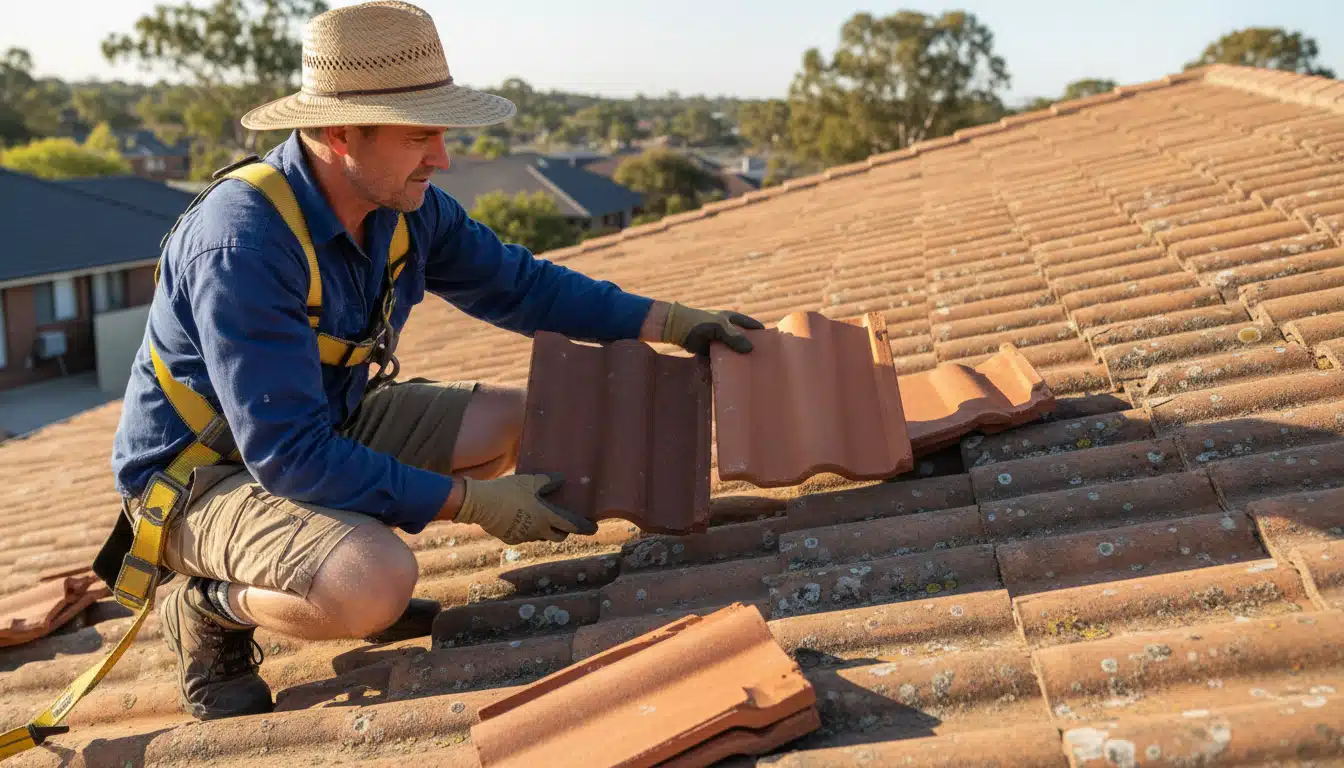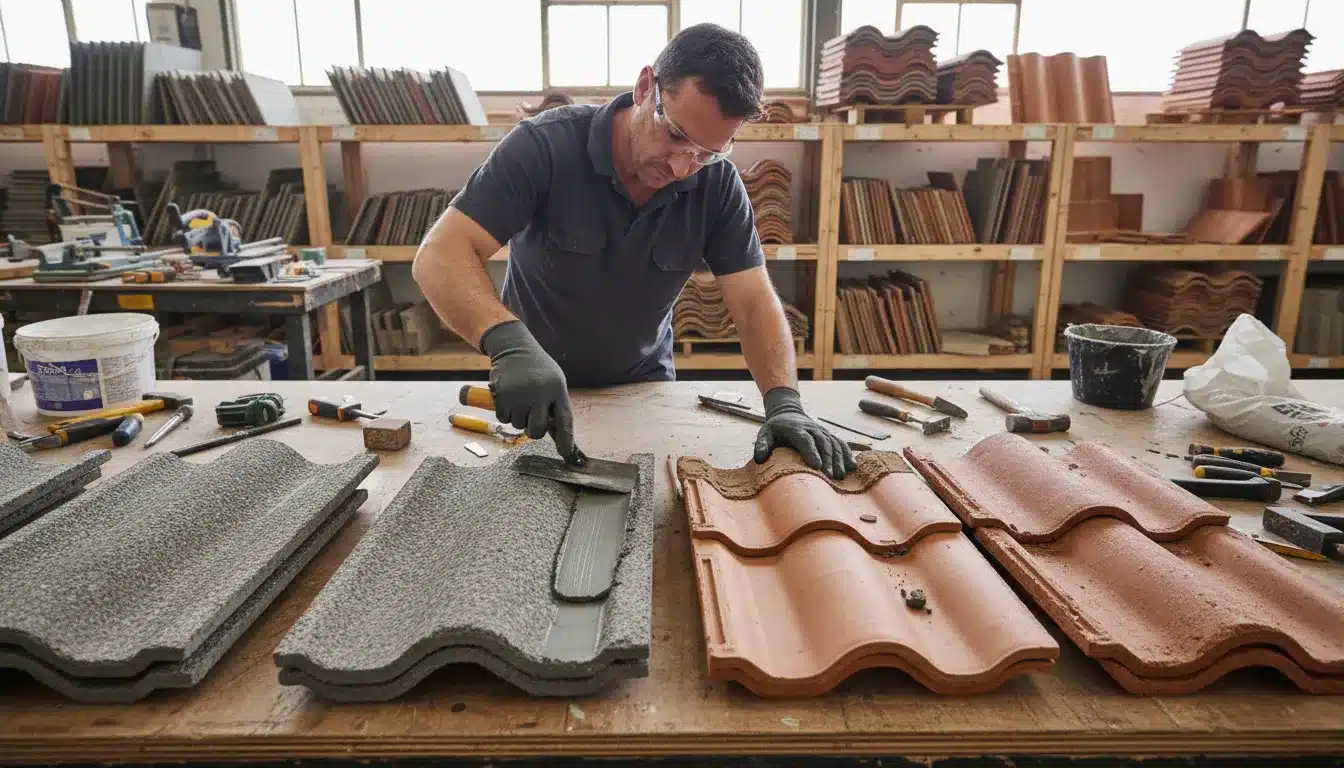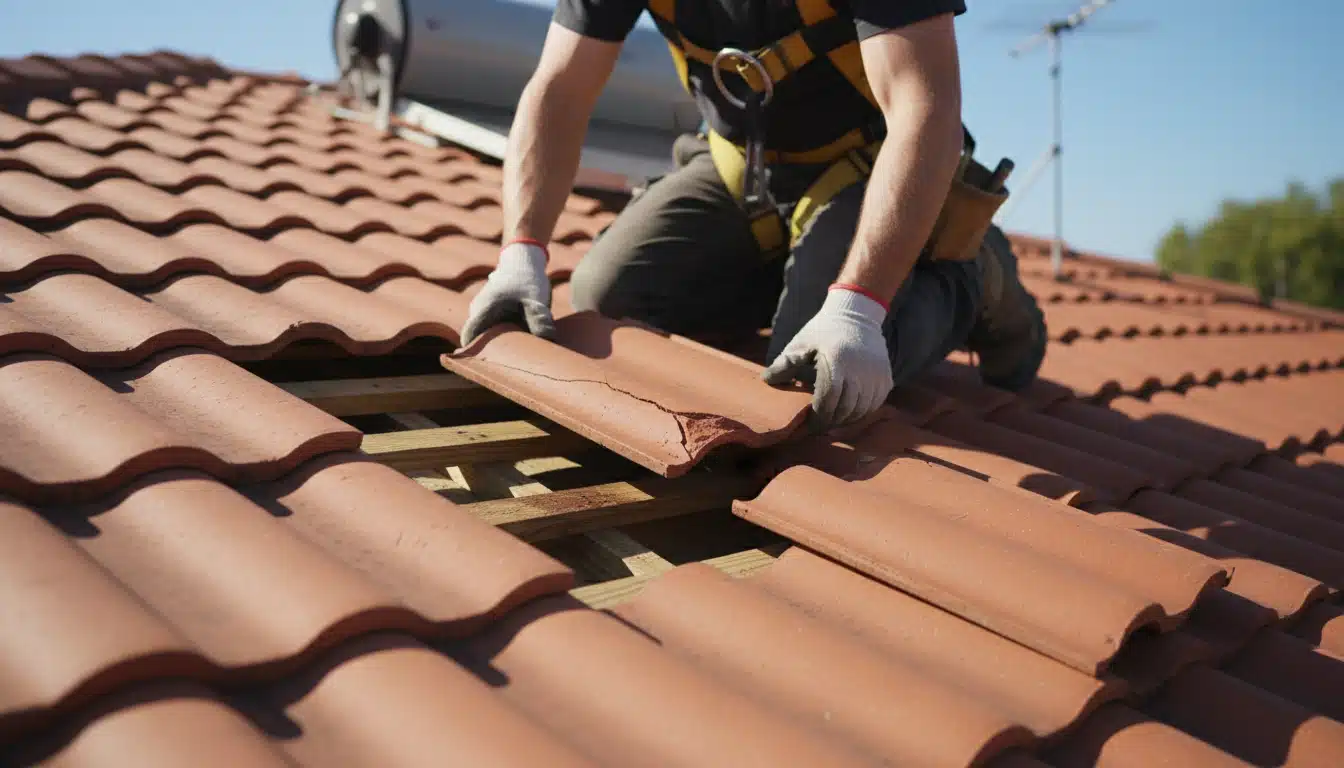
Western Australian homeowners investing in professional roof restoration services expect warranty protection ensuring work quality and material performance throughout specified coverage periods. Understanding roof restoration warranty Perth contractors provide helps property owners evaluate service proposals, compare contractor offerings, and recognise what protections actually cover versus common misconceptions. Comprehensive knowledge of warranty coverage terms empowers homeowners making informed restoration decisions whilst establishing realistic expectations about post-restoration support.
Permacoat provides transparent warranty coverage protecting Perth homeowners’ roof restoration investments through clear terms, comprehensive protection periods, and reliable claim support. The company’s 50+ years of service demonstrates warranty commitment through honouring coverage obligations across thousands of completed projects. This proven track record gives homeowners confidence their warranty protections deliver genuine value rather than meaningless paperwork contractors ignore when problems arise.
Types of Roofing Warranties
Material manufacturer warranties cover coating products, tiles, metal sheets, and other roofing materials against defects, premature deterioration, or performance failures. Premium manufacturers like Dulux provide warranties extending 15-20 years for coating systems when applied following prescribed specifications. These warranties typically cover material replacement costs whilst excluding labour for reapplication. Understanding manufacturer warranty terms helps homeowners select materials offering robust protection rather than products with minimal coverage.
Installation workmanship warranties protect against defects in application, preparation, or detail work performed by roofing contractors. Quality contractors provide workmanship warranties extending 3-5 years covering leak-free performance and proper installation technique. These warranties address installation errors, inadequate preparation, or substandard workmanship that material warranties don’t cover. Comprehensive workmanship warranty coverage demonstrates contractor confidence in work quality whilst protecting homeowner investments.
Performance warranties combining material and workmanship coverage provide comprehensive protection addressing both product quality and installation adequacy. These integrated warranties offer superior homeowner protection through single warranty documents covering all restoration aspects. However, performance warranties require careful review ensuring both material and labour receive adequate coverage periods rather than weighted toward short-term workmanship with minimal material protection.
Typical Coverage Periods and Terms
Coating system warranties from premium manufacturers typically extend 15-20 years when products apply to properly prepared substrates following manufacturer specifications. Dulux Acratex warranty systems provide industry-leading warranty periods reflecting product quality and proven Perth performance history. These extended warranties significantly exceed economy coating products offering 5-10 year coverage periods. The warranty duration difference justifies premium product costs through long-term protection value.
Leak warranties specifically guaranteeing weather-tight performance represent critical protection that roof restoration warranty Perth homeowners should verify. These warranties typically extend 12-36 months covering leak-free performance when roofs receive proper maintenance and avoid damage from external sources. Leak warranty specifics vary between contractors, with comprehensive coverage including labour and materials for leak repair whilst limited warranties cover materials only requiring homeowners fund labour costs.
Labour warranty coverage periods typically range 12-36 months depending on contractor standards and work complexity. This coverage addresses installation defects, inadequate preparation, or workmanship failures causing performance problems. Quality contractors extend labour warranties beyond minimum periods demonstrating confidence whilst premium operators provide 5-year labour coverage matching their elevated service standards.
What Warranties Typically Cover
Material defects including coating delamination, premature chalking, or colour fading fall within manufacturer warranty coverage when materials fail meeting specified performance standards. These defects must result from manufacturing problems rather than improper application, inadequate maintenance, or environmental exposures exceeding product specifications. Warranty claims require documentation proving defects rather than normal wear or misuse caused failures.
Installation failures including inadequate adhesion, insufficient coating thickness, or improper surface preparation receive coverage under workmanship warranties when these defects cause performance problems. Professional contractors must correct installation defects at their expense when problems arise within warranty periods. This protection ensures homeowners receive quality work meeting industry standards rather than accepting substandard installation requiring premature replacement.
Leak penetration resulting from either material failure or installation defects receives coverage under comprehensive warranty programs. This protection proves particularly valuable given roof weatherproofing represents the fundamental restoration purpose. Warranties should specify whether leak repairs include labour, materials, and consequential damage or cover only direct repair costs excluding interior damage restoration.
Common Warranty Exclusions
Acts of God including extreme weather events, earthquakes, or catastrophic occurrences typically fall outside warranty coverage as unforeseeable events exceeding normal environmental exposures. Severe hail, exceptional wind events, or fire damage don’t indicate warranty failures but rather insured events home insurance policies should cover. Understanding this distinction prevents unrealistic warranty claim expectations when insured events cause damage.
Lack of maintenance represents the most common warranty exclusion denying coverage when homeowners neglect basic roof care. Blocked gutters causing water backup, accumulated debris retaining moisture, or failure to address minor damage promptly void warranty protection. Most warranties specify minimum maintenance requirements including annual cleaning and periodic inspection. Documentation of performed maintenance helps defend against warranty denial based on maintenance exclusion arguments.
Unauthorised modifications or repairs performed without contractor approval void warranty coverage for affected roof areas. Homeowners installing solar panels, satellite dishes, or ventilation systems without consulting original contractors risk warranty invalidation. These modifications might compromise weatherproofing or damage coating systems creating problems contractors shouldn’t bear responsibility for addressing.
Material Warranty Specifics
Coating performance warranties from manufacturers specify expected service life under defined environmental conditions. Perth’s climate classification affects warranty applicability with coastal exposure potentially requiring enhanced products or reducing coverage periods compared to inland installations. Homeowners should verify warranty terms account for their specific property location and exposure conditions rather than assuming generic warranty provisions apply universally.
Tile manufacturer warranties covering terracotta or concrete products address material integrity, frost resistance, and structural soundness. These warranties typically extend 30-50 years reflecting durable material nature whilst excluding surface appearance changes from weathering or biological growth. Understanding these coverage limitations prevents disappointed expectations when tiles develop patina or require cleaning despite remaining structurally sound within warranty periods.
Metal roofing warranties from Colorbond and other steel manufacturers cover corrosion perforation and coating adhesion whilst excluding surface scratches, minor dents, or cosmetic blemishes. Warranty periods range 10-25 years depending on coating grade and environmental exposure. Coastal installations might receive shorter coverage periods reflecting aggressive marine environments. Professional roof restoration warranty Perth programs specify appropriate materials matching warranty coverage to site conditions.
Installation Warranty Details
Surface preparation warranties guarantee proper cleaning, rust treatment, and substrate readiness supporting coating adhesion and performance. Inadequate preparation causing premature coating failure receives coverage under installation warranties when preparation deficiencies prove responsible. Quality contractors document preparation work through photography providing evidence supporting warranty validity if preparation disputes arise.
Application technique warranties cover proper coating thickness, appropriate curing conditions, and correct product mixing ensuring optimal performance. These warranties protect against rushed application, inadequate thickness, or improper environmental conditions compromising coating integrity. Professional contractors maintain application records documenting weather conditions, coating thickness measurements, and curing periods supporting warranty defence if application quality questions emerge.
Detail work warranties address flashings, penetration sealing, and transition treatments critical for complete weatherproofing. These details often determine overall roof performance despite representing small surface area percentages. Comprehensive warranty coverage includes specific detail work provisions ensuring these critical areas receive proper attention and warranty protection matching general roof surface coverage.
Warranty Transfer Provisions
Transferability clauses determine whether warranties protect subsequent property owners when homes sell during warranty periods. Transferable warranties add property value whilst non-transferable coverage benefits only original homeowners. Most manufacturer warranties transfer automatically to new owners whilst contractor workmanship warranties might require notification or transfer fees. Understanding transferability affects property sale values and buyer confidence in roof condition.
Transfer notification requirements specify procedures original owners must follow ensuring warranty protection continues for new property owners. These procedures might include notifying contractors within specified timeframes, paying nominal transfer fees, or providing new owners warranty documentation. Compliance with notification requirements maintains warranty validity whilst procedural failures risk coverage termination despite remaining warranty periods.
Transfer limitations might restrict warranty coverage for new owners through reduced periods, elimination of labour coverage, or other restrictions compared to original warranty terms. These limitations reduce warranty value for property purchasers whilst affecting property marketability. Homeowners should verify specific transfer provisions before restoration work ensuring warranty protection maximises property value during ownership and potential future sale.
Warranty Claim Procedures
Claim notification requirements specify timeframes for reporting problems to contractors or manufacturers. Most warranties require prompt notification upon discovering defects rather than allowing extended delays before claim submission. Timely reporting allows contractors assessing problems whilst conditions remain unchanged. Delayed notification might prejudice claims when damage progression makes original cause determination difficult.
Documentation requirements for warranty claims typically include photographs showing defects, written descriptions of problems, and evidence supporting covered defect claims versus excluded damage. Professional roof restoration warranty Perth contractors like Permacoat guide homeowners through documentation requirements ensuring claims include necessary evidence supporting successful resolution. Thorough documentation prevents claim delays or denials resulting from insufficient information.
Inspection and assessment procedures allow contractors or manufacturers examining claimed defects, determining coverage applicability, and developing remediation plans. These inspections might require roof access, sample collection, or laboratory testing establishing failure causes. Homeowners should cooperate with reasonable inspection requests whilst ensuring assessments occur promptly preventing extended problem exposure.
Contractor Obligations Under Warranties
Repair response timeframes specify how quickly contractors must address warranty claims after receiving proper notification. Quality warranties include defined response periods ensuring homeowners receive timely service rather than indefinite delays. Emergency leak situations might require 24-48 hour response whilst non-urgent defects allow 5-10 business day response windows. Clear timeframe provisions prevent contractor delays whilst establishing reasonable service expectations.
Scope of repair obligations determines whether contractors must repair only defective areas or address broader roof sections ensuring consistent appearance and performance. Minimum compliance repairs address only immediate problems whilst comprehensive approaches ensure entire roof sections receive consistent treatment. Understanding scope provisions prevents disputes about repair extent when defects affect limited areas within larger roof sections.
Cost responsibilities clearly define whether contractors bear all repair costs including labour, materials, access equipment, and related expenses or whether homeowners fund certain cost components. Comprehensive warranties covering all reasonable repair costs provide superior protection compared to limited warranties requiring homeowner cost sharing. Contract review before work commencement ensures cost responsibility understanding preventing surprise expenses when warranty claims arise.
Material Supplier Warranty Support
Direct manufacturer support provides technical expertise, product replacement, and claim processing assistance when material defects cause warranty claims. Established manufacturers maintain customer service infrastructure supporting warranty administration whilst providing contractors technical guidance resolving complex problems. This manufacturer backing enhances warranty value compared to products from suppliers offering minimal post-sale support.
Product discontinuation concerns arise when materials become unavailable during warranty periods requiring repairs with substitute products. Quality manufacturers maintain product lines consistently or provide equivalent replacements ensuring warranty repairs achieve acceptable results. Warranty terms should address discontinuation scenarios specifying how contractors source suitable replacement materials maintaining roof appearance and performance.
Testing and analysis capabilities manufacturers provide help determine whether claimed defects result from product failures or application errors. Laboratory analysis of coating samples, tile testing, or metal evaluation establishes failure causes guiding warranty claim resolutions. This technical capability supports fair claim determinations protecting both homeowner and contractor interests through objective evidence rather than subjective opinions.
Maintenance Requirements Preserving Coverage
Minimum maintenance standards specified in warranty terms typically require annual gutter cleaning, periodic roof inspection, and prompt attention to minor damage or debris accumulation. These requirements prove reasonable expectations for responsible property ownership whilst protecting warranty validity. Homeowners should document maintenance compliance through service invoices, inspection reports, and photographic records.
Prohibited activities including pressure washing at excessive pressures, chemical treatments without approval, or unauthorised repairs void warranty protection when these actions damage roof coating systems or roof components. Warranties specify acceptable maintenance methods whilst prohibiting practices risking roof damage. Homeowners should consult contractors before undertaking maintenance activities beyond basic cleaning ensuring compliance with warranty terms.
Documentation obligations require maintaining maintenance records, inspection reports, and repair invoices throughout warranty periods. These records prove maintenance compliance when warranty claims arise potentially facing maintenance exclusion arguments. Systematic record keeping demonstrates responsible property management whilst providing evidence defending against unwarranted claim denials.
Warranty Value in Property Transactions
Property sale advantages from transferable roof restoration warranty Perth coverage include enhanced buyer confidence, reduced inspection concerns, and competitive differentiation in crowded markets. Buyers purchasing homes with substantial remaining warranty periods gain peace of mind about roof condition whilst reducing potential repair costs during early ownership years. These advantages justify premium pricing compared to homes with expired or non-existent roof warranties.
Disclosure requirements mandate revealing roof warranty status, transferability provisions, and any known roof problems during property sales. Honest disclosure prevents future disputes whilst maintaining ethical obligations to prospective purchasers. Documentation including warranty certificates, transfer procedures, and contractor contact information should transfer to new owners ensuring seamless warranty continuation.
Warranty inspection services before property sales verify warranty validity, assess transfer eligibility, and identify potential warranty complications affecting property transactions. Professional contractors provide written confirmation of warranty status reassuring purchasers about protection legitimacy. This verification proves particularly valuable for older warranties where contractor businesses might have changed ownership or original documentation disappeared.
Comparing Warranty Offerings
Warranty length comparisons between contractor proposals require careful analysis ensuring equivalent coverage periods apply to both materials and workmanship. Proposals might advertise long material warranties whilst providing minimal workmanship coverage creating misleading impressions of comprehensive protection. Homeowners should compare specific coverage periods for each warranty component evaluating true protection extent.
Coverage scope differences between contractors affect warranty value through included versus excluded protections. Comprehensive warranties covering materials, labour, leak performance, and consequential damage provide superior protection compared to limited warranties addressing only material replacement costs. Detailed comparison of coverage provisions reveals true warranty value beyond headline warranty period advertisements.
Contractor stability and reputation determine whether warranty promises deliver actual protection or represent worthless commitments from unstable businesses. Established contractors like Permacoat with 50+ years operating history provide warranty security that start-up operators cannot match. Verifying contractor business longevity, financial stability, and industry reputation ensures warranty documents represent genuine protection rather than empty promises.
Warranty Enforcement and Dispute Resolution
Internal complaint procedures within contracting companies provide first-level dispute resolution when warranty claims face denial or inadequate response. Written complaints to senior management often receive more serious attention than informal discussions with project supervisors. Systematic complaint escalation through company hierarchies frequently resolves disputes without requiring external intervention.
Industry association mediation services including Master Builders Association or Housing Industry Association provide independent dispute resolution when internal processes fail. These industry bodies maintain mediation programs helping resolve contractor-homeowner disputes fairly. Mediation typically costs less than legal action whilst delivering faster resolutions than court proceedings.
Legal action represents final warranty dispute resolution when other avenues fail producing acceptable outcomes. Small claims tribunals handle disputes below specified monetary thresholds whilst larger claims require formal legal proceedings. Legal costs potentially exceed disputed amounts making this option appropriate only for substantial warranty failures justifying legal expense.
Insurance Backing of Warranties
Contractor insurance protecting warranty obligations provides additional security when contractors cease operations before warranty periods expire. This insurance continues warranty coverage despite contractor business failures. However, not all contractors maintain such insurance making verification important during contractor selection. Insurance-backed warranties prove particularly valuable for long-term coverage periods where contractor longevity uncertainty creates risks.
Industry warranty insurance schemes available through some jurisdictions provide government or industry-backed warranty protection when contractors default on obligations. These schemes typically cover residential construction work including roofing installations. Homeowners should verify whether such schemes protect their projects providing additional warranty security beyond individual contractor solvency.
Statutory warranty protections under consumer law supplement contractual warranties providing minimum coverage regardless of written warranty terms. These statutory protections vary between jurisdictions but generally require materials be fit for purpose and work meet acceptable quality standards. Understanding statutory rights helps homeowners recognise protections beyond specific warranty documents contractors provide.
Maximising Warranty Value
Contractor selection prioritising warranty reputation and reliability delivers better long-term value than choosing contractors based solely on price or warranty period headlines. Contractors with proven warranty honouring records provide genuine protection whilst operators with complaint histories offer questionable warranty value regardless of written terms. Research of contractor reputation through reviews, referrals, and industry standing reveals warranty reliability likelihood.
Documentation maintenance throughout ownership including warranty certificates, transfer documents, maintenance records, and contractor contact information preserves warranty accessibility. Lost documentation complicates warranty claims or transfers whilst comprehensive records streamline warranty processes. Systematic record keeping in dedicated files ensures warranty information remains accessible when needed.
Regular communication with contractors maintaining awareness of business changes, ownership transitions, or contact updates prevents warranty administration complications. Contractors changing business structures, relocating, or modifying contact details should notify warranty holders ensuring continued accessibility. Homeowners should update warranty records reflecting any contractor business changes maintaining claim pathway clarity.
Protecting Your Roofing Investment
Roof restoration warranty Perth coverage represents valuable protection ensuring quality work and material performance throughout specified periods. Understanding warranty terms, maintaining coverage through proper maintenance, and recognising legitimate protections versus misleading claims helps homeowners maximise warranty benefits. Professional contractors providing comprehensive warranty coverage demonstrate confidence in work quality whilst protecting homeowner investments.
Permacoat’s warranty programs deliver genuine protection through clear terms, comprehensive coverage, and proven reliability honouring warranty obligations across 50+ years of service. The company’s systematic warranty administration ensures homeowners receive prompt, fair responses when warranty situations arise. This commitment to warranty integrity distinguishes quality contractors from operators treating warranties as meaningless marketing tools.
Perth homeowners should evaluate warranty coverage carefully during contractor selection, maintain proper documentation throughout ownership, and communicate warranty transfers during property sales. These practices maximise warranty value whilst ensuring protection delivers genuine benefits rather than worthless paper promises. Professional guidance helps homeowners understand warranty provisions making informed decisions about roof restoration investments.
Permacoat provides detailed warranty information explaining coverage terms, maintenance requirements, and claim procedures. The company’s transparent warranty approach helps homeowners understand protections while ensuring restoration investments receive comprehensive support. Free consultation services on (08) 9249 5955 connect homeowners with Perth’s most reputable roofing professionals who deliver warranties backed by decades of proven reliability.