Perth’s extreme summer temperatures create challenging conditions for re-roofing schedule projects. When surface temperatures on metal roofs exceed 70°C during December and January, both material performance and worker safety become serious concerns. Choosing the right months for re-roofing in Perth projects can mean the difference between a smooth installation and costly complications.
The data from 30,000+ roof projects completed across Perth shows clear patterns. Projects scheduled during autumn and spring consistently deliver better outcomes – fewer material issues, faster completion times, and superior long-term performance. Understanding these seasonal factors helps homeowners make informed decisions about when to schedule their re-roofing work.
Why Summer Re-Roofing Creates Problems
Perth’s summer heat impacts re-roofing projects in several measurable ways. Metal roofing materials expand significantly in extreme temperatures, making precise installation difficult. When installers work with Colorbond sheets at 65°C surface temperatures, the metal continues expanding and contracting during installation, affecting screw placement and sheet alignment.
Productivity and Performance Issues
Worker productivity drops 30-40% during extreme heat days. What might take a crew three days in mild weather can stretch to five days in summer conditions for summer roofing Perth. This extended timeline increases labour costs and extends the period homes remain partially exposed.
Material adhesives and sealants perform differently in extreme heat. Valley flashings, ridge capping sealants, and sarking adhesives all have optimal temperature ranges for application. When temperatures exceed manufacturer specifications, warranty coverage may become void.
Safety Risk Escalation
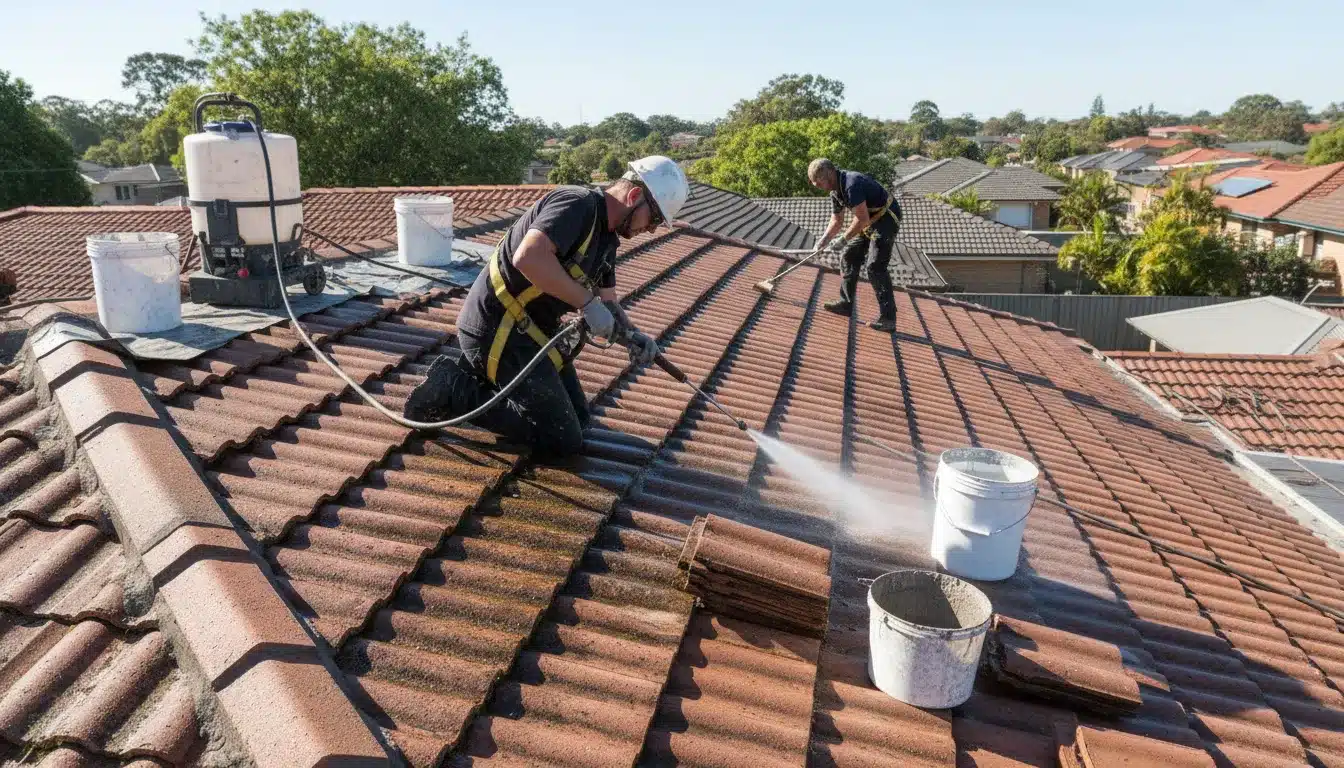
Safety risks multiply during summer re-roofing. Heat stress, dehydration, and reduced concentration levels increase accident risks on elevated work sites. Responsible contractors like Permacoat implement strict heat policies, sometimes requiring work stoppages when temperatures exceed safe thresholds.
The Ideal Re-Roofing Window: March to May
Autumn emerges as Perth’s premium re-roofing season for optimal re-roofing schedule success. March through May offers the ideal combination of moderate temperatures, stable weather patterns, and low rainfall probability.
Temperature Stability Benefits
Temperature stability during these months keeps roof surface temperatures between 25-35°C during working hours. This range allows materials to perform exactly as manufacturers intended. Colorbond sheets remain dimensionally stable, sealants cure properly, and installers can work efficiently without heat-related slowdowns.
Rainfall statistics for Perth show autumn as one of the driest periods. March averages just 20mm of rainfall, April sees 45mm, and May receives 80mm. Compare this to winter months where June through August can deliver 130-180mm monthly. Less rain means fewer weather delays and consistent project progression.
Daylight and Completion Advantages
Extended daylight hours in March and April provide longer working windows compared to winter months. Crews can complete more work per day, reducing overall project duration and minimizing the time homes remain partially exposed.
The autumn re-roofing schedule allows homeowners to complete projects before winter rains arrive. A roof installed in April has several weeks to settle and seal before facing its first significant weather test. This curing period proves critical for long-term performance.
Spring Re-Roofing: The Second-Best Option
September through November represents Perth’s second optimal re-roofing window for successful spring re-roofing. Spring conditions mirror many of autumn’s advantages while presenting some unique considerations.
Early Spring Transition
September brings increasing temperatures and decreasing rainfall after the wet winter months. Average rainfall drops to 80mm, and temperatures range from 12-20°C. Early spring occasionally sees late-season cold fronts, but these become less frequent as the month progresses.
October delivers near-perfect conditions with minimal rainfall (40mm average) and comfortable temperatures between 14-23°C. This month consistently ranks as one of Perth’s best for roofing projects. Material performance remains optimal, and workers maintain high productivity levels.
Late Spring Considerations
November marks the transition toward summer heat. While still manageable, temperatures begin climbing toward 30°C maximums. Early November projects work well, but late-November scheduling starts encountering the challenges of approaching summer conditions.
Spring re-roofing offers one strategic advantage over autumn – completing the project before the harsh summer sun tests the roof. A roof installed in October has several months to settle before facing Perth’s most extreme conditions.
Winter Re-Roofing: Workable but Challenging
June through August presents Perth’s wettest months, making re-roofing more complicated but not impossible. Experienced contractors successfully complete winter projects by adapting schedules and methods to accommodate rainfall.
Rainfall Management Strategies
Rainfall management becomes the primary concern. With monthly averages between 130-180mm, project delays become inevitable. Contractors must carefully monitor weather forecasts and schedule work around rain events. What might take one week in autumn could extend to two or three weeks in winter due to weather interruptions.
Temperature conditions during winter actually benefit some aspects of re-roofing. Cooler temperatures reduce heat stress on workers and materials. Metal sheets remain stable, and sealants cure slowly but thoroughly. The challenge lies in working around wet conditions rather than temperature extremes.
Installation Protection Requirements
Sarking installation during winter requires extra attention. Moisture barriers must be installed and sealed quickly to prevent water infiltration if unexpected rain arrives. Experienced teams work in sections, ensuring each area is weather-tight before moving to the next.
Winter scheduling offers one advantage – contractor availability. Many homeowners avoid winter projects, meaning less competition for booking dates and potentially more flexible scheduling. Some contractors offer winter discounts to maintain steady workflow during slower months.
For urgent situations where roof repairs in Perth services cannot wait until spring or autumn, winter re-roofing remains viable with proper planning and experienced contractors who understand how to work safely around Perth’s wet season.
Summer Re-Roofing: Last Resort Only
December through February represents Perth’s most challenging re-roofing period for summer roofing Perth projects. Unless circumstances demand immediate action, homeowners should avoid summer scheduling.
Extreme Temperature Complications
Extreme temperatures create multiple complications. When air temperatures reach 38-42°C, roof surface temperatures can exceed 70°C on metal roofs. At these temperatures, installers cannot safely handle materials without protective equipment, slowing work considerably.
Material expansion becomes pronounced in summer heat. A 6-metre Colorbond sheet can expand 10-15mm between morning and afternoon temperatures. This expansion makes precise installation difficult and can lead to issues with screw placement, sheet overlap, and flashing alignment.
Safety and Cost Impacts
Worker safety concerns intensify during summer. Heat stress policies require regular breaks, reduced work hours, and sometimes complete work stoppages during extreme heat days. A project that might take three days in autumn could stretch to six or seven days in summer due to these necessary safety measures.
Cost implications often increase for summer projects. Extended timelines mean higher labour costs. Some contractors apply heat loading surcharges to cover additional safety requirements and reduced productivity. Emergency water and cooling requirements add further expenses.
Emergency Summer Work
If summer re-roofing becomes unavoidable due to storm damage or complete roof failure, experienced contractors implement strict protocols. Work begins at dawn, targeting completion of critical weatherproofing before peak heat arrives. Afternoon hours focus on preparation work that can be done in shaded areas.
How Perth’s Coastal Location Affects Re-Roofing Timing
Perth’s position on the Indian Ocean creates microclimates that influence optimal re-roofing schedules. Coastal properties face different considerations than inland suburbs.
Coastal Temperature Moderation
Coastal suburbs from Fremantle to Quinns Rocks experience the moderating influence of sea breezes. Summer temperatures typically run 3-5°C cooler than inland areas, making summer re-roofing slightly more manageable for coastal properties. However, salt exposure year-round means material selection and proper installation become even more critical regardless of season.
Inland suburbs including Midland, Ellenbrook, and areas east of the escarpment experience more extreme temperature variations. Summer days regularly exceed 40°C, making summer re-roofing particularly challenging. These areas benefit most from strict autumn or spring scheduling.
Sea Breeze Patterns
The sea breeze typically arrives between noon and 2pm during summer months, providing temporary relief from peak heat. Coastal contractors often schedule critical installation work for early morning, take extended midday breaks during peak heat, then resume work as the sea breeze arrives.
Salt exposure affects material curing and adhesion regardless of season. Coastal re-roofing projects require specific sealants and fasteners designed for marine environments. Spring and autumn scheduling allows these materials to cure properly before facing summer’s intense UV exposure or winter’s salt-laden rain.
Planning Your Re-Roofing Schedule
Strategic scheduling begins months before installation. Homeowners who plan ahead secure better contractor availability, avoid weather-related delays, and achieve superior results.
Booking Timeline Strategy
Booking timelines vary by season. For autumn re-roofing (March-May), contact contractors in January. This advance booking ensures availability during peak demand periods. Spring projects (September-November) should be booked by July. Winter projects typically allow shorter booking windows due to lower demand.
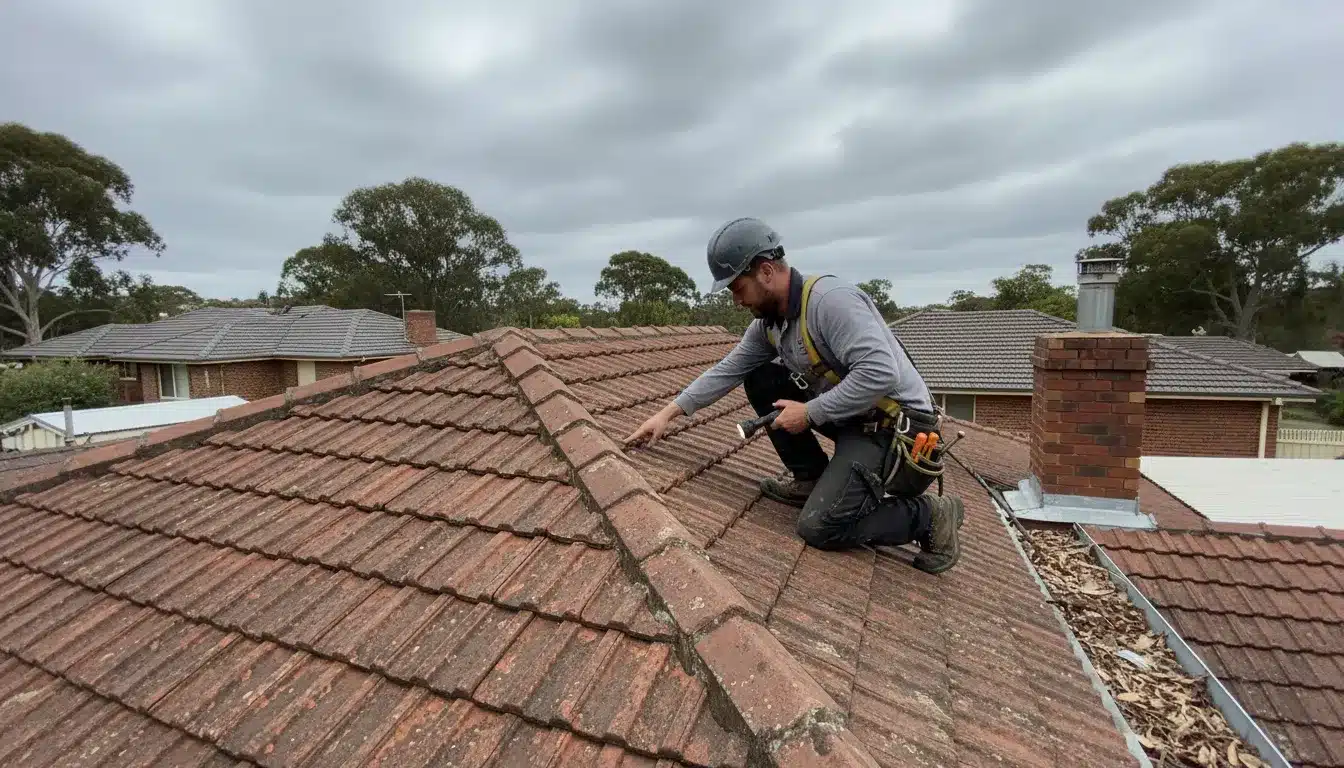
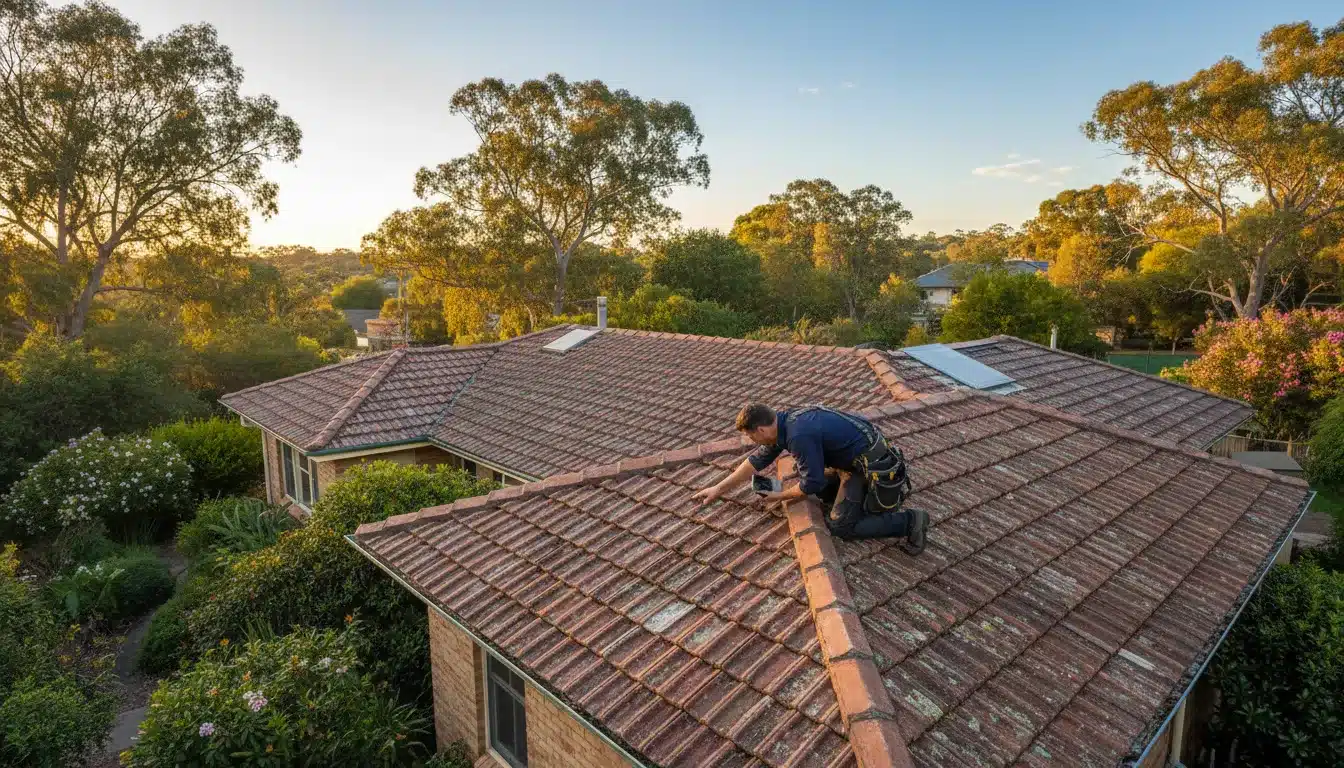
Project assessment should occur well before target installation dates. Contact Permacoat for a free roof inspection several months ahead. This assessment identifies any structural issues requiring attention before re-roofing begins, preventing last-minute delays.
Material and Coordination Planning
Material ordering requires coordination with chosen seasons. Some Colorbond colours and profiles require 6-8 week lead times. Ordering materials to arrive just before scheduled installation dates prevents on-site storage issues while ensuring everything arrives when needed.
Neighbour notification becomes important for re-roofing projects. The work generates noise and requires vehicle access. Providing neighbours with advance notice of scheduled dates maintains good relationships and prevents conflicts.
Material Considerations for Different Seasons
Re-roofing materials perform differently across seasons, influencing both installation methods and long-term outcomes.
Colorbond Installation Performance
Colorbond steel remains Perth’s most popular roofing material due to its durability and thermal performance. Spring and autumn installation allows the factory-applied coating to settle properly before facing extreme conditions. Summer installation can cause thermal stress during the first weeks, though quality materials withstand this if properly installed.
Sarking and insulation installation benefits from dry conditions. Autumn’s low humidity allows these moisture-sensitive materials to install cleanly without condensation concerns. Winter installation requires extra care to keep materials dry during unpredictable weather.
Sealant and Coating Applications
Sealants and adhesives perform optimally within specific temperature ranges. Most products specify 10-30°C for application. Autumn and spring consistently deliver these conditions. Winter applications sometimes require low-temperature formulations, while summer may need special high-temperature products.
Roof coatings applied during re-roofing projects cure best in moderate temperatures with low humidity. The coatings used by quality contractors include Dulux Acratex systems that specify optimal application conditions. Spring and autumn deliver these conditions consistently.
Cost Implications of Seasonal Scheduling
Re-roofing costs fluctuate throughout the year based on demand, weather risks, and productivity factors.
Seasonal Pricing Patterns
Autumn pricing typically reflects standard market rates. High demand during this optimal period means contractors maintain full schedules at regular pricing. The investment proves worthwhile through faster completion and superior outcomes.
Spring rates mirror autumn pricing for similar reasons. This second peak season sees strong demand from homeowners who missed autumn scheduling or discovered issues during winter.
Off-Season Economics
Winter discounts sometimes appear as contractors seek to maintain steady workflow during slower months. Savings of 10-15% occasionally emerge, though these must be weighed against potential weather delays and extended project timelines.
Summer surcharges may apply when urgent circumstances force summer scheduling. Additional costs cover heat safety requirements, reduced productivity, and the premium contractors charge for working in challenging conditions.
The true cost comparison extends beyond initial pricing. A summer project taking twice as long due to heat delays might cost less upfront but create hidden expenses through extended temporary accommodation if homes become unlivable during extended work periods.
When Urgent Re-Roofing Cannot Wait
Some circumstances demand immediate re-roofing regardless of season. Storm damage, complete roof failure, or structural issues sometimes eliminate the luxury of waiting for optimal conditions.
Emergency Assessment Options
Emergency assessment determines whether temporary repairs can safely extend roof life until favourable weather arrives, or whether immediate replacement becomes necessary. Experienced contractors provide honest assessments rather than pushing unnecessary urgent work.
Temporary solutions including tarpaulins, emergency patching, and localized repairs sometimes bridge the gap between discovery of problems and optimal re-roofing conditions. These solutions cost a fraction of full replacement while protecting homes until proper scheduling becomes possible.
Staged Re-Roofing Approaches
Staged approaches work for some situations. Critical sections requiring immediate attention receive priority treatment, while less urgent areas wait for better conditions. This compromise protects homes while minimizing work performed during challenging weather.
Insurance considerations influence timing when storm damage triggers re-roofing needs. Insurance assessors and claim timelines sometimes dictate scheduling regardless of weather conditions. Discussing optimal timing with insurers sometimes allows flexibility for better outcomes.
Conclusion
Perth’s climate creates distinct windows for optimal re-roofing work. Autumn months from March through May consistently deliver the best combination of stable temperatures, low rainfall, and ideal working conditions. Spring’s September through November period offers a strong second choice with similar advantages.
The 50+ years of experience completing re-roofing projects across Perth has shown that seasonal timing significantly impacts project outcomes. Materials perform better, installations proceed faster, and long-term results prove superior when work occurs during moderate weather periods. While winter re-roofing remains workable with proper planning, and emergency summer projects sometimes become necessary, homeowners who can schedule their re-roofing during optimal seasons consistently achieve better value and outcomes.
For expert guidance on re-roofing in Perth with optimal seasonal timing, call (08) 9249 5955 to schedule a free roof inspection.