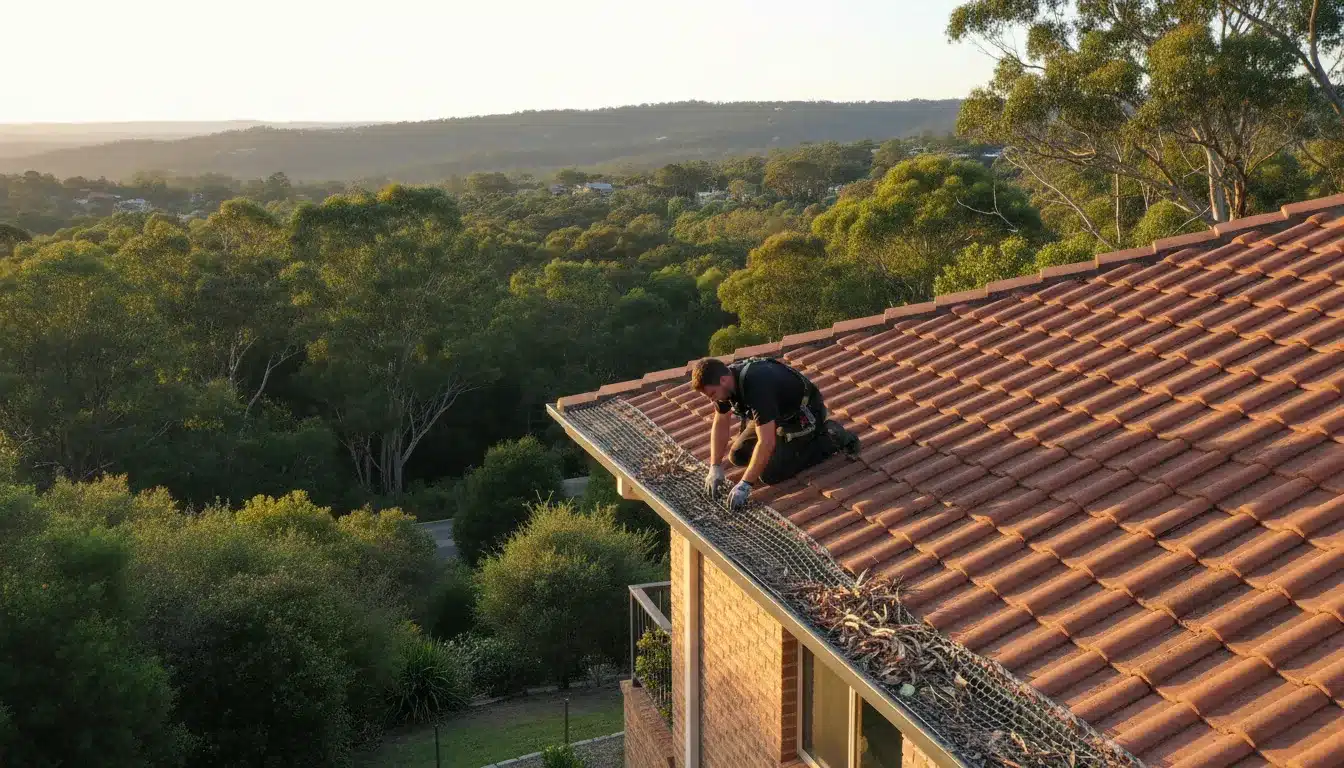
Yes, gutter guards can work in the Perth Hills, but they do not make gutters maintenance-free. A suitable system can reduce the amount of leaves and larger debris entering gutters, slow the formation of blockages and make routine cleaning more manageable. It still needs inspection, surface clearing and sound drainage beneath it.
Results depend on what falls onto the roof, the gutter condition, roof pitch, valley layout and quality of installation. A mesh that handles broad leaves may behave differently when exposed to bark strands, gum blossom, fine seeds, dust or ash. The right decision starts with the property rather than a universal product claim.
Gutter guard installation is most useful where tree cover creates recurring blockages or roof access makes frequent cleaning difficult. It is less useful when the main fault is a sagging gutter, poor fall, blocked downpipe or damaged roof edge. Covering those defects can hide them without improving drainage.
For Perth Hills maintenance, the honest expectation is reduced debris inside the gutter, not an end to roof-edge care. Homeowners still need a safe inspection routine before wet weather, after heavy leaf fall and following strong winds or storms.
What Gutter Guards Actually Do
A gutter guard creates a barrier across the gutter opening. Rainwater passes through or around that barrier while larger material stays on top. A sound result is not a perfectly clean roof edge, but a drainage path that remains easier to inspect and less likely to fill rapidly. Existing gutter and downpipe work should be assessed first if runoff already escapes at corners, outlets or low points.
The barrier changes where debris collects. Leaves that once settled inside the gutter may sit on the mesh until wind removes them or maintenance clears them. Smaller particles can pass through, settle below the guard or bind together on its surface. That is why guards reduce one type of cleaning rather than eliminate all cleaning.
Gutter guard installation can also limit access to the gutter channel. If fine material accumulates underneath, sections may need to be lifted or accessed through designed openings. The practical value depends on whether the chosen system makes that work safer and more predictable than the current cleaning cycle.
Why Perth Hills Roofs Need a Site-Specific Choice
Tree cover varies from one street and slope to the next. Eucalypt leaves, twigs, bark ribbons, blossom and seed pods behave differently on a roof. Long, narrow material can bridge across openings, while fine matter may pass through mesh and settle as sediment. A useful assessment looks at the actual mix collected in the gutters during the year.
Roof geometry matters just as much. Steeper pitches move water and loose material quickly towards the edge. Valleys concentrate runoff from two roof planes into a smaller area. Upper roofs may discharge onto lower sections, creating localised flow that is much heavier than the surrounding gutter run. If these areas already leak, targeted roof repairs may be needed before a guard is considered.
Sun, wind and seasonal rain also influence performance. Dry leaves can gather during warmer months, then shift suddenly when weather changes. Wind may clear an exposed straight run while packing debris into a sheltered corner. The same product can therefore perform differently on two sides of one house.
Homes in bush settings need particular care. A guard may reduce leaf entry into the gutter, but combustible material can still rest on top, collect at valleys or lodge around roof penetrations. Bushfire preparation still requires debris checks and clearing based on the property’s conditions and current local advice.
Mesh, Perforated and Brush Systems
Fine metal mesh excludes many leaves and can discourage larger debris from entering the gutter. It may suit roofs affected by mixed leaf sizes, provided the aperture, fixing method and edge details suit the roof. Fine mesh can still hold dust, pollen and decomposed organic matter, so water flow across the surface needs to be checked during maintenance.
Perforated metal guards use holes or slots to admit water. Their rigid surface can be durable, but opening size affects what passes through and what remains above. Smooth material may slide away from a steeper section, while wet leaves can adhere to flatter runs. Corners and valleys need separate attention because straight-run performance does not predict behaviour at concentrated flow points.
Brush inserts sit inside the gutter and occupy space that larger leaves would otherwise fill. They can be straightforward to remove for cleaning, but fine debris may settle around the bristles. Because the brush remains within the water channel, gutter capacity and outlet access should be considered rather than assumed.
Foam inserts also sit inside the gutter and allow water through their structure. Their pores can trap fine material, and retained organic matter may need regular removal. A product that seems simple at installation can become labour-intensive if the local debris is small enough to lodge within it.
No style can correct cracked tiles, loose edge components or displaced roof material. Where the guard meets a tiled roof, the fixing must not lift, force or compromise the tile line. Existing defects near the eaves may require tile repairs before installation can proceed safely.
Installation Details Decide the Result
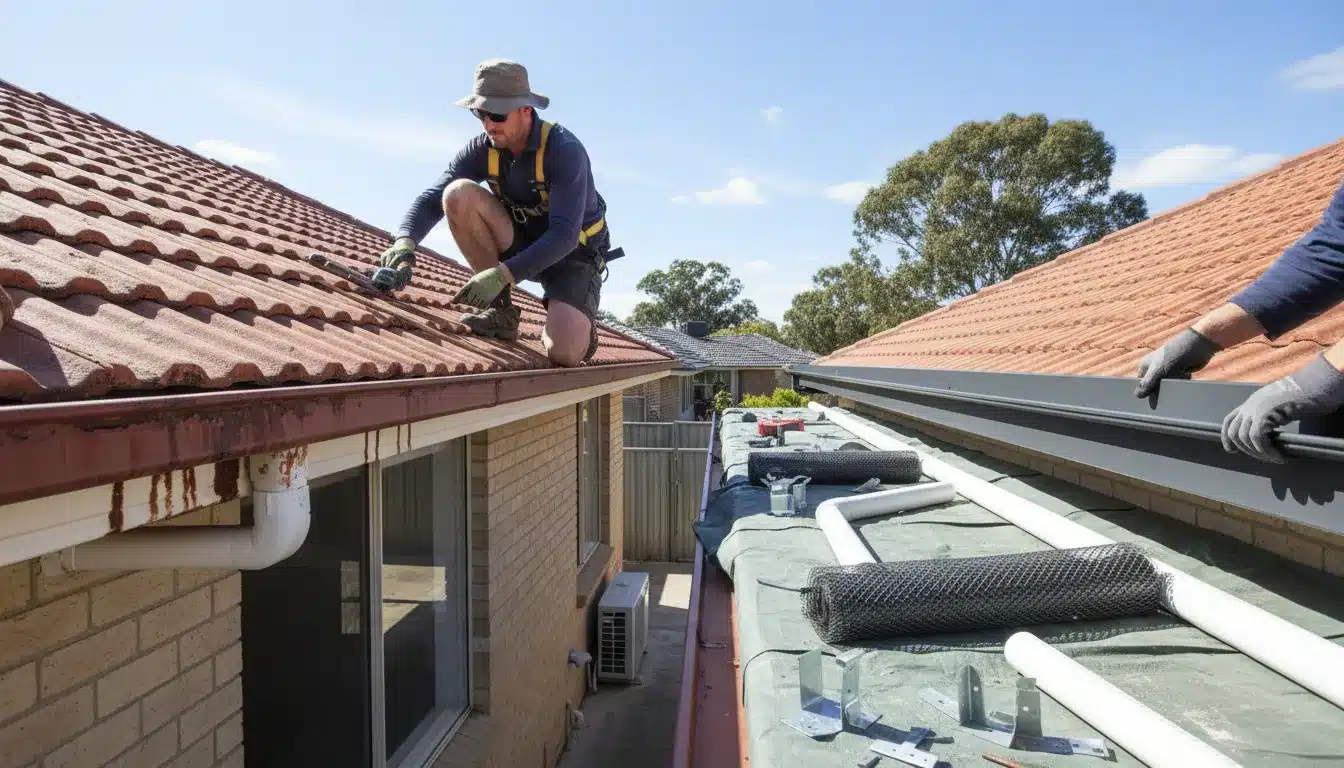
Preparation starts with a clear drainage system. Gutters should be cleaned, outlets opened and downpipes tested before any covering is fixed. This exposes corrosion, poor fall, loose brackets and concealed sediment. Where moss, lichen or heavy build-up obscures the roof edge, appropriate roof cleaning can make the underlying condition easier to assess.
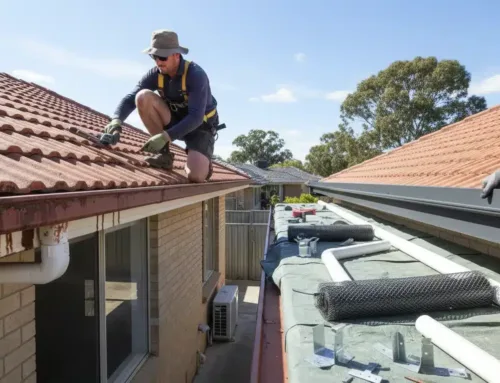
The guard must follow the roof edge without creating a new path for water. If it is too flat, debris may stay in place. If the transition is poorly shaped, water can overshoot the gutter or run behind it. Fasteners and joins need to suit the materials they connect, with no unnecessary disturbance to tiles or metal sheeting.
Valley mouths are high-risk transition points. Water arrives quickly and may carry a concentrated load of leaves and grit. Mesh placed across the outlet of a valley can act like a dam if the detail does not preserve an adequate route into the gutter. Corners, changes in pitch and roof-to-roof discharge points deserve individual treatment.
Permacoat has restored more than 30,000 roofs, and that experience reinforces a simple point: roof drainage performs as a connected system. We consider the roof covering, valleys, gutter fall, outlets and downpipes together because changing one part can expose a restriction in another.
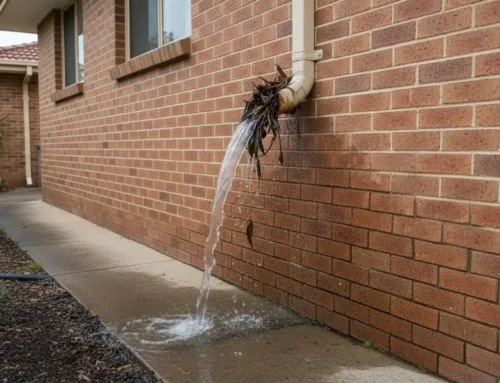
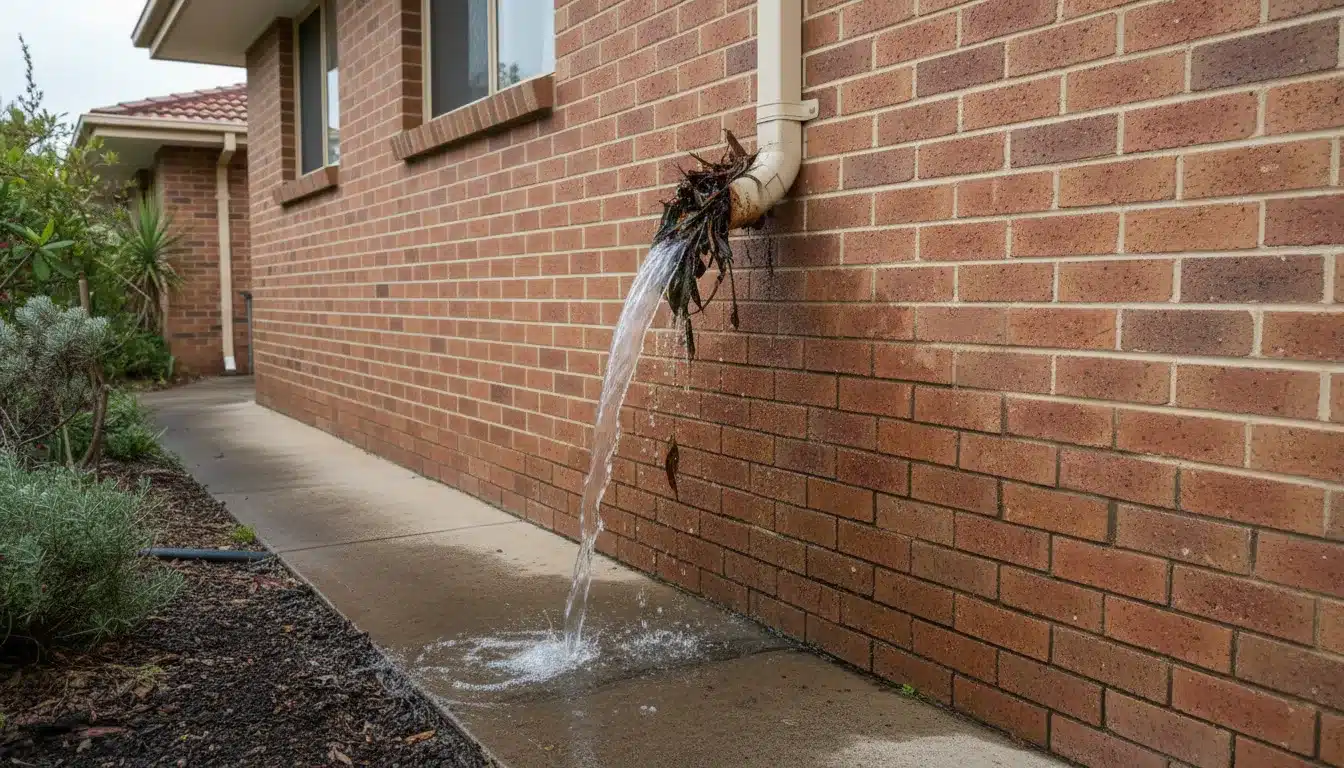
Downpipes must be checked before and after installation. A guard may reduce the amount of new leaf matter entering an outlet, but it cannot clear an existing blockage lower in the pipe. Water testing can help identify slow discharge, leaks at joins and overflow near the gutter outlet.
Maintenance Still Matters After Installation
A practical schedule begins before winter rain. Surface leaves should be removed, valleys checked and outlets confirmed clear. Fine sediment beneath the guard may need attention at intervals based on tree load and the guard design. The objective is to catch a developing restriction before regular rainfall turns it into repeated overflow.
Checks after strong winds and storms are also useful. Branch fragments can damage sections, while wet leaves can adhere to mesh and create temporary sheeting. From a safe observation point during rain, homeowners can look for water entering the gutter evenly rather than flowing over the edge or behind the fascia.
Coated roof surfaces need compatible fixing and careful preparation. A guard should not be treated as a substitute for a stable substrate, and later surface work must account for installed edges and fasteners. Where a wider restoration is suitable, roof coatings should follow repairs and preparation rather than conceal drainage or roof-edge faults.
Maintenance records can make patterns easier to spot. Note which corners collect bark, whether one valley blocks first and how quickly fine matter returns after cleaning. This evidence is more useful than applying the same interval to every gutter run. It can also show whether the guard is reducing workload enough to justify keeping it.
When Gutter Guards Are Worthwhile
Guards tend to offer better value where gutters block repeatedly, surrounding trees cannot or should not be removed, and roof access makes frequent cleaning difficult. They can also help establish a more predictable routine by keeping large material above the gutter channel, where its condition is easier to observe.
The case is weaker where debris load is light or existing drainage has not been corrected. A rusted gutter near the end of its service life should generally be repaired or replaced before a guard is added. Likewise, poor outlet placement or inadequate fall needs its own solution.
Appearance can matter on prominent roof edges, but it should follow water management and compatibility. Fasteners, mesh colour and transitions need to sit neatly without compromising the roof. If the surrounding finish is already deteriorated, roof painting may be considered only after faults and preparation requirements have been addressed.
Shared buildings and managed properties need coordinated decisions. One roof plane can discharge towards another lot, common gutter or shared downpipe, so a local change may affect several occupants. For strata roofing, access planning and responsibility for ongoing clearing should be agreed before installation.
A guard should be avoided or delayed when the roof edge cannot support it, tiles are unstable, gutters are heavily corroded or access for future cleaning has not been considered. If deterioration is widespread enough that local repairs no longer provide a sound base, re-roofing may need to be assessed before adding another component.
Questions to Ask Before Choosing a System
Start with the debris. Is the recurring problem broad leaves, stringy bark, pine needles, blossom, fine dust or a mixture? Then look at where it collects. Straight runs, valleys, sheltered corners and lower roof sections may each need different detailing even when one guard material is used.
Ask how the gutter beneath the guard will be inspected and cleaned. A sound proposal should leave a practical maintenance route rather than permanently hiding the channel. It should also address outlet access, downpipe testing and the way damaged sections can be removed or repaired later.
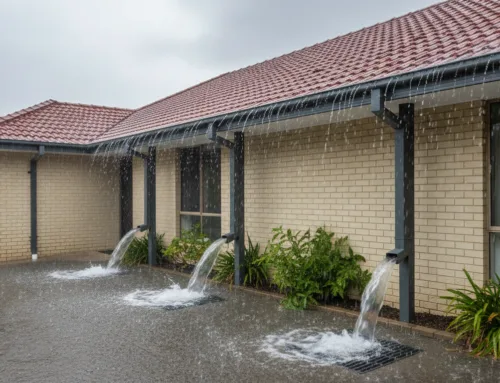
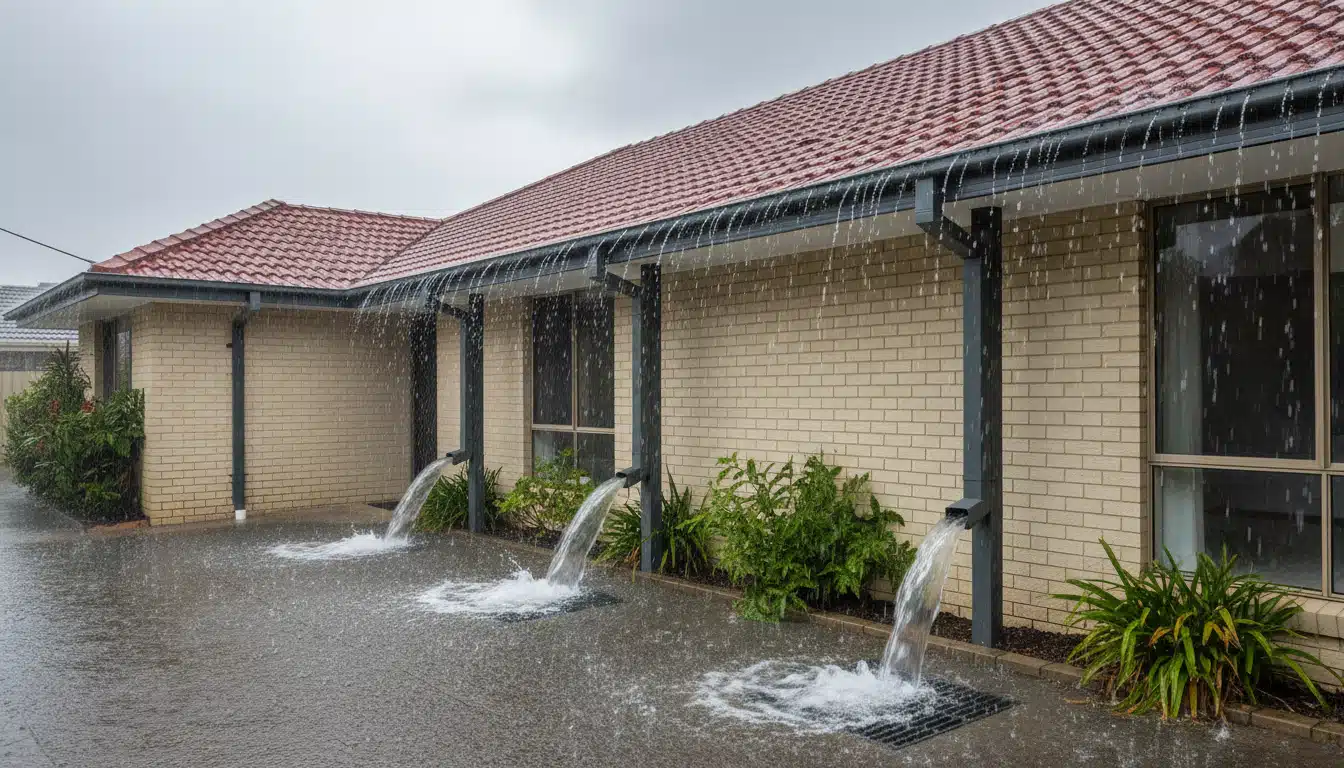
Check what happens during intense rain. The relevant question is not only whether water passes through clean mesh, but whether it continues to enter when the surface carries the debris typical of that roof. Concentrated runoff below valleys and upper roof discharges deserves particular attention.
Finally, compare the expected reduction in cleaning with the continuing inspection burden. Gutter guards work when they suit the site, preserve drainage capacity and remain maintainable. They disappoint when they are sold as a fit-and-forget cure for defects or debris that the chosen design cannot manage.
Do Gutter Guards Work in the Perth Hills?
They can work well, especially on tree-heavy or difficult-access homes, but their value comes from fewer blockages and a more manageable maintenance cycle. The right product must suit the local debris, roof shape and water flow, while the gutters and downpipes must already be sound.
Frequently Asked Questions
Does Gutter Guard Installation Stop All Leaf Problems?
Gutter guard installation reduces debris in the channel. It does not remove the need to check outlets, valleys and the roof above. Fine needles and grit still travel, especially in the hills.
What Does Perth Hills Maintenance Still Involve?
Perth Hills maintenance still means looking after trees near the roof, keeping valleys clear, and checking that guards have not hidden a blocked outlet. Overflow behind a screen can wet eaves before anyone sees a full gutter.
Should Guards Go on Before or After Gutter Repairs?
After the profile, fall and outlets are sound. Fitting a guard over a rusted or poorly falling gutter locks the fault in place. We set the drainage right, then talk about a screen if the site still sheds heavy leaves.
We do not install gutter guards. Gutter guard installation still needs a sound gutter first. If the gutters or downpipes are old or blocked, contact us so we can inspect the roof edge and the downpipes.