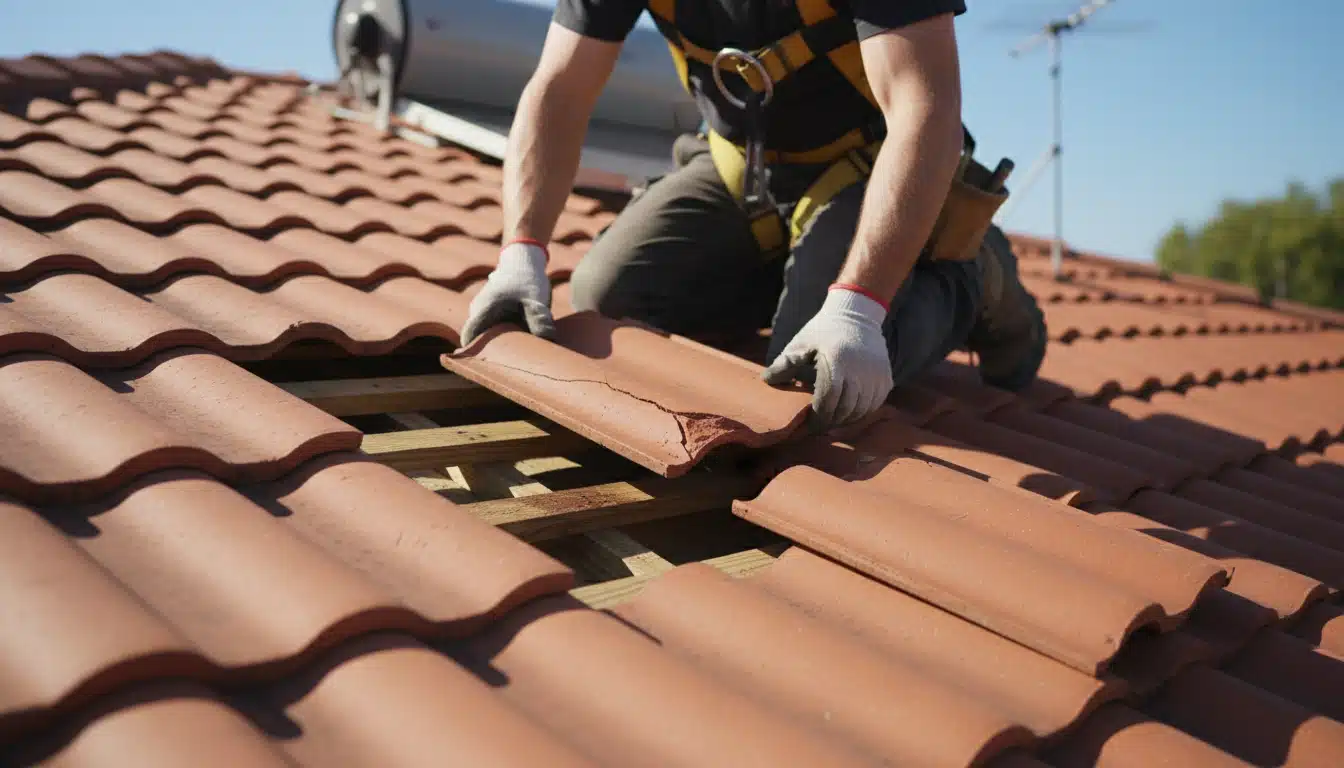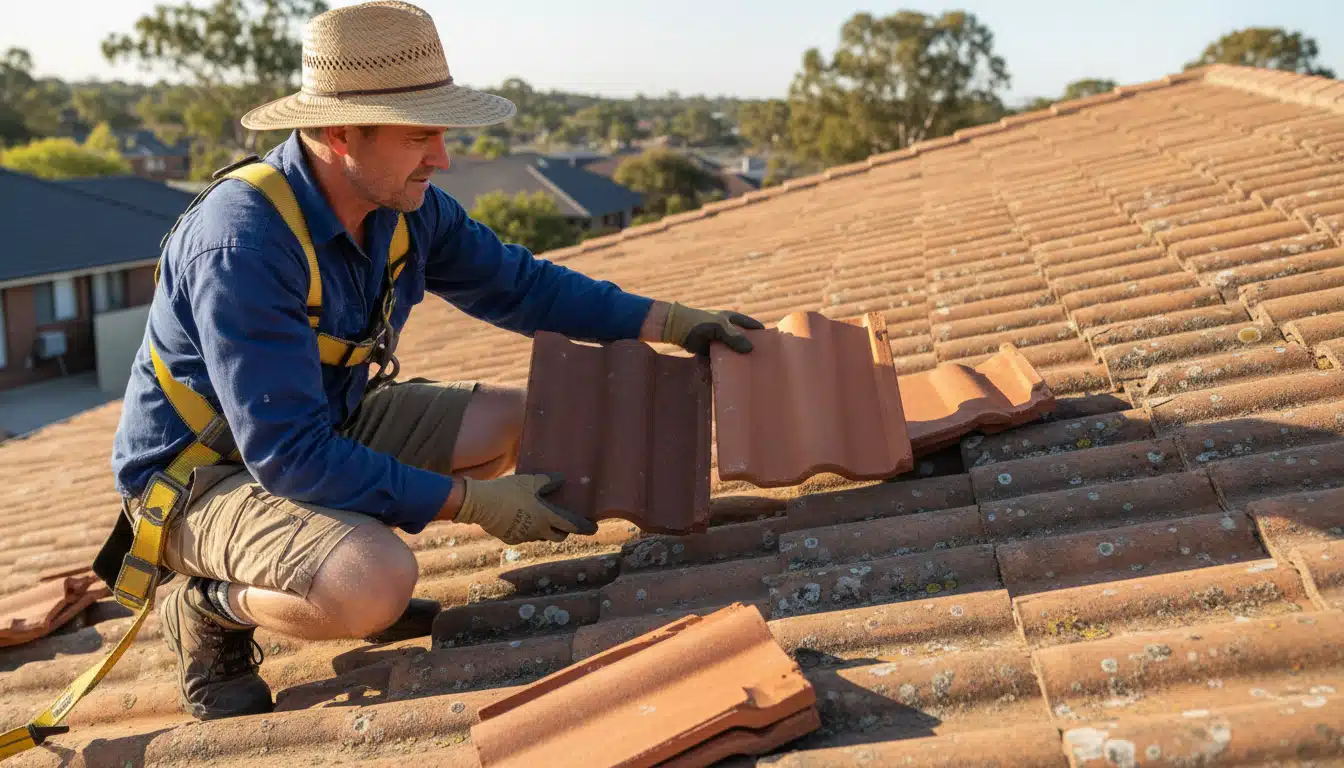
A replacement tile should restore protection without leaving an obvious patch. We match a weathered roof by checking the tile profile first, then comparing colour, surface texture, ageing and the exact roof plane where the replacement will sit. The right result is a sound tile that seats correctly and blends from normal viewing positions.
Weathered tile matching is different from choosing a colour from an old brochure. Years of Perth sun, winter rain, dust, lichen and coastal exposure can shift the visible colour well away from the original finish. Even two sides of the same roof can age differently.
That is why we treat the existing roof as the reference. The roof color palette includes the base colour, faded areas, natural tonal variation, previous repairs and any later coating. Matching only the product name can produce a tile that is technically correct but visually distracting.
We also keep the appearance in its proper place. A close colour is not acceptable if the tile profile, lap or condition could compromise water shedding. Fit and soundness come first, followed by the closest practical visual match.
Why Weathered Tiles Rarely Match Their Original Colour
Roof colour changes gradually, so homeowners may not notice the shift until a clean replacement is placed beside older tiles. Ultraviolet exposure can fade pigments and coatings, while dirt and organic growth can darken protected areas. Rain paths can leave some sections cleaner than others.
North and west facing planes often experience stronger afternoon sun than shaded sections. Tiles near trees may hold more surface growth, while exposed ridges can look drier and lighter. A single catalogue swatch cannot represent all those conditions.
Professional roof cleaning can reveal whether a dark area is the tile’s aged colour or a layer of dirt, moss or lichen. That distinction matters because a replacement matched to contamination may look wrong after the roof is cleaned. Keep Weathered tile matching in that same decision.
Concrete and terracotta tiles also weather differently. Concrete tiles may lose some surface colour or show an older coating, while terracotta can retain natural variation created during firing. We look for a tile that belongs within that variation rather than forcing every tile to appear identical. Keep Weathered tile matching in that same decision.
We Identify the Profile Before Judging Colour
A visually similar tile is not necessarily a compatible tile. The profile controls how the tile sits beside its neighbours, how the side laps engage and how water travels down the roof. Small differences in height or curve can create raised edges, unusual shadows or gaps. Keep Weathered tile matching in that same decision.
We check the tile shape, dimensions, underside markings and lap design before making a colour decision. When the original profile is discontinued, stored spares or sound reclaimed stock may offer a better option than a new tile that only looks close from the ground.
Our tile roof repairs focus on correct seating as well as appearance. A replacement must be free from cracks, badly worn edges and other defects that could shorten its useful life.
This order prevents a common mistake: selecting a sound colour from a group of tiles before confirming that it fits. A slightly imperfect colour match on the correct profile is generally more workable than a convincing colour on a tile that cannot lap safely. That sits with Roof cleaning.
We Compare the Exact Roof Plane
Weathering is local. A spare tile that blends on the shaded rear plane may appear too dark or too vivid on the street facing side. We compare the candidate with the tiles immediately around the repair, not just a loose sample taken from another section.
Light also changes the result. Overcast conditions soften contrast, while direct afternoon sun can make a clean or glossy surface stand out. For prominent repairs, we consider the normal view from the street, driveway or outdoor area as well as a close inspection.
The roof repair process may include replacing damaged tiles and addressing nearby flashing, valleys or ridge capping when their condition affects the repair. This helps ensure the visual fix is supported by practical water management.
Roof pitch influences what people see. A steep plane exposes more of each tile face, making differences in colour and texture easier to notice. On a lower pitch, lap shadows may hide minor variation, but correct fit remains essential.
Roof Color Palette: Texture Changes How Colour Reads
Two tiles can share a similar base colour and still look different once installed. A smooth or glazed surface reflects light differently from a sandy, pitted or weather worn surface. Older coatings can also create an uneven sheen across the roof.
We therefore compare texture as part of the roof color palette. A bright new tile in the centre of a matt, aged plane can attract attention even when its hue is close. Edges, surface grain and gloss all influence whether the replacement settles visually into the roof.
If a roof has previously been coated, the current finish becomes the practical colour reference. The original tile colour beneath it no longer describes what is visible. Suitable roof painting depends on preparation and a finish chosen for the roof as it stands now.
A loose sample viewed indoors can hide these differences. Natural light and final seating reveal the lap shadow, angle and reflectivity that determine how the tile will actually look. Permacoat treats that as part of the same roof, not a separate product.
Blending Helps When an Exact Match No Longer Exists
Older Perth roofs often use profiles or finishes that are no longer manufactured. In those cases, a perfect new replacement may not be available. We assess sound spare tiles, compatible reclaimed stock and the visibility of the repair before choosing the least disruptive option.
One blending method is to place the closest replacement in a less visible position and move a better matched sound tile into the exposed repair area. This is only appropriate when the moved tile remains fit for use and both positions retain correct seating and water shedding.
With more than 30,000 roofs completed, Permacoat has seen how tile age, local exposure and previous work create variation across Perth homes. That experience helps us judge whether a candidate will blend in ordinary viewing conditions rather than only during a close comparison.
Small trial placement can be useful on a prominent elevation. Seating the candidate and checking it from ground level may show that another spare works better. It is a simple way to avoid locking in a distracting contrast where the roof is most visible.
Coated Roofs Need a Different Matching Decision
A coated roof has a unified surface finish that may bear little resemblance to the original tile colour. Replacing one tile can interrupt that finish, particularly if the replacement is uncoated, newly coated or drawn from another roof with different ageing.
The surrounding coating condition matters too. A fresh finish beside widespread fading will remain obvious, while applying colour over dirt, unstable material or unresolved damage can produce a poor result. Surface condition needs to be assessed before deciding how to blend the replacement.
Our roof coatings are applied as part of a prepared system rather than used to disguise an unsuitable tile. The underlying replacement still needs the correct profile and sound seating before surface appearance is considered.
Where broader fading affects the whole roof, the decision may extend beyond one tile. We can distinguish between a local repair that can be blended and a roof where cleaning, preparation and a consistent finish would provide a more coherent result.
Drainage Features Affect the Visible Palette
Valleys, gutters and downpipes influence how water and debris move across a roof. Tiles beside a valley may show darker runoff lines, while lower courses can collect residue that is absent from exposed upper sections. A very clean tile placed in one of these paths may initially stand out.
We do not artificially damage or dirty a sound replacement to make it look old. Instead, we select the closest suitable tile, consider its position and explain the realistic visual result. Natural weathering may soften a minor difference, but it should not be presented as a covered colour change.
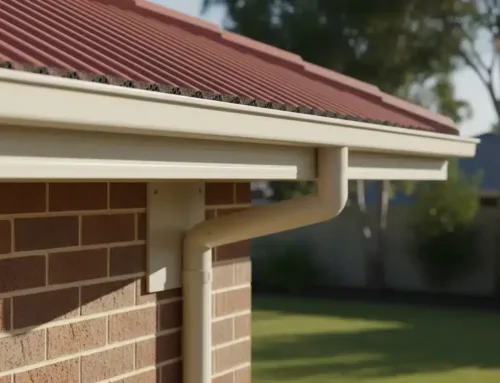
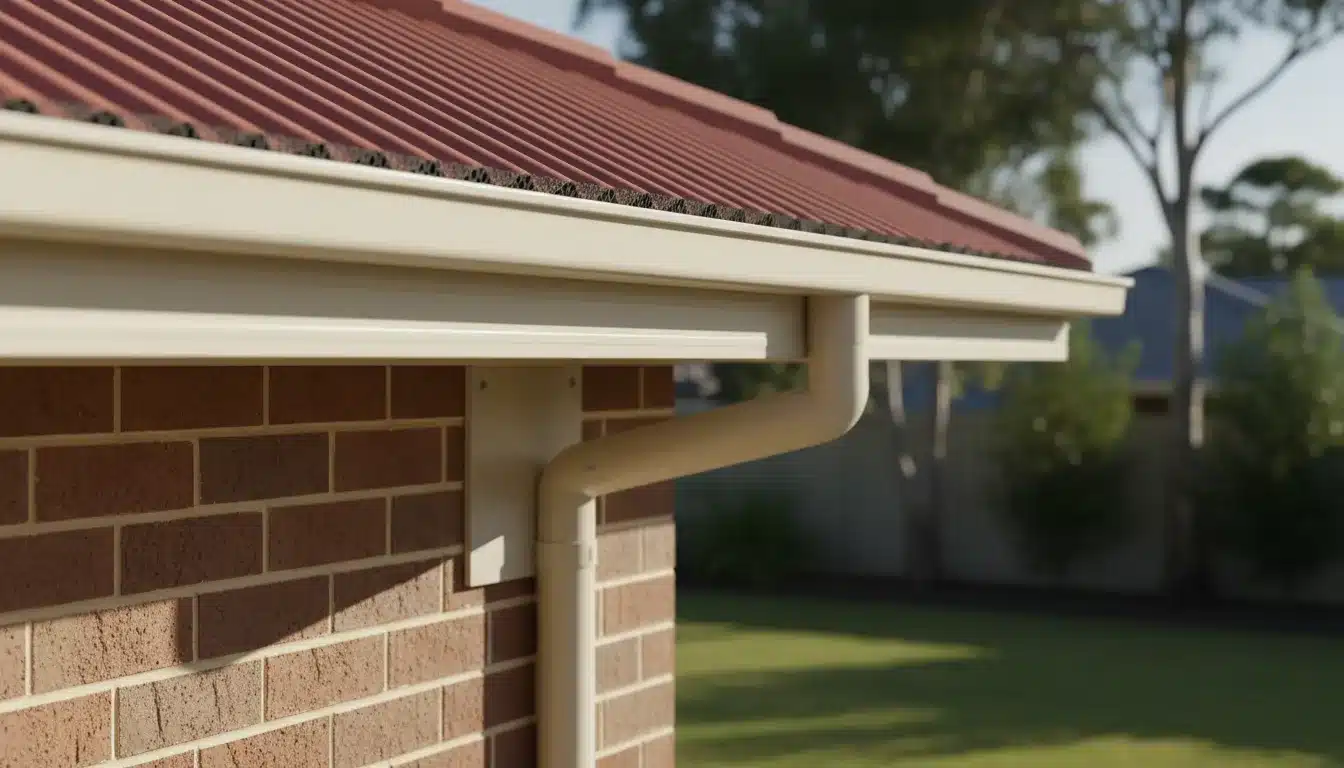
Functional gutters and downpipes help direct water away from the roof edge and building. Their condition is separate from tile colour, but drainage faults can create staining patterns that complicate future matching.
Flashing and valley condition can also determine whether a visible mark is merely cosmetic or connected to water movement. Looking at the surrounding roof detail prevents a colour discussion from distracting from a more important maintenance issue.
Larger and Shared Roofs Need Consistent Records
On strata and other multi-dwelling properties, repairs may occur at different times across several roof planes. Without consistent records, later replacements can introduce a patchwork of profiles, colours and finishes even when each individual repair seemed reasonable.
Our strata roofing work can account for repeated roof sections, access planning and the need to keep repair decisions consistent across the property. Clear records support that consistency when another tile is damaged later.
Photos taken after work can show the repair location and surrounding condition. A note of the profile, source and date can also make a future search more efficient. These records are particularly useful when spare stock is limited.
For a single home, a small labelled stack of sound spare tiles can serve the same purpose. Store them where they will not be knocked over, buried or exposed to avoidable damage. Even a cracked original can help identify a profile, although it should not be installed as the replacement.
When Matching Is No Longer the Main Question
Tile matching is useful when the roof is fundamentally serviceable and the damage is local. It is not a substitute for addressing widespread tile failure, chronic leaks, structural movement or deterioration across major roof components.
If inspection shows that failures are extensive, repeated local repairs may not offer a sensible long-term outcome. Re-roofing is a different scope that replaces failed roofing materials rather than trying to hide isolated visual differences.
The right recommendation depends on condition, not appearance alone. A faded roof can still be serviceable, while an attractive surface may conceal cracked tiles, failed bedding or water entry points. We separate the colour decision from the condition decision before proposing work.
That distinction protects the homeowner from spending too much attention on a perfect visual match when the roof needs a broader solution. It also avoids recommending replacement simply because an old tile is difficult to source.
How Homeowners Can Support a Better Match
If you have original spare tiles, renovation records or photos from earlier roof work, keep them available for the inspection. Underside marks and old invoices may help identify the profile, while dated photos can show how a previous repair has weathered.
Avoid walking on the roof to collect samples. Roof access involves fall risk, and older tiles can crack under poorly placed weight. Ground level photographs taken from several angles are safer and can still help record the visible issue before an inspection.
Ask how the proposed tile was assessed. A useful explanation should cover profile, condition, colour, texture, source and intended placement. If no exact match exists, you should understand the compromise and why it remains suitable.
It is also worth discussing whether other visible damaged tiles should be addressed during the same visit. A consistent repair plan can reduce repeated access and avoid making separate choices that leave several unrelated patches.
What a Successful Match Looks Like
A successful replacement sits correctly, sheds water as intended and does not draw the eye from normal viewing positions. It does not need to make every tile identical. Natural variation is part of many older concrete and terracotta roofs.
We judge the finished repair in context. The immediate neighbours, roof plane, sunlight, pitch and existing marks all matter. Close inspection may still reveal the replacement, but the overall roof should read as a coherent surface rather than a collection of obvious patches.
Most importantly, the match should never trade performance for appearance. A sound compatible tile with a modest colour difference is safer than a weak or poorly fitting tile chosen because its surface looks perfect.
Frequently Asked Questions
How Does Weathered Tile Matching Actually Work?
Weathered tile matching starts with the profile on the affected face, then colour in ordinary daylight. North and west planes age differently, and a wet tile looks darker than a dry one. We compare the candidate in place, not against a brochure chip.
Can the Roof Color Palette Be Evened with Paint?
A roof color palette can be brought together after the substrate is sound. Painting will not hide a tile that sits proud or breaks the lap. Colour is the last step, not a substitute for fit.
What If No Spare Matches the Surrounding Roof?
We can move a sound matching tile into the prominent position and deal with the donor area more carefully, or look at a defined section rather than scattering near-misses. That is a drainage decision as much as an appearance one.
If a cracked or missing tile is disrupting your existing palette, contact us to arrange an assessment and discuss the closest practical match for your roof.