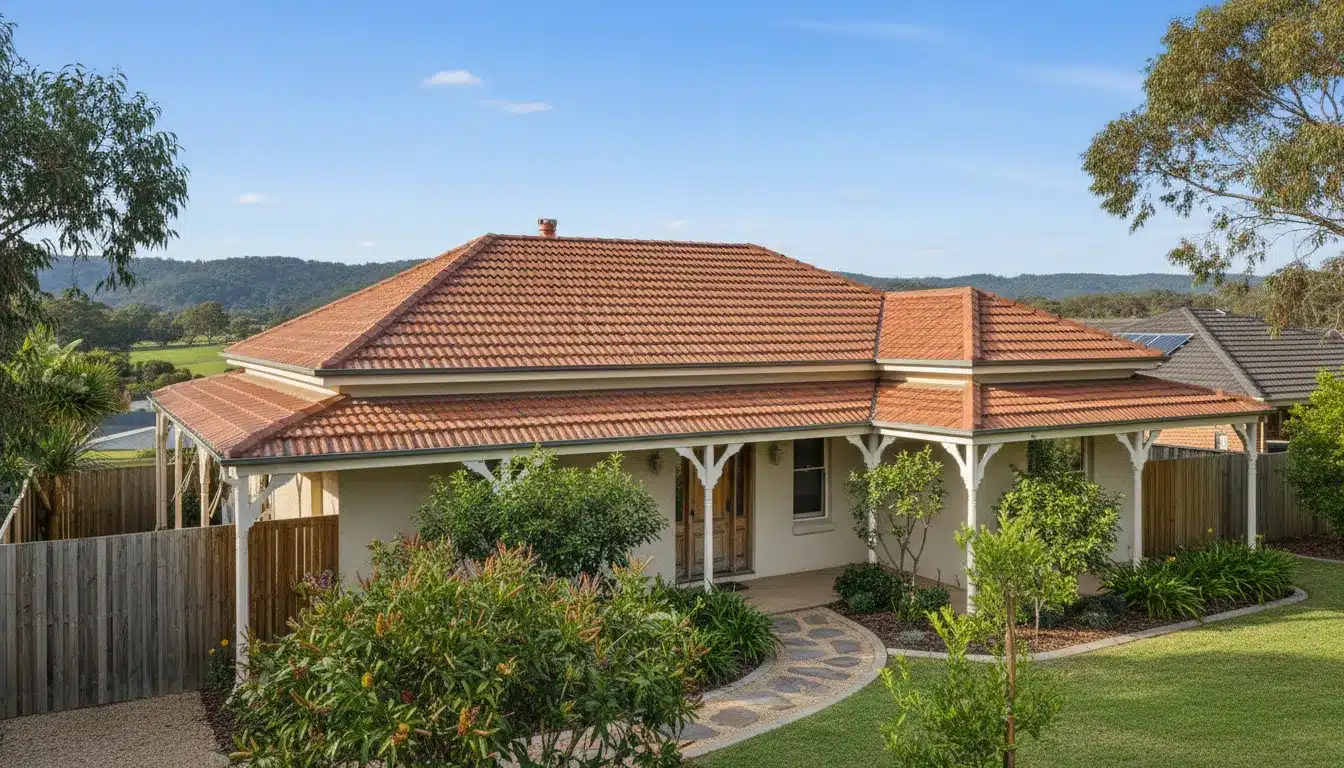
Roof colour can change more than the look of a home. It can affect heat load, glare, street appeal and coating durability.
A colour that looks calm on a sample card may behave differently on a full roof. Sun angle, roof pitch and nearby surfaces all matter.
Colour Choice Affects Comfort and Value
Good roof colour selection starts with the home, not the trend. The right tone should suit climate, streetscape and roof material.
Colour also affects how quickly a roof shows dirt. A very pale roof may brighten a home, yet show staining earlier.
Local setting should guide the first shortlist. A roof beside pale paving will throw more glare than one shaded by trees.
Neighbouring homes also influence the final result. A colour can look refined alone, yet appear harsh within the street.
The safest choices usually sit within the existing exterior palette. Gutters, fascia, walls and paving should be viewed together.
- Light colours can reduce absorbed heat.
- Mid-tones often balance heat and maintenance.
- Dark colours can add contrast and depth.
- Strong colours may date faster than neutral tones.
Heat Gain Starts at the Surface
The roof is often the largest exposed surface on a house. Colour changes how much solar energy the surface absorbs.
Pale colours reflect more light. Darker colours absorb more heat and may raise roof cavity temperatures during summer.
Thermal roof performance depends on colour, coating quality and insulation. It also depends on ventilation below the roof covering.
Roof spaces can trap heat during long summer days. Rooms below may then feel warmer into the evening.
Colour does not replace insulation or ventilation. It can still reduce one source of heat stress on the roof surface.
The final result depends on the whole assembly. Surface colour, coating build and roof cavity airflow all work together.
Street Appeal Needs More Than Fashion
Street appeal comes from balance. The roof should connect with walls, gutters, fascia, paving and landscape colour.
A roof can look too heavy when the colour fights lighter walls. It can look weak when contrast is missing.
Kerbside viewing distance matters. A colour that appears subtle near the sample board may look stronger from the road.
Large roof planes also intensify colour. Small sample cards can understate how broad areas will appear after coating.
Simple palettes often age better. A restrained roof colour can leave room for future wall or trim updates.
- Match warm roof tones with warm brickwork.
- Match cool greys with cooler wall colours.
- Test samples in morning and afternoon light.
- Compare colours beside gutter and fascia samples.
Perth Conditions Change Colour Behaviour
Perth sunlight can make roof colours look brighter than expected. Heat, UV and dry periods also affect coatings over time.
Roof painting in Perth needs colour planning that respects long summer exposure. A durable finish needs more than a pleasing shade.
The same sample can look different in Joondalup, Fremantle or the Perth hills. Light quality, vegetation and dust can shift perception.
Homes near the coast may need extra care with metal surfaces. Homes under trees may need colours that tolerate organic staining.
Weather timing also affects application. Coating work should avoid unsuitable heat, wind, rain and surface moisture.
UV Exposure Can Flatten Bold Colours
Strong UV can make intense colours lose depth. This is most noticeable on roofs with poor surface preparation or thin coatings.
A quality coating system helps protect pigment. It also helps maintain gloss, adhesion and surface protection for longer.
Colour fade is not always even. North- and west-facing roof planes can weather faster than shaded areas.
That difference can create patchy results on older roofs. It is another reason to consider exposure before selecting bold colours.
Surface cleaning can reveal true coating condition. A dirty roof can make a faded colour look worse than it is.
Coastal Air Changes Maintenance Needs
Coastal suburbs can expose roofs to salt, moisture and wind. Inland suburbs may face more dust, leaf litter and heat.
Different settings need different maintenance expectations. The best colour should suit both the home and its exposure.
Salt can leave a film on exposed roof surfaces. Dust can settle in lower-pitched areas and around penetrations.
Leaf litter can hold moisture against tiles or metal. These conditions can influence both colour appearance and cleaning intervals.
Colour planning should account for these ordinary conditions. That helps avoid disappointment after the first wet season.
- Coastal homes may suit softer neutrals.
- Tree-lined blocks may suit colours that make staining less noticeable.
- Exposed metal roofs may need careful glare control.
- Heritage homes may need restrained roof tones.
Light, Dark and Mid-Tone Roof Colours
Light, dark and mid-tone choices each have trade-offs. The best result depends on the building and the desired finish.
Roof colour selection should compare appearance against comfort, cleaning needs and coating life. A sample should never be judged indoors.
A practical comparison should include at least three tones. Place each sample near the gutter, wall and driveway finish.
The same test should be repeated in direct sun and shade. This shows which colours change most through the day.
Light Colours Can Improve Summer Comfort
Light colours usually reflect more solar energy. They can reduce surface temperature and support better summer comfort.
A light roof can also make a home look larger. The trade-off is that dust, moss and streaking may show earlier.
Light finishes can suit low-set homes with darker walls. They can also soften large roof planes on wide blocks.
Glare should be considered on steeply pitched roofs. More reflected light may reach nearby windows, balconies and upper storeys.
Cleaning access is another factor. A lighter finish may need earlier washing in dusty or leafy areas.
Dark Colours Can Add Shape and Contrast
Dark roofs can suit modern walls, sharp trims and strong landscape design. They can also make a roof look more defined.
Darker surfaces often carry higher heat loads. That can affect thermal roof performance when insulation or ventilation is poor.
Dark finishes may suit compact roof forms. They can help define clean lines on modern extensions and rendered homes.
They are less forgiving on damaged surfaces. Uneven coating, poor repairs or patch marks may stand out in strong light.
Owners should weigh appearance against heat exposure. The best dark finish still needs proper preparation and roof ventilation.
- Consider light roof colours above rooms prone to overheating.
- Consider mid-tones to make everyday dirt less noticeable.
- Choose dark tones for strong contrast.
- Avoid very bold colours on large roof areas.
Coating Systems Help Colour Perform
A roof colour is only as strong as the coating beneath it. Cleaning, preparation and application quality shape the final result.
Our free, no-obligation roof inspection helps connect colour planning with roof condition. With Permacoat, you draw on over 50 years of roof restoration experience. We have restored more than 30,000 roofs across Perth, north and south of the river.
Inspection before coating can prevent costly colour mistakes. A roof with leaks, rust or damaged tiles needs repairs before any new finish is applied.
The coating plan should respond to the existing surface. A sound roof gives any selected colour a stronger foundation.
Cool Coating Options Can Reduce Heat Load
A Cool Smart roof coating can help manage heat on suitable roof surfaces. It can be valuable for rooms with high sun exposure.
A Cool Smart roof coating still needs sound preparation. Dirt, chalking and loose coating can weaken adhesion and finish quality.
Heat-reflective finishes are most useful when matched to need. They may help limit heat gain above bedrooms and living areas, including beneath west-facing roof planes.
Colour choice should still suit the exterior. Comfort gains should not create a roof that feels out of place.
Product suitability should be confirmed before work. Not every existing surface is ready for the same system.
Dulux Systems Support Colour Durability
A Dulux roof coating can support colour retention when applied over a prepared surface. Application thickness and weather timing matter.
A Dulux roof coating also needs compatible primers and topcoats. Product choice should suit tile, metal and existing surface condition.
Coating thickness affects durability and appearance. Thin application can leave weak protection and uneven colour depth.
Weather windows also matter. Excess heat or moisture can affect curing and the final finish.
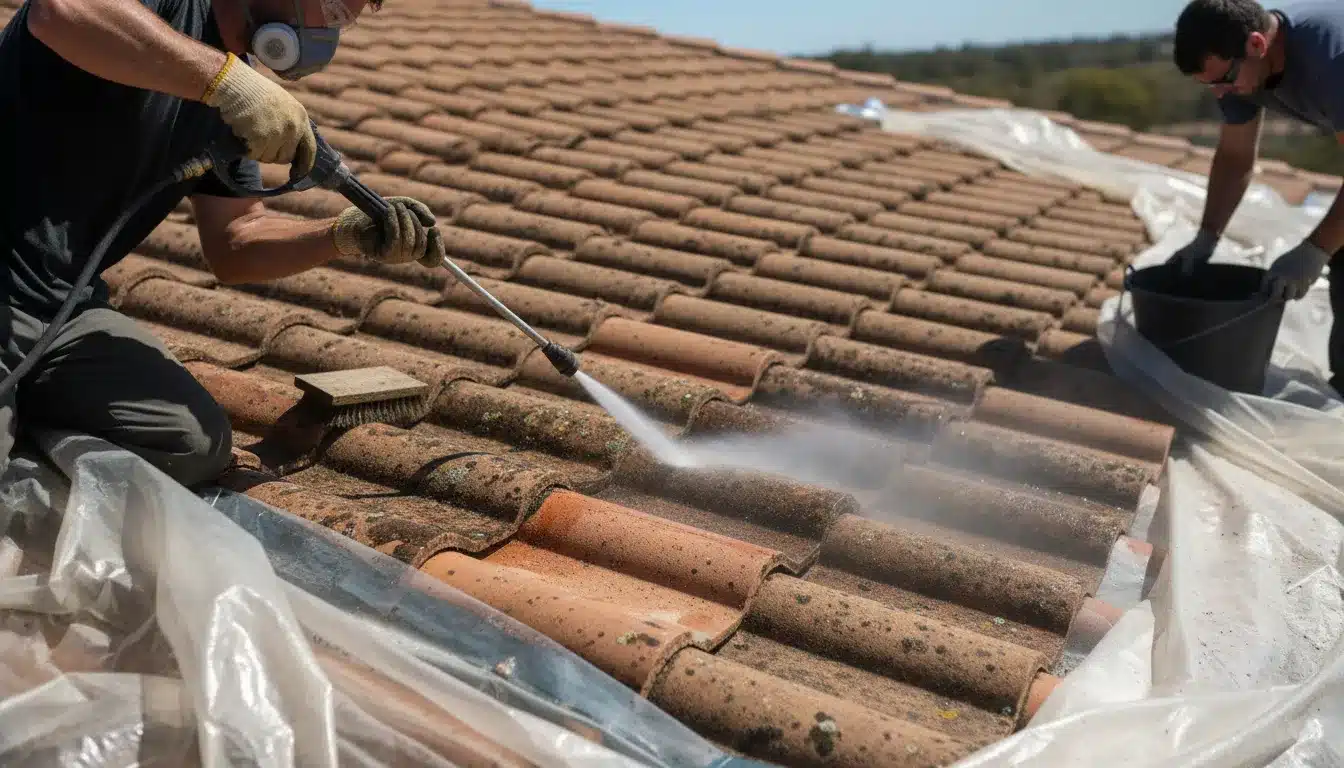
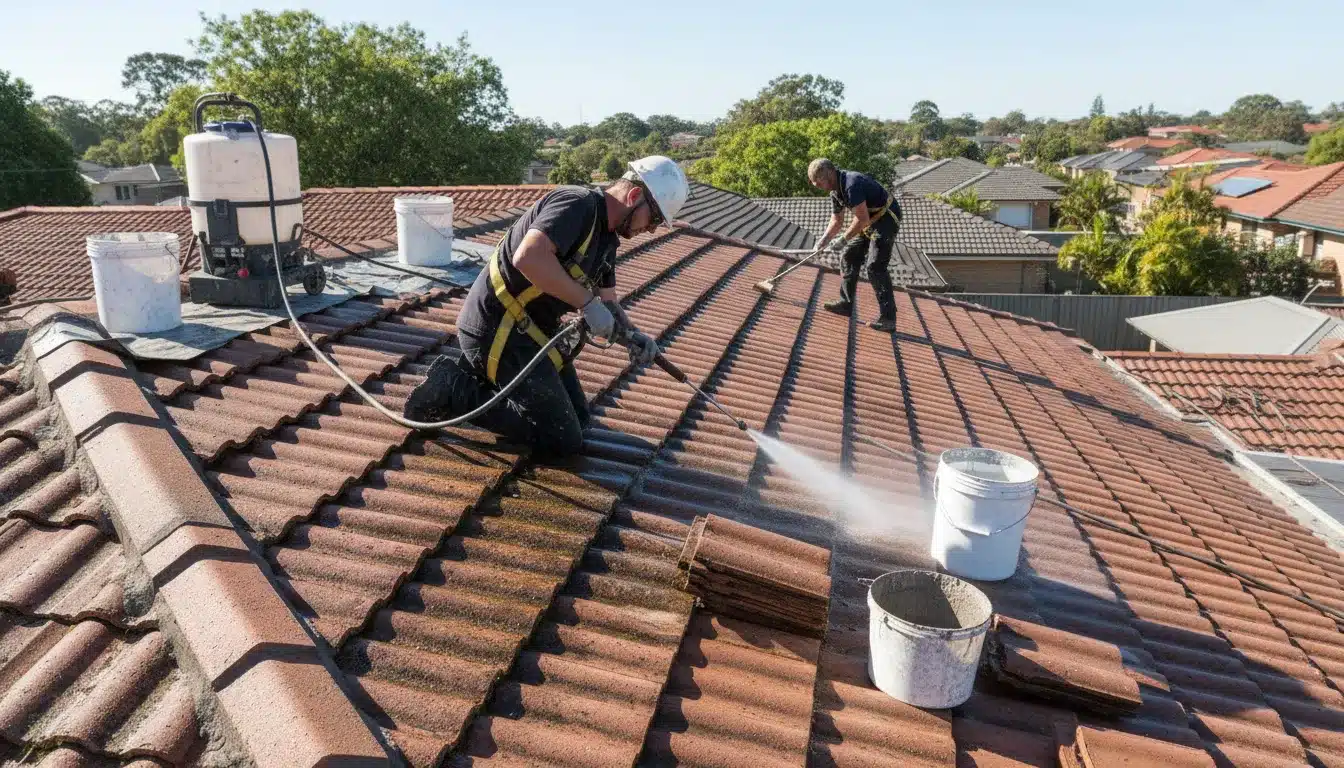
Careful sequencing supports a cleaner result in roof painting. Repairs, cleaning, priming and topcoats should follow the correct application order.
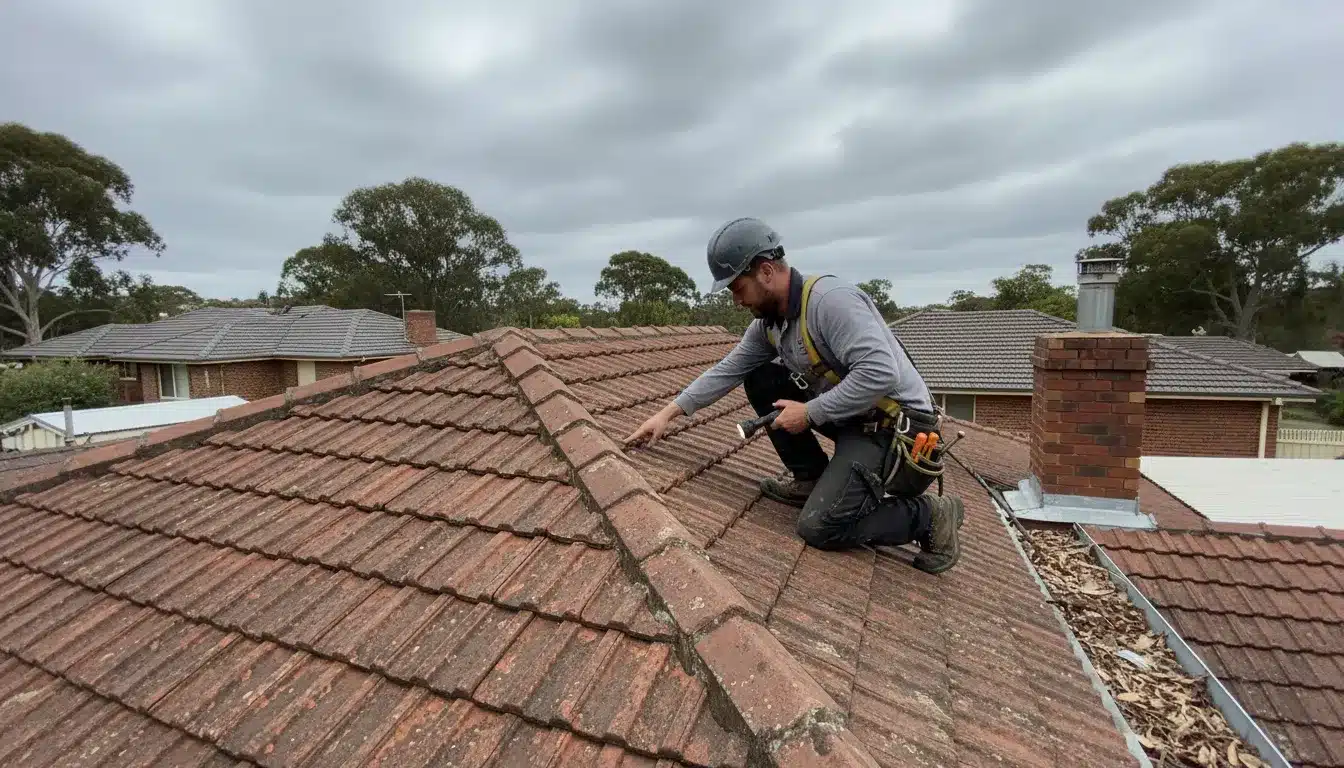
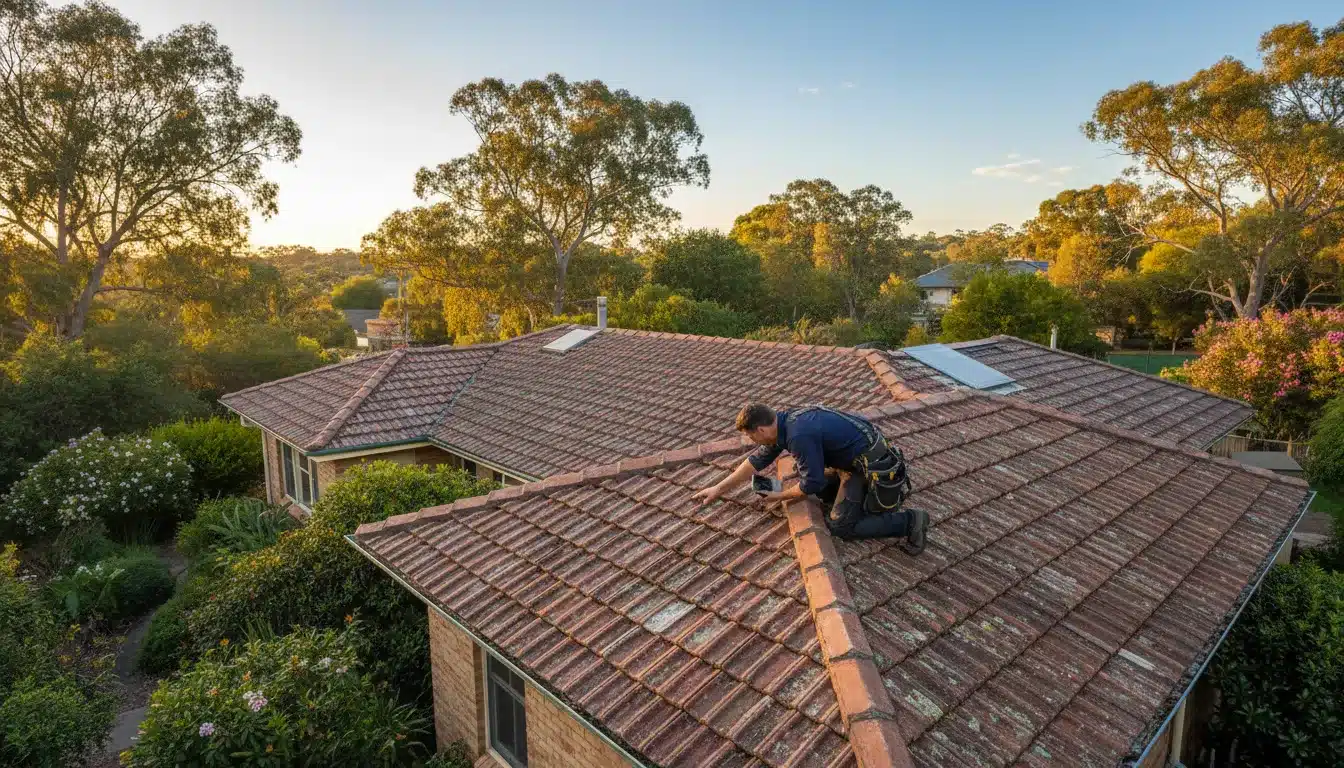
- Inspect the roof before choosing colour.
- Clean the surface before coating work.
- Repair cracks, rust or loose pointing first.
- Apply coating under suitable weather conditions.
Matching Colour to Roof Material
The same colour can look different on tile and metal. Texture changes shadow, reflection and visual depth.
Colorbond roof colours often appear smoother on metal than similar tones on concrete tile. Tile profiles can create more shadow.
Material also changes how dirt collects. Tile ridges can trap dust, while smooth metal can show streaking after rain.
Age matters as well. A newly coated old roof may still reveal profile wear if repairs are skipped.
Colour should not be chosen from material charts alone. For tile roof restoration, the roof surface and profile need direct assessment.
Tiled Roofs Change Colour Through Texture
Concrete and terracotta tiles have ridges, valleys and pores. These features can make colours appear darker from the street.
Roof tile age also matters. Older roofs may need tile repairs before a new coating can produce a consistent finish.
Metal Roofs Show Sheen and Glare
Metal roofs can reflect stronger glare than tiled roofs. Sheen level and roof angle can affect neighbouring views.
Colorbond roof colours should be assessed beside trims and walls. A balanced palette can improve visual unity and reduce harsh contrast.
Metal roofs can make small colour differences more obvious. Long sheets create broad, uninterrupted colour planes.
Sheen level can also change the effect. A glossy surface may look brighter than a low-sheen sample.
This is important on visible roof planes. Homes on slopes may show more roof area from the street.
- Check the roof material before final colour choice.
- Review colour samples outside the home.
- Consider glare from upper storeys.
- Compare colours after surface cleaning.
Practical Decision Checklist
Colour decisions should start with roof condition. A weak surface can undermine even the most suitable colour.
Thermal roof performance should also be discussed before coating work starts. Colour choice alone cannot solve poor insulation.
A decision checklist keeps the process grounded. It can stop a colour choice from being based only on a trend image.
Condition, comfort and maintenance should be reviewed together. The roof then gets a finish that suits daily use.
The checklist should also consider future exterior work. If old or damaged gutters need replacement, plan their colour alongside the roof. We can quote for gutter replacement separately or with roof restoration.
Inspect Before Locking in Colour
A detailed inspection can reveal cracked tiles, rust, loose fixings or coating failure. These issues should be addressed first.
The inspection also shows whether cleaning, repairs or full restoration are needed. Where the underlying structure or materials have failed, roof replacement may be necessary instead. A new colour cannot resolve structural concerns.
Plan Maintenance Before Application
Every roof colour needs maintenance. Cleaning frequency depends on nearby trees, coastal exposure, roof pitch and drainage.
A realistic maintenance plan protects the finish. It also helps owners choose colours that suit daily conditions.
Maintenance planning should include cleaning access and nearby vegetation. These details affect how the roof looks after coating.
Inspection records can help future decisions. They show which areas collect dirt, fade faster or need closer checks.
Good planning makes the colour choice more resilient. The roof can then support comfort, style and long-term value.
Colour decisions also benefit from patience. A short delay for testing can prevent a finish that feels wrong later.
The best result should look settled in every season. It should also support practical care over many years.
- Confirm roof repairs before painting.
- Review colour against gutters and fascia.
- Consider room heat below the roof.
- Ask how often cleaning may be needed.
- Keep future exterior colours in mind.
Conclusion
Choose a roof colour that works with your home in sunlight and shade, then confirm the preparation it needs. For roof painting in Perth, contact us to arrange our free, no-obligation inspection and discuss colour and coating options.