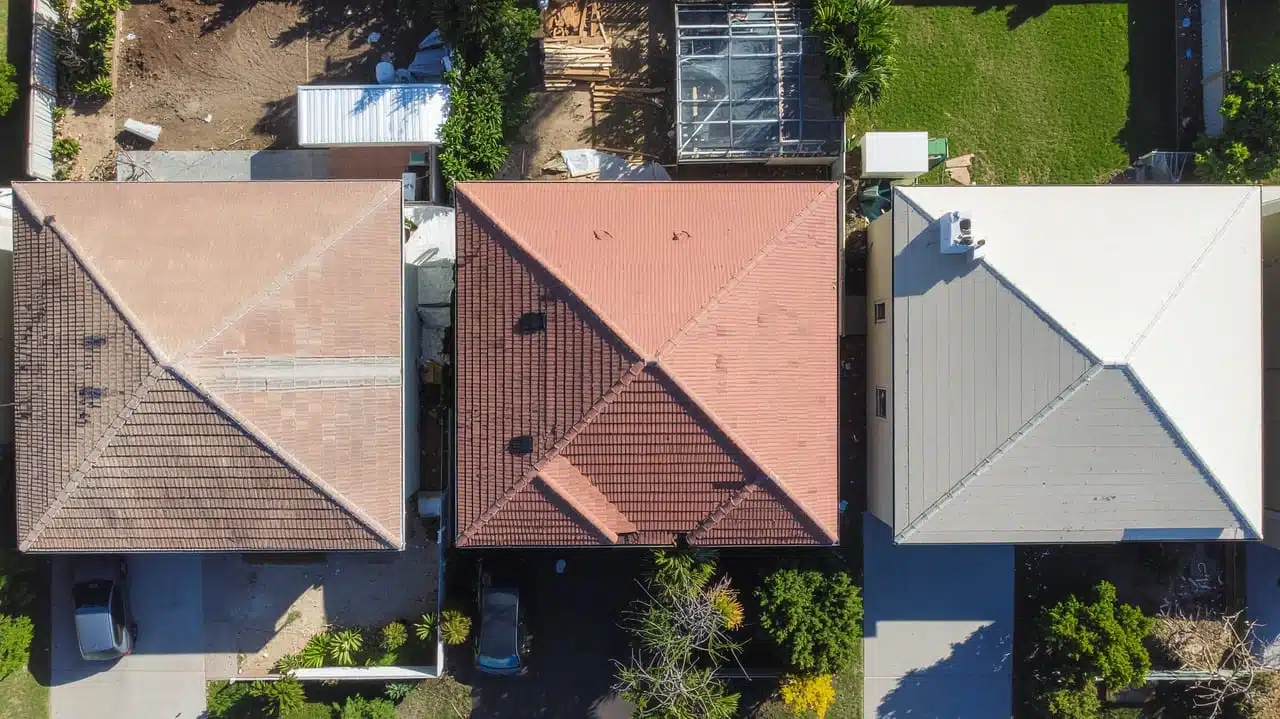
Roofs installed in Perth during the 1990s are reaching a critical age. After 25-35 years of exposure to Perth’s harsh UV radiation, coastal salt air, and seasonal storms, these roofs face a decision point. This significantly impacts property value and structural integrity.
The challenge facing Perth homeowners with 1990s roofs isn’t whether to act. It’s determining which solution makes financial and practical sense. A simple repair might seem economical but could prove wasteful if broader deterioration exists. Conversely, a complete re-roof represents substantial investment. This may be unnecessary if the underlying structure remains sound.
Understanding the true condition of an ageing system requires more than visual inspection. Many 1990s installations prove ideal candidates for restoration. The concrete tiles that seemed tired and faded transform completely through proper surface preparation and coating application.
The Specific Challenges Facing 1990s Perth Roofs
Common Characteristics of 1990s Installations
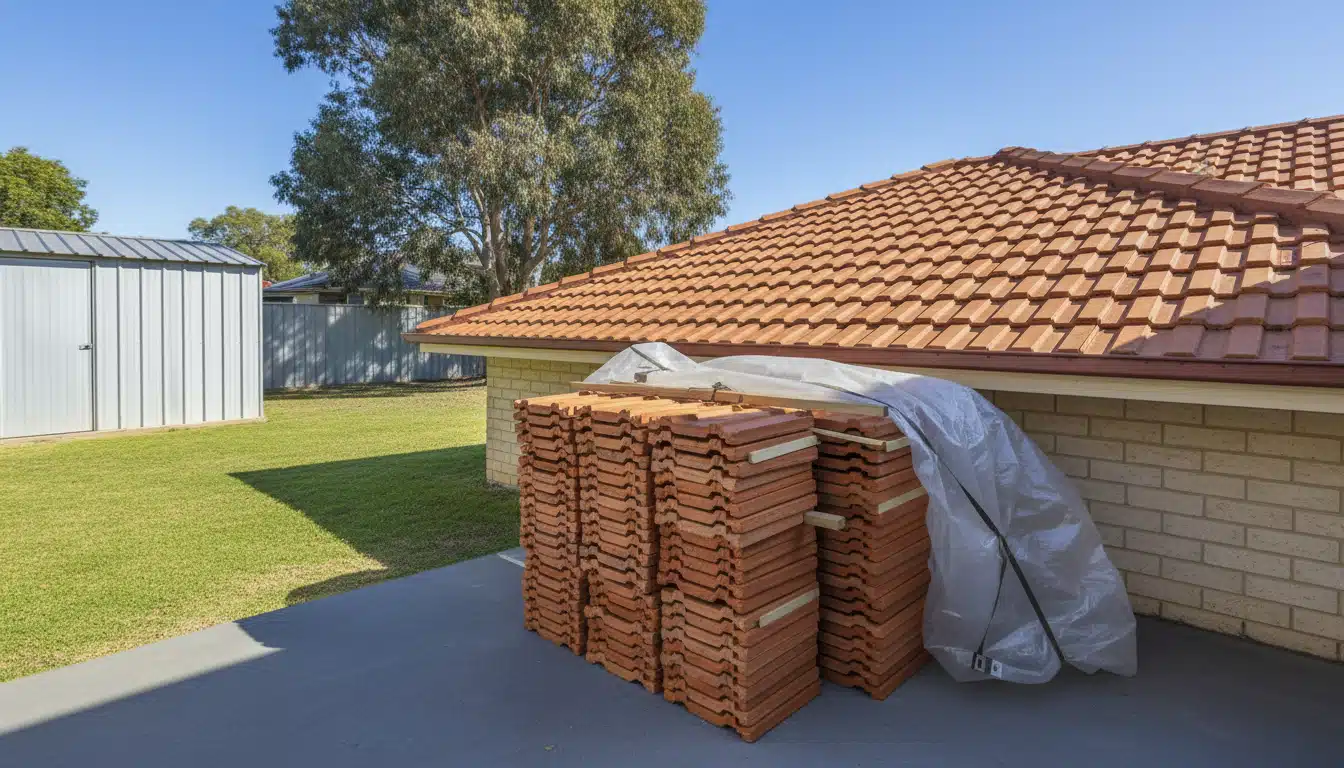
Roofs installed between 1990 and 1999 share common characteristics. These influence their current condition and future viability. During this period, terracotta and concrete tiles dominated Perth’s residential roofing market. Colorbond steel gained popularity in the latter half of the decade.
Concrete tiles manufactured in the 1990s typically received a factory-applied acrylic coating. This was designed to last 15-20 years. By 2024, these coatings have exceeded their intended lifespan by 5-10 years. The protective layer has broken down, exposing the porous concrete substrate to moisture penetration. This accelerates deterioration through freeze-thaw cycles during Perth’s winter months.
Concrete Tile Coating Breakdown
Terracotta tiles from this period generally demonstrate superior longevity compared to concrete alternatives. However, even quality terracotta experiences glaze breakdown after three decades of UV exposure. This leads to surface erosion and increased porosity. The tiles themselves often remain structurally viable. The pointing, bedding mortar, and valley flashings typically require attention.
Terracotta Tile Performance
Early Colorbond installations from the 1990s used coating systems that don’t match modern formulations’ durability. Whilst revolutionary at the time, they show their age. The Zincalume base layer provides excellent corrosion resistance. The colour coating fades significantly after 25-30 years. This occurs particularly on north-facing and west-facing roof planes. These receive maximum sun exposure.
Early Colorbond System Aging
Older corrugated iron and Zincalume roofs without colour coating develop surface oxidation. Whilst not immediately structural, this creates an appearance concern. It accelerates wear if left unaddressed.
Corrugated Iron and Zincalume Issues
The combination of these factors creates the decision point for 1990s roof owners. Understanding which intervention level suits the specific roof condition determines whether homeowners invest wisely or waste money on inappropriate solutions.
When Simple Repairs Provide Sufficient Solution
Repair-Focused Approach Suitability
Targeted repairs address isolated problems without the expense of comprehensive restoration. This approach suits roofs where deterioration remains localised rather than systemic.
A repair-focused approach makes sense when fewer than 10% of tiles show damage. Leaks originate from identifiable points rather than general deterioration. The existing coating maintains integrity across 80% or more of the surface. Storm damage that affects specific areas typically requires repair rather than full restoration. Fallen branches breaking tiles or displaced ridge capping fall into this category.
Identifying Localised Versus Systemic Damage
The inspection process identifies whether damage patterns indicate isolated incidents or broader system failure. A handful of cracked tiles near a damaged valley suggests repairable localised damage. Dozens of cracked tiles distributed across multiple roof planes indicates material fatigue. This requires comprehensive attention.
Standard Repair Services
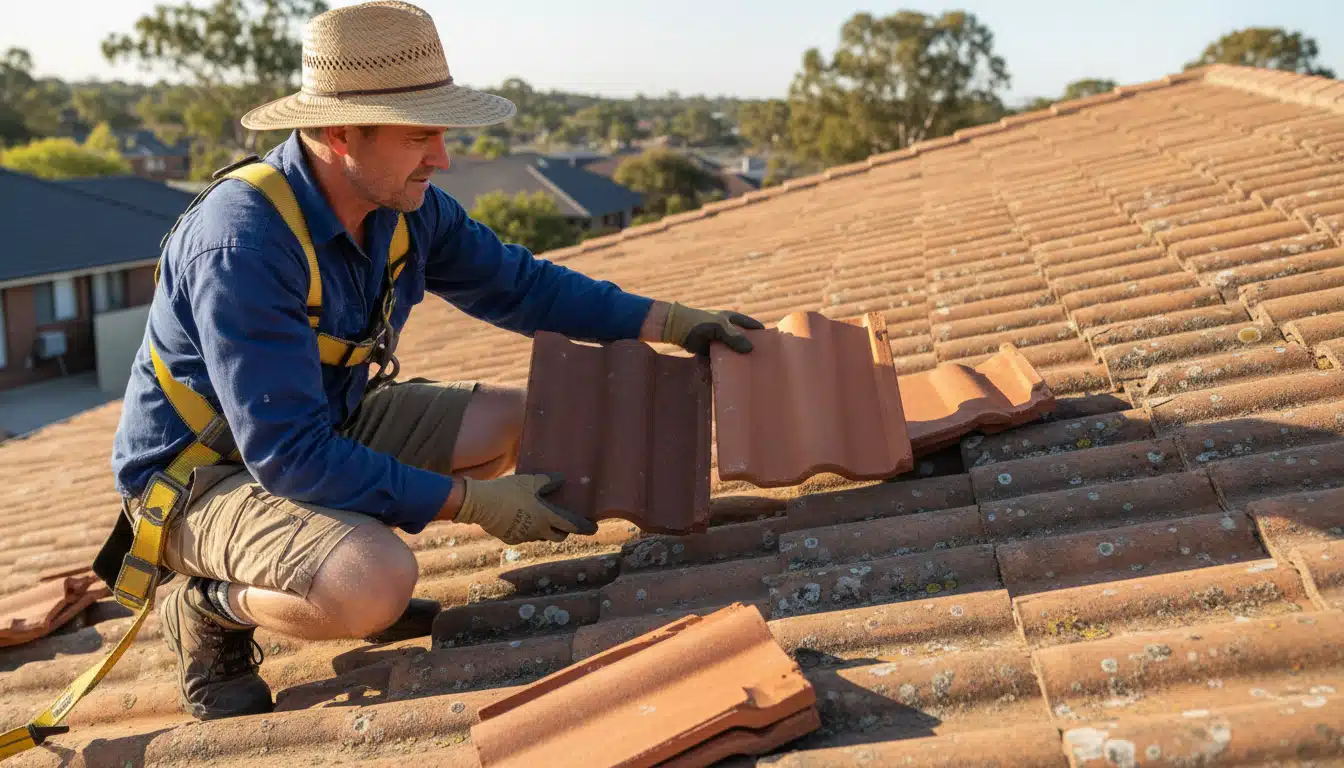
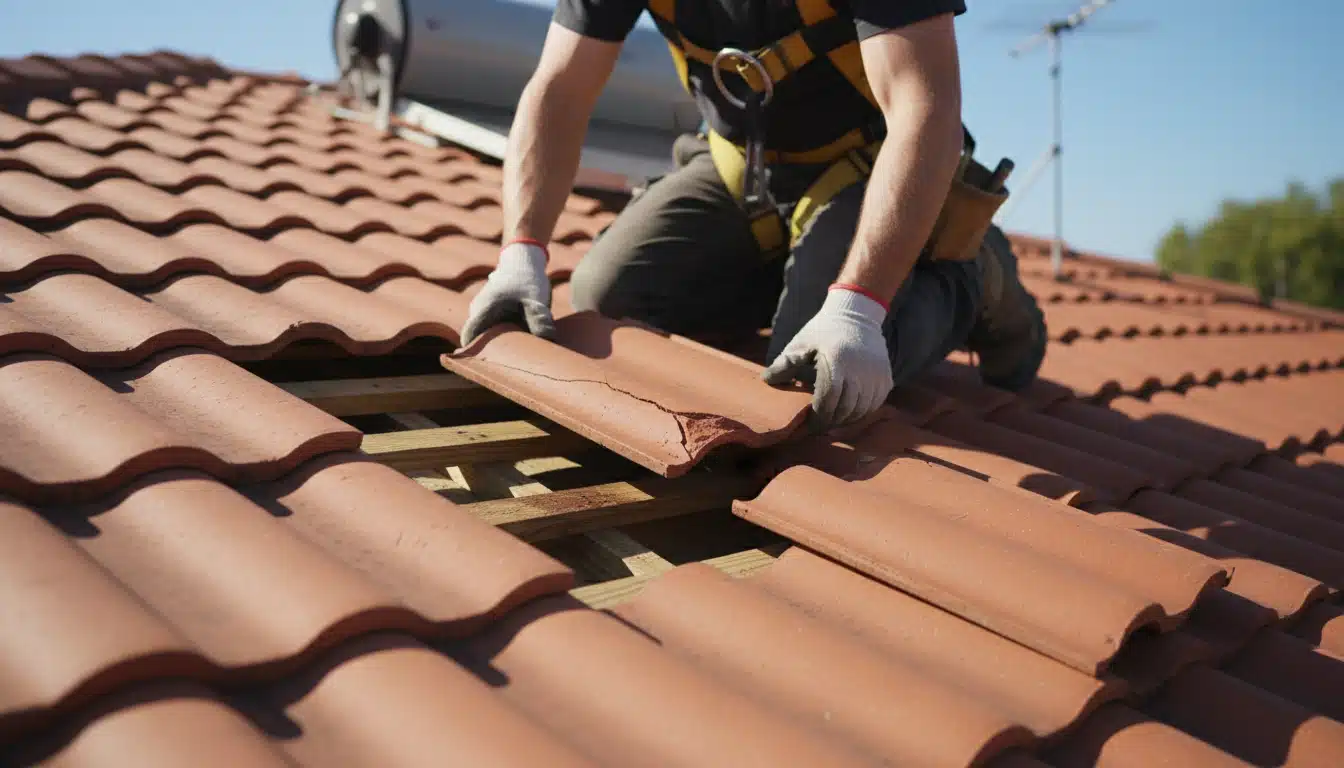
Standard professional roof repairs include replacing individual broken or cracked tiles. Repointing ridge capping and hips where mortar has deteriorated gets addressed. Resealing specific leak points around penetrations like vents and skylights occurs. Replacing damaged valley irons or flashing sections completes the work. These interventions extend roof life by 3-5 years when the broader roof system remains sound.
Repair Approach Limitations
The limitation of repairs becomes apparent when addressing one problem reveals additional issues. Replacing tiles in one section might expose deteriorated sarking or rotten battens underneath. This indicates problems that extend beyond the visible damage.
Cost Considerations for Repairs
Typical repair costs range $800-$2,500 depending on extent and accessibility. This investment makes sense when genuinely solving the problem and extending viable roof life. Repairs that simply delay inevitable comprehensive work represent poor value. The risk lies in discovering that addressed problems are symptoms of broader deterioration requiring full restoration.
When Restoration Delivers Maximum Value
Optimal Restoration Candidates
Ageing tile roof restoration represents the optimal solution for 1990s roofs. Structural elements remain sound but surface protection has failed. This approach completely renews the roof’s appearance and protective capabilities. Costs run 40-60% of re-roofing expenses.
Roofs qualify as restoration candidates when tiles or metal sheets remain structurally intact. Widespread cracking or corrosion should be absent. Roof framing shows no sagging or structural compromise. Sarking, if present, remains functional without extensive deterioration. The roof pitch must meet minimum standards for coating application. This typically means 10 degrees or greater for tile roofs.
Why 1990s Installations Are Ideal Candidates
Experience with 1990s installations demonstrates these roofs as ideal candidates. Permacoat has restored over 30,000 Perth roofs across five decades. Professional restoration begins with comprehensive cleaning using high-pressure equipment. This removes decades of accumulated dirt, moss, lichen, and biological growth. This step proves critical. Coating over contaminated surfaces leads to premature failure regardless of coating quality.
Comprehensive Restoration Process
Following professional roof cleaning, broken tiles receive replacement. All pointing and bedding undergoes renewal. Ridge capping, hips, and valleys receive fresh mortar bedding. This prevents water penetration and secures tiles against wind uplift. Valley irons and flashing receive inspection and replacement where corrosion or damage exists.
Ridge Capping and Valley Work
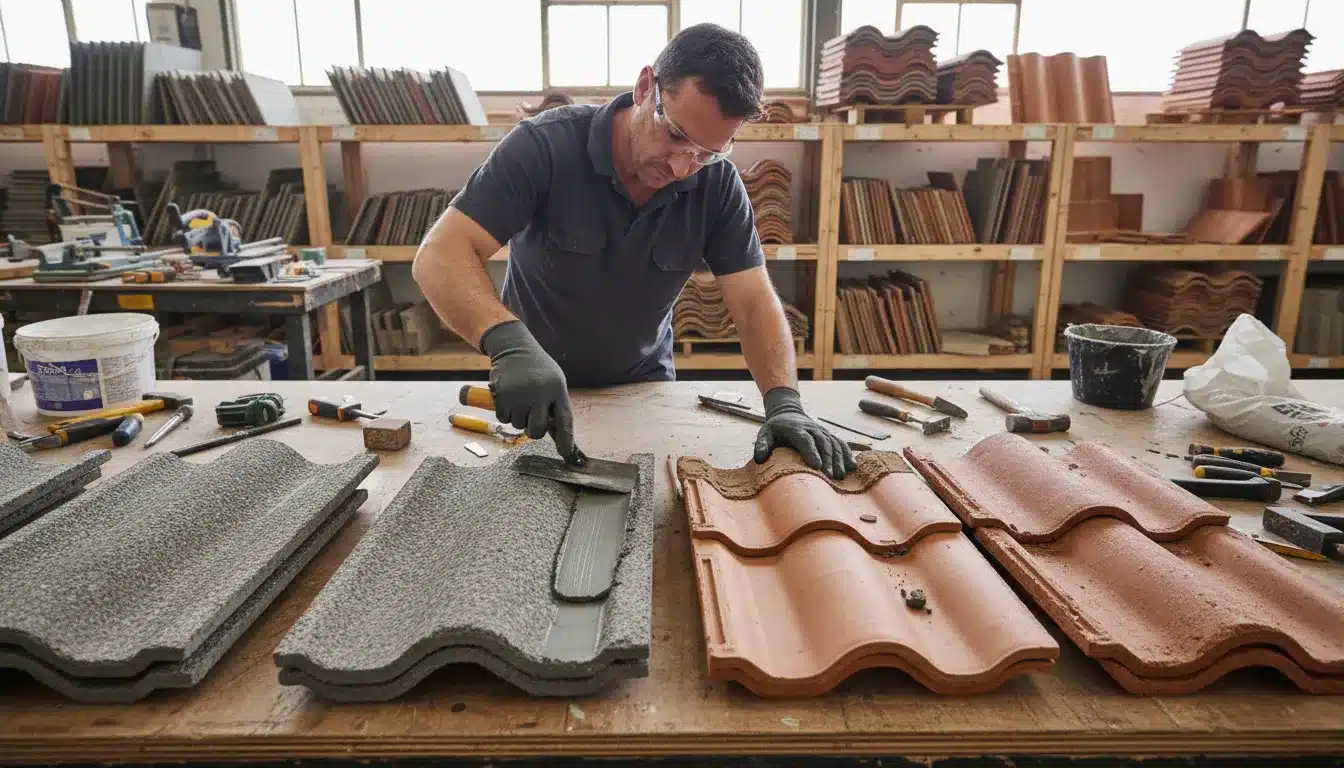
The roof coatings phase utilises Dulux Acratex coating systems applied in three separate layers. A primer sealer penetrates the tile surface. This provides adhesion and moisture barrier properties. Two topcoat applications follow. Each layer is applied by specialist spray teams using techniques refined over decades of Perth conditions.
Three-Coat Dulux Acratex System
This three-coat system delivers the 15-20 year warranty coverage provided. Many installations outlast their warranty period. The coating creates a flexible, UV-resistant membrane. This moves with the roof during temperature fluctuations without cracking or peeling.
Colour Transformation Opportunity
The restoration process offers opportunity to completely change roof colour. This significantly impacts property value and street appeal. The colour selection available through Dulux Acratex includes modern tones. These weren’t available when the original roof was installed. Homeowners frequently choose lighter colours. These reduce heat absorption and lower cooling costs during Perth’s summer months.
Financial Value Proposition
Tile roof restoration delivers complete renewal at 40-60% of replacement cost. Properly restored roofs regularly outlast warranty periods. Many installations from early 2000s still perform adequately today. 15-20 year performance typical when systems applied correctly represents excellent return on investment.
When Complete Re-Roofing Becomes Necessary
Indicators for Roof Replacement
Some 1990s roofs have deteriorated beyond the point where restoration provides viable solution. Re-roofing becomes necessary when structural elements have failed. Material condition prevents coating adhesion.
Complete replacement becomes appropriate when more than 30% of tiles show cracking or structural damage. Roof framing demonstrates sagging or structural movement. Sarking has deteriorated extensively allowing moisture into the roof space. The existing roof system doesn’t meet current building code requirements. Homes being extensively renovated often warrant re-roofing. This aligns the roof lifespan with other upgraded components.
Material Failure Beyond Restoration
Concrete tiles that have become severely porous through decades of moisture absorption sometimes reach failure point. Coating cannot achieve proper adhesion. The surface literally crumbles during pressure cleaning. This indicates that the tile substrate has failed. In these cases, restoration proves unsuccessful regardless of coating quality.
Complete Replacement Benefits
Complete roof replacement provides opportunity to upgrade insulation. Modern sarking with superior moisture barrier properties can be installed. Ventilation improvements that reduce roof space temperatures get incorporated. Modern materials with enhanced longevity can be selected. The result is essentially a new roof with a fresh 50-year lifespan for quality materials.
Investment Considerations
The investment for re-roofing in Perth ranges from $15,000-$35,000 for typical Perth homes. This compares to $8,000-$15,000 for comprehensive restoration. This cost difference explains why restoration remains the preferred option when roof structure permits.
Re-roofing makes clear financial sense when restoration cannot achieve adequate results. Material condition prevents success. When the home is being comprehensively renovated with plans for long-term ownership, re-roofing makes sense.
The Financial Analysis – Comparing True Costs
Repair Cost-Benefit Assessment
Making the repair versus restoration versus re-roof decision requires examining costs beyond the immediate invoice. The analysis must consider the extended lifespan each option provides. Impact on property value matters. The likelihood of additional expenses within 5-10 years requires consideration.
A repair addressing isolated damage typically costs $800-$2,500. This depends on extent and accessibility. This investment makes sense when it genuinely solves the problem. It extends viable roof life by 3-5 years. However, repairs that simply delay inevitable comprehensive work represent poor value.
The risk with repair-only approaches lies in discovering that addressed problems represent symptoms of broader deterioration. Replacing cracked tiles might stop a leak temporarily. If the coating has failed across the entire roof, additional leaks will develop elsewhere within months.
Restoration Investment Returns
Comprehensive restoration costs $8,000-$15,000 for typical homes. This delivers 15-20 years of renewed protection. This represents approximately $500-$750 per year of extended roof life. This proves substantially less than the annual cost of eventual re-roofing.
Property Value Impact
Property value impact proves significant. Real estate professionals consistently report results. Homes with recently restored roofs sell faster and command higher prices. This compares to comparable properties with visibly aged roofs. The $10,000 restoration investment often returns $15,000-$25,000 in increased sale price. It also eliminates the roof condition as a negotiation point for buyers.
Re-Roofing Investment Analysis
Complete re-roofing at $15,000-$35,000 provides a new roof with 50+ year lifespan. Quality materials support this timeline. The per-year cost calculates to $300-$700 annually. This proves competitive with restoration when the full lifespan is considered. However, the upfront capital requirement exceeds restoration by 100-150%. This impacts feasibility for many homeowners.
Long-Term Ownership Decisions
Re-roofing makes clear financial sense when restoration cannot achieve adequate results. Material condition prevents success. When the home is being comprehensively renovated with plans for long-term ownership, re-roofing makes sense.
Making the Decision – Assessment Framework
Professional Inspection Requirements
Determining the appropriate solution requires professional assessment. This examines both visible conditions and underlying structural elements. Free roof inspections identify the true extent of deterioration. The most cost-effective solution gets recommended based on actual conditions.
The inspection process evaluates tile or metal condition across all roof planes. Checking for cracking, porosity, and structural integrity occurs. Roof framing receives examination for sagging, movement, or water damage. All flashings, valleys, and penetrations undergo scrutiny. Deterioration or improper installation gets identified. The existing coating condition determines whether surface preparation can achieve proper adhesion for new coatings.
Comprehensive Evaluation Process
For 1990s tile roofs specifically, the inspection focuses on whether the tile substrate remains sound enough to accept coating. A simple test involves spraying water on the tile surface. Absorption rate gets observed. Tiles that immediately absorb water like a sponge have become excessively porous. This potentially indicates restoration challenges.
Surface Preparation Viability Testing
Assessment accuracy depends entirely on the inspector’s experience. Experience with Perth’s specific roof types and climate conditions matters. Permacoat has restored over 30,000 roofs providing practical Perth knowledge. Five decades of local experience means inspectors have seen how 1990s roofs age under actual Perth conditions. This provides practical knowledge, not theoretical scenarios. This identifies subtle warning signs that less experienced providers might miss.
Experience-Based Assessment Value
The inspection report provides honest assessment. Which solution suits the specific roof condition gets explained. Why that recommendation makes sense appears clearly. There’s no pressure toward unnecessary services. If repairs suffice, that’s the recommendation provided.
Honest Recommendations Without Pressure
Professional assessment eliminates guesswork from the decision process. Homeowners receive clear information about their roof’s actual condition, realistic expectations for each solution’s lifespan, and transparent cost comparisons enabling informed decisions.
Conclusion
Perth roofs installed during the 1990s have reached the age where intervention becomes necessary. The appropriate solution varies dramatically based on actual roof condition rather than age alone. Simple repairs address isolated problems when broader deterioration hasn’t occurred, typically extending viable roof life by 3-5 years at modest cost.
Comprehensive ageing tile roof restoration provides optimal value for the majority of 1990s roofs where structural elements remain sound but surface protection has failed. The process completely renews appearance and protective capabilities, delivering 15-20 years of warranted performance at roughly half the cost of complete replacement.
Complete re-roofing becomes necessary only when structural elements have failed or material condition prevents successful restoration. Whilst representing significant investment, replacement provides a fresh 50-year lifespan with opportunity to incorporate modern materials and building techniques.
For expert roof restoration in Perth backed by 50+ years of experience and comprehensive assessment, call (08) 9249 5955 to book your free inspection.