Perth’s summer storms can unleash hailstones that transform a clear afternoon into a roofing emergency within minutes. While the coastal suburbs face intense weather patterns, inland areas from Midland to Armadale experience some of Western Australia’s most severe hail events. A single storm can cause damage that remains hidden for months, allowing water infiltration to silently compromise roof structure and interior spaces.
The 2010 Perth hailstorm caused over $1.1 billion in insurance claims, with thousands of roofs requiring immediate hail damage roof assessment Perth. Yet many homeowners missed critical damage signs until leaks appeared months later. Understanding what to look for after a hail event determines whether minor repairs prevent major restoration work.
How Hail Impacts Different Perth Roof Types
Perth properties feature diverse roofing materials, each responding differently to hail impact. Terracotta tile fracture occurs under direct strikes, cement tiles chip at edges and surfaces, while Colorbond roofing develops dents that compromise protective coatings. The damage pattern depends on hailstone size, wind velocity, and roof age.
Older terracotta tiles become increasingly brittle after decades of UV exposure. A hailstone measuring 20mm diameter can cause terracotta tile fracture on tiles that would have withstood similar impact when newly installed. Cement tiles absorb moisture over time, making them vulnerable to surface fracturing during hail events.
Metal roofing responds differently. Colorbond sheets dent rather than crack, but these depressions collect water and accelerate metal roofing dent corrosion beneath protective paint layers. Ridge capping takes the most severe impacts, often showing damage even when surrounding roof surfaces appear intact.
Coastal properties face compounded issues. Salt-laden air weakens protective coatings over time, meaning hail strikes penetrate compromised surfaces more easily than inland roofs of similar age. Suburbs like Scarborough, Fremantle, and Rockingham require particularly thorough hail damage roof assessment Perth after storm events.
Immediate Visual Signs of Hail Damage
The first 48 hours after a hailstorm provide optimal assessment conditions. Check gutters for granular debris from tile surfaces, paint chips from metal roofing, or fragments of broken tiles. This material accumulates quickly and indicates surface-level damage requiring professional evaluation.
Examine ground areas around the property perimeter. Broken tile pieces, dented flashing, or damaged ridge caps often fall during storms. These visible indicators suggest more extensive roof surface damage exists above.
From ground level, scan roof surfaces with binoculars for obvious cracks, displaced tiles, or dented metal sheets. Never attempt roof access immediately after storms. Wet surfaces create dangerous conditions, and further damage may occur from walking on compromised materials.
Downpipes often show denting from hail impact. While this seems minor, dented downpipes indicate hailstone size and velocity that likely damaged roof surfaces as well. Check for water staining on exterior walls, suggesting guttering or flashing damage allowing water penetration.
Internal ceiling inspection reveals moisture stains, discolouration, or sagging plasterboard. These signs indicate water has already penetrated roof barriers, requiring urgent roof repairs Perth to prevent structural damage and mould growth.
Hidden Damage That Worsens Over Time
Surface cracks in tiles may appear minor initially but allow water infiltration during subsequent rainfall. Perth’s winter storms drive water beneath damaged tiles, saturating sarking and timber framing. By the time ceiling stains appear, structural timber may require replacement alongside roof repairs.
Hairline fractures in cement tiles expand through thermal cycling. Perth’s temperature variations cause tiles to expand and contract daily. Compromised tiles showing terracotta tile fracture or cement damage crack further with each cycle, eventually failing completely months after the initial hail damage.
Metal roofing dent corrosion develops even when sheets do not perforate. Water pools in depressions, maintaining constant moisture contact with underlying metal. Metal roofing dent corrosion develops beneath paint surfaces, invisible until rust breaks through, often 12-18 months after the storm event.
Flashing damage represents the most insidious problem. Valley flashing, ridge flashing, and penetration seals around vents or skylights crack under hail impact. These failures allow water into roof cavities immediately, but leaks may not appear inside for months as water tracks along timber framing before finding ceiling penetrations.
Permacoat’s assessment teams identify these hidden issues during comprehensive inspections. With over 50 years of experience across 30,000+ Perth roofs, their specialists recognise subtle damage indicators that prevent minor repairs escalating into complete roof restoration Perth requirements.
Professional Assessment Process
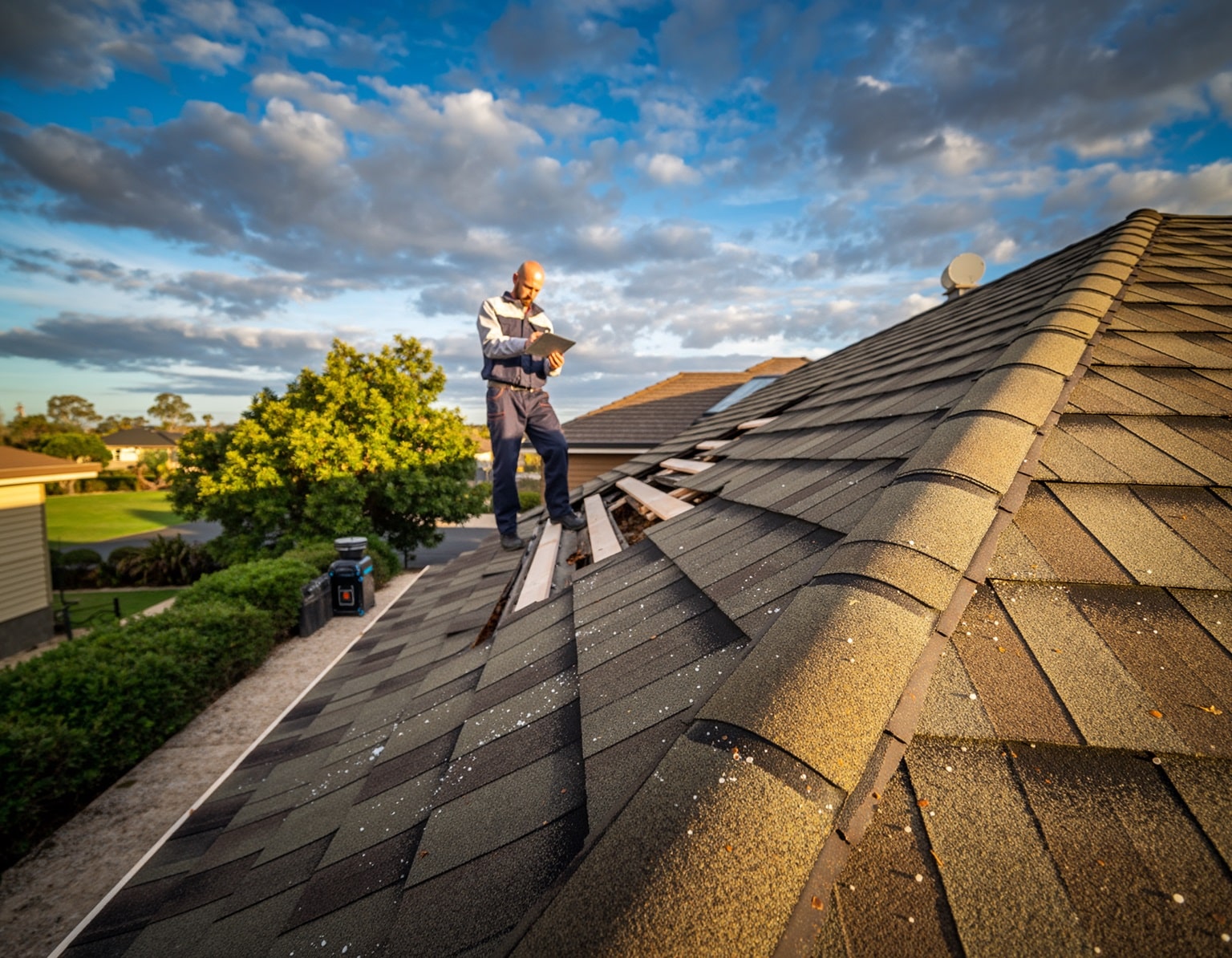
Qualified roof inspectors follow systematic evaluation protocols during hail damage roof assessment Perth. They document every damaged tile, measure dent depths in metal roofing, photograph compromised flashing, and assess sarking condition from roof cavity access points. This insurance claim documentation supports insurance claims and establishes repair scope accurately.
Thermal imaging moisture detection cameras detect moisture penetration invisible to standard inspection. Water-saturated timber shows temperature differentials, revealing leak paths and extent of water damage. This thermal imaging moisture detection technology identifies problems before structural compromise becomes severe.
Inspectors test remaining tiles for integrity. Tiles may appear intact but have developed internal fractures that will fail under normal foot traffic during repair work. Identifying these compromised tiles prevents further damage during restoration activities.
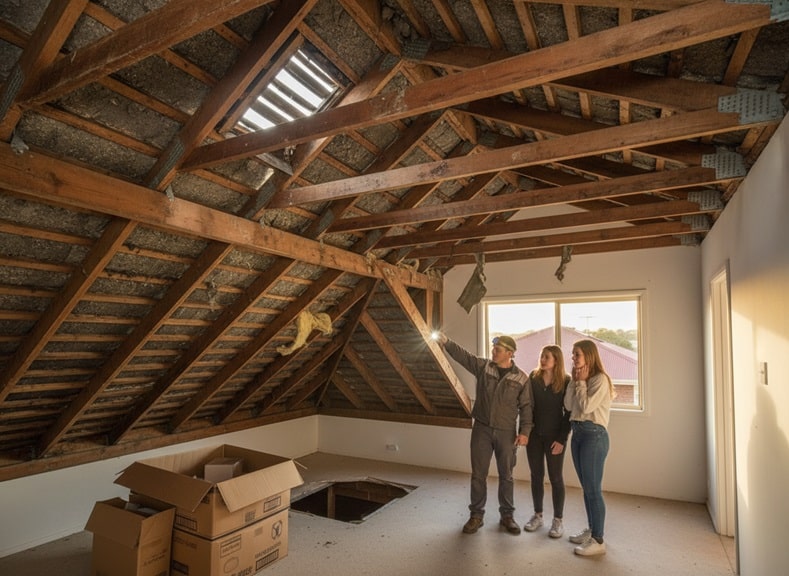
Structural assessments examine timber framing for water damage, checking for rot, sagging, or compromised load-bearing capacity. Ceiling cavities require inspection for insulation damage, electrical wiring exposure, or mould growth resulting from water infiltration.
Professional reports detail every finding with photographic evidence, repair recommendations, and cost estimates. Insurance companies require this insurance claim documentation for claim processing, making professional assessment essential rather than optional after significant hail events.
When Repairs Cannot Wait
Certain damage types demand immediate attention regardless of weather forecasts. Broken tiles exposing sarking allow water entry during any rainfall. Even light showers saturate ceiling insulation and timber framing when protective tile barriers fail, causing potential ceiling collapse water saturation.
Damaged valley flashing requires emergency repair. Valleys channel maximum water volume during rainfall, and compromised flashing directs this water straight into roof cavities. A single moderate rainfall can cause extensive internal damage when valley flashing fails.
Perforated metal roofing needs immediate temporary sealing. While rare, severe hail occasionally punctures Colorbond sheets. These holes allow direct water entry, requiring emergency patching until permanent tile roof repairs can be scheduled.
Ridge cap displacement creates immediate vulnerability. Ridge caps seal the roof’s highest point where two planes meet. Dislodged or cracked ridge caps expose this critical junction to water infiltration, wind-driven rain, and pest entry.
Properties showing internal water stains after hail events require urgent professional assessment. Visible internal damage indicates water has already penetrated multiple protective barriers. Further rainfall will worsen structural damage exponentially without immediate intervention.
Insurance Claim Documentation
Photograph all visible damage immediately after storms, capturing wide shots showing overall roof condition and close-ups detailing specific damage. Include reference objects in photos to demonstrate scale. A ruler beside tile cracks or dents provides claim assessors with clear damage evidence. This insurance claim documentation proves essential for successful claims.
Document the storm event itself. Bureau of Meteorology records, news reports, and neighbour statements establish that significant hail occurred. Insurance companies occasionally dispute claims lacking clear storm event documentation.
Obtain professional assessment reports promptly. Most insurance policies require damage notification within specific timeframes. Delayed reporting can complicate claims, with insurers arguing that subsequent storms caused damage rather than the initial event.
Professional hail damage roof assessment Perth reports detail damage extent, repair requirements, and estimated costs. Insurers accept qualified roof inspector documentation more readily than homeowner descriptions. The investment in professional assessment typically returns substantial value through improved claim outcomes.
Keep all correspondence with insurance companies. Document phone conversations with dates, times, and representative names. Email communications provide clear records of claim progress and insurer responses.
Contact Permacoat for insurance-compliant assessment reports. Their insurance claim documentation meets insurer requirements and includes photographic evidence supporting comprehensive repair specifications.
Repair vs Restoration Decision Factors
Minor hail damage affecting fewer than 15% of tiles typically suits targeted repair approaches. Replacing damaged tiles, resealing flashing, and addressing specific problem areas restores roof integrity without complete restoration investment.
Extensive damage exceeding 30% of roof surface area often makes complete restoration more cost-effective than piecemeal repairs. Insurance assessors frequently approve full restoration when damage percentage crosses this threshold, recognising that partial repairs leave roofs with mixed-age materials and compromised overall integrity.
Roof age influences this decision significantly. Roofs approaching 20-25 years old with moderate hail damage benefit from complete restoration rather than repairs. Addressing hail damage while simultaneously replacing aged tiles and applying fresh protective roof coatings delivers better long-term value.
Colour matching presents practical challenges. Tile colours fade over decades of UV exposure. Replacing damaged tiles with new ones creates obvious colour mismatches that affect property appearance and value. Complete restoration with fresh coatings eliminates this aesthetic concern.
Properties planned for sale within 2-3 years should consider complete restoration over minimal repairs. Comprehensive restoration with Dulux Acratex coating systems and 15-20 year warranties adds substantial appeal to potential buyers, often returning the investment through improved sale prices.
Prevention and Future Protection
While preventing hail damage entirely proves impossible, certain measures reduce impact severity. Regular maintenance keeps tiles properly bedded and secured, reducing displacement risk during storms. Annual inspections identify loose tiles, compromised flashing, and coating deterioration before storm events occur.
Protective roof coatings provide impact resistance that aged, weathered surfaces lack. Dulux Acratex coating systems applied during restoration create flexible, impact-resistant surfaces that better withstand hail strikes than bare tile or deteriorated previous coatings.
Tree management reduces compound damage. Overhanging branches break during storms, falling onto roof surfaces and multiplying hail impact damage. Maintaining clearance between vegetation and roof surfaces limits this additional risk.
Gutter maintenance prevents water backup during heavy rainfall accompanying hail events. Clean, functional gutter and downpipe systems channel storm water away efficiently, reducing the likelihood that hail-compromised roof areas experience immediate water infiltration.
Regular professional inspections identify developing problems before storms expose them. Permacoat’s inspection teams assess roof condition, coating integrity, and structural soundness during routine maintenance visits. Addressing minor issues proactively prevents them becoming major problems when severe weather strikes.
Working with Experienced Restoration Specialists
Perth’s most severe hail events occur with little warning, making established relationships with qualified restoration specialists valuable. Companies with decades of local experience understand regional weather patterns, common damage types, and effective repair approaches for Perth’s specific roof types and climate conditions.
Permacoat’s 50+ years serving Perth homeowners provides unmatched expertise in hail damage roof assessment Perth and restoration. Their teams have managed repairs following every major Perth storm event since the 1970s, developing systematic approaches that address both obvious damage and hidden structural issues.
Dulux accreditation ensures coating systems meet manufacturer specifications for impact resistance and longevity. This accreditation, combined with Permacoat’s three-coat application system using separate restoration and spray coating teams, delivers results that consistently outlast warranty periods.
Comprehensive warranties protect homeowners from unexpected failures. Permacoat provides 15-20 year coating warranties, 12-month leak guarantees, and 3-year labour warranties. This coverage demonstrates confidence in workmanship quality and materials performance.
The $20 million insurance coverage Permacoat maintains protects homeowners throughout restoration projects. This substantial coverage level reflects the company’s commitment to professional standards and client protection.
Conclusion
Hail damage roof assessment Perth requires immediate attention and professional expertise. Perth’s storm patterns create roof damage that worsens rapidly without proper intervention, transforming minor repairs into major restoration projects within months. Understanding damage signs, obtaining qualified assessments, and addressing problems promptly protects both property value and structural integrity.
The difference between minor repairs and extensive restoration often comes down to assessment timing. Early professional evaluation using thermal imaging moisture detection identifies hidden damage before water infiltration compromises structural elements. Waiting for obvious internal signs like ceiling stains typically means repair costs have multiplied several times over.
With over 30,000 Perth roofs restored and proven expertise managing hail damage across every suburb and roof type, Permacoat delivers assessment accuracy and restoration quality that protects homes for decades. Their free, no-obligation roof inspections provide homeowners with clear damage documentation, repair recommendations, and insurance-ready reports.
Do not wait for ceiling stains to reveal hail damage. Book a free roof inspection on (08) 9249 5955 and protect your property with expert assessment and proven restoration solutions backed by Western Australia’s longest-serving roof restoration specialists.