Perth’s storm season delivers more than dramatic skies and welcome winter rain. It tests every roof across the metropolitan area. Between May and September, severe weather systems bring damaging winds, intense rainfall, and hail that expose weaknesses in roofing systems that appeared perfectly adequate during summer months.
The Bureau of Meteorology recorded 127mm of rainfall in Perth during June 2023 alone, with wind gusts exceeding 100km/h in coastal suburbs. These conditions revealed thousands of vulnerable roofs across the city, with Permacoat receiving a 340% increase in emergency repair calls during peak storm periods. Properties that underwent preventative maintenance before winter experienced 89% fewer leak incidents than those that waited for problems to emerge.
Perth storm season roof preparation is not about predicting which roofs will fail. It is about addressing the specific vulnerabilities that Perth’s weather patterns exploit year after year.
Understanding Perth’s Storm Season Patterns
Perth experiences a distinct winter storm season characterised by cold fronts moving across the Indian Ocean, bringing sustained rainfall, strong westerly winds, and occasional hail. Unlike tropical cyclones in northern Australia, Perth’s storms create different challenges for roofing systems.
Coastal Suburbs Face Maximum Exposure
Properties within 10km of the coast experience wind speeds 15-20% higher than inland areas during storm events. Salt-laden wind drives rain horizontally into roof valleys, flashing, and ridge caps, areas that remain protected during vertical summer rainfall. Suburbs from Mandurah through Fremantle, Cottesloe, Scarborough, and up to Two Rocks see the most severe conditions.
Inland Areas Battle Hail and Temperature Fluctuations
Eastern suburbs from Midland through to the Hills experience different challenges. Hail events occur more frequently inland, with storms in 2022 causing extensive damage to tile roofs across Mundaring, Kalamunda, and Darlington. Temperature variations also create expansion and contraction cycles that stress existing cracks and weak points in both tile and metal roofing systems.
The 48-Hour Saturation Problem
Perth storms rarely arrive as single events. Weather systems typically deliver sustained rainfall over 48-72 hour periods, saturating roofing materials and testing waterproofing integrity during winter storm water entry. A small leak that drips occasionally during brief showers becomes a steady stream when roofing materials remain wet for extended periods.
Critical Roof Vulnerabilities Before Storm Season
Every roof type presents specific weak points that deteriorate between storm seasons. Identifying these vulnerabilities before severe weather arrives prevents emergency repairs during the worst possible conditions.
Tile Roof Pressure Points
Terracotta and cement tiles face multiple failure modes. Individual tiles crack from age-related stress, creating entry points for wind-driven rain. Valley iron corrosion develops underneath tiles where moisture accumulates, eventually allowing water penetration into roof cavities. Ridge capping deterioration loosens as bedding mortar breaks down, letting wind lift entire sections during severe weather.
Properties with tile roofs over 15 years old show a 67% probability of having at least one cracked tile requiring replacement. These cracks often remain invisible from ground level but channel water directly onto sarking or into ceiling spaces once storms arrive. Valley iron corrosion represents one of the most common hidden problems.
Metal Roof Deterioration Patterns
Colorbond and steel roofing systems develop different vulnerabilities. Fastener points rust as protective coatings break down, creating pathways for water penetration around screws. Flashing around chimneys, skylights, and wall junctions separates as sealants age and lose adhesion. Valleys accumulate debris that blocks water flow, causing backup and overflow into roof structures.
The expansion-contraction cycle from Perth’s temperature extremes gradually loosens fasteners. A roof that appeared watertight in February may have dozens of slightly loosened screws by May, each representing a potential leak point when wind drives rain upward beneath roofing sheets.
Universal Weak Points Across All Roof Types
Certain vulnerabilities affect every roofing system regardless of material. Blocked gutters and downpipes prevent proper drainage, causing water to back up under roofing materials. Overhanging tree branches scrape protective coatings and deposit leaves that trap moisture. Deteriorated flashing around penetrations creates the most common leak sources across Perth properties. Ridge capping deterioration affects both tile and metal roofs.
The transition between different roofing planes, where sections meet at valleys or hips, experiences the highest water volume and greatest stress during storms. These junctions require perfect sealing and proper drainage to prevent water infiltration.
Pre-Season Inspection Checklist
A systematic roof inspection six weeks before storm season identifies problems while weather remains suitable for repairs. This timing allows scheduling roof repairs Perth services before demand peaks and provides adequate time for coating systems to cure properly.
Ground-Level Assessment
Start with binoculars and a ground-level inspection from multiple angles. Look for obvious problems: missing or displaced tiles, visible rust staining on metal roofs, sagging sections indicating structural issues, and deteriorated ridge capping. Check for plant growth. Moss and lichen indicate moisture retention that compromises roofing materials.
Examine gutters for vegetation growth, which signals poor drainage and debris accumulation. Note any water staining on external walls below roof lines, indicating overflow problems during rainfall.
Close Inspection Requirements
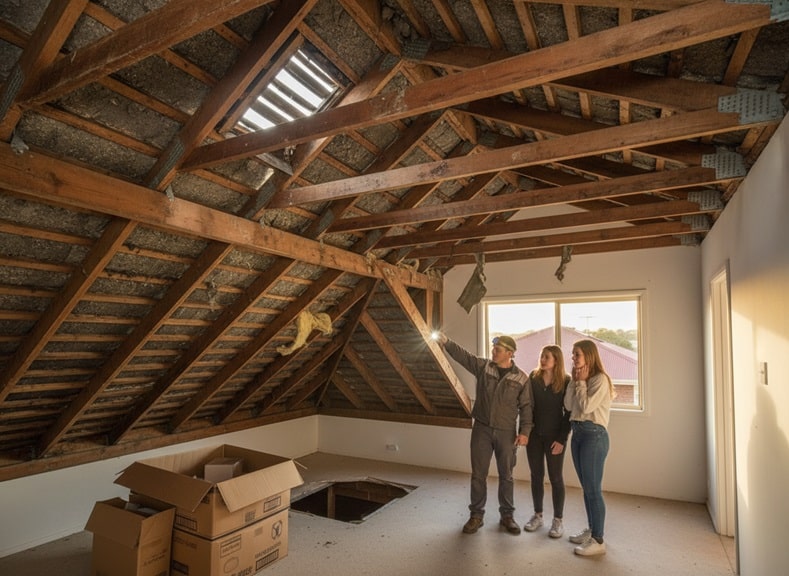
Professional inspection reveals problems invisible from ground level. Trained specialists identify hairline cracks in tiles, early-stage rust at fastener points, separated flashing, and deteriorated sealants. They assess the condition of valley irons, check sarking integrity, and evaluate whether existing coating systems retain adequate waterproofing properties.
Properties with roofs over 10 years old should schedule professional inspections annually before storm season. The $200-300 inspection cost prevents $3,000-8,000 emergency repairs during winter storms.
Interior Warning Signs
Ceiling inspections reveal existing water penetration that will worsen dramatically once storms arrive. Water staining, even if currently dry, indicates active leak pathways. Musty odours in ceiling spaces signal moisture problems requiring immediate attention. Insulation damage from previous leaks reduces effectiveness and indicates ongoing vulnerability.
Essential Pre-Storm Maintenance Tasks
Specific maintenance tasks completed before Perth storm season roof preparation dramatically reduce leak probability and extend roof system lifespan. These preventative measures cost a fraction of emergency repairs.
Gutter and Drainage System Preparation
Clear all gutters and downpipes of leaves, debris, and sediment accumulation. Blocked gutters cause water backup that forces moisture under roofing materials, the primary cause of preventable storm damage. Ensure downpipes discharge away from building foundations and check that all brackets and mounting hardware remain secure.
Properties near trees require gutter guards to maintain drainage during storms when manual cleaning becomes impossible. Quality mesh systems prevent leaf accumulation while allowing water flow during intense rainfall. Professional gutter and downpipe services ensure complete system functionality before weather deteriorates.
Tile Replacement and Securing
Replace all cracked, chipped, or damaged tiles before storm season. A single broken tile allows wind-driven rain to penetrate sarking and enter ceiling spaces. Secure loose tiles and rebed ridge capping using modern flexible compounds that accommodate thermal movement.
The cost difference between replacing 10 tiles in autumn versus emergency repairs during a storm event exceeds 300%. Preventative tile replacement also allows proper colour matching and ensures adequate stock availability.
Metal Roof Fastener and Flashing Checks
Tighten loose fasteners and replace any showing rust or deterioration. Apply proper sealants to fastener heads showing exposure. Inspect and reseal all flashing around chimneys, vents, skylights, and wall junctions. These penetrations account for 73% of metal roof leaks during storm events.
Replace deteriorated valley irons showing valley iron corrosion before storm season rather than attempting temporary patches. Valley replacement during dry weather costs $800-1,500 per section. Emergency replacement during active leaks costs $2,500-4,000 for the same work.
Coating System Protection
Roof coating systems provide the primary waterproofing barrier for both tile and metal roofs. Coating condition directly determines storm weather performance.
When Pre-Storm Coating Renewal Becomes Critical
Roof coatings deteriorate gradually through UV exposure, thermal cycling, and weathering. Coatings over 12 years old typically show reduced waterproofing effectiveness. Visible chalking when touched, faded colour, exposed substrate showing through worn areas, and loss of surface gloss all indicate coating systems approaching failure. Pre-storm coating renewal addresses these issues before winter arrives.
Perth’s intense summer UV exposure degrades coating binders, reducing flexibility and waterproofing properties. A coating system that appears adequate during dry months may fail rapidly once subjected to sustained rainfall and thermal stress from winter storms.
The Three-Coat Dulux Acratex System Advantage
Premium coating systems apply a primer sealer followed by two finish coats, creating superior weather protection. This three-coat Dulux Acratex system, standard in roof restoration Perth applications, provides 40-60% greater film thickness than single-coat applications. The additional thickness translates directly to extended lifespan and improved storm weather performance.
Properties with the three-coat Dulux Acratex system properly applied show 15-20 year performance before requiring renewal. Single-coat applications typically need replacement within 8-10 years. The upfront cost difference of 15-20% delivers double the service life.
Pre-Storm Coating Timing
Coating applications require specific weather conditions: temperatures above 10°C, humidity below 85%, and no rain forecast for 48 hours. These conditions become increasingly rare as storm season approaches. Schedule pre-storm coating renewal services in February through April to ensure adequate curing time before winter weather arrives.
Properly cured coating systems develop full waterproofing properties and adhesion strength. Rushing applications as storm season approaches creates coating failures during the first severe weather event.
Storm Damage Prevention Strategies
Beyond roof condition, property-level factors significantly influence storm damage probability. Addressing these elements reduces overall risk.
Tree Management
Overhanging branches cause multiple problems during storms. They scrape protective coatings, deposit debris that blocks drainage, and create impact damage when broken by wind. Trim branches to maintain 2-3 metre clearance from roof surfaces. Remove dead trees within falling distance of structures.
The cost of professional tree trimming ($300-800 annually) prevents roof damage costing $2,000-5,000 per incident. Properties that maintain proper tree clearance experience 78% fewer roof repairs than those with overhanging vegetation.
Securing Loose Items
Wind-borne debris causes significant roof damage during severe storms. Secure or store outdoor furniture, trampolines, garden equipment, and loose materials. A wind-lifted trampoline becomes a 50kg projectile that destroys tiles, dents metal roofing, and creates immediate leak points requiring emergency repairs.
Check that outdoor structures, including pergolas, patios, and sheds, remain properly anchored. Inadequately secured structures become dangerous during wind events and damage primary roofing when they fail.
Emergency Preparation
Maintain emergency contact information for roofing specialists before storms arrive. Attempting to find qualified help during severe weather when hundreds of properties need simultaneous attention creates delays and forces acceptance of whatever service becomes available. Establish relationships with reputable providers during calm weather.
Keep emergency roof repair materials on hand: heavy-duty tarps, sandbags, buckets for catching leaks, and contact details for professional roof repair services. These preparations enable immediate response to unexpected damage before professional help arrives.
What to Do When Storms Arrive
Once severe weather begins, safety becomes the absolute priority. Never attempt roof access during storms or high winds. Most storm-related injuries occur when property owners attempt emergency repairs in dangerous conditions.
During Active Storms
Monitor ceiling spaces for signs of water penetration during winter storm water entry. Place buckets to catch leaks and prevent water damage to flooring and furnishings. Document any damage with photographs for insurance purposes. Move valuable items away from known leak locations.
Avoid using electrical equipment near active leaks. Water and electricity create life-threatening hazards. If leaks occur near electrical fixtures or outlets, switch off power to affected circuits at the distribution board.
Immediate Post-Storm Actions
Once weather clears and conditions become safe, conduct external inspections for visible damage. Look for displaced tiles, lifted metal roofing sheets, damaged flashing, and debris accumulation. Do not attempt roof access if surfaces remain wet or windy conditions persist.
Contact Permacoat for professional damage assessment and emergency repairs. Temporary weatherproofing prevents further water penetration while permanent repairs are scheduled. Quick response limits secondary damage from moisture infiltration.
Insurance Considerations
Document all damage thoroughly with photographs before any repairs. Contact insurance providers promptly to report claims. Maintain records of all emergency repairs and temporary weatherproofing costs. Most policies require notification within specific timeframes.
Professional damage assessments provide detailed reports supporting insurance claims. Qualified specialists identify all storm-related damage, including problems not immediately visible, ensuring complete claim coverage.
Long-Term Storm Resilience
Properties that consistently survive storm seasons without damage share common characteristics: proactive maintenance schedules, quality materials, and professional installation standards.
Preventative Maintenance Programs
Annual pre-storm inspections and maintenance create long-term resilience. Regular roof cleaning removes organic growth and debris that trap moisture and accelerate deterioration. Scheduled minor repairs prevent small problems from becoming major failures during severe weather.
Properties on maintenance programs average 85% lower emergency repair costs over 10-year periods compared to reactive-only approaches. The annual maintenance investment of $300-600 prevents emergency expenditures averaging $2,000-4,000 for properties without preventative care.
Quality Material Selection
Premium roofing materials and coating systems deliver superior storm performance. The three-coat Dulux Acratex system specifically formulated for Australian conditions provides proven durability through multiple storm seasons. Quality materials cost 20-30% more initially but deliver 40-60% longer service life and significantly better weather resistance.
When restoration becomes necessary, choosing proven systems with comprehensive warranties protects long-term investment. A 15-20 year coating warranty backed by Australia’s most trusted paint brand provides genuine security against premature failure.
Professional Installation Standards
Installation quality determines material performance. Even premium products fail when improperly applied. Experienced specialists understand Perth’s specific climate challenges and apply roofing systems to withstand local conditions.
Permacoat’s 50+ years serving Perth properties and 30,000+ completed roofs demonstrate proven expertise in storm-resilient roofing systems. This experience translates to installations that consistently outlast warranty periods and protect properties through decades of storm seasons.
Conclusion
Perth storm season roof preparation separates properties that weather severe conditions successfully from those requiring emergency repairs and costly water damage remediation. The six-week window before winter storms arrive provides adequate time for professional inspections, necessary repairs, and pre-storm coating renewal when required.
Properties with roofs over 10 years old, visible deterioration, or previous leak history require immediate professional assessment. The modest investment in preventative maintenance delivers exponential returns through avoided emergency repairs, protected interior spaces, and extended roof system lifespan.
Perth’s 2026 storm season will test every roof across the metropolitan area. Properties prepared through systematic inspection, necessary repairs, and quality coating systems featuring the three-coat Dulux Acratex system will emerge unscathed. Those that postpone attention until problems become obvious will face repairs during the worst possible conditions at premium emergency pricing.
Book a free roof inspection on (08) 9249 5955 before storm season arrives. Professional assessment identifies specific vulnerabilities unique to each property and provides clear guidance on necessary preparation. With over 50 years protecting Perth properties and proven storm-resilient systems backed by comprehensive warranties, Permacoat ensures roofs remain watertight through the most severe weather conditions.
Do not wait until the first storm reveals problems that could have been prevented. Take action now while weather remains suitable for proper repairs and coating applications. Your roof protects everything beneath it. Ensure it is ready for whatever Perth’s 2026 storm season delivers.