Roof flashing represents one of the most critical yet frequently overlooked components in residential roofing systems. These carefully designed metal pieces direct water away from vulnerable penetration points where roof surfaces meet chimneys, walls, vent pipes, or skylights. Without proper flashing installation, even premium roofing materials fail to prevent water infiltration at these transition zones where simple tile or metal coverage cannot provide adequate weatherproofing.
Professional roof flashing installation Perth contractors perform requires specialised knowledge of water flow patterns, material compatibility, and proven installation techniques that withstand Perth’s climate extremes. Permacoat has installed and replaced thousands of flashing systems across Perth’s metropolitan area over 50+ years of roofing service. The company’s systematic approach to flashing work ensures these critical components receive appropriate attention during both new installations and repair projects.
Understanding Flashing Functions and Water Management
Roof flashing serves the fundamental purpose of directing water around obstacles and transitions in roof surfaces where normal roofing materials cannot maintain continuous coverage. Water flowing down roof slopes encounters penetrations like vent pipes, chimneys, or skylights that interrupt the waterproof membrane. Flashing creates sealed transitions that channel water around these obstacles without allowing penetration into roof cavities or wall structures.
The overlapping principle underlies all effective flashing installations. Each flashing piece overlaps the next in a shingling pattern that directs water downslope regardless of wind direction or rainfall intensity. Water flowing over upper flashing sections rides across seams onto lower sections without finding entry points. This shingling approach mimics the fundamental principle used in roof tile installation, applying it to metal transition pieces that protect vulnerable locations.
Different roof penetrations require specific flashing configurations designed for their particular geometry and water exposure. Chimney flashing installation Perth specialists install typically involves multiple component pieces working together to manage water from all directions. Vent pipe flashings incorporate rubber boot seals that accommodate pipe diameter whilst preventing water entry. Skylight flashings create complete weatherproofing around large rectangular openings that interrupt roof surfaces significantly. Each application demands specific techniques that professional installers master through training and experience.
Critical Flashing Locations Requiring Professional Installation
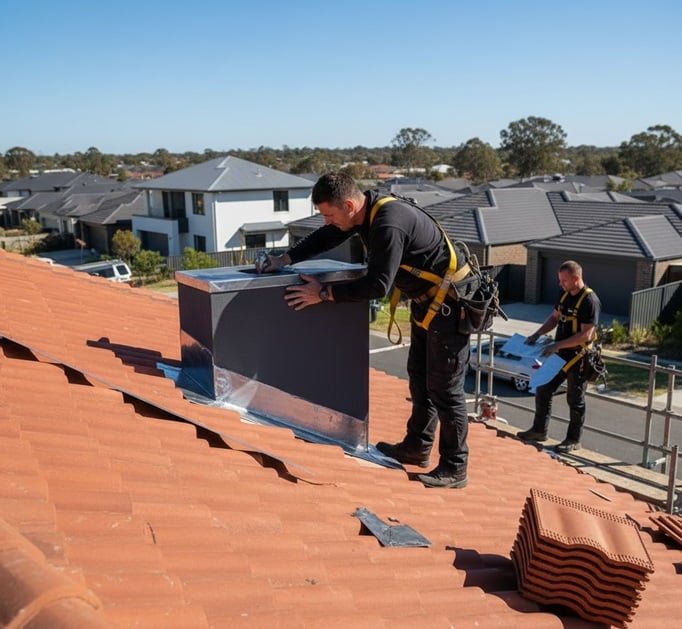
Chimney structures represent the most complex flashing challenge on residential roofs. These large rectangular penetrations interrupt roof slopes on multiple sides, requiring comprehensive flashing systems that protect base perimeters, step up alongside walls, and cap tops of masonry. Chimney flashing repairs Perth homeowners need often result from inadequate original installations that omitted essential components or used inappropriate materials for Perth conditions.
Vent pipe penetrations occur throughout roof surfaces to accommodate plumbing vents, exhaust fans, and mechanical system requirements. Each pipe requires dedicated flashing consisting of formed metal base plates with rubber or silicone boot seals that grip pipe exteriors. These flashings must accommodate thermal expansion of pipes whilst maintaining weatherproof seals across temperature ranges from 5°C winter nights to 70°C+ summer roof surface temperatures.
Wall abutments where roof surfaces meet vertical walls demand careful flashing installation that accounts for different expansion rates between roofing and wall materials. Step flashings integrate with individual tile courses whilst maintaining continuous coverage up wall surfaces. These installations require precise cutting and forming to match specific tile profiles, with counter flashings then covering upper edges to direct water outward away from wall penetrations.
Flashing Material Selection for Perth Conditions
Colorbond steel represents the premium material choice for roof flashing installation Perth projects due to exceptional corrosion resistance and thermal stability. The material’s five-layer coating system protects against Perth’s intense UV exposure and salt-laden coastal air that attacks inferior materials. Colorbond flashings maintain appearance and function for 20+ years when installed correctly, significantly exceeding service life of alternative materials.
Aluminium flashing provides lightweight alternative for specific applications though requiring careful installation to prevent galvanic corrosion when contacting dissimilar metals. The material suits valley flashings and large flat areas where its malleability allows easy forming. However, aluminium’s lower strength compared to steel makes it less suitable for exposed locations subject to foot traffic or debris impact. Proper isolation from steel fasteners and tile surfaces prevents electrochemical reactions that corrode aluminium prematurely.
Lead flashing continues finding use in specialised applications like chimney cricket fabrication and complex geometry penetrations. The material’s exceptional malleability allows forming to irregular shapes whilst its density provides superior wind resistance. However, lead’s expense and environmental concerns limit use to specific situations where other materials cannot achieve required results. Modern lead-free alternatives provide similar workability for many applications without environmental drawbacks.
Common Flashing Failure Modes and Prevention
Sealant deterioration represents the most frequent flashing failure mode affecting Perth installations. UV radiation, thermal cycling, and physical stress degrade sealant compounds over time, creating microscopic gaps that admit water whilst remaining invisible during casual inspection. Professional roof flashing installation Perth standards include premium polyurethane or silicone sealants formulated specifically for metal roofing applications. These materials maintain flexibility across temperature extremes whilst resisting UV degradation better than standard construction adhesives.
Mechanical damage from thermal expansion compromises flashing systems that lack proper expansion provisions. Metal flashings expand significantly when heated by summer sun, then contract during night-time cooling. Installations that constrain this movement through rigid fastening or insufficient overlap develop stress fractures that propagate into leaks. Professional installations accommodate thermal movement through appropriate overlap dimensions, fastener spacing, and material selection.
Workmanship defects during original installation cause many flashing failures within 5-10 years of roof construction. Inadequate overlaps, missing sealant, improper fastener placement, or incorrect material selection create vulnerabilities that weather exposure exploits progressively. Homeowners purchasing properties should consider professional flashing inspection even on relatively new roofs, as installation quality varies dramatically between contractors. Identifying and correcting substandard flashings before leaks develop prevents costly interior damage.
Professional Chimney Flashing Installation Techniques
Chimney flashing repairs Perth specialists perform begin with base flashing installation around chimney perimeters where masonry meets roof surfaces. This initial layer creates the fundamental weatherproofing that subsequent components build upon. Base flashings extend upward against chimney walls whilst overlapping surrounding roof surfaces, creating the primary water barrier. Professional installations ensure adequate overlap dimensions (minimum 100mm) whilst maintaining flexibility to accommodate differential movement between chimney and roof structures.
Step flashings integrate with individual tile courses alongside chimney walls, creating shingled transitions that direct water downslope around masonry obstacles. Each step flashing piece corresponds to one tile course, lapping over the course below whilst tucking under the course above. This labour-intensive approach ensures comprehensive protection that simple base flashing cannot achieve alone. Proper step flashing requires precise cutting to match specific tile profiles whilst maintaining adequate coverage dimensions.
Counter flashing installation completes chimney flashing systems by covering upper edges of base and step flashings. These formed pieces insert into mortar joints or surface-mount against chimney walls, lapping downward over underlying flashings. Counter flashings prevent water running down chimney walls from penetrating behind base flashing upper edges. The components also create aesthetic finish that conceals the working flashing beneath whilst providing accessible maintenance points for sealant renewal.
Penetration Flashing Installation Standards
Vent pipe flashings require careful installation that maintains weatherproof seals whilst accommodating pipe thermal expansion. Quality flashings incorporate EPDM rubber or silicone boots that grip pipe exteriors through friction fit rather than mechanical clamps that constrain movement. Professional roof flashing installation Perth contractors ensure boots remain flexible and properly seated, replacing aged or cracked boots that no longer seal effectively.
Skylight flashings represent complex installations requiring manufacturer-specific components designed for particular skylight models. These comprehensive kits include multiple pieces that create complete weatherproofing around large rectangular openings. Installation follows strict sequencing that begins with bottom apron flashings, progresses through side step flashings, and completes with head flashings. Each piece overlaps its predecessor whilst integrating with surrounding roofing materials to maintain continuous water management.
Wall penetration flashings where pipes, cables, or mechanical systems enter buildings through roof-adjacent walls demand similar attention to chimney installations. These smaller penetrations often receive inadequate flashing attention during original construction, creating leak points that damage wall cavities and interior finishes. Professional retrofitting of proper flashings eliminates these vulnerabilities whilst improving overall building weatherproofing performance.
Installation Sequencing and Quality Control
Proper flashing installation follows strict sequencing that ensures appropriate overlap patterns regardless of water flow direction. Bottom components install first, with successive pieces lapping over those below whilst tucking under those above. This fundamental shingling principle applies universally across all flashing types and configurations. Installers who reverse this sequence create water traps that collect moisture and direct it into roof cavities rather than away.
Substrate preparation significantly affects flashing performance and longevity. Surfaces receiving flashing must be clean, dry, and structurally sound before installation proceeds. Deteriorated timber battens, crumbling masonry, or corroded existing flashings require repair or replacement before new flashing installation. Professional contractors verify substrate condition and complete necessary repairs rather than installing quality flashings over compromised foundations.
Quality verification during installation includes water testing that confirms weatherproofing effectiveness before crews demobilise from sites. Simple hose testing around freshly installed flashings identifies any installation defects whilst access equipment remains in place for immediate correction. This proactive testing prevents callbacks and warranty claims whilst ensuring homeowners receive fully functional flashing systems.
Cost Factors in Flashing Installation Projects
Roof flashing installation Perth pricing reflects several variables including penetration quantity, configuration complexity, access difficulty, and material selection. Simple vent pipe flashings cost less than complex chimney installations requiring multiple component fabrication and installation. Properties with numerous penetrations face higher costs than simple roofs with minimal flashing requirements.
Access challenges significantly impact project costs, particularly for steep roofs or multi-storey buildings requiring scaffolding or elevated work platforms. Safety equipment costs factor into legitimate quotes from professional contractors prioritising worker protection. Unusual penetration locations like rear roof slopes with limited access create additional labour costs that quotes should reflect transparently.
Material quality affects both initial costs and long-term value. Premium Colorbond flashings cost more than standard galvanised alternatives but deliver significantly longer service life with minimal maintenance requirements. Lifecycle cost analysis generally favours quality material selection that eliminates premature replacement whilst providing superior weatherproofing performance throughout service life.
Warranty Protection and Insurance Considerations
Professional flashing installation includes warranty coverage for both materials and workmanship. Material warranties from manufacturers extend 10-20 years depending on flashing type and material selection. Colorbond flashings typically carry longest coverage periods. Installation warranties generally cover 12 months for leak-free performance and 3 years for workmanship defects.
Insurance documentation should verify that contractors carry appropriate public liability coverage protecting property owners during flashing work. Professional operations maintain $20 million+ public liability insurance alongside workers compensation coverage for employees. These insurance provisions protect homeowners from potential liability if accidents occur during installation projects.
Homeowner insurance policies may cover flashing replacement when damage results from insured events like severe storms or fire. Policy holders should document flashing damage with photographs and arrange professional assessment reports substantiating insurance claims. Prompt reporting following damage events ensures favourable claim consideration before evidence becomes obscured.
Maintenance Requirements for Long-Term Performance
Regular visual inspection identifies developing flashing problems before leaks occur. Homeowners should examine accessible flashings from ground level using binoculars, looking for obvious damage, displaced components, or deteriorated sealants. Professional roof access every 3-5 years provides comprehensive examination including hard-to-view locations like chimney flashings and rear roof slopes.
Sealant maintenance represents the primary ongoing requirement for flashing systems. UV exposure and thermal cycling gradually degrade sealant compounds regardless of initial quality. Professional roof restoration work should include sealant inspection and renewal around all flashings. This preventative maintenance extends flashing service life whilst preventing leaks from sealant failure.
Debris removal around flashings prevents moisture accumulation that accelerates corrosion and deterioration. Leaves, bark, and organic matter trapped against flashing surfaces create persistently damp conditions promoting rust on metal components and biological deterioration of sealants. Annual roof cleaning eliminates these threats whilst allowing inspection to identify problems requiring attention.
Integration with Comprehensive Roof Maintenance
Flashing installation or replacement integrates efficiently with broader roof repairs or restoration projects. Access equipment and setup costs distribute across all roofing work rather than occurring separately for flashing-only projects. This integration delivers cost efficiency whilst ensuring comprehensive attention to all roof weatherproofing elements simultaneously.
Protective coating application during roof restoration can extend flashing life by sealing minor surface rust and providing additional UV protection. Roof coating systems adhere to properly prepared metal flashings, creating protective barriers that reduce corrosion whilst maintaining flashing flexibility. This preventative approach suits flashings showing early deterioration that don’t yet require replacement.
Timing flashing work with other roof maintenance maximises value whilst minimising property disruption. Properties scheduling roof restoration, tile repairs, or gutter replacement should include flashing inspection and any necessary remedial work in project scope. This comprehensive approach ensures all roof components receive appropriate attention rather than piecemeal repairs that require repeated access and setup costs.
Regional Climate Considerations Across Perth
Coastal properties face accelerated flashing deterioration from salt exposure carried inland by sea breezes. Flashings within 5 kilometres of coastline experience corrosion rates 30-40% higher than inland equivalents. Coastal homeowners should specify premium Colorbond materials and anticipate flashing maintenance or replacement sooner than inland properties with identical roof configurations.
Hills area properties encounter increased rainfall and humidity that stress flashing sealants through prolonged moisture exposure. Suburbs east of Perth like Kalamunda or Mundaring experience weather patterns delivering higher annual rainfall than coastal areas. This extended wet season exposure tests sealant durability whilst promoting moss growth around flashing edges that traps moisture and accelerates deterioration.
Northern suburbs face intense solar exposure that degrades sealants through UV radiation and extreme surface temperatures. Roof surfaces in areas like Joondalup or Wanneroo reach 70°C+ during summer, creating harsh conditions for sealant compounds. Flashings in these regions benefit particularly from premium UV-resistant sealants and regular maintenance inspection identifying deterioration before failures occur.
Environmental and Sustainability Aspects
Material selection influences environmental impact through product lifecycle and replacement frequency. Colorbond flashings providing 20+ years service create less waste than cheaper alternatives requiring replacement every 10-12 years. This durability reduces resource consumption and waste generation over building service lives whilst delivering superior performance.
Proper flashing installation prevents water damage that necessitates premature replacement of ceiling materials, insulation, and structural components. The environmental cost of repairing water damage far exceeds the impact of quality flashing installation that prevents damage occurrence. This preventative approach aligns with sustainable building practices emphasising longevity and damage prevention.
Recycling opportunities exist for metal flashings removed during replacement projects. Colorbond and aluminium flashings retain scrap value that supports recovery rather than landfill disposal. Professional contractors should separate metal waste for recycling rather than mixing it with general construction debris destined for waste streams.
Protecting Critical Roof Transition Points
Roof flashing installations represent relatively minor investments that protect major assets from water damage. The critical transition points where roof surfaces meet penetrations, walls, or changes in plane require flashing systems that professional expertise designs and installs. Inadequate flashing represents one of the most common causes of roof leaks that damage ceiling interiors, insulation, and structural timber.
Permacoat’s specialised experience in roof flashing installation Perth homeowners trust stems from 50+ years serving local properties. The company’s systematic approach includes comprehensive assessment, quality material selection, proven installation techniques, and warranty protection. Separate inspection and installation teams ensure flashing work receives appropriate attention rather than rushed approaches sacrificing quality.
Property owners concerned about flashing condition or experiencing leaks around roof penetrations should arrange professional assessment promptly. Early intervention allows flashing repairs or replacement to proceed as planned maintenance rather than emergency response to active leaks. Proactive flashing maintenance protects property values whilst preventing interior damage that multiplies repair costs.
Connect to us on (08) 9249 5955 for comprehensive roof inspection including detailed flashing assessment. The company’s inspection specialists provide honest evaluation with photographic documentation and written reports. Free inspection services connect property owners with Perth’s most experienced roofing professionals delivering flashing solutions that protect investments for decades. Schedule your free inspection to verify flashing condition and receive expert recommendations for any required maintenance or installation work.