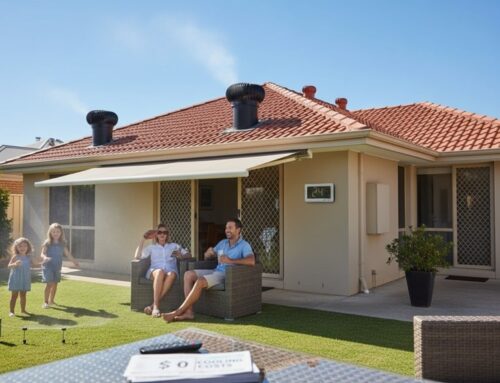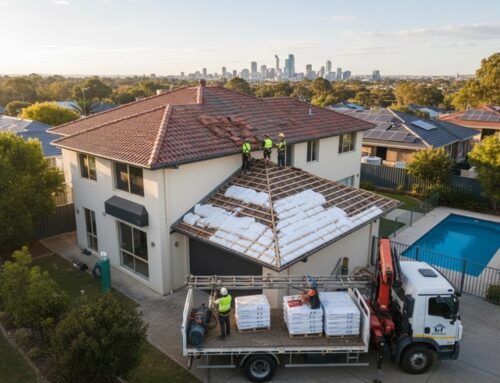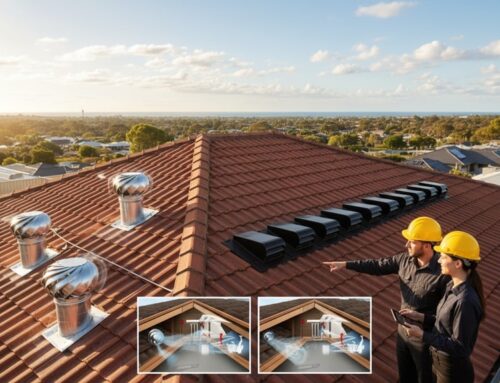
Perth’s tile roofs face constant exposure to environmental conditions that gradually degrade individual tiles and underlying support systems. Understanding when tiles require replacement, recognising repair needs, and implementing proper solutions maintains roof integrity while protecting property investments. Professional tile roof repairs Perth services address damage promptly, preventing minor issues from escalating into major problems requiring expensive, comprehensive restoration.
Terracotta and concrete tiles dominate Perth’s residential roofing landscape, with thousands of properties relying on these durable materials for weather protection. Despite their proven longevity, tiles eventually suffer damage from environmental stresses, physical impacts, and natural ageing. Replacing broken roof tiles at appropriate times prevents water infiltration, maintains aesthetic appeal, and extends overall roof system service life.
Understanding Tile Damage Types and Causes
Tile damage manifests in various forms, each indicating different underlying causes and requiring specific repair approaches. Recognising damage types helps property owners understand repair needs and prioritise work appropriately.
Cracked tiles represent the most common damage form. Cracks develop from multiple causes, including thermal stress, foot traffic, falling branches, hail impact, and natural ageing. Hairline cracks may appear insignificant initially but widen progressively through thermal cycling. Larger cracks extending across entire tiles compromise waterproofing immediately. The crack location affects severity – cracks in tile crowns prove less concerning than cracks at overlapping edges, where water readily penetrates.
Broken or shattered tiles result from severe impacts or extreme stress. Falling branches during storms, displaced antenna installations, or careless roof access break tiles outright. These obvious failures require immediate attention to prevent water entry through the resulting gaps. Broken tiles also create hazards for occupants below if fragments fall from roofs.
Spalling and surface deterioration affect tile exteriors without necessarily compromising structural integrity. Surface layers separate or flake away, particularly on older concrete tiles. While cosmetic initially, progressive spalling eventually weakens tiles structurally. The deterioration also provides a purchase for biological growth, accelerating further degradation. Addressing spalling before it compromises tile integrity extends service life economically.
Displaced or loosened tiles occur when mounting systems fail. Ridge and hip tiles particularly suffer displacement from bedding mortar deterioration or inadequate mechanical fixing. Wind events exploit loosened tiles, potentially dislodging them completely. Loose tiles require prompt attention before weather events cause complete failure.
Deteriorated tiles from ageing materials eventually reach end-of-service life. Terracotta tiles typically last 50-100 years, while concrete tiles may deteriorate faster in challenging exposures. Widespread deterioration across large roof areas suggests replacement needs rather than individual tile repairs. Professional assessment determines whether tile replacement provides value or if comprehensive restoration makes better economic sense.
Signs Indicating Tile Repair Needs
Property owners benefit from recognising symptoms suggesting tile damage requiring professional evaluation. Early detection enables prompt repairs, preventing extensive damage.
Visible tile damage from ground level indicates obvious repair needs. Broken tiles, large cracks, or displaced tiles visible without roof access warrant immediate professional evaluation. Property owners should periodically observe roof surfaces from ground level, particularly following severe weather events. Binoculars facilitate detailed observation without requiring roof access.
Interior water staining suggests tile failure,s allowing water infiltration. Ceiling stains, particularly those appearing or worsening following rainfall, indicate roofing problems requiring attention. While staining may result from various failure modes, tile damage ranks among the common causes. Professional inspection identifies specific problems causing water entry.
Granules or tile fragments in gutters signal deteriorating tiles. Concrete tile granule accumulation indicates surface degradation. Tile fragments suggest breakage occurring somewhere on the roof surfaces. Observing these symptoms during gutter cleaning prompts a professional roof inspection.
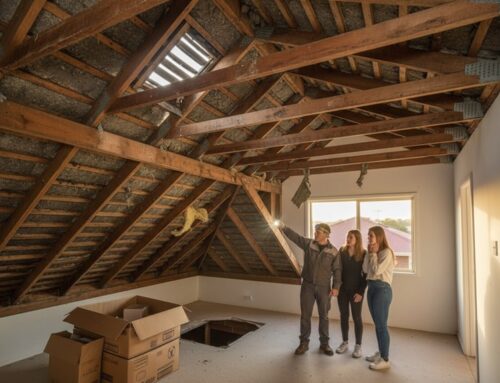
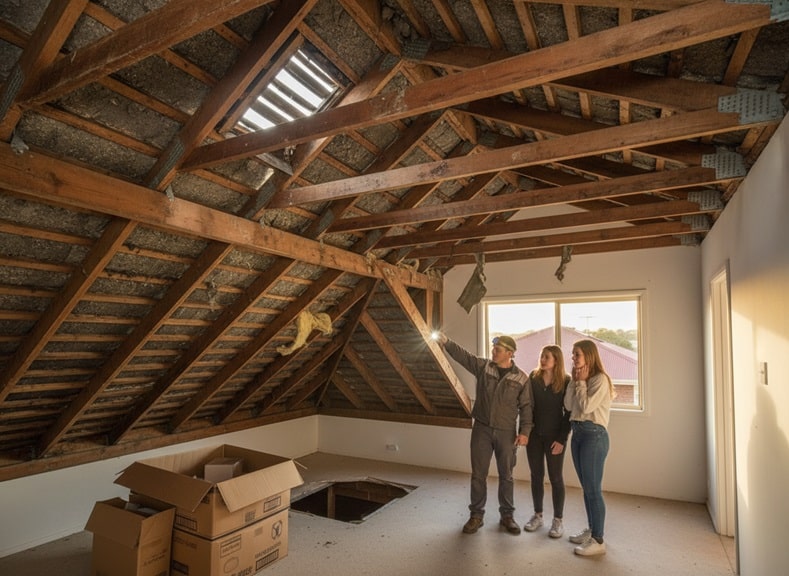
Daylight visible through roof spaces indicates displaced or broken tiles creating gaps. Observing roof cavities from interior access points may reveal light penetrating through roofing where tiles have failed. This clear symptom demands immediate professional repair, preventing water damage and pest entry.
Biological growth on tiles sometimes indicates underlying problems. While moss and lichen grow on sound tiles in shaded exposures, extensive growth or growth in unusual patterns may correlate with damaged tiles retaining moisture. Growth patterns warrant investigation during professional inspections.
Professional Tile Replacement Process
Proper tile replacement requires systematic approaches, ensuring repairs integrate properly with existing roof systems and deliver lasting results.
Assessment and planning precede actual repair work. Professional contractors inspect roof sections containing damaged tiles, evaluating the extent beyond obviously failed tiles. They assess underlayment condition beneath damaged areas, determine whether repairs alone suffice or broader work proves necessary, and verify replacement tile availability matching existing profiles and colours. This planning ensures efficient work completion without delays from unforeseen complications.
Replacement tile sourcing sometimes poses challenges to repairs for older roofs. Tile profiles and colours change over time as manufacturers discontinue products. Professional contractors maintain an inventory of common tiles or know sources for discontinued products. When exact matches prove unobtainable, contractors may relocate tiles from inconspicuous roof areas to visible damaged locations, replacing relocated tiles with the closest available matches. This strategy maintains aesthetic consistency in highly visible areas.
Safe access and work area preparation protect property and ensure worker safety. Professional contractors employ appropriate fall protection equipment and access systems. They protect landscaping and outdoor furnishings from falling debris. Roof access paths avoid further tile damage during repair activities. These preparations distinguish professional work from careless approaches, risking additional damage.
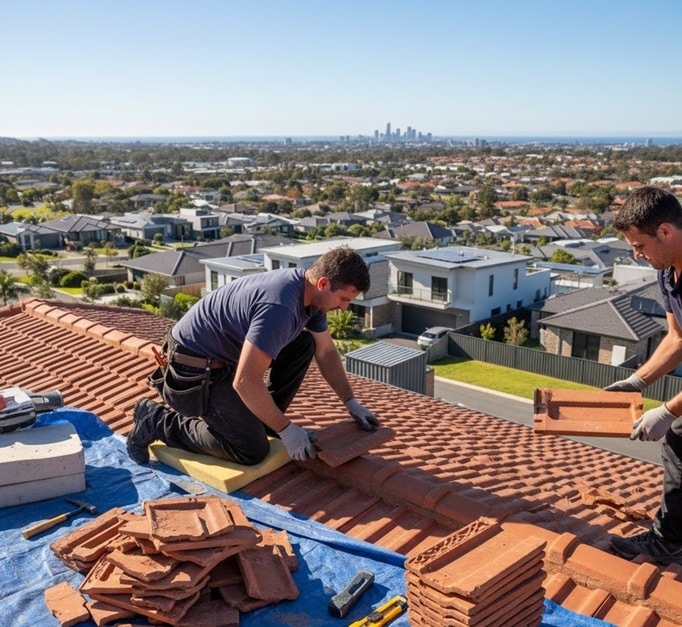
Damaged tile removal requires care to prevent damage to surrounding sound tiles. Individual tile repairs demand delicate work, lifting overlapping tiles sufficiently for access without breaking them. Professional techniques using proper tools minimise collateral damage during removal. Removed tiles receive disposal according to proper waste management practices.
Underlayment inspection beneath removed tiles identifies any water damage requiring attention before replacement tiles. Damaged underlayment receives repair or localised replacement. Wet insulation requires drying or replacement. This inspection step proves critical because ignoring underlayment problems allows ongoing water damage despite new tile installation.
Replacement tile installation follows the proper sequence, ensuring weather-tightness. New tiles seat correctly in existing tile patterns with appropriate overlaps. Mechanical fixings supplement or replace bedding depending on the roof configuration and local requirements. Professional installation ensures tiles are secured properly against wind uplift while maintaining proper drainage paths.
Surrounding area inspection identifies additional problems before contractors demobilise. Professional tile roof repairs Perth services examine nearby tiles during work, noting any developing problems warranting monitoring or future attention. This thorough approach prevents return visits for problems apparent during initial repairs.
Cracked Tile Replacement Considerations
Cracked tile replacement decisions balance repair costs against remaining roof system service life. Understanding these considerations helps property owners make informed choices.
Single cracked tiles merit replacement when cracks appear recent and isolated. Replacing individual damaged tiles proves cost-effective, maintaining overall roof integrity. The modest investment prevents water damage far exceeding repair costs.
Multiple cracked tiles across the roof areas may indicate broader problems. When inspections reveal numerous cracked tiles, underlying issues may drive damage. Inadequate roof ventilation causing excessive heat buildup, structural movement stressing tiles, or tiles nearing the end of their service life might explain widespread cracking. Professional assessment determines whether individual repairs suffice or comprehensive approaches prove more appropriate.
Tile age influences replacement decisions. Replacing individual tiles in otherwise sound roof systems approaching midlife makes economic sense. Replacing tiles in roofs nearing typical service life limits may warrant deferring if comprehensive restoration will proceed within several years. Professional contractors provide perspective on these timing considerations.
Matching considerations affect aesthetic outcomes. Perfectly matching new tiles to weathered existing tiles proves impossible. Replaced tiles initially appear different due to colour variations and lack of weathering. Time gradually reduces visual differences as the new tiles weather. Property owners should understand these realistic expectations before authorising work.
Cost Factors for Tile Repairs
Understanding cost factors helps property owners budget appropriately for needed repairs and evaluate contractor proposals.
Tile quantity affects repair costs. Single tile replacement costs appear high relative to tile material costs because mobilisation, access, and labour costs are distributed across small work quantities. Replacing multiple tiles improves cost efficiency as fixed costs are spread across more work. Property owners benefit from addressing all identified tile problems during single mobilisations rather than through multiple separate repairs.
Roof access difficulty influences costs. Simple single-story hip roofs with standard pitch require less access equipment and time compared to steep complex roofs or multi-story buildings. Confined site access limiting equipment options increases costs. Professional contractors consider these factors when estimating repairs.
Tile type and availability affect material costs. Standard current-production tiles cost less than discontinued products, requiring sourcing from speciality suppliers. Custom colour matches sometimes necessitate premium products. These material cost variations are reflected in the overall repair pricing.
Underlayment repairs required beneath failed tiles add costs beyond simple tile replacement. Discovering extensive underlayment damage during repairs creates additional costs that property owners should anticipate. Reputable contractors discuss this possibility before commencing work, establishing clear communication about potential additional costs.
Urgent repairs command premium pricing compared to scheduled work. Emergency repairs following storm damage or active leaks require immediate contractor response, often outside normal hours. Property owners requiring urgent repairs should expect higher costs than scheduled preventive work.
Preventive Measures Reducing Tile Damage
Proactive approaches minimise tile damage, extending service life and reducing repair needs.
Regular professional inspections identify developing problems before they cause damage. Annual roof inspections detect loose tiles, early cracks, deteriorating bedding, and other issues, enabling preventive intervention. The modest inspection cost proves worthwhile in preventing expensive damage.
Controlled roof access prevents damage from foot traffic. Property owners needing roof access for equipment service, satellite dish adjustments, or other purposes should engage professionals familiar with proper roof walking techniques. Careless foot traffic breaks tiles, particularly older brittle tiles or during hot weather when tiles soften. Limiting unnecessary roof access protects tiles from avoidable damage.
Tree maintenance prevents branch damage. Overhanging branches abrading tiles during wind, falling branches breaking tiles during storms, and accumulated leaf litter retaining moisture against tiles all damage roofing systems. Strategic tree trimming maintains safe separation between foliage and roof surfaces.
Gutter cleaning prevents water backup, damaging lower-course tiles. Blocked gutters cause water backup under tiles during heavy rainfall, potentially damaging tiles and underlying systems. Regular gutter maintenance protects the roofing, along with preventing other water damage.
Prompt attention to minor damage prevents progression. Small cracks sealed promptly, loose tiles secured before they fall, and minor bedding deterioration addressed before tiles dislodge all exemplify effective preventive maintenance. Property owners observing minor issues should schedule professional repair rather than delaying until problems worsen.
Tile Damage Restoration vs Replacement Decisions
Determining whether to repair or replace damaged tiles depends on multiple factors that property owners and contractors evaluate together.
Minor damage sometimes permits repair rather than replacement. Specialised sealants stabilise small cracks, preventing progression. Sealant repairs cost less than replacement and prove effective for appropriate damage types. However, repairs provide temporary solutions with limited service life compared to replacement.
Extensive damage requires replacement. Large cracks, broken tiles, or severely deteriorated tiles need replacement because repairs cannot restore adequate performance. Professional assessment determines which damage types warrant replacement versus repair attempts.
Aesthetic considerations influence decisions. Visible cracks on street-facing roof slopes may warrant replacement for appearance, even if repairs might function adequately. Property owners prioritise aesthetics according to personal preferences and property sale plans.
Cost-benefit analysis compares repair and replacement options. When repair costs approach replacement costs, replacement usually provides better value through longer service life. Professional contractors discuss these trade-offs, helping property owners make informed decisions.
Integration with Comprehensive Maintenance
Tile roof repairs integrate most effectively within broader maintenance strategies rather than reactive emergency responses.
Scheduled maintenance cycles, including inspection and repair, maintain optimal roof condition. Annual or biennial professional assessment followed by recommended repairs prevents damage accumulation. This proactive approach costs less long-term than reactive emergency repairs.
Comprehensive tile damage restoration coordinated with other roof work delivers efficiency benefits. Addressing tile replacement during planned restoration work, roof cleaning services, or related maintenance consolidates site mobilisation costs. Permacoat‘s integrated approach to roof restoration includes systematic tile assessment and individual tile repairs as needed, ensuring comprehensive work addressing all identified problems.
Documentation of tile conditions and repairs supports long-term property management. Maintaining records of tile replacement locations, repair dates, and underlying problems found during work creates valuable property history. This documentation proves useful during property transactions and guides future maintenance planning.
Professional Services vs DIY Tile Repair
Tile replacement appears superficially simple, tempting property owners to attempt DIY repairs. Understanding complexity and risks helps make informed decisions.
Safety concerns represent primary considerations. Roof work involves fall hazards requiring proper protection. Walking on tile roofs risks breaking additional tiles without proper technique. Professional contractors maintain appropriate safety equipment and training. DIY attempts risk injury and property damage.
Matching considerations challenge DIY efforts. Finding exact tile matches requires industry knowledge and supplier relationships that professionals possess. Improper matches create aesthetic problems and potentially performance issues if profiles don’t integrate properly.
Underlayment assessment requires professional judgment. Property owners lack expertise in evaluating underlayment condition and determining appropriate repairs. Overlooking underlayment problems during tile replacement allows continued water damage despite new tiles.
Proper installation technique ensures lasting results. Professional installers understand correct tile positioning, overlap requirements, mechanical fixing protocols, and bedding application when applicable. DIY attempts often compromise installation quality through inexperience.
Warranty implications affect repair quality assurance. Professional tile roof repairs Perth services typically include workmanship warranties protecting property owners. DIY work offers no such protection, with mistakes potentially requiring expensive professional correction.
Insurance considerations may preclude DIY roof work. Some property insurance policies require professional installation for coverage validity. Property owners should verify policy requirements before attempting DIY repairs.
Taking Action for Tile Repairs
Property owners recognising tile damage or seeking preventive maintenance should engage professional services, ensuring quality results.
Visual symptoms, including broken tiles, visible cracks, displaced tiles, or interior water staining, warrant immediate professional evaluation. Prompt attention prevents damage progression, protecting properties from expensive water damage exceeding repair costs.
Scheduled professional inspections provide early detection even without obvious symptoms. Annual or biennial inspections identify developing problems before they cause significant issues. This proactive approach proves most cost-effective in protecting property investments.
Storm aftermath inspections help identify damage from severe weather. Following significant storms with high winds or hail, a professional inspection verifies roof integrity and identifies any damage requiring repair. Early detection enables prompt repairs before the next weather events.
Choosing qualified contractors ensures quality work. Property owners benefit from engaging experienced professionals with relevant knowledge, appropriate insurance coverage, and established reputations. Contact us on (08) 9249 5955 for professional tile assessment and expert replacing broken roof tiles services. With over 50 years protecting Perth properties and comprehensive warranties backing all work, Permacoat delivers cracked tile replacement and tile damage restoration maintaining roof integrity through challenging climate conditions.