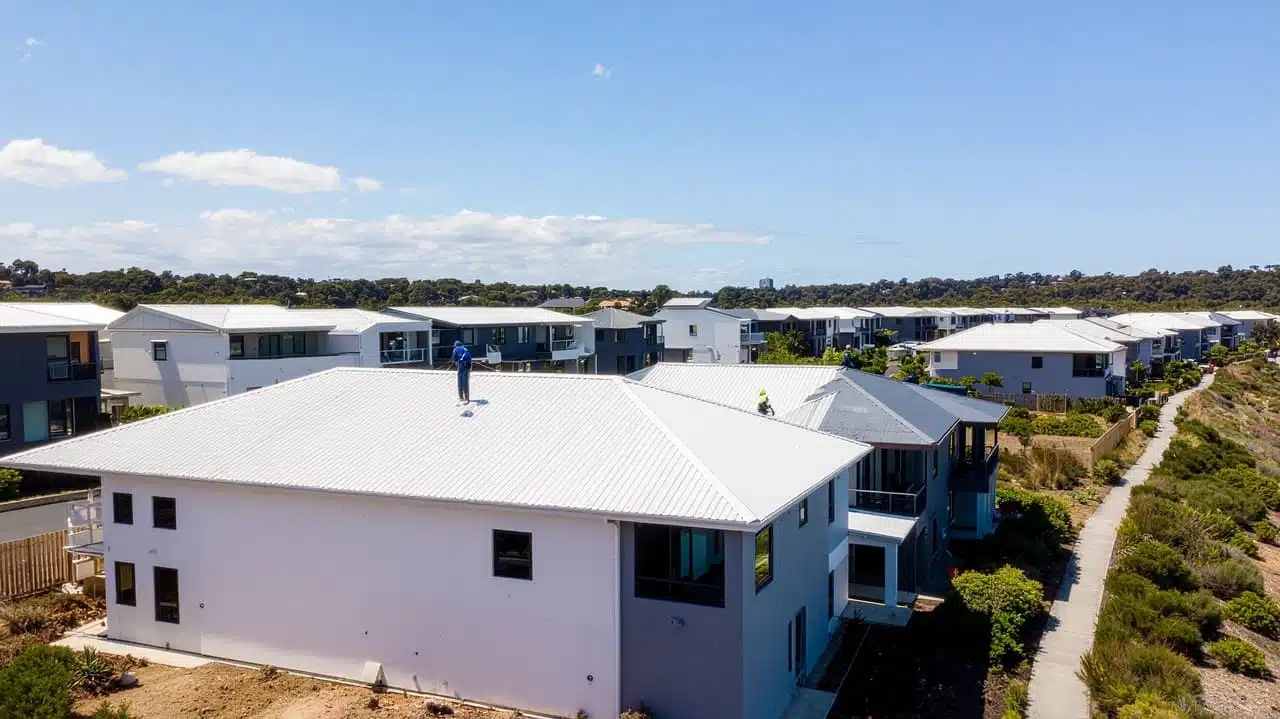
Roofs often go unnoticed until they start causing problems. For a strata complex, the condition of the roof is one of the first things people notice, even if they don’t consciously realise it. A faded, dirty, or damaged roof drags down the look of the entire building, no matter how well-kept the gardens or walls are. On the other hand, a freshly restored roof gives a complex new life, improving its image and boosting confidence in its long-term value.
For Perth’s strata managers and property owners, roof restoration is more than maintenance – it’s a strategic investment. It enhances curb appeal, extends roof lifespan, and plays a significant role in improving strata property value across the board. In a competitive rental and sales market, the visual impact of a well-maintained roof can be the difference between a property that attracts premium tenants and one that sits vacant. Permacoat specialises in transforming strata complexes through professional restoration services that deliver lasting results.
The Importance of Curb Appeal for Strata Complexes
Curb appeal isn’t just for individual homes. Strata complexes rely on shared first impressions to attract the right tenants and buyers. A building that looks tired or neglected sends a signal that it isn’t well cared for, while a property with a clean, modern exterior tells a different story: stability, professionalism, and long-term upkeep.
The roof dominates the appearance of a strata building. It’s often visible from the street, the car park, and the surrounding areas. When it’s clean, uniform, and well-coated, it frames the building like a polished hat. When it’s patchy, stained, or sagging, it undermines everything else about the property.
In Perth’s property market, where competition for quality tenants remains strong, strata complexes must present themselves in the best possible light. First impressions happen in seconds, and prospective tenants or buyers often make snap judgments based on external appearance before they even step inside. A building with a deteriorating roof immediately raises questions about overall maintenance standards and whether hidden problems might exist elsewhere in the complex.
Professional property managers understand that curb appeal translates directly into occupancy rates and rental yields. Complexes with superior external presentation typically achieve higher rental returns and faster tenant placement. The roof, being such a prominent feature, plays a disproportionately large role in shaping these crucial first impressions.
Key Takeaways
- Curb appeal directly affects tenant and buyer perceptions.
- A maintained roof signals quality and care.
- Neglecting the roof diminishes the overall image of the complex.
- First impressions happen quickly and significantly impact rental outcomes.
Why a Good Roof Matters Beyond Shelter
A roof is more than shelter – it’s a statement about the entire property. Strata complexes that invest in restoration send a message: the building is looked after, the committee takes upkeep seriously, and the value of every unit is being protected.
Neglected roofs, on the other hand, create the impression of financial stress or poor management. Even if interiors are pristine, potential tenants or buyers often hesitate when they see signs of external neglect. This hesitation stems from a simple psychological principle: if the most visible parts of a building aren’t maintained, what about the less visible systems like plumbing, electrical infrastructure, or structural integrity?
Strata owners have a vested interest in maintaining property values. Unlike standalone homes where individual owners control maintenance decisions, strata properties require collective agreement and coordinated action. When a strata committee prioritises roof restoration, it demonstrates effective governance and a commitment to protecting everyone’s investment. This proactive approach reassures current owners and appeals to prospective buyers who value well-managed complexes.
Furthermore, the condition of a roof influences insurance premiums and coverage. Insurance providers assess risk based partly on property condition, and a deteriorating roof increases the likelihood of weather-related claims. By maintaining roofs through regular restoration, strata committees can potentially reduce insurance costs while ensuring comprehensive coverage remains accessible.
Analogy: A roof is like the smile of a building. If it’s bright and clean, it invites trust. If it’s chipped, cracked, or discoloured, it makes people wonder what else is being overlooked.
Key Takeaways
- A roof shapes how people perceive the entire building.
- Restoration communicates professionalism and care.
- Neglecting the roof damages confidence in the property’s condition.
- Well-maintained roofs can positively influence insurance costs.
Signs Your Strata Complex Needs Roof Restoration
Not sure whether your strata building is due for work? These common signs often show up before major problems begin:
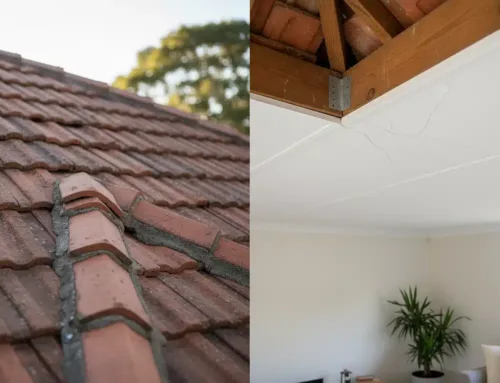
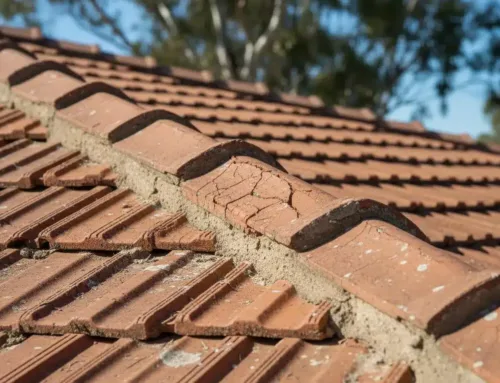
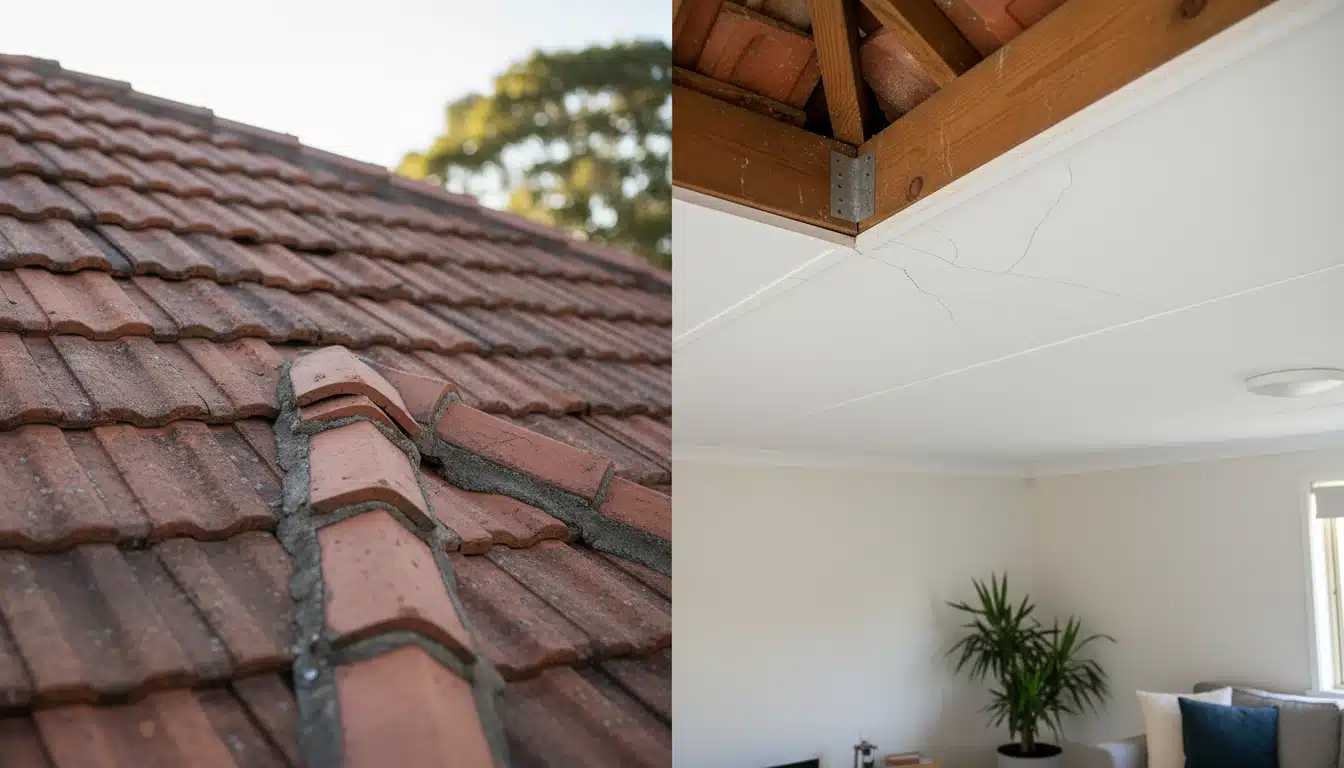
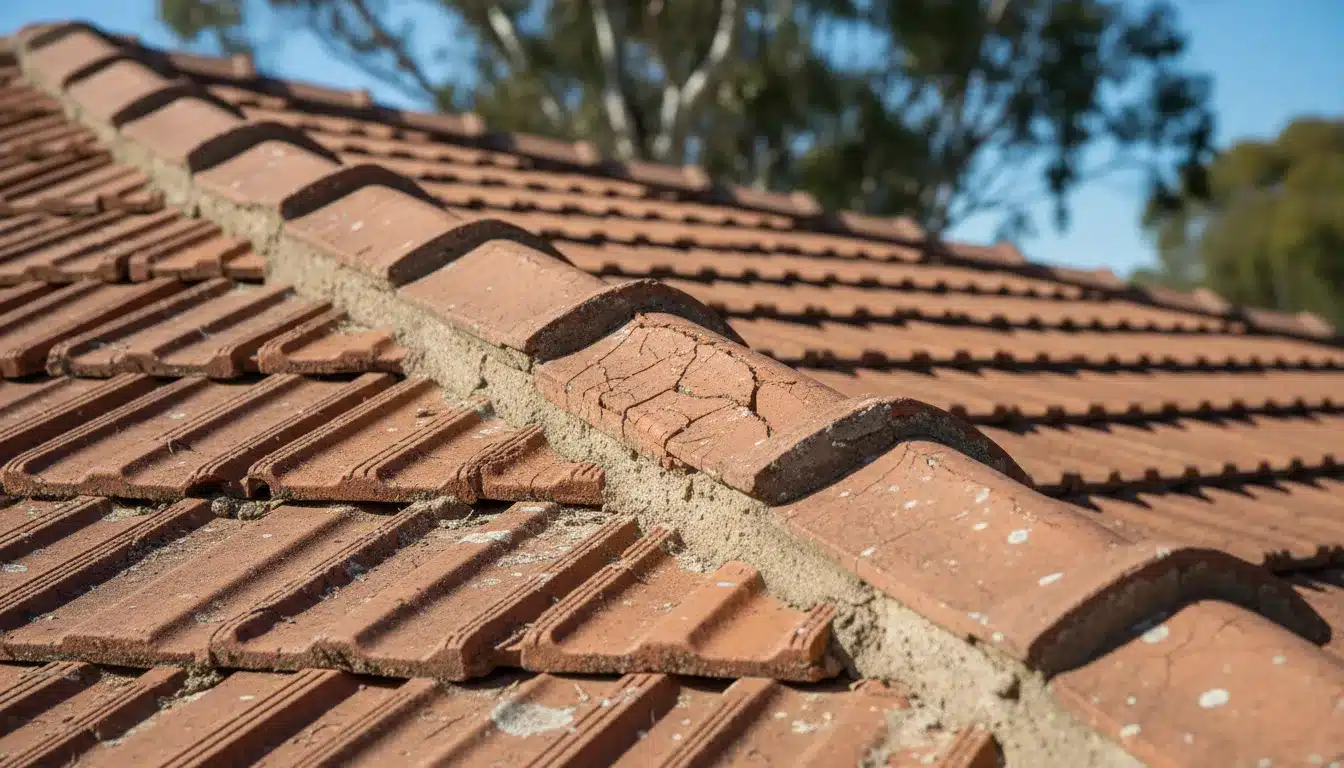
Cracked or broken tiles. An obvious red flag. Unchecked, these lead to water entry and potential internal damage. Professional roof repairs in Perth address these issues promptly, preventing minor cracks from becoming major structural problems.
Moss and lichen growth. More than just unsightly, moss and lichen hold moisture against the roof surface, accelerating deterioration. Perth’s winter rainfall provides ideal conditions for these organisms to establish themselves on neglected roofs. Once established, they create a cycle of moisture retention that weakens roof materials over time.
Faded or discoloured paint. Perth’s intense UV exposure causes roof coatings to fade and oxidise. While initially a cosmetic issue, faded paint indicates that protective coatings have degraded, leaving underlying materials vulnerable to weathering. A cosmetic issue that makes the entire building look older than it is and signals diminished weather protection.
Leaks and water stains. Internal stains or water damage suggest external issues have already developed. In strata complexes, leaks don’t just affect one unit – they can spread through multiple levels, causing extensive damage and costly repairs. Water infiltration also creates conditions for mould growth, which presents health risks and remediation challenges.
Sagging roofline. A structural concern requiring urgent professional attention. Sagging indicates potential issues with roof framing, sarking, or support structures. This type of problem demands immediate assessment, as it can compromise the integrity of the entire roofing system.
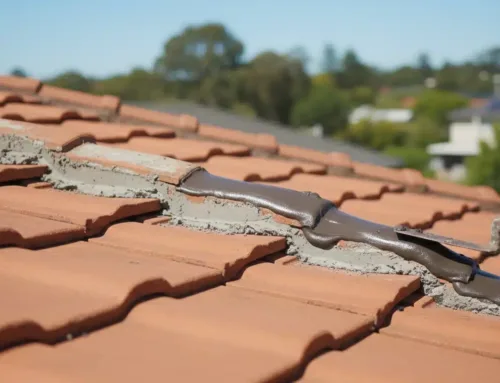
Deteriorating flashing and seals. Flashing around chimneys, vents, and roof penetrations deteriorates over time. Failed flashing is one of the most common sources of roof leaks in strata complexes, particularly around shared infrastructure like air conditioning units or communal ventilation systems.
Spotting Problems Early
Regular inspections help catch these issues before they become major repairs. Many strata committees arrange annual inspections as part of their maintenance schedule. When warning signs appear, arranging roof restoration ensures minor problems don’t become bigger, costlier ones.
The economics of early intervention are compelling. A minor repair identified during routine inspection might cost a few hundred dollars. At the same time, the same issue left unaddressed could escalate into thousands of dollars in emergency repairs plus consequential damage to interior spaces. For strata committees managing tight budgets, preventive maintenance represents sound financial management.
Professional roof inspections should include detailed documentation with photographs, written assessments of roof condition, and recommendations for both immediate repairs and longer-term planning. This documentation helps strata committees make informed decisions and budget appropriately for upcoming maintenance work.
Key Takeaways
- Common issues include cracked tiles, moss, faded paint, leaks, and sagging.
- Regular inspections reduce risks and costs.
- Early restoration prevents escalation of damage.
- Preventive maintenance delivers significant cost savings over reactive repairs.
Benefits of Roof Restoration for Strata Properties
Why should strata complexes invest in restoration? The benefits go well beyond cosmetics.
Improved Appearance
A freshly restored roof transforms the look of the entire building. From the street, the difference is immediate: clean lines, fresh colour, and uniformity. The visual transformation extends beyond the roof itself – when the roof looks sharp, the entire building appears more modern, well-maintained, and desirable.
For strata complexes competing in Perth’s rental market, this visual appeal translates directly into marketability. Properties photograph better for marketing materials, present more impressively during inspections, and create positive impressions that justify premium rental rates. The psychological impact of a pristine roof shouldn’t be underestimated – it sets the tone for how prospective tenants perceive the entire property.
Increased Property Value
Buyers and tenants value buildings that show consistent upkeep. A restored roof contributes significantly to improving strata property value, making units easier to sell or rent at a higher rate. Real estate professionals consistently report that properties with visible signs of recent maintenance command better prices and attract more serious buyers.
The value proposition extends beyond simple aesthetics. A documented roof restoration with warranties provides buyers with confidence that major capital expenses won’t be required in the near term. This assurance can be the deciding factor for buyers comparing similar properties, particularly for investment buyers calculating potential returns and maintenance costs.
Extended Roof Lifespan
Roof restoration addresses existing issues and adds protective coatings, effectively buying more time before complete re-roofing becomes necessary. A typical roof restoration can extend roof life by 10-15 years, depending on the original roof condition and the quality of restoration work performed.
This extension delivers substantial financial benefits for strata committees. Re-roofing represents one of the most significant capital expenses a strata complex will face, often costing tens of thousands of dollars for multi-unit buildings. By extending roof life through restoration, committees can defer this significant expense, allowing time to accumulate sinking fund reserves and avoiding special levies that can cause financial stress for owners.
Enhanced Weather Protection
Perth’s climate presents unique challenges for roofing systems. Intense summer UV exposure, occasional severe storms, salt-laden coastal breezes, and winter rainfall all take their toll on roof materials. Quality roof coatings like Dulux Acratex strengthen the roof against these elements, providing a durable protective barrier that resists weathering, prevents water penetration, and maintains flexibility through temperature fluctuations.
Modern coating systems offer superior UV resistance compared to older paint technologies. This UV resistance helps maintain roof temperature stability, preventing the constant expansion and contraction cycles that stress roof materials and accelerate deterioration.
Reduced Energy Costs
Reflective coatings help keep complexes cooler in summer, reducing air conditioning demand and lowering energy bills across multiple units. In Perth’s climate, where summer temperatures regularly exceed 35 degrees Celsius, roof surface temperatures can reach 70 degrees or higher on dark-coloured roofs. This heat radiates into ceiling spaces and upper-level units, substantially increasing cooling costs.
Light-coloured reflective coatings can reduce roof surface temperatures by 20-30 degrees, dramatically decreasing heat transfer into living spaces. For strata complexes with multiple units, the cumulative energy savings across all residences can be substantial. Residents in upper-level units particularly benefit from improved thermal performance, experiencing more comfortable living conditions and lower electricity bills.
Additionally, reduced air conditioning demand extends the lifespan of HVAC systems by reducing operating hours and thermal stress on equipment. This secondary benefit further enhances the financial value of roof restoration for strata complexes.
Key Takeaways
- Roof restoration enhances both looks and performance.
- Restored roofs increase property value and tenant appeal.
- Restoration extends lifespan and reduces energy costs.
- Modern coatings provide superior weather protection and thermal performance.
- Energy savings benefit all residents while reducing environmental impact.
The Long-Term Value of a Restored Roof
Restoration isn’t an expense – it’s an investment in the long-term success of a strata complex. By protecting the roof, owners protect their investment in the entire building.
For strata committees, proactive care avoids the need for emergency levies and keeps maintenance budgets predictable. Emergency roof repairs often occur at the worst possible time – during severe weather when contractors are busy and prices are elevated. By addressing roof condition proactively through scheduled restoration, committees maintain control over timing and costs.
Residents enjoy lower costs and fewer disruptions, while property managers reduce the likelihood of complaints or urgent callouts. The stability of predictable maintenance scheduling also improves committee planning and financial forecasting. When major expenses are anticipated and budgeted for appropriately, they cause less financial stress for owners and fewer conflicts within strata governance.
Furthermore, properties with documented maintenance histories and regular restoration work attract higher-quality tenants who value well-managed buildings. These tenants typically stay longer, cause less wear and tear, and pay rent reliably – all factors that enhance the investment performance of strata units.
Analogy: Think of roof restoration as servicing a fleet vehicle. It ensures the whole system runs smoothly, avoids costly breakdowns, and keeps value strong.
Key Takeaways
- Restoration adds stability to strata maintenance budgets.
- It protects both owners and property managers from surprises.
- Long-term planning saves money and strengthens property value.
- Documented maintenance histories support property values and tenant quality.
Choosing the Right Roof Restoration Service in Perth
With the decision made to restore, selecting the right company becomes critical. The complexity of strata projects demands contractors who understand multi-unit buildings, communication requirements, and the unique challenges of working on occupied properties.
What to Look For
Experience. Look for companies with a proven track record in strata work, such as Permacoat’s strata managed property services. Strata projects differ significantly from residential homes – they require coordination with multiple stakeholders, adherence to body corporate processes, and sensitivity to the needs of many residents.
Licensing and insurance. Essential for compliance and peace of mind. Verify that contractors hold current building licences and maintain adequate public liability insurance. For strata properties, insurance coverage should be substantial enough to cover potential claims affecting multiple units.
Quality materials. Products like Dulux Acratex provide long-lasting protection and colour retention. Material quality directly impacts restoration longevity and performance. View available roof colours for consistency across the complex. Colour selection should consider both aesthetic preferences and practical considerations like heat reflectivity and long-term colour stability.
Detailed quotes. Transparent, written breakdowns of scope and cost eliminate ambiguity and help committees make informed decisions. Quotes should specify materials, preparation work, coating systems, warranties, and timeframes. Be wary of quotes that seem substantially lower than competitors – they may indicate shortcuts in preparation, inferior materials, or incomplete scope coverage.
References. Prior work on other strata complexes provides confidence in a contractor’s capability. Request references from similar-sized complexes and follow up with those strata committees to discuss their experience, contractor reliability, and quality of finished work.
Communication approach. Effective communication becomes crucial when work affects multiple residents. Contractors should demonstrate transparent processes for keeping strata committees informed, providing residents with advance notice of work schedules, and addressing concerns promptly.
Key Takeaways
- Choose experienced, licensed, and insured contractors.
- Insist on top-quality materials for durability.
- Transparent quotes and references ensure trustworthiness.
- Communication capability matters significantly for strata projects.
The Roof Restoration Process: What to Expect
Understanding the process helps strata owners and residents know what’s ahead and sets realistic expectations for timeframes and disruption levels.
Inspection. Comprehensive assessment of the roof’s condition, including identification of required repairs, evaluation of existing coating condition, and planning of work sequences. Professional inspections should include detailed photographic documentation and written reports that help committees understand exactly what work will be performed and why.
Cleaning. High-pressure or soft wash treatment to remove moss, lichen, dirt, and debris. This critical preparation step ensures coatings bond properly to roof surfaces. Thorough cleaning also reveals hidden damage that may require repair before coating application. For strata complexes, cleaning may be staged across different roof sections to minimise disruption.
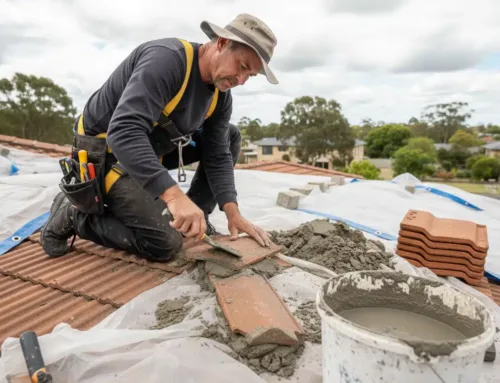
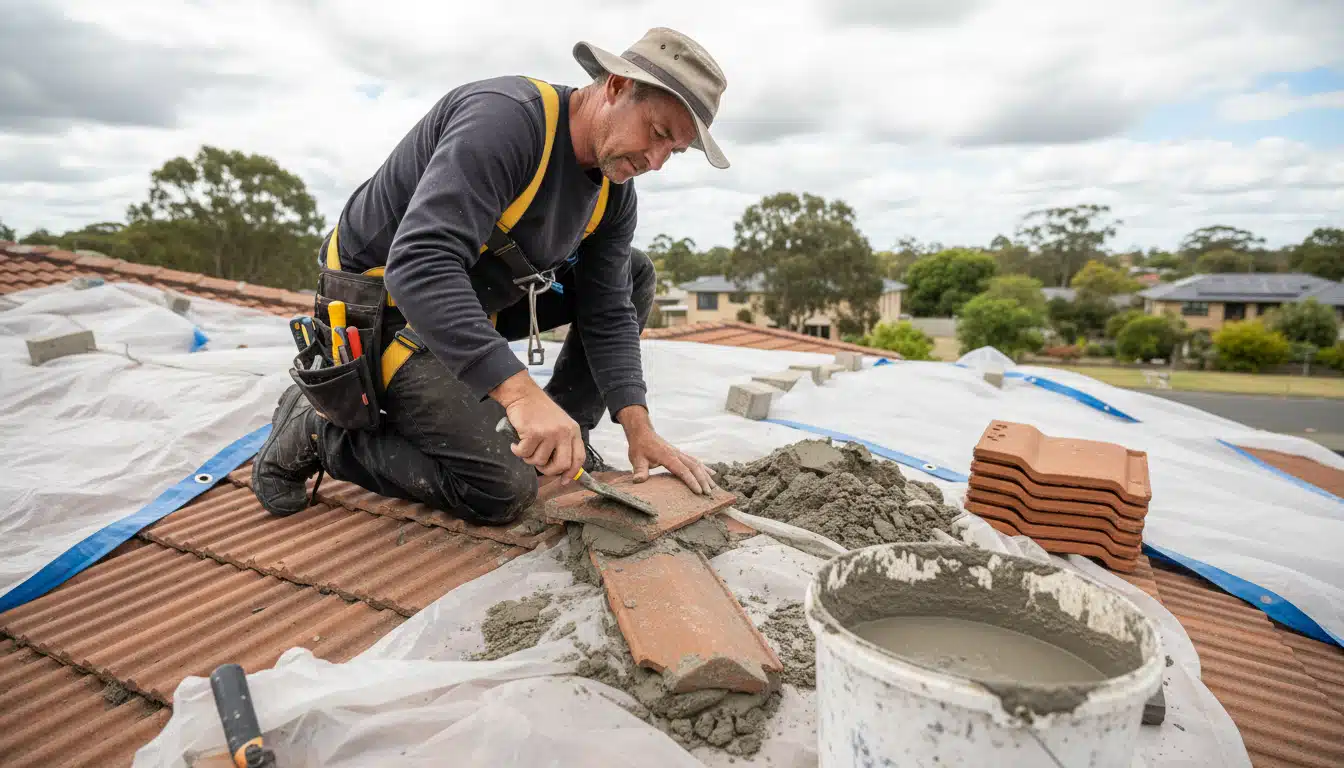
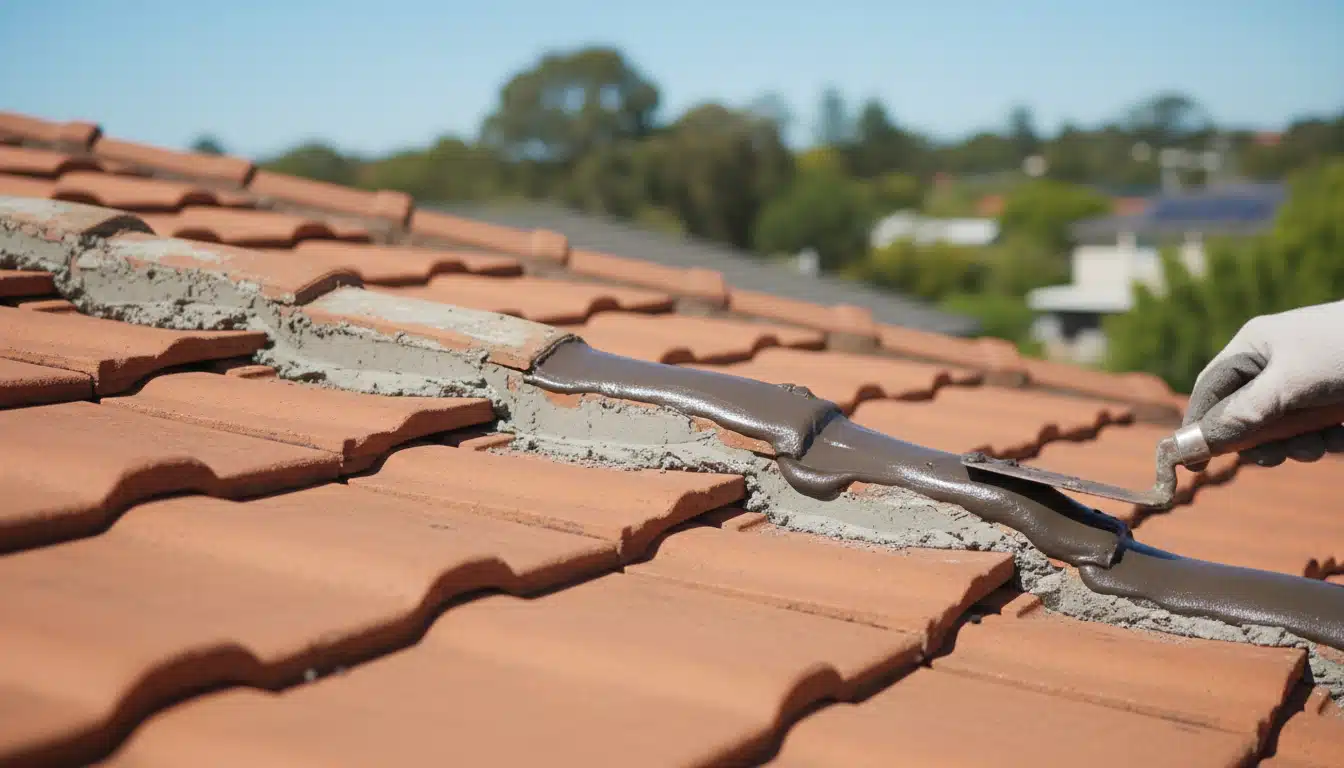
Repairs. Fixing cracked tiles, damaged flashing, rusted fasteners, or minor structural issues. Repair work must be completed before coating to ensure the entire roof system is sound. For strata properties, repairs may involve coordination with owners of specific units if leaks have caused internal damage.
Priming. Application of a specialised primer that enhances coating adhesion and provides additional corrosion protection for metal surfaces. Primer selection depends on the roof substrate material and condition.
Coating. Application of premium protective coats using professional spray equipment or roller systems. Modern coating systems typically involve multiple coats to achieve the specified film thickness and durability. Each coat must cure properly before the next application, which affects project timing.
Final check. Quality inspection ensuring all work meets specified standards before sign-off. This includes verification of coating thickness, uniformity of finish, proper flashing seals, and cleanup of work areas.
Minimising Disruption
Professional contractors understand that strata projects affect many people. A reliable team communicates with committees about work schedules, provides advance notice to residents about noise or access requirements, keeps common areas tidy, and minimises disruption to daily life.
Staging work strategically can reduce impact on residents. For example, contractors might complete the noisiest work during weekday business hours when fewer residents are home, or schedule work in sections so residents on one side of the complex aren’t affected while work proceeds on the other side.
Clear communication protocols should be established before work begins. Residents should know who to contact with questions or concerns, what work will happen when, and what precautions they should take (such as moving vehicles or securing loose items on balconies).
Key Takeaways
- The process involves inspection, cleaning, repairs, priming, coating, and final checks.
- Communication and professionalism are crucial in multi-resident buildings.
- A good contractor minimises inconvenience to occupants.
- Staging work strategically reduces disruption impacts.
Long-Term Maintenance for Your Restored Strata Roof
A restored roof still needs care. Regular maintenance maximises its lifespan and keeps it looking sharp while protecting the significant investment made in restoration work.
Key Maintenance Practices
Annual inspections. Look for cracks, coating wear, ponding water, debris accumulation, or early signs of problems. These inspections should be thorough and documented, creating maintenance records that help committees track roof condition over time.
Cleaning. Keep the roof free of moss, lichen, leaves, and debris. Consider pairing with professional roof cleaning services in Perth every 2-3 years to maintain appearance and prevent organic growth that can damage coatings.
Gutter upkeep. Clean gutters prevent water backup that can damage roof edges and cause leaks. Consider upgrading to quality gutters and downpipes to improve water management. Blocked drains are one of the most common causes of water damage in strata complexes.
Prompt repairs. Address minor issues quickly before they escalate. Establish transparent processes for residents to report roof concerns so problems can be investigated and resolved promptly.
Tile maintenance. For complexes with tiled roofs, review tile roof restoration options for ongoing care. Tile roofs benefit from periodic re-bedding and re-pointing to maintain weather-tightness.
Documentation. Maintain comprehensive records of all roof work, including restoration dates, materials used, warranties, inspection reports, and repairs. This documentation supports property values and helps future committees make informed maintenance decisions.
Key Takeaways
- Maintenance extends the benefits of restoration.
- Inspections, cleaning, and gutter upkeep are essential.
- Prompt action avoids costly future repairs.
- Documentation protects long-term value and guides future decisions.
Conclusion: Investing in Your Strata’s Future
A strata complex is only as strong as its roof. Roof restoration enhances the building’s appearance, increases value, protects against Perth’s harsh weather, and reduces costs over the long term. For committees focused on improving strata property value, restoration represents one of the smartest investments they can make.
The benefits extend beyond immediate visual improvement. Restored roofs provide tangible financial returns through enhanced property values, reduced energy costs, extended asset life, and more stable maintenance budgets. They also deliver intangible benefits like resident satisfaction, improved marketability, and committee confidence in their stewardship of owners’ investments.
If restoration eventually isn’t enough, complete re-roofing in Perth becomes the next step. But with regular care, restoration extends lifespan, maintains curb appeal, and ensures residents and owners alike feel confident in their investment.
Key Takeaways
- Restored roofs protect the image and value of strata complexes.
- Ongoing maintenance ensures long-term results.
- Investing in restoration protects the future of the building.
- Financial and intangible benefits make restoration a strategic priority.
Next Steps for Strata Committees
For strata committees ready to act:
- Arrange an inspection to assess the current roof condition and identify required work.
- Request detailed quotes for roof restoration services.
- Review materials, colour options, and coating systems for your complex.
- Present findings to the strata committee for collective decision-making.
- Budget appropriately and plan work timing to minimise disruption.
- Decide collectively to secure the long-term image and value of strata.
Connect with us on (08) 9249 5955 today to book your inspection and get started on protecting your strata complex’s most important asset.