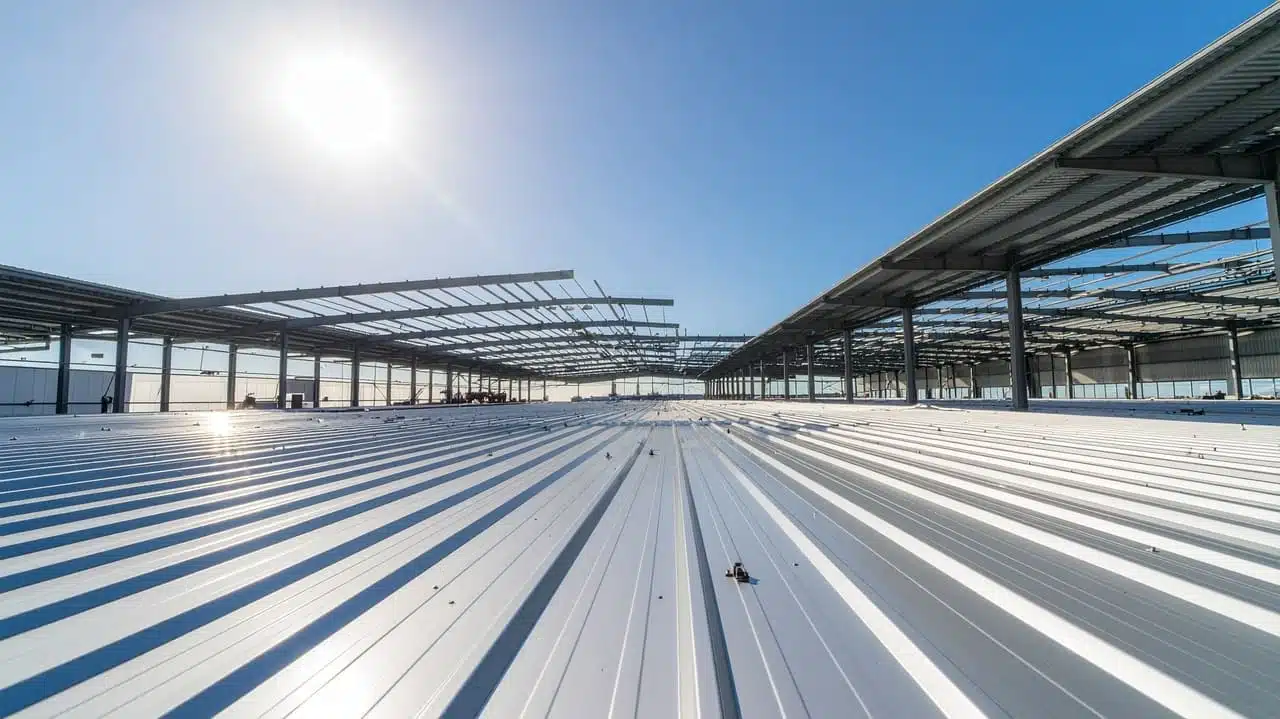
Perth’s warehouse and industrial sectors rely heavily on metal deck roofing systems that provide cost-effective weather protection across large span structures. These engineered roofing solutions combine structural efficiency with weather resistance, creating versatile building envelopes suitable for diverse industrial applications from logistics facilities to manufacturing plants. Understanding metal deck roofing Perth specifications, installation requirements, and maintenance protocols helps facility managers and property owners maximise these essential building systems’ performance and longevity.
Permacoat has installed and maintained metal deck roofing systems across Perth’s industrial areas over 50+ years of specialised service. The company’s comprehensive experience encompasses various profile types, material specifications, and application requirements that industrial facilities demand. This proven expertise delivers warehouse roofing solutions that protect valuable inventory and equipment whilst supporting efficient business operations.
Understanding Metal Deck Roofing Systems
Metal deck roofing encompasses various profiled steel sheet products designed specifically for large span applications common in warehouse construction. These engineered profiles provide structural capacity spanning between purlins whilst creating weatherproof building envelopes. Common profiles include trapezoidal rib patterns offering different spanning capabilities, load resistances, and aesthetic appearances suited to specific warehouse requirements.
Structural deck roofing functions as both weather barrier and roof structure, eliminating separate substrate requirements that traditional roofing demands. This dual functionality reduces overall construction costs whilst simplifying installation and reducing building weight. The structural efficiency proves particularly valuable for warehouse developments where cost-effectiveness and construction speed determine project viability.
Material specifications for warehouse roofing solutions typically specify Colorbond or Zincalume steel with appropriate coating systems protecting against Perth’s climate conditions. Coastal warehouse facilities require enhanced corrosion protection through thicker coating systems or stainless steel alternatives. Inland facilities might specify standard coating grades offering adequate protection at lower material costs. Professional specification matches material grades to specific exposure conditions and operational requirements.
Profile Selection for Warehouse Applications
Deep rib profiles providing maximum spanning capability suit warehouse structures with wide purlin spacing reducing structural steel requirements. These high-strength profiles span 3-4 metres between supports whilst maintaining adequate load resistance for Perth’s wind and occasional maintenance traffic. The structural efficiency translates to overall construction cost savings through reduced purlin quantities and simplified framing.
Concealed fix systems eliminate exposed fasteners that represent potential leak points and corrosion initiation sites. These interlocking profiles create clean appearances whilst improving weather resistance through continuous sealing along longitudinal joints. The concealed fastening proves particularly valuable for temperature-controlled warehouses where thermal efficiency and air tightness rank highly.
Standing seam metal roofing represents the premium warehouse solution offering superior weather resistance, thermal performance, and aesthetic quality. These sophisticated systems accommodate substantial thermal movement through expansion clips whilst maintaining complete weatherproofing. The investment suits prestigious warehouse developments or facilities requiring maximum performance despite higher initial costs.
Installation Standards and Quality Requirements
Professional metal deck roofing Perth installation begins with accurate substrate measurement and purlin alignment verification ensuring deck sheets fit properly without forced alignment. Misaligned purlins cause installation difficulties, create stress concentrations in deck sheets, and compromise weather resistance through poor joint alignment. Quality contractors verify purlin positioning before deck installation commences, correcting any issues that would compromise roof performance.
Fastener specifications for warehouse roofing solutions include self-drilling screws with weather-sealing washers installed at prescribed spacing and locations. Under-fastening compromises wind resistance whilst over-fastening wastes materials and installation time without performance improvement. Professional installers follow manufacturer specifications exactly, ensuring adequate fastening without excessive penetrations creating unnecessary leak potential.
Endlap and sidelap treatment determines overall system weather resistance, with proper overlap dimensions and sealing protocols preventing water penetration at sheet junctions. Endlaps require minimum 150-200mm overlap with sealant tapes creating weatherproof barriers. Sidelaps follow profile-specific requirements ensuring interlocking ribs engage properly whilst maintaining weather resistance. Professional installation achieves consistent overlap treatment across entire roof areas.
Thermal Insulation Integration
Insulated panel systems incorporate factory-bonded insulation delivering superior thermal performance compared to separate insulation installations. These composite panels combine metal deck exterior skins with polyurethane or mineral wool cores providing exceptional insulation values. The integrated construction eliminates thermal bridging whilst simplifying installation and ensuring consistent thermal performance.
Blanket insulation systems installed beneath metal deck roofing provide cost-effective thermal performance for warehouses not requiring maximum insulation values. These fibreglass or polyester batts install between purlins, creating thermal barriers reducing heat transfer. Proper installation avoiding compression and ensuring continuous coverage determines performance effectiveness. Vapour barriers prevent condensation within insulation materials that would reduce thermal resistance.
Reflective insulation technologies including foil-faced blankets or radiant barriers reduce summer heat gain through thermal radiation rejection. These products prove particularly effective in Perth’s climate where solar radiation represents the primary cooling load. Properly installed reflective systems reduce warehouse cooling costs 15-25% compared to uninsulated metal deck installations.
Ventilation Requirements and Strategies
Adequate roof ventilation prevents condensation accumulation, manages summer heat buildup, and maintains healthy indoor air quality in warehouse environments. Natural ventilation through ridge vents, wall louvers, or roof-mounted turbines provides cost-effective airflow without mechanical equipment. The passive approach suits warehouses with moderate thermal control requirements and operational activities generating minimal internal heat loads.
Powered ventilation systems including exhaust fans or evaporative cooling deliver enhanced air movement for warehouses requiring specific temperature control or high air change rates. These active systems provide precise environmental control supporting temperature-sensitive inventory or worker comfort in occupied warehouse areas. Integration with warehouse roofing solutions requires proper mounting, weatherproofing, and electrical connections that professional installers coordinate effectively.
Ventilation design considerations include prevailing wind directions, internal heat sources, and specific operational requirements determining optimal ventilation configurations. Professional assessment identifies appropriate ventilation provisions balancing capital costs against operational benefits. Under-ventilated warehouses experience condensation problems, excessive summer temperatures, and poor air quality affecting both inventory and workers.
Weather Resistance and Drainage Design
Proper roof pitch ensures effective water drainage preventing ponding that accelerates corrosion and creates leak risks. Minimum pitch recommendations for metal deck roofing Perth installations typically specify 3-5 degrees depending on profile type and span length. Flatter pitches require more aggressive sealing and possibly concealed fix profiles maintaining weather resistance despite reduced gravitational drainage assistance.
Internal gutter systems integrated with metal deck roofing collect and channel rainwater toward downpipe locations. These valley-style gutters require particular installation attention ensuring proper fall, adequate capacity, and complete weatherproofing. Undersized or poorly installed internal gutters cause water backup, overflow, and potential interior water damage during heavy rainfall.
Overflow provisions prevent catastrophic flooding if primary drainage systems block or exceed capacity during extreme rainfall events. Scupper outlets, secondary downpipes, or overflow weirs provide emergency drainage preventing structural loading from accumulated water. Professional warehouse roofing solutions include properly sized overflow provisions meeting building code requirements and protecting structural integrity.
Penetration Treatment and Flashings
Roof penetrations for mechanical equipment, skylights, or service entry require careful flashing installation maintaining weather integrity around these interruptions. Custom-fabricated flashings matched to specific penetration sizes and metal deck profiles ensure proper fit and complete weatherproofing. Generic flashings rarely achieve satisfactory results on profiled metal deck, with professional fabrication essential for long-term performance.
Curb-mounted equipment installations including HVAC units or exhaust fans require structural curbs providing stable mounting platforms and raising equipment above roof surfaces. Proper curb construction includes steel framing, metal deck covering, and perimeter flashings creating weatherproof transitions. The integrated installation supports equipment whilst protecting roof integrity from mounting loads and weather exposure.
Skylight installations in metal deck roofing Perth warehouse applications provide natural lighting reducing daytime electrical consumption. These engineered penetrations require structural framing, custom flashings, and proper sealing maintaining weather resistance whilst delivering daylighting benefits. Professional installation ensures skylight weatherproofing matches surrounding roof performance without creating weak points admitting water or air leakage.
Corrosion Protection and Surface Treatments
Factory-applied coating systems on Colorbond steel provide primary corrosion protection through multiple layer barriers including metallic coating, conversion coating, primer, and topcoat. This comprehensive protection withstands Perth’s climate conditions when coating systems remain intact. Surface damage from installation impacts, maintenance traffic, or debris must receive prompt repair preventing corrosion initiation at exposed substrate areas.
Additional protective coatings applied after installation enhance corrosion resistance in aggressive environments like coastal locations or industrial facilities with corrosive atmospheres. These supplementary coatings seal minor surface defects whilst providing extra UV protection extending coating system life. Professional application using appropriate materials and surface preparation delivers coating performance justifying the additional investment.
Galvanic corrosion prevention requires proper material selection and isolation when dissimilar metals contact in metal deck roofing systems. Aluminium flashings contacting steel deck require isolation tapes or coatings preventing electrochemical reactions that corrode aluminium. Similarly, copper or lead flashings need isolation from steel components. Professional installers understand galvanic corrosion risks and implement appropriate prevention measures.
Maintenance Programs for Warehouse Roofs
Regular inspection schedules identify developing problems before they progress to leaks or structural concerns. Annual inspections examine fastener condition, sealant integrity, coating deterioration, and drainage function. This proactive monitoring allows timely intervention addressing minor issues before they become major problems requiring expensive emergency repairs.
Cleaning protocols remove accumulated debris, biological growth, and industrial fallout that accelerate coating degradation and retain moisture against metal surfaces. Periodic roof cleaning extends coating life 20-30% compared to neglected roofs whilst allowing inspection access identifying hidden problems. Professional cleaning uses appropriate methods avoiding damage to coating systems or roof surfaces.
Preventative maintenance addressing minor fastener corrosion, sealant deterioration, or coating damage prevents these small issues from progressing to leaks or structural problems. Systematic touch-up programs maintain roof condition proactively rather than waiting for failures that interrupt warehouse operations. The modest annual maintenance investment prevents major repair costs whilst maximising roof system life.
Roof Access and Safety Infrastructure
Permanent roof access systems including ladders, walkways, and guard rails facilitate safe maintenance access whilst protecting metal deck surfaces from traffic damage. These engineered systems concentrate foot traffic on reinforced pathways preventing sheet dimpling or coating damage from maintenance activities. The investment proves cost-effective through reduced maintenance costs and improved worker safety.
Fall protection anchor points installed during construction provide attachment locations for personal fall arrest equipment during maintenance activities. These structural anchors withstand fall arrest loads whilst allowing safe access across entire roof areas. Compliance with workplace safety regulations requires appropriate fall protection for all roof access, with permanent anchors simplifying safety equipment deployment.
Service platforms around rooftop equipment provide stable working surfaces for maintenance activities without loading metal deck sheets inappropriately. These structural platforms distribute equipment and worker loads whilst preventing damage to roof waterproofing. Professional warehouse roofing solutions integrate service platforms during initial construction rather than attempting problematic retrofits later.
Energy Efficiency and Sustainable Design
Cool roof technologies including highly reflective coating systems reduce solar heat absorption lowering warehouse cooling loads and improving worker comfort. These advanced coatings reflect 70-80% of solar radiation whilst emitting absorbed heat efficiently. The thermal performance delivers measurable energy savings in climate-controlled warehouses whilst improving comfort in non-conditioned facilities.
Solar panel integration transforms metal deck roofing into energy generation platforms supporting warehouse sustainability goals and reducing operational costs. Modern mounting systems attach securely to metal deck without compromising weatherproofing whilst accommodating thermal movement. Professional installation coordinates roofing and solar trades ensuring compatible systems that deliver both weather protection and renewable energy generation.
Rainwater harvesting systems collecting warehouse roof runoff support water conservation whilst reducing stormwater infrastructure loads. Large warehouse roof areas generate substantial catchment volumes supporting toilet flushing, landscape irrigation, or industrial process requirements. Professional design integrates collection, filtration, and storage systems with metal deck roofing Perth installations maximising water conservation benefits.
Renovation and Retrofit Considerations
Existing warehouse roof upgrades might involve overlay installations where new metal deck installs over deteriorated existing roofs. This approach avoids disposal costs and business disruption from complete roof removal whilst delivering renewed weather protection. Structural verification ensures existing framing supports additional roof weight whilst proper installation maintains adequate drainage and ventilation.
Insulation retrofits improve thermal performance of existing metal deck roofing through under-deck insulation installation or exterior insulated panel overlays. These thermal upgrades reduce energy costs whilst improving indoor comfort in temperature-controlled warehouses. Professional installation addresses condensation risks and maintains adequate ventilation preventing moisture problems in upgraded roof assemblies.
Coating restoration extends service life of existing metal deck roofing Perth systems showing surface deterioration but remaining structurally sound. Professional roof restoration includes surface preparation, minor repairs, and premium coating application delivering 15-20 years additional service life. This cost-effective alternative to replacement suits warehouses with sound roof structures requiring renewed weather protection.
Compliance and Building Standards
Australian Standards including AS 1562.1 specify metal roof sheeting installation requirements ensuring adequate structural performance and weather resistance. Professional installers comply with these standards through proper fastening, overlap treatment, and detail execution. Building approval and compliance certification require adherence to prescribed standards protecting building owners and occupants.
Wind load classifications determine required fastening density and sheet specifications for specific warehouse locations and exposure conditions. Perth’s wind region classification influences design wind speeds that metal deck roofing must withstand. Professional engineering ensures roof systems meet structural requirements for worst-case wind events protecting building integrity and occupant safety.
Fire safety requirements affect metal deck selection, particularly for warehouses storing flammable materials or located near property boundaries. Non-combustible metal roofing systems satisfy most fire regulations, though specific applications might require additional fire resistance ratings. Compliance verification ensures warehouse roofing solutions meet applicable fire safety codes.
Regional Climate Variations Across Perth
Coastal industrial areas including Fremantle, Kwinana, and Henderson experience aggressive marine environments demanding premium corrosion protection. Warehouses in these locations benefit from enhanced coating specifications or stainless steel components resisting salt exposure. The incremental material cost proves economical compared to premature coating failure and accelerated replacement cycles.
Northern suburbs industrial precincts face intense solar exposure maximising benefits from reflective coating systems and adequate insulation. Warehouses in Wangara, Malaga, or Jandakot experience temperature extremes that stress roofing systems through thermal cycling. Properly specified metal deck roofing Perth installations accommodate these thermal movements whilst maintaining weather resistance.
Eastern suburbs including Welshpool and Kewdale encounter moderate exposure conditions allowing standard coating specifications for most warehouse applications. These established industrial areas host diverse warehouse types with varying performance requirements. Professional assessment determines appropriate specifications matching specific operational needs and budget constraints.
Lifecycle Cost Analysis and Investment Value
Initial installation costs for metal deck roofing Perth systems include materials, installation labour, and structural support modifications if required. These upfront expenses vary significantly based on profile selection, coating specifications, and insulation provisions. Comprehensive quotes itemising all cost components allow informed decision-making whilst preventing budget surprises.
Operating costs including maintenance, energy consumption, and periodic refurbishment contribute substantially to total lifecycle costs. Energy-efficient insulated systems reduce cooling costs whilst requiring minimal maintenance compared to basic uninsulated installations. Lifecycle analysis demonstrates that premium systems often deliver superior value despite higher initial costs through reduced operating expenses over 25-30 year service periods.
Replacement timing considerations balance remaining roof life against maintenance costs and potential business disruption from failure. Proactive replacement during planned renovation windows costs less than emergency replacement responding to catastrophic failure. Professional condition assessment informs optimal replacement timing maximising existing roof value whilst preventing emergency situations.
Protecting Warehouse Facility Investments
Metal deck roofing systems represent essential infrastructure protecting warehouse operations, inventory, and equipment from weather exposure. These engineered solutions must perform reliably across decades of service despite Perth’s harsh climate and demanding industrial environments. Professional specification, installation, and maintenance ensure warehouse roofing solutions deliver expected performance throughout anticipated service life.
Permacoat’s comprehensive experience with metal deck roofing Perth warehouse applications spans 50+ years serving industrial sectors. The company’s systematic approach encompasses proper material selection, quality installation practices, and ongoing maintenance support. This proven expertise delivers roofing systems that protect warehouse investments whilst supporting efficient business operations.
Warehouse owners and facility managers planning new construction or addressing existing roof issues should consult roofing professionals experienced with industrial applications. Professional assessment identifies optimal solutions balancing performance requirements against budget constraints whilst ensuring compliance with applicable standards. Early engagement during planning phases allows proper roof system integration with overall warehouse design.
Talk to us on (08) 9249 5955 for professional warehouse roofing consultation addressing specific facility requirements. The company’s industrial specialists understand warehouse operational needs and develop solutions delivering reliable weather protection supporting business continuity. Free assessment services connect warehouse operators with Perth’s most experienced industrial roofing professionals.