Storm season preparation is critical for every Western Australian home. When powerful storms sweep across the region, bringing intense rainfall, damaging winds, and occasionally hail, unprepared roofs face significant damage risks. Understanding comprehensive storm preparation strategies protects property values, prevents costly emergency repairs, and ensures household safety during severe weather events.
Western Australia experiences distinct storm patterns, with the northern regions facing tropical cyclones and monsoon activity, while Perth and southern areas encounter severe winter storm fronts. These weather systems test roofing integrity through sustained heavy rainfall, wind gusts exceeding 100 kilometres per hour, and rapid temperature fluctuations. Permacoat specialises in storm preparation services that address the unique challenges Western Australian homes face throughout storm season.
Why Storm Proofing Matters
Perth and broader Western Australia enjoy abundant sunshine most of the year, but storm season brings formidable weather challenges. Storm proofing roofs protects homes from leaks, structural damage, and expensive emergency repairs that often result from preventable maintenance oversights.
Roofs represent the primary defence against environmental elements. When roofing systems suffer from neglect or deferred maintenance, the entire property becomes vulnerable to water infiltration, wind damage, and subsequent interior deterioration. Small leaks transform quickly into major problems, causing ceiling damage, wall staining, insulation compromise, and mould growth throughout living spaces.
Financial implications of storm damage extend beyond immediate repair costs. Unaddressed roof damage reduces property values, increases insurance premiums, and creates ongoing maintenance expenses that compound over time. Storm season preparation represents a cost-effective investment that protects both property value and household budgets against unexpected emergency repair expenses.
Key Takeaways:
- Storm proofing protects homes from leaks, structural damage, and costly repairs
- Well-maintained roofs prevent exponential repair costs during storm season
- Preparation safeguards property values and household safety throughout Western Australia
The Pre-Storm Roof Inspection: What to Look For
Before storm season arrives, comprehensive roof inspections identify vulnerabilities that severe weather will exploit. Professional assessments provide thorough evaluation, though homeowners can conduct preliminary ground-level inspections using binoculars to spot obvious damage indicators.
Cracked or Missing Tiles: Damaged tiles create immediate entry points for wind-driven rain. Even single missing tiles allow water penetration that spreads damage throughout underlying roof structures. Professional roof cleaning services remove debris while identifying damaged tiles requiring replacement.
Sagging Rooflines: Visible dips or depressions indicate potential structural compromise requiring immediate professional assessment. Sagging suggests water damage, inadequate framing, or termite activity that weakens load-bearing components.
Rust and Corrosion: Metal roof components including fasteners, flashing, and ridge capping develop rust in Western Australia’s coastal environment. Surface rust progresses rapidly to structural compromise when left untreated, particularly during storm season when moisture exposure intensifies.
Damaged Flashing: Metal flashing around chimneys, vents, skylights, and roof valleys must maintain watertight seals. Separated, corroded, or physically damaged flashing creates direct water entry paths that compromise interior spaces during heavy rainfall.
Moss or Lichen Growth: Biological growth retains moisture against roofing materials, accelerating deterioration while creating ideal conditions for water damage. Growth patterns indicate drainage problems or excessive shade requiring vegetation management.
Thorough inspections highlight problems before storm season testing reveals weaknesses through actual damage. Uncertain findings warrant professional assessment rather than optimistic assumptions that severe weather quickly disproves.
Key Takeaways:
- Conduct roof inspections before storm season arrives
- Identify cracked tiles, sagging areas, rust, and damaged flashing
- Address discovered issues promptly to prevent storm season damage
- Professional assessments provide comprehensive evaluation beyond visual inspection
Cleaning Your Gutters and Downpipes: A Must-Do
Gutter and downpipe cleaning represents non-negotiable storm preparation. Blocked drainage systems cause water overflow that seeps into eaves, fascias, and wall cavities, creating dampness, mould growth, and structural deterioration over time.
Debris accumulation adds substantial weight to gutter systems. Waterlogged leaves, twigs, and sediment pull gutters away from fascia boards, creating separation that worsens with each rainfall event. During storm season, this separation allows water to pour directly against building structures rather than flowing safely away through drainage systems.
Downpipe blockages prove equally problematic. Leaves, bird nests, and accumulated debris create clogs that prevent water flow even when gutters appear clear. Flushing downpipes with high-pressure water confirms complete drainage path clearance before storm season testing begins.
Professional maintenance programmes ensure thorough cleaning while identifying developing problems with gutter alignment, fastener condition, and downpipe positioning. Comprehensive gutter and downpipe services address both cleaning requirements and necessary repairs, preventing overflow damage during severe weather events.
Key Takeaways:
- Clear gutters and downpipes prevent water overflow and structural damage
- Blocked drainage systems cause exponential damage during storm season
- Regular professional cleaning ensures complete drainage system functionality
- Quarterly cleaning schedules maintain optimal water management year-round
Sealing the Deal: Protecting Against Water Damage
Once cleaning reveals roof surfaces, sealing potential water entry points provides additional storm protection. Professional-grade roof coatings create waterproof barriers that shield roofing materials from wind-driven rain while preventing water infiltration through microscopic cracks and gaps.
Quality acrylic roof coatings deliver superior protection compared to basic paint products. These specialised formulations withstand Western Australia’s harsh UV radiation, temperature extremes, and storm season moisture challenges. Dulux Acratex represents the premium coating standard, offering durability and weather resistance specifically engineered for Australian climate conditions.
Professional application ensures complete coverage with proper surface preparation, primer application where required, and coating thickness that meets manufacturer specifications. DIY coating attempts often result in inadequate coverage, premature failure, and ultimately higher costs when professional reapplication becomes necessary. Premium roof coatings provide years of reliable protection, reducing maintenance requirements while extending overall roof lifespan significantly.
Coating benefits extend beyond waterproofing. Modern formulations offer thermal reflection that reduces roof surface temperatures, lowering cooling costs during Western Australia’s extended warm periods. This dual functionality makes professional coating application a valuable investment that delivers both storm protection and energy efficiency improvements.
Key Takeaways:
- Seal potential water entry points with professional-grade coatings
- Quality roof coatings provide waterproof barriers against storm damage
- Dulux Acratex formulations withstand Western Australian climate challenges
- Professional application ensures complete coverage and long-term performance
Dealing with Damaged Tiles and Shingles
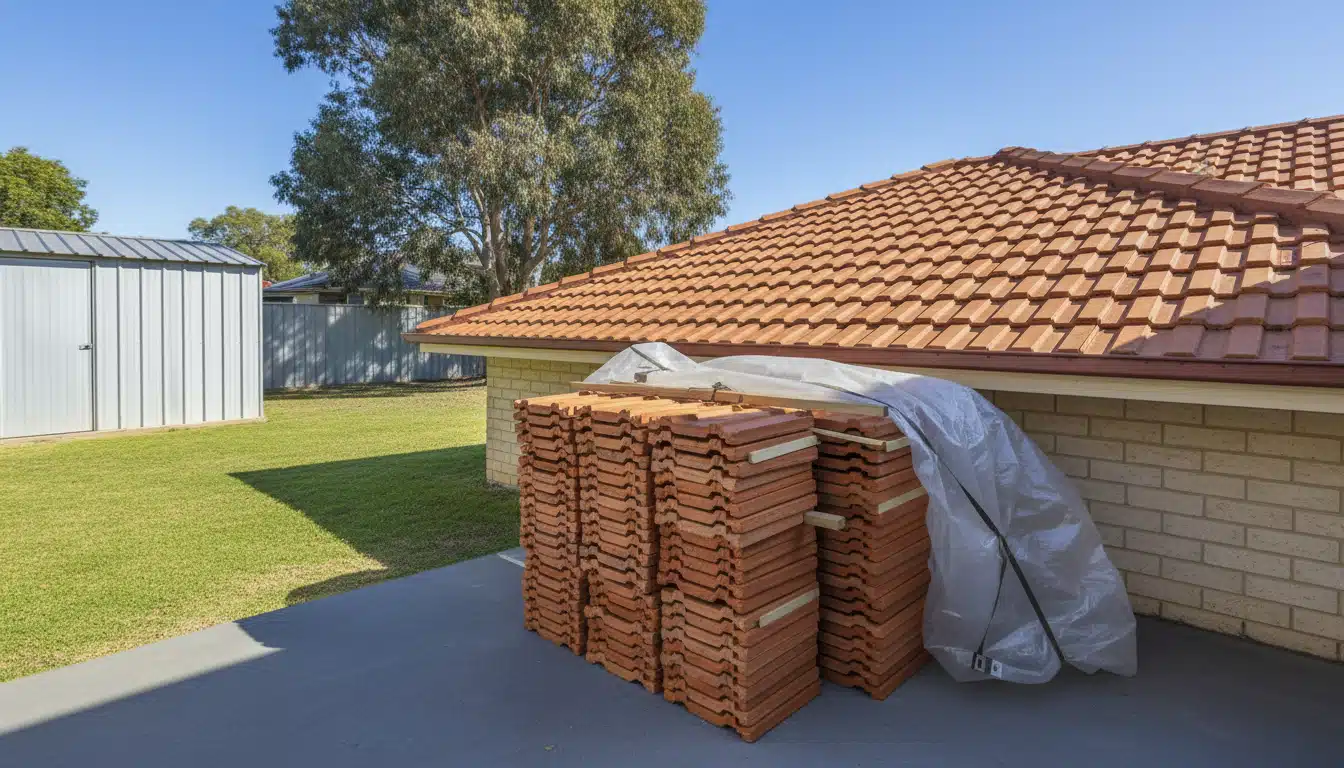
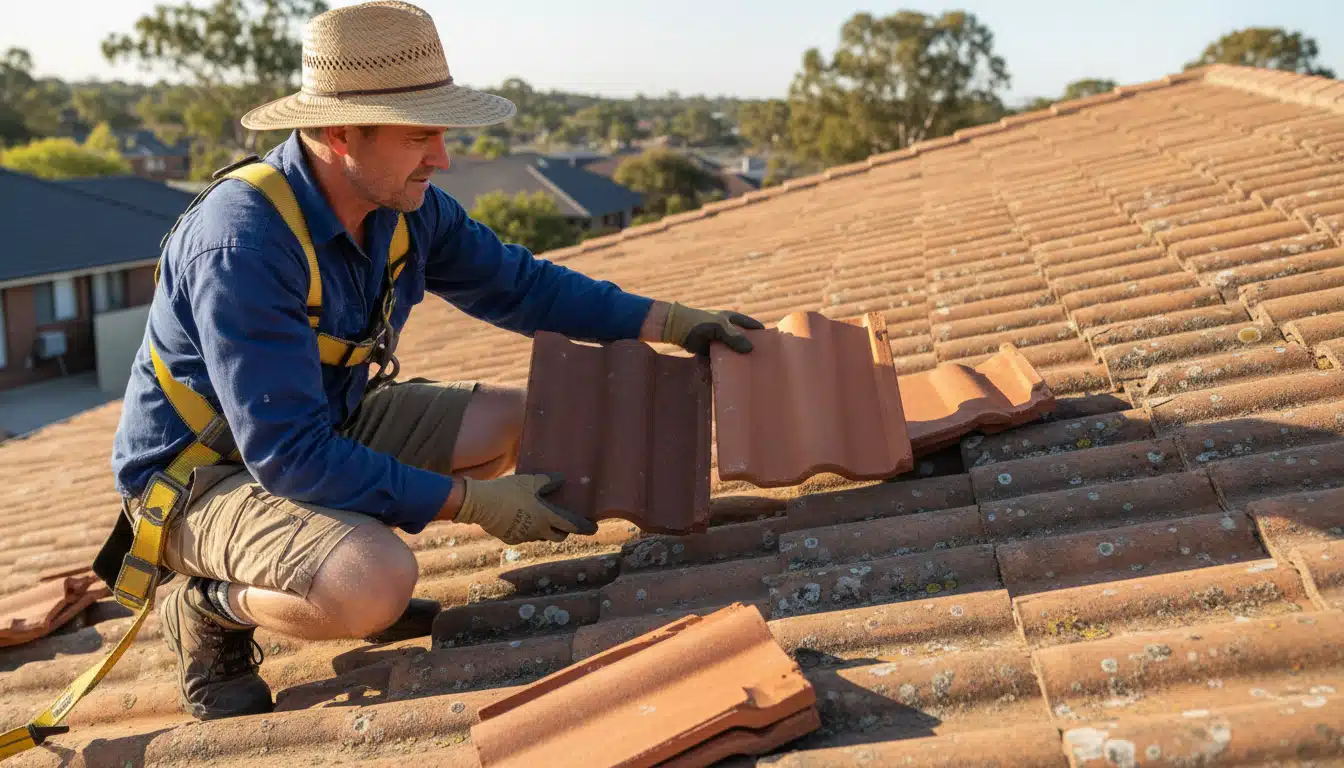
Cracked or missing tiles require immediate attention before storm season arrival. Single damaged tiles might appear insignificant, but each creates water entry opportunities that compromise underlying structures. Wind-driven rain penetrates these openings, saturating timber framing, damaging insulation, and creating conditions for rot and mould development.
Tile damage assessment determines whether individual replacement suffices or broader restoration becomes necessary. A few isolated damaged tiles allow straightforward replacement, while widespread cracking or displacement suggests underlying problems requiring comprehensive professional evaluation. Age-related tile deterioration, inadequate fastening, or structural movement may contribute to damage patterns indicating systemic issues.
Professional roof tile restoration addresses both immediate damage and underlying causes. Comprehensive restoration includes damaged tile replacement, rebedding and repointing ridge capping, valley repairs, and protective coating application that extends tile lifespan while improving storm resistance. This thorough approach prevents recurring damage that plagues superficial repair attempts.
Timing proves critical for tile repairs. Storm season magnifies damage from each compromised tile, accelerating deterioration that creates emergency repair situations during the worst possible weather conditions. Addressing tile damage during dry periods allows proper repairs without weather-related complications while preventing exponential damage progression.
Key Takeaways:
- Replace cracked or missing tiles immediately before storm season
- Single damaged tiles create water entry points causing structural damage
- Professional restoration addresses underlying causes preventing recurrence
- Timely repairs prevent emergency situations during severe weather
Tree Trimming: Protecting Your Roof from Above
Overhanging branches create significant storm hazards. Wind forces branches against roof surfaces, scraping tiles, damaging flashing, and potentially breaking through roofing materials entirely. Falling branches cause severe structural damage, create emergency repair situations, and pose safety risks to household occupants.
Preventative trimming eliminates these hazards before storm season arrives. Trees require adequate clearance from roof surfaces – typically minimum two metres for small branches and greater distances for large limbs that could reach roofs if broken. This clearance prevents direct contact while reducing debris accumulation in gutters and on roof surfaces.
Branch removal also addresses less obvious risks. Overhanging vegetation provides pest access routes, enables moss and lichen growth through excessive shade, and drops leaves that block drainage systems. Comprehensive vegetation management supports overall roof health beyond immediate storm protection benefits.
Professional arborists conduct safe, efficient tree trimming that protects both property and tree health. Proper pruning techniques prevent disease introduction, maintain tree structural integrity, and avoid damage to buildings or surrounding landscape features. Storm season preparation represents an ideal time for this essential maintenance task.
Key Takeaways:
- Trim overhanging branches before storm season to prevent roof damage
- Falling branches cause severe structural damage requiring emergency repairs
- Professional arborists ensure safe, proper vegetation management
- Adequate clearance prevents multiple roof health problems
Professional Help: When to Call in the Experts
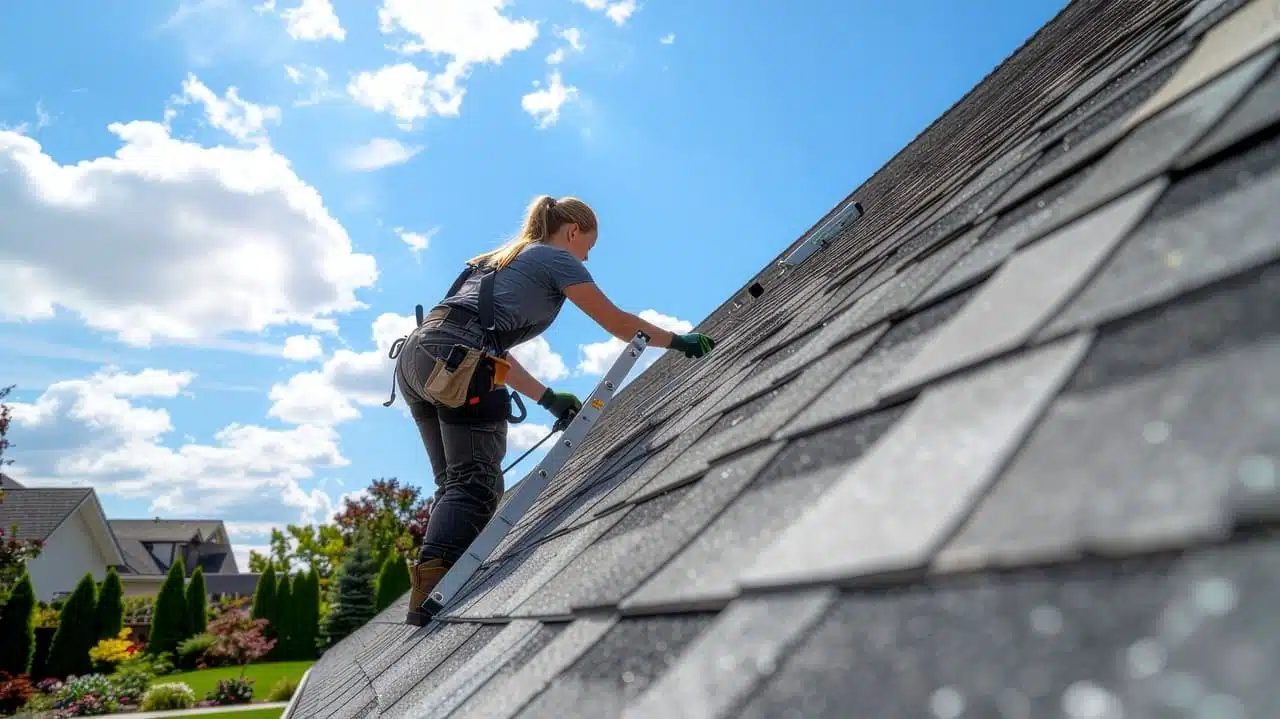
While homeowners can manage basic maintenance tasks, serious roof concerns warrant professional expertise. Working at heights presents substantial injury risks even for experienced individuals, while comprehensive damage assessment requires specialised knowledge and diagnostic tools.
Professional roofing contractors possess proper safety equipment, insurance coverage, and training for elevated work. They identify subtle damage indicators that untrained observers miss, understand how different roofing systems fail under stress, and recommend appropriate solutions based on damage extent, roof age, and budget considerations.
Comprehensive services address all storm preparation aspects. Professional roof restoration Perth programmes include cleaning, repairs, protective coating application, and preventative maintenance that prepares roofs for storm season challenges. These integrated approaches deliver superior results compared to piecemeal DIY efforts.
Property managers overseeing multi-unit developments require specialised expertise. Storm preparation for apartment complexes, townhouse developments, and commercial properties demands coordinated approaches that address shared infrastructure while managing multiple stakeholder interests efficiently.
Key Takeaways:
- Professional expertise ensures safe, comprehensive storm preparation
- Experienced contractors identify problems beyond obvious visual indicators
- Integrated service programmes deliver superior storm protection
- Specialised solutions address complex property management requirements
Emergency Preparedness: What to Do During a Storm
Despite thorough preparation, severe storms occasionally cause unexpected damage. Knowing proper emergency response procedures minimises damage while ensuring household safety during weather events.
Contain Leaks: Deploy buckets, towels, and waterproof barriers to catch water and prevent spread to unaffected areas. Containing water damage during storms prevents exponential loss that occurs when leaks flow unchecked throughout interior spaces.
Move Valuables: Relocate furniture, electronics, documents, and personal belongings away from leak areas. Water damage to possessions compounds financial losses beyond structural repair costs.
Document Damage: Photograph and video record all damage for insurance claims. Thorough documentation supports claim processing and ensures proper compensation for losses.
Avoid Roof Access: Never attempt roof access during storms. High winds, wet surfaces, and poor visibility create extreme danger. Wait for weather clearance before damage assessment.
Contact Professionals: Arrange emergency repairs through established roofing companies as soon as safety permits. Professional emergency services provide temporary protection preventing further damage until comprehensive repairs become possible.
Key Takeaways:
- Contain leaks immediately to minimise interior damage during storms
- Protect valuables and document all damage for insurance purposes
- Never access roofs during storms – safety takes absolute priority
- Professional emergency services provide critical temporary protection
Long-Term Roof Maintenance: Staying Ahead of the Game
Storm preparation represents one component of comprehensive roof care. Ongoing maintenance programmes prevent problems while extending roof lifespan significantly beyond neglected systems.
Annual Inspections: Schedule professional roof inspections at least yearly, preferably before storm season. Regular assessments identify developing problems when repairs remain minor and manageable rather than waiting for failure during severe weather.
Regular Cleaning: Maintain gutter and downpipe cleanliness through quarterly cleaning schedules. Consistent drainage system maintenance prevents overflow damage while allowing early detection of developing roof problems.
Prompt Repairs: Address minor issues immediately rather than deferring repairs. Small problems escalate rapidly, particularly during storm season when weather stresses exploit every weakness. Timely intervention prevents exponential damage progression.
Protective Coatings: Reapply professional roof coatings every 10-15 years depending on product specifications and exposure conditions. Maintained coating systems deliver continuous protection while improving aesthetic appearance and property value.
Quality maintenance includes aesthetic considerations. Professional roof painting services refresh appearance while providing protective benefits, combining visual appeal with functional storm protection in single integrated treatments.
Key Takeaways:
- Regular roof maintenance prevents storm season emergencies
- Annual inspections and quarterly cleaning maintain optimal roof condition
- Prompt repairs prevent minor issues becoming major problems
- Protective treatments deliver both aesthetic and functional benefits
Conclusion
Preparing roofs for storm season in Western Australia requires comprehensive attention to multiple factors including inspections, cleaning, sealing, repairs, and vegetation management. These proactive measures protect property values, prevent costly emergency repairs, and ensure household safety during severe weather events that test roofing systems throughout the region.
Homeowners who invest in thorough storm preparation avoid the stress, expense, and disruption of emergency repairs during the worst possible weather conditions. Professional services deliver expertise, safety, and thoroughness that DIY approaches cannot match, particularly for comprehensive preparation addressing all vulnerability points simultaneously.
Storm season arrives predictably each year, providing ample opportunity for preparation. Taking action now ensures roofs withstand upcoming weather challenges while maintaining optimal condition for years ahead. Don’t wait until storm damage creates emergency situations requiring expensive urgent interventions.
Contact us on (08) 9249 5955 today to schedule comprehensive storm preparation services. Expert assessment, professional repairs, and protective treatments deliver confidence that roofs will weather Western Australia’s storm season successfully while protecting homes and families throughout severe weather events.