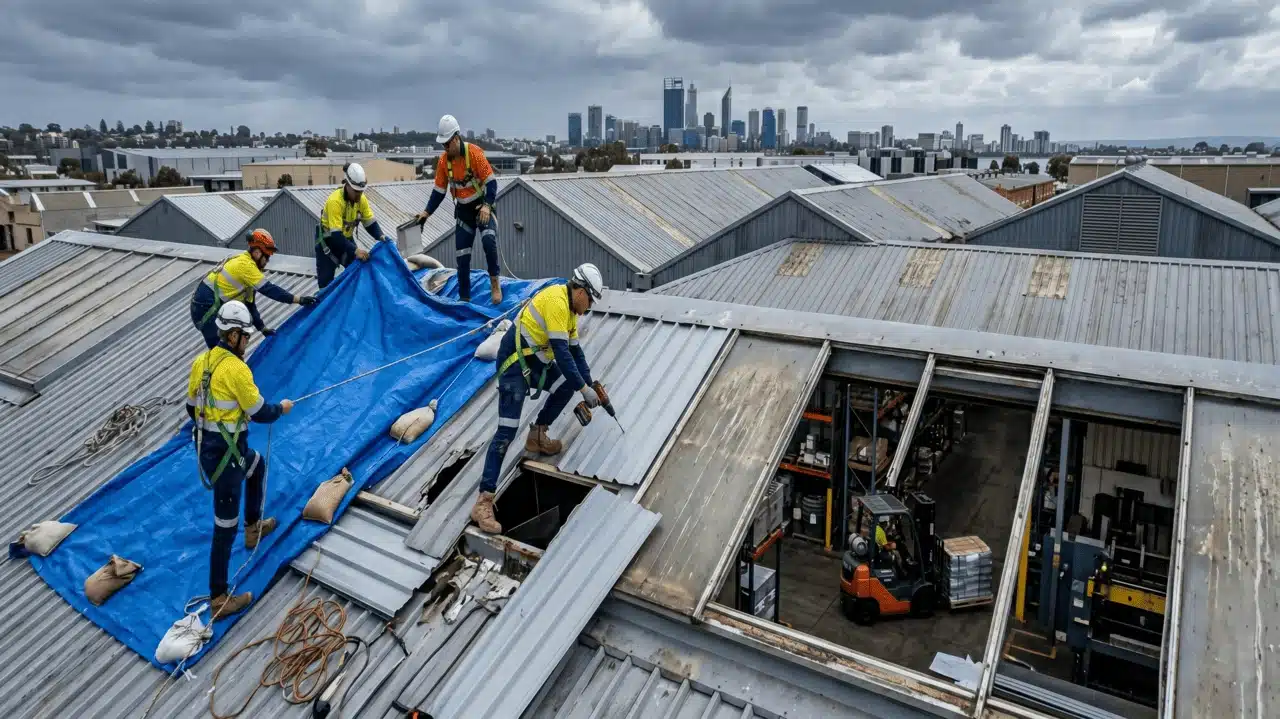
Manufacturing and industrial facilities depend on reliable roofing systems protecting production equipment, inventory, and workforce from Perth’s weather extremes. When factory roofs develop leaks or damage, the resulting business disruption extends far beyond simple repair costs to include production downtime, equipment damage, and potential safety hazards affecting operations. Understanding factory roof repairs Perth specialists provide and establishing rapid response protocols ensures manufacturing facilities maintain business continuity despite inevitable roofing problems.
Permacoat has delivered emergency and planned factory roof repairs across Perth’s industrial sectors throughout 50+ years of specialised service. The company’s systematic approach prioritises rapid assessment, efficient repair execution, and minimal production disruption. This proven methodology supports industrial roof maintenance programs that prevent emergency situations whilst providing rapid response capabilities when unexpected failures occur.
Understanding Factory Roofing Vulnerabilities
Industrial facilities experience unique roof stress factors beyond typical commercial or residential exposures. Production processes generating heat, moisture, or chemical vapours create aggressive internal environments attacking roof systems from below. Rooftop equipment including HVAC units, exhaust systems, and process venting creates penetrations requiring careful flashing maintenance. These combined exposures accelerate roof deterioration compared to less demanding applications.
Large span factory roofs common in manufacturing facilities flex under wind and thermal loads, stressing sealants and fasteners more severely than smaller residential systems. This structural movement concentrates at sheet laps, penetrations, and valley locations where repeated flexing eventually causes fastener loosening or sealant failure. Understanding these vulnerability points allows targeted inspection and preventative maintenance addressing problems before leaks develop.
Manufacturing downtime costs from roof leaks can reach thousands of dollars hourly when production lines stop, equipment requires protection, or workers face hazardous conditions. These operational impacts dwarf direct repair costs, making rapid factory roof repairs Perth manufacturers require economically justified despite premium emergency service charges. Proactive maintenance preventing emergencies delivers superior value compared to reactive approaches tolerating periodic failures.
Rapid Damage Assessment Protocols
Emergency response systems providing 24/7 contact capability ensure roof problems receive immediate attention regardless of occurrence timing. Manufacturing facilities operating continuous shifts require roofing contractors available outside normal business hours. Professional industrial roof maintenance programs include emergency contact protocols guaranteeing rapid response when production-critical situations develop.
Visual damage assessment from ground level using binoculars or drone inspection provides rapid preliminary evaluation without requiring extensive roof access setup. This quick assessment identifies damage severity, likely repair scope, and immediate temporary measures preventing additional damage. The rapid evaluation supports informed decisions about production continuity whilst repair planning proceeds.
Thermal imaging surveys detect moisture infiltration invisible during surface inspection, identifying hidden damage requiring attention beyond obvious leak locations. Water tracking beneath roof membranes or within insulation layers often extends well beyond visible drip points. Comprehensive assessment using thermal technology prevents incomplete repairs addressing symptoms whilst leaving underlying problems unresolved.
Temporary Protection Measures
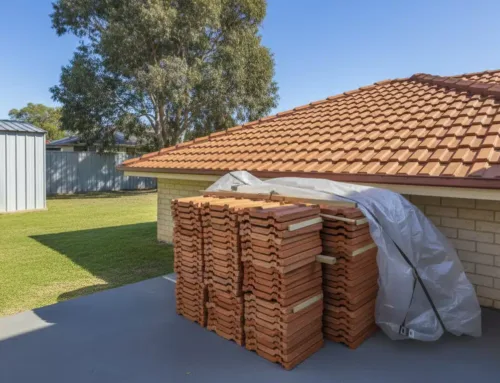
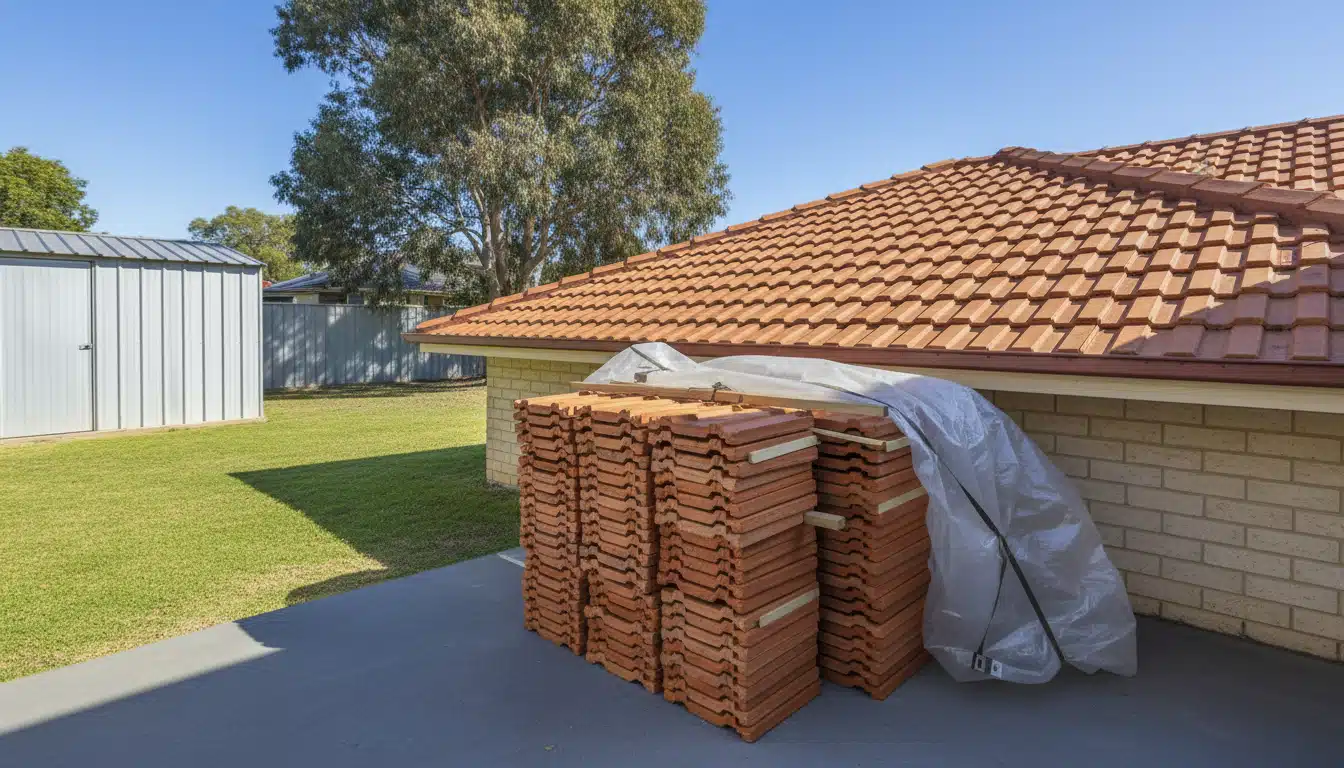
Tarpaulin coverage provides immediate weather protection allowing production to continue whilst permanent repairs await material delivery or favorable weather conditions. Professional tarp installation includes proper securing against wind displacement and drainage provisions preventing water accumulation. These temporary measures prove essential when roof damage occurs during production runs that cannot stop without substantial financial impact.
Internal containment using plastic sheeting, drip collection, or temporary barriers protects equipment and work areas from ongoing leaks when external temporary measures prove impractical. This damage control approach allows production to continue in unaffected facility areas whilst containing leak impacts to limited zones. Factory roof repairs Perth specialists implement such measures routinely, understanding manufacturing priorities demand creative solutions maintaining partial operations.
Equipment relocation shifting sensitive machinery or inventory from leak-affected areas represents another temporary measure allowing production continuity despite roof damage. This operational response works best when facilities maintain flexible layouts and equipment mobility. Coordination between roofing contractors and production managers ensures temporary arrangements support business needs whilst repairs proceed.
Common Factory Roof Failure Modes
Fastener corrosion represents the most frequent failure mode in coastal Perth factories where salt exposure attacks screws securing metal roofing sheets. Corroded fasteners lose holding strength, allowing sheets to lift during wind events or creating water entry points through enlarged screw holes. Systematic fastener replacement during preventative maintenance programs prevents these predictable failures disrupting production.
Sealant deterioration along sheet laps, flashings, or penetrations allows water penetration despite structurally sound roof sheets. Perth’s intense UV exposure and thermal cycling gradually hardens and cracks sealant compounds. Industrial roof maintenance programs addressing sealant condition proactively extend roof life whilst preventing leak development. Professional re-sealing using premium products delivers 5-10 years additional weatherproofing.
Mechanical damage from maintenance traffic, lifted equipment, or debris impact creates immediate leak points requiring rapid repair. Factory roofs supporting regular maintenance activities for production equipment face higher damage risks than passive roofing. Designated walkways, equipment platforms, and traffic restrictions reduce damage frequency whilst protecting roof integrity.
Emergency Repair Techniques
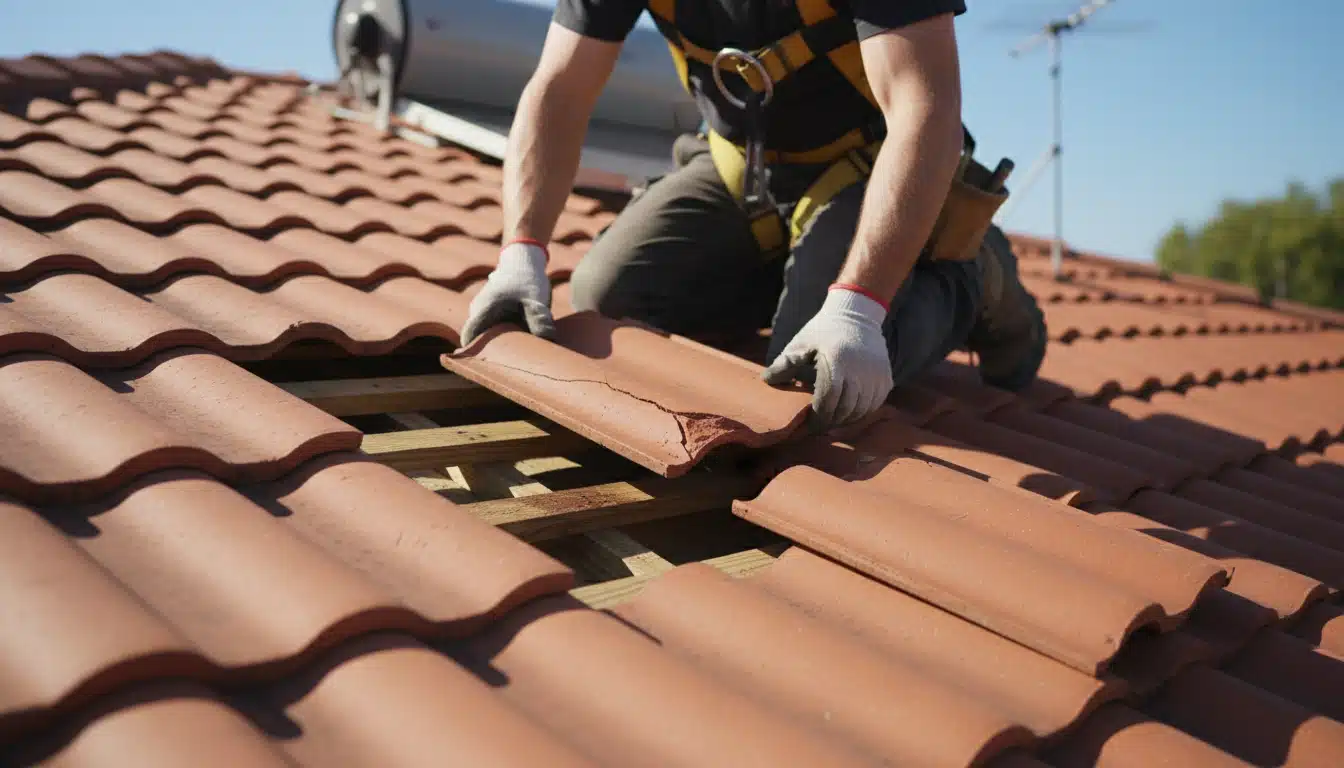
Emergency patching using compatible materials sealed with premium adhesives provides temporary weatherproofing allowing production to continue whilst permanent repairs await suitable conditions. These rapid interventions might involve metal patches riveted or screwed over damaged areas, membrane patches adhered with compatible cements, or sealant injection filling cracks or gaps. Professional application using appropriate materials ensures patches function reliably until permanent repairs occur.
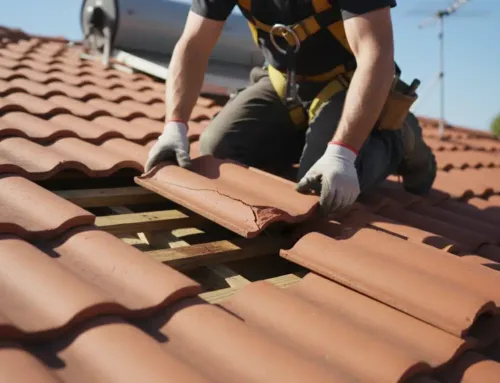
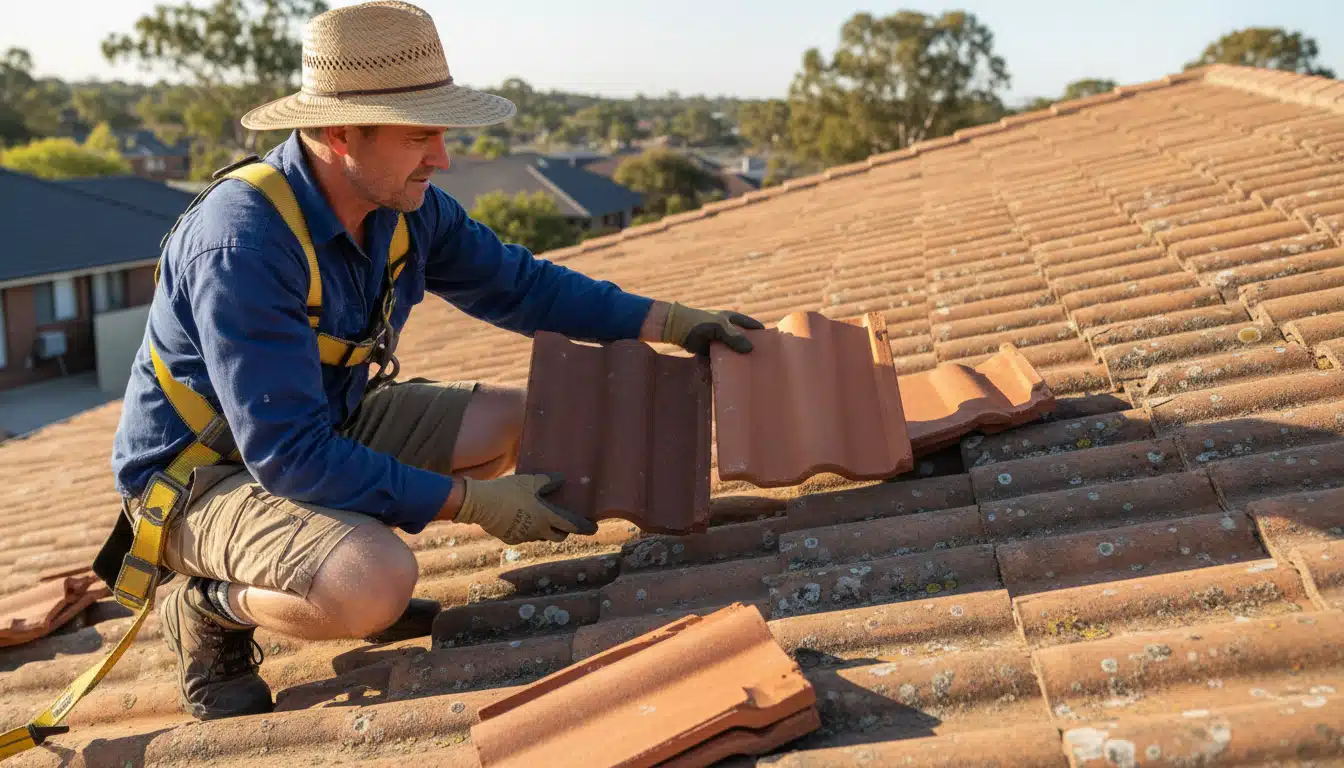
Fastener replacement addressing loose or corroded screws stopping immediate leaks whilst indicating broader system deterioration requiring comprehensive attention. Emergency fastener work might address critical leak locations without attempting complete systematic replacement more appropriate for planned maintenance. This targeted approach stops leaks rapidly whilst identifying broader repair needs.
Penetration flashing repairs around roof-mounted equipment often provide quick leak resolution when flashings deteriorate or separate from mounting equipment. Emergency re-flashing using formed metal pieces and premium sealants restores weatherproofing around critical equipment locations. Professional technicians carry common flashing profiles and sealants enabling rapid response without material procurement delays.
Planned Preventative Maintenance Programs
Systematic inspection schedules identify developing problems before they cause production-affecting leaks. Quarterly factory roof inspections examine fastener condition, sealant integrity, membrane condition, and drainage function. This regular monitoring detects minor deterioration allowing scheduled repairs during planned production shutdowns rather than emergency response during critical operations.
Sealant renewal programs addressing predictable deterioration maintain weatherproofing proactively rather than waiting for failures. Five-year sealant replacement cycles suit most Perth factory applications, with shorter intervals for aggressive exposures. This systematic approach costs less than emergency leak repairs whilst preventing production disruptions that emergency situations create.
Coating maintenance through cleaning and periodic recoating extends metal roof life significantly beyond unmaintained systems. Professional roof restoration services every 15-20 years renew weatherproofing economically compared to complete roof replacement. The planned restoration timing aligns with facility shutdown schedules, avoiding production impacts that emergency roof replacement would create.
Coordination with Production Scheduling
Maintenance shutdown coordination aligns roof repair work with planned production downtime maximising repair efficiency without adding business disruption. Annual facility shutdowns provide ideal opportunities for comprehensive roof work that might prove impractical during normal operations. Advance planning ensures roofing contractors, materials, and equipment arrive ready when shutdowns commence, maximising limited available timeframes.
Staged repair approaches allow large factory roofs receiving systematic attention across multiple maintenance windows rather than requiring extended single shutdowns. This phased methodology suits facilities that cannot afford complete production cessation but tolerate partial shutdowns affecting limited facility areas. Professional project planning divides work into logical stages maintaining production capability throughout repair programs.
After-hours work scheduling accommodates continuous production facilities requiring uninterrupted operations. Night-shift and weekend repair work allows factory roof repairs Perth manufacturers need without production impacts. Professional contractors maintain productivity during non-traditional hours through proper planning, adequate lighting, and experienced crews comfortable with extended schedules.
Material Selection for Industrial Environments
Corrosion-resistant fasteners using stainless steel or heavily galvanised materials withstand aggressive factory environments including coastal exposure, chemical atmospheres, or high-humidity conditions. Premium fasteners cost marginally more than standard alternatives whilst delivering dramatically extended service life. This material upgrade represents sound investment preventing premature failures and associated production disruptions.
Industrial-grade sealants formulated specifically for movement accommodation, chemical resistance, or extreme temperatures outperform general-purpose products in demanding factory applications. These specialised compounds maintain adhesion and flexibility across wider environmental ranges whilst resisting chemical attack from process emissions. Professional industrial roof maintenance specifies appropriate sealants matching specific exposure conditions.
Coating systems designed for industrial applications provide enhanced chemical resistance, mechanical durability, and accelerated cure times supporting rapid return to service. These premium coatings tolerate factory operating conditions whilst delivering reliable long-term performance. The investment in quality coating systems prevents premature deterioration requiring disruptive re-application cycles.
Safety Considerations During Factory Repairs
Production equipment coordination ensures roof work proceeds safely without interfering with operating machinery or creating hazards for production workers. Communication protocols between roofing crews and production supervisors maintain awareness of activities preventing accidents from unexpected interactions. This coordination proves especially critical when repairs occur during production hours.
Containment measures prevent roof debris, tools, or materials from falling into production areas where contamination might damage products or injure workers. Physical barriers, safety netting, or work area isolation protect operations below roof work zones. Professional contractors implement appropriate containment recognising manufacturing environments demand higher cleanliness and safety standards than typical construction sites.
Hot work permits for activities involving welding, cutting, or heat generation ensure proper fire safety precautions protect factory operations. Flammable material clearance, fire watch personnel, and appropriate firefighting equipment prevent roof repair activities from creating fire risks. Systematic hot work management represents fundamental safety practice that factory roof repairs Perth work demands.
Insurance and Liability Management
Business interruption insurance provides financial protection when roof damage forces production shutdowns despite rapid repair efforts. Policy coverage often includes provisions for emergency repairs, equipment protection, and ongoing fixed costs during forced closures. Understanding coverage details helps manufacturers optimise insurance protection whilst planning emergency response strategies.
Contractor verification ensuring roofing contractors carry adequate insurance protects manufacturers from liability exposure if contractor injuries or property damage occurs during roof work. Current certificates of currency for public liability and workers compensation insurance represent minimum verification requirements before permitting contractor access. This due diligence protects manufacturing facilities from potential claims resulting from contractor incidents.
Warranty coverage for roof repairs protects manufacturers from premature failure requiring repeat repairs disrupting operations. Quality contractors provide workmanship warranties covering 12-36 months whilst material warranties from manufacturers extend 5-15 years depending on products. Understanding warranty terms and maintaining required maintenance supports coverage validity if problems develop.
Technology Integration and Monitoring
Roof moisture monitoring systems using embedded sensors detect water infiltration before visible leaks develop, enabling proactive repairs preventing production impacts. These monitoring technologies prove particularly valuable for large factory roofs where leak detection might otherwise require extensive investigation. Early warning systems support preventative intervention maintaining business continuity.
Drone inspection technology allows rapid comprehensive roof assessment without requiring physical roof access that might interrupt operations or pose safety risks. Regular drone surveys document roof condition whilst identifying developing problems requiring attention. This technology reduces inspection costs and safety risks whilst providing superior documentation compared to traditional inspection methods.
Digital maintenance management systems track roof condition, schedule preventative maintenance, and maintain repair history supporting informed decision-making. These platforms centralise roofing documentation, coordinate contractor activities, and generate reports supporting facility management. Professional industrial roof maintenance programs increasingly incorporate technology platforms enhancing traditional service delivery.
Environmental and Regulatory Compliance
Stormwater protection during roof repairs prevents construction debris, sealants, or coating materials from contaminating stormwater systems or surrounding environment. Professional contractors implement sediment controls, contain waste materials, and use appropriate products minimising environmental impact. This responsible approach prevents regulatory violations whilst demonstrating environmental stewardship.
Hazardous material management addresses asbestos-containing materials potentially present in older factory roofs. Professional contractors conduct hazardous material surveys before commencing work, implementing appropriate handling and disposal when asbestos presence confirms. This compliance protects worker health whilst preventing regulatory penalties from improper asbestos handling.
Noise management during roof repairs considers impacts on surrounding properties and factory operations requiring acoustic control. Early morning, evening, or weekend work might require noise mitigation preventing community disturbance. Professional contractors implement noise reduction measures whilst scheduling particularly noisy activities during acceptable periods.
Regional Industrial Variations Across Perth
Southern industrial corridor including Kwinana, Rockingham, and surrounding areas experiences aggressive coastal exposure demanding enhanced corrosion protection. Factories in these locations face accelerated roof deterioration from salt-laden air requiring more frequent maintenance and premium materials. Industrial roof maintenance programs in coastal areas typically specify 20-30% shorter service intervals compared to inland equivalents.
Eastern suburbs industrial precincts around Welshpool, Kewdale, and Forrestfield host diverse manufacturing facilities with varying roof requirements. This established industrial area includes facilities ranging from light manufacturing to heavy industry requiring customised roofing solutions. Professional contractors familiar with local facility types provide appropriate service matching specific operational needs.
Northern industrial developments in Wangara, Malaga, and Balcatta experience intense solar exposure benefiting from reflective coating systems reducing heat load. These modern industrial areas often feature contemporary factory designs with sophisticated environmental controls. Roof maintenance supporting these systems requires understanding HVAC integration and energy efficiency priorities.
Lifecycle Planning and Replacement Timing
Roof condition assessment determines whether ongoing repairs remain economical compared to complete roof replacement. Facilities experiencing frequent repairs indicating systemic deterioration might benefit from planned replacement during production downtime rather than continuing reactive maintenance. Professional assessment provides objective analysis supporting informed replacement timing decisions.
Budgeting for eventual roof replacement allows proactive planning rather than crisis response when roofs reach end of service life. Establishing replacement reserves and coordinating with facility upgrade cycles optimises capital allocation whilst preventing emergency situations requiring hasty decisions. Professional guidance assists developing realistic replacement timelines and budget provisions.
Phased replacement programs allow large factory roofs undergoing systematic renewal across multiple budget cycles without requiring single large capital outlay. This staged approach maintains production capability throughout replacement whilst distributing costs over time. Professional planning develops logical phase boundaries minimising production impacts.
Protecting Manufacturing Operations
Factory roof integrity represents critical infrastructure supporting manufacturing operations, protecting equipment investments, and ensuring worker safety. When roof systems fail, the resulting impacts extend far beyond repair costs to include production losses, damaged goods, and potential safety incidents. Proactive factory roof repairs Perth manufacturers arrange prevent these cascading problems whilst allowing planned intervention during convenient operational periods.
Permacoat’s comprehensive experience with industrial roof maintenance serving manufacturing sectors spans 50+ years. The company’s systematic approach balances rapid emergency response capabilities against proactive maintenance programs preventing emergencies. This dual capability supports manufacturing operations requiring both reliability and responsiveness from roofing service providers.
Manufacturing facility managers should establish relationships with qualified roofing contractors before emergencies develop. Professional contractors familiar with specific facility requirements respond more effectively than unfamiliar operators learning site details during crisis situations. Preventative maintenance agreements formalise these relationships whilst ensuring systematic roof care preventing problems.
Get in touch on (08) 9249 5955 for professional factory roof assessment and maintenance program development. The company’s industrial specialists understand manufacturing operational priorities and develop solutions supporting business continuity. Emergency response capabilities provide peace of mind whilst preventative programs minimise emergency situations. Free assessment services connect facility managers with Perth’s most experienced industrial roofing professionals.