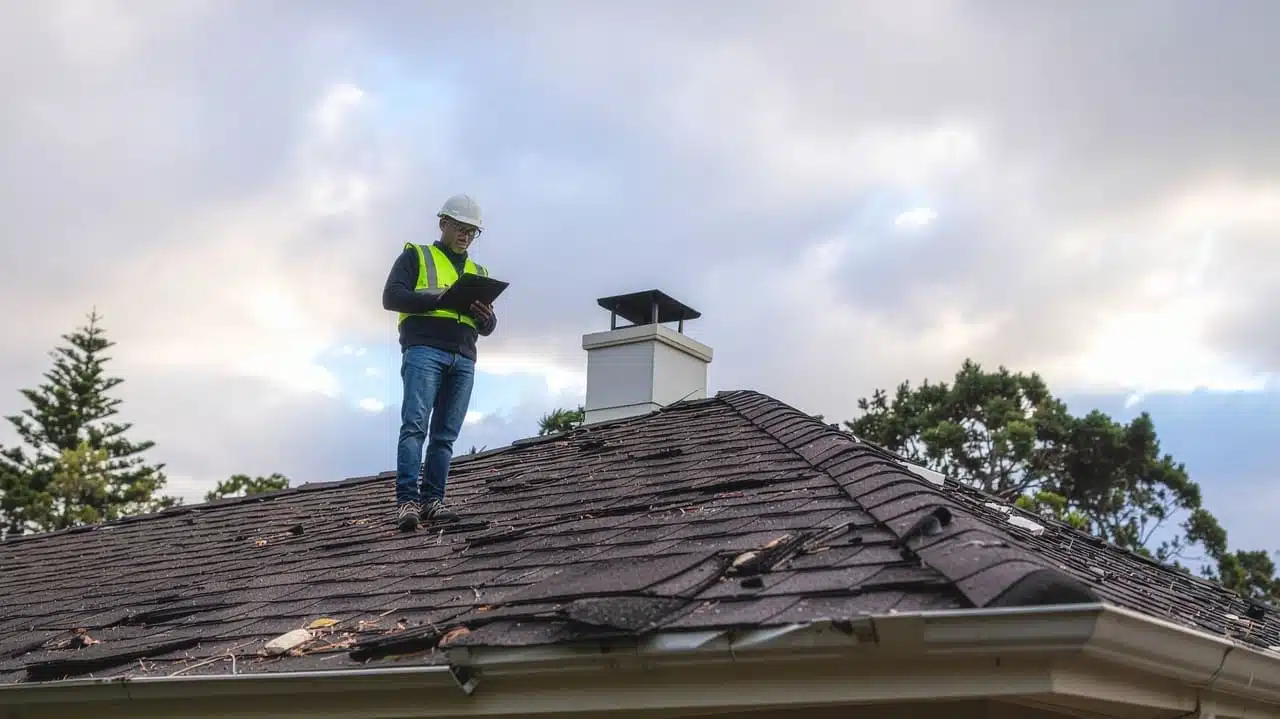
Perth homeowners face unique roof damage risks from intense summer storms, coastal wind exposure, and occasional severe weather events that test building insurance coverage. When roof damage occurs, navigating the insurance claim process roof owners must follow can prove complex and frustrating without understanding policy terms, documentation requirements, and claim assessment procedures. Knowing how to properly initiate and manage roof damage insurance claims Perth property owners file significantly affects claim success rates and settlement amounts.
Permacoat has assisted thousands of Perth homeowners with insurance-related roof repairs over 50+ years of service. The company’s experience working with insurance assessors, providing documentation supporting claims, and executing approved repairs helps property owners navigate claim processes effectively. This expertise ensures homeowners receive fair treatment whilst their properties receive quality repairs restoring full roof protection.
Understanding Home Insurance Roof Coverage
Standard home and contents insurance policies typically cover roof damage resulting from insured events including storms, fire, impact damage, or vandalism. These policies generally exclude damage from lack of maintenance, gradual deterioration, or pre-existing conditions that progressive wear caused rather than sudden insured events. Understanding coverage boundaries prevents unrealistic claim expectations whilst helping homeowners maintain roofs properly to avoid exclusions.
Most policies include building coverage protecting the roof structure and weatherproofing as integral building components. This coverage extends to tiles, metal sheets, flashings, gutters, and associated roofing elements. However, coverage limits, deductibles, and specific exclusions vary significantly between insurers and policy types. Homeowners should review their specific policy documents understanding exact coverage provisions before damage occurs.
Age-related depreciation affects some policies through reduced replacement value for older roofs. Policies might specify actual cash value (current depreciated worth) rather than replacement cost for roofs exceeding certain ages. This distinction significantly impacts claim settlements, with replacement cost coverage proving more valuable despite typically higher premiums. Understanding which valuation method applies helps homeowners budget appropriately for potential out-of-pocket expenses following roof damage.
Common Insured Events Causing Roof Damage
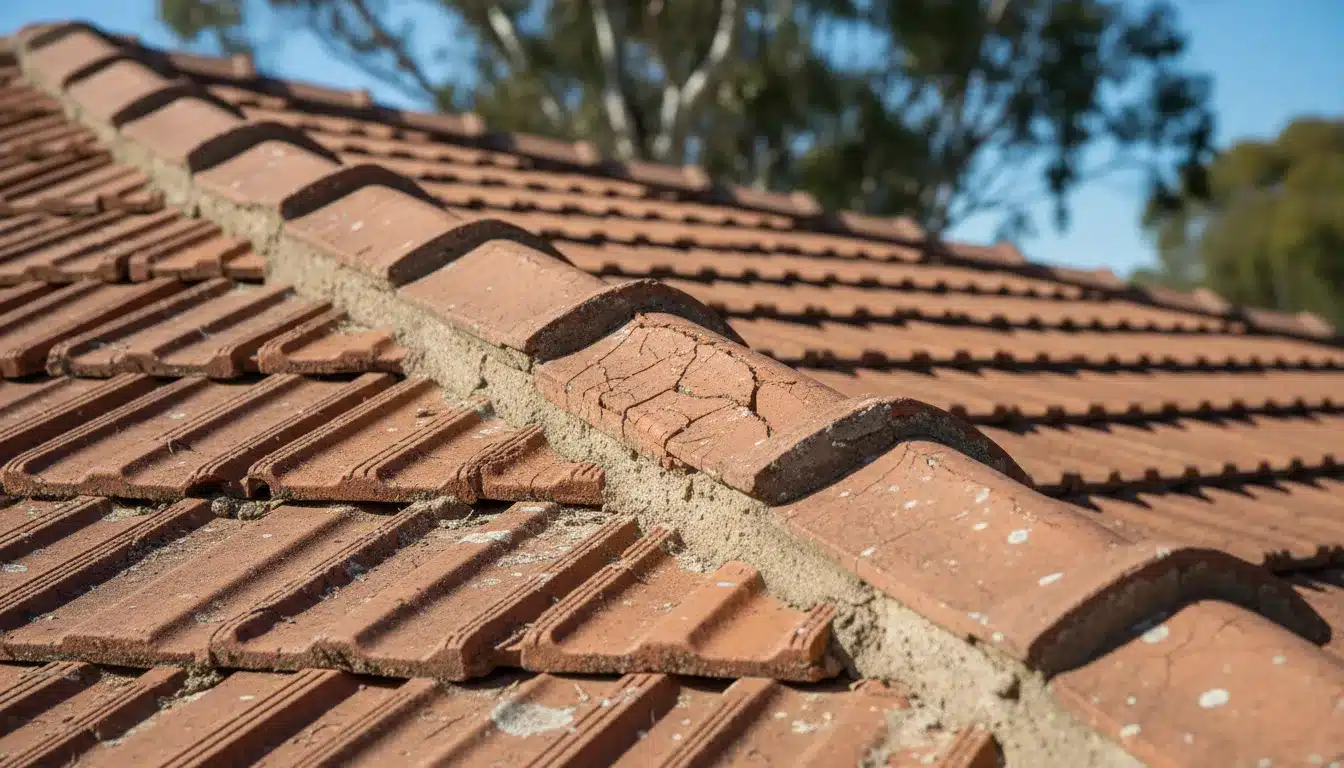
Storm damage represents the most frequent cause of roof damage insurance claims Perth homeowners file, with severe wind events lifting tiles, displacing ridge caps, or damaging flashings. Perth experiences several significant storm systems annually delivering wind gusts exceeding 90-100 km/h that test roof integrity. Properly maintained roofs generally withstand these events, but older or poorly maintained systems may suffer damage triggering legitimate insurance claims.
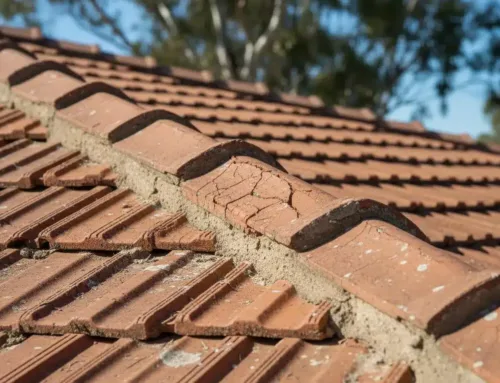
Hail damage occurs periodically during severe thunderstorms, creating dimples in metal roofing, cracking tiles, or damaging protective coatings. These impacts might not cause immediate leaks but compromise weatherproofing integrity requiring repair or replacement. Insurance assessors evaluate hail damage extent determining whether repair or complete roof replacement represents appropriate response under policy terms.
Fire damage from building fires, bushfires, or ember attack falls clearly within standard policy coverage when fire origin qualifies as insured event. Roof fire damage often extends beyond immediately visible areas, with heat affecting structural timber, melting membranes, or compromising fastener integrity throughout broader roof sections. Comprehensive assessment determines full damage extent supporting complete restoration rather than superficial repairs addressing only obvious damage.
Policy Exclusions and Limitations
Gradual deterioration and wear represent the most common exclusions affecting roof claims. Insurers distinguish between sudden damage from insured events and progressive deterioration from age, UV exposure, or inadequate maintenance. Rust perforation developing over years doesn’t qualify for coverage despite eventually causing leaks. This exclusion emphasises preventative maintenance importance protecting both roof condition and insurance claim eligibility.
Maintenance-related exclusions deny coverage when damage results from deferred maintenance or known defects homeowners neglected to repair. Missing tiles not replaced promptly, deteriorated flashings ignored despite visible problems, or blocked gutters causing water backup typically fall within maintenance exclusions. Documentation of regular maintenance helps defend against assessor claims attributing damage to maintenance neglect.
Pre-existing damage exclusions prevent claims for problems existing before policy inception or before insured events occurred. Insurers might deny claims when assessors determine damage preceded covered events rather than resulting from them. This exclusion creates challenges when homeowners discover damage after storms that might have existed previously. Thorough pre-storm documentation helps establish damage timing supporting claim validity.
Initiating the Insurance Claim Process Roof Damage Requires
Immediate notification following damage discovery represents the critical first step in the insurance claim process roof owners must navigate. Most policies specify notification timeframes requiring prompt reporting after damage occurs or discovery. Delayed notification might jeopardise claims when insurers argue delays prevented proper damage assessment or allowed additional deterioration. Homeowners should contact insurers within 24-48 hours of discovering significant roof damage.
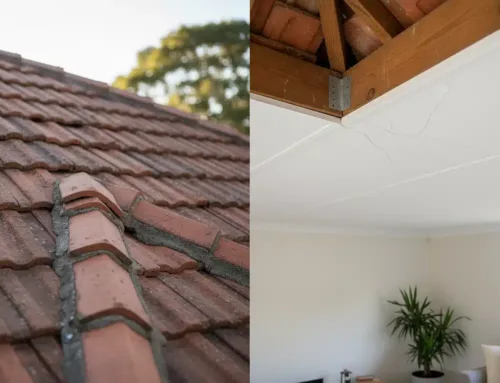
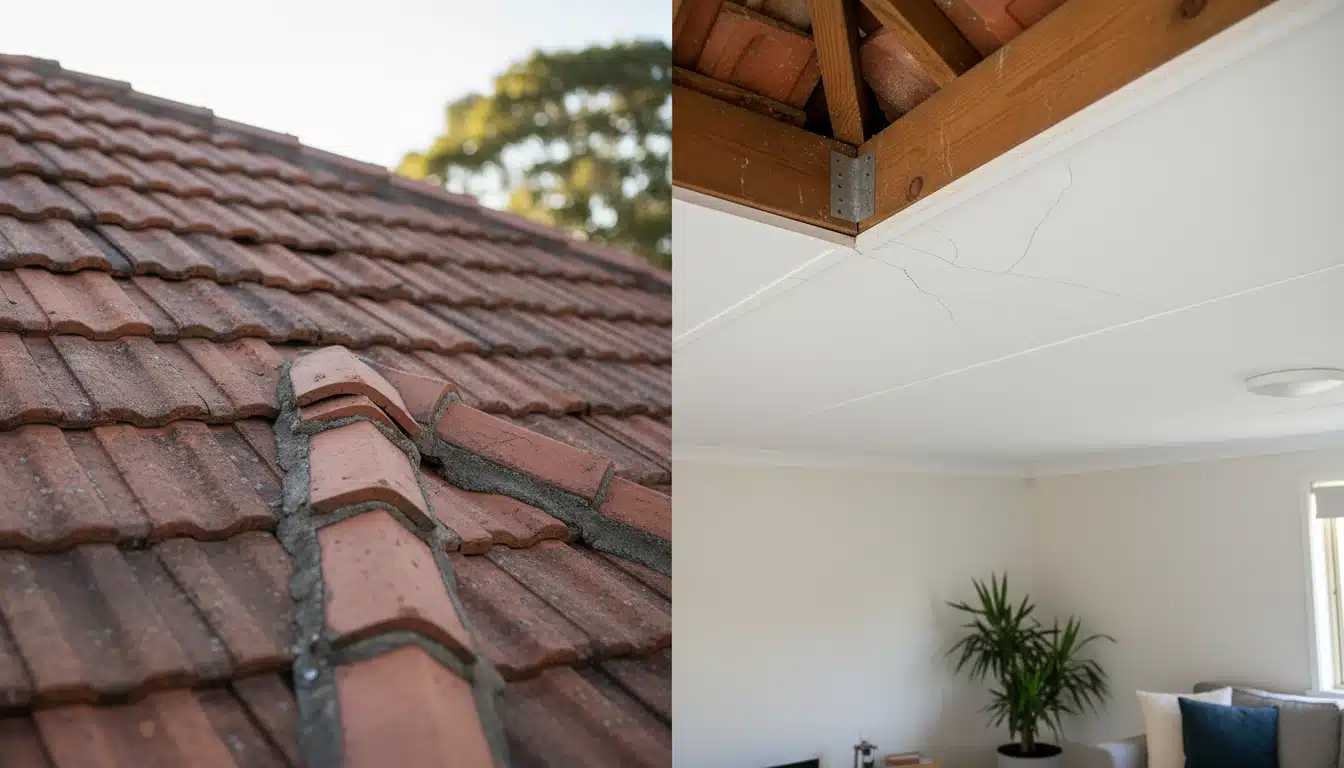
Initial damage assessment by homeowners should document visible problems through photography whilst avoiding roof access risks. Ground-level photographs showing damaged tiles, lifted flashings, or debris accumulation provide preliminary documentation. This initial evidence supports claim lodgement whilst professional assessment determines full damage extent. Homeowners should photograph damage from multiple angles including close-ups and wider context shots.
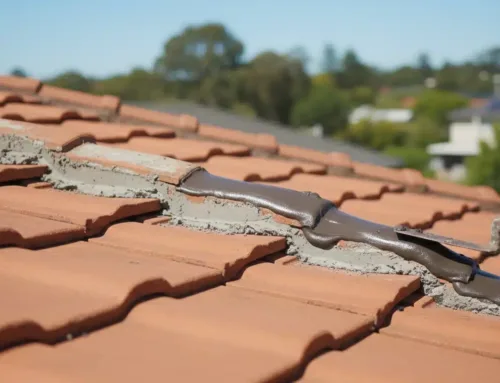
Temporary damage mitigation represents policyholder obligations preventing additional damage whilst claims process. Covering obvious holes with tarpaulins, collecting loose tiles, or arranging emergency leak repairs demonstrates responsible property management. Insurers expect reasonable protective measures whilst prohibiting extensive repairs prejudicing damage assessment. Retaining receipts for emergency materials or services supports reimbursement claims for these necessary expenses.
Professional Roof Damage Assessment
Insurance company assessors evaluate damage extent, determine coverage applicability, and estimate repair costs following claim lodgement. These assessors possess roofing knowledge but represent insurer interests potentially creating conflicts with homeowner perspectives on damage extent. Understanding assessor limitations and potential biases helps homeowners prepare for assessment meetings whilst considering independent assessment options.
Independent building surveyors or roofing contractors can provide objective damage assessments supporting homeowner positions when disputes arise with insurance assessors. Professional roof damage insurance claims Perth specialists like Permacoat provide detailed damage reports, repair quotations, and expert opinions that insurers must consider. These independent assessments prove particularly valuable when initial insurance assessments appear inadequate or dismiss legitimate damage.
Scope of work disputes frequently occur when homeowners believe more extensive repairs necessary than insurance assessors approve. These disagreements might involve whether complete roof replacement or partial repairs adequately address damage. Professional contractors experienced with insurance work help resolve scope disputes through detailed technical explanations supporting comprehensive repair approaches. Their expertise often persuades insurers accepting broader repair scopes than initial assessments recommended.
Documentation Requirements for Successful Claims
Photographic evidence represents the foundation of strong roof damage insurance claims Perth homeowners submit. Comprehensive photo documentation should include overall roof views, close-ups of specific damage, interior leak evidence, and contextual shots showing storm debris or impact sources. Date-stamped photographs prove damage timing whilst multiple perspectives document extent thoroughly. Professional photography using proper equipment delivers clearer evidence than casual mobile phone snapshots.
Written statements describing damage discovery circumstances, weather events preceding damage, and property condition before incidents support photographic evidence. These narratives establish timelines, connect damage to insured events, and rebut potential maintenance exclusion arguments. Detailed statements mentioning specific storm dates, wind speeds, or other relevant conditions strengthen claims by demonstrating clear causation between insured events and resulting damage.
Maintenance records including inspection reports, previous repair invoices, and cleaning service documentation defend against maintenance exclusion arguments. These records prove homeowners maintained properties responsibly rather than neglecting roofs until damage occurred. Regular professional inspections and timely repairs of minor issues demonstrate due diligence that insurers must acknowledge when evaluating coverage.
Working with Roofing Contractors During Claims
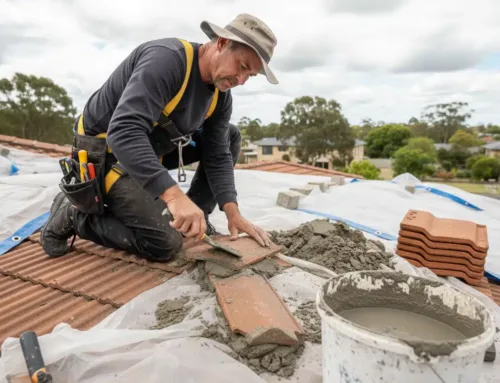
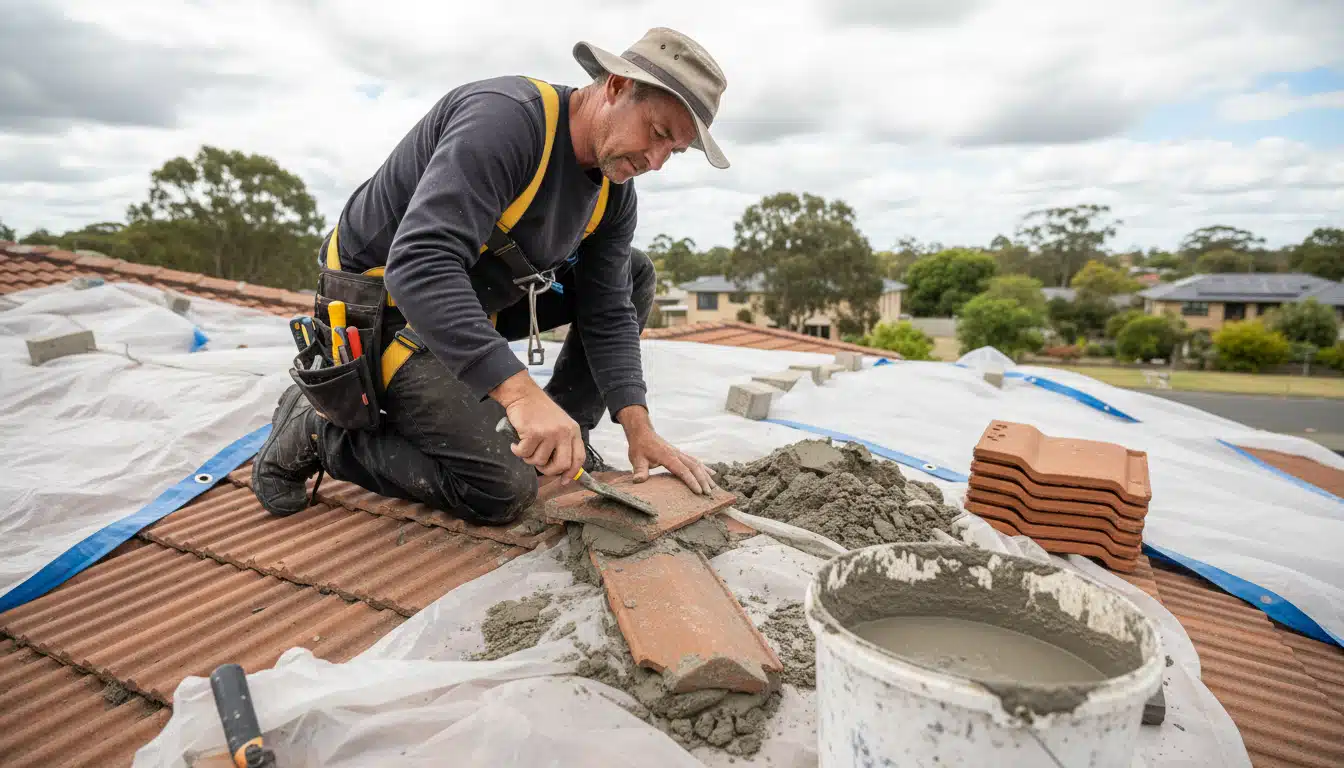
Selecting qualified roofing contractors experienced with insurance claim process roof repairs ensures work meets insurer requirements whilst protecting homeowner interests. Contractors familiar with insurance procedures understand documentation needs, provide detailed quotes in formats insurers expect, and communicate effectively with assessors. This experience streamlines claims whilst preventing disputes over work quality or pricing.
Multiple repair quotations strengthen homeowner negotiating positions when insurance settlement offers appear inadequate. Obtaining 2-3 detailed quotes from reputable contractors demonstrates due diligence whilst providing evidence of fair market pricing. Significant quote variations might indicate either padding or inadequate scope, but similar quotes from independent sources validate pricing expectations insurers should accept.
Contractor selection timing affects claim processes, with some homeowners preferring assessor-recommended contractors whilst others choose independent professionals. Insurer-recommended contractors often streamline processes through established relationships and pre-approved pricing. However, independent contractors might provide more homeowner-focused advocacy ensuring repairs fully address damage rather than minimising insurer costs. Either approach can succeed when contractors demonstrate competence and integrity.
Common Claim Disputes and Resolutions
Causation disputes arise when insurers argue damage resulted from excluded causes rather than insured events. Storm damage claims might face arguments attributing damage to pre-existing deterioration rather than recent weather events. Resolving these disputes requires clear evidence connecting specific storm events to resulting damage. Weather bureau records, witness statements, and professional assessments help establish causation supporting claim validity.
Scope disagreements involving extent of necessary repairs frequently require negotiation between homeowners, contractors, and insurers. These disputes might concern whether isolated damage requires complete roof replacement or targeted repairs suffice. Professional technical opinions from experienced contractors like those at Permacoat’s roof repair services help resolve these disputes through objective damage analysis supporting appropriate repair scopes.
Pricing disputes questioning whether quoted repair costs represent reasonable market rates occasionally require resolution through independent valuation. Quantity surveying services can provide objective cost assessments resolving disputes about fair pricing. However, most pricing disagreements resolve through contractor willingness to match insurer-approved amounts whilst maintaining work quality standards protecting homeowner interests.
Policy Compliance and Claim Requirements
Building code compliance requirements might exceed pre-damage roof conditions when regulations changed since original construction. Insurance repairs must meet current building codes potentially increasing costs beyond simple damage restoration. Understanding whether policies cover code compliance upgrades versus only restoring previous conditions affects out-of-pocket expense expectations. Some policies include limited code upgrade coverage whilst others exclude these additional costs.
Material matching requirements specify whether repairs must use identical materials to existing roof sections or allow substitute materials of equivalent quality. Discontinued tile profiles or unavailable colours create matching challenges requiring policy interpretation. Insurers might approve alternative materials maintaining aesthetic consistency whilst homeowners sometimes demand exact matches requiring custom fabrication at premium costs.
Workmanship standards insurers require typically reference relevant Australian Standards and industry best practices. Professional contractors following these standards satisfy insurance requirements whilst protecting long-term repair performance. Homeowners should verify contractors comply with applicable standards rather than accepting substandard work meeting minimum insurance approval thresholds.
Understanding Settlement Options
Cash settlement offers provide homeowners with claim amounts as direct payments rather than approved contractor repairs. These settlements allow homeowner flexibility choosing contractors and potentially retaining excess funds when obtaining competitive pricing. However, cash settlements typically reflect depreciated values rather than full replacement costs, potentially leaving homeowners underfunded for quality repairs.
Approved repair arrangements where insurers directly engage contractors and pay them remove homeowner payment responsibilities whilst ensuring work completion. These arrangements prove convenient but limit homeowner contractor choice potentially affecting quality outcomes. Homeowners should verify approved contractors possess appropriate qualifications, experience, and insurance protection meeting professional standards.
Replacement cost settlements providing full repair or replacement costs regardless of roof age deliver maximum claim value. These settlements eliminate depreciation deductions allowing quality repairs restoring roofs to pre-damage condition. Homeowners with replacement cost coverage should ensure settlements reflect this provision rather than accepting depreciated actual cash value amounts.
Claim Timeline Expectations
Initial assessment timelines vary based on insurer workload, damage complexity, and assessor availability. Simple claims might receive initial assessment within 3-5 business days whilst complex situations involving extensive damage or disputed causation require longer evaluation periods. Storm events affecting many properties simultaneously delay assessments through high claim volumes overwhelming available assessors.
Approval and settlement processing following assessment acceptance typically requires 7-14 business days for straightforward claims. This processing includes internal reviews, payment authorisations, and administrative procedures insurers maintain for quality control and fraud prevention. Complex claims involving scope disputes or additional investigations naturally extend processing times beyond these standard expectations.
Repair completion timeframes depend on contractor availability, material procurement, and weather conditions affecting work scheduling. Emergency temporary repairs might proceed within days whilst complete roof restoration projects require weeks from approval to completion. Homeowners should maintain reasonable expectations understanding quality work requires adequate time despite understandable desires for rapid completion.
Impact on Future Insurance Premiums
Claim history affects future premium calculations, with multiple claims potentially triggering significant premium increases or coverage restrictions. Single storm damage claims typically cause minimal premium impact when clearly resulting from insured events beyond homeowner control. However, patterns of frequent claims might indicate maintenance neglect or high-risk properties justifying insurer premium adjustments.
No-claim bonus protection available through some policies prevents premium increases following first claims during policy periods. These provisions prove valuable when isolated incidents occur despite responsible property management. Homeowners should understand whether policies include such protections before claiming minor damage that might cost less than potential premium increases.
Disclosure requirements for future policies mandate revealing previous claims when applying for new coverage or switching insurers. Non-disclosure constitutes insurance fraud potentially voiding policies when discovered. Honest disclosure allows insurers proper risk assessment whilst preventing future claim denial based on disclosure failures.
Preventative Measures Protecting Insurance Coverage
Regular professional roof inspections document maintenance commitment whilst identifying developing problems requiring attention before major damage occurs. Annual inspections by qualified contractors like Permacoat’s inspection services create evidence trails supporting claim defences against maintenance exclusion arguments. These inspections often cost less than single excess payments on declined claims.
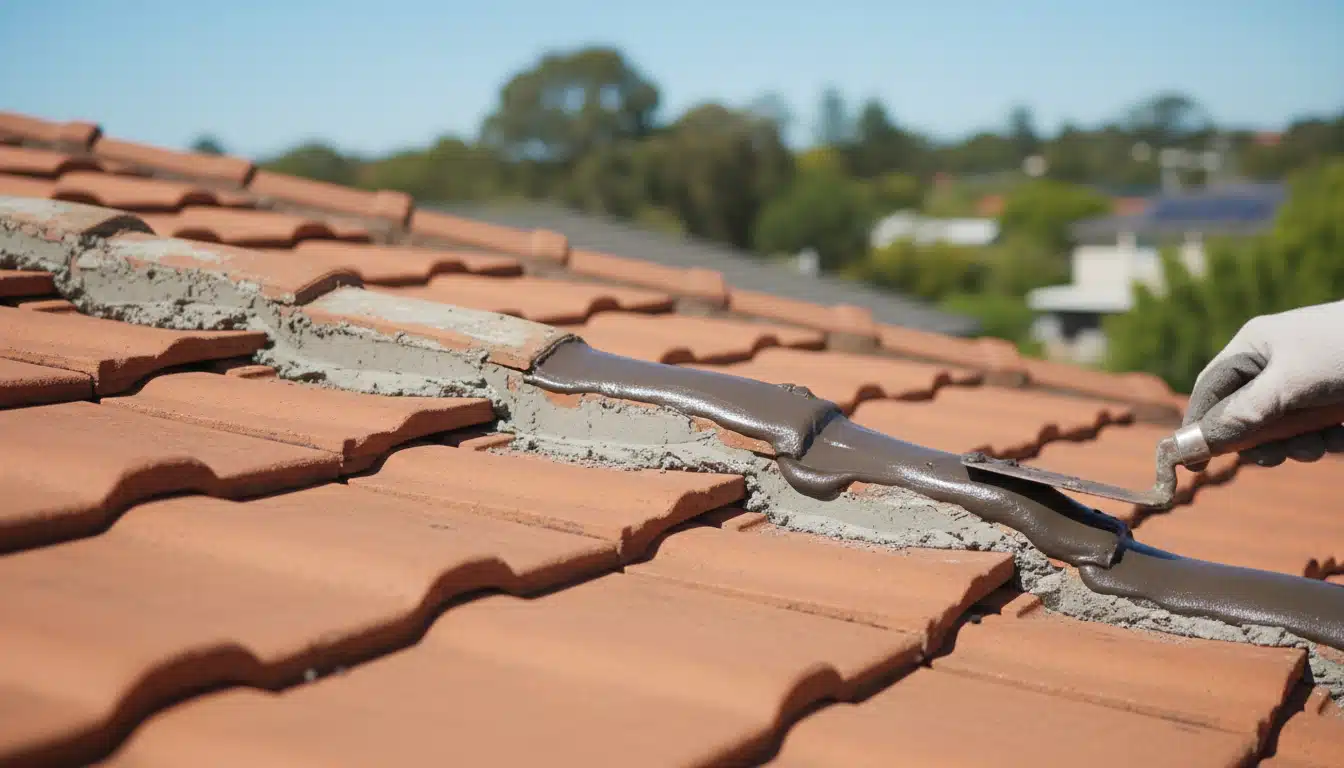
Prompt repair of identified defects prevents minor problems from progressing to major damage that insurers might attribute to maintenance neglect. Replacing missing tiles immediately, repairing deteriorated flashings promptly, and addressing sealant failures quickly demonstrates responsible property management. Retaining repair invoices documents these maintenance efforts supporting future claim validity.
Pre-storm preparation including gutter cleaning, securing loose components, and trimming overhanging branches reduces damage risk whilst demonstrating prudent property management. These preventative measures might not prevent all storm damage but minimise severity whilst creating positive impressions on insurance assessors evaluating claims. Homeowners who demonstrate proactive property care receive more favourable claim treatment.
Alternative Dispute Resolution
Internal complaints processes within insurance companies provide first-level dispute resolution when homeowners disagree with claim decisions. These processes involve escalation to senior claims managers or specialist review teams reconsidering initial assessments. Formal written complaints outlining specific concerns often receive more serious consideration than informal objections.
Australian Financial Complaints Authority (AFCA) provides independent dispute resolution when internal processes fail resolving disagreements satisfactorily. This free service investigates complaints, facilitates negotiation, and can make binding determinations requiring insurer compliance. AFCA involvement often motivates insurers toward reasonable settlements avoiding adverse determinations affecting their industry reputation.
Legal action represents the final dispute resolution option when other avenues fail producing acceptable outcomes. However, legal proceedings involve substantial costs and time potentially exceeding disputed claim amounts. Homeowners should carefully evaluate whether potential recovery justifies legal expense before pursuing litigation over insurance disputes.
Regional Considerations Across Perth
Coastal properties face higher damage risks from salt exposure, stronger winds, and greater storm frequency affecting insurance pricing and claim patterns. Homeowners in suburbs like Scarborough, Cottesloe, or Fremantle should expect higher premiums reflecting elevated risks. Understanding these regional factors helps homeowners budget appropriately whilst maintaining realistic coverage expectations.
Hills area properties experience different risk profiles including bushfire exposure, higher rainfall, and potential wind tunnel effects through valleys. Insurance considerations in suburbs like Kalamunda or Mundaring include bushfire coverage adequacy alongside storm damage protection. Homeowners should ensure policies address region-specific risks rather than assuming standard coverage suffices.
Northern suburbs growth areas sometimes experience higher claim denial rates when properties utilise budget construction materials or workmanship not withstanding Perth’s climate. Newer homes in developments around Yanchep or Two Rocks require particular attention to roof quality and maintenance preventing claim complications from substandard original construction.
Professional Support Through the Claim Process
Experienced roofing contractors provide valuable support navigating roof damage insurance claims Perth property owners file through technical expertise, documentation assistance, and insurer negotiation. Professional contractors understand what evidence insurers require, how to present damage assessments effectively, and when independent valuations strengthen homeowner positions. This expertise significantly improves claim success rates.
Public loss adjusters specialising in insurance claim advocacy represent homeowner interests professionally when complex claims justify professional assistance. These specialists manage entire claim processes including damage documentation, insurer negotiation, and dispute resolution. Their fees typically represent percentages of claim settlements, aligning their interests with maximising homeowner recoveries.
Legal representation becomes appropriate when substantial claims face unjustified denial or when policy interpretation disputes require professional legal analysis. Insurance lawyers understand policy language nuances and relevant case law supporting homeowner positions. Early legal consultation helps homeowners understand rights and options before disputes escalate unnecessarily.
Protecting Your Property Investment
Roof damage insurance claims Perth homeowners successfully navigate require understanding coverage terms, following proper procedures, and maintaining thorough documentation throughout processes. Insurance policies provide valuable protection when properly understood and correctly utilised. Homeowners who invest time understanding policy provisions and maintaining properties responsibly maximise claim success whilst minimising premium costs.
Professional roofing contractors experienced with insurance claim process roof repairs deliver essential support ensuring properties receive quality repairs fully addressing damage. Their technical expertise and insurance industry familiarity streamline claims whilst protecting homeowner interests throughout assessment and repair processes. This professional support proves especially valuable when complex damage or coverage disputes arise.
Perth homeowners should review insurance policies regularly, maintain roofs properly, and document both maintenance efforts and any damage promptly when incidents occur. These practices protect insurance coverage validity whilst supporting successful claims when legitimate damage occurs. Proactive property management combined with appropriate professional support ensures roofs receive necessary repairs, restoring full protection.
Contact our team on (08) 9249 5955 for professional roof assessment supporting insurance claims through detailed damage documentation and expert repair quotations. The company’s 50+ years of experience working with insurance processes helps homeowners navigate claims successfully, whilst ensuring approved repairs meet quality standards, protecting property values. Free assessment services connect homeowners with Perth’s most experienced roofing professionals who understand insurance requirements whilst prioritising client interests.
SEO Metadata
Meta Title: Roof Damage Insurance Claims Perth – Complete Guide | Permacoat
Meta Description: Navigate roof damage insurance claims in Perth. Expert guide to insurance claim process, documentation, coverage. Professional roof assessment available.