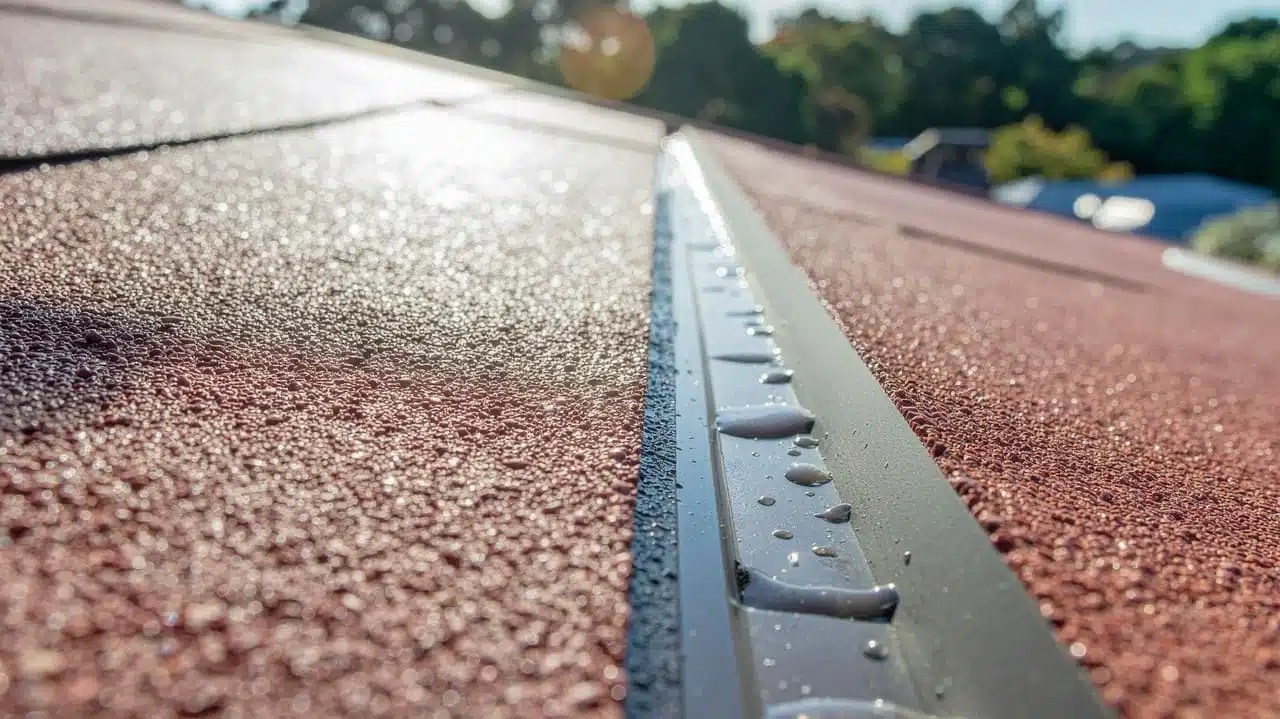
Roof valleys represent the most vulnerable points on any residential or commercial roof structure. These critical junctions where two roof planes meet create natural channels that direct substantial water volumes during Perth’s intense winter storms. When valley systems fail, the resulting leaks can cause extensive damage to ceiling interiors, insulation, and structural timber. Understanding when roof valley replacement Perth becomes necessary protects property value and prevents costly water damage throughout the home.
Permacoat has replaced thousands of valley systems across Perth’s metropolitan area over 50 years of specialised roofing service. The company’s separate inspection and installation teams ensure valley replacement work meets the highest quality standards, backed by comprehensive warranty protection that delivers genuine peace of mind for homeowners.
Understanding Roof Valleys and Their Critical Function
Roof valleys serve as the primary water management system where two roof slopes intersect at an internal angle. During rainfall, water from both roof planes converges into these valleys, creating concentrated flow volumes that can overwhelm compromised systems. The valley iron or flashing material must channel this water efficiently toward gutters without allowing penetration beneath the roofing material.
Perth homes typically feature either closed valleys (where tiles or roofing material covers the valley flashing) or open valleys (where metal flashing remains visible between roof sections). Both configurations face significant stress from water volume, thermal expansion, and Perth’s harsh UV exposure. When valley systems deteriorate, water finds entry points through rusted sections, failed sealants, or damaged flashings.
The consequences of valley failure extend beyond simple leaks. Water entering through compromised valleys saturates ceiling insulation, promotes mould growth in roof cavities, and rots structural timber over time. Early detection and timely valley iron replacement prevents these cascading problems that multiply repair costs exponentially.
Types of Valley Systems Common in Perth Homes
Traditional Perth homes often feature galvanised iron valley systems installed decades ago when this material represented the industry standard. Galvanised iron provides reasonable corrosion resistance initially, but Perth’s coastal salt exposure and intense summer heat accelerate deterioration. Homeowners frequently discover rust perforation in galvanised valleys after 15-25 years, particularly in coastal suburbs where salt-laden air attacks the protective zinc coating.
Modern valley iron replacement utilises Colorbond steel, which offers superior corrosion resistance through its multi-layer protective coating system. Colorbond valleys withstand Perth’s climate extremes more effectively than traditional materials, with manufacturers providing warranties extending 15-20 years when installed correctly. The material’s thermal properties also reduce expansion and contraction cycles that stress sealant bonds and fastener points.
Some contemporary homes incorporate box gutter valley systems that combine structural support with water channelling functions. These engineered solutions suit specific architectural designs but require precise installation to prevent water backup during heavy rainfall. Professional assessment determines which valley system best suits each property’s roof configuration, pitch angles, and water collection requirements.
How Perth’s Climate Accelerates Valley Deterioration
Perth’s Mediterranean climate subjects roof valleys to extreme conditions that accelerate material breakdown. Summer temperatures regularly exceed 35-40°C, causing metal valleys to expand significantly. Night-time cooling then contracts the metal, creating repetitive stress cycles that fatigue materials and loosen fasteners over time. This thermal cycling also degrades sealant compounds, creating microscopic gaps where water eventually penetrates.
Coastal properties face additional challenges from salt spray carried inland by prevailing winds. Sodium chloride particles settle on roof surfaces and concentrate in valleys where water flow occurs. This salt exposure attacks protective coatings on valley iron, initiating corrosion that spreads beneath paint or galvanised layers. Properties within 5 kilometres of the coastline typically experience valley deterioration 30-40% faster than inland locations.
Winter storm events deliver intense rainfall that tests valley capacity limits. Perth can receive 50-100mm of rain in single storm systems, overwhelming valleys that have developed partial blockages from debris accumulation or structural sagging. These high-volume water flows exploit any weakness in valley systems, converting minor deterioration into active leaks that require immediate professional attention.
Identifying Valley Damage Before Leaks Develop
Visible rust spots on valley iron represent the most obvious deterioration indicator that roof valley replacement Perth should be scheduled soon. Surface rust appears as orange or brown discolouration that indicates the protective coating has failed and active corrosion has commenced. Homeowners who notice rust patches should arrange professional inspection promptly, as perforation typically follows within 1-2 years once surface rust becomes visible.
Water staining on ceiling surfaces near valley locations signals that moisture has already penetrated the roof system. These stains typically appear as yellowish or brown discolouration that spreads across ceiling plasterboard near internal corners where valleys run. Even minor ceiling stains indicate significant valley compromise, as water must saturate insulation and timber before becoming visible inside the home.
Deteriorating sealant along valley edges provides early warning that valley iron replacement may soon become necessary. Sealant compounds dry, crack, and separate from metal surfaces after years of UV exposure and thermal cycling. Visual inspection from ground level using binoculars can reveal sealant failure, though professional roof access provides definitive assessment of valley condition.
The Professional Valley Replacement Process Explained
Professional roof valley replacement Perth begins with comprehensive roof inspection that examines valley condition, surrounding tile integrity, and underlying timber structure. Permacoat’s inspection specialists photograph valley systems, measure corrosion extent, and assess whether repair or complete replacement delivers better long-term value. This assessment process ensures homeowners receive accurate information to make informed decisions about valley work.
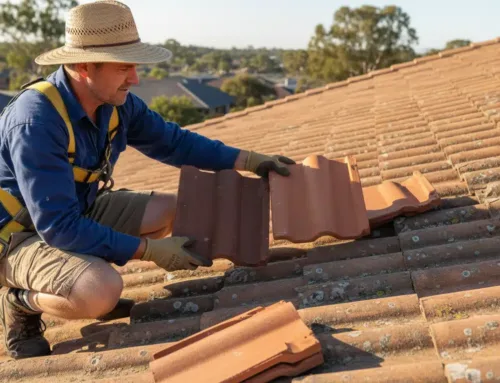
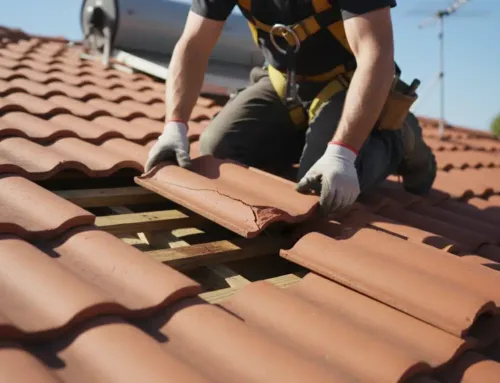
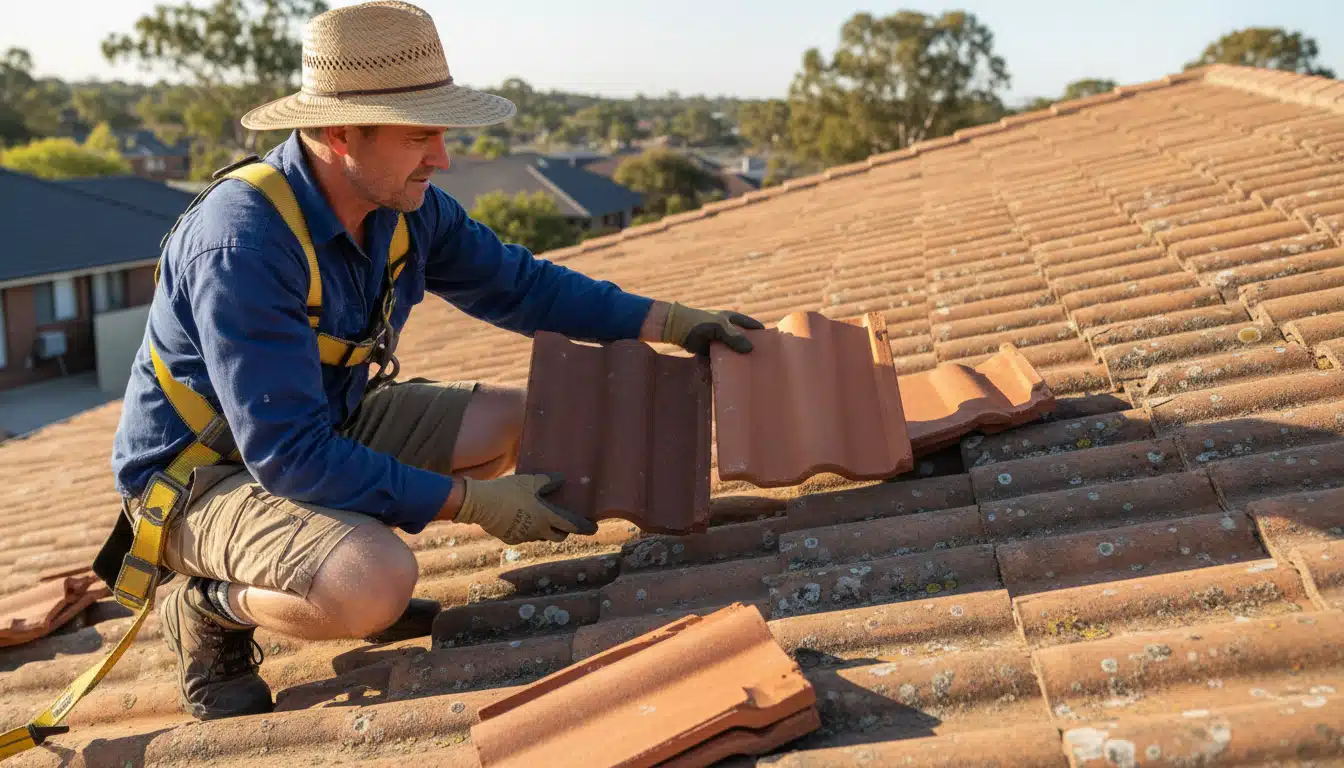
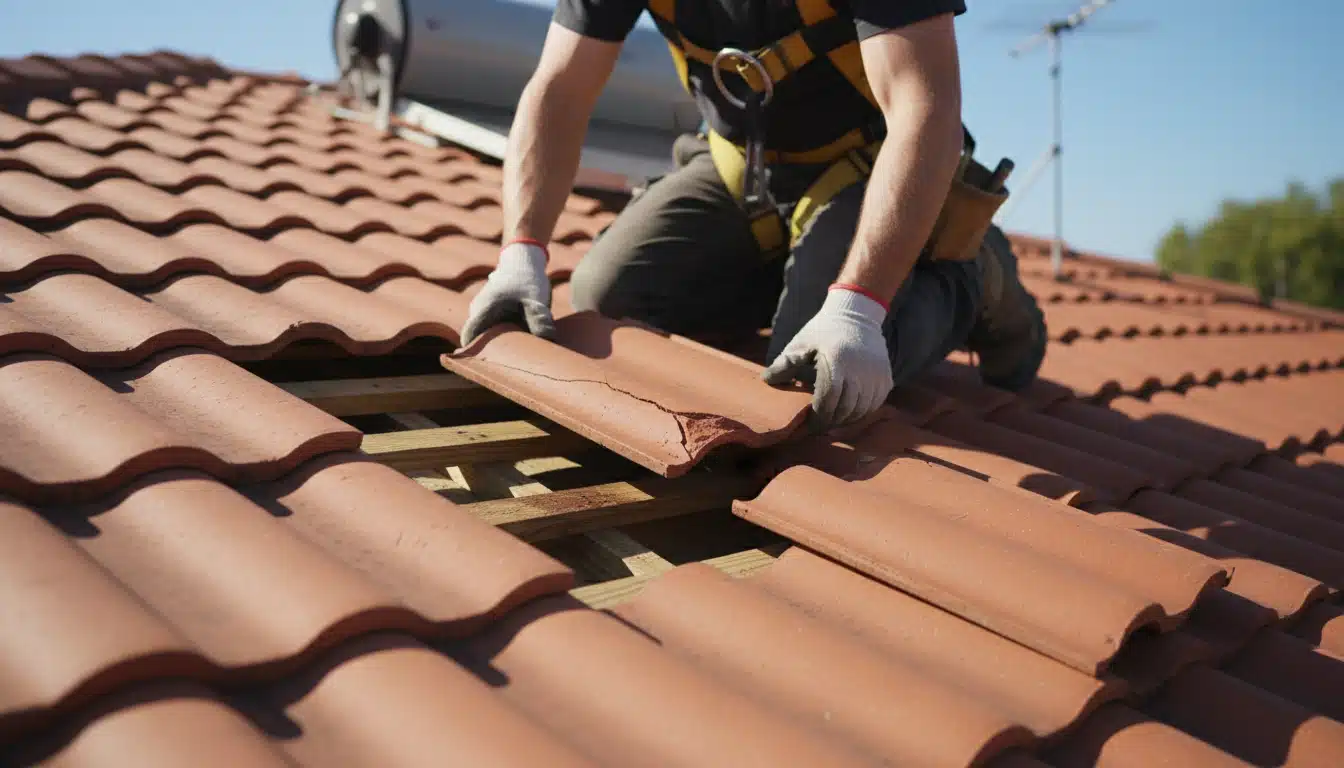
Valley replacement work requires careful removal of existing valley iron without damaging surrounding roof tiles or structural elements. Experienced technicians lift tiles adjacent to valley lines, extract corroded valley sheets, and inspect timber battens for moisture damage or rot. Any compromised timber receives treatment or replacement before new valley installation proceeds, ensuring the substrate provides proper support.
New valley installation follows strict quality protocols that include proper overlap specifications, secure fastening patterns, and premium sealant application along all edges. Valley iron receives cut-to-fit treatment for each specific roof section, eliminating gaps or misalignments that compromise water channelling. Professional installers ensure valley profiles maintain consistent fall toward gutters, preventing water pooling that accelerates future corrosion.
Selecting Quality Materials for Perth Conditions
Colorbond steel represents the premium material choice for valley iron replacement in Perth’s demanding climate. The material’s five-layer coating system includes a metallic substrate, conversion coating, primer layer, topcoat, and backing coat that together provide exceptional corrosion resistance. Permacoat installs Colorbond valleys that carry manufacturer warranties of 15-20 years, significantly exceeding the lifespan of traditional galvanised alternatives.
Valley iron thickness matters significantly for long-term performance and wind resistance. Standard residential valleys typically utilise 0.42mm BMT (base metal thickness) Colorbond, while premium installations may specify 0.48mm material for enhanced durability. Thicker gauge valley iron resists flexing during thermal expansion and provides better resistance to hail impact or debris strikes from overhanging tree branches.
Sealant selection complements quality valley iron installation by preventing water penetration along edges and fastener points. Professional installations utilise polyurethane or silicone-based sealants formulated specifically for metal roofing applications. These premium sealants maintain flexibility across Perth’s temperature extremes whilst providing UV resistance that prevents premature degradation in harsh summer conditions.
Cost Factors in Valley Replacement Projects
Roof valley replacement Perth pricing reflects several variables that affect project complexity and material requirements. Valley length represents the primary cost driver, as longer valley runs require more material and installation time. Properties with multiple valleys or complex roof configurations typically incur higher costs than simple gable roofs with single valley systems.
Access difficulty significantly impacts project pricing, particularly for two-storey homes or properties with limited vehicle access. Safe scaffolding or elevated work platform requirements add costs that protect workers whilst ensuring quality installation. Homeowners should expect legitimate pricing that accounts for proper safety equipment rather than accepting quotes from operators who cut corners on worker protection.
Comparison between valley replacement and temporary repair solutions reveals the long-term value proposition. Patch repairs on corroded valley iron might cost 40-50% less initially but typically fail within 1-3 years as corrosion continues spreading. Complete valley iron replacement using quality Colorbond materials provides 15-20 years of reliable service, delivering superior value despite higher upfront investment.
Valley Maintenance and Inspection Recommendations
Regular gutter cleaning directly impacts valley system longevity by preventing debris accumulation that traps moisture against metal surfaces. Homeowners should schedule professional roof cleaning at least annually, with increased frequency for properties near eucalyptus trees that shed bark and leaves year-round. This maintenance prevents organic material from decomposing in valleys where the acidic breakdown products accelerate corrosion.
Biannual visual inspections allow homeowners to monitor valley condition and detect deterioration before leaks develop. Spring inspections after winter storms verify valleys survived heavy rainfall without damage, whilst autumn checks before wet season arrival identify any issues requiring attention. Ground-level inspections using binoculars provide reasonable assessment capability, though professional roof access delivers definitive evaluation every 3-5 years.
Protective coating systems applied during roof restoration work can extend valley life by sealing minor surface rust and providing additional UV protection. Dulux Acratex coating systems bond to properly prepared valley iron, creating a protective barrier that slows corrosion progression. This preventative approach suits valleys showing early deterioration that don’t yet require complete replacement.
When Valley Repair Suffices Versus Replacement Necessity
Limited valley damage confined to small sections may allow successful repair rather than complete replacement. Localised rust spots affecting less than 10% of valley length can sometimes receive treatment through rust removal, priming, and protective coating application. Professional assessment determines whether repair provides adequate service life or whether spreading corrosion will soon necessitate full valley iron replacement regardless.
Mechanical damage from fallen tree branches or storm debris might require only sectional valley replacement if surrounding areas remain sound. Modern sectional replacement techniques allow damaged portions to receive new valley iron whilst preserving functional sections, reducing project costs whilst addressing specific problem areas. This approach suits scenarios where recent localised damage occurred to otherwise healthy valley systems.
Age-related deterioration affecting majority of valley length typically indicates complete replacement delivers better value than attempted repairs. Valley systems showing widespread rust, multiple perforation points, or structural sagging lack the remaining material integrity for successful repair. Homeowners facing these conditions should budget for full valley iron replacement to avoid recurring repair costs and ongoing leak risks.
Insurance Considerations and Warranty Protection
Homeowner insurance policies typically cover valley replacement when damage results from insured events like severe storms or fallen tree impacts. Policy holders should document valley damage with photographs and arrange professional assessment reports that substantiate insurance claims. Prompt reporting following storm events ensures claims receive favourable consideration before evidence of damage becomes obscured by subsequent weather exposure.
Professional valley replacement through established Perth contractors like Permacoat includes warranty protection that covers both materials and installation workmanship. Material warranties from Colorbond manufacturers extend 15-20 years for corrosion perforation, whilst installation warranties typically cover 12 months for leak-free performance and 3 years for workmanship. These warranties provide recourse if valley systems fail prematurely due to material defects or installation errors.
Property investors should recognise that deferred valley maintenance reduces tenant satisfaction and increases vacancy risks when leaks develop. Proactive valley replacement before deterioration causes interior damage represents sound investment management that preserves property value whilst minimising emergency repair costs. Well-maintained properties with updated valley systems command premium rental rates and attract quality tenants who appreciate properly managed homes.
Environmental Considerations and Sustainability
Valley replacement projects generate metal waste that requires responsible disposal through recycling channels. Colorbond steel contains high recycled content and remains fully recyclable at end of service life, supporting circular economy principles. Professional contractors should transport removed valley iron to metal recycling facilities rather than consigning this valuable material to general waste streams.
Water conservation benefits accompany properly functioning valley systems that direct rainfall efficiently toward collection points. Properties with water tanks or rainwater harvesting systems depend on intact valley networks to capture maximum runoff volumes. Compromised valleys that leak reduce collection efficiency whilst contaminating harvested water with rust particles and organic debris.
Sustainable roofing practices include selecting materials with extended service lives that reduce replacement frequency over building lifespans. Colorbond valley systems providing 15-20 years of service represent more sustainable choices than cheaper alternatives requiring replacement every 8-10 years. This long-term perspective reduces resource consumption and environmental impact whilst delivering superior economic returns.
Regional Variations in Perth’s Metropolitan Area
Coastal suburbs from Scarborough to Fremantle experience accelerated valley deterioration due to salt exposure carried by sea breezes. Properties in these areas should anticipate valley iron replacement approximately 30% sooner than inland equivalents, typically within 15-20 years for galvanised systems or 12-15 years for basic steel products. Colorbond valleys in coastal locations still deliver 15+ years when installed with proper sealant and fastening protocols.
Hills suburbs east of Perth face different challenges from increased rainfall, humidity, and vegetation coverage. Properties in areas like Kalamunda or Mundaring contend with moss growth, leaf accumulation, and higher moisture exposure that accelerates corrosion on shaded roof sections. Regular maintenance becomes especially critical in these areas to prevent debris accumulation that traps moisture against valley iron surfaces.
Northern suburbs with sandy soils experience windborne dust accumulation that combines with dew formation to create abrasive paste on roof surfaces. This gritty residue gradually erodes protective coatings on valley iron, particularly in areas without regular rainfall to wash surfaces clean. Professional cleaning services help mitigate this gradual wear whilst identifying early deterioration requiring attention.
Protecting Your Investment Through Timely Action
Roof valleys represent relatively small roofing components that play disproportionately large roles in protecting homes from water damage. The concentrated water volumes channelled through valley systems during Perth’s winter storms place enormous stress on these critical elements. When valley iron fails, the resulting leaks cause damage far exceeding the cost of preventative valley replacement.
Permacoat’s 50+ years serving Perth homeowners has established the company as Perth’s trusted specialist for roof repairs including valley replacement work. The company’s separate inspection and installation teams ensure valley projects receive thorough assessment and quality workmanship backed by comprehensive warranties. This systematic approach delivers reliable results that protect property values whilst eliminating recurring leak problems.
Property owners who notice rust on valley iron, ceiling stains near valley locations, or visible deterioration should arrange professional inspection without delay. Early intervention allows valley iron replacement to proceed as planned maintenance rather than emergency response to active leaks. This proactive approach minimises project costs, prevents interior damage, and ensures valley systems receive proper replacement before deterioration compromises surrounding roof structures.
Connect with our team on (08) 9249 5955 for comprehensive roof inspection that includes detailed valley assessment. The company’s inspection specialists provide honest evaluation of valley condition with photography and written reports that help homeowners make informed decisions. Free inspection services remove uncertainty about valley status whilst connecting property owners with Perth’s most experienced roof restoration professionals. Protect your property investment with timely valley replacement that eliminates Perth’s most common roof leak source.